Japan is an amazing country that attracts tourists with its scenic landscapes, exquisite cuisine, and unique culture. Whether you're planning to spend just a few days or weeks here, there are countless interesting places to visit: from magnificent temples to delightful dishes like miso soup and rice. To make your trip as comfortable as possible, it's wise to gather information in advance about hotels, train tickets, and interesting attractions. Take time to learn about Japanese traditions and culture to become a more respectful traveler.
Choosing Places to Visit
Step 1. Discover Culinary Delights and Shopping in Tokyo.
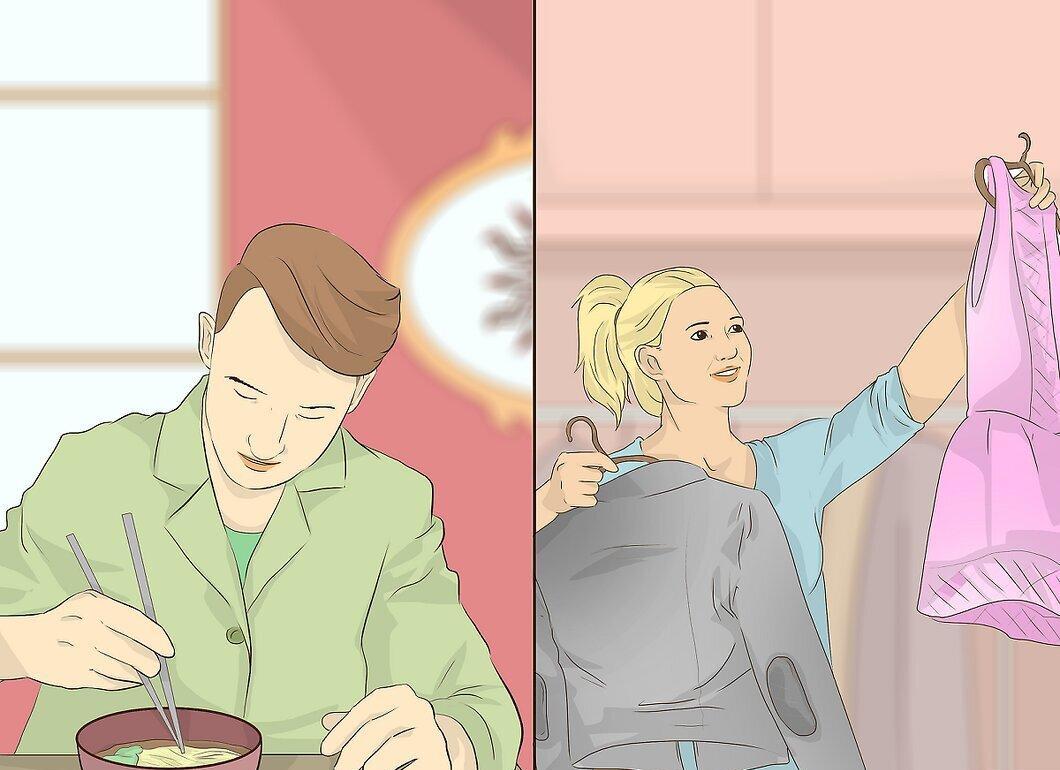
Kick off your adventure with a culinary tour and shopping spree in Tokyo. This city is the heart of Japan and offers numerous opportunities to immerse yourself in gastronomic traditions. Visit tea houses, noodle shops, and hostess bars for unforgettable taste experiences. For shopping, head to large shopping centers where you can find unique fashion and souvenirs. Expert Tip: Lorenzo Garriga, a seasoned traveler who has been exploring the world for nearly 30 years, recommends looking for evening discounts at supermarkets to save effectively.
- Divide your Tokyo itinerary into districts: Asakusa in the northeast, Tsukiji Market in the center, temples in the west, and Roppongi in the east for shopping and museums. Spend a few days in each area. Use public transport or a car to cover the entire city.
- Also, take note of popular shopping districts like Shinjuku, Shibuya, and Harajuku.
Step 2. Explore the Japanese Alps for Skiing or Snowboarding.
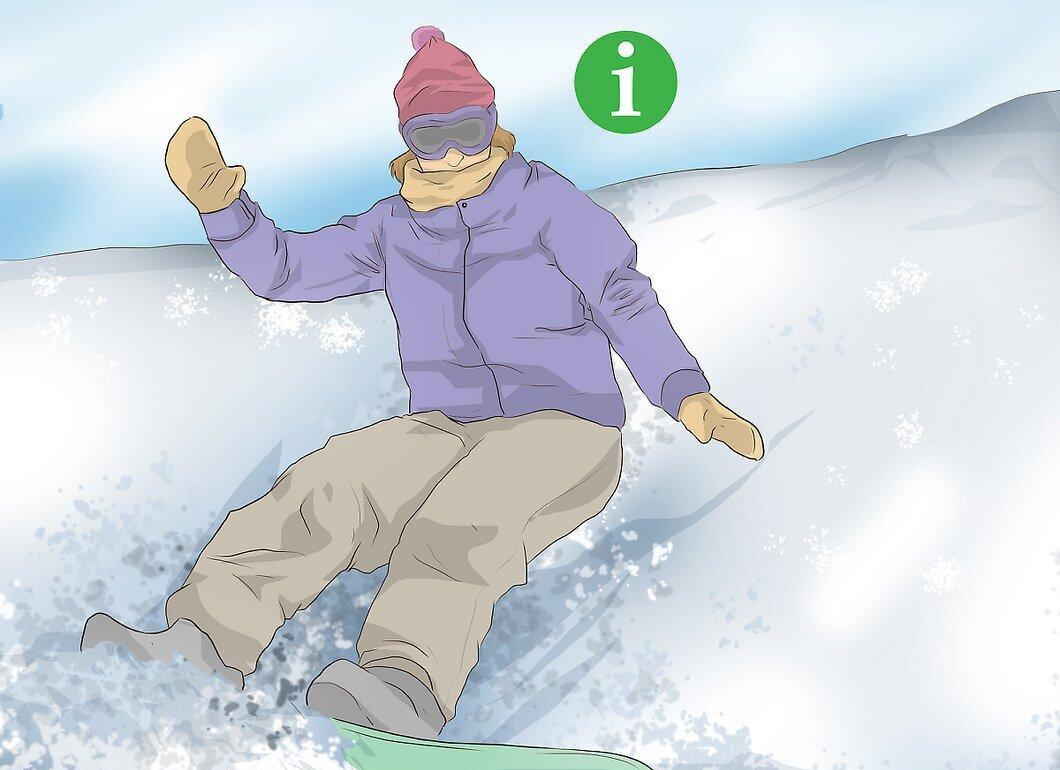
Don't miss the chance to visit the Japanese Alps, where you can ski or snowboard. This mountainous region on Honshu is known for its snowy slopes and hot springs. If you love winter sports, you definitely need to check it out!
- Consider staying at a mountain resort and going on winter walks through picturesque trails.
Step 3. Immerse Yourself in History in Hiroshima.
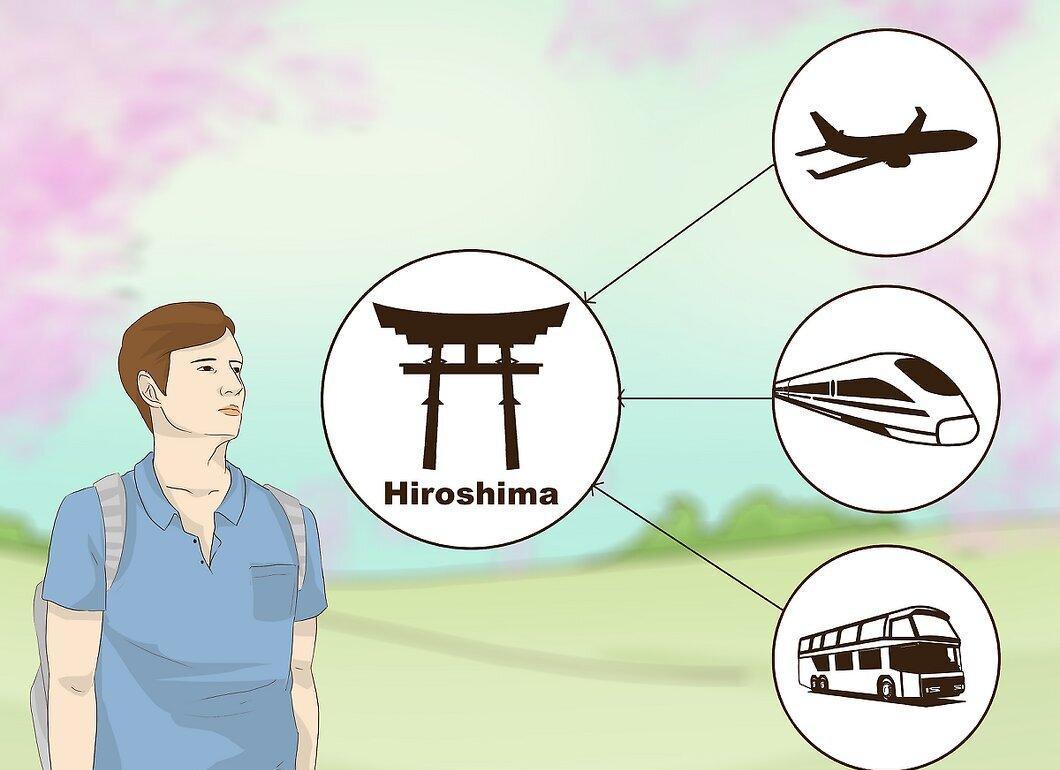
Visit Hiroshima for a unique historical experience. This is the site of the atomic bombing during World War II, and it hosts a museum that details those events.
- You can reach Hiroshima from Tokyo by shinkansen (bullet train) or by plane, with a travel time of about 1.5 hours.
- If you're looking for a more economical option, consider taking a 13-hour overnight bus from Tokyo to Hiroshima.
Step 4. Travel to Kyoto to See Sacred Sites and Temples.
Kyoto is a city considered the heart of traditional Japan, where you'll find numerous shrines, temples, and beautiful gardens.
- It's recommended to stay in Kyoto for at least one night. If you're also planning a trip to Tokyo, take the shinkansen, which will get you there in 2.5 hours.
Hassle-Free Travel
Step 1. Visit Japan in the Low Tourist Season.
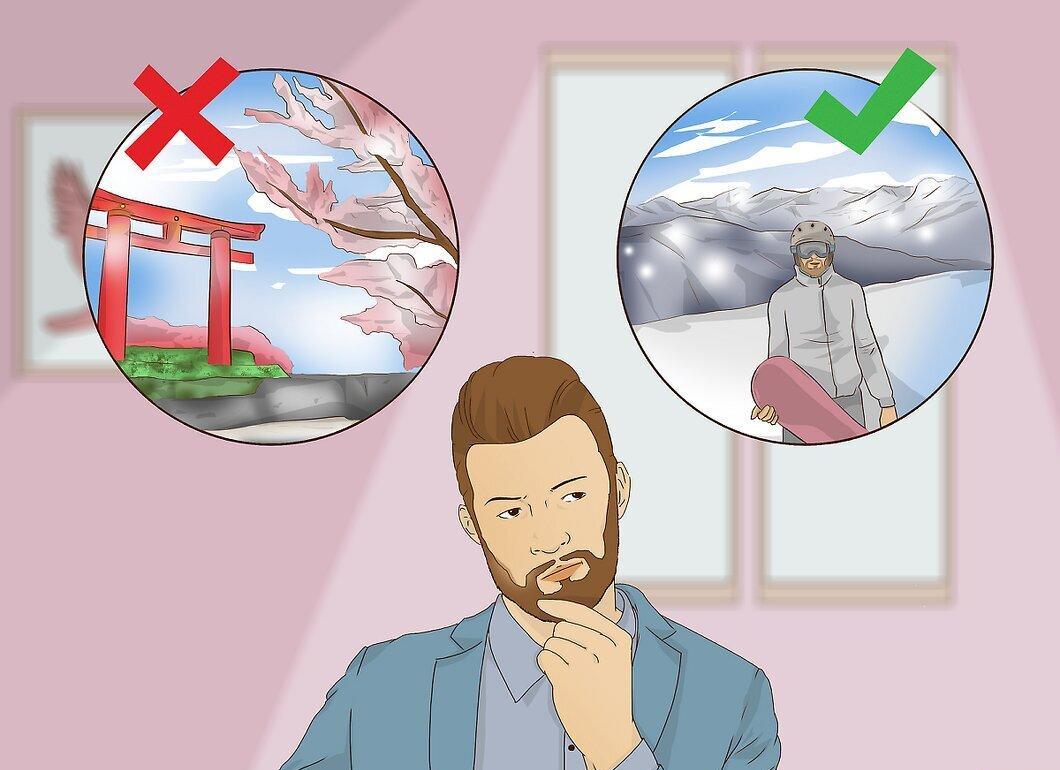
To avoid crowds, try to plan your trip during the low season. The highest number of tourists is observed in spring when cherry blossoms bloom and during Golden Week—a national holiday at the end of April and early May. Summer is also not recommended due to high temperatures and humidity. The best time to plan your trip is from late September to early March for comfortable weather and fewer people.
- If you decide to travel in winter, try skiing at famous mountain resorts or ice skating at the largest rooftop rink at White Sacas.
Step 2. Book Your Flight Tickets in Advance.
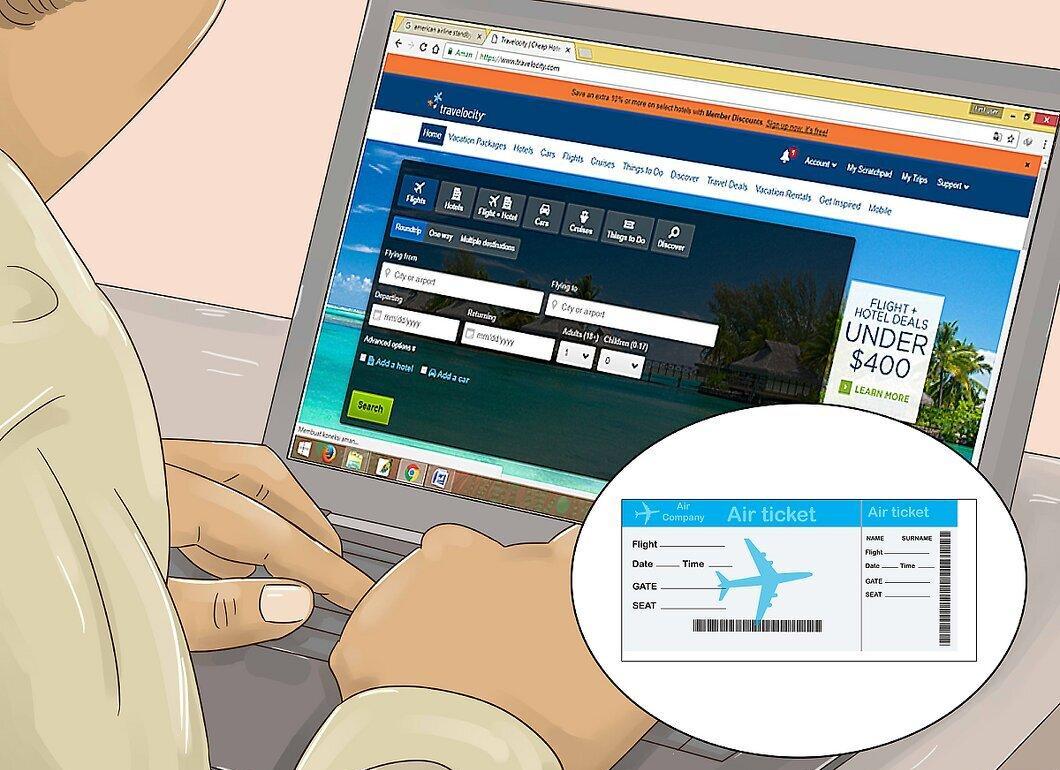
It's advisable to start searching for flight tickets at least three months before your trip to find the best deals. Compare prices from different airlines to choose the best option. Don't forget to arrange your return ticket as well.
- If your flight includes a layover, ensure you have enough time to change planes.
Step 3. Consider Hiring a Guide for Visiting Sacred Places.
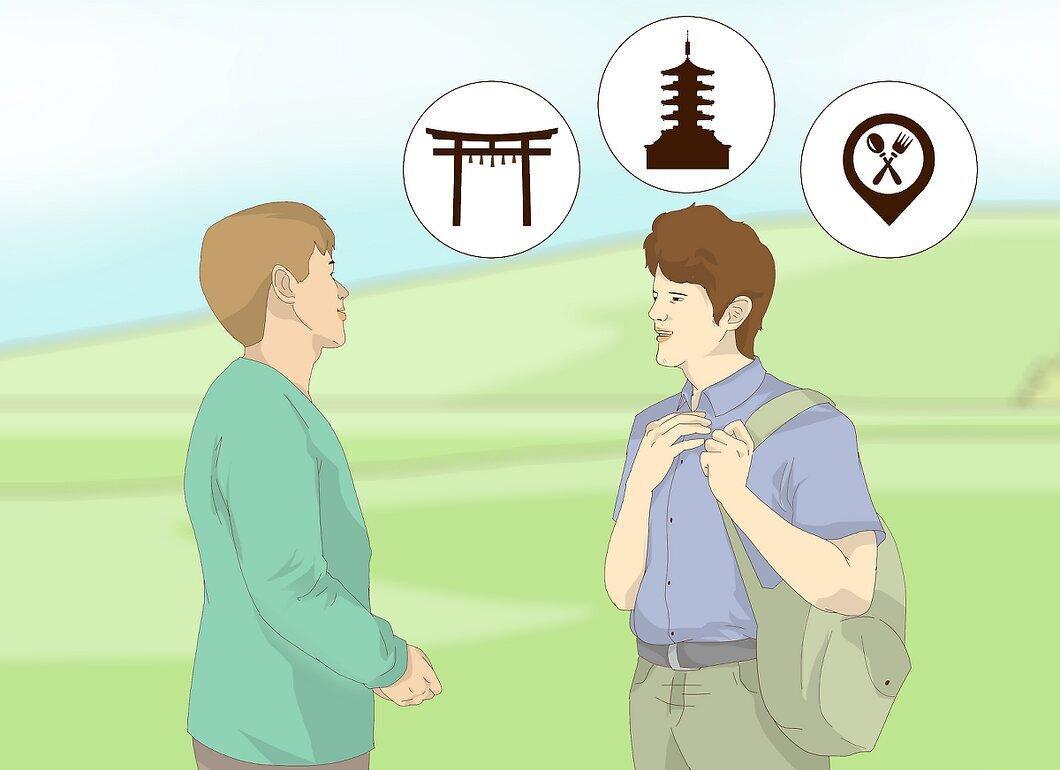
If you wish, hire a guide to gain a deeper understanding of the culture and traditions while visiting shrines and temples. You can pre-book tours or consult local guides upon arrival. This will help avoid misunderstandings with local customs.
- Also, look for free guides or volunteer groups that conduct tours in popular areas.
Step 4. Carry Cash with You.
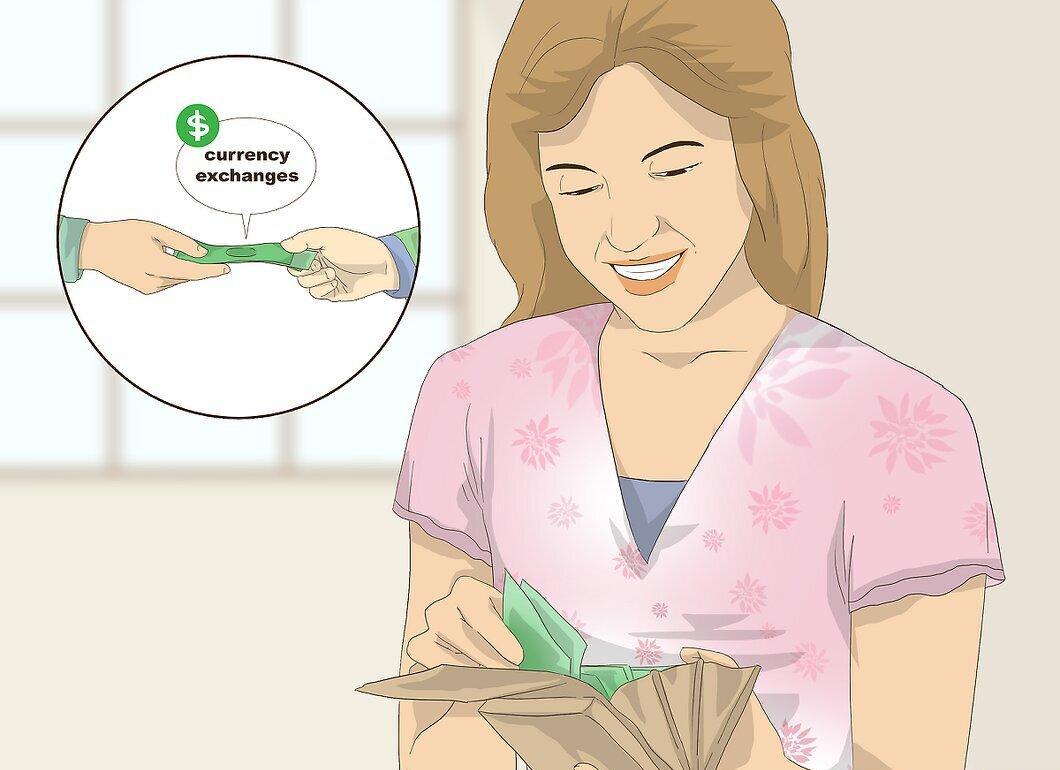
Although credit and debit cards are widely accepted in Japan, it's always helpful to have cash on hand. It's advisable to take around 20,000 yen, which is approximately 12,000 rubles or 200 US dollars.
- Ensure you inform your bank about your planned trip to avoid card blockage.
- Check if your card is accepted at most establishments.
- ATMs are available in stores like 7-Eleven.
Step 5. Decide on Your Mobile Phone Usage Abroad.
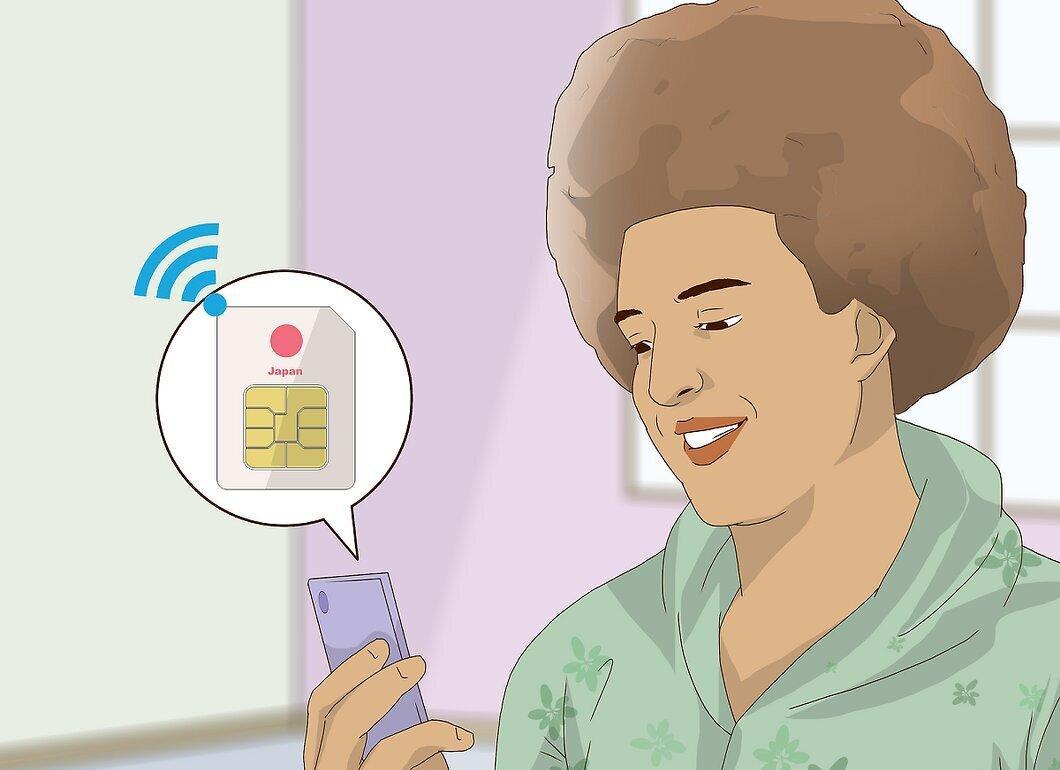
Decide how you'll use your mobile phone during your trip. You can buy a SIM card, rent a mobile phone, or use international roaming. Evaluate all options and choose the one that suits your needs best.
- A prepaid SIM card will allow you to use the internet and maps.
- Enable airplane mode to avoid high roaming charges.
Step 6. Don't Forget to Buy Souvenirs Before You Leave.
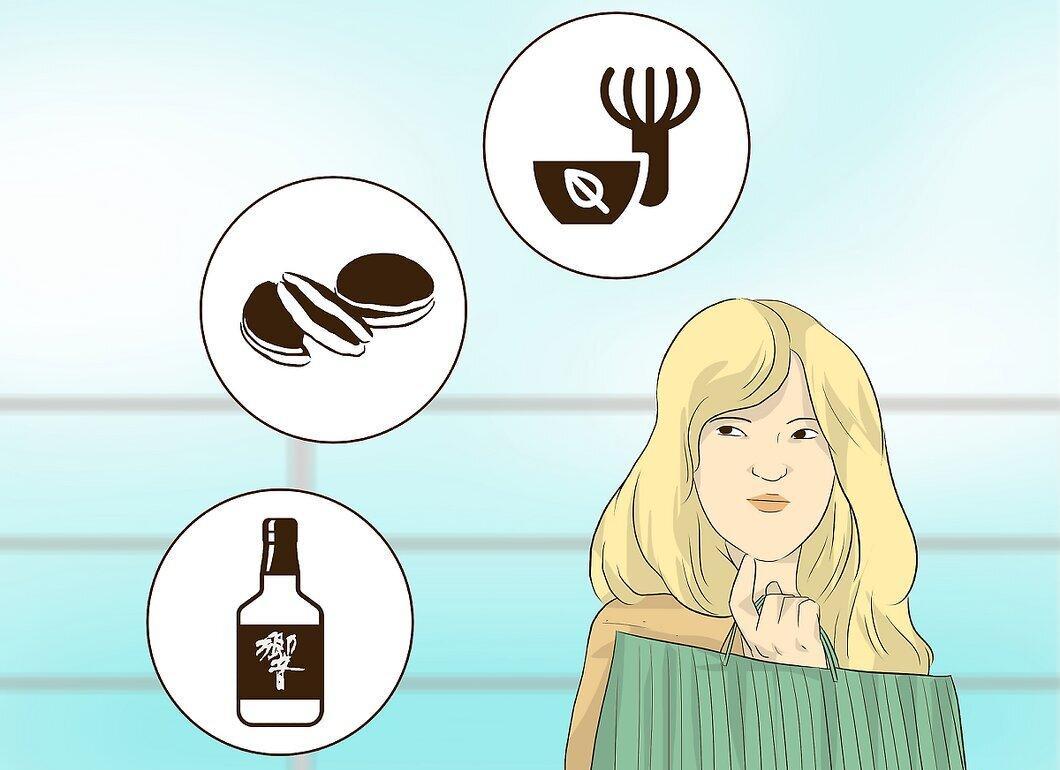
Prepare souvenirs for yourself and loved ones while traveling. Popular options include Japanese sweets, fans, keychains, or chopsticks.
- You can also consider other options like Japanese masks or traditional yukata kimonos.
Getting Around Japan
Step 1. Use Paper Maps or Mobile Apps for Navigation.
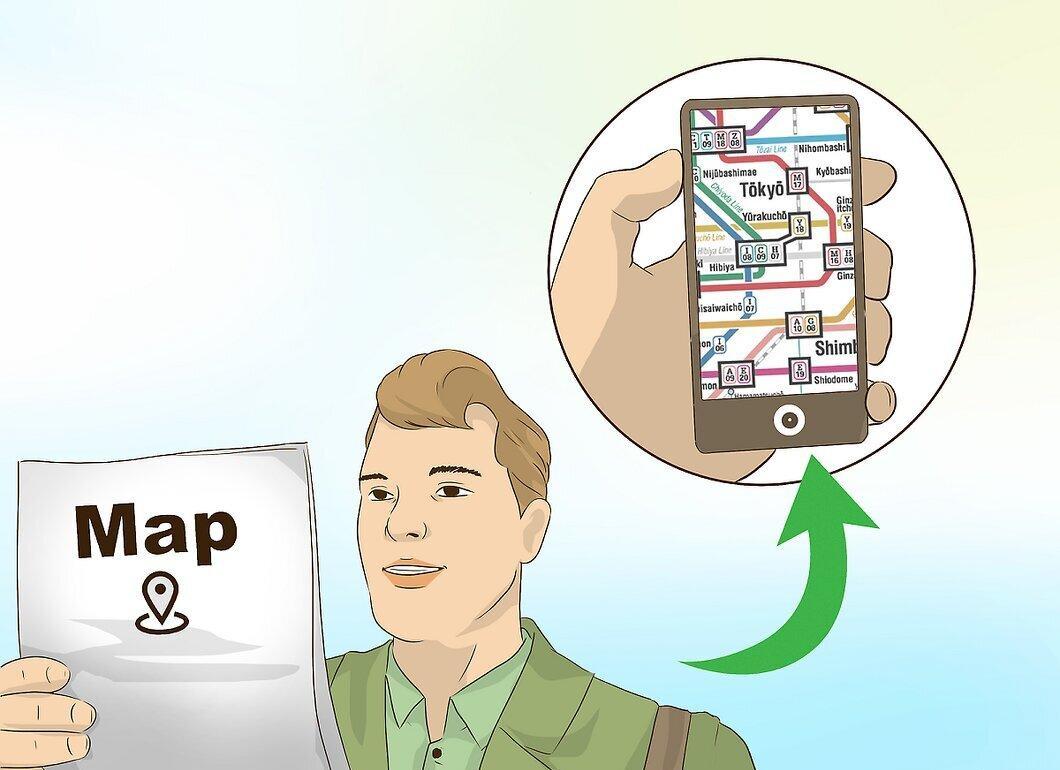
To avoid getting lost in major cities like Tokyo, it's advisable to carry an up-to-date paper map or use a mobile app. Ideally, the map should have street names in both Japanese and Russian (or English). If you have mobile internet, use maps online.
- Print a map before your trip or find one at a tourist center in Japan.
Step 2. Rent a Car for Rural Trips.
If you want to explore remote areas, renting a car is a great option. If you're traveling with a large group and luggage, this can be very convenient. However, it's better not to rent a car if you plan to stay in large cities due to complex navigation.
- You need to be over 18 and have international or Japanese driver's licenses to rent a car.
- Book a car in advance online or find a rental company upon arrival.
- Remember that Japan drives on the left side of the road.
Step 3. Use Local Subways or Trains for Convenience.
In major Japanese cities like Tokyo, it's convenient to travel by trains and subways. If you plan to take short trips, buy tickets at the stations. For longer journeys, it's best to purchase tickets in advance. Expert Tip: Lorenzo Garriga recommends staying in Asakusa for easy city navigation.
- If you plan to take many trips in one day, consider a daily pass.
- Most transport cards are user-friendly and will take you to major attractions.
Step 4. Walk to Nearby Attractions.
Many residents of Japan prefer to walk. Stroll from your hotel to nearby tourist spots or restaurants. You can also go on walking tours to experience the city's atmosphere. Expert Tip: Lorenzo Garriga suggests bringing a map to avoid getting lost.
- Be cautious, especially in unfamiliar areas, and avoid walking alone late at night.
Step 5. Use Buses for Budget-Friendly City Travel.
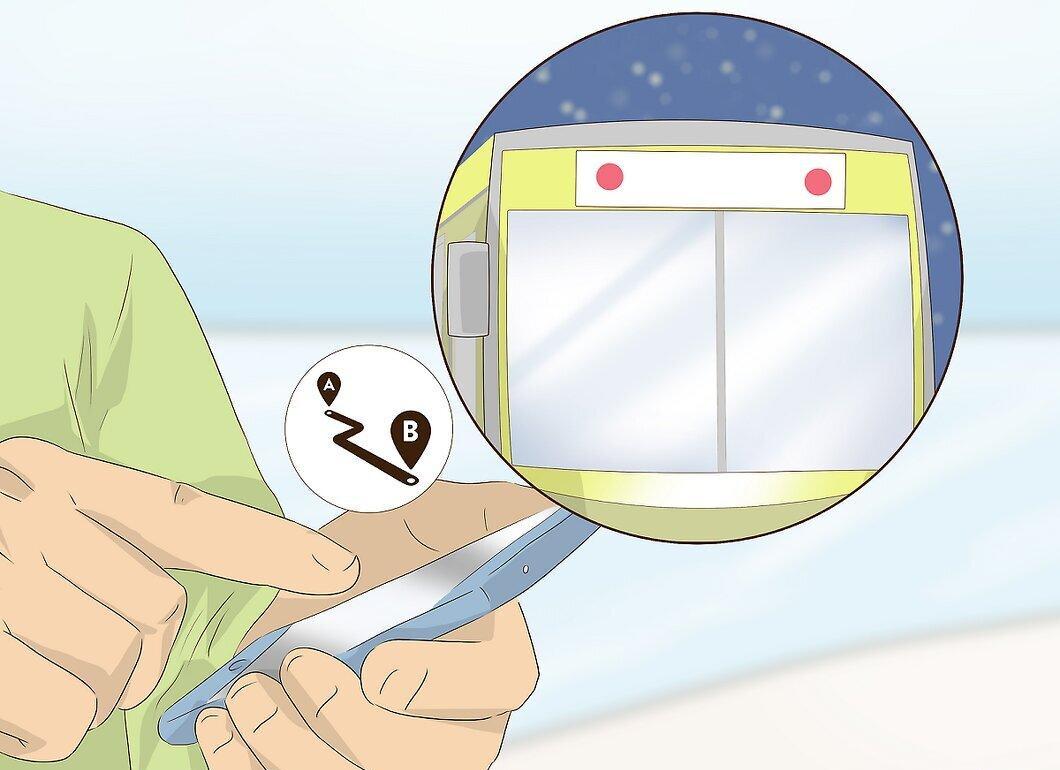
Buses are a great way to explore the city inexpensively. Familiarize yourself with the bus route map and fare information at the tourist center.
- Each city may have its unique bus system, so study the specific information for that city.
- Don't forget to consider night buses that connect Tokyo with Kyoto and Osaka at reasonable prices.
Respecting Local Customs
Step 1. Maintain Politeness in Public Spaces.
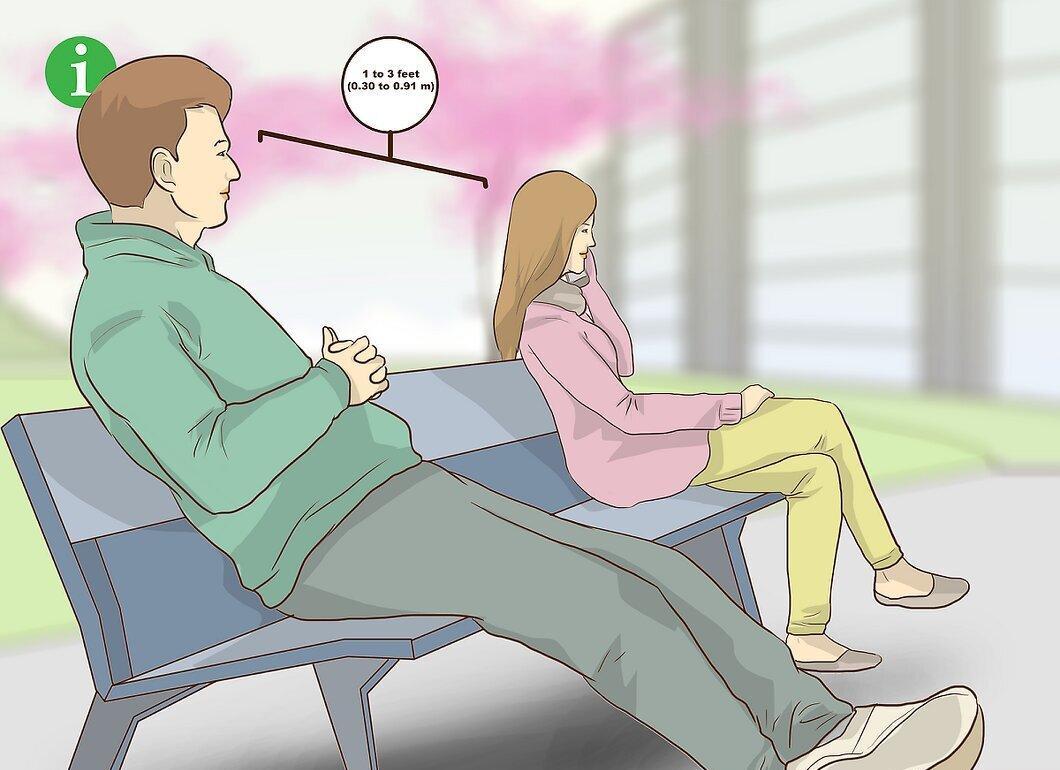
In public areas, try to keep your distance and avoid standing too close to other people. This will help avoid misunderstandings.
- On public transport, avoid loud conversations to not disturb others.
Step 2. Remove Shoes Before Entering a Home.
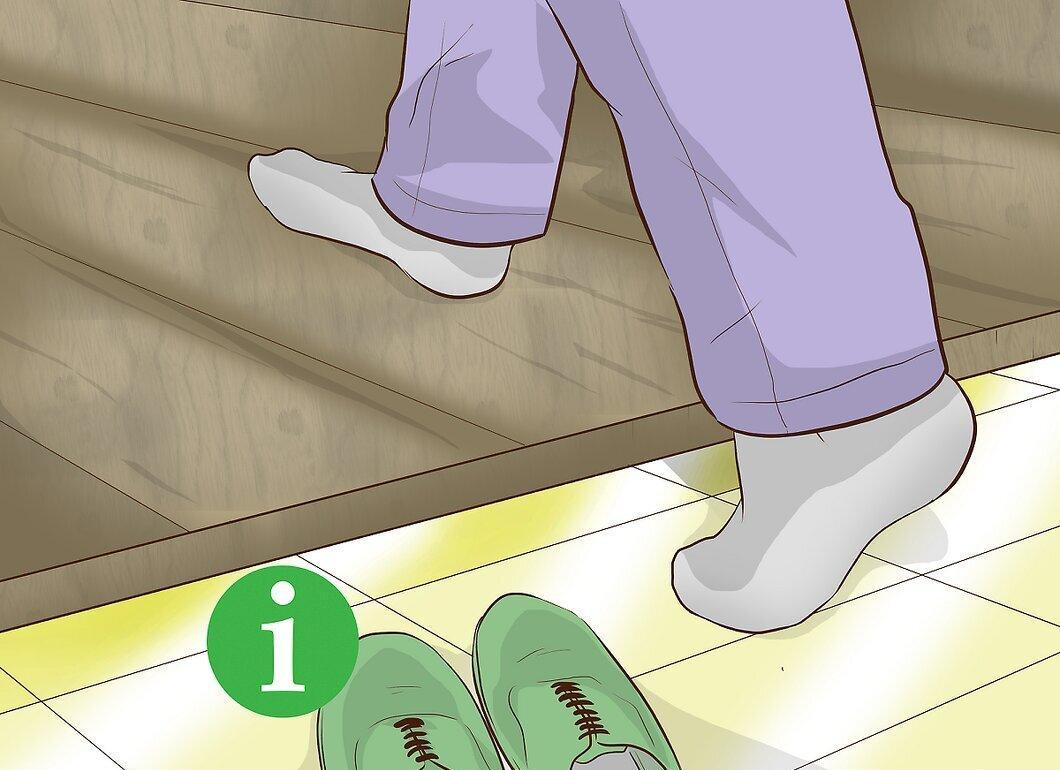
Removing shoes before entering a home or office is part of Japanese tradition and good hygiene. You may need socks or slippers to cover your feet.
- If you forget to take off your shoes, apologize and return to the door to correct the mistake.
Step 3. Respect Shrines and Sacred Places.
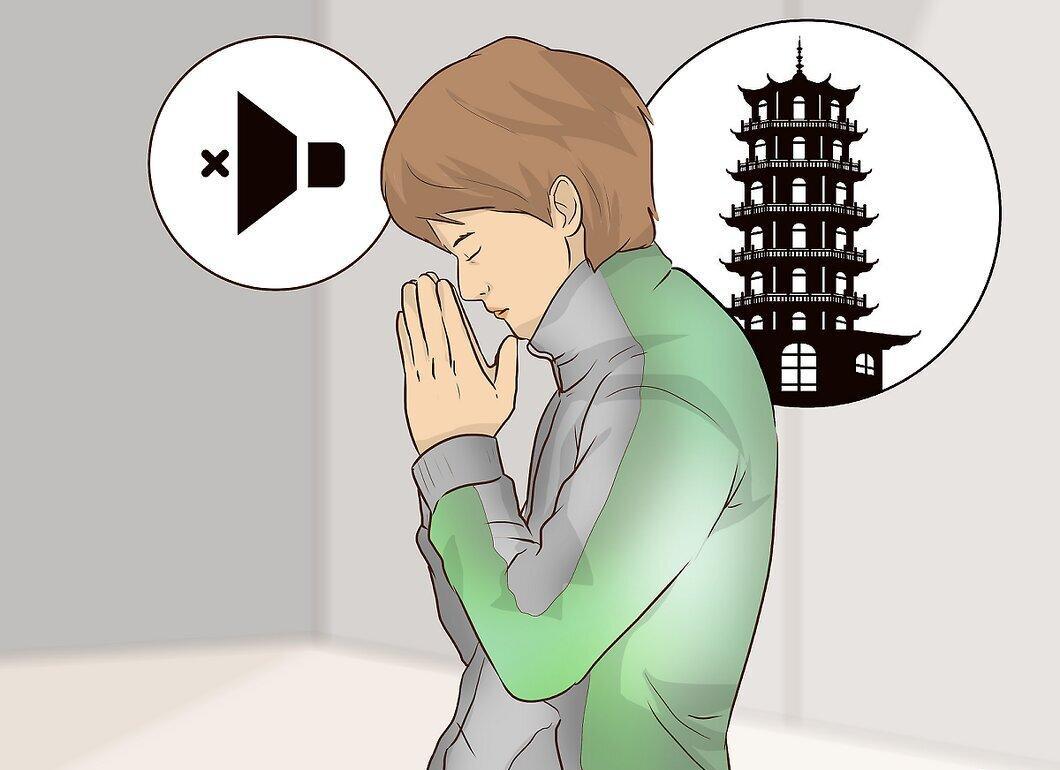
At shrines and sacred sites, speak quietly and try not to take photos, especially during ceremonies. Show respect for local traditions.
- Hiring a guide for a shrine tour can help you better understand local customs and practices.
Step 4. Greet People with a Bow.
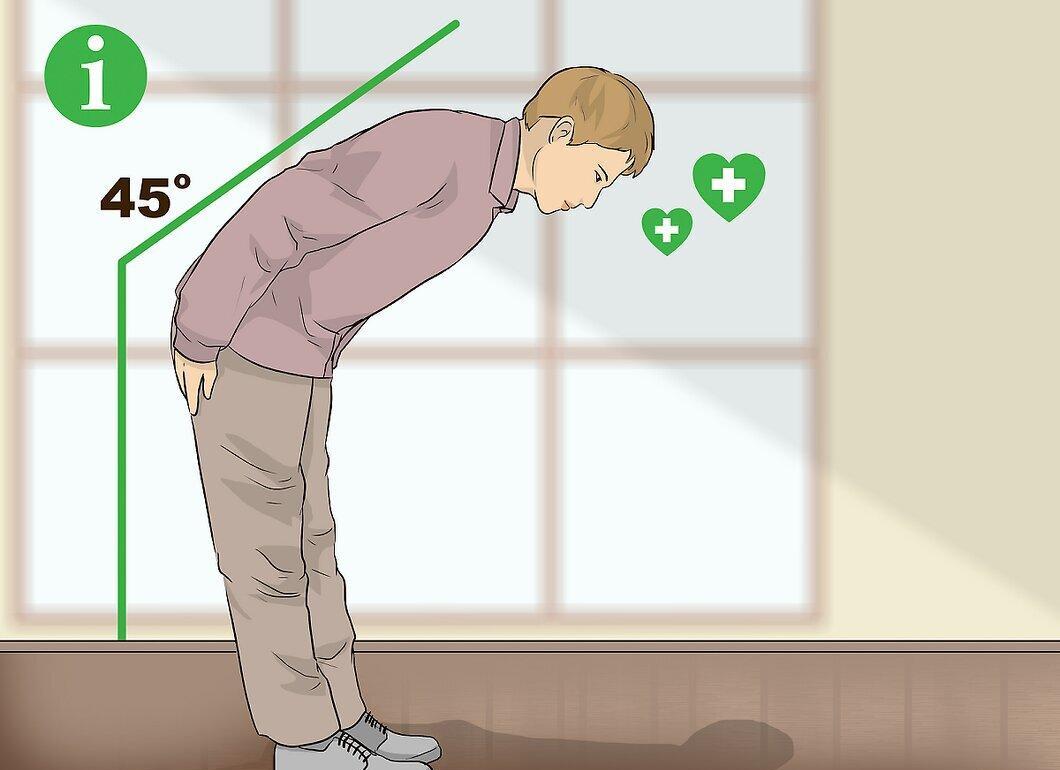
A bow is a traditional gesture of respect. When meeting or parting, as well as when expressing gratitude, bow from the waist at a 45-degree angle.
- If you are communicating with close friends, a simple nod of the head is sufficient.
Step 5. Do Not Stick Chopsticks into Rice.
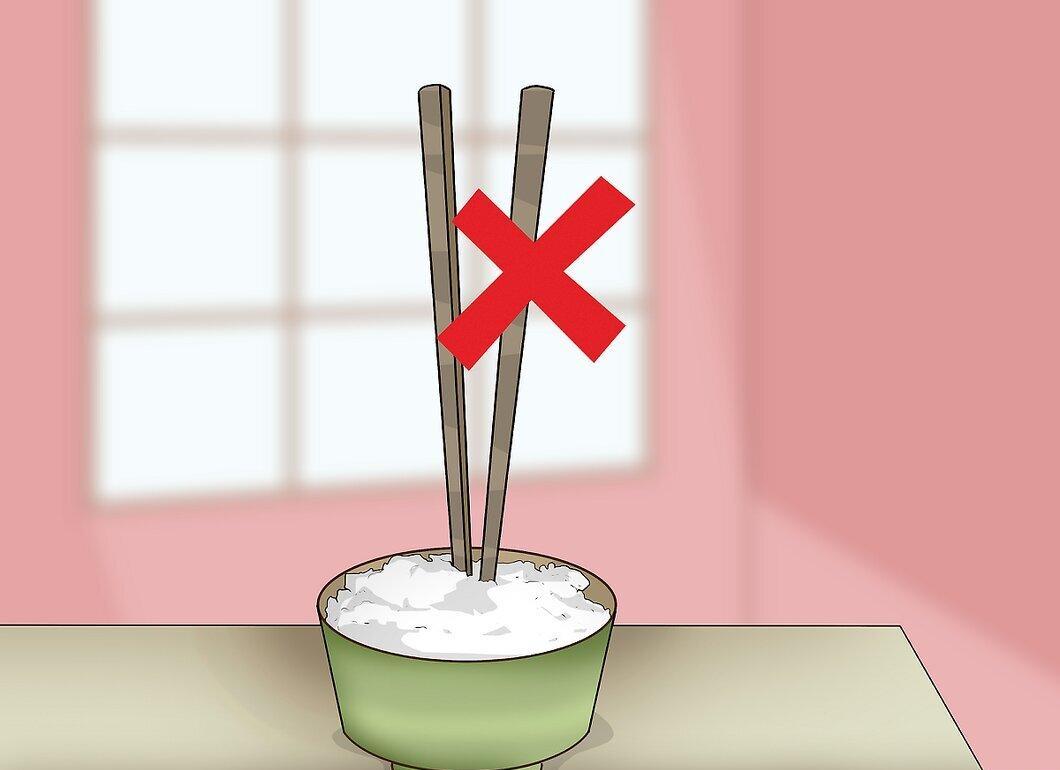
Sticking chopsticks into a bowl of rice is associated with funerals, so try to avoid this in public places. Lay chopsticks horizontally on the bowl or next to the plate.
- If you're uncomfortable eating with chopsticks, don't hesitate to ask for a fork or spoon.
Step 6. Ensure Tattoos Are Not Prohibited in Public Baths.
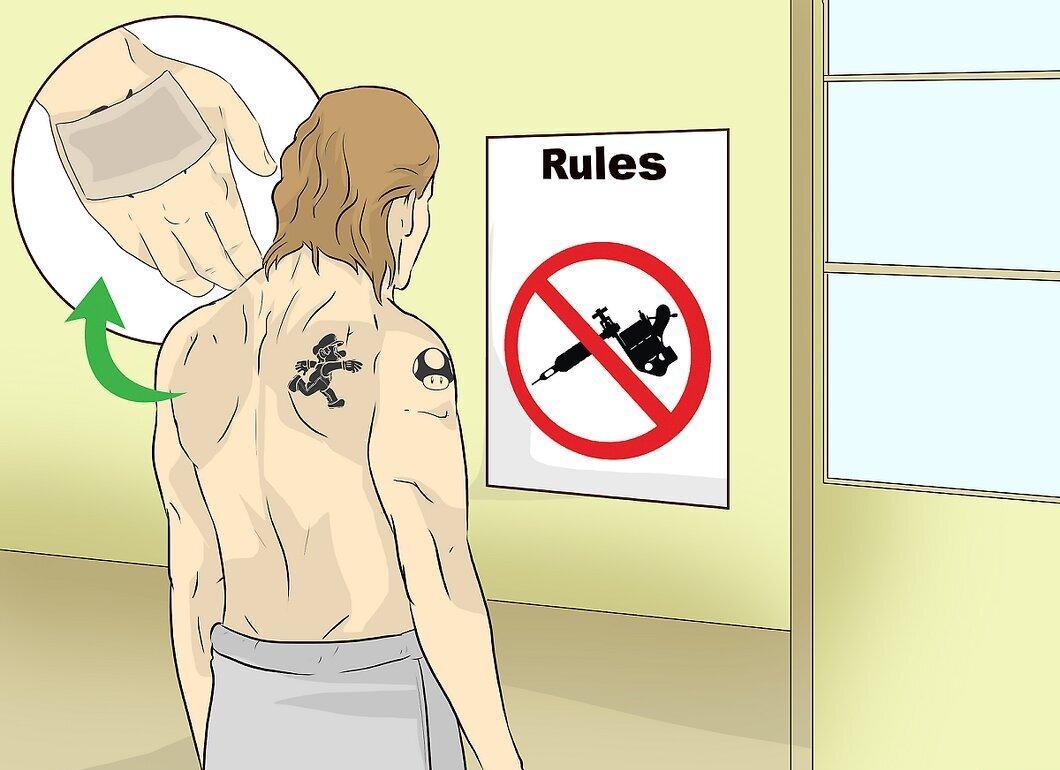
Before visiting public baths, check the rules regarding tattoos. Entry may be prohibited for people with tattoos, and you may need to conceal them.
- You can book a private room at a spa if necessary.
Finding Accommodation
Step 1. Book a Hostel for Budget Savings.
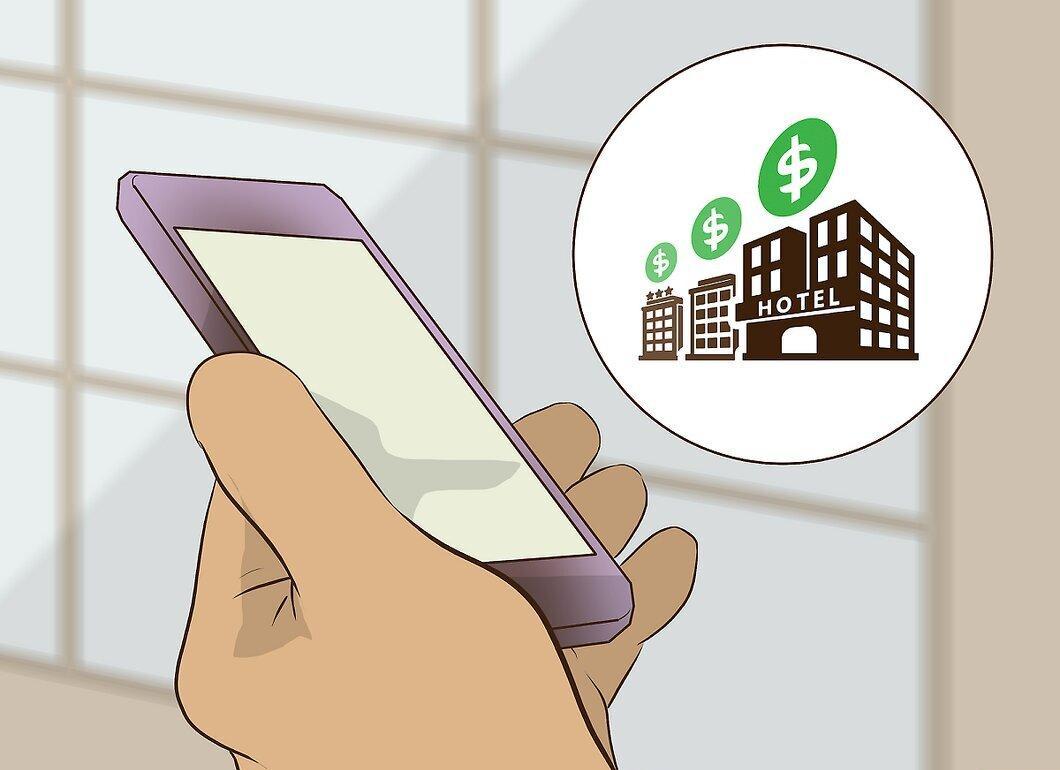
To save money, choose hostels where the cost of staying ranges from 1500 to 4000 yen per person. Find a hostel in the city center to be closer to major attractions and transport hubs. Expert Tip: Lorenzo Garriga notes that many hostels speak English, which will facilitate communication.
- It's advisable to book in advance to secure the best price.
Step 2. Stay in a Capsule Hotel for Compact Living.
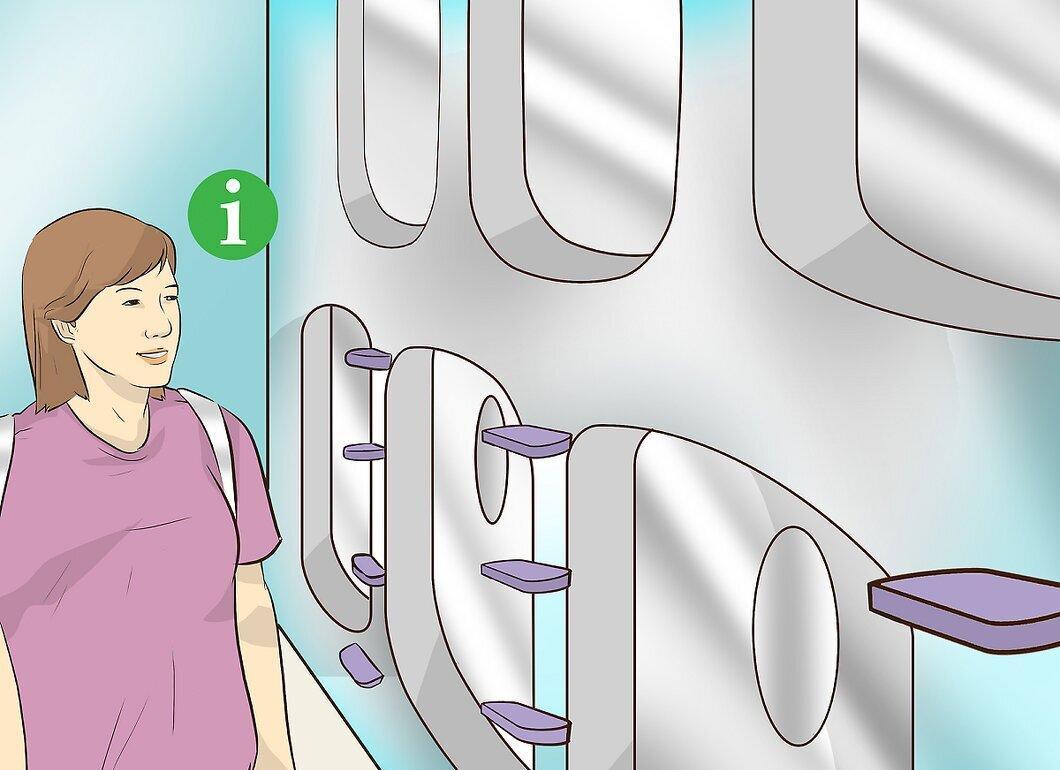
If you're comfortable sleeping in a small space, capsule hotels are a great choice. These hotels offer compact rooms that are convenient for overnight stays if you've missed transport. Expert Tip: Lorenzo Garriga emphasizes that tourists with visas may find it challenging to rent an apartment, so it's better to choose a hostel or capsule hotel.
- Such hotels usually have shared bathrooms.
- Prices range from 3000 to 4000 yen per night.
Step 3. Choose a Western Hotel for Greater Comfort.
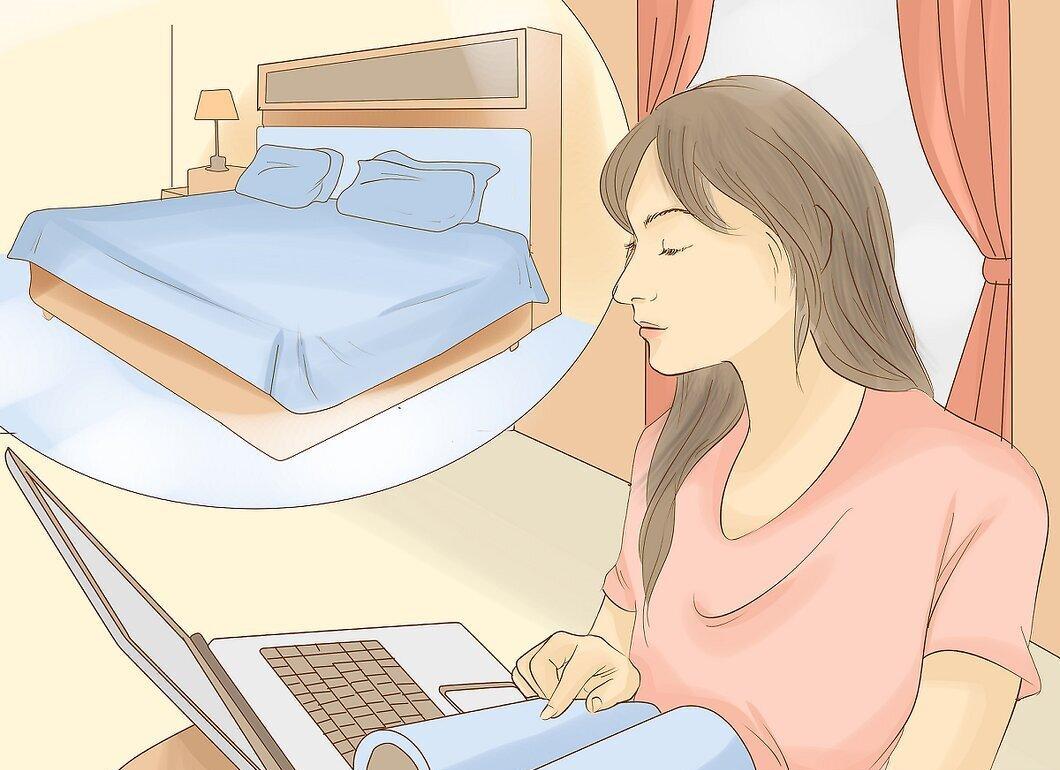
If you want more comfort, opt for western hotels with familiar amenities. They are available in all major cities but may cost between 8000 and 50,000 yen.
- It's recommended to book a room in advance online for a good price.
Step 4. Spend a Night in a Traditional Ryokan.
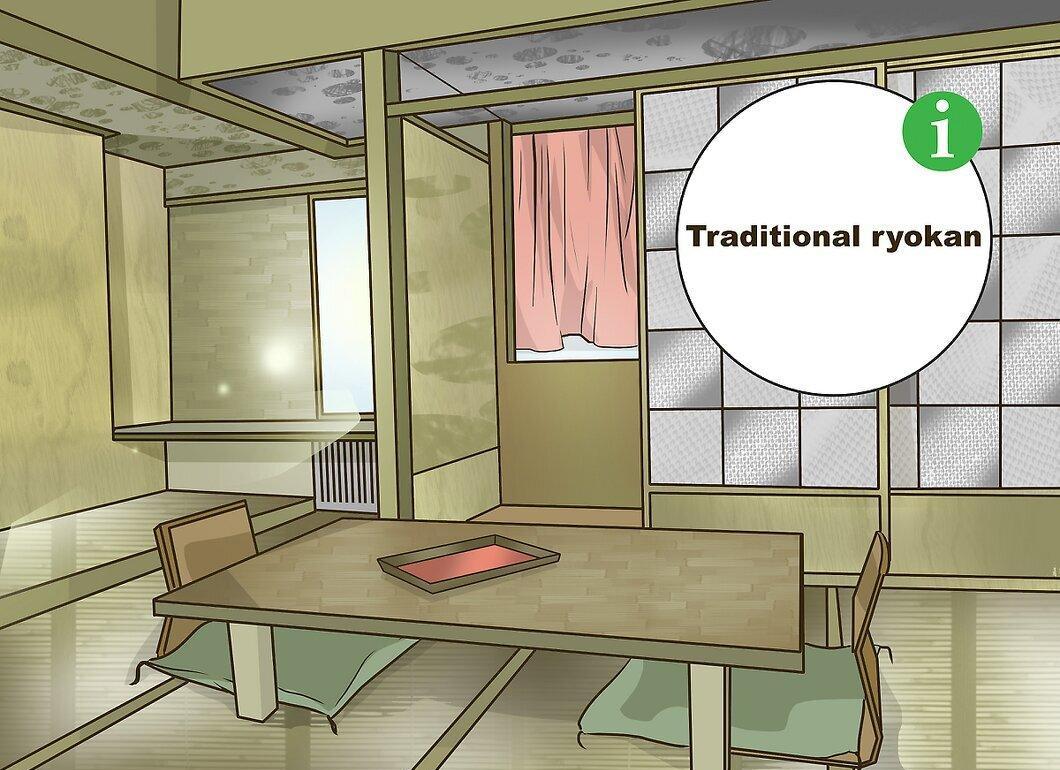
For a unique experience, stay in a traditional ryokan where the Japanese style of living is preserved. Rooms usually have tatami floors and futons for sleeping.
- You can choose a more modern ryokan for added comfort.
- Staying in a ryokan will cost from 6000 to 40,000 yen per person.