
You've made the decision to resign, and now you need to communicate this to your employer. Whether you're leaving for a new job, a pay raise, personal reasons, or due to conflict, it's important to remain professional and follow the company's established protocols. Remember that maintaining good relationships can be beneficial, as future employers may seek references from your current one. Additionally, you never know what connections your colleagues may have outside the office! While each situation is unique, this guide will help you convey your decision to resign in the most professional manner, regardless of your reasons.
Resigning in a Positive Situation
Step 1. Request a Face-to-Face Meeting with Your Boss.
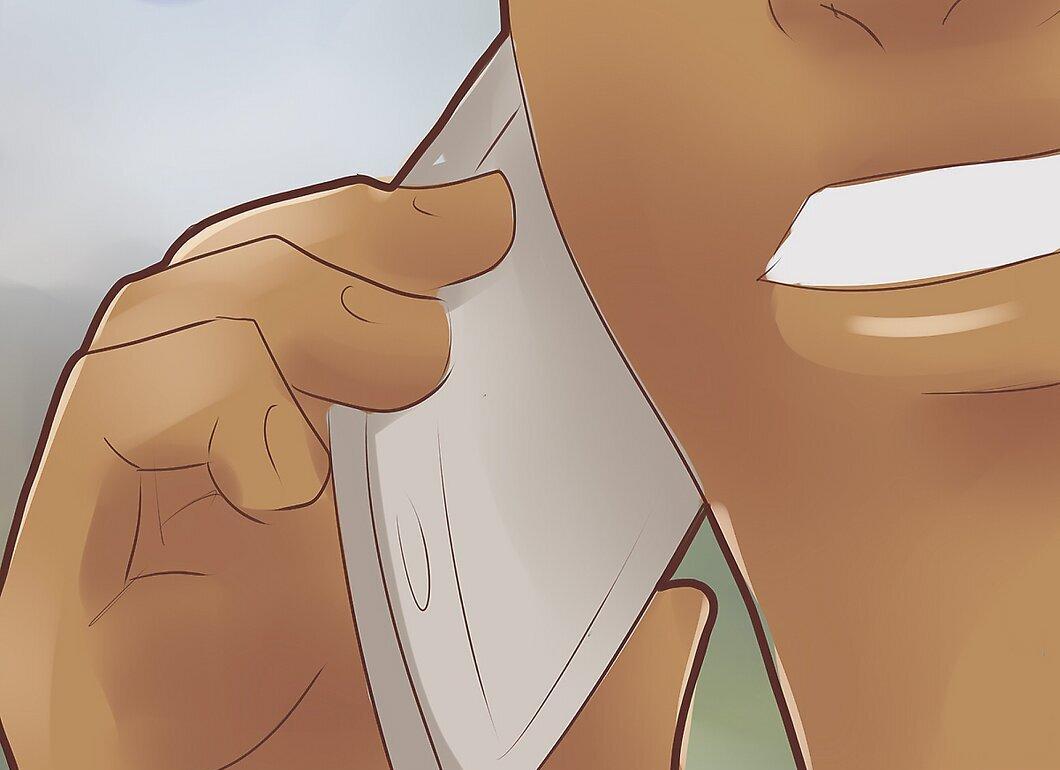
Ask for a face-to-face meeting with your boss. If you work in the same office or can easily approach them, this will be quite simple. If it's difficult to reach your manager, a phone call or video call will suffice. Avoid traveling if it takes more than 4 hours just to convey your decision.
- When requesting a meeting, say: "I would like to talk to you privately about an important matter. Do you have time today?" At this point, you don't need to mention that you're planning to resign.
Step 2. Conduct Yourself Respectfully and Honestly During the Meeting.

Be polite and sincere during the meeting. Start by thanking your boss for taking the time to meet with you. Then inform them that you've decided to leave the company and specify the date you plan to depart.
- It's advisable to give at least two weeks' notice. However, some positions may require longer notice (from three weeks to a month). This generally applies to roles that are hard to fill, such as when there's only one person on the team or in senior management positions.
Step 3. Avoid Focusing on Negative Aspects.

Try to avoid a negative tone as much as possible. Stay positive and do not delve into the negative reasons for your departure.
- For instance, if you’re moving to another company for a higher salary, don’t say: "I'm leaving because the pay is too low, and I work harder than Joe, who earns more." Instead, say: "I'm leaving for a more attractive opportunity."
Step 4. Offer Constructive Criticism.
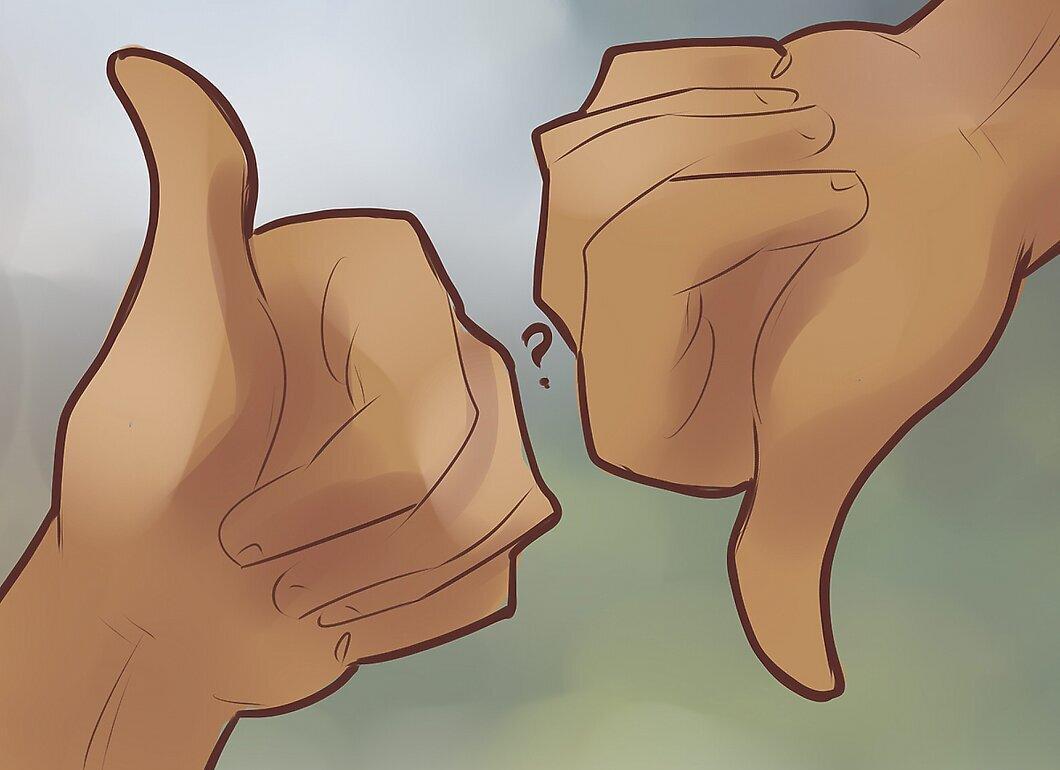
If you have constructive criticism, you can share it. The best time for this is during an exit interview. However, some companies may not conduct such interviews; in that case, you can share your thoughts with your manager. To find out if they conduct exit interviews, ask your manager or HR about it.
- Remember to remain positive while offering your suggestions or constructive criticism. The main goal is to help the company retain employees. For example, if there’s a lack of training for managers, you could say: "It would be beneficial for employees if the company organized training for managers."
Step 5. Don’t Boast About Your New Job.

Avoid emphasizing your new position. If you're leaving on good terms, your boss may feel sadness or even envy about your decision. You can mention the name of the new company and your new role, but try to avoid details about your new responsibilities and projects to avoid leaving a bad impression.
Step 6. Thank Your Boss for the Experience.
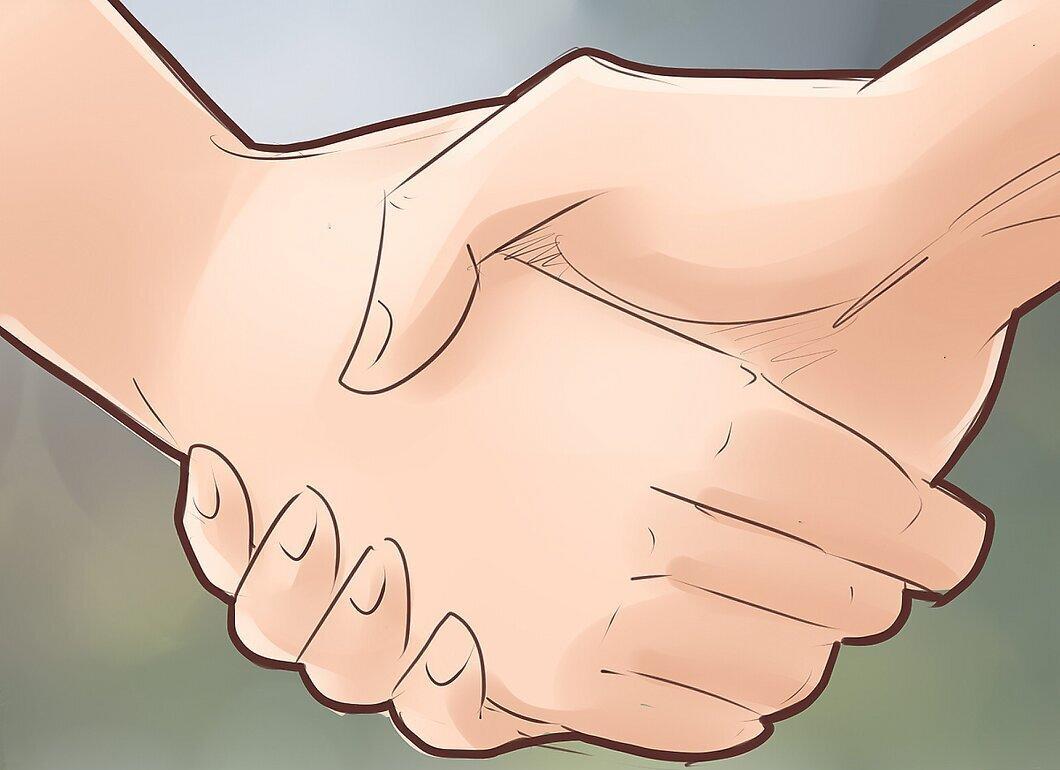
Thank your manager for the opportunity to work, learn, and grow within the company. Many jobs provide you with valuable skills and knowledge that will benefit your future career. Acknowledging this fact and expressing gratitude to your manager is crucial for leaving a positive final impression.
Step 7. Prepare a Signed Resignation Letter.
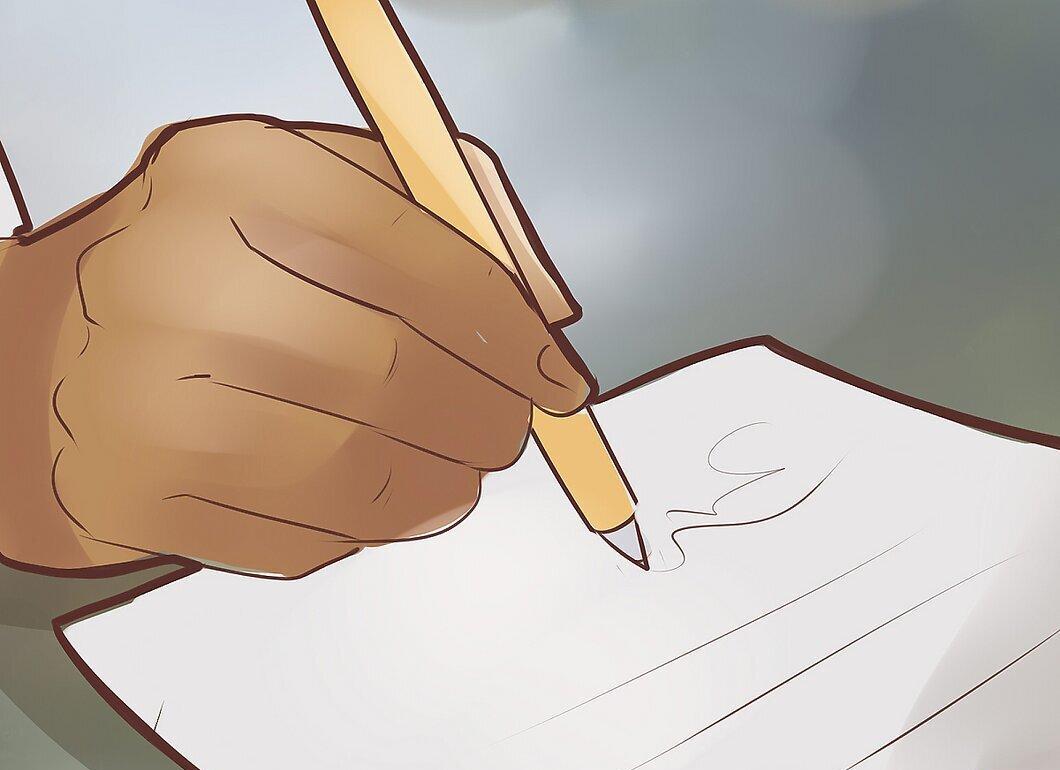
Draft a signed resignation letter that outlines the main reasons for your departure. You can present it at the end of your meeting. This letter will be kept in your file and should include:
- A statement indicating that you are resigning.
- The date of your last day at the company.
- Conclude on a positive note by thanking them for the opportunity. An example opening for your resignation letter: "I hereby request to resign from my position as Sales Manager effective June 23, 2014. I thank the company for the experience provided and wish the management and team success in the future."
Resigning in a Negative Situation
Step 1. Request a Face-to-Face Meeting with Your Supervisor or HR.
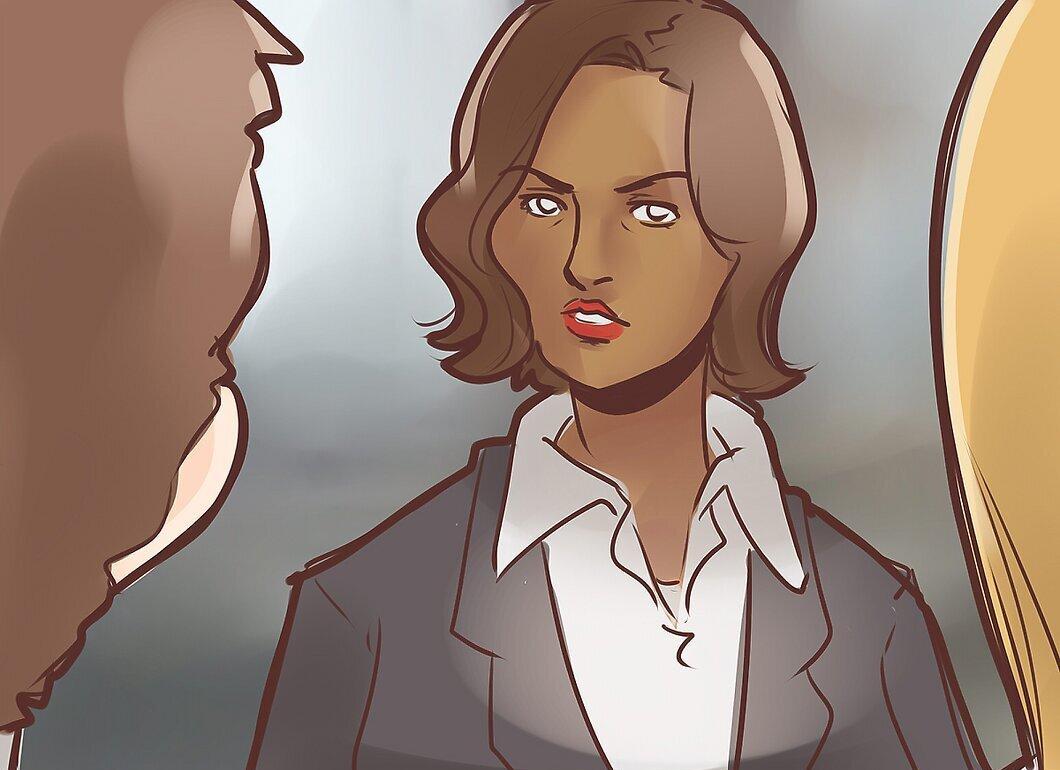
Request a face-to-face meeting with your supervisor or a representative from HR. Generally, when resigning, it’s sufficient to notify your direct manager. However, if the situation involves HR (for example, a conflict with a manager or harassment cases), it’s advisable to have their representative present. If you can easily meet your manager in the office, that’s great. Otherwise, a phone call or video call will work. Avoid traveling if it takes more than 4 hours.
- When requesting a meeting, say: "I would like to talk to you privately about an important matter. Do you have time today?" At this point, you don’t need to disclose your intention to resign.
Step 2. Be Respectful and Honest During the Meeting.
Be polite and sincere during the meeting. Start by thanking your supervisor for taking the time to meet with you. Then say that you've decided to leave and indicate your departure date. Two weeks' notice is considered standard and professional. However, if the situation is serious, such as harassment, you may choose to waive the two-week notice requirement.
Step 3. Don’t Display Negative Emotions Like Anger or Frustration.
Avoid showing negative emotions such as anger or frustration. When you come to the meeting with strong feelings, it becomes difficult to have a productive conversation. This can create tension and leave both parties in a bad mood. It’s important to remain calm, even when it’s challenging.
Step 4. Don’t Focus on Negativity.

Try not to dwell on the negative aspects of your job. Provide a brief and simple reason for your departure and move on.
- For instance, if the reason for your departure is a conflict with your manager, don’t say: "I’m leaving because my manager is unworthy and doesn’t understand me." Instead, say: "I’m leaving due to a conflict in management styles, and (insert your manager's name) would agree that such a relationship isn’t beneficial for the company."
Step 5. Offer Constructive Criticism.
If you have constructive criticism, don’t hesitate to voice it. This is best done during an exit interview. However, if the company doesn’t conduct such interviews, you can share your thoughts on how to improve working conditions with your supervisor or HR. If you’re refused, don’t insist. If the company genuinely wants to hear your ideas:
- Provide valuable suggestions or constructive criticism to help the company retain employees. For example, if you’re leaving due to harassment, you might say: "It would be helpful for employees if the company conducted additional training on harassment issues."
Step 6. Don’t Boast About Your New Job.

Avoid emphasizing your new position. If you’re moving to a new job, you can mention the name of the new company and position, but steer clear of details about your new responsibilities so it doesn’t come off as boasting and leaves a bad final impression.
Step 7. Thank Your Manager for the Experience.
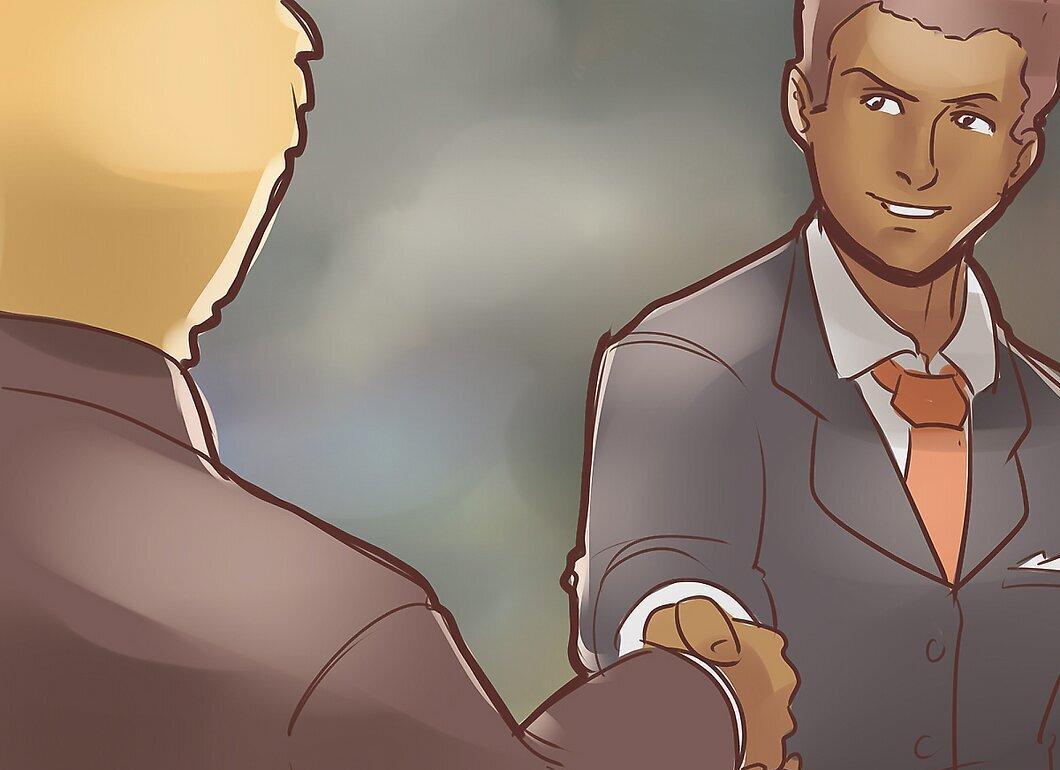
Make sure to thank your manager for the opportunity to work at the company. Many jobs teach you valuable skills and experiences that will help you in the future. Even if you’re leaving for negative reasons, it’s important to acknowledge this and thank your manager for the opportunity. This will help leave a good final impression.
Step 8. Prepare a Signed Resignation Letter.
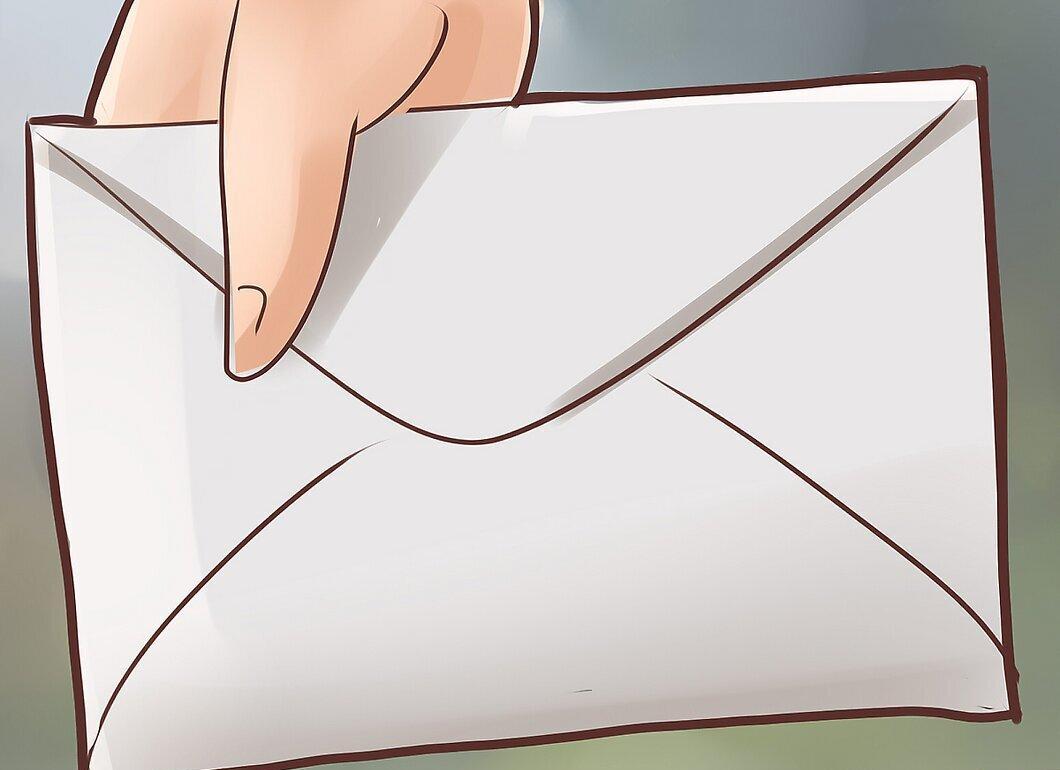
Draft a signed resignation letter outlining the main reasons for your departure. You can present it at the end of your meeting. This letter will be kept in your file and should contain:
- A statement indicating that you are resigning.
- The date of your last day at the company.
- A thank you for the opportunity to work at the company.
- An example of a good resignation statement: "This letter serves as my notification of my desire to leave the position of Sales Manager. My last working day at the company will be April 5, 2014. I thank the company for the valuable experience provided and wish it success in the future."