
When preparing for a trip, we often need to bring along our belongings. Since airlines impose strict size and weight restrictions on luggage, it's wise to take measurements in advance. First, you need to acquire a suitcase that meets your needs. Before heading to the airport, make sure to measure the height, width, depth, and weight of your suitcase. Taking these measurements ahead of time will save you from unnecessary trouble at the airport.
Choosing a Suitcase
Step 1. Check your airline's baggage policies.

Review your airline's rules regarding luggage. Each airline has its own requirements for checked and carry-on baggage. You can find this information on the airline's official website, usually in the FAQ section.
- Remember, the most up-to-date information is always available on your airline’s website.
Step 2. Ensure your suitcase meets the size requirements.
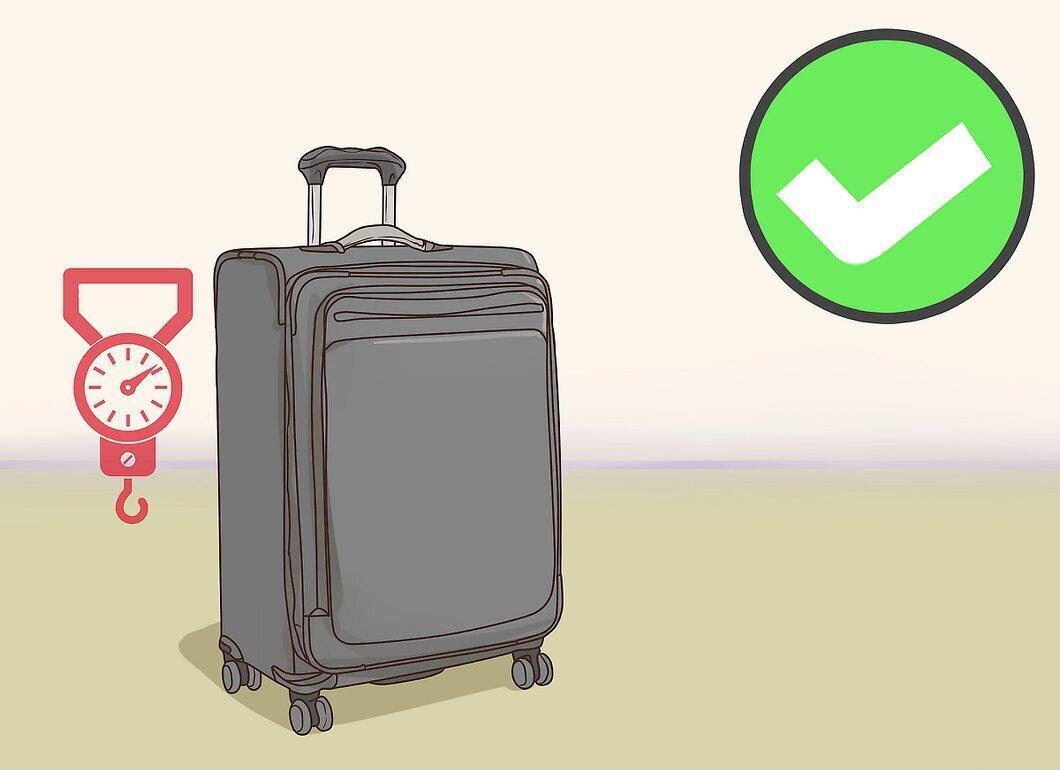
Check that your suitcase complies with the specified size requirements. Some suitcases come with a special zipper that allows for increased capacity. If you plan to use this extra space, measure the suitcase with the zipper unzipped.
Step 3. Measure the suitcase again.
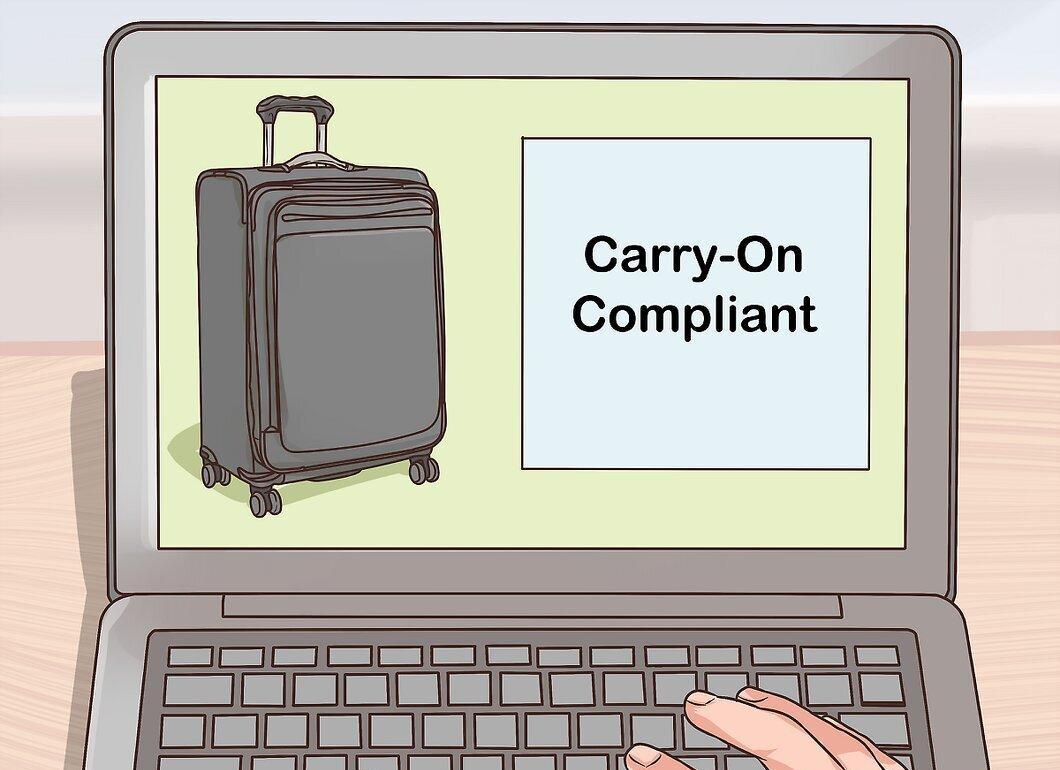
Double-check the suitcase’s dimensions. Many retailers claim that their suitcases are suitable for carry-on luggage, but it’s best to verify this yourself. Different airlines have varying requirements, and the dimensions provided by sellers may not always be accurate.
Step 4. Measure the suitcase when it’s packed.
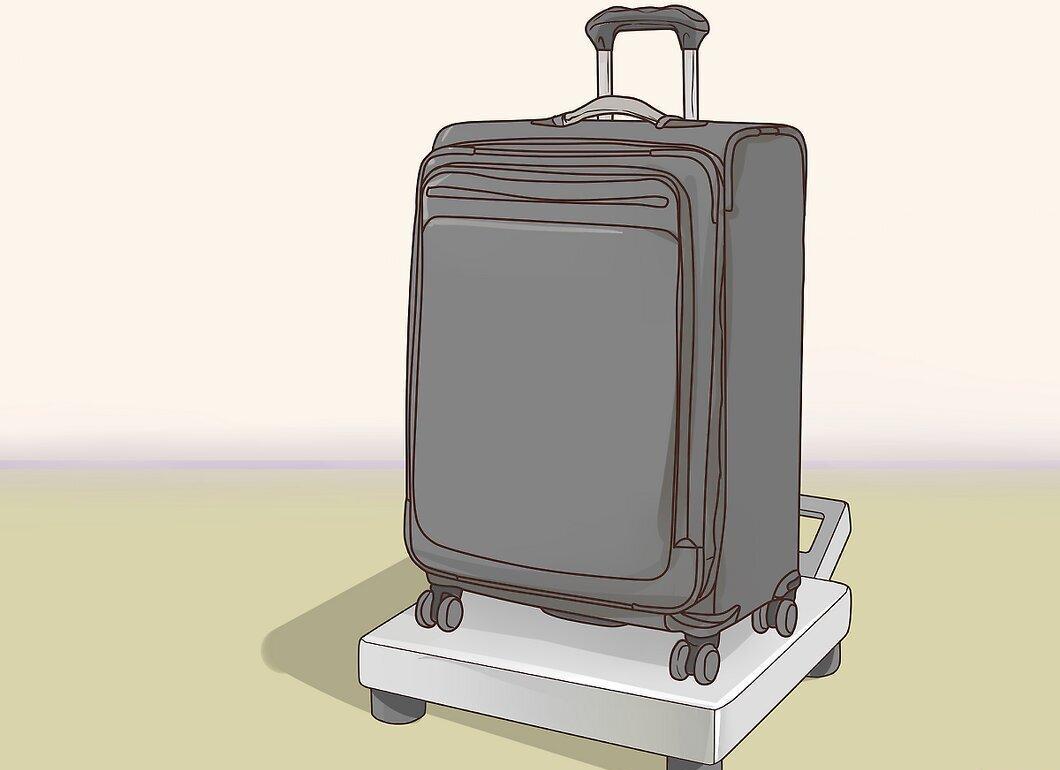
Measure the suitcase when it’s filled. It may meet the airline's requirements when empty, but its dimensions may change when packed. Pack all your items and measure again.
Step 5. Compare carry-on and checked baggage requirements.
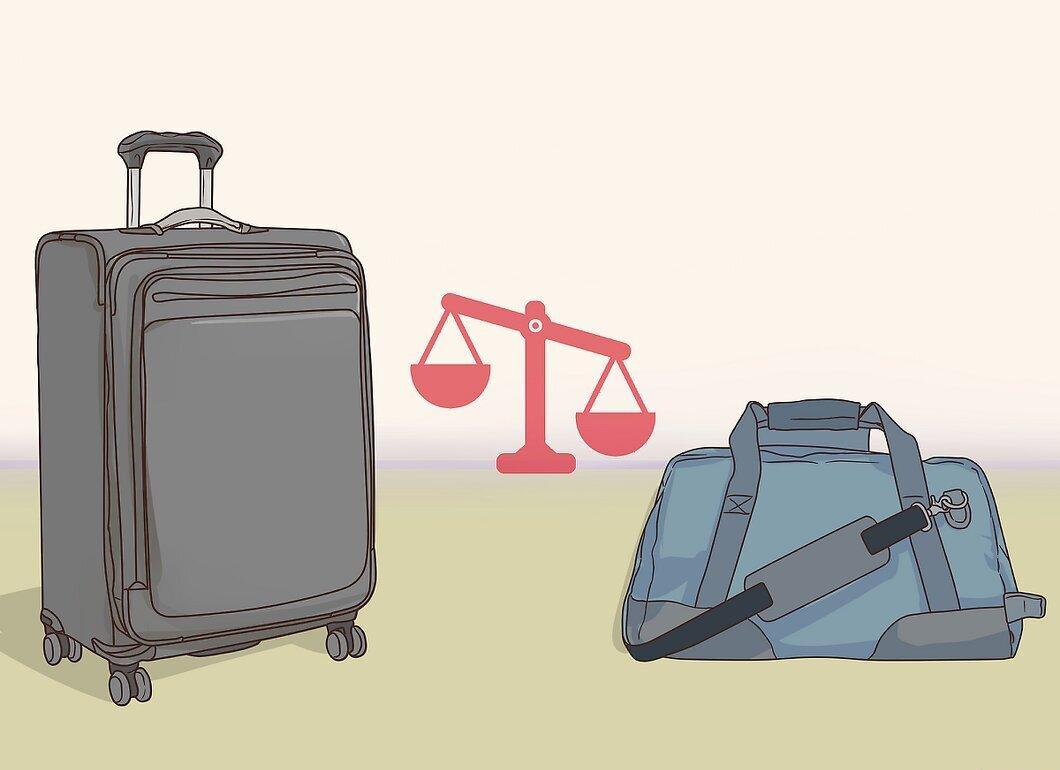
Compare the dimensions for carry-on and checked baggage. Most airlines allow larger luggage if it’s checked in. Decide in advance whether you’ll take the suitcase into the cabin or check it, and ensure it meets the airline’s requirements for your choice.
- Note that most airlines have strict weight limits for checked baggage. Don’t forget to weigh your suitcase after packing to avoid unpleasant surprises at check-in.
How to Measure Your Suitcase
Step 1. Find the sum of the three measurements of your suitcase.
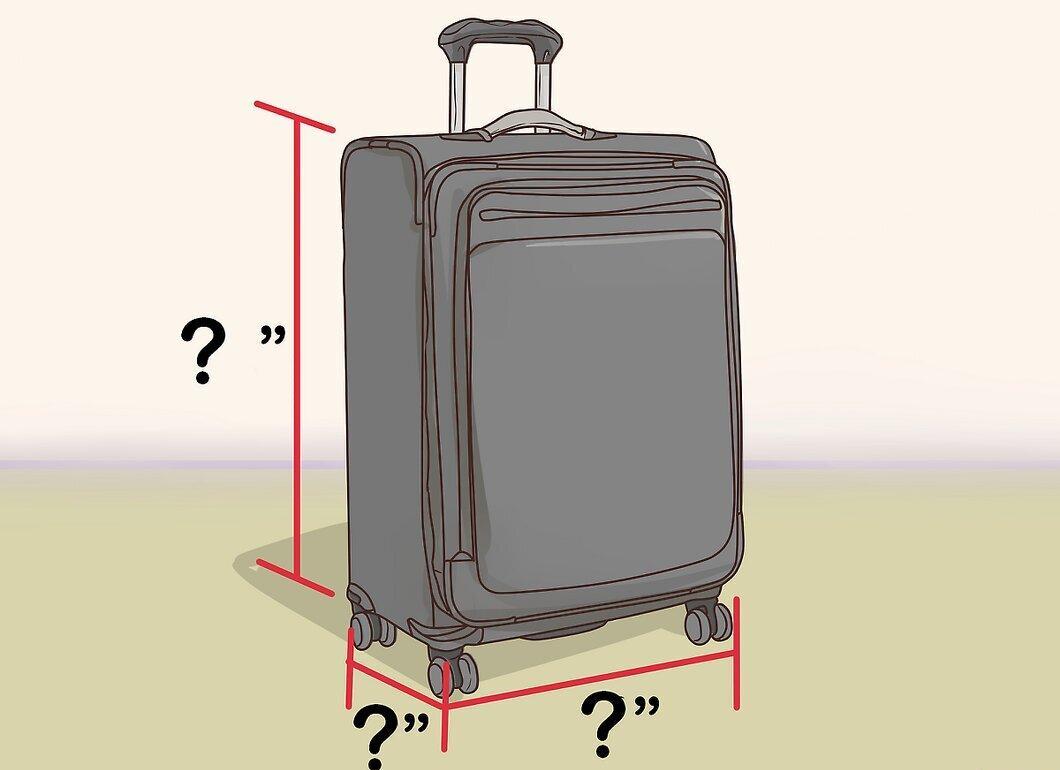
Determine the sum of the three measurements of your suitcase. Due to the variety of shapes and sizes, some airlines specify a maximum sum of three measurements in centimeters (American airlines sometimes use inches). To calculate this sum, measure the height, width, and depth, including handles and wheels, and add these values together.
Step 2. Measure the height of the suitcase.
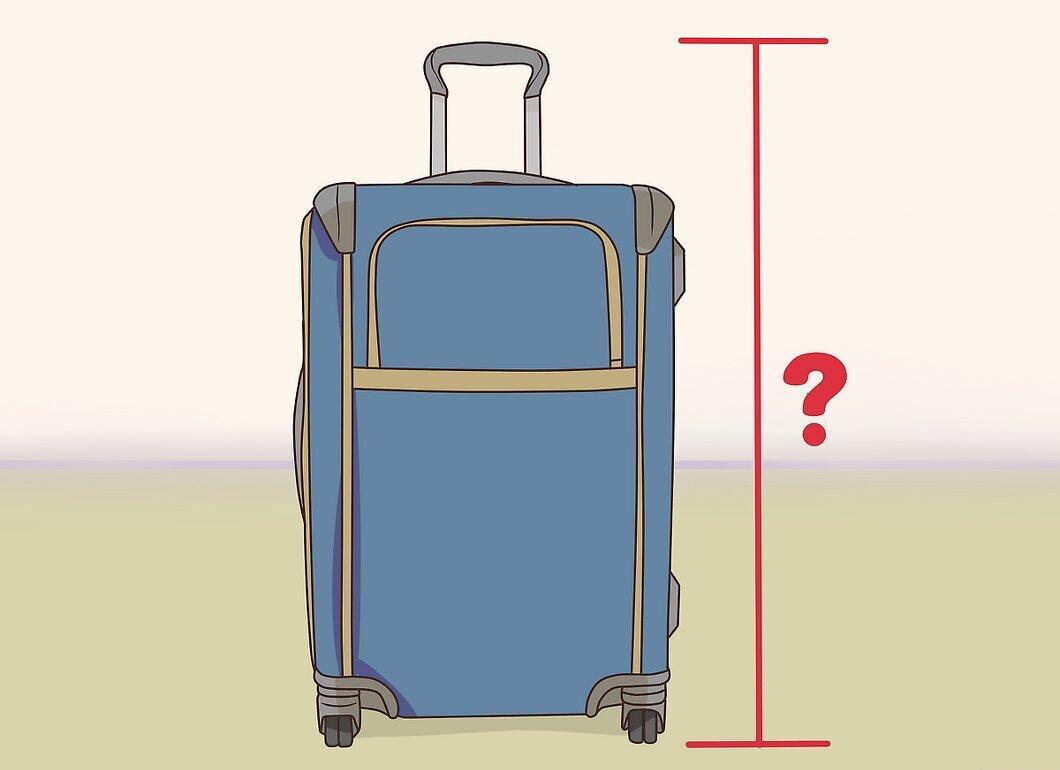
Measure the height of the suitcase from the wheels to the top of the handle. Some sellers refer to height as “vertical size.” Measure from the bottom of the wheels to the top of the handle (if the handle is retractable, fold it down before measuring).
- If you have a sports bag, measure its length from one end to the other.
Step 3. Measure the depth of the suitcase.
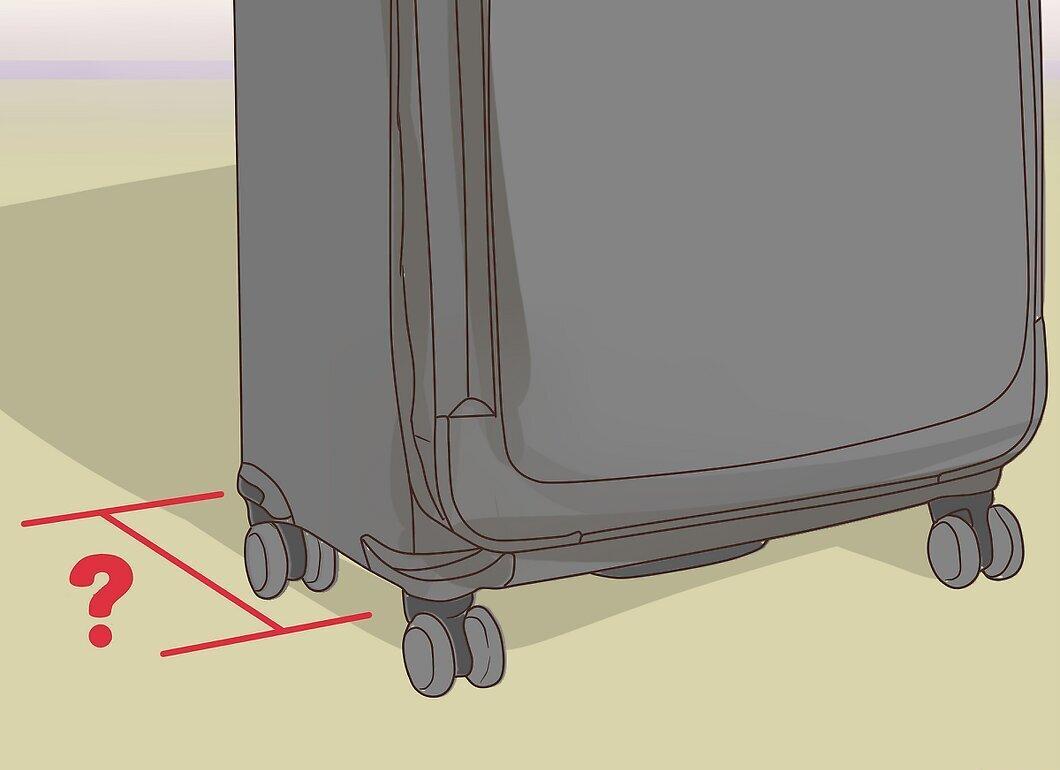
Measure the depth of the suitcase from the back wall to the front. Measure the distance from the back wall (where your belongings are) to the front wall, where zippers and pockets are typically located.
Step 4. Measure the width of the suitcase.
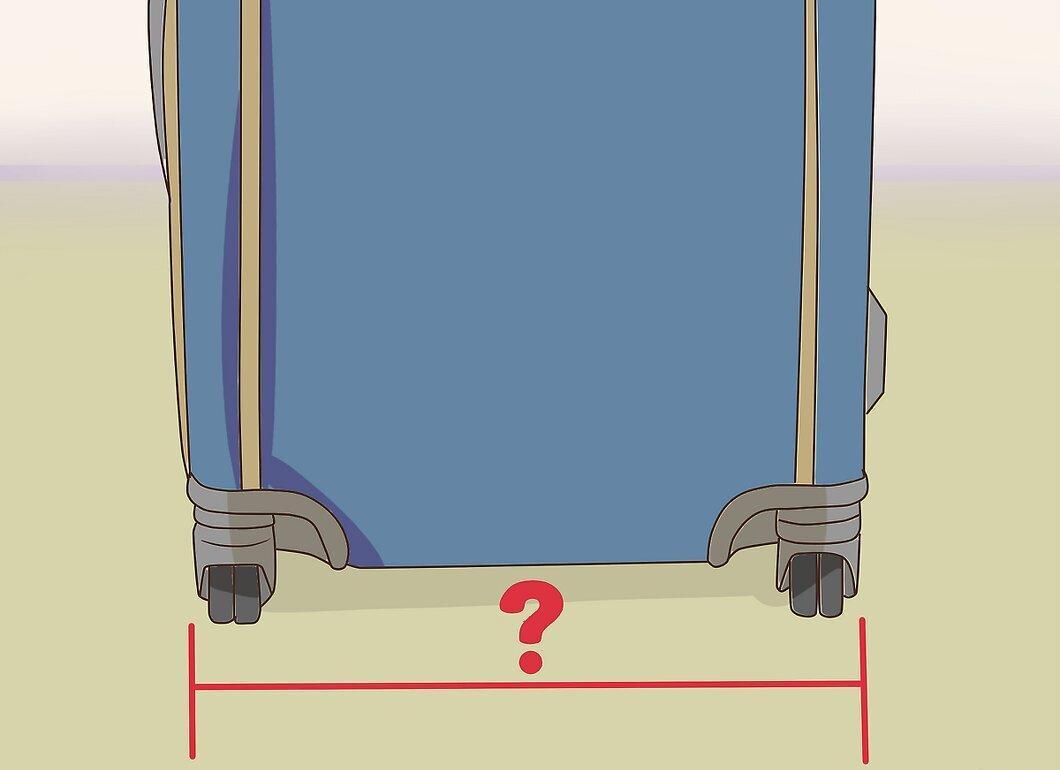
Measure the width of the suitcase from one edge to the other. Place the suitcase with the front facing you and measure the width from one edge to the other. Include side handles in the measurement if they are present.
Step 5. Weigh the suitcase on a scale.
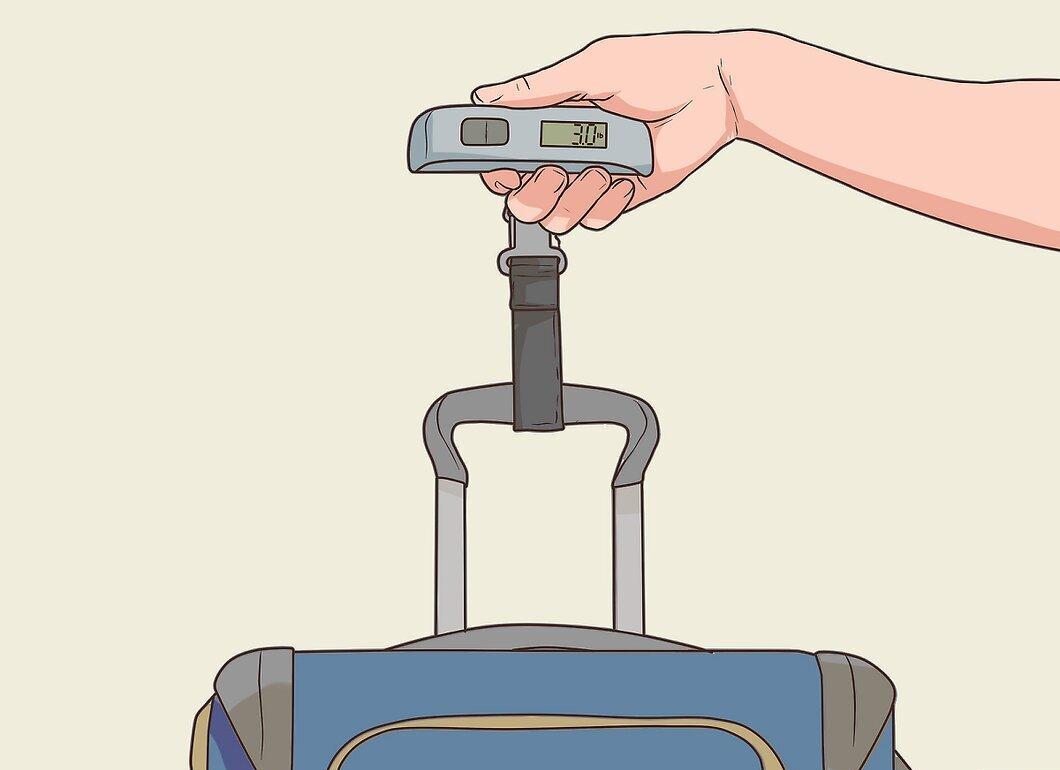
Weigh the suitcase on a scale. All airlines have weight limits for carry-on and checked luggage. Remember that the suitcase itself has weight, even when empty. If you have a scale at home, weigh the suitcase after it’s fully packed to avoid unpleasant fees for exceeding weight limits or having to discard items at the airport.