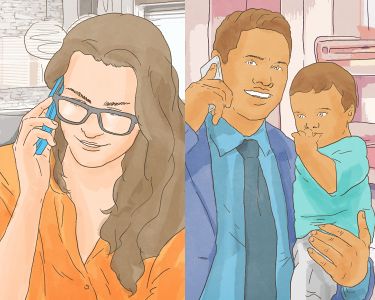
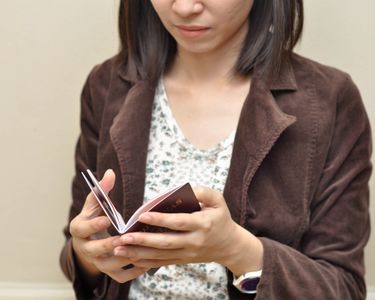
During your hotel stay, when staff such as housekeepers may enter your room, the safety of your valuables becomes a significant concern. Furthermore, natural disasters or other unforeseen events can greatly affect your holiday. Fortunately, there are several methods to enhance the security of your belongings before and after your arrival at the hotel.
Safety Control at Check-In
Step 1. Keep Your Luggage Close.
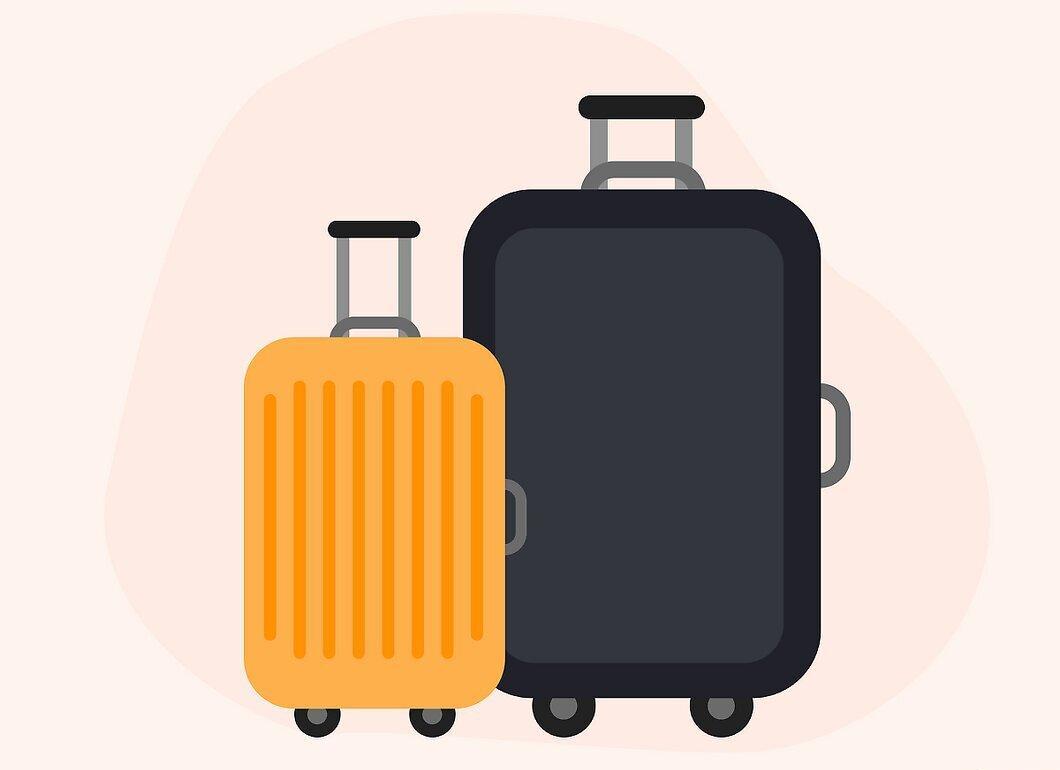
Always try to keep your luggage in sight. The hotel lobby can be filled with distractions, making it easy to lose track of your belongings. As a result, they can become an easy target for thieves taking advantage of your inattention.
- It's recommended to keep all your luggage with you, especially during check-in.
- Be cautious when handing your luggage to the bellboy or porter. Scammers posing as hotel staff may be present in larger hotels.
Step 2. Request a Room Above the First Floor.
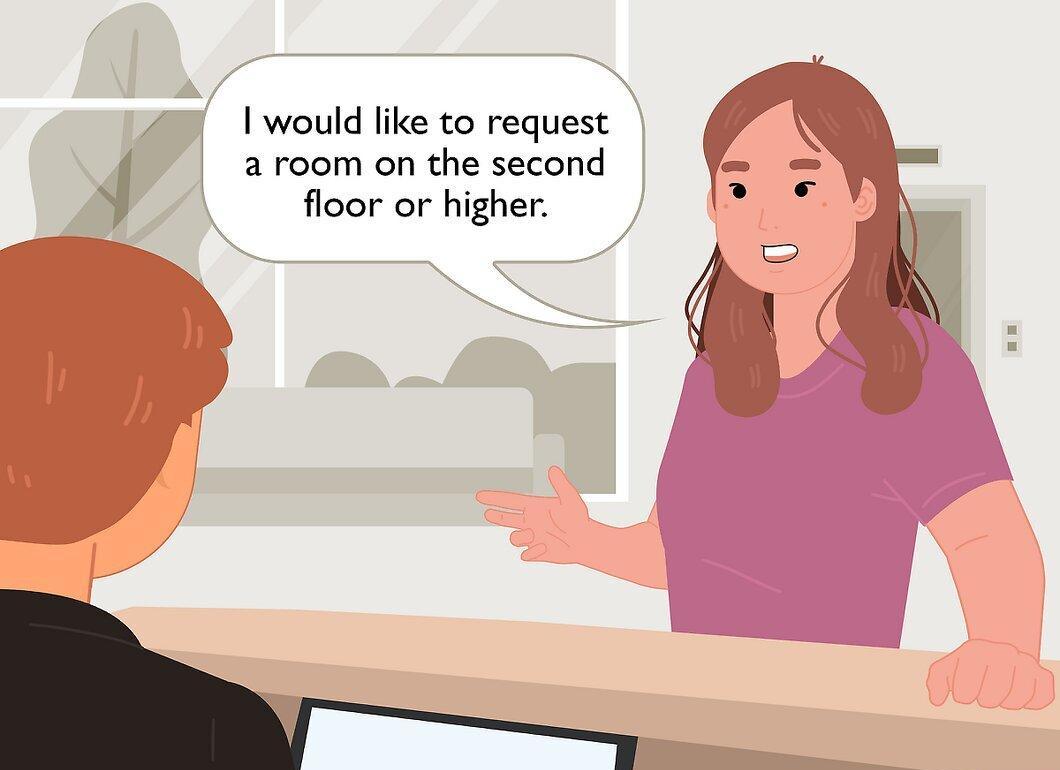
Try to choose a room on a floor above the first. Windows on the first floor are easy targets for burglars. By requesting a room on the second or higher floor, you significantly reduce the risk of break-ins.
- Ideally, select rooms on the 3rd to 5th floors, not only to prevent theft but also to be within reach of rescuers in case of an emergency.
Step 3. Protect Yourself from Eavesdropping.
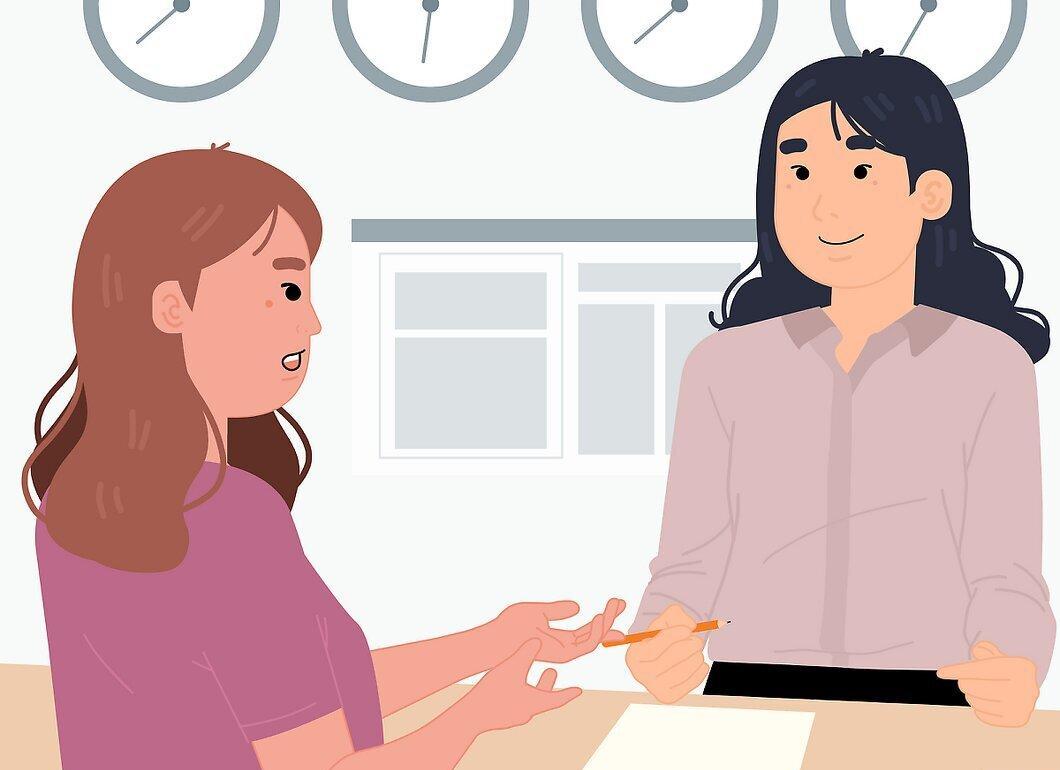
Ensure the privacy of your room. Hotel staff should not announce your name and room number out loud, as this can help thieves determine where to find you. If your information is announced at the front desk, don't hesitate to ask for a different room.
- It may be a bit awkward, but your room's security is worth addressing.
Step 4. Prevent Credit Card Fraud.
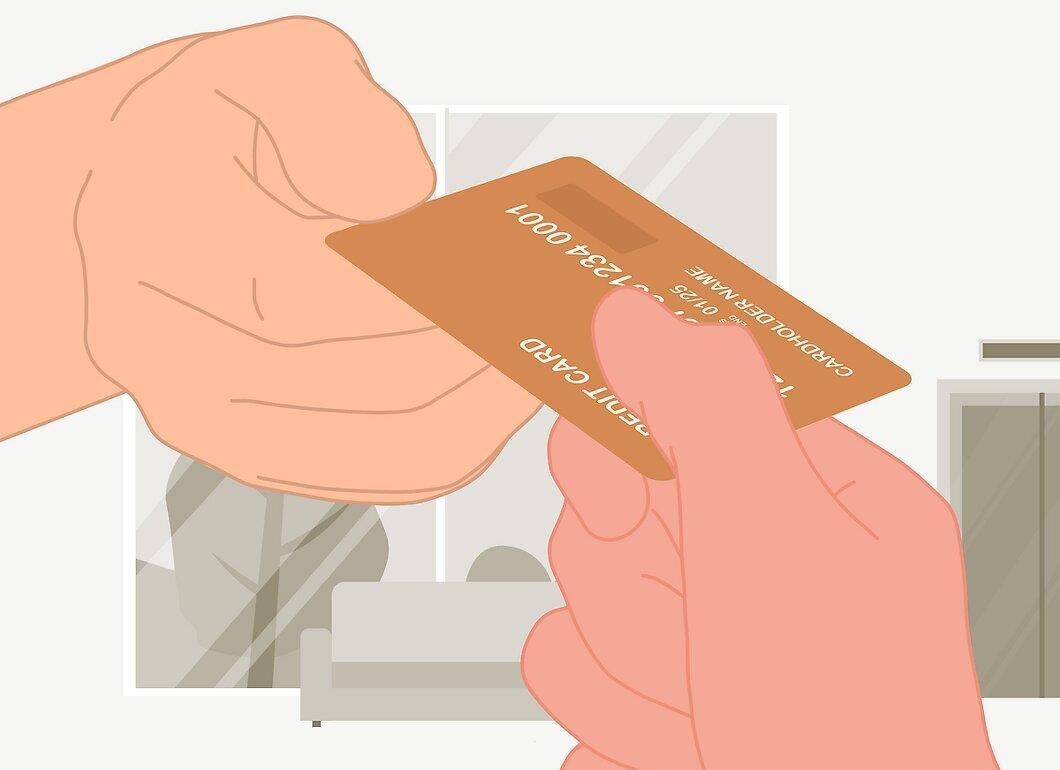
Be wary of credit card fraud. This is particularly important if you travel with family or in a group, as you might briefly leave your card at the desk while distracted by something else. Thieves can quickly take a picture of your card and obtain all your information.
- Keep your credit card with you or in your bag until the front desk staff is ready to process the payment.
- Ensure that you receive your exact card back, as sometimes a different one may be returned.
Step 5. Take Two Business Cards from the Hotel.
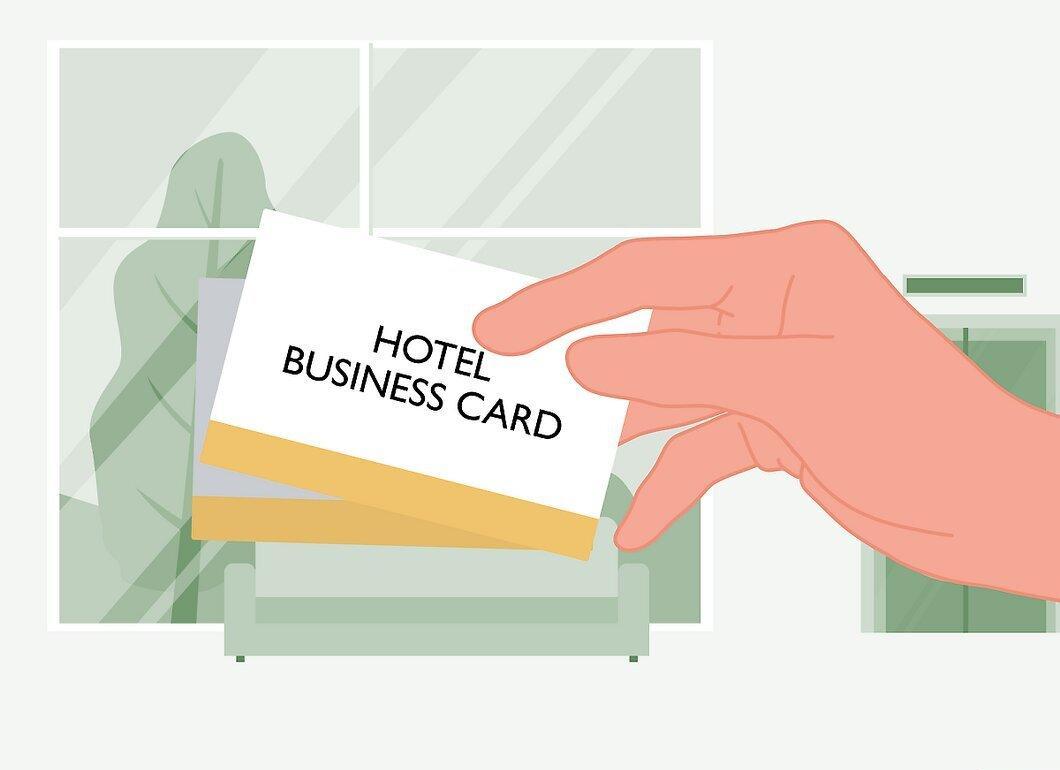
Don't forget about the hotel business cards. In an emergency, this information can be very helpful — the card contains the hotel’s address and contact number. This is particularly important in an unfamiliar city.
- Keep one card visible in your room, such as by the phone, and the other in your wallet or purse.
Safety During Your Stay
Step 1. Keep the Door Open When Being Accompanied.
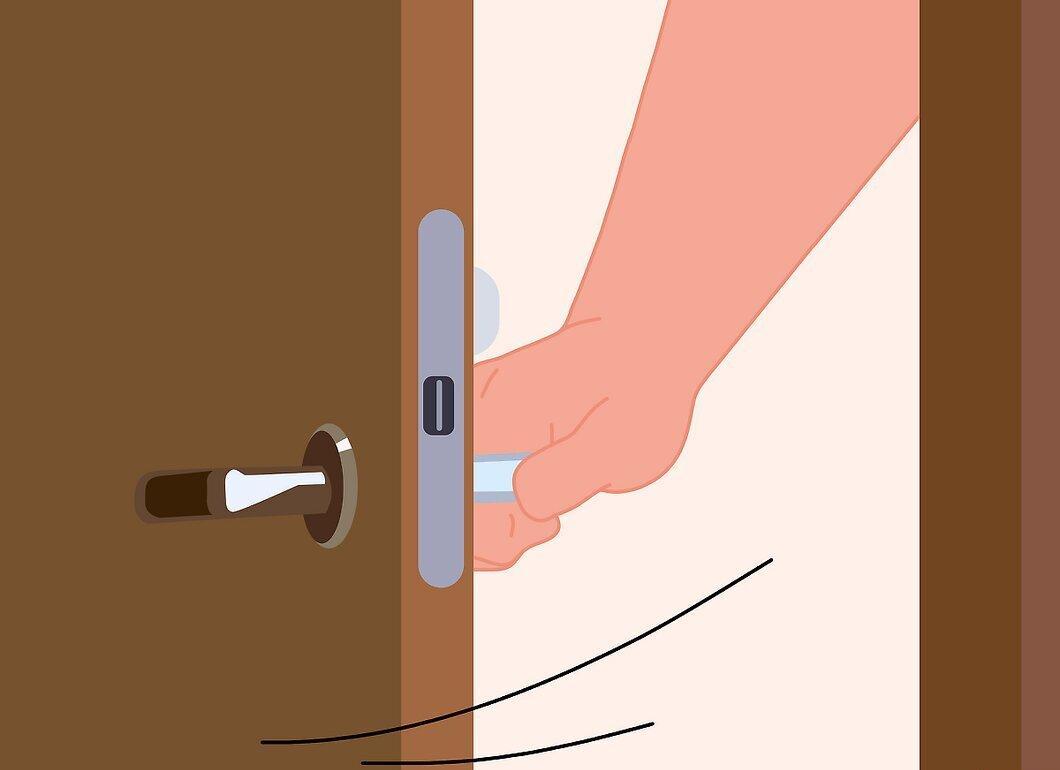
If a hotel staff member accompanies you to your room, keep the door open. Many hotels offer luggage delivery services, and keeping the door open helps avoid misunderstandings.
- Quickly inspect the room in the presence of the bellboy or porter to ensure there’s no one else inside. Check the closets, bathroom, and space behind the door.
Step 2. Check the Room for Damage and Functionality.
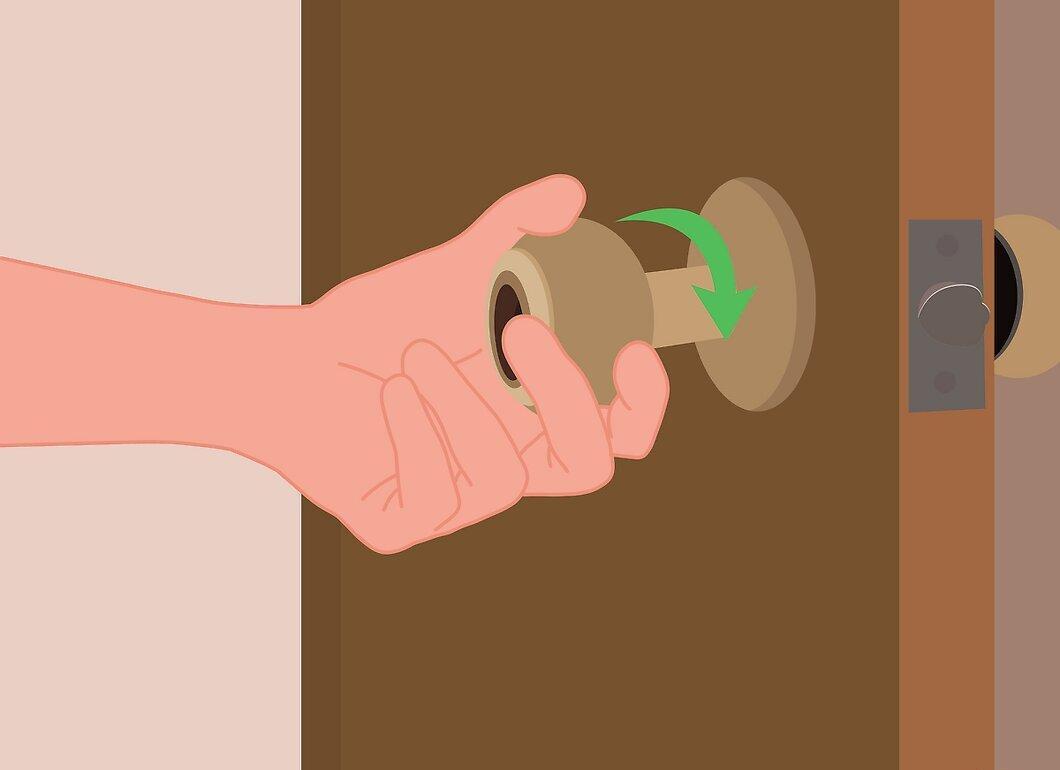
Be sure to inspect the room for any damage and check the locks. Sometimes staff may overlook important safety details, such as broken locks.
- Lock all doors and check the handles to ensure the locks are functioning properly.
Step 3. Use the Door Locks When Inside.

Remember to lock the door when you are inside the room. Almost all hotels are equipped with additional locks that can enhance your security.
- Ensure that the locks are properly installed and functioning normally. If they move or deform when trying to open, it’s a sign that security is inadequate.
Step 4. Keep a Flashlight Handy.
Keep a flashlight near your sleeping area. This is especially relevant in regions prone to natural disasters when electricity may go out. A small flashlight by your bed will provide light in a critical situation.
- Many mobile phones come with flashlights, but remember that they can run out of battery, so it’s better to have a separate battery-operated flashlight.
Protecting Personal Items in Your Room
Step 1. Use the Safe for Valuables.
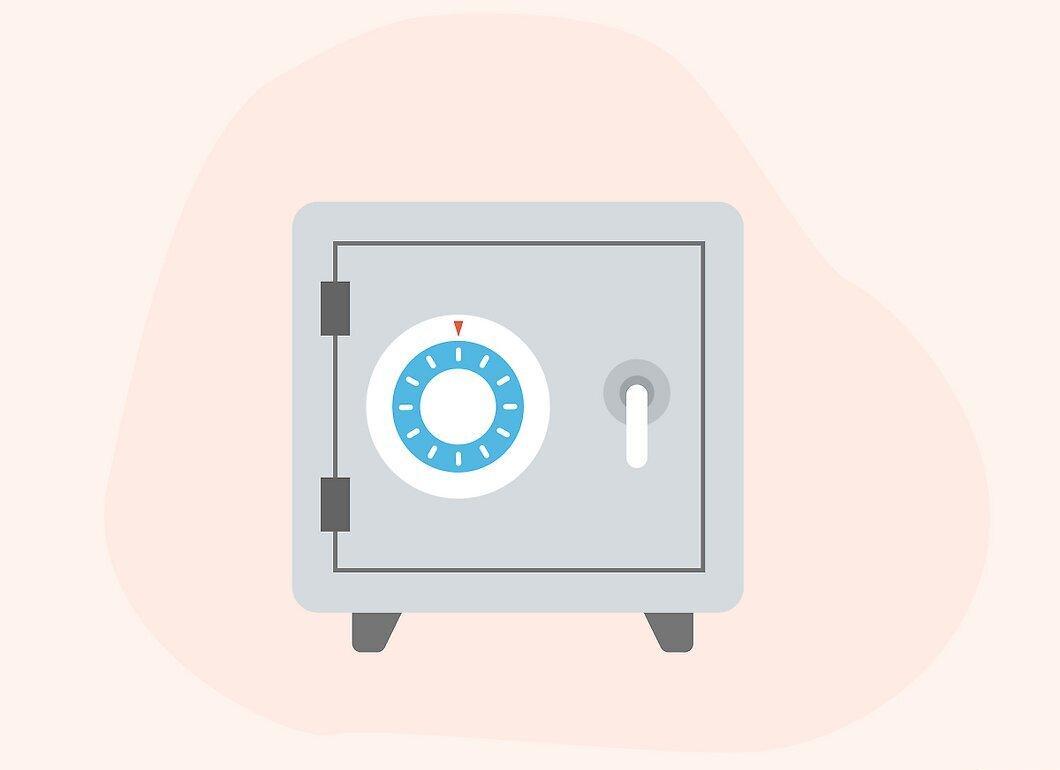
Store valuables in the safe when leaving your room. Most hotels provide safes, and those with a combination that you set are usually safer.
- Thieves typically target electronics like laptops and tablets, so try to keep these in the safe.
- Jewelry and other small valuables should also be stored in the safe to avoid theft.
- If you feel that the room isn't secure, it may be better to use the safe at the front desk.
Step 2. Use the Front Desk Safe.
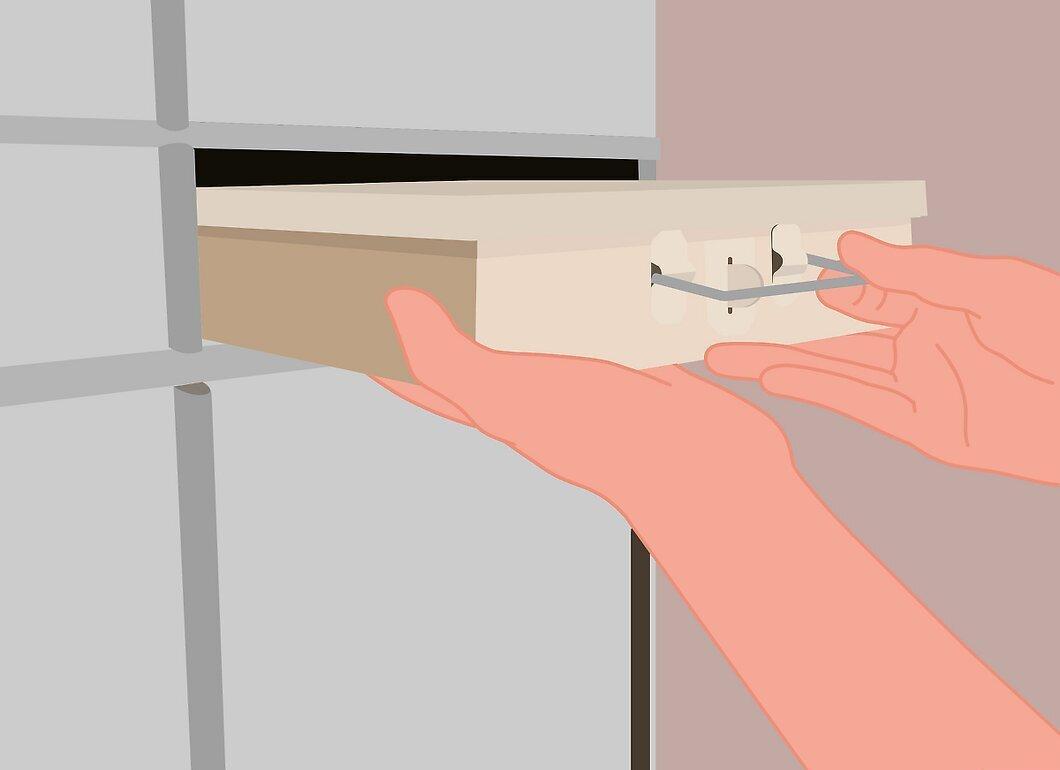
If the in-room safe is too small, use the front desk safe for storing valuables. This is often a more secure option for larger items.
- Always ask for a list of items you leave for storage when placing them in the safe.
- Many hotels are not responsible for items stolen from in-room safes but are for items stored in the front desk safe.
Step 3. Lock Your Luggage When Leaving the Room.
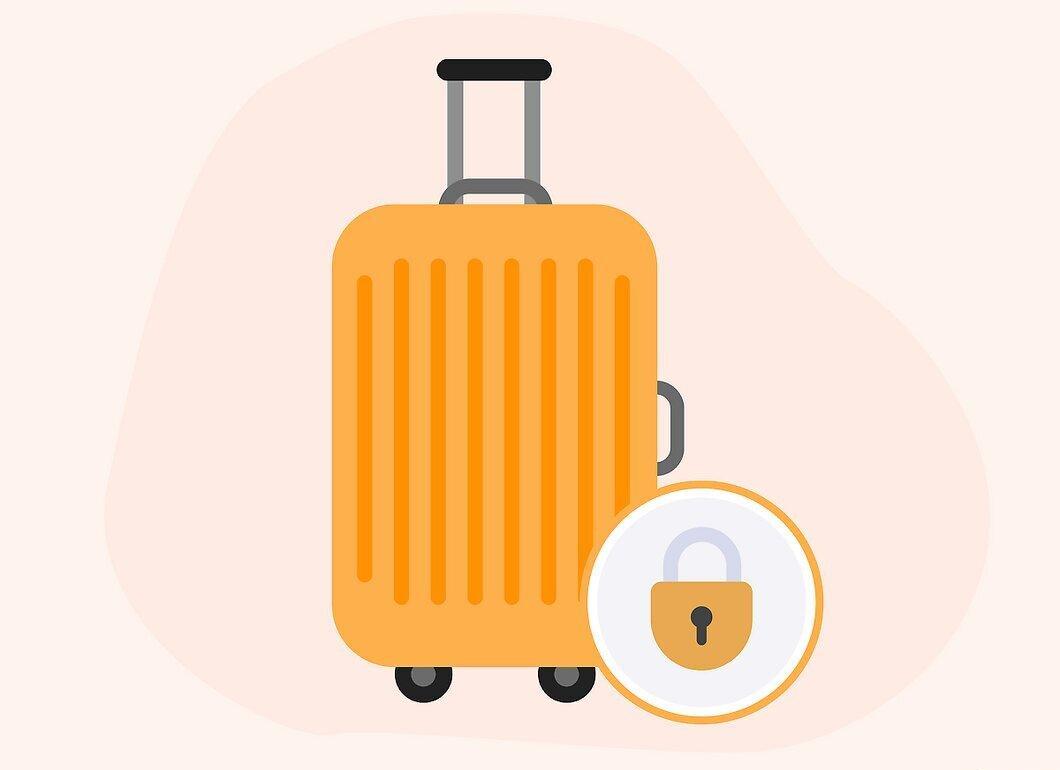
Make sure your luggage is locked when leaving the room. Attractive items can attract attention, so it’s best to keep your luggage locked.
- You can also store it in a less noticeable place, such as a closet or under the bed, to reduce temptation.
Step 4. Use Locks for Luggage and Electronics.
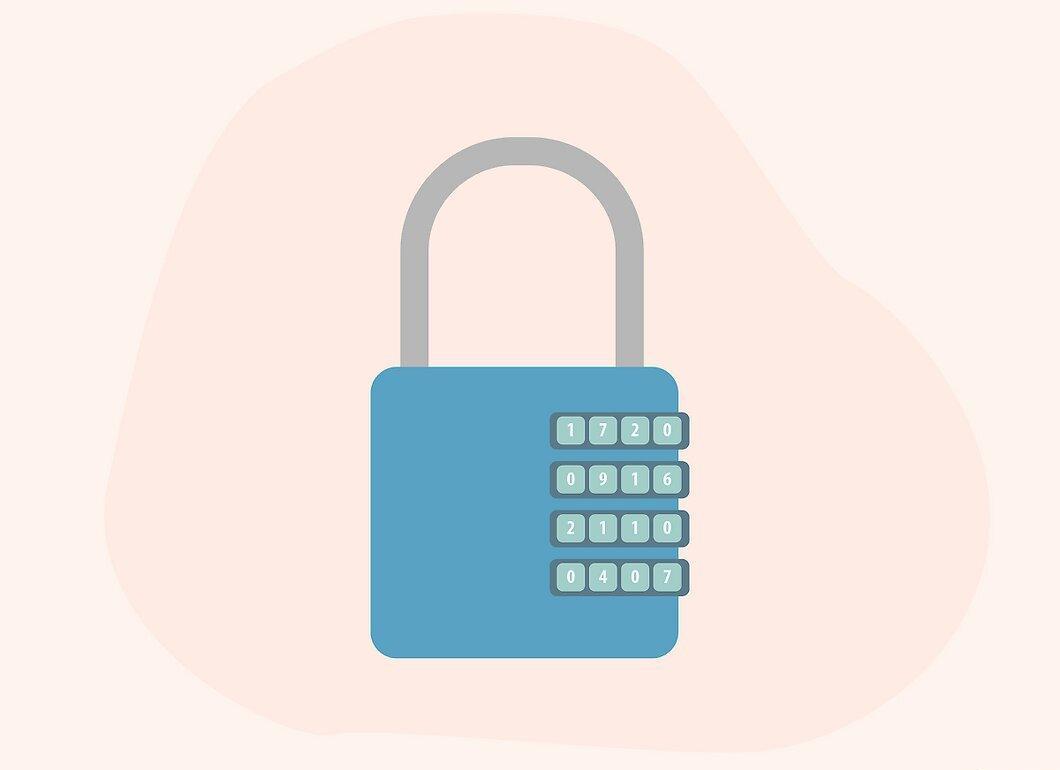
Locks for luggage and electronics may not stop a professional but can help prevent theft from opportunistic thieves. Thieves usually look for easy targets, so locks will show that you are attentive to security.
- Such locks are easy to find in hardware stores or online.
Step 5. Ensure Everything is Closed Before Leaving.
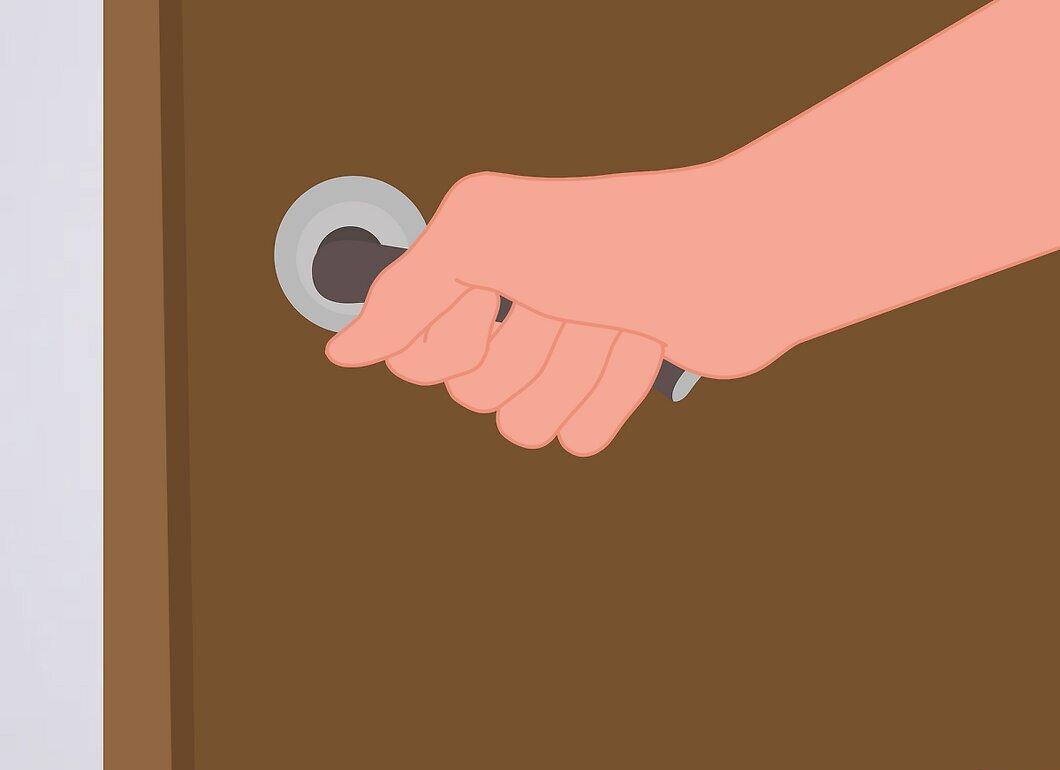
Before leaving your room, make sure all windows and doors are closed. Open windows can give a thief easy access to your room.
- Even on higher floors, thieves may jump onto your balcony from a neighboring building.