
No matter who you are, if life isn’t going the way you want, you can start anew if you wish. It won't be easy, but if you're determined to correct past mistakes and pursue the life you truly desire, you can become who you want to be despite all obstacles. Never let those who don’t believe in you undermine your self-belief or convince you that your situation is beyond repair. If doubts ever creep in, remind yourself that starting over is a fantastic way to change your life for the better; those who have succeeded in doing so earn universal respect. Start your journey towards a new life with the first step.
How to Create a Life Change Plan
Step 1. Identify What Went Wrong.

Determine what went wrong. Write down everything that hasn’t gone as you hoped to lay it all out clearly. Instead of making excuses, honestly acknowledge what actually happened. Sometimes it’s harder to face a situation that was out of your control than one that resulted from your own inaction or poor decisions. Some people find it more difficult to admit that they contributed to a disaster or were the cause of it. A turning point in life begins when a person recognizes what has occurred.
- Of course, not everything bad that happened in your life was solely your fault. You may have become addicted to substances or behaved poorly in relationships, but it could also be that you didn’t grow up in a supportive environment or simply fell victim to bad luck. Don’t blame yourself for things beyond your control, and learn to accept setbacks and work to overcome them instead of using them as excuses for your current situation.
Step 2. Learn from Your Failures.

Learn from your failures. Even if you weren’t lucky, there are always ways to soften the blow if you find yourself in a similar situation again. If you failed an exam, what was the issue? Were you distracted or poorly prepared? Did anxiety get the better of you during the exam? Did something significant happen in your life, like a breakup of a long-term relationship?
- Ask yourself these questions without judgment and without analyzing your answers. Don’t look for excuses or blame others—stop doing that from the very start. You can only blame another person in extreme cases. If it turns out they are indeed at fault, you’ll need to reevaluate your priorities and your relationship with that person. Did a friend, a parent, or your partner constantly distract you from studying with requests for your attention? How can you learn to maintain your personal space?
Step 3. Consider Whether You Need to Reassess Your Goals.

Think about whether you need to reassess your goals. Although this might seem extreme, before creating a life change plan, it can help you reconsider the direction you want to go. For instance, is getting into university essential for succeeding in a field that could make you happier? Would you be better off pursuing shorter training through an internship or vocational school? If you are a physically active person who feels happier and more fulfilled when you can see the results of your work, then academic or office work might not be as good a fit as fields like construction, electrical work, plumbing, automotive mechanics, or forestry.
- Change your approach: your new life shouldn’t follow the same path that failed last time. Life is about trial and error (not losses per se). This means that failed attempts are simply attempts that didn’t work out; for example, medical or law school might not be for you. If you studied law out of a passion for politics, perhaps active political work, campaign consulting, etc., would be a better fit.
Step 4. Ask Yourself What You Can Fix.

Ask yourself what you can fix. What changes can you make in your life to prevent this from happening again? If you suffered from a natural disaster, you might want to acquire emergency supplies and store them in a more accessible place so that if it were to happen again, you'd have everything you need on hand. If you lost your job or broke up with your partner, consider what you can do to avoid that in future workplaces or relationships.
- Certain people or situations might have dragged you down and contributed to your failure. Reassess your relationships and consider whether you have problematic friends or acquaintances who hinder your progress. If so, you may need to cut those ties.
Step 5. Determine Your Priorities and Set Goals.

Determine your priorities and set goals. Once you’ve figured out what went wrong and why, it’s time to plan a new life. A plan isn’t a rigid schedule for your life. Its points may change over time, and you will face obstacles and encounter unexpected lucky turns and opportunities, regardless of which path you choose. If you know what you want and have a rough idea of how to achieve it, it’s easier to set short-term goals to reach your desired outcome.
- Don’t worry if you don’t have a perfect 10-step success plan. It might be harder to achieve your goal if you write something vague like “Find my calling” or “Love myself more.” Start with a few steps that you know will improve your situation. As you move forward, you’ll have a clearer idea of what you truly want for success.
- The most important thing is to take action. Although the phrase “actions speak louder than words” may sound clichéd, it’s absolutely true. You can talk all you want about starting a new life, but until you take the first step towards it, your words won’t matter.
Step 6. Discuss Your Plan with a Supportive Friend or Family Member.

Talk about your plan with a friend or family member who can support you. It’s best to speak with someone who wasn’t involved in what happened, especially if they faced a similar issue. If you’re on the brink of being expelled from school, the situation can be salvaged. Speak with older students who have faced the same challenges and find out how they managed to overcome them. If you experienced a breakup, ask others what they think about how you behaved and how your partner acted. You might be surprised; your friends may have even foreseen the outcome.
- By sharing your struggles and experiences with someone who cares about you, you can feel that you truly can start fresh, and receive practical advice.
- If you share your plan with others, you may increase your chances of achieving it. When you actually tell someone you want to turn your life around, there’s a greater likelihood that you will because you’ll feel accountable to that person. Thus, if you don’t stick to the plan, you’ll feel like you’re letting yourself and those who care about you down.
Step 7. Define Your Intentions.
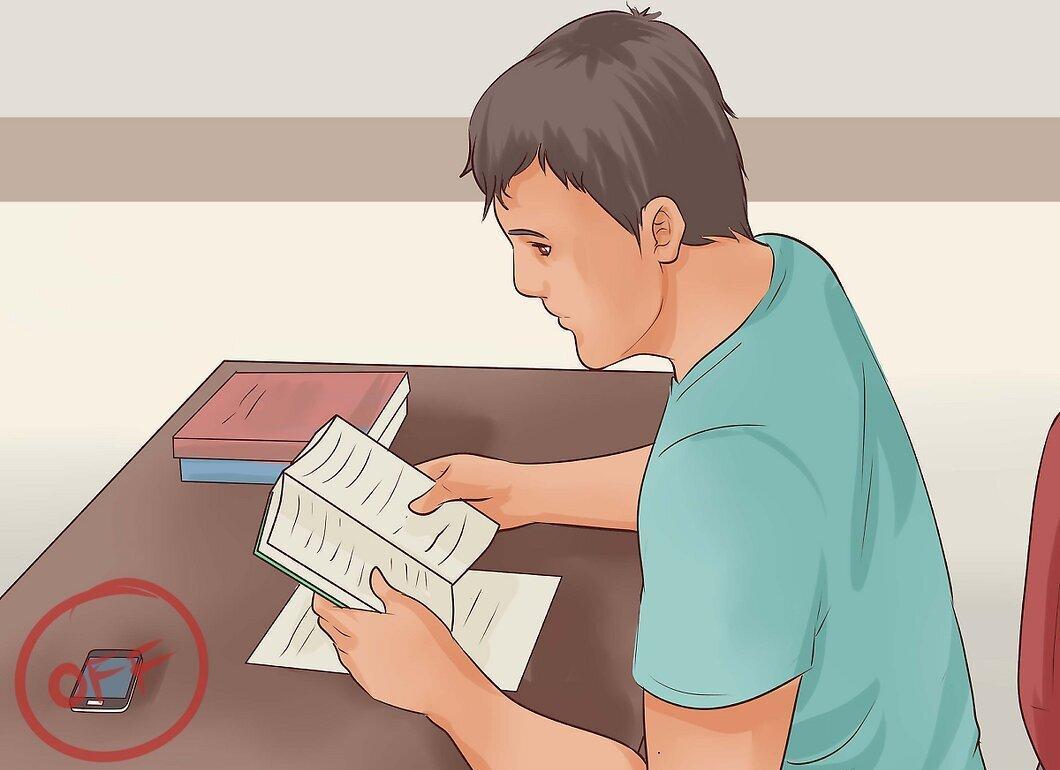
Define your intentions. Ideally, these should follow earlier steps. Dedicate time to these intentions; for example, you might spend a few evenings reading books. Sometimes, fulfilling your intentions requires determination and willpower. At times, you may need to transform your life. If you turn off instant messaging while doing your homework, you won’t be absorbed in lengthy conversations with friends until your study time is up. Your life change plan can be built from a series of small steps. You won’t be able to turn everything around in one day, but by continually making small changes in your life, you will achieve success.
- One of the best ways to train your willpower is to reward yourself for each successfully completed task. Each time you finish your homework, mark your achievements on a score scale. Keeping track of small progress steps and giving yourself small but frequent rewards is one of the best ways to reach your goal. Think about how a game is structured—how often and for what you earn points. If you distribute your rewards similarly to how points are earned in a game, it can help you tackle your challenges.
Step 8. Eliminate Your Bad Habits.

Eliminate your bad habits. For every bad habit, there is a legitimate excuse. If you understand what needs and desires your harmful habits fulfill, you can find the key to turning them into positive ones. Your favorite video game might provide you with more excitement than studying because you earn points, see “You won” pop-ups, etc. If you use a scoring system for achievements in your studies, establish a reward system, and make points easier to achieve than in a game, it will help you tackle your issues. If you eat too much for pleasure but gain weight, replace that habit with something else that brings you joy.
- Every bad habit satisfies real needs, so your task is to figure out how to meet those needs without harming yourself or others while helping you achieve your goals instead of dragging yourself down.
Step 9. Find Supportive People.

Find people who will support you. Ideally, these should be your parents or good friends. It shouldn’t be someone who pulled you into the situation. Spend less time and attention on people who hold you back. Getting angry at them means giving them time and attention. It’s better to channel that energy into the desire to surpass yourself and say, “I can do this. I’ll show them,” rather than using it against those people. Each time you complete another item from your list, you can tell them how great it feels to take the next step forward.
- Of course, there will be obstacles along the way. That’s natural. So it will be easier for you if you have people to talk to about your plan, your successes, and your setbacks.
Step 10. Keep Your Eyes Forward and Don’t Believe Anyone Who Thinks You Can’t Start Anew.

Keep your eyes forward and don’t believe anyone who thinks you can’t start anew. If you’ve made progress before, then you have proof that you can achieve greatness. The more honest you are with yourself, the easier it will be to choose the best direction. The best path is one that brings you joy, where genuine passion fuels your efforts, and the process is enjoyable enough that you would do it even if you weren’t striving for a goal.
- On the path to achieving your goals, don’t forget to enjoy the journey. Don’t view it as a trial, but rather as an exciting adventure filled with its own successes and failures, ultimately leading you where you need to be.
How to Stay Strong
Step 1. Stay Positive.

Stay positive. On the road to a new life, it’s essential to maintain an optimistic and energetic outlook. Although it may seem impossible (especially if you’re living in truly awful conditions), the more you try to look at each day with a smile instead of complaining and feeling down, the more likely you are to get what you need. Instead of complaining, talk about something good in life, something you’re looking forward to. While it’s necessary to release negative emotions from time to time, if you focus on the negative aspects of life, it will only make it harder to deal with them.
- Spending time with happy and positive people can also help you maintain a positive outlook on life. If you’re around those who only see the worst in every situation, you’re much more likely to feel the same way.
Step 2. Maintain Self-Confidence.

Maintain self-confidence. Of course, when you want to completely reshape your life, it’s easy to feel down, but you should remember the things you love about yourself instead of focusing on what you need to work on. While it’s important to acknowledge your flaws and try to correct them if possible, it’s also crucial to remember all the things you love about yourself that make you amazing. Make a list of your positive traits and the things you excel at. Work on adding to that list with words and actions.
- One way to boost your self-confidence is to do what you’re good at. Nothing will bring you more joy than succeeding in what comes easily to you.
- While it may take time to build genuine self-confidence, you can always project it, “fake it” until you feel it. Stand tall, keep your head high, and look straight ahead instead of down. Keep your arms at your sides to be open to opportunities instead of closing yourself off from new connections. The more you “fake” your confidence, the more likely you are to truly feel it.
Step 3. Take Responsibility.

Take responsibility. It’s important to own your actions and past mistakes that led to your current situation. Once you acknowledge where you went wrong, you can move forward much faster. If you stubbornly blame the world for 100% of your problems, you won’t feel that you have the means to fix anything. If you take responsibility for the negative aspects of your life, then you’ll feel fully accountable for your achievements.
Step 4. Don’t Be Too Hard on Yourself.
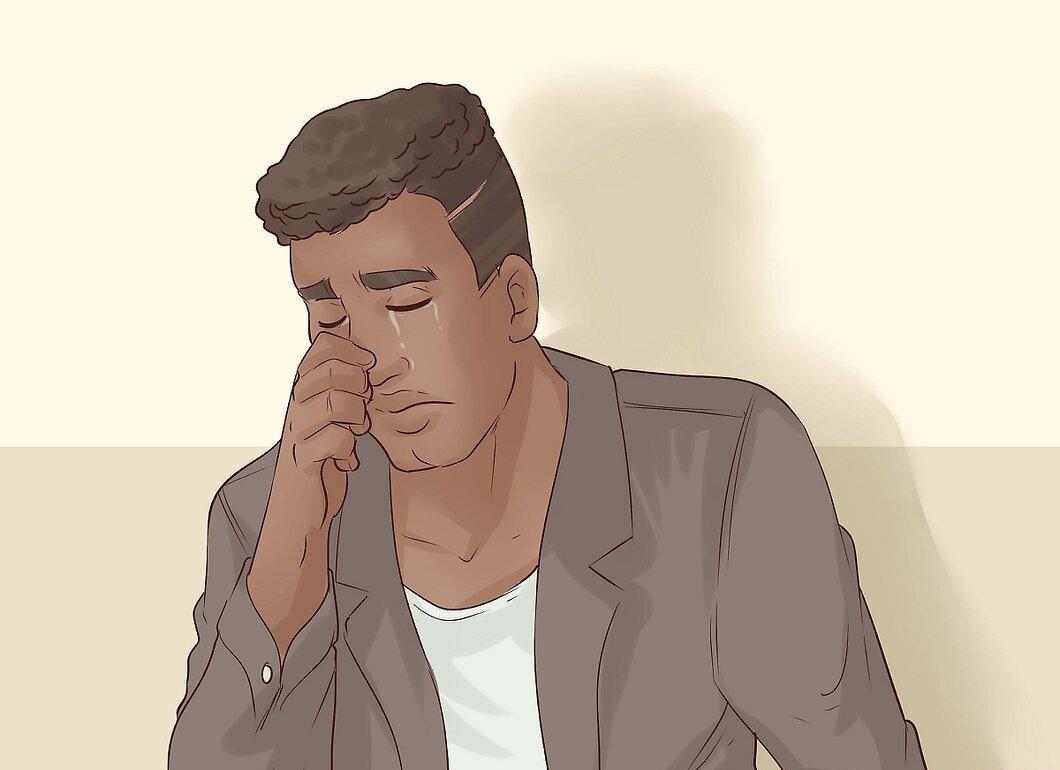
Don’t be too hard on yourself. While it’s important to be responsible, it’s equally important to treat yourself with care and forgiveness. Everyone makes mistakes, and you shouldn’t think of yourself as a failure just because you took a wrong turn. Treat yourself with compassion, kindness, and understanding, and you’ll find it much easier to move forward. If you’re hard on yourself, feeling confident and positive will be nearly impossible, hindering your ability to achieve your goals.
- Being self-critical is not the same as blaming yourself. Criticism is helpful; it shows why you do certain things and whether you can do something differently. It identifies the problem. Blaming yourself is pointless self-torment. You’re already feeling bad, and criticism won’t motivate you to do anything differently. If you blame yourself or others, the situation may repeat itself. If it happens more than once, take this possibility seriously.
Step 5. Apologize to Those You’ve Hurt.
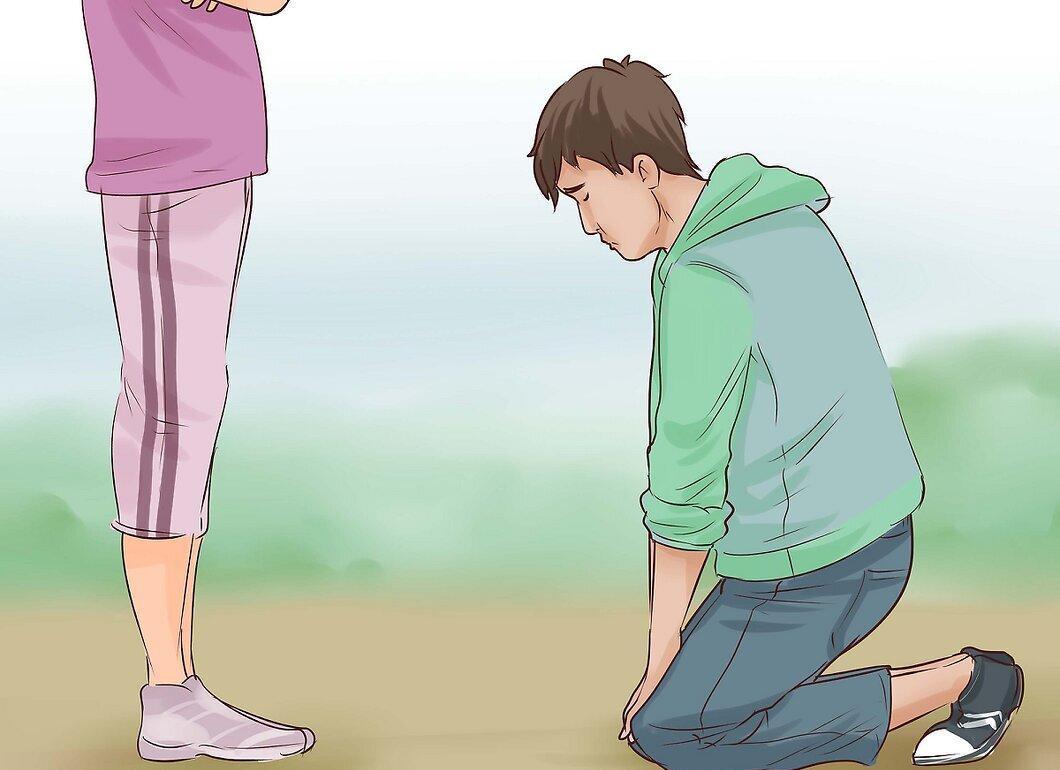
Apologize to everyone you’ve hurt. It’s vital to rectify past mistakes before moving forward with a clear conscience. Think about everyone you might have hurt or harmed during your difficult times. Try to apologize to them either in person or in writing, expressing how regretful you are about what happened. They may not fully forgive you or believe that you genuinely intend to change until you prove otherwise. But this is still a step towards better change.
- If the thought of having hurt someone weighs heavily on you, it will be harder to move forward. While it can be tough to completely rid yourself of a troubling past, apologizing to those you’ve hurt is a step in the right direction and will help you feel more confident.
Step 6. Help Others.

Help others. You might feel that helping others is the last thing you can do when you can barely get your own life in order. But if you’re ready to stand firm and start anew, pause for a moment and help someone in need. This person could be a friend going through tougher times than you, a neighbor who feels lonely, or even an adult who wants to learn how to use a computer.
- By helping others, you not only change their lives but also see that you truly have much to offer to society and the world as a whole.
Step 7. Acknowledge What You’ve Lost in Life.

Acknowledge what you’ve lost in life. To start fresh, you’ll need a certain amount of courage, but the reward is endless freedom. Acknowledge what you’ve lost and what you’ve given up while leading your current life. This will help you start to understand what truly matters to you. Honesty with yourself is a powerful driving force. It will help you pay closer attention to your needs and choose the right path.