Turbulence is a common occurrence that causes anxiety for many passengers. However, it's important to remember that it rarely leads to injuries, especially if you remain seated with your seatbelt fastened. In this article, we will share several tips to help you navigate through turbulence with ease.
Preparation Before Takeoff
Step 1. Choose a Comfortable Seat.
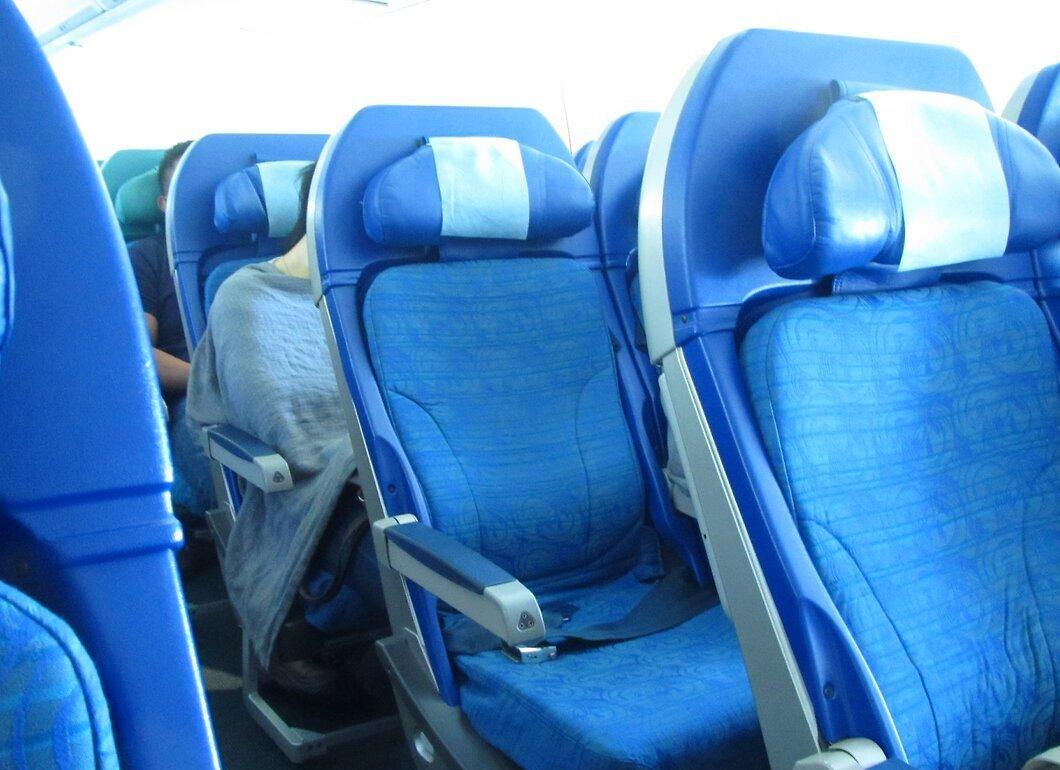
Try to select a seat where you feel most comfortable. If having a wall nearby helps you, sit by the window. Remember, there are no absolutely safe seats on an airplane, but some should be avoided, such as those near emergency exits. If you start to panic, it can hinder your ability to respond to important safety instructions. The best place to sit is closer to the center of the plane (near the wings), as that area tends to experience less movement.
Step 2. Use the Restroom Before Takeoff.
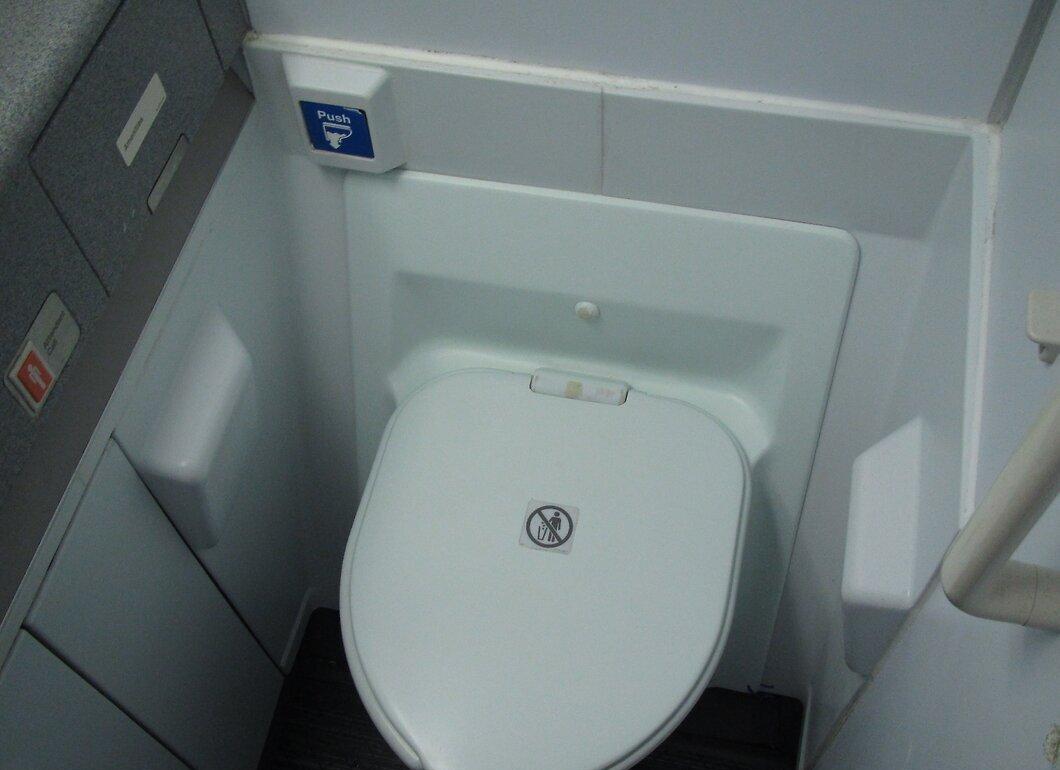
Make sure to use the restroom before the flight, as being in there during turbulence can be unsafe. It’s better to take care of this beforehand to avoid needing to go at an inconvenient time. Try to limit your intake of coffee and tea, as they can increase the urge to use the restroom. If turbulence begins while you are in the lavatory, hold on to the handles to prevent falling.
Step 3. Learn About Turbulence to Reduce Anxiety.
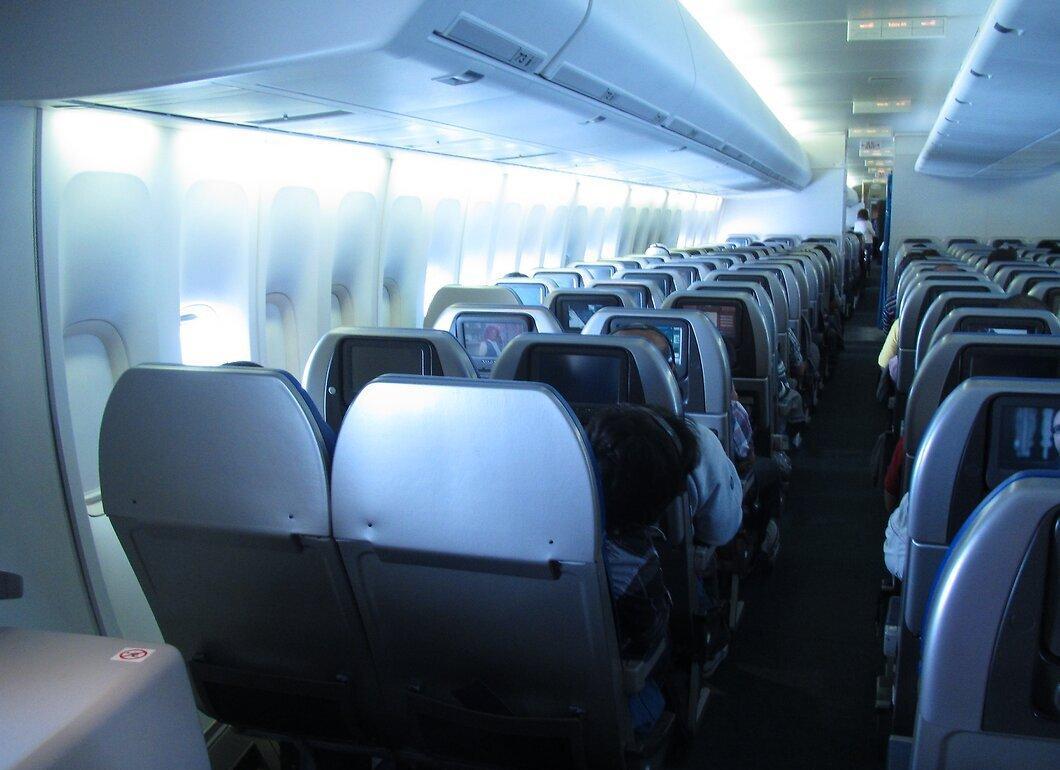
Understanding the causes of turbulence can help ease your fear. Search on YouTube for "how to cope with anxiety during turbulence" to find helpful resources.
During the Flight
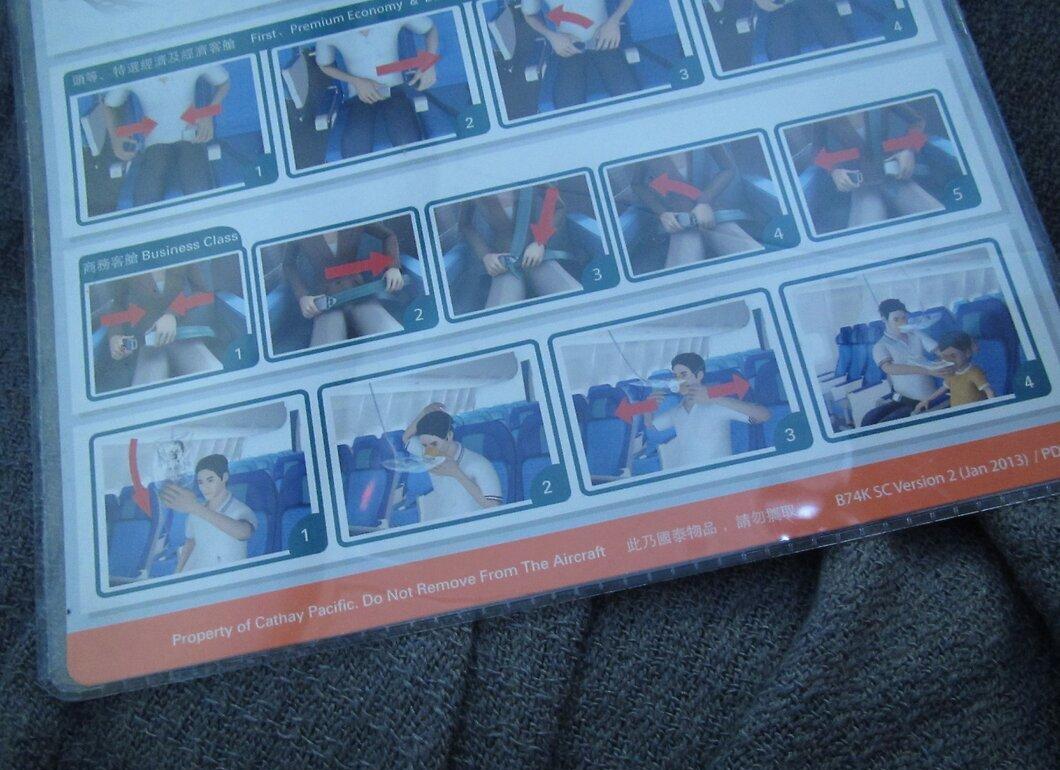
Step 1. Always Buckle Up.
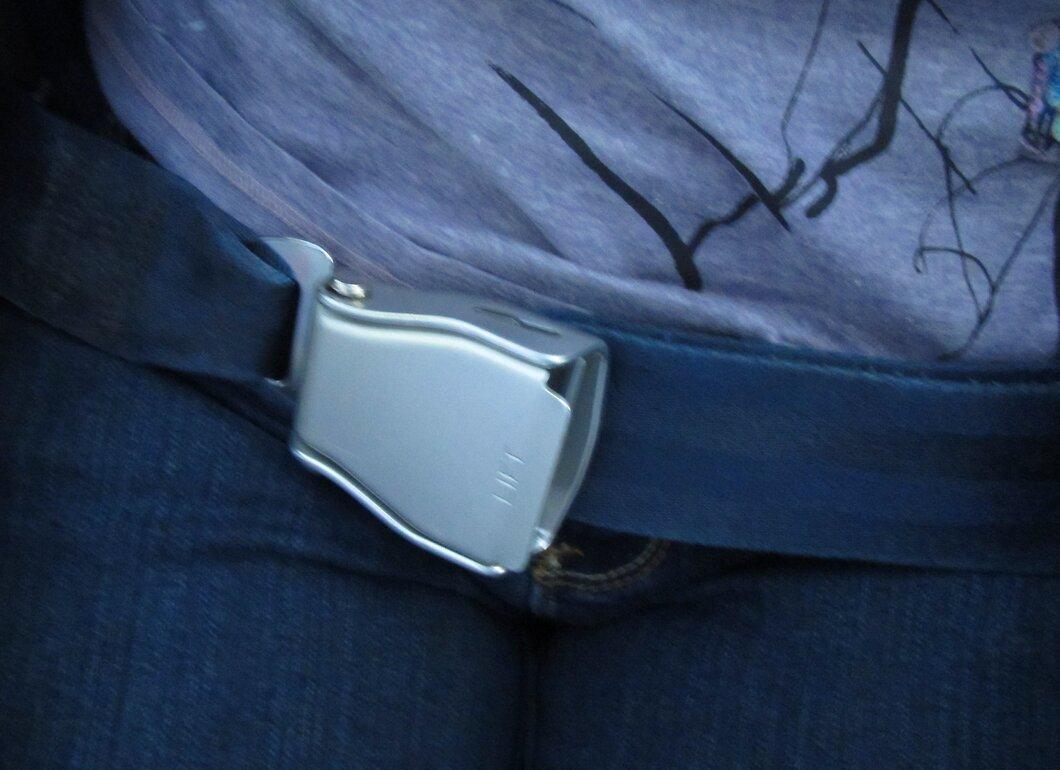
- Always listen to the commands of the pilot and flight attendants. If they ask you to return to your seat and fasten your seatbelt, follow their instructions immediately. This may seem obvious, but many injuries occur from ignoring such recommendations. For instance, one woman went to the restroom while the seatbelt sign was on and was injured due to turbulence.
- Keep your seatbelt fastened even if there are no obvious indications. Pilots typically warn about possible turbulence, but it can sometimes happen unexpectedly. For example, 26 passengers were injured during a flight from Brazil to the USA due to sudden turbulence, but those who were buckled up remained unharmed. If the flight is long, you may loosen your belt for comfort, but it’s best not to unbuckle it.
- For children, the safest place during turbulence is a seat with a special seatbelt, which airlines might provide (check in advance) or you can bring your own.
Step 2. Secure Loose Items.
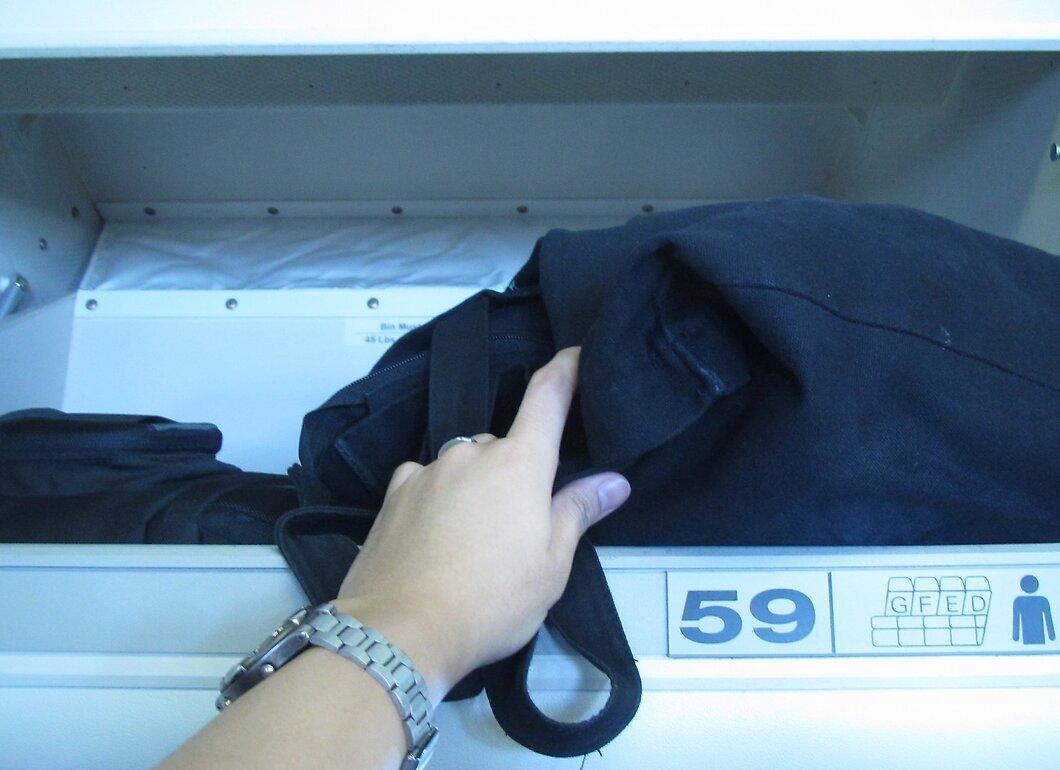
Gather or stow away any items that could fall. Injuries often occur from objects being tossed around during turbulence. Also, remember to pour hot drinks into secure containers to avoid burns. Ensure your tray is upright to prevent it from falling.
Step 3. Use Relaxation Techniques.
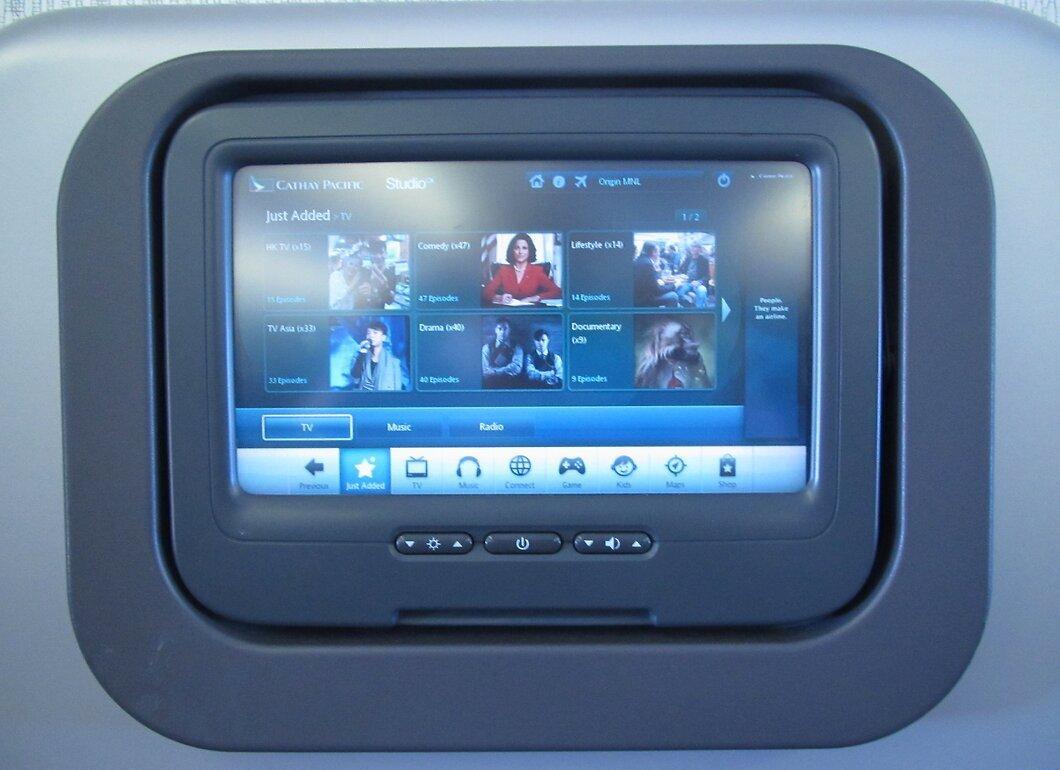
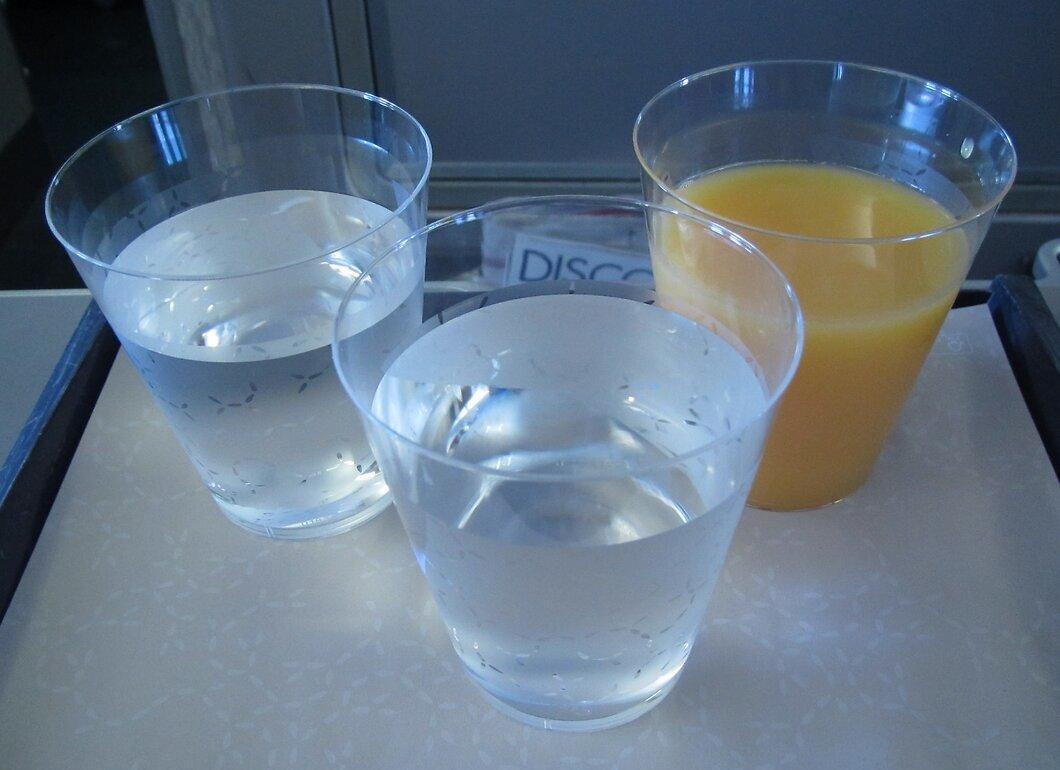
Step 4. Stay Hydrated and Moisturize Your Skin, as the air in airplanes is very dry, which can lead to dehydration, headaches, and even nausea.
Step 5. Control Your Breathing.
- When you start to panic, your breathing may become rapid or irregular, which only exacerbates the situation. Try to take deep and steady breaths.
- Relax your hands and body to avoid tension that can worsen the situation.
- Use emotional freedom techniques.
- Practice meditation.
- Utilize self-hypnosis to calm yourself.
Step 6. Find Ways to Distract Yourself.
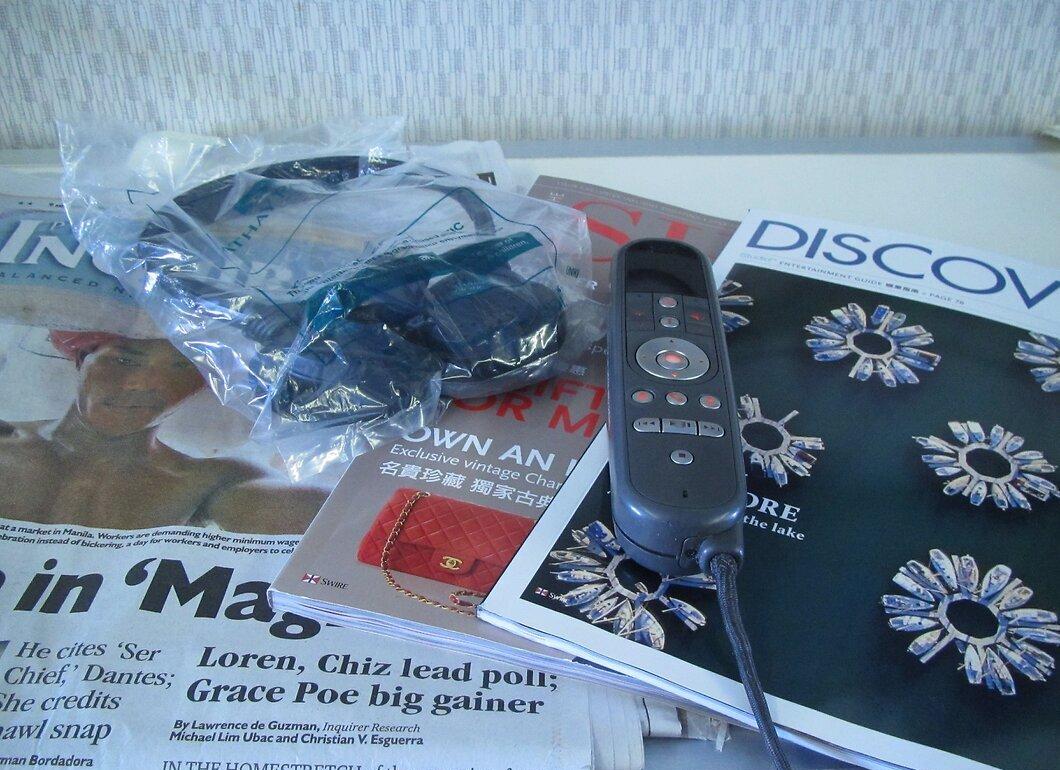
- Close your eyes and listen to music while imagining the imagery associated with the lyrics.
- Read a book.
- If you’re not alone, play simple games like “Rock, Paper, Scissors.”
- Count to 99 on your fingers.
- The in-flight magazine often has crosswords and sudoku that can help keep your mind occupied. Don’t hesitate to ask a flight attendant for a pen if it helps you manage your anxiety.
- Remember that airplanes undergo regular safety checks. Over time, the structure may wear down, but this is a normal process, and safety services identify potential issues long before they become critical during the flight.