As you get older, your parents will leave you home alone more frequently, and you may notice how unsettling it can be to hear the doorbell, for instance. In those moments, you might not know what to do. No matter how prepared you feel about being home alone, this article will help you feel confident and secure. By following our tips, you can ensure your safety. Share this article with your parents so everyone knows what to expect and how to respond in unexpected situations. When you are home alone, it’s important to know and be able to do many things. The more knowledge you have, the calmer you and your parents will be. Create an action plan with your family and stick to its steps to feel in control of the situation.
Part 1
Step 1. Contact your parents.
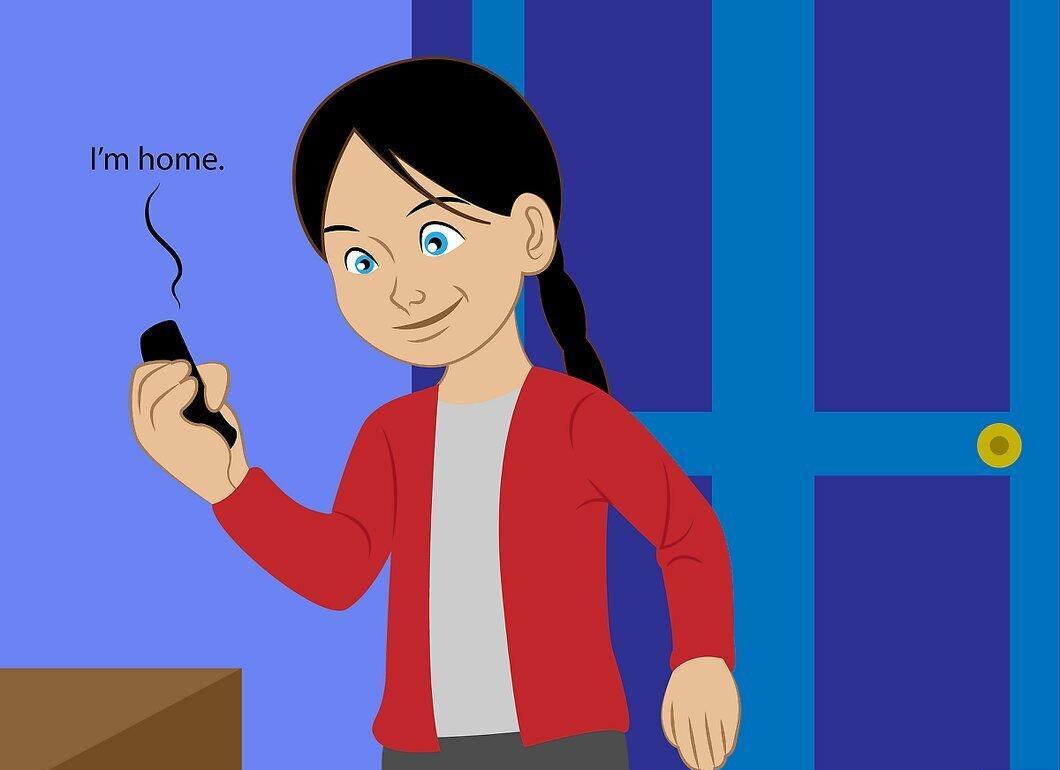
Once you return home and close the door, don’t forget to inform your parents that you’ve arrived. Call them and let them know you are home and everything is okay.
Step 2. Learn how to handle different situations:
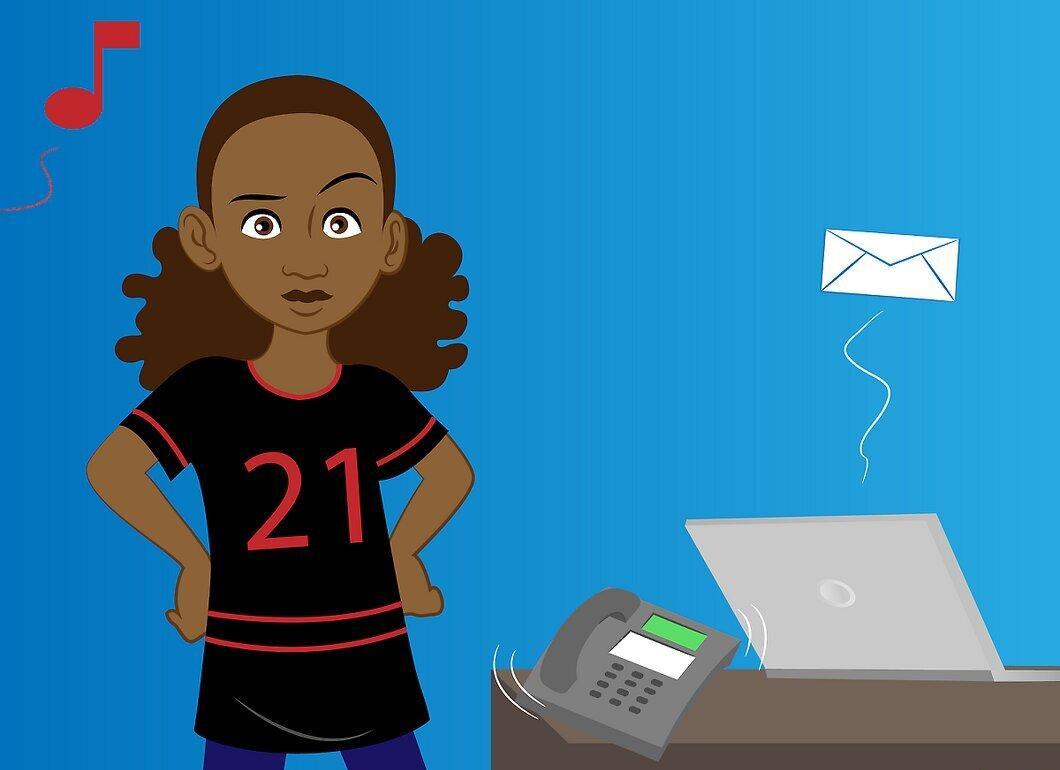
- If the phone rings, what will you do? Will you answer it or wait for the voicemail? If you decide to pick up, what will you say?
- If someone rings the doorbell, it’s best not to approach the door to avoid revealing your presence. If you are expecting someone, look through the peephole before opening.
- If you receive an email or someone calls you on Skype, check with your parents if you are allowed to go online without their presence and respond to messages.
Step 3. Clarify with your parents what “staying home” means.
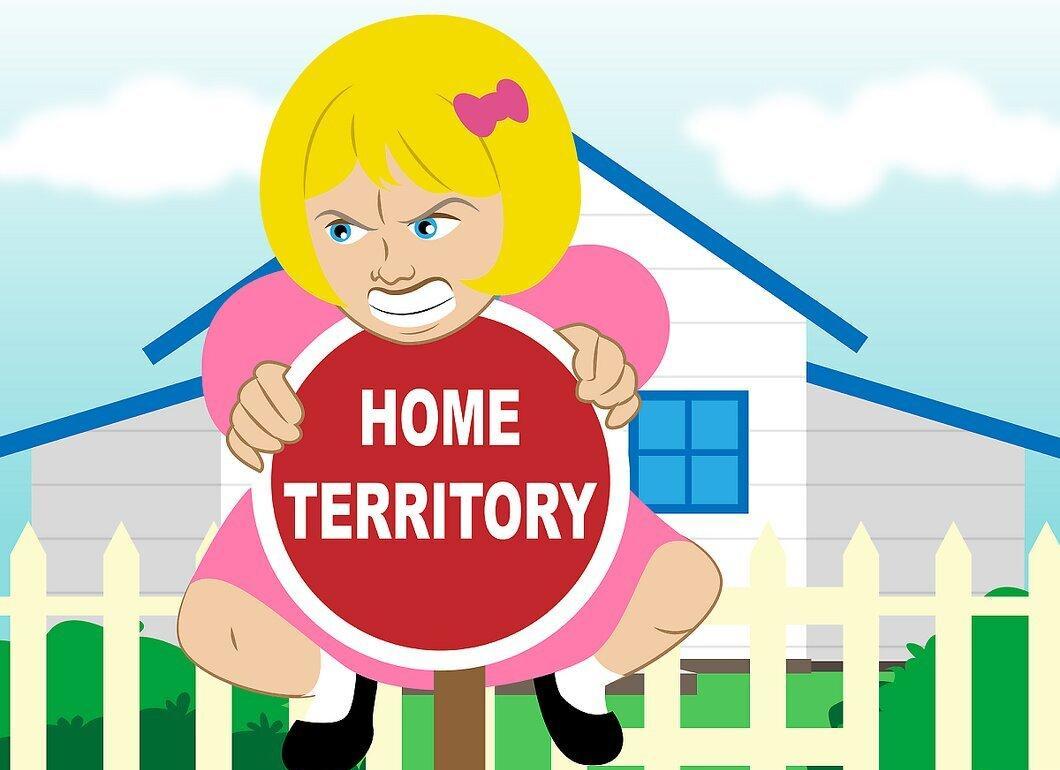
Talk to your parents about what the phrase “staying home” means. In your family, it may mean you should stay indoors, or it might be okay for you to go outside.
Step 4. Meal time:
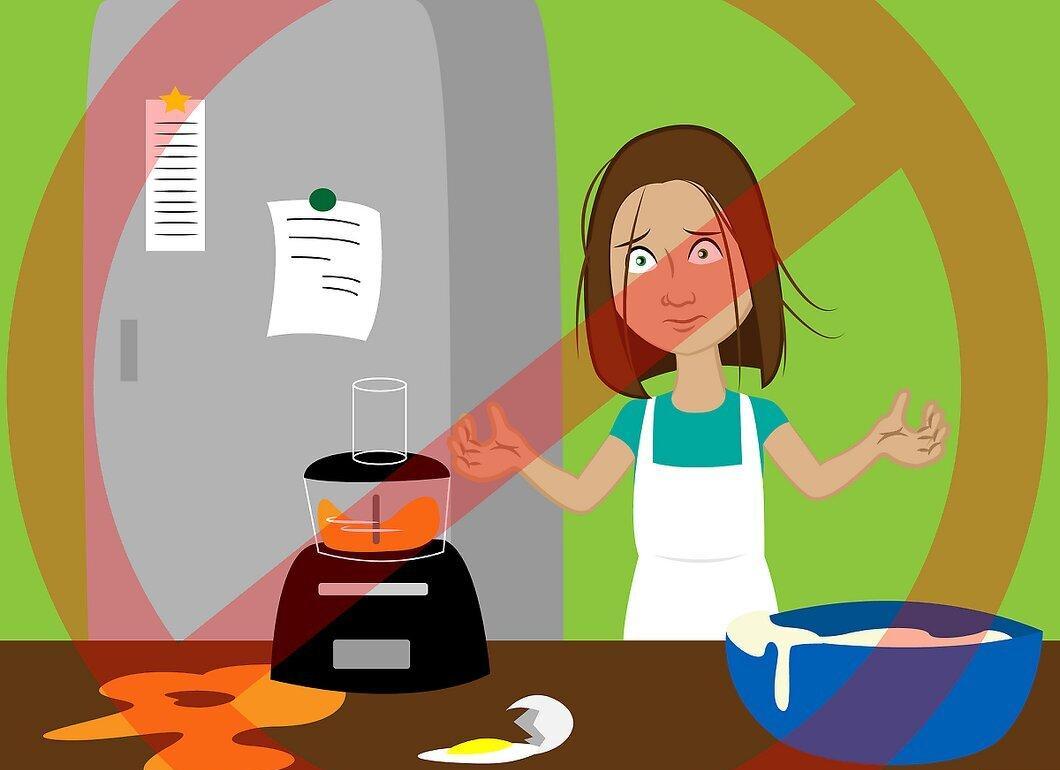
Ask what you can eat when you are home alone. Are you allowed to prepare food? Are there any appliances you're not allowed to use?
Step 5. Stick to your routine.
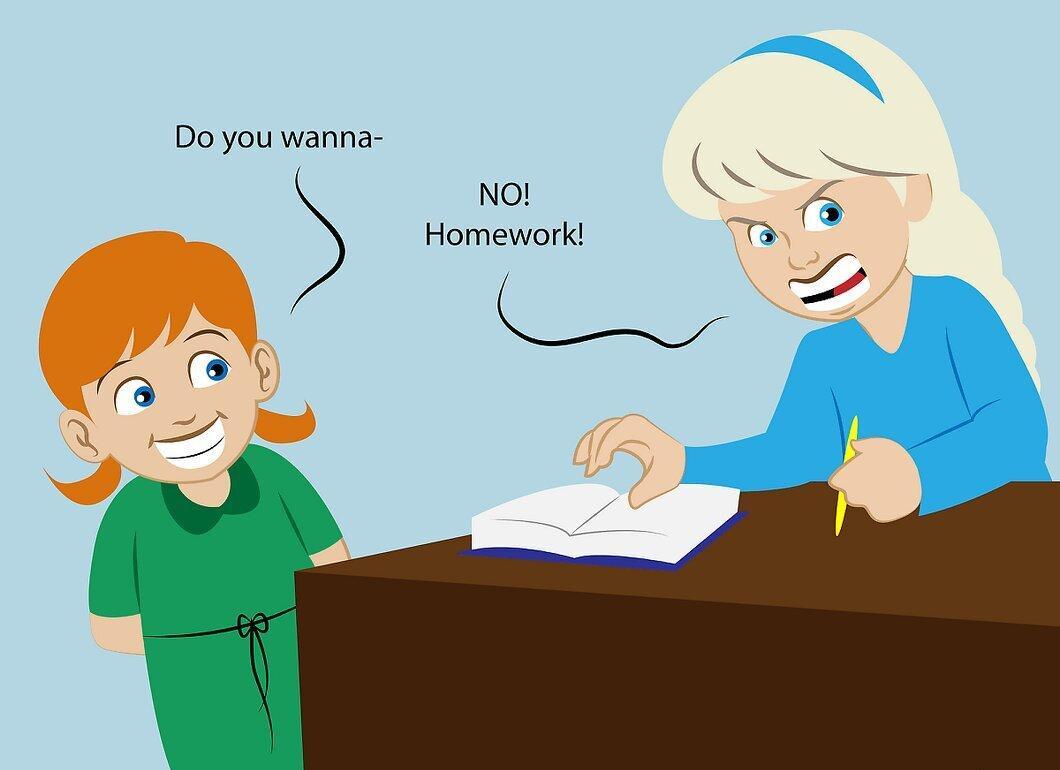
Follow your routine. Do your homework, take care of your chores: play with your pet, take out the trash, and tidy your room. Your parents may have different opinions, so discuss everything and agree on a schedule that works for everyone.
Step 6. Always lock the door and don’t leave the key outside!
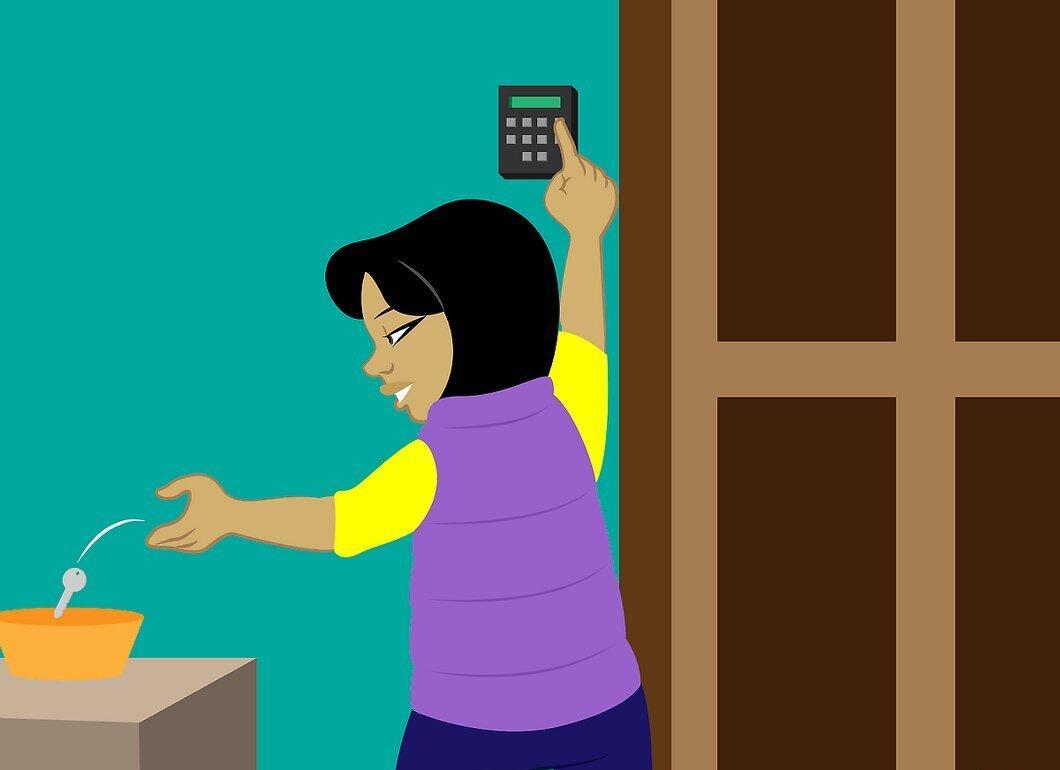
Lock the door every time and don't leave the key in plain sight, as it can be unsafe! Make it a rule to always put the key in the same spot, like a small dish. This should be your first action after closing the door.
Step 7. Familiarize yourself with the fire evacuation plan.
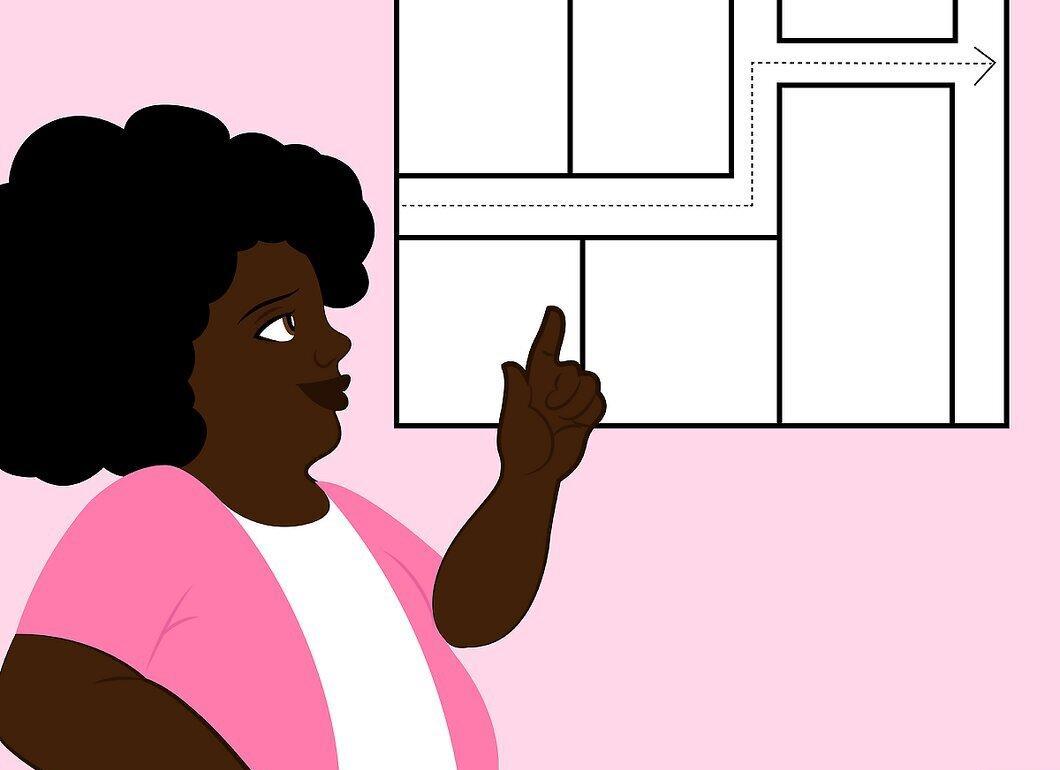
Step 8. Stay in touch with family or your best friend:
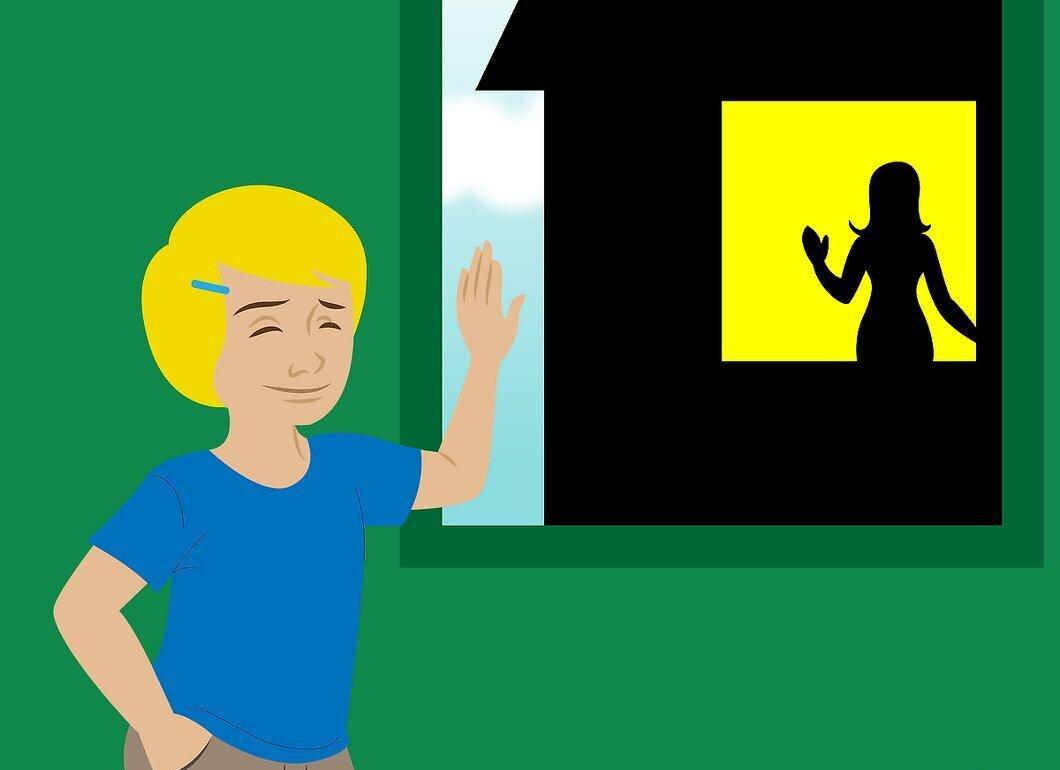
Keep in contact with relatives or your best friend. If problems arise, you can always reach out to them for help.
Step 9. Inform your parents of any changes in your routine.
Notify your parents of any changes in your routine. In general, try to consult with adults before making decisions.
Step 10. Don’t tell anyone you’re home alone.
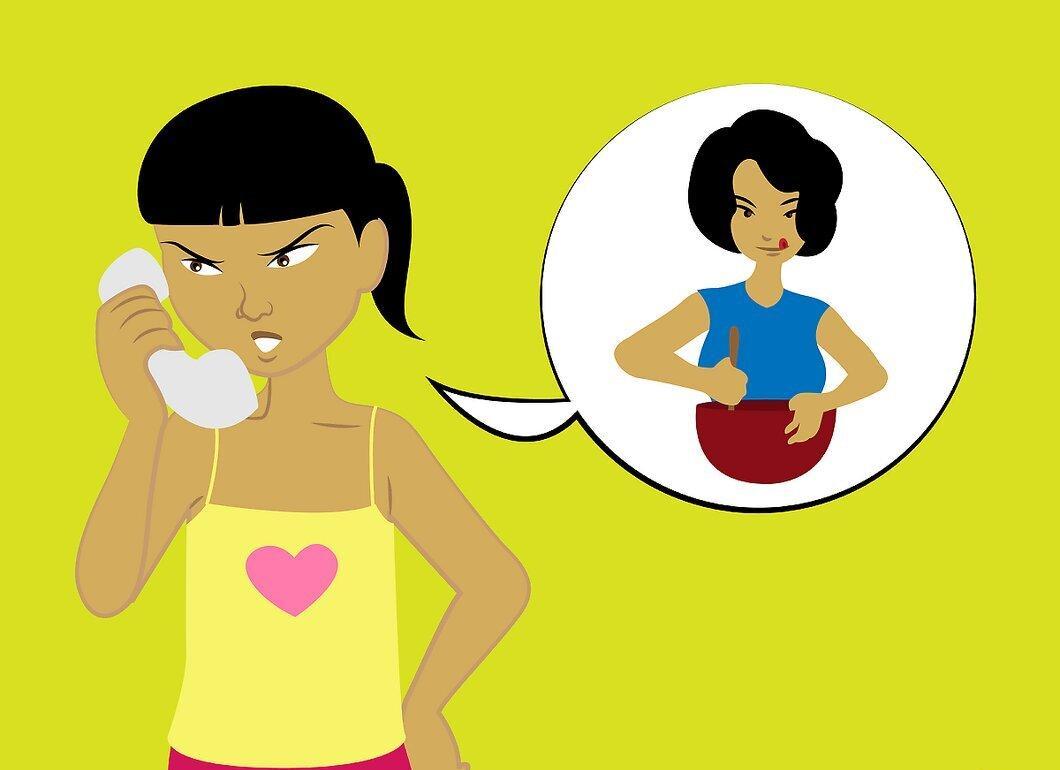
Don’t disclose to anyone that you are home alone. You can be polite without giving away this information. If someone wants to talk to your mom, say she’s busy and assure them you’ll relay the message. There’s no need to go into details.
Step 11. Trust your instincts.
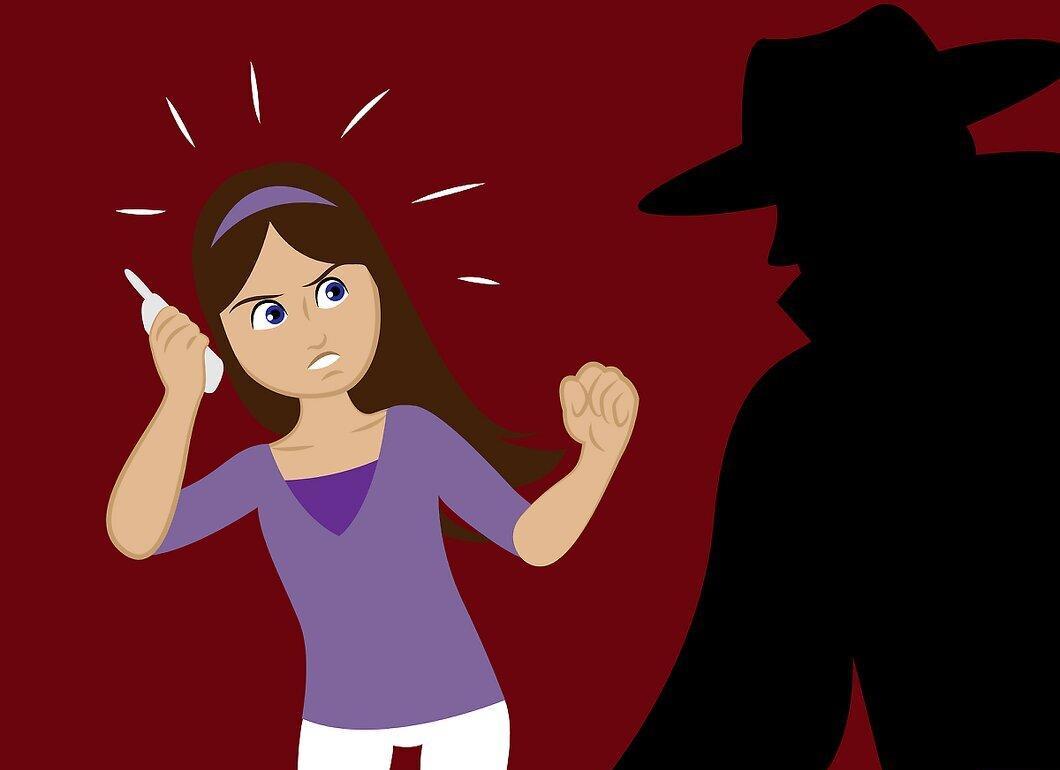
Listen to your feelings. If something doesn’t feel right, pay attention to it. Your intuition is a powerful tool! If something bothers you, like neighbors or passersby, immediately inform your parents. Ignoring your instincts is very unwise.
Step 12. Never open the door to strangers.
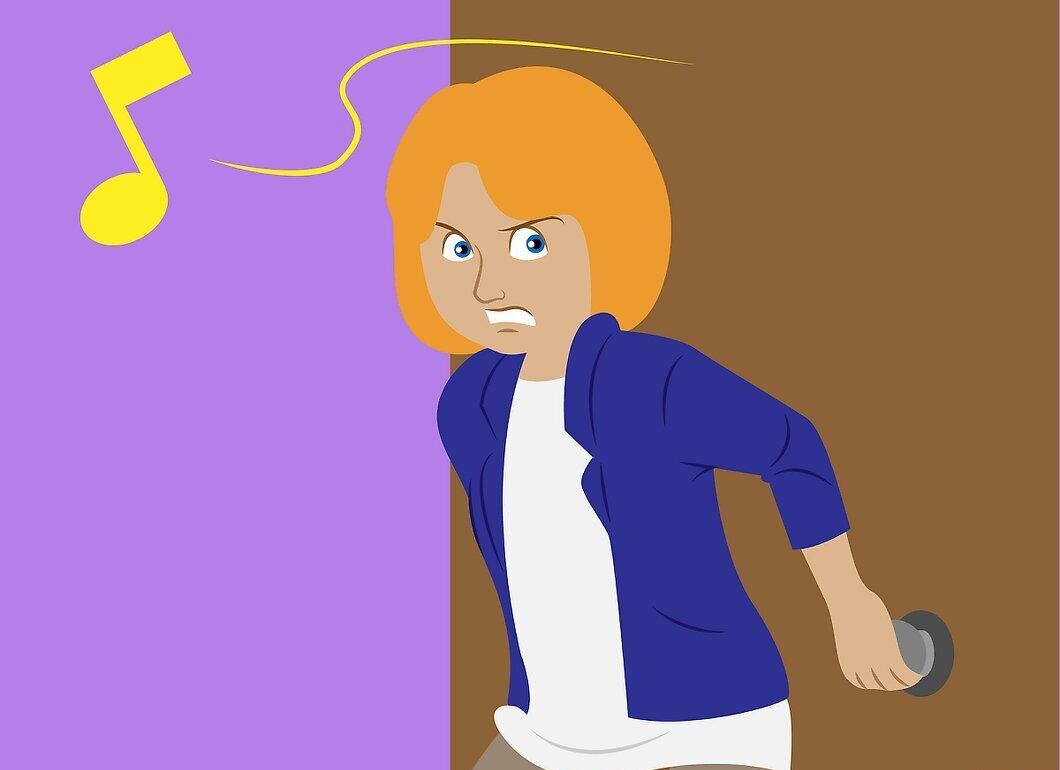
Do not open the door or let anyone into the house. Ignoring the doorbell is not rude if it concerns your safety. Discuss the rules about this with your parents.
Step 13. Create a backup plan.
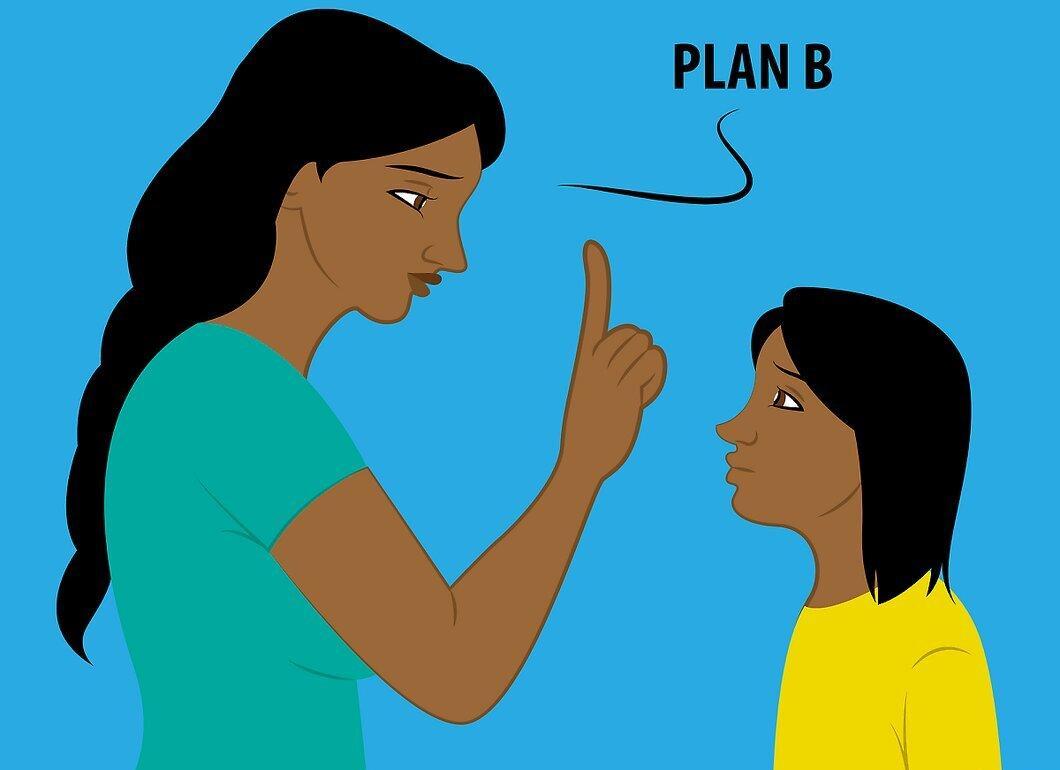
Develop a Plan B. Even if you feel everything is under control, unexpected circumstances can always arise. If you lose your key, miss the bus, or forget your textbook at school, you should have a backup plan in case something goes wrong. Discuss with your parents what to do and whom to contact for help in such situations.
Step 14. Learn the location of everything you need in the house.
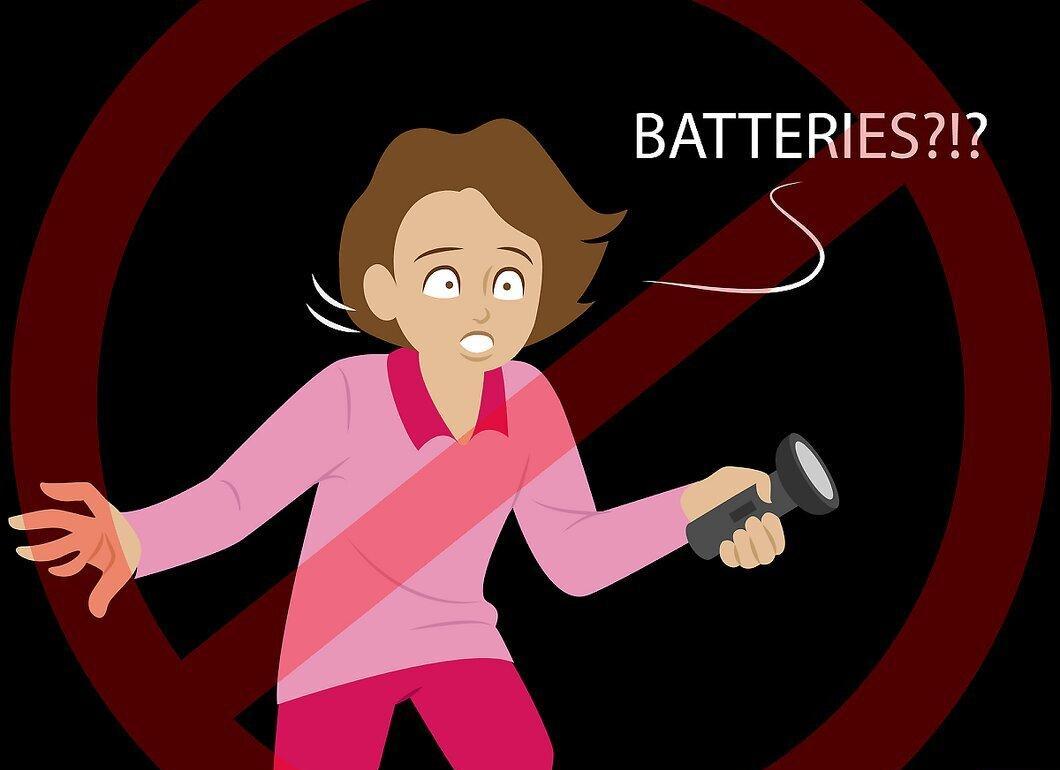
Memorize the location of keys and other important items in the house to feel more confident.
Step 15. Before leaving, make sure you have everything you need.
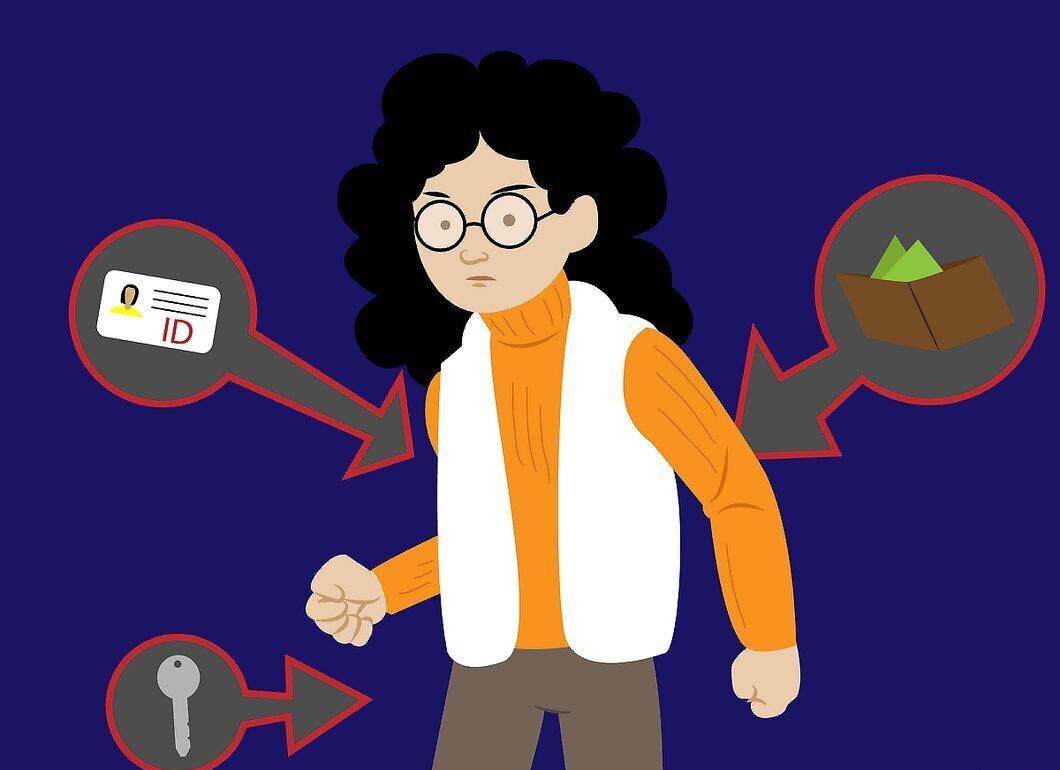
Step 16. Keep a snack with you.

Don’t forget about snacks. A hungry person isn’t able to make quick decisions. Even a small granola bar can help you avoid hunger on your way home.
Step 17. Write down your parents' and relatives' numbers in your wallet.
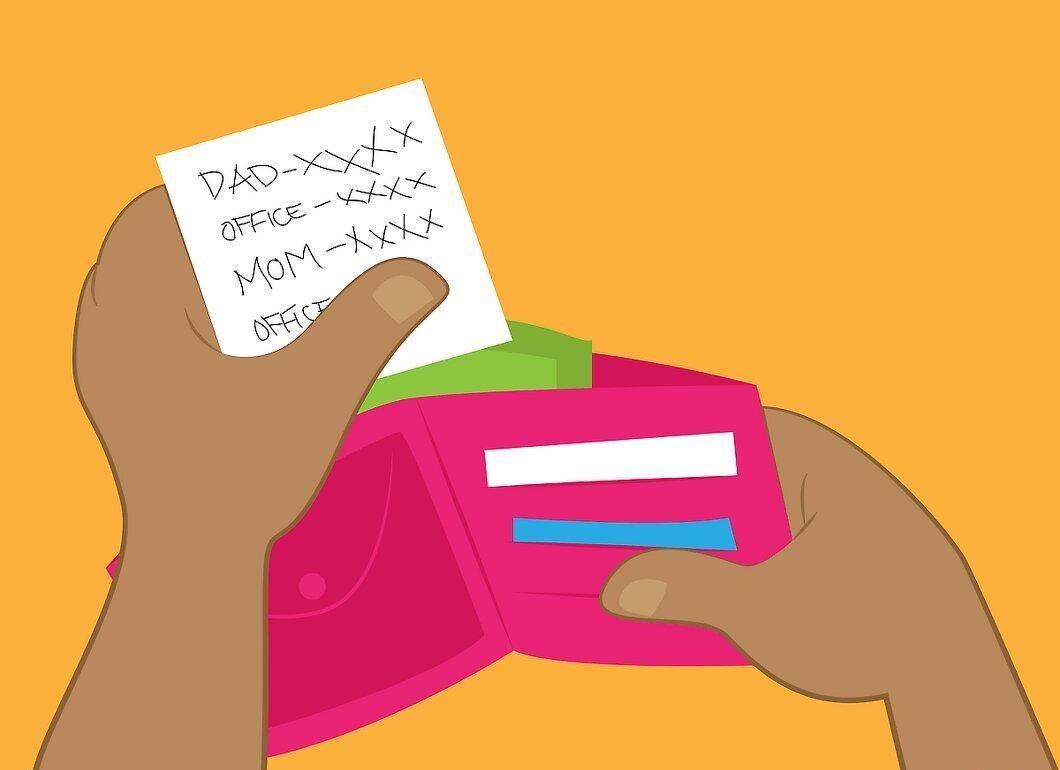
Step 18. Be cautious with your house key.
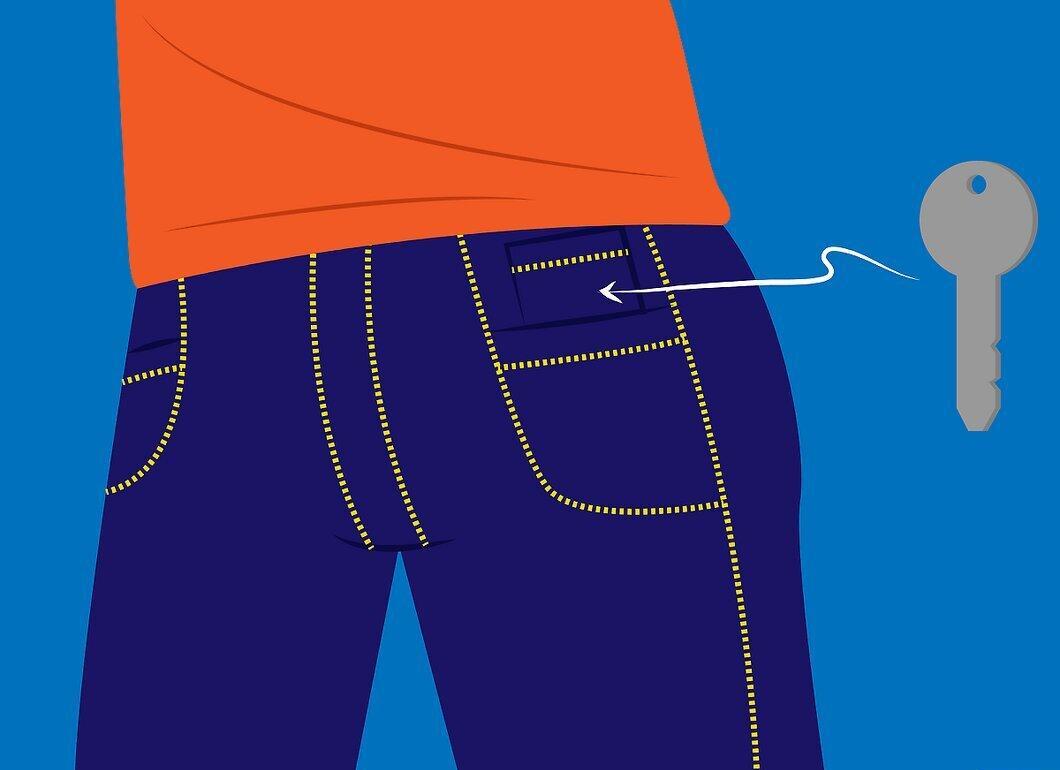
Don’t hang your key in visible places, like on a belt or the strap of your backpack. It’s better to keep the key in a safe place where it’s not easily seen.
Step 19. Keep your mobile phone with you and have change for a payphone.
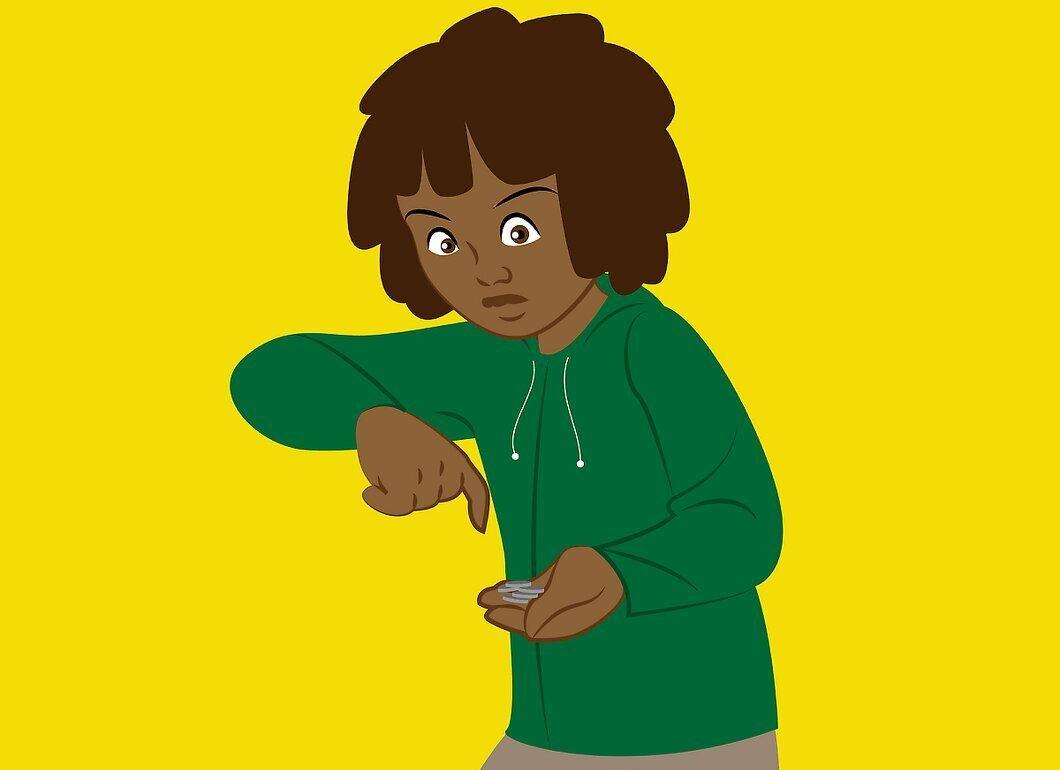
Step 20. Get to know your neighbors.
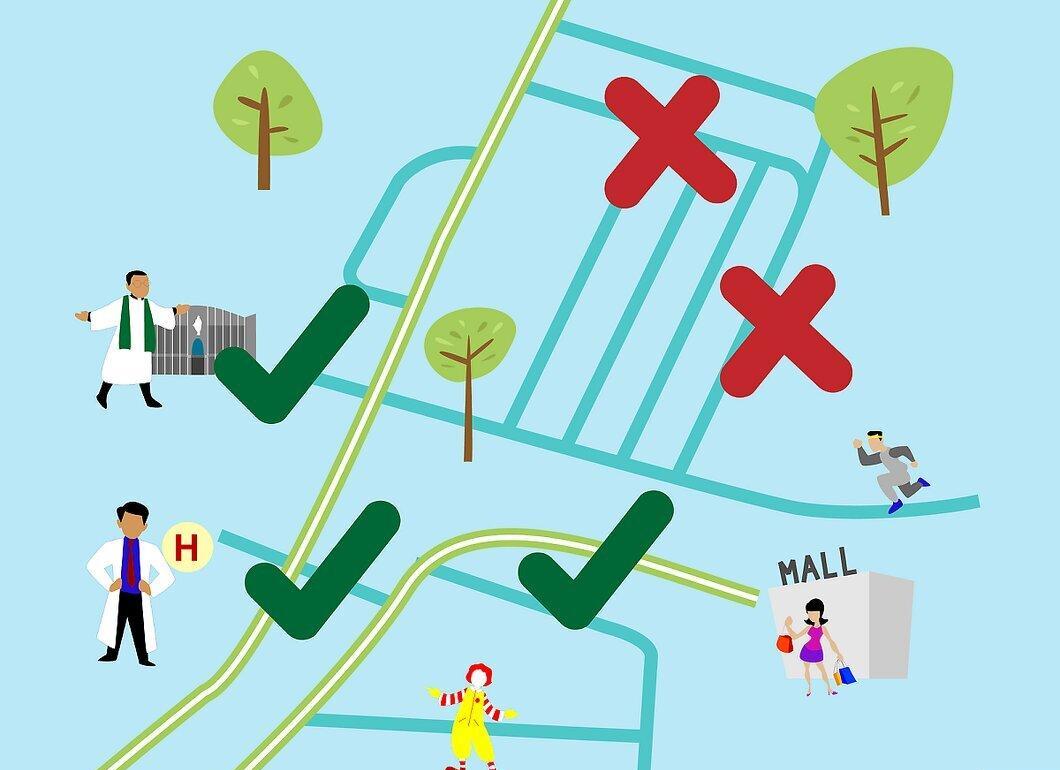
Meet your neighbors to know who lives nearby. If your parents live separately, get to know the neighbors at both addresses. Identify safe places and those you should avoid. Remember, crowded places are safer. Learn the names of nearby streets to communicate easily with emergency services. Stay away from abandoned buildings and quiet alleys. In multi-story buildings, be cautious with elevators and stairwells. Only enter the elevator with people you trust, and always have a spare key with neighbors.
Step 21. Prepare your home.
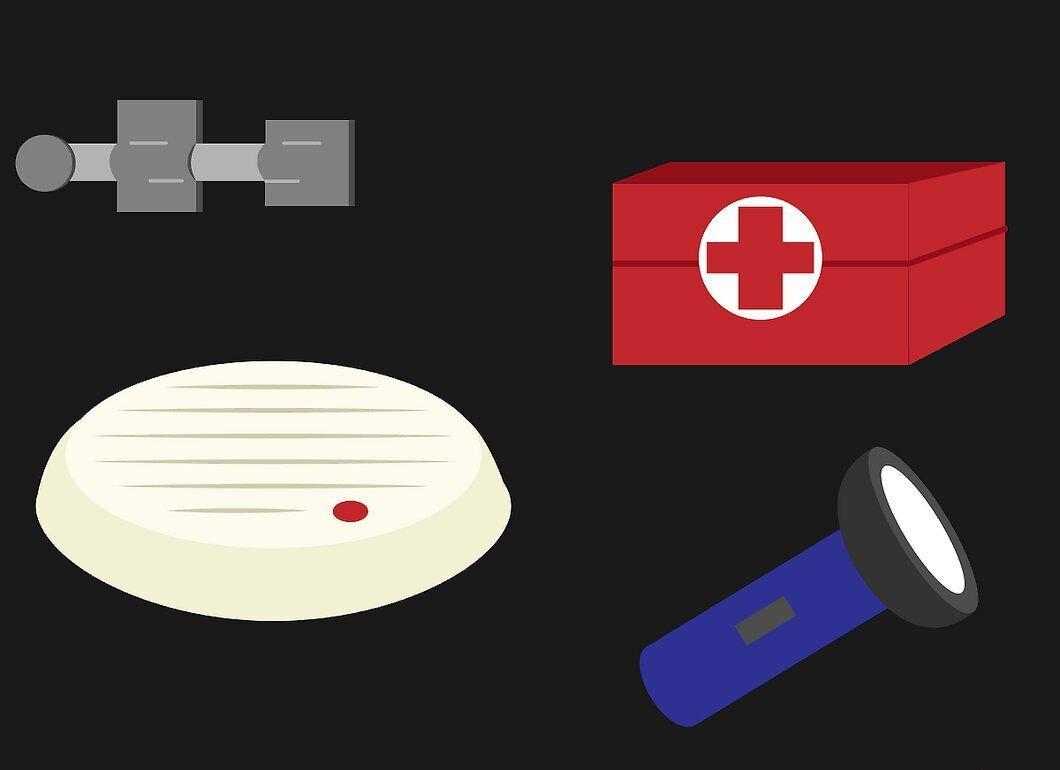
Prepare your environment. Your parents should ensure your safety. Here’s a list of what should be in your home:
- A secure door lock and chain
- A peephole in the door
- Outdoor lighting
- Smoke detectors
- Emergency service numbers
- Sturdy windows
- A first aid kit
- A flashlight
Step 22. Know when to expect your mom.

If your mom usually returns from work at 5:30 PM, but it’s 6:00 PM and she’s still not home, it can raise concerns. Arrange with her to notify you of any delays. Establish what constitutes a delay: 5, 15, or 30 minutes? Find out how to contact your mom if she’s running late.
Step 23. Be aware of noise.
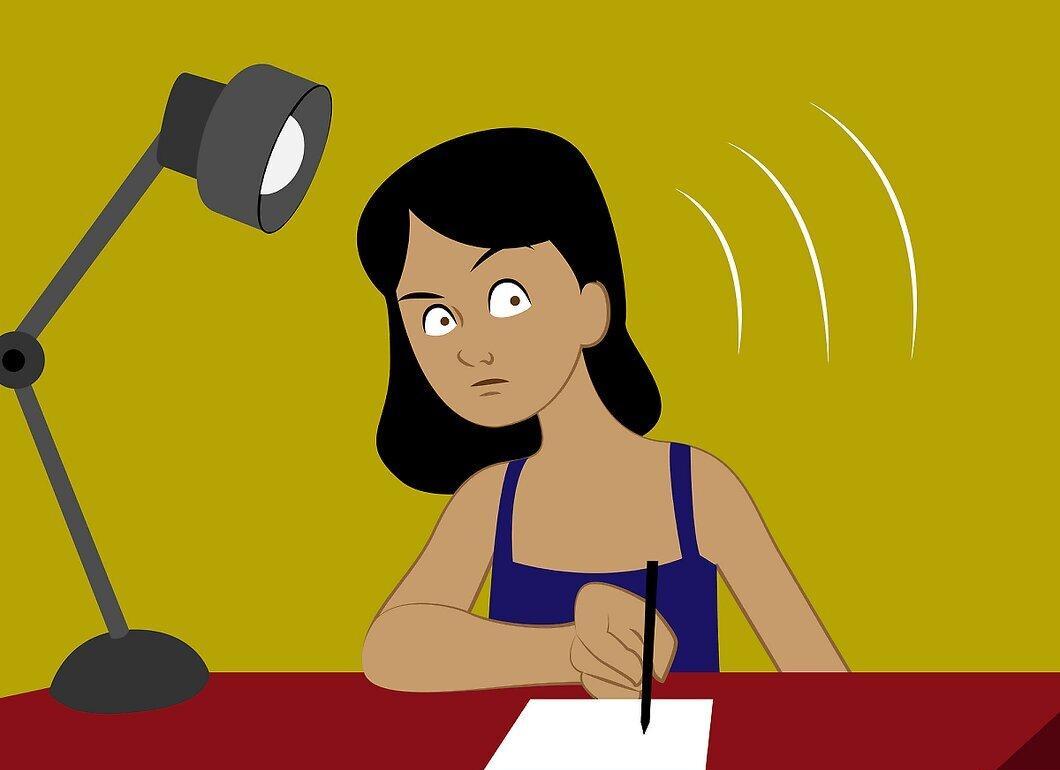
If you hear noise, like a door slamming, don’t ignore it. Pay attention to sounds, and if something worries you, inform your parents. If the noise doesn’t stop, try turning on the TV to drown it out. If a sound scares you, it might still be too early for you to be home alone.
Step 24. Learn basic first aid.
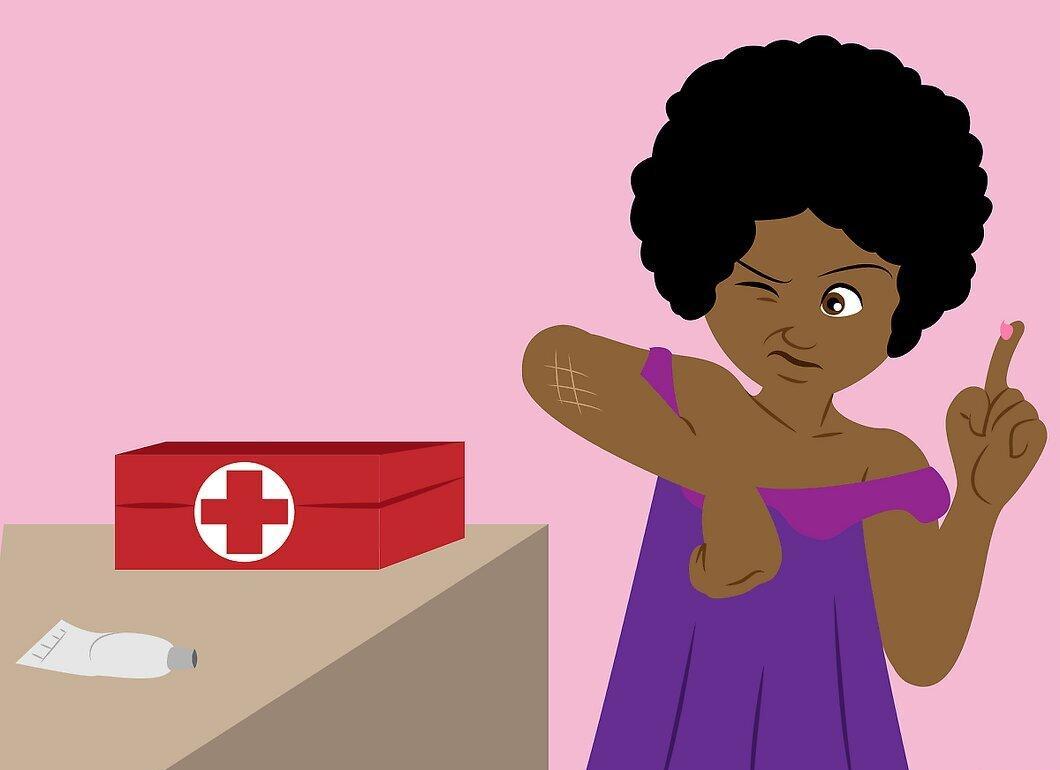
Take care to learn first aid. If you get hurt, call your parents immediately.