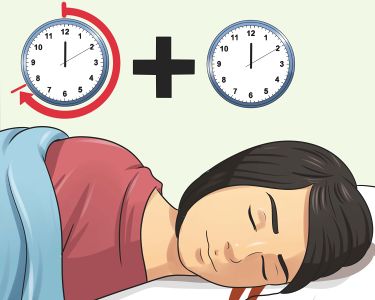
While getting enough sleep is crucial for teenagers, there are times when an all-nighter is necessary. If you're preparing for an exam or want to spend time with a friend, here are some tried-and-true methods to help you stay awake all night!
Preparing for an All-Nighter
Step 1. Understand How Your Body Reacts to Sleep Deprivation

It's important to recognize how your body will respond to lack of sleep. Usually, after about 24 hours of wakefulness, you'll feel the most fatigue and the strongest urge to sleep.
- Experts say that humans have internal clocks that regulate their circadian rhythms. This is why maximum fatigue occurs around 24 hours of wakefulness rather than, say, 30 hours.[1] X Source
- Your internal clock may occasionally give you a "second wind," sending signals to your brain that help you feel more alert despite fatigue. There are several tricks to help you stay active.
Step 2. Prioritize Safety During Fatigue
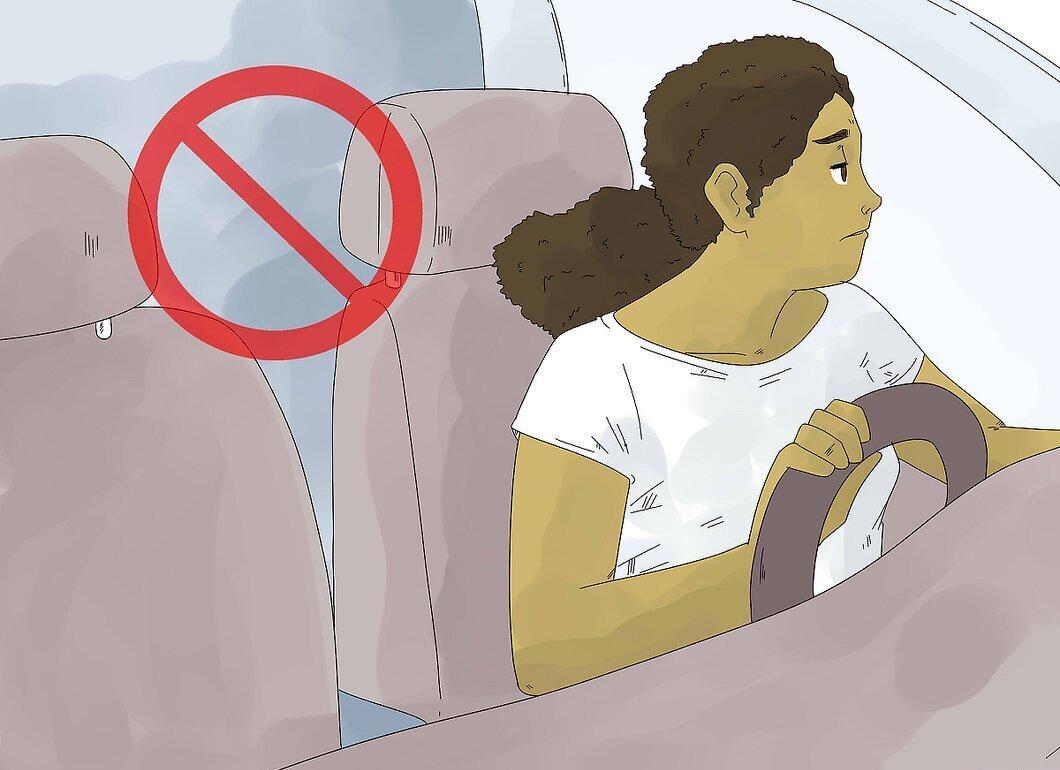
Don't forget about safety when you're feeling tired. If you need to study at night, make sure to think about your safety. Remember that sleep deprivation can negatively affect your health, increasing cortisol levels, the stress hormone.
- After an all-nighter, avoid driving — it can be dangerous for you and others. Studying at night may also reduce your performance, so try to manage your time to avoid such extremes.[3] X Source
- Keep in mind that sleep deprivation can affect your health in various ways. It impairs memory and slows reactions, so you may find multitasking more difficult.
- Prolonged sleep deprivation can lead to numerous negative consequences, including weight gain, mood swings, and muscle fatigue.[4] X Source Therefore, after an all-nighter, give your body time to recover and try to avoid regular sleep deprivation.
How to Stay Awake
Step 1. Take a Short Nap in the Evening or Night
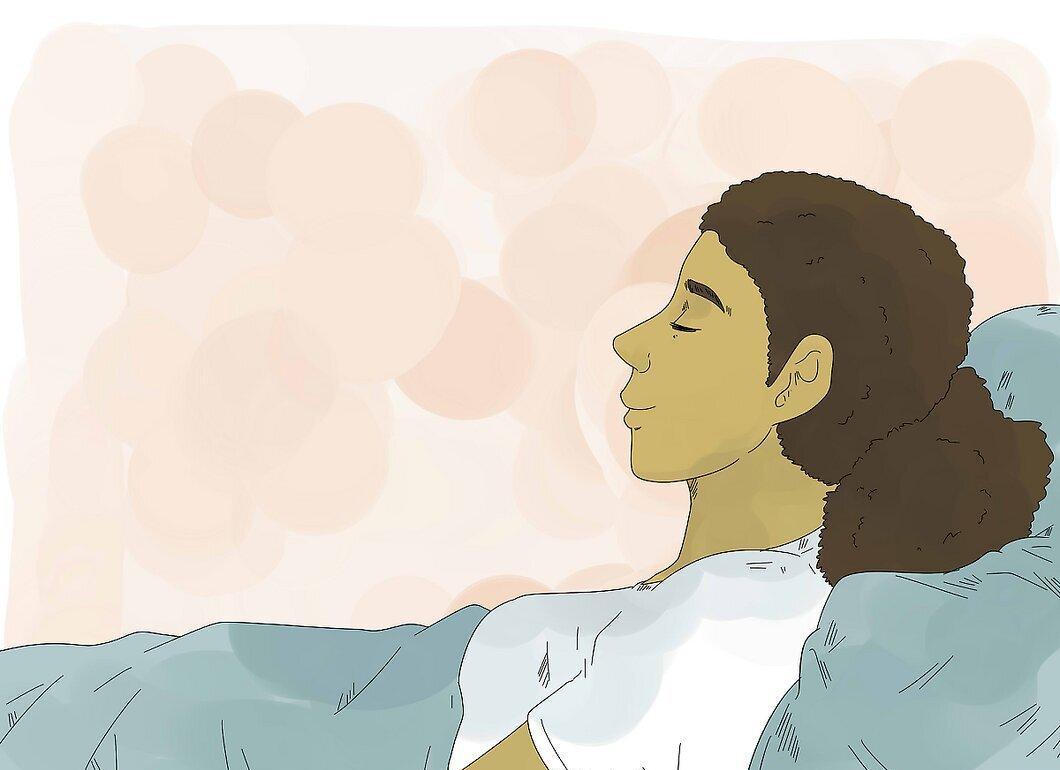
A brief nap in the evening or night can have a positive impact, even if you don't plan on sleeping for long. Just a few minutes of rest can help you make it to morning. You can simply close your eyes and relax.
- Research shows that 26 minutes of sleep can be significantly beneficial. Just briefly close your eyes, and it will give you the energy to last through the rest of the night and into the morning. The key is not to fall into a deep sleep, or you might sleep through till morning.[5] X Source
- You can also get a bit more sleep before the all-nighter to help your body build up energy for the next day.[6] X Source
Step 2. Use Bright Lighting
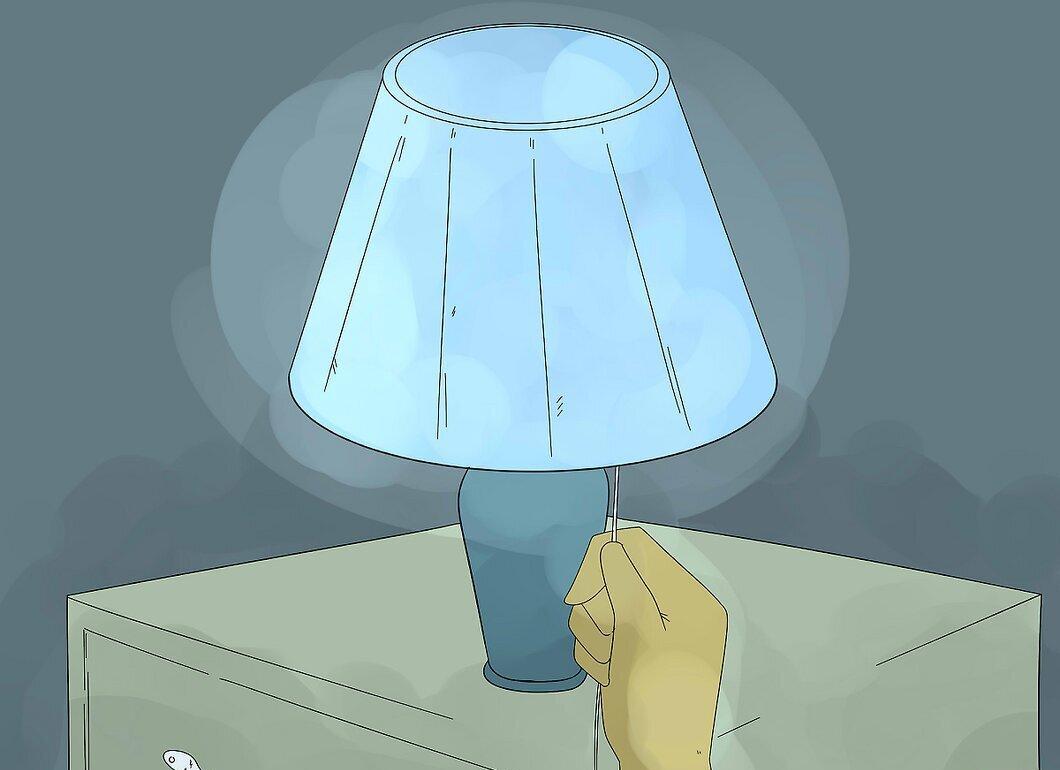
Make sure to have bright lighting. Your internal clocks respond to light levels: bright light helps you stay awake, while darkness promotes sleepiness. Your eyes are directly connected to these internal clocks.
- If you feel very tired after an all-nighter, step outside. Sunlight can significantly boost your alertness. Darkness produces melatonin, the sleep hormone.
- People often instinctively dim lights at night, which increases the urge to sleep. Turn on bright lights to trick your body into staying awake.
Step 3. Stay Active and Keep Moving
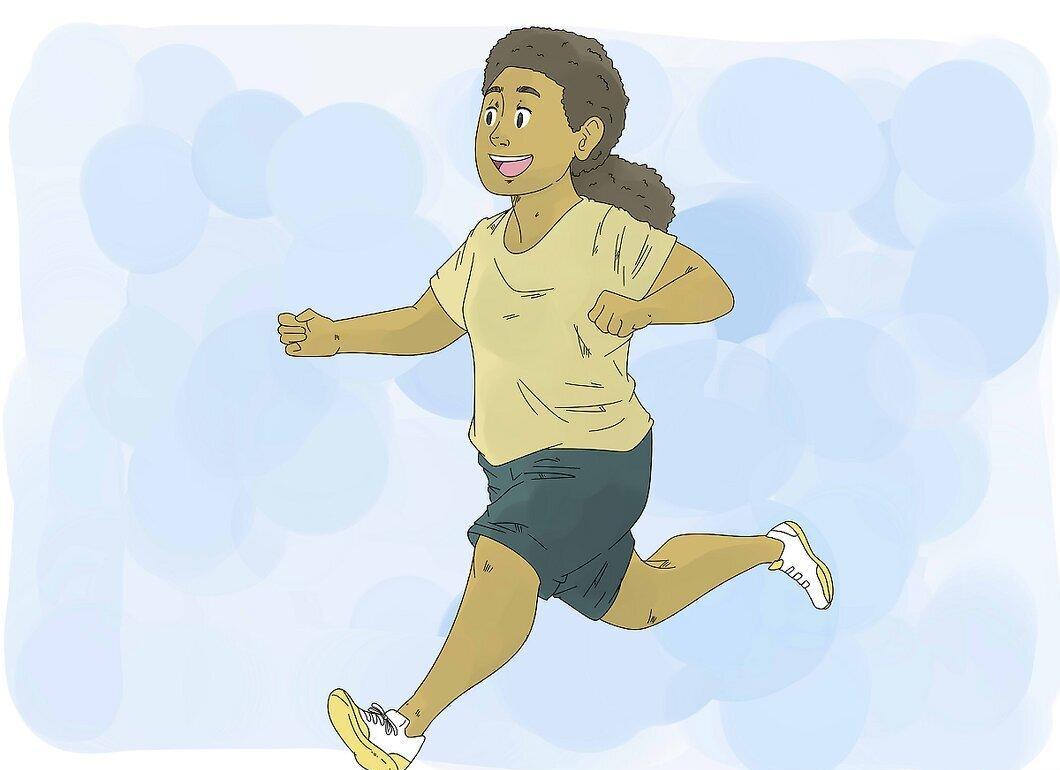
Keep moving and engage in activities. Physical activity helps your brain work better. If you don't have time for a workout, just talk to someone, do the dishes, or engage in another task. Focus on the current activity.
- Change activities frequently to avoid dozing off. Variety will help you stay energetic and distract you from thoughts of sleep.
- Mental tasks can also help keep you alert, diverting your attention from fatigue. Try playing a game, but be cautious: some activities, like reading, can induce sleepiness, especially if done lying down. Turn on the radio and listen to an interesting show.
Step 4. Cool Down the Room

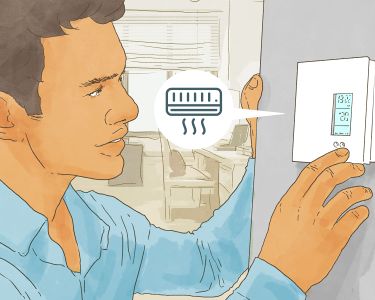
Make sure the room is cool. During sleep, body temperature typically drops, so sleeping in a hot room can be challenging. Cool air helps maintain wakefulness.
- Taking a cold shower or changing into casual clothes can also help wake you up.
- Open a window to let in fresh air. Cool, fresh air will help you stay active.
Proper Nutrition and Drinks
Step 1. Drink Caffeinated Beverages
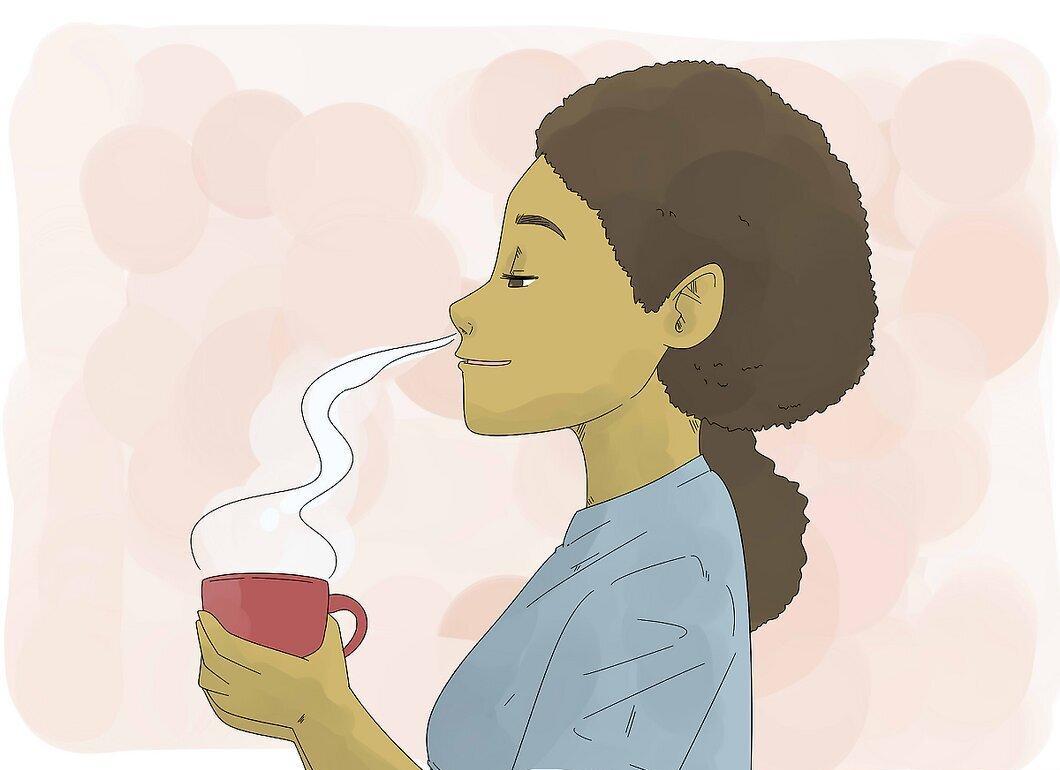
During an all-nighter, drink caffeinated beverages. Coffee or energy drinks can help you stay awake. However, don’t consume too much at once; it's better to spread your intake throughout the night. Studies show that caffeine improves concentration.
- Most people find that one cup of coffee (about 150 ml) is sufficient, which contains roughly 100 mg of caffeine. The effects of caffeine kick in after about 30 minutes and last for about two hours.
- Over-the-counter caffeine pills are also available in doses of 100 or 200 mg. However, excessive caffeine can cause anxiety and other side effects, such as quick fatigue once you stop consuming it.
- If you don’t drink coffee, try apples — they provide enough sugar to keep you energized.
Step 2. Eat High-Calorie Foods

To avoid falling asleep, choose high-calorie foods. Some foods provide more energy than others. If you're planning to stay up all night, make sure you don't skip meals.
- Eat protein-rich foods, fiber, and complex carbohydrates. For example, sandwiches or granola with nuts and fruits paired with milk would be an excellent choice. Don't forget to drink plenty of water to stay alert.[7] X Source
- High-calorie foods include whole grains, meat, mushrooms, nuts, eggs, and chicken. Remember that unhealthy foods with empty calories provide only a temporary energy spike, followed by a crash.
Step 3. Avoid Foods That Cause Fatigue
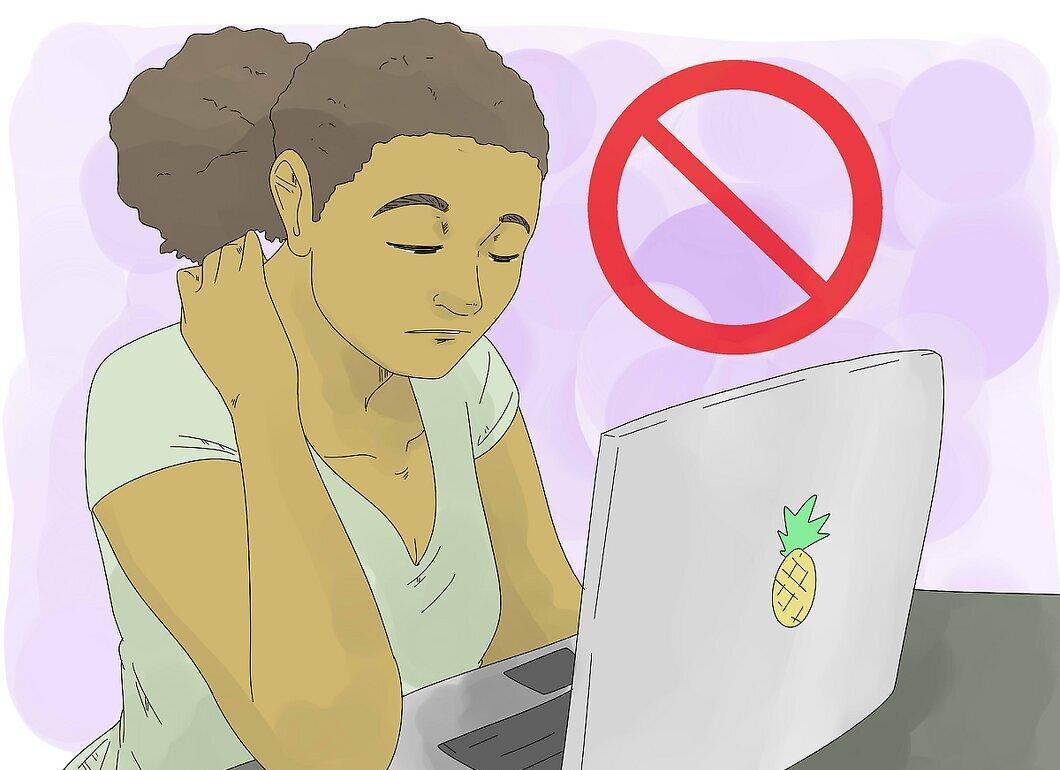
Try not to consume things that may increase fatigue or lead to dependence. Focus on healthy ways to stay alert to avoid risking your health.
- Teens should avoid alcohol (before reaching the legal age), as it induces sleepiness.
- Don't use illegal substances for stimulation. This can be extremely dangerous for your health and even illegal.
Step 4. Build Healthy Habits to Avoid All-Nighters

Develop healthy habits to avoid needing to stay awake at night. Sometimes (though rarely) an all-nighter is simply necessary. If it becomes a regular occurrence, consider how to better organize your time.
- Reassess your study habits. Don't try to cram everything in at once, as this is ineffective and can lead to burnout. Create a schedule that allocates specific study time each night, making it a habitual practice.
- Studies show that sleep habits differ between teenagers and adults.[8] X Source Generally, young people go to bed later, which is perfectly natural. Before bed, try to disconnect from computers, smartphones, and video games.