Traveling abroad can be exciting and joyful, but it also comes with potential dangers, just like in your home country. Before heading overseas, it's crucial to be aware of potential risks and how to protect yourself from them. There's always a chance that something could go wrong during your trip, so it's important to be prepared for anything. Whether you're traveling alone or with friends, your safety should be your top priority. Follow our tips to ensure your overseas adventure goes smoothly.
Part 1
Step 1. Learn as much as possible about the country you plan to visit.
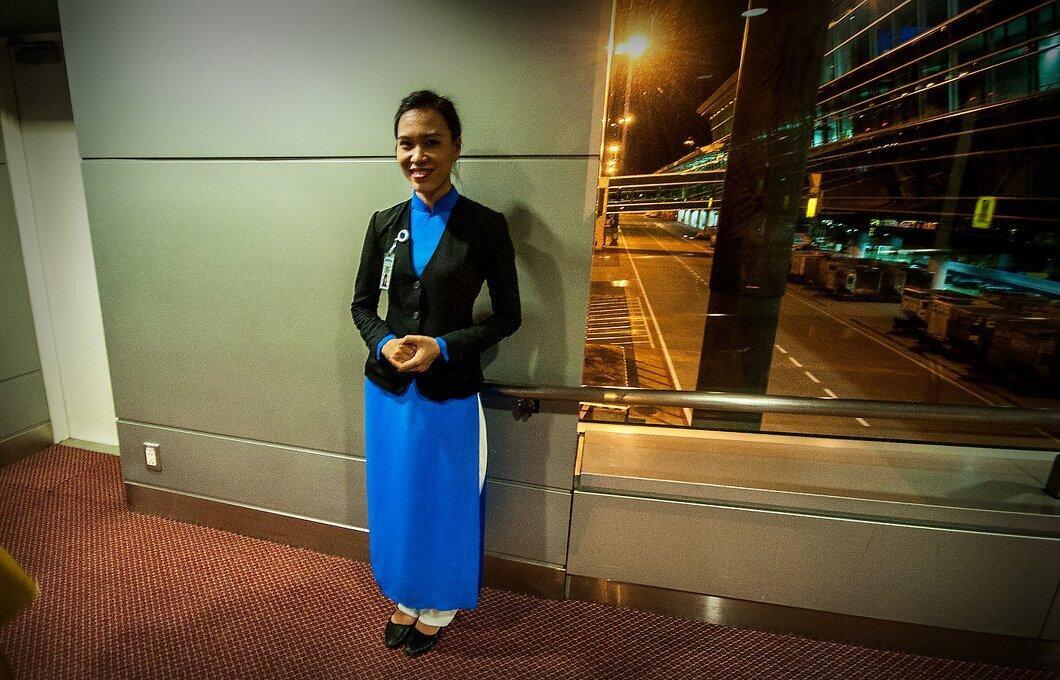
Learn as much as you can about the country you're planning to visit. The easiest and quickest way to do this is through the Internet. Use only reliable sources (such as official embassy websites, etc.). Familiarize yourself with emergency service numbers, and try to pick up a few words of the local language (at the very least, know how to say "help"). Also, find out where to avoid (high-crime areas, red-light districts, etc.). You may find relevant information on your government's foreign affairs website.
- Learn local customs. Some gestures that are common in your culture can be offensive in other countries or may have an entirely different meaning. For example, the thumbs-up sign in Western Europe means approval, but if you make that gesture in Greece, it can be considered insulting. Your travel agency should inform you about these significant differences.
- Understand how locals dress. If in the country you're visiting, it's not customary to show too much skin, then you should avoid wearing revealing clothing. Don't attract unwanted attention, especially when in cultural or religious places.
Step 2. Before your trip, make three copies of all your important documents – passport, tickets, credit cards, driver's license, etc.
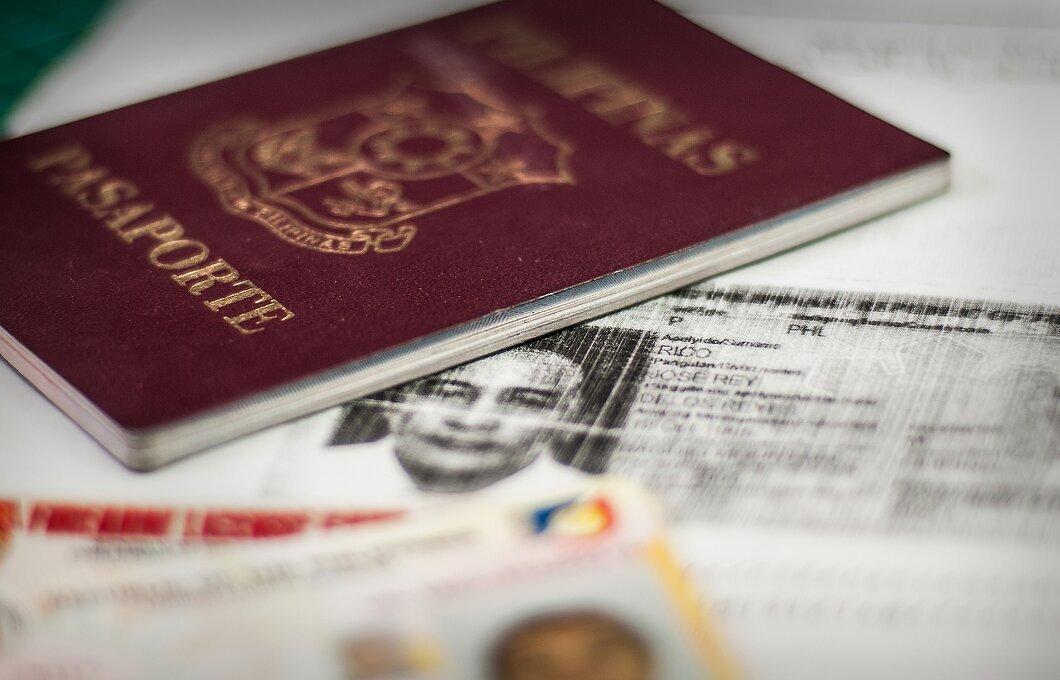
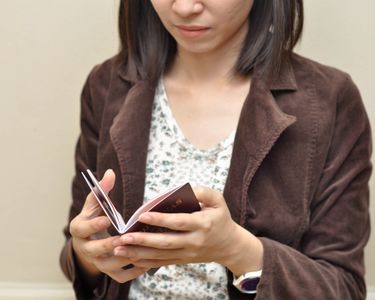
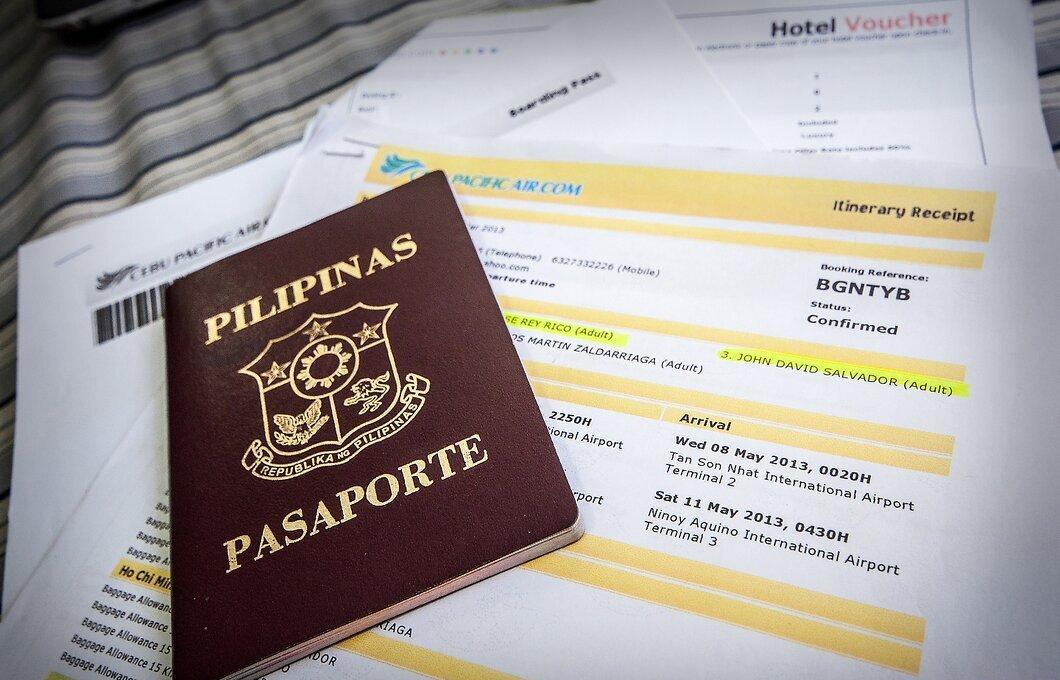
Before your trip, make three copies of all your important documents – passport, tickets, credit cards, driver's license, etc. Having copies will make it easier to replace your documents if they get lost or stolen. Store copies in different locations and keep an eye on their safety. You can also scan your documents so you can print them later if needed.
Step 3. Before your trip, find out the address and phone number of your embassy in the country you are visiting.
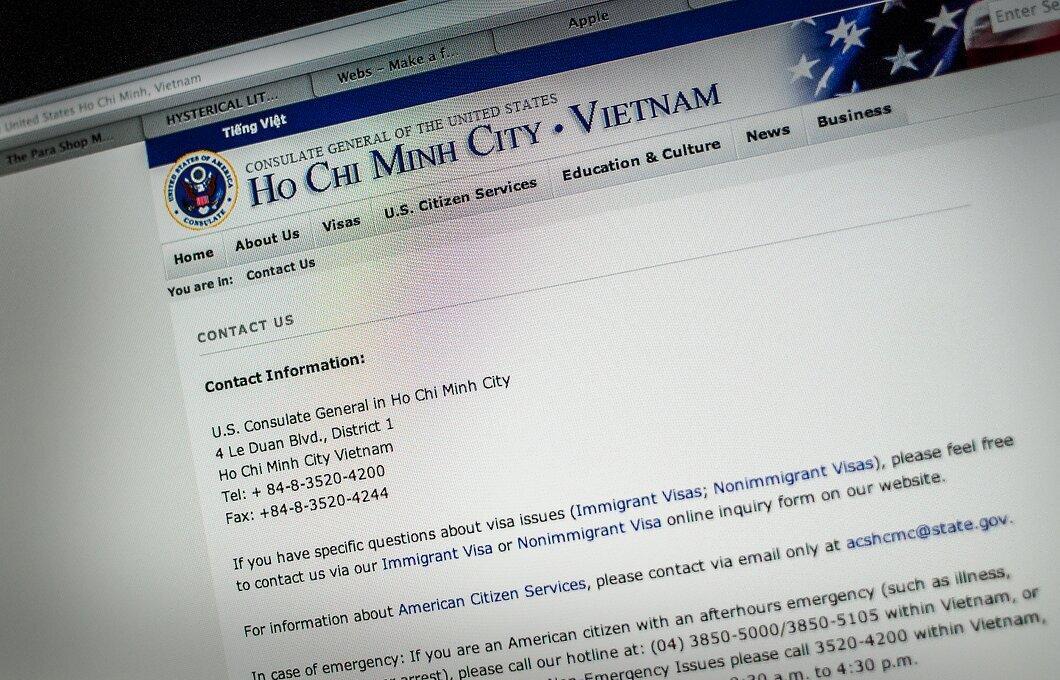
Before your trip, find out the address and phone number of your embassy in the country you're visiting. Be sure to register your information with the embassy (in some countries, you can do this online) so that in case of a natural disaster or military conflict, they know where to find you and can assist you.
- Once you arrive, contact your embassy. Inform them of your name and address. If possible, visit the embassy or at least locate it on a map so you know where to go in case of an emergency.
Step 4. Try to avoid looking like a tourist, as tourists are potential targets for thieves.
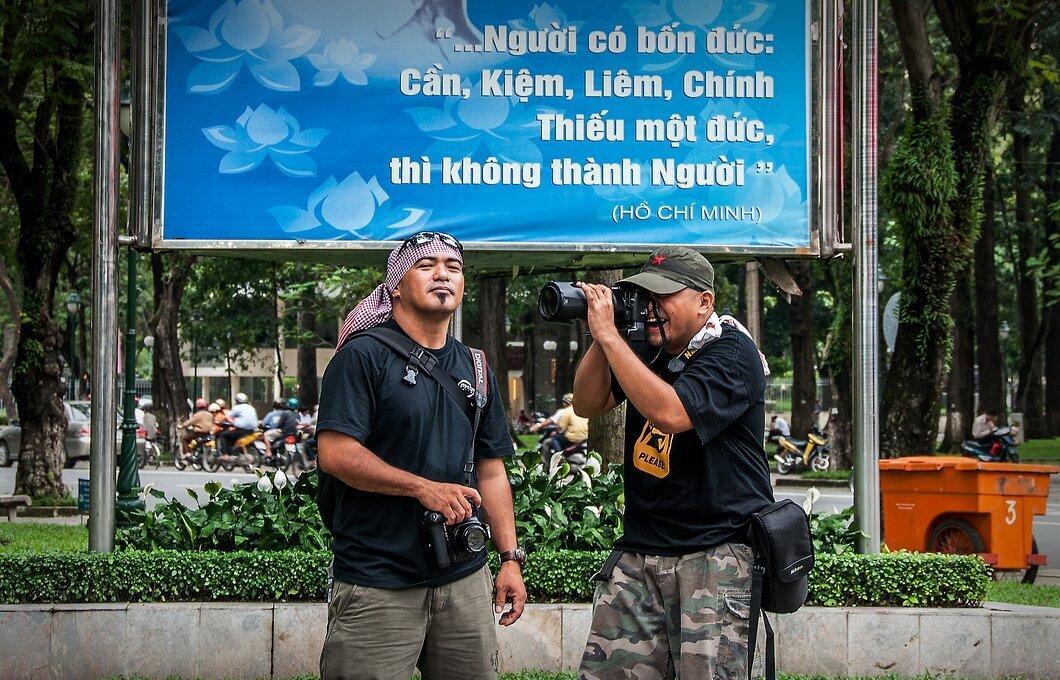
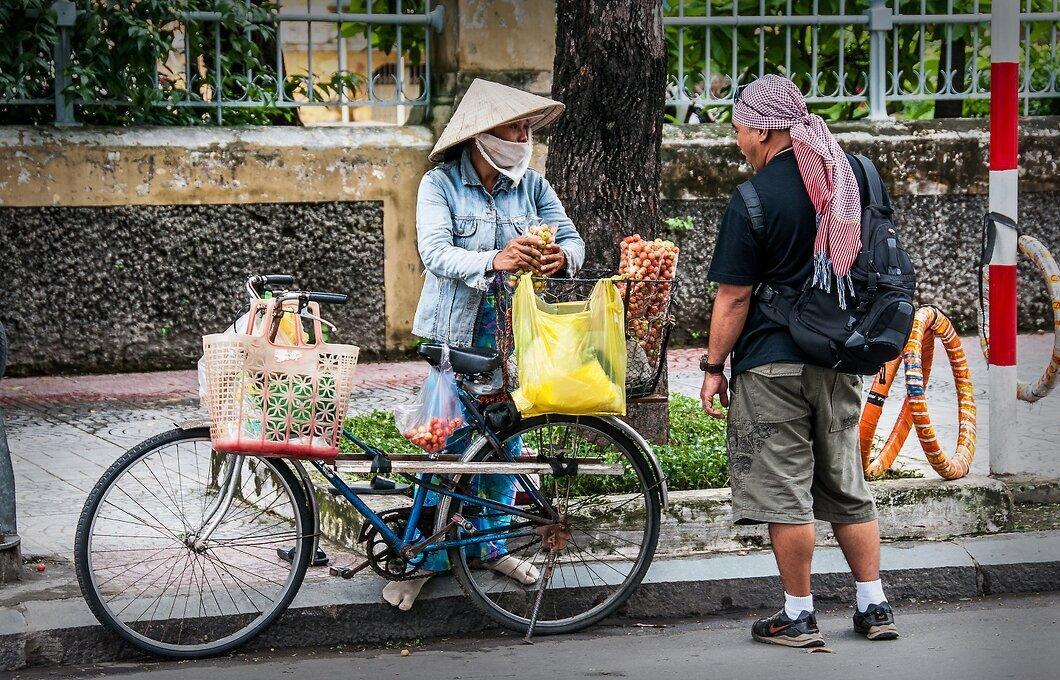
Try not to look like a tourist while in a foreign country, as tourists are often easy targets for thieves. Avoid wearing:
- Expensive jewelry or fakes that look real.
- Expensive sneakers (especially white ones), which will definitely mark you as a tourist. If you prefer to wear sneakers, choose a pair that doesn’t draw much attention.
- A fanny pack, as it can be an easy target for pickpockets.
- Bags, hats, and items branded with your travel agency’s logo.
- New clothing and footwear.
- Electronics. If you need to bring something, pack it in an old, nondescript backpack that won’t attract attention.
Step 5. Ensure the tap water is safe to drink.
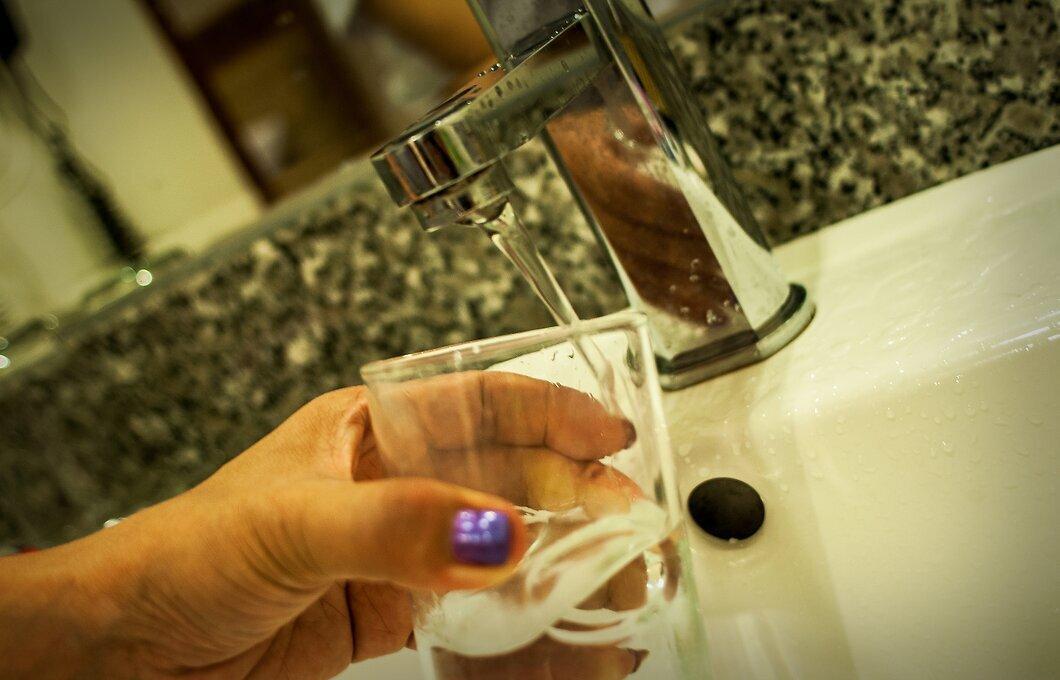
Ensure that the tap water is safe to drink. The chemical composition of tap water may be significantly different from what you’re used to at home, so it’s very possible to get sick from it (especially children and elderly people are at risk). If you buy bottled water, make sure the seal is intact.
Step 6. Be cautious with sexual contacts.

Be cautious with sexual contacts. Sexually transmitted infections are prevalent in cities around the world, especially in areas with sex work. The only guaranteed protection against any sexually transmitted disease is to abstain from sex with strangers or casual acquaintances. However, if you choose to engage in sexual activities, always use condoms.
Step 7. Do not share your personal information with anyone.
Never share your personal information with anyone. No one, except you, should know where you're staying, where you're going, or when you're planning to go. Regardless of how much you trust someone, they don’t need to know everything about you. If someone asks where you're staying, lie to them. When at a hotel, never loudly announce your room number, and the receptionist shouldn’t say it out loud either (it’s better if they write it on a piece of paper). If you think someone overheard your room number, request a room change.
Step 8. Secure your room.

Secure your room. It's best if your room isn't on the ground floor and is as far away from the elevator and fire escape as possible (rooms in such locations are often targeted for theft). Always place a rubber doorstop under your door at night. If someone tries to open your door during the night, the doorstop will give you time to raise an alarm and call for help. If you don't have a doorstop, block the door handle with a chair. When leaving your room, always put a "Do Not Disturb" sign on the door so people think you're inside. Additionally, leave the TV on while you're gone, so that it sounds like someone is inside. Hide your valuables in a safe or camouflage them somehow.
Step 9. Be polite and unassuming.
Be polite and unassuming. If you remain calm and respectful in any situation, you won't attract attention with your behavior. However, if you seem overly friendly, it might be interpreted as an invitation (especially if you're a woman). Avoid doing anything that would cause you to act out or draw attention to yourself, such as drinking excessively or using drugs, as losing control can make you a target for thieves.
Step 10. Don’t keep all your documents (passport, credit cards) and money in one place.
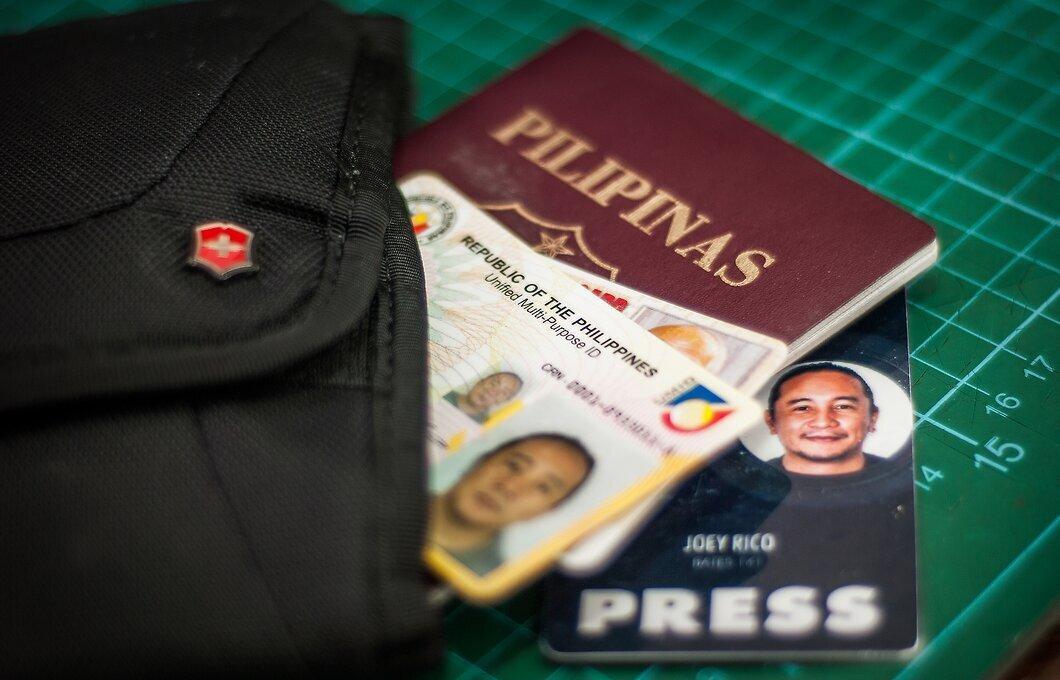
- Keep your credit cards and cash separate to minimize the risk of losing everything.
- Always keep some cash in a hidden pocket or in your shoes for emergencies, such as taxis or snacks.
- Keep your wallet close to your body – for example, in your front pants pocket. You can prepare a decoy wallet with fake money, expired credit cards, and fake documents.
Step 11. Use a decoy when someone tries to rob you.
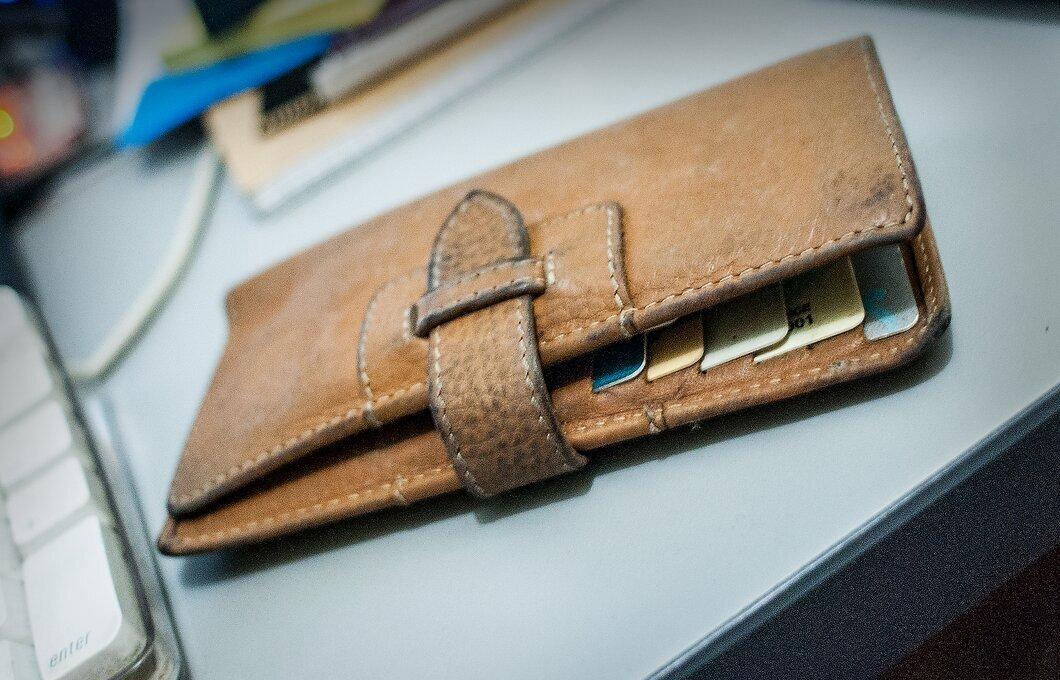
Use a decoy when someone tries to rob you. Throw your wallet away and run in the opposite direction. By the time the thieves reach the wallet, you'll be far away.
Step 12. Always walk against traffic.
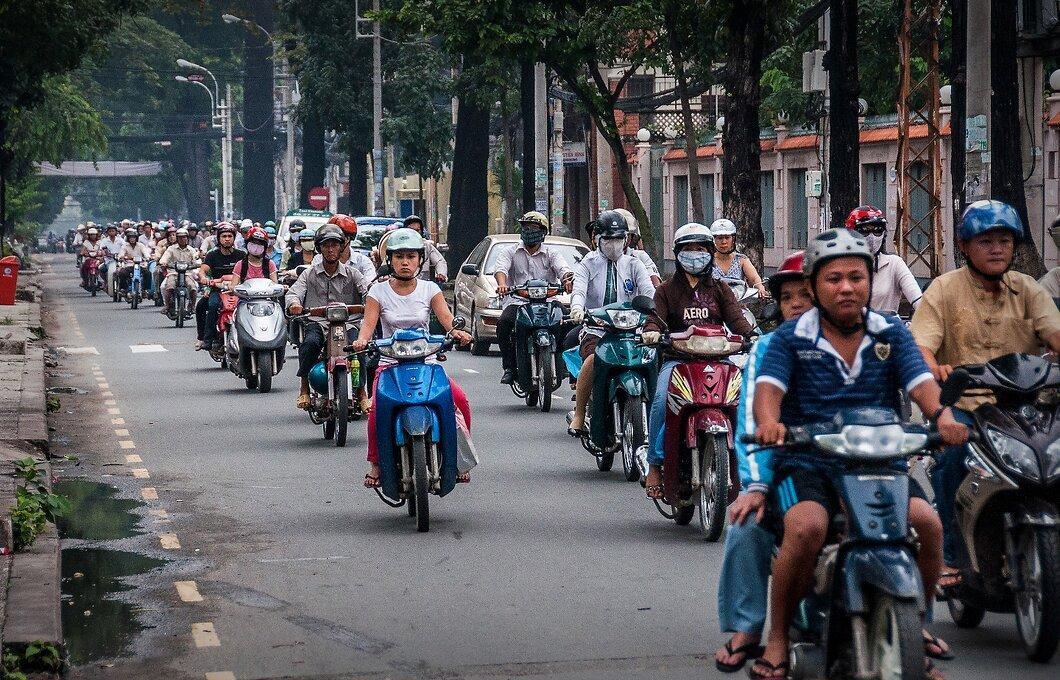
Always walk against traffic. This way, you can see approaching vehicles from behind, reducing the risk of someone snatching your bag. Keep your bag close to your body on the side opposite the street. This will also help protect you from thieves who might approach from behind.
Step 13. Stay alert on public transport.
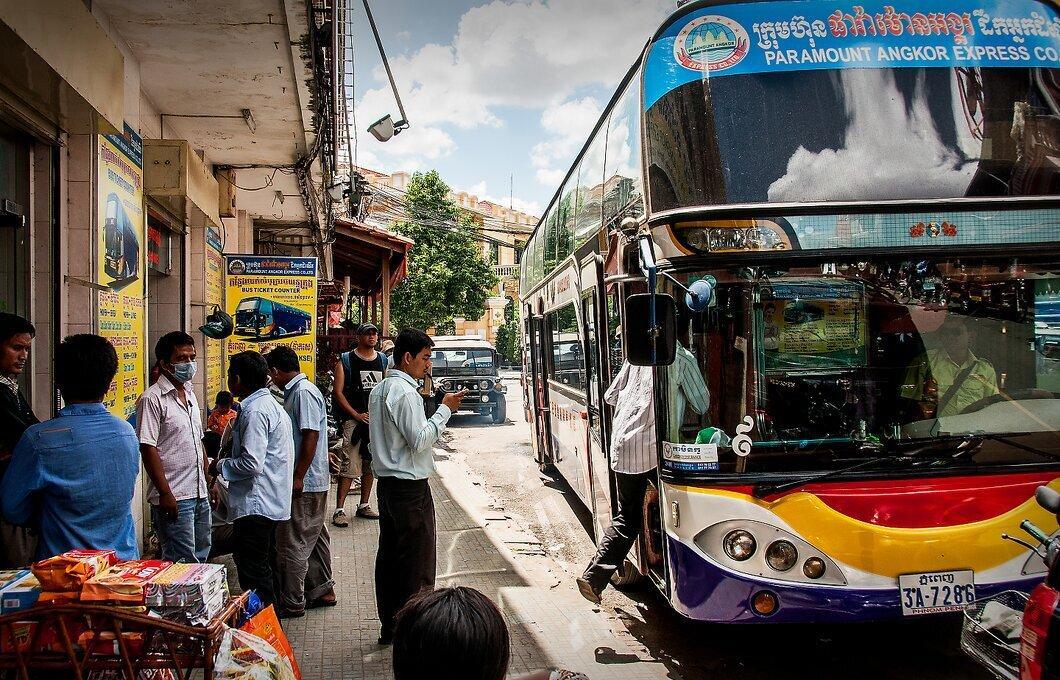
Stay alert on public transport. Use only licensed taxis. The safest options are rental cars, buses, and trains. On a bus, try to sit as close to the driver as possible. If you’re on a train, sit somewhere in the middle of the carriage, as the first and last cars may stop in dimly lit areas of the platform. You can also choose a seat near the emergency button.
Step 14. Never get into a car with strangers, and after getting into a licensed taxi, ask the driver for their identification and license.

Never get into a car with strangers, and after getting into a licensed taxi, ask the driver for their identification and license. If you realize it's an unlicensed taxi, get out immediately.
Step 15. If you take a taxi, avoid sitting in the front seat (especially if you are a woman).
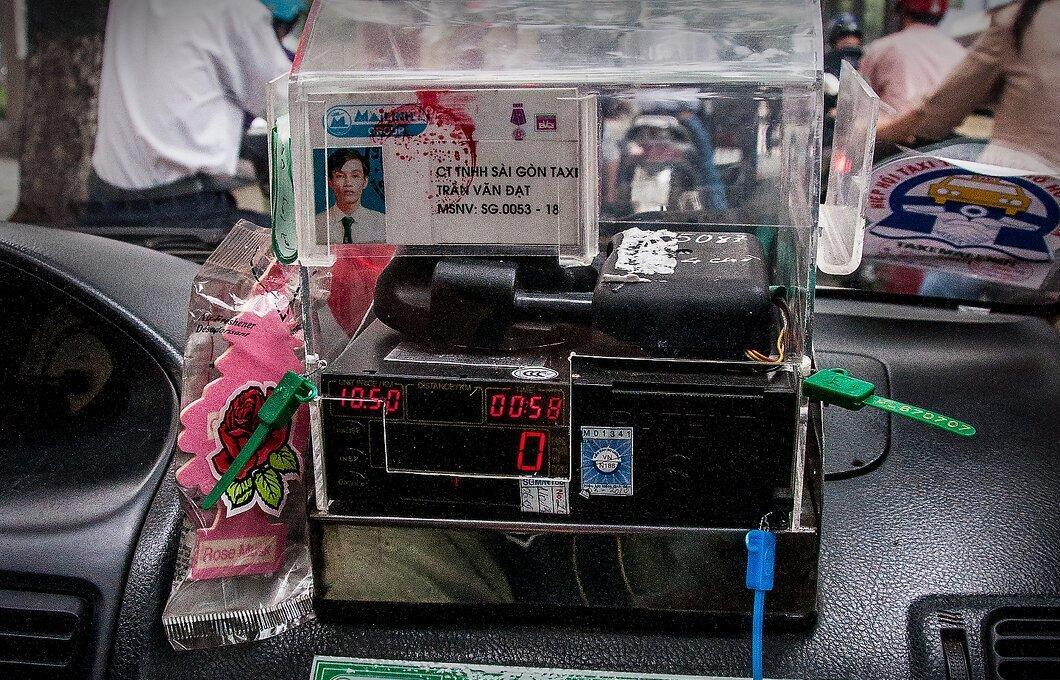
If you take a taxi, avoid sitting in the front seat (especially if you are a woman). As soon as you arrive, don't linger, and promptly pay the driver.
Step 16. If you rent a car, make sure to familiarize yourself with the local traffic rules.
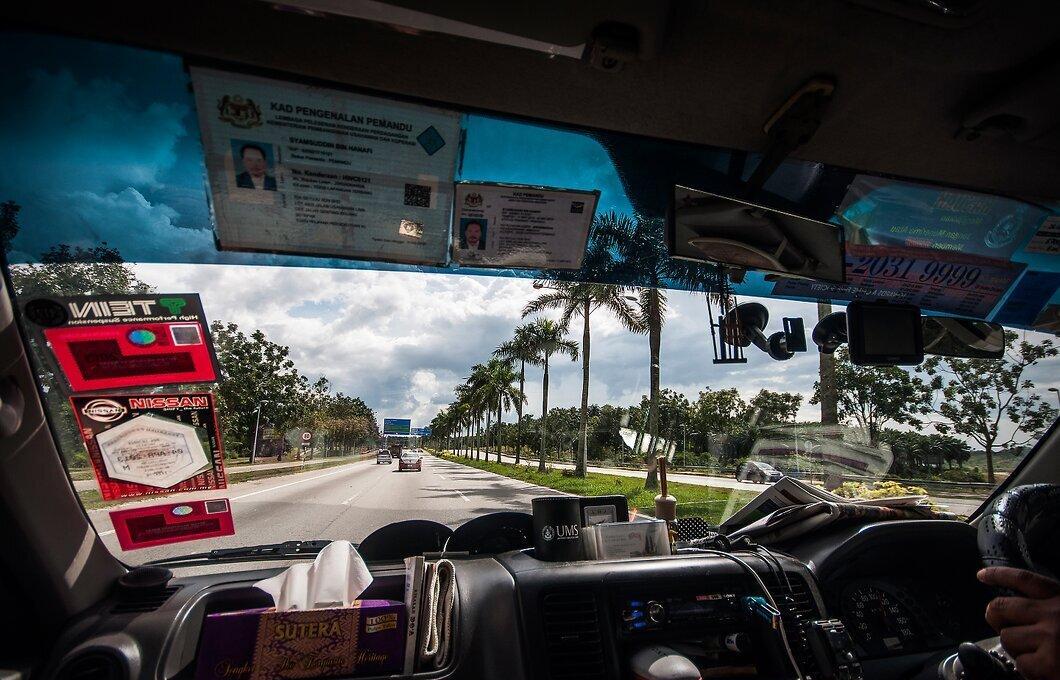
If you rent a car, make sure to familiarize yourself with the local traffic rules. Most countries drive on the right side of the road, but in places like Japan, the UK, Australia, and New Zealand, they drive on the left, so be extremely cautious while driving, especially at turns.