
Stomach upset during flights is a fairly frequent occurrence. The causes can vary from motion sickness to anxiety or even a simple cold. Here are some helpful tips on how to feel better and how to prevent discomfort in advance.
How to Ease Stomach Upset in the Air
Step 1. Use Quick Remedies for Relief.
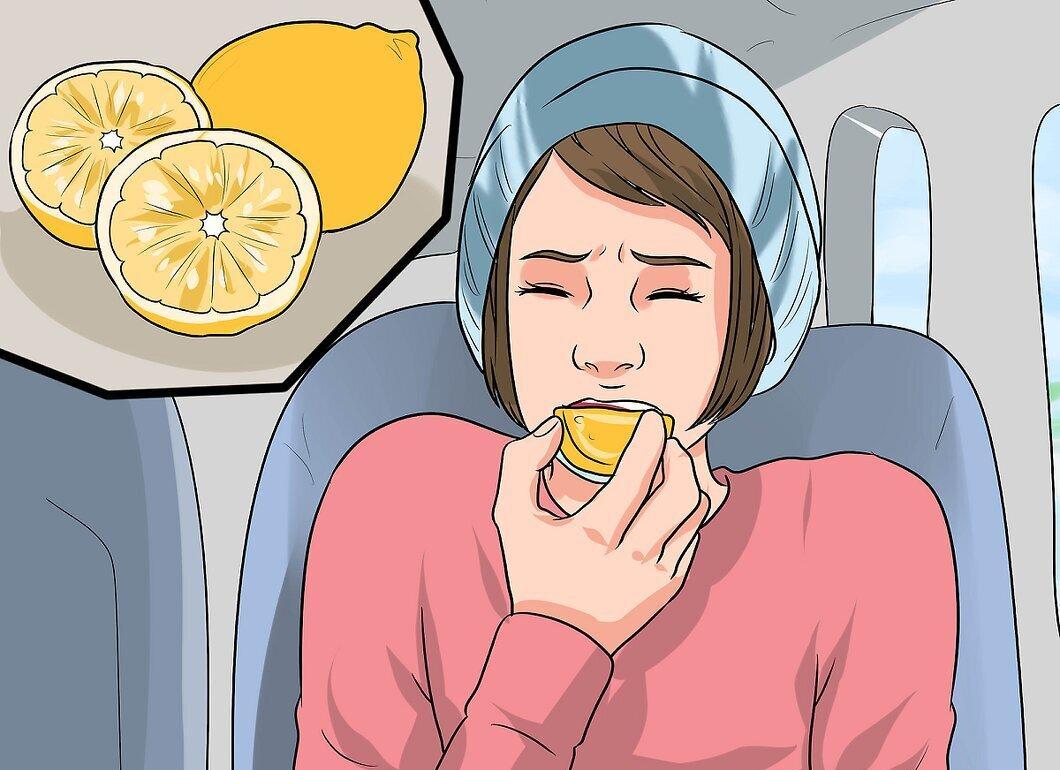
If you feel like you might be sick, try a few simple tricks that can help.
- Press on the inner side of your wrist. Apply gentle pressure, spreading your fingers about 2 cm apart along your wrist.
- Suck on a candy to stimulate saliva production, which often helps alleviate nausea.
- Ask the flight attendant for a lemon. The citrus can help soothe your stomach. They may have lemons in the beverage cart, so don’t hesitate to ask.
Step 2. Choose an Aisle Seat.
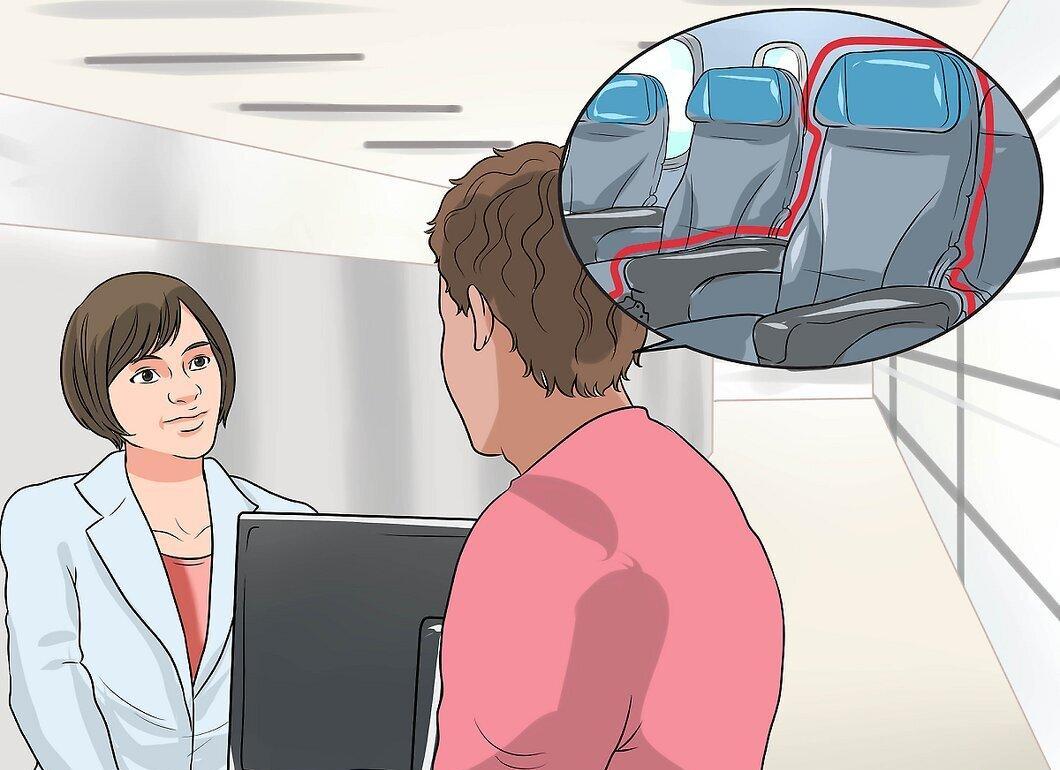
Sitting in an aisle seat makes it easier to access the restroom if needed. If you tend to get motion sickness, definitely opt for an aisle seat.
- To reduce motion sickness, focus on a stationary object in the distance. Keep yourself occupied: solve crosswords or play on your device.
- Take deep breaths and exhale slowly. When it’s allowed, unbuckle your seatbelt and take a trip to the restroom — it can help calm your stomach.
- The best spot is near the wing, as it is the most stable part of the plane. Seats at the back may experience more turbulence, increasing the risk of feeling unwell.
Step 3. Change Positions.
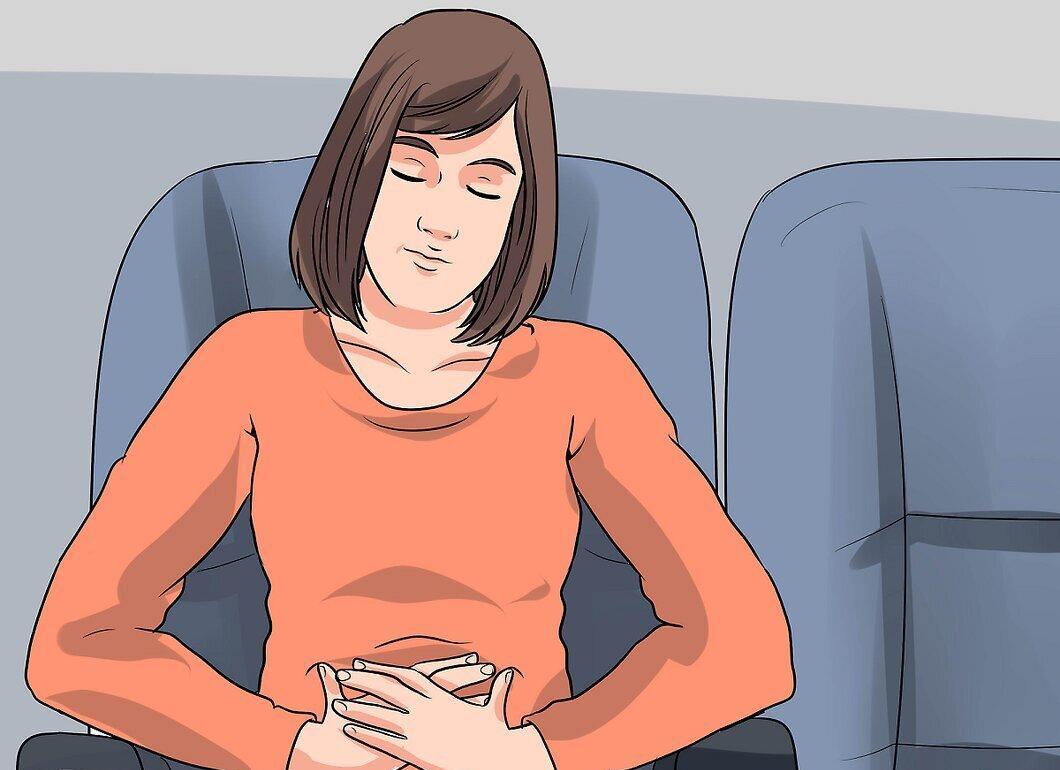
Try not to stay in one position for too long. Move around to help your body find balance!
- If possible, get up to stretch a bit, like walking to the restroom or simply shifting in your seat.
- A gentle massage of your abdomen can alleviate discomfort from gas.
- If you can't stand up, try to change your position every 30 minutes: cross your legs, lean forward, or rest your feet on your carry-on bag.
Step 4. Turn on the Air Vent.
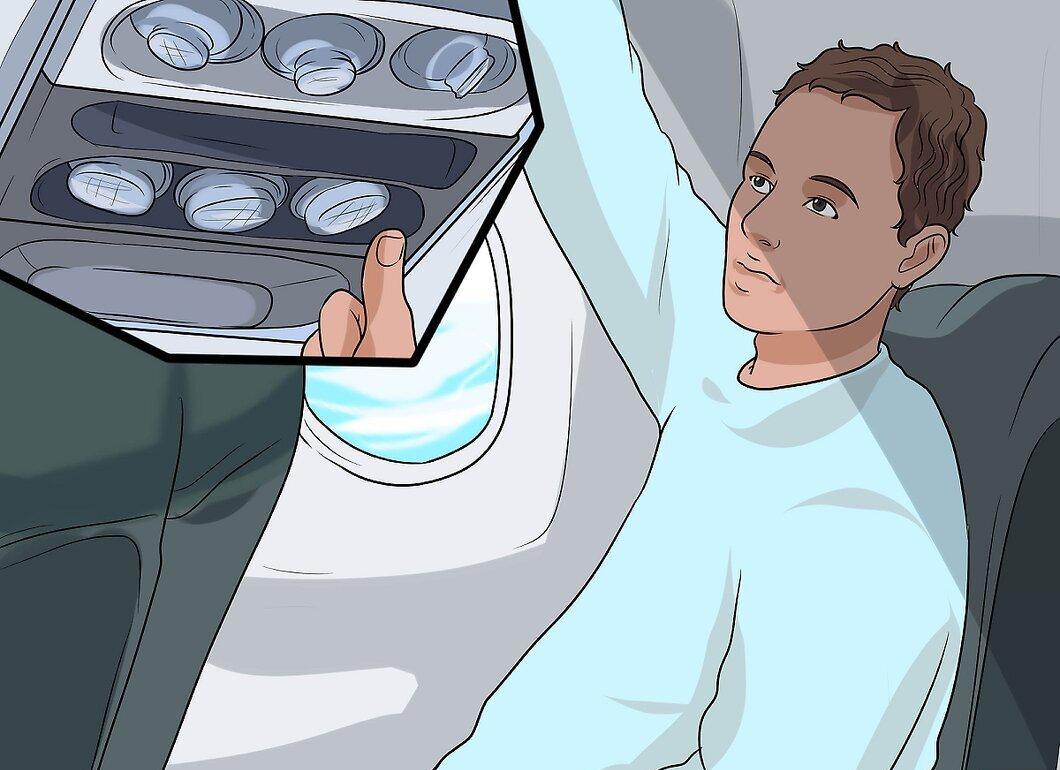
Turn on the air vent above your head. This will help refresh the air around you.
- A nice stream of fresh air can improve your well-being. If possible, lean back in your seat.
- If you’re by the window, look up at the sky while tilting your head back slightly and focus on the horizon. If your discomfort is due to anxiety, try to relax by listening to soothing music or catching a bit of sleep.
- Ask for a blanket to stay warm. Reading can worsen motion sickness, so it’s better to avoid that.
Step 5. Keep a Special Bag Handy.
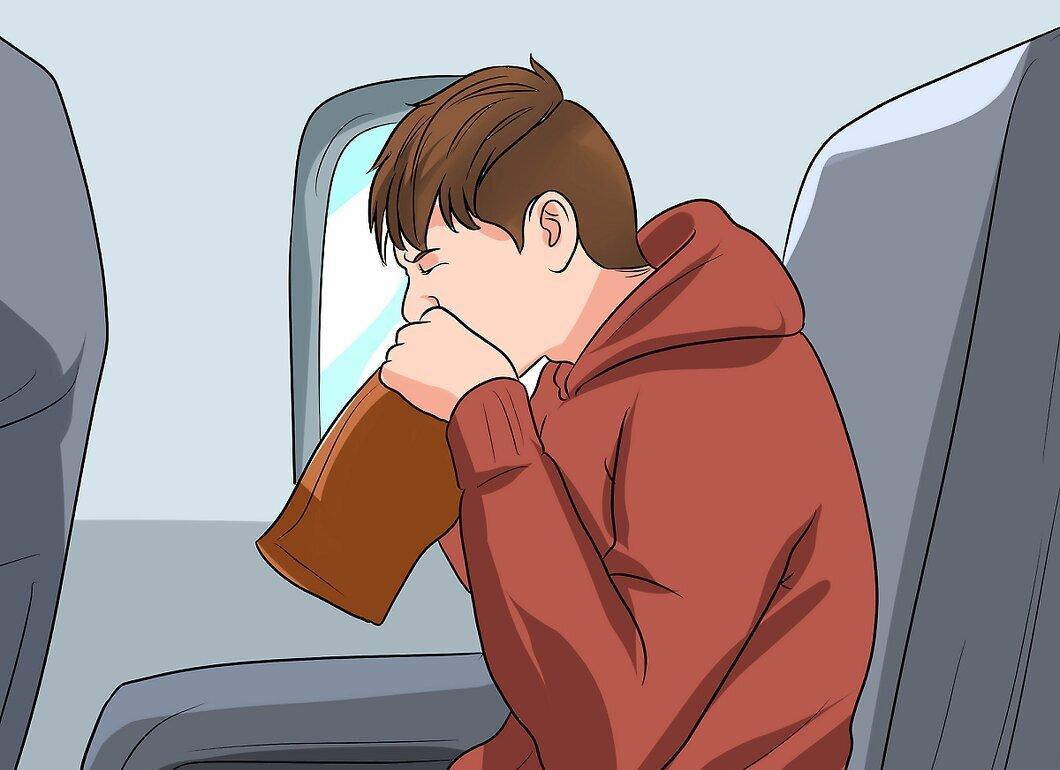
Don’t forget about a special hygiene bag that’s always available on the plane. Even if you’re not sure you’ll feel sick, it’s better to be prepared.
- Usually, you can find such a bag in the seatback pocket in front of you; you might need two.
- You can also ask the flight attendant for one. Inform the staff about your condition — it might help if you need to be seated closer to the restroom.
- Don’t hesitate to ask for assistance. Studies show that many people experience discomfort during flights, and it’s completely normal.
How to Prevent Stomach Upset Before Flying
Step 1. Stay Hydrated.

Make sure you’re drinking plenty of water. Avoid carbonated drinks, as they can cause nausea and cramps. Water is the best choice to prevent dehydration.
- Carbonated drinks can also have a diuretic effect. Try to drink water regularly for 24-48 hours before your flight to prepare your body.
- It’s recommended to drink at least 200 ml of water every hour during the flight. If possible, bring a large bottle of water with you.
Step 2. Limit Alcohol and Caffeine.
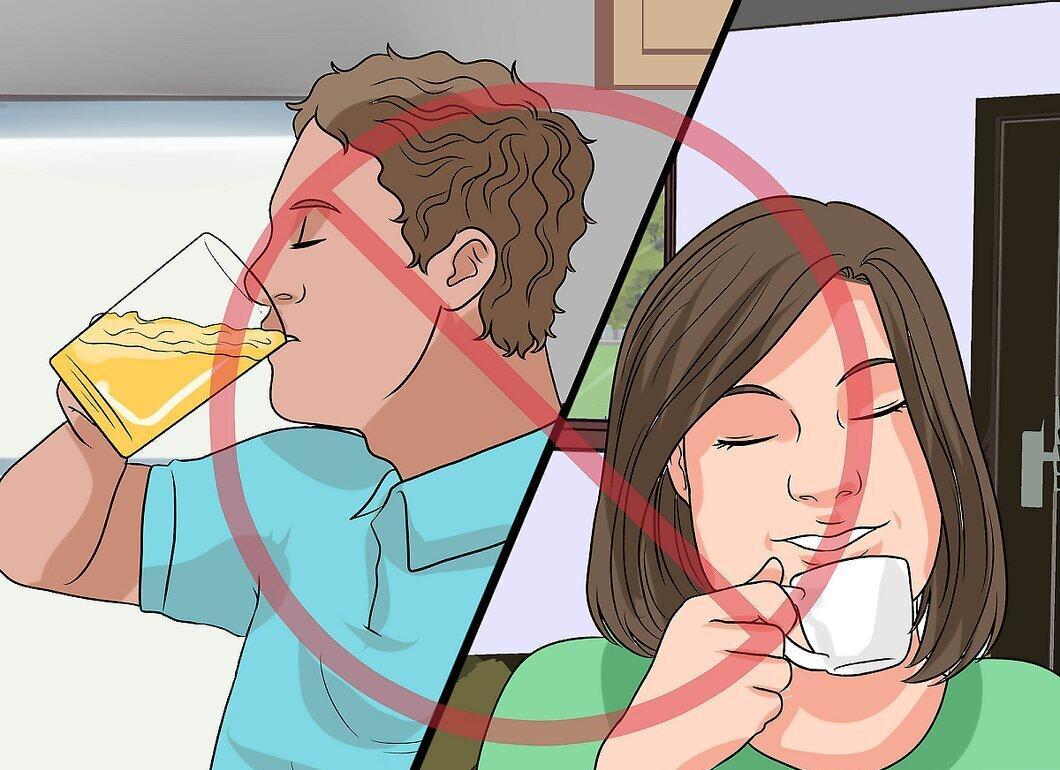
Try to avoid alcohol and caffeine. Consuming these drinks before or during the flight can worsen your condition.
- Alcohol can cause stomach upset and make it harder to sleep after waking up.
- Instead, opt for drinks high in electrolytes, such as tomato or fruit juice.
- Avoid alcohol the day before your flight, as a hangover can exacerbate symptoms.
Step 3. Consider Dietary Supplements.

Consider taking dietary supplements that may help prevent or ease stomach upset.
- Try magnesium to relax. It’s a good calming component that can be added to herbal tea. Also, look for magnesium-rich foods like grains and cocoa.
- Ginger can also help: take it in capsules, suck on ginger candies, or drink ginger ale. It helps many people with motion sickness.
- Natural remedies for motion sickness include ginger, peppermint, and fennel.
Proper Eating Habits
Step 1. Avoid Certain Foods Before Flying.

Minimize the chance of stomach upset by avoiding certain foods before your flight.
- Airport food options are often limited, but fast food can cause stomach upset in the air.
- It’s better to choose natural foods like carrots or nuts. In-flight, your body finds it harder to digest heavy foods rich in salt and fats. Avoid gas-producing foods like beans, cauliflower, and onions.
- Don’t eat foods that you’re intolerant to, such as dairy products if you have lactose intolerance.
Step 2. Don’t Fly on an Empty Stomach.

Remember to have a snack before flying. An empty stomach can also cause discomfort.
- Bring salty pretzels or snacks that are easy to carry. If you’re feeling unwell, ask the flight attendant for some crackers.
- Choose high-protein foods, like peanut butter or meat sandwiches, to settle your stomach.
- If you don’t have your own food, don’t refuse the in-flight meal. Even a small snack of fruit or crackers can help.
Step 3. Bring Medications.

In case of stomach upset, be sure to bring along anti-nausea or anti-diarrhea medications to be prepared.
- It’s better to choose pills rather than liquid medications. You can also use anti-motion sickness patches that help reduce nausea.
- If you’re worried about feeling bad during the flight, bring gas relief medication. Doctors recommend against flying after recent stomach surgeries.
- Be cautious if you have chronic bowel conditions, as flying can worsen them due to lack of oxygen.