
Every parent wants the best for their child, which is why teaching them to say no to drugs is crucial. To help your child genuinely learn to say "no" to drugs, it's important to remember that prevention is easier than dealing with the consequences. Start talking to your child about the dangers of drugs as early as possible, so they feel comfortable discussing this topic with you. Continue the conversation using media examples and role-playing, and teach your child to tell you if someone offers them drugs.
Talk to Your Child About Drugs
Step 1. Lay the groundwork for early and ongoing conversations about drugs.
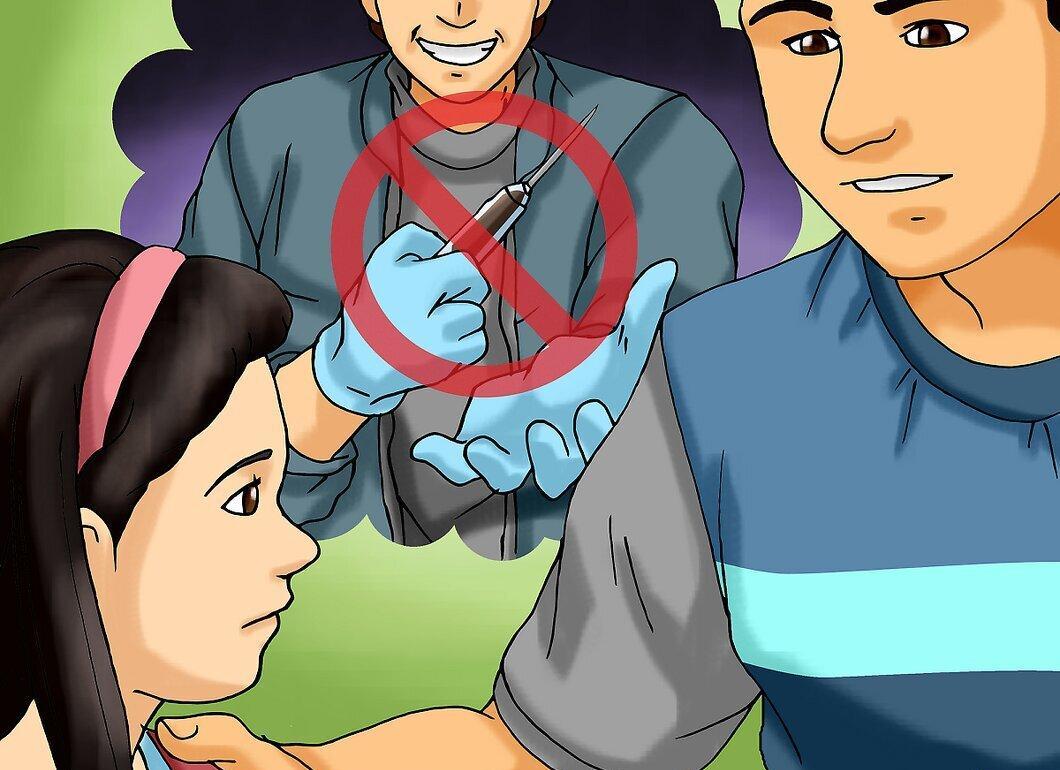
Lay the groundwork for early and ongoing conversations about drugs. Your goal is to create an environment where open discussions about drugs are encouraged, so start as early as possible. Use everyday situations to explain what you expect from your child. For example, talk about it when you give your child cough syrup. EXPERT TIP Klare Heston, LCSW Licensed Clinical Social Worker Klare Heston is a licensed independent clinical social worker from Cleveland, Ohio. She has experience in counseling in educational settings and clinical supervision and earned her Master of Social Work degree from Virginia Commonwealth University in 1983. She also completed a two-year training program at the Gestalt Institute of Cleveland.
- You might say: "Never take medicine unless it's given to you by a doctor, nurse, or adult family member. Taking medicine from others is dangerous."
Step 2. Ask your child what they know about drugs.
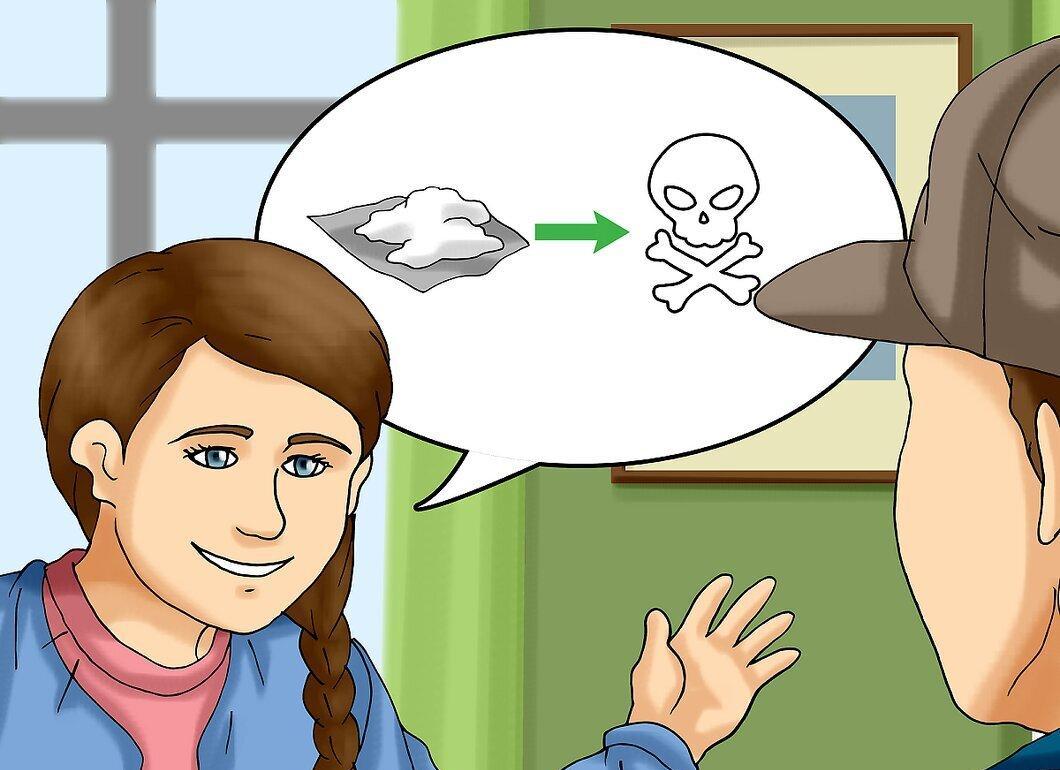
Ask your child what they know about drugs. To understand where to focus your efforts, find out what your child knows and thinks about drugs. Are they aware of the dangers? If they are, you'll know how to frame your message.
- You might say: "I'd like to know what you know about drugs."
- Listen carefully to their response. Then correct any misconceptions and provide them with key facts.
Step 3. Teach your child to distinguish between prescription medications and illicit substances.
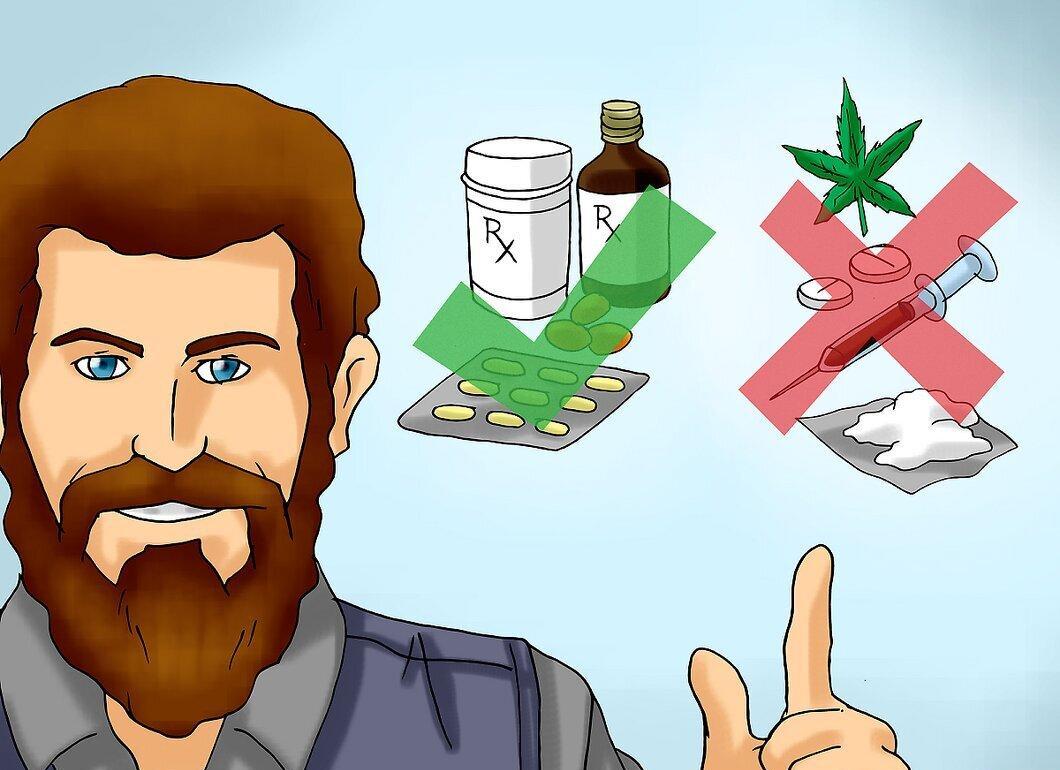
Teach your child to distinguish between prescription medications and illicit substances. Explain when it is okay to take medications and when it is harmful. Use age-appropriate language and descriptions.
- You can explain that taking antibiotics helps recover when they have a sore throat. But even if a medication is prescribed by a doctor, it's important to only take the medicines prescribed for them and refuse those from others.
- Tailor your message to your child's age and development. You might say: "The medicine a doctor gives you is okay to take. But if someone on the street or a friend offers you medicine, you should say no because it's dangerous."
- If your child is very young, you could say: "Taking drugs is very harmful. It's like eating food off the ground."
Step 4. Stick to the facts.
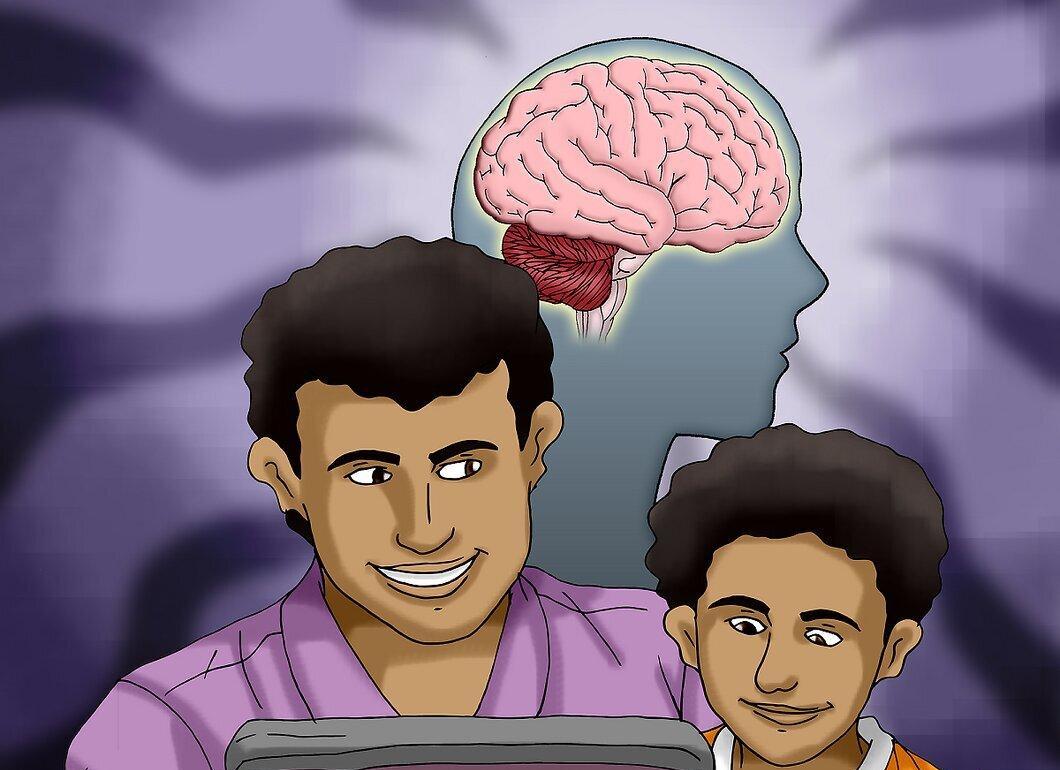
Stick to the facts. Explain to your child how drugs affect the body, brain, and behavior. If needed, show them a video on YouTube or provide materials about the effects of drugs so they can see the impact.
- You might say: "Drugs change how the brain works, making a person need more and more drugs. This is called addiction. These changes can cause problems in school, lead to withdrawal from friends, and even create issues with the law. If someone suddenly stops taking drugs, they can feel very sick because their body has become dependent on the substance."
- Don’t lie to scare your child (for example, saying, "marijuana will kill you!") as this may have the opposite effect. If you lie, your child will stop trusting you. It's better to tell the truth: "Drugs often have impurities, even marijuana. Because of this, any drug is dangerous and unpredictable."
Step 5. Use media examples.
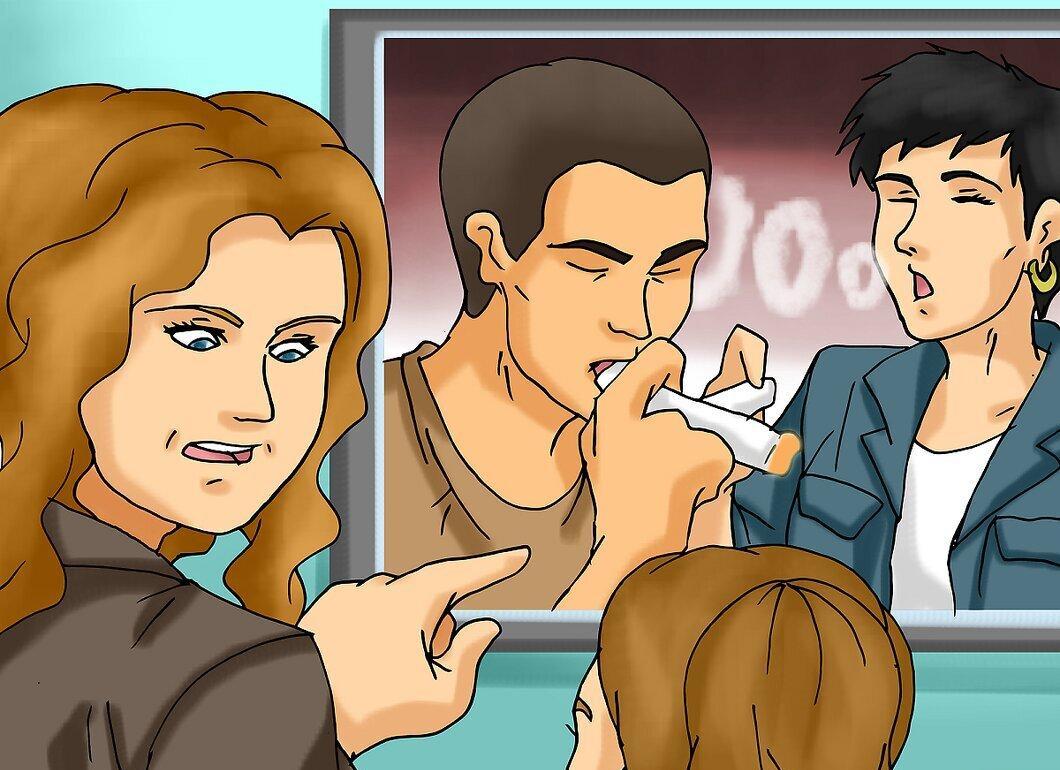
Use examples from the media. Make a habit of discussing the dangers of drugs using situations from movies, news, or social media.
- For instance, if a movie shows a teenager taking drugs from a friend, explain why that's a bad idea.
- This can lead to a deeper discussion about the negative consequences of using both prescription and illicit drugs.
Prevent Drug Use
Step 1. Explain family rules and expectations to your child.
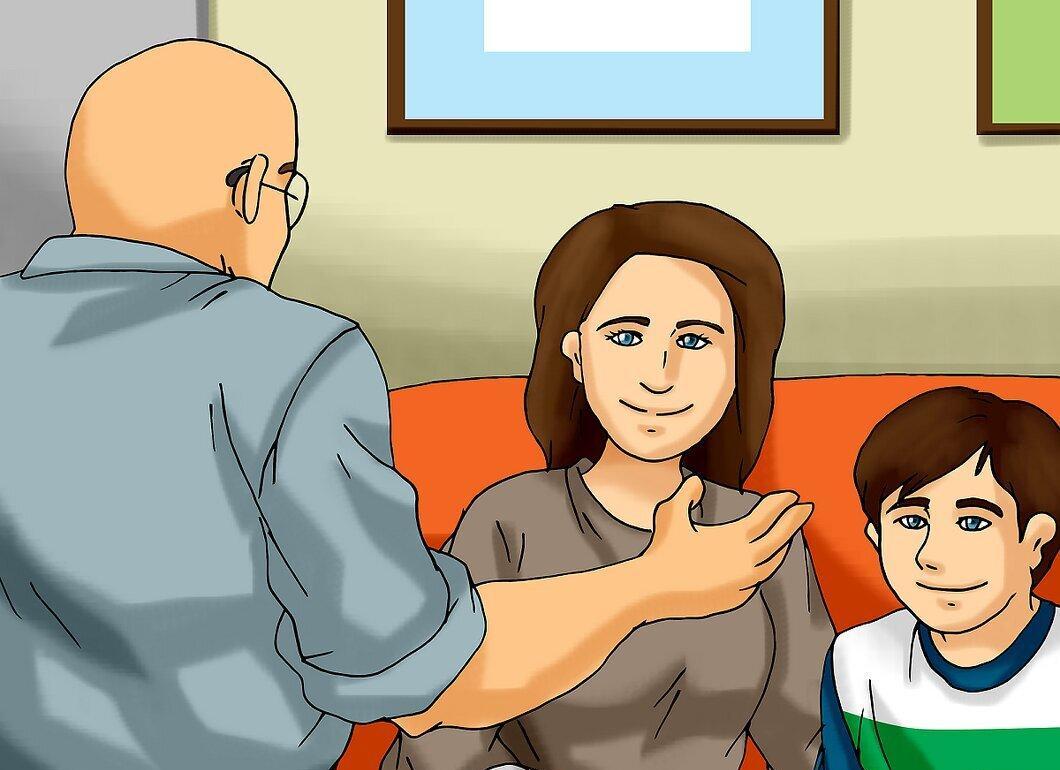
Explain family rules and expectations to your child. Be firm in your values (complete rejection of drugs) and establish rules that reflect those values. By following the rules, your child will learn self-control. Additionally, this will help your child understand the negative consequences of breaking the rules (such as losing privileges).
- Together with your partner (if you have one) or co-parent, think about what rules should reflect your values. Also, consider what the consequences of breaking these rules might be.
- Explain these rules to all your children so they know what is expected of them.
- Post the rules on the refrigerator or another common area so the kids can always remember them.
Step 2. Encourage your child to engage in activities that reduce the likelihood of drug use.

Encourage your child to engage in activities that reduce the likelihood of drug use. If your child is involved in productive activities with good people, they are less likely to try drugs. Promote sports, music, and other group activities that bring together adults and children who reject drugs.
- For example, you could require each of your children to have an extracurricular activity. This will keep them occupied and show them that they can have fun without drugs.
Step 3. Role-play scenarios where your child will learn to refuse drugs.
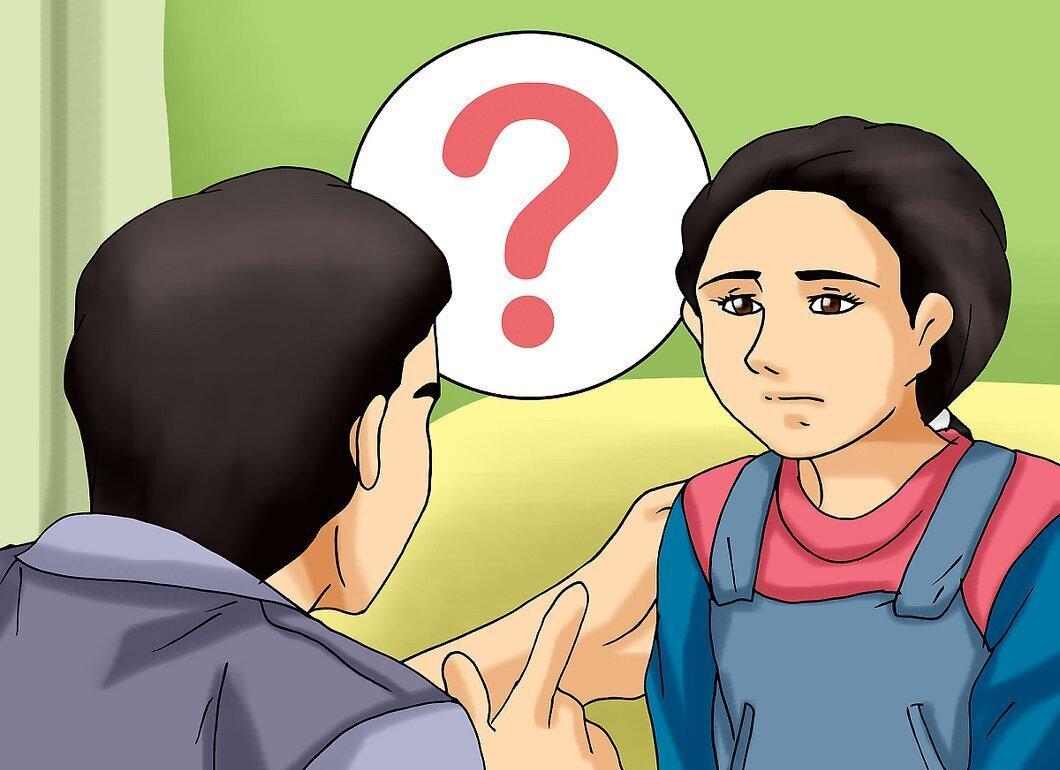
Role-play scenarios where your child will learn to refuse drugs. At some point, your child may encounter the opportunity to try drugs, so it's important to prepare them for this possibility. Walk through the most likely scenarios and discuss how your child should respond to peer pressure.
- For instance, you could pretend to be a close friend offering marijuana. Ask your child to demonstrate how they would respond in this situation.
- Provide your child with hints and comment on their actions to make it easier for them to refuse.
Step 4. Encourage independent thinking.
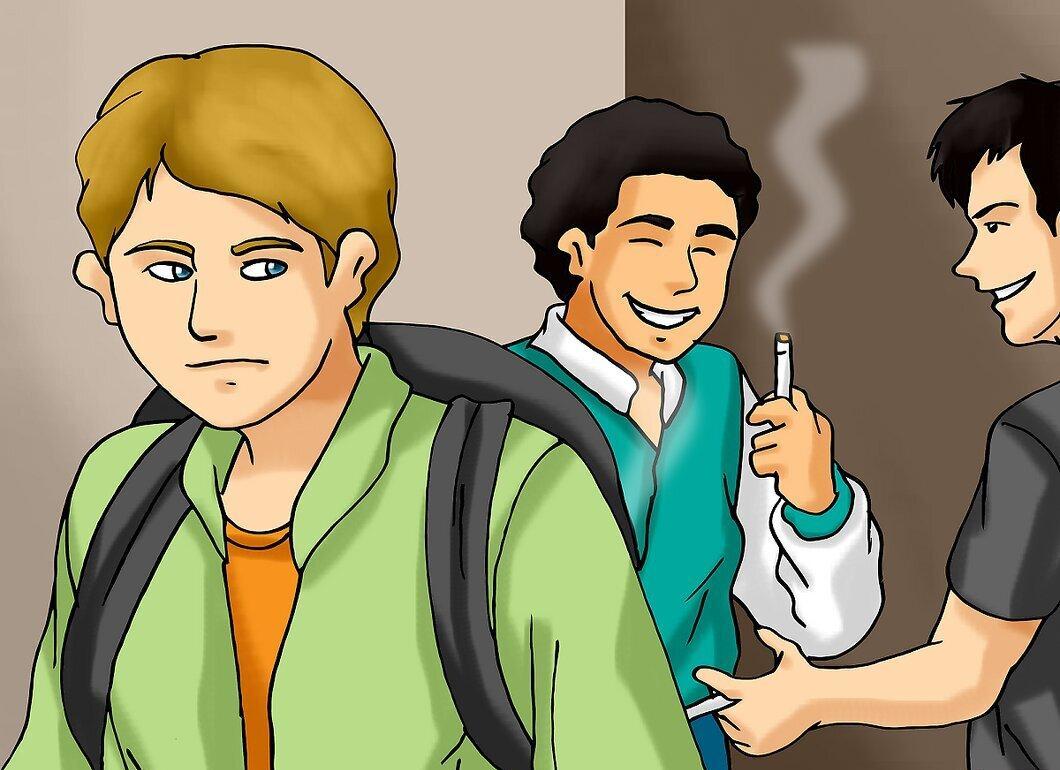
Encourage independent thinking. If your child starts to mimic everything their friends do, they may eventually try drugs. To help your child learn to think independently, encourage them to make their own decisions, even if they differ from their friends' choices.
- You can start at a young age and continue this as your child grows. For example, if you have a very young child, you might say: "I know all your friends bring sandwiches to school, but I thought maybe you'd like to take yogurt instead? Let's try switching it up for variety!"
- If your child is older, you could ask a question while shopping: "If popularity didn't matter, what sneakers would you like to buy? What do you like for yourself?"
Step 5. Take an interest in your child's life.
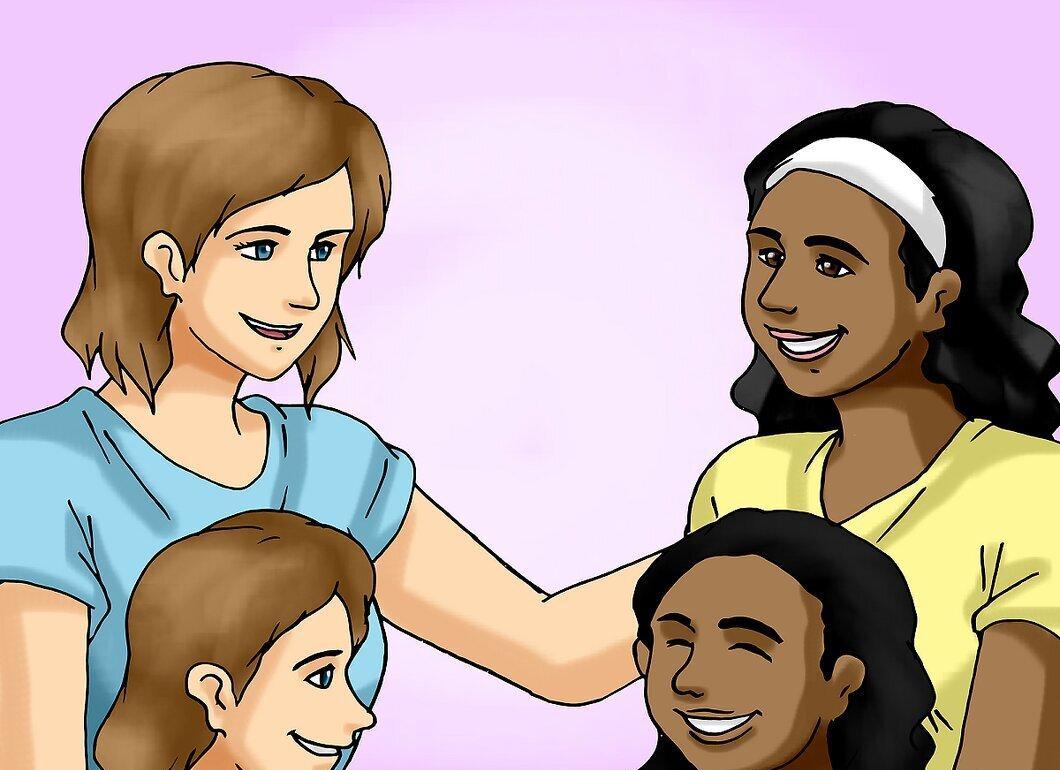
Take an interest in your child's life. Know what your child is doing and who they are spending time with. This will help shield them from drugs. Your child's immediate circle has a significant influence on their beliefs and opinions.
- Invite your child's friends over so you can get to know them. Also, try to meet your child's friends' parents.
- Attend your child's performances or sports events, as well as other activities they participate in or attend. This will allow you to observe what kinds of people are present at these events and whether their values align with yours.
- By knowing what your child is involved in and who they are associating with, you can spot signs of problems early and intervene if necessary.
Step 6. Spend quality time with your child.
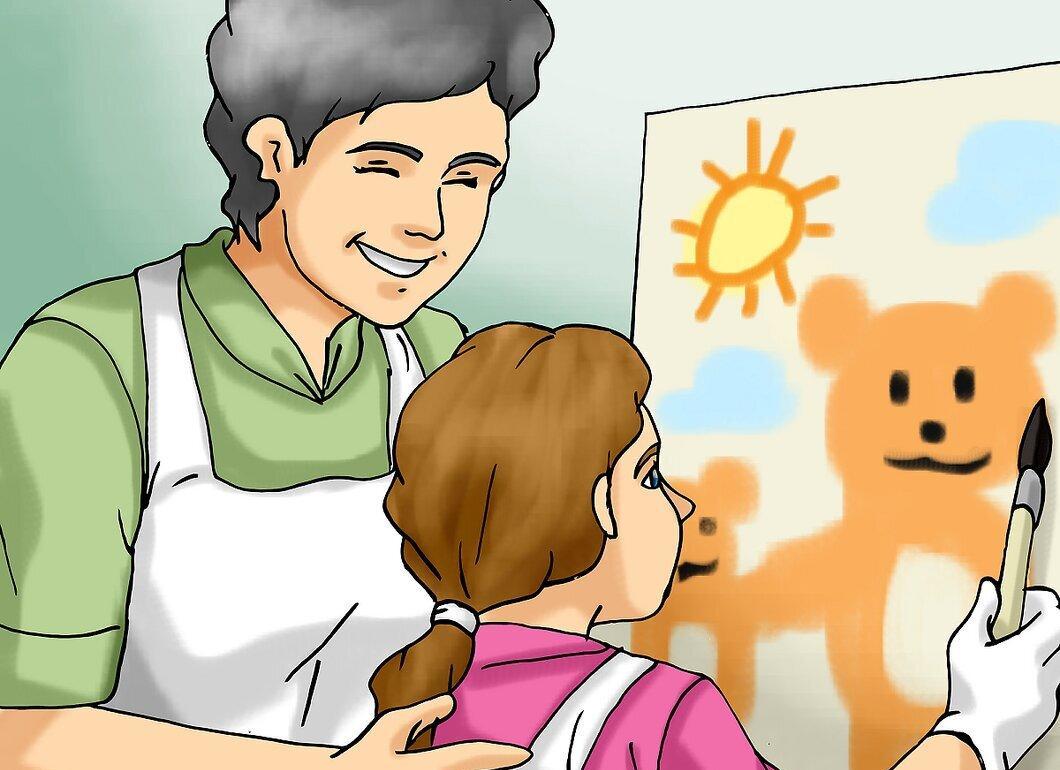
Spend quality time with your child. Set aside time for family communication and one-on-one time with your child at least once a week. When you have a close relationship, your child is more likely to respect you, follow your example, and feel comfortable discussing difficult topics with you.
- Do something fun together: go bowling, plant flowers, swim, or engage in creative activities.
- Use your time together to create opportunities for conversation with your child. Talk about everything: friends, school, your child's interests, and their views on the world.
Step 7. Praise your child to help build a healthy self-esteem.
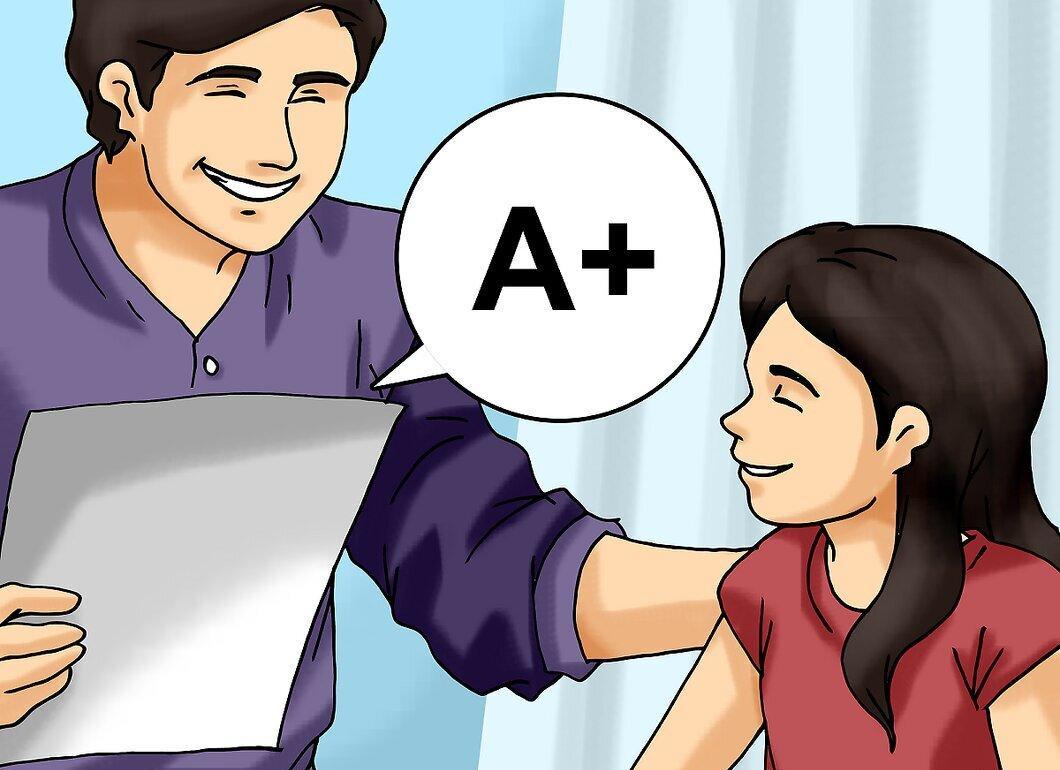
Praise your child to help build a healthy self-esteem. Frequently mention your child's achievements and efforts, and make sure to praise them for their successes: for example, express admiration for a drawing they've made or commend them for getting an A in a challenging subject.
- Positive communication with your child will reduce the risk of them developing low self-esteem. For this reason, they are less likely to try drugs and be influenced by friends who do.
- Even if your child is struggling, praise them for their efforts and for making the right decisions. You might say: "I know you had a tough week, but I see that you're trying," or, "I’m proud that you're trying to make the right choices; if you need help, I'm here for you."
Instill Good Habits in Your Child
Step 1. Set an example for your child.
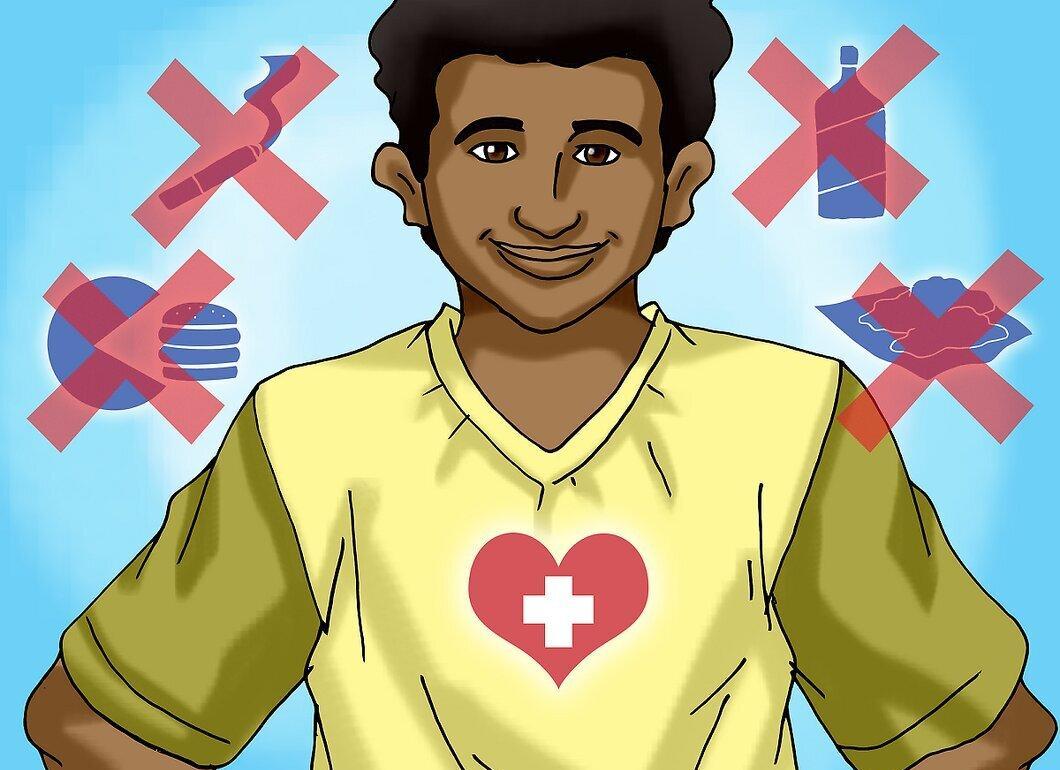
Set an example for your child. Children often follow their parents' lead, so you should refrain from harmful habits. Don't smoke, control your urges to overeat or buy too many things, and do not abuse drugs and alcohol. Avoid taking other people's medications so your child sees that you practice what you preach.
- If you have an addiction, seek help. Work with a therapist to overcome your addiction and become a role model for your child.
- Children are very perceptive. Even if you think you are hiding a harmful habit well, your child likely knows about it.
Step 2. Emphasize the importance of healthy habits.

Emphasize the importance of healthy habits. Healthy habits should become the norm in your home. Feed your family healthy food, exercise together, get enough sleep, and manage stress without resorting to substances.
- Pay special attention to taking care of your body, nurturing your physical health and mental well-being, and loving yourself. If you follow your principles, your child will take your example.
Step 3. Show your child how to solve problems without resorting to substances.
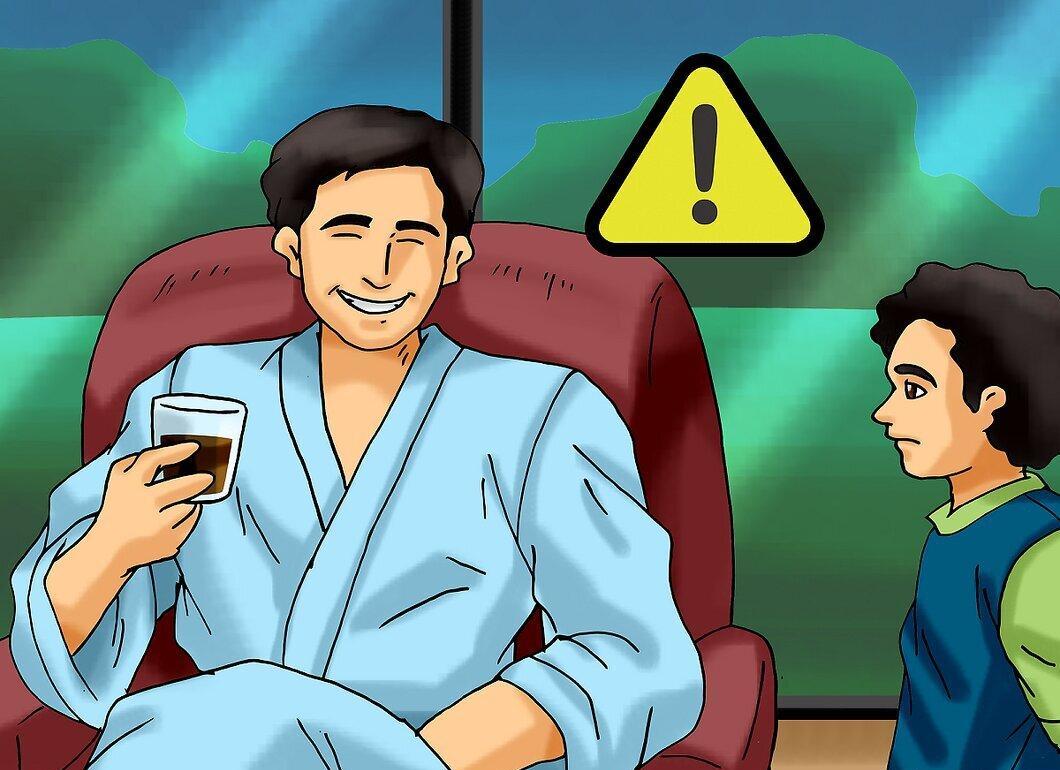
Show your child how to solve problems without resorting to substances. Think about what your actions say to your child. Even if you occasionally allow yourself a glass of wine, ensure your child does not perceive alcohol consumption as a way to escape problems or unwind after a tough week.
- You might say: "Today was a tough day. I think I need to take a bath and listen to some calming music."
- This way, your child will learn healthier methods of coping with stress and bad moods from you.
Step 4. Be ready to share your experiences.
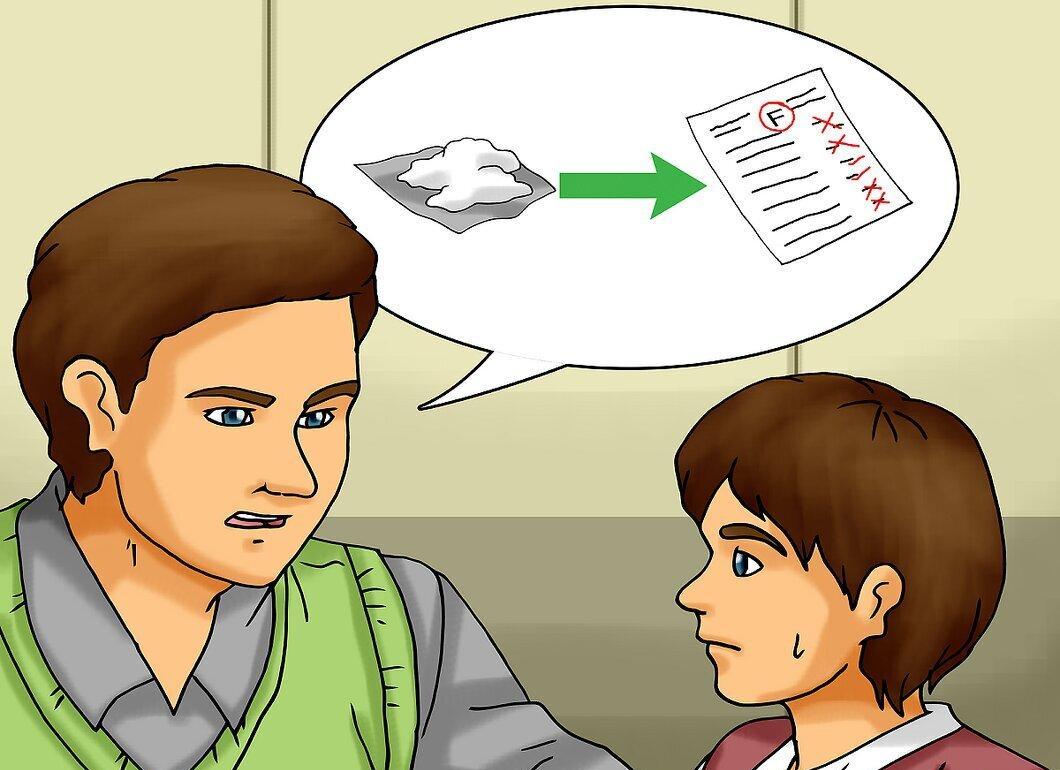
Be ready to share your experiences. If you have used drugs in the past, be prepared to answer questions from your curious child. Try to draw lessons from your experiences and describe to your child what you learned.
- For example, you might say: "Yes, I used drugs in the past. In college, it was hard for me to cope with being away from home. Instead of reaching out to friends or family, I turned to drugs. My grades fell sharply, and I was almost expelled from college, but I was able to stop in time. I know from experience how much drugs can impact your life."