
Trust is the cornerstone of any healthy relationship, especially when it comes to marriage, a commitment that ideally lasts a lifetime. Whether you're newlyweds eager to start on the right foot or facing recent challenges in your marriage, there are methods you can use to get back on track. With respect, hard work, and patience, you can establish trust in your relationship for years to come.
The Foundations of Trust
Step 1: Recognize the Importance of Trust.

Recognize the importance of trust. Trust is crucial for harmonious relationships because without it, you simply cannot be truly happy with your partner. Consider the following:
- Without trust, you will have reasons to worry when your husband is not around. Is he doing what he says or is he lying to you?
- Without trust, you cannot be 100% sure that your husband is devoted to you. Does he view this relationship as long-term or is he just waiting for something better to come along?
- Without trust, you cannot be confident that your husband will do everything he can to express his respect and care for you. Will he put you in awkward situations or humiliate you in front of others?
Step 2: Talk to Him About Your Concerns.
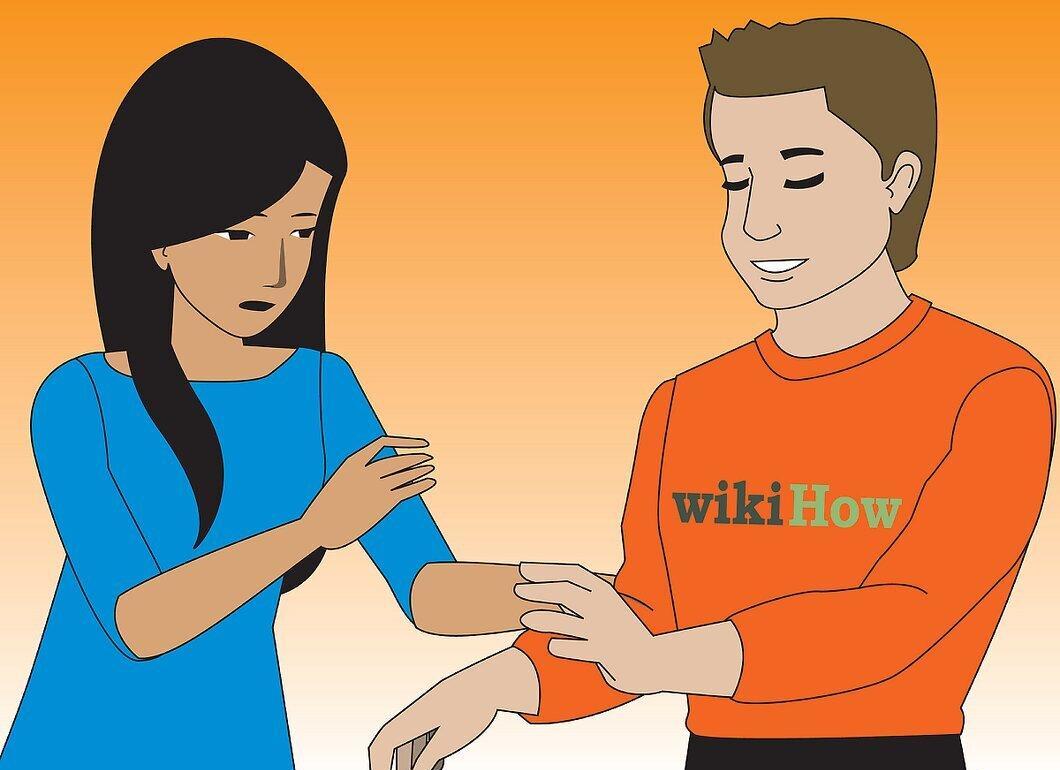
Talk to him about your concerns. Communication is key to building trust in a relationship. You need to openly express your feelings. If your husband is doing something that shakes your trust, let him know! He can't read your mind, so if you want him to change, you need to talk to him.
- Try to express your concerns without sounding accusatory. You don’t want to make him feel defensive. Aim to speak openly and kindly. For example, you might say: "Hey, can we talk a bit about us?" When making your points, it's better to discuss how his actions affect your feelings rather than criticize him personally.
- You shouldn't only focus on negative aspects — don’t hesitate to mention the good things he does for you as well.
Step 3: Listen to Him.

Listen to him. Good communication is a two-way street. Hear what your husband wants to say and try your best to understand him. You don’t always have to agree with him, but he deserves your attention and respect, especially when discussing difficult topics.
- It's also important to show your husband that you are listening. Maintain eye contact and nod occasionally. Repeat back what he has said from time to time.
Step 4: Respect His Personal Space.
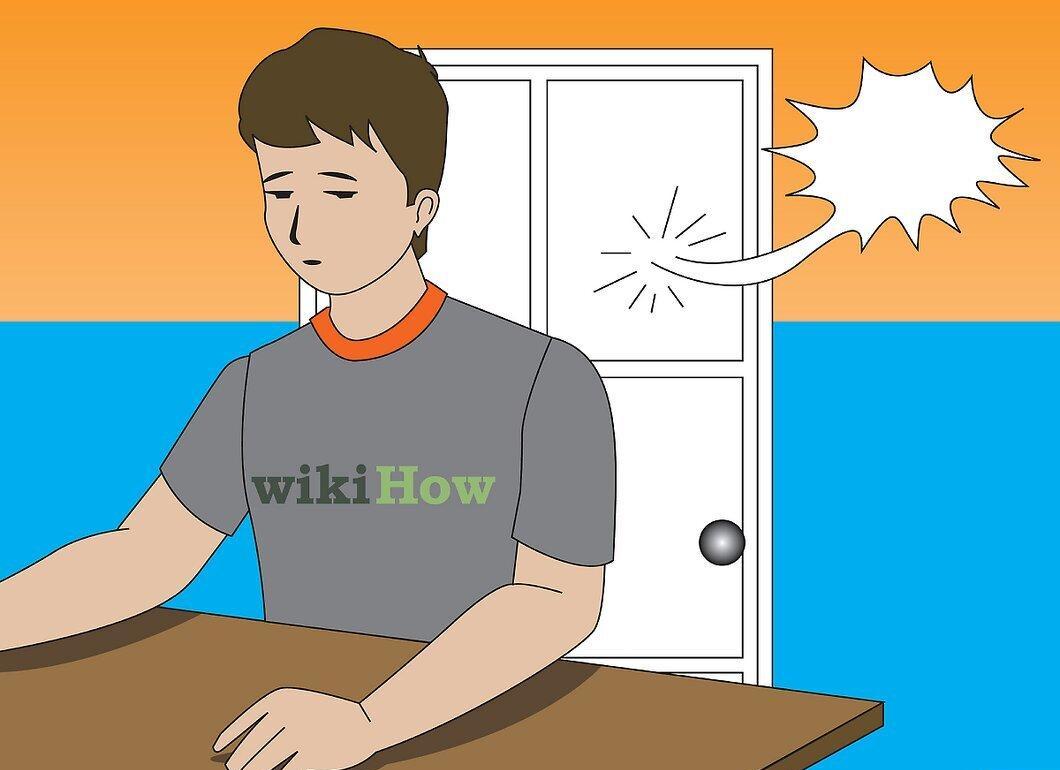
Respect his personal space. Let the new trust in your relationship begin with you. A fundamental way to establish trust is to give your husband enough personal space (expecting the same from him). This means not snooping through his phone, emails, or social media accounts. It also means not constantly calling him to find out what he’s doing or demanding explanations for what he’s already done. Such actions only fuel your own insecurity and won’t change what your husband is doing.
- However, this doesn’t mean you should ignore his bad behavior or dismiss evidence. Obvious warning signs (like a mysterious message that made him cancel dinner with you without explanation) may warrant your own investigation.
Step 5: Clearly State Your Expectations.

Clearly state your expectations. It’s important for each spouse to express reasonable expectations early on in the relationship. This way, if either of you behaves poorly, you can clearly point out what specifically undermined your trust. This is especially crucial if your expectations of your partner differ significantly from standard "norms" (such as not cheating, not flirting with others, etc.). Sharing responsibilities in the relationship (like childcare) is also essential.
- If you haven't done so yet, honestly discuss your expectations regarding each other. Be prepared to voice relationship issues, but aim to discuss your feelings rather than your suspicions. For example, you could say: "When you constantly come home late, it makes me feel like I'm not important to you." This way, you allow him to see how it affects you without making accusations that could lead to an argument.
Rebuilding Trust After Betrayal
Step 1: Clearly Explain to Your Husband How He Undermined Your Trust.
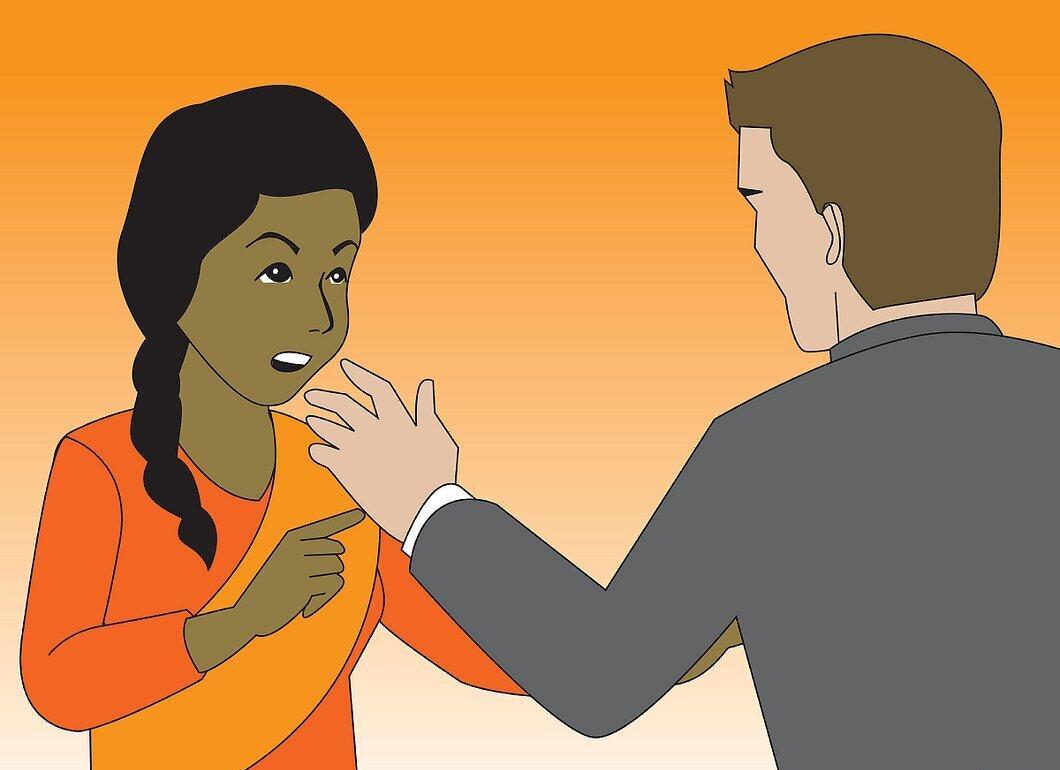
Clearly explain to your husband how he undermined your trust. Your first goal after a betrayal is to think about how you will communicate with your spouse who has shaken your trust. As before, you should focus on how you felt as a result of his actions, rather than personal attacks. However, since in this case he intentionally did something that hurt you, there’s no need to remain completely calm. It's reasonable to express your emotions, especially if he did something truly offensive.
- For example, you might start the conversation like this: "We need to talk. I don’t like that you lied about where you were. If I can’t trust you, there will be problems in our relationship." This way, you clearly communicate that you are upset but do not let your emotions completely take over.
Step 2: Give Him the Chance to Rebuild Trust.

Give him the chance to rebuild trust. Betrayals can vary from minor (like lying to hang out with friends or forgetting a romantic date) to major (like infidelity or public humiliation). It’s up to you to decide how significantly your husband’s breach of trust will affect your relationship. However, since you’re staying together after the issue arose, it’s worth giving your husband a real chance to regain your trust.
- Make sure the punishment fits the crime. For example, if you caught your spouse flirting in texts with a colleague, but he swears nothing more happened (and you believe him), you might avoid intimacy (like sex, cuddling, or affection) until you are sure he is interested in no one but you.
Step 3: Seek Help from a Marriage Counselor.

Seek help from a marriage counselor. If you cannot resolve the issue on your own but wish to save your marriage, don’t hesitate to seek help from a professional. A therapist or psychologist who works with couples can help you address the root causes that are hindering your ability to trust each other as spouses.
- There’s no need to feel ashamed for consulting a professional. Many couples seek them for various family issues. The very fact that you want to seek help is something to be proud of, even if it’s not what you would want to discuss over a friendly dinner.
Step 4: Consider Ending the Relationship If You Can't Trust Him.
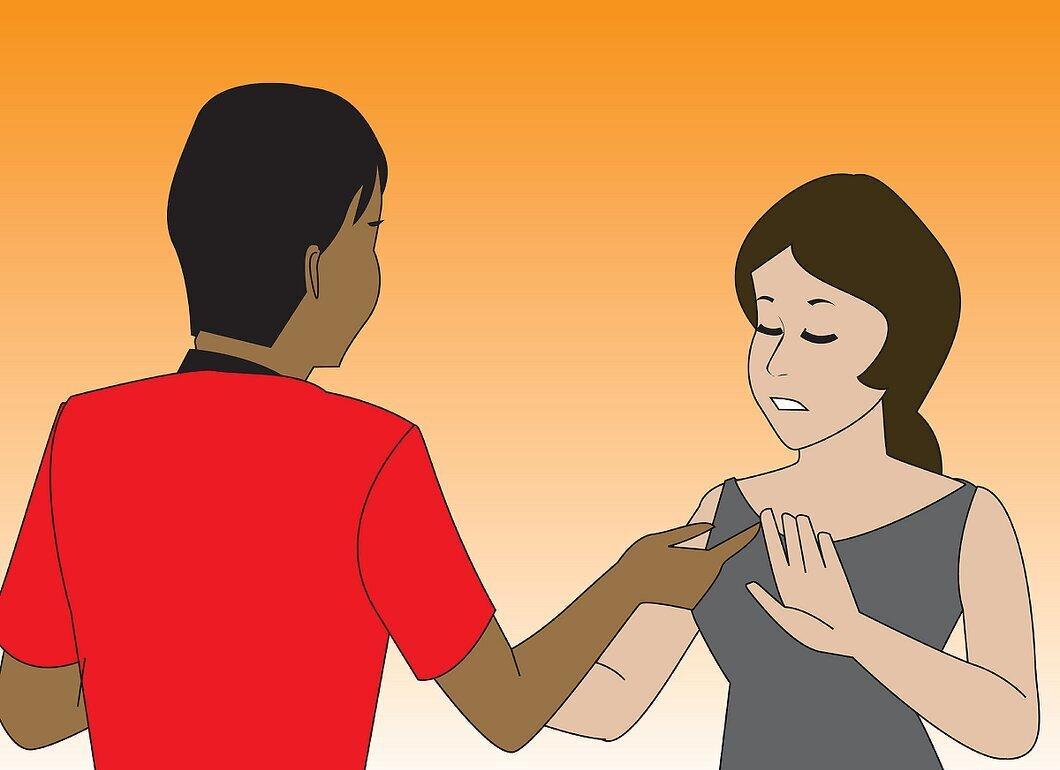
Consider ending the relationship if you can't trust him. As mentioned at the beginning of this article, happy relationships are impossible without trust. If your husband has done something that has permanently shaken your trust or if he refuses to change after a betrayal, it may be time to reevaluate your relationship. Ending a relationship is not easy, especially if you are married, but the prospect of living with someone you cannot trust is never a good idea.