
Weddings, birthdays, retirements, graduations, holidays, and other special occasions should bring joy, not anxiety. An unwanted guest can threaten the celebration with inappropriate actions and drama. If you're worried about the potential behavior of certain relatives, you might consider uninviting them, but it's essential to think through the possible consequences of your decision. Then, prepare for an honest conversation with those relatives. Consider your actions for various outcomes.
How to Choose Your Course of Action
Step 1. Understand that you might be seen as the "bad guy".
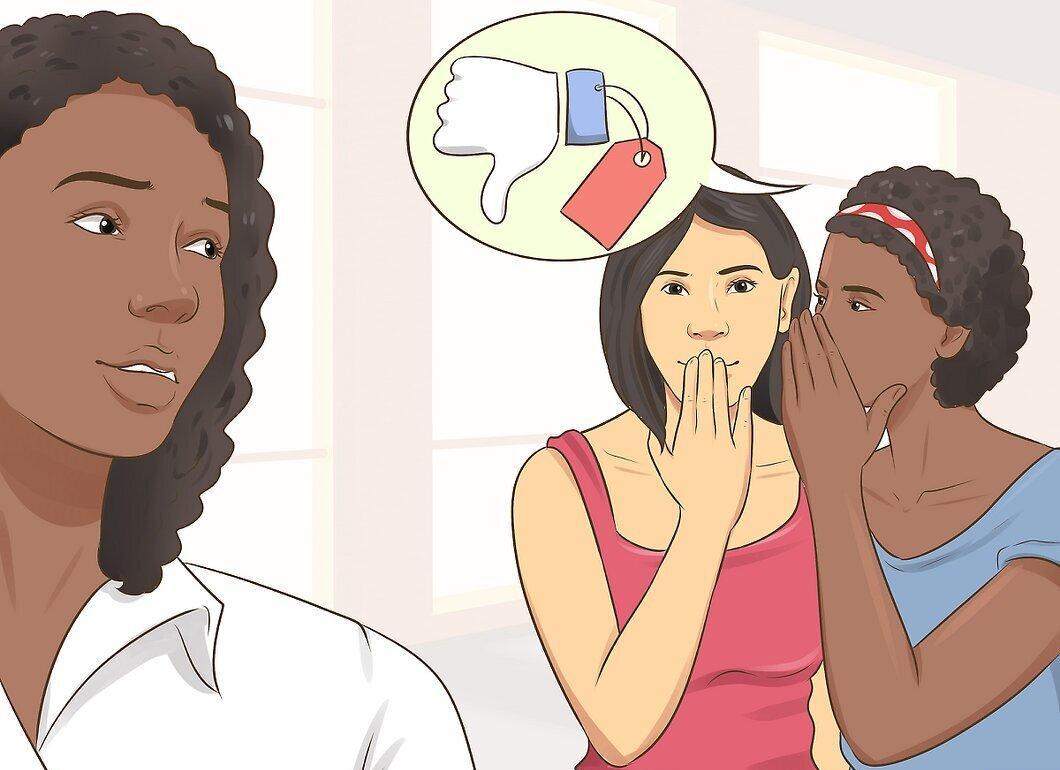
It's important to understand that you might be seen as the "bad guy". If you decide to rescind an invitation you've already sent, be aware that this action may turn that individual and other guests against you. Generally, etiquette discourages canceling previously sent invitations.
- Your decision could offend the person and worsen your relationship with them and others.
Step 2. Weigh the pros and cons.
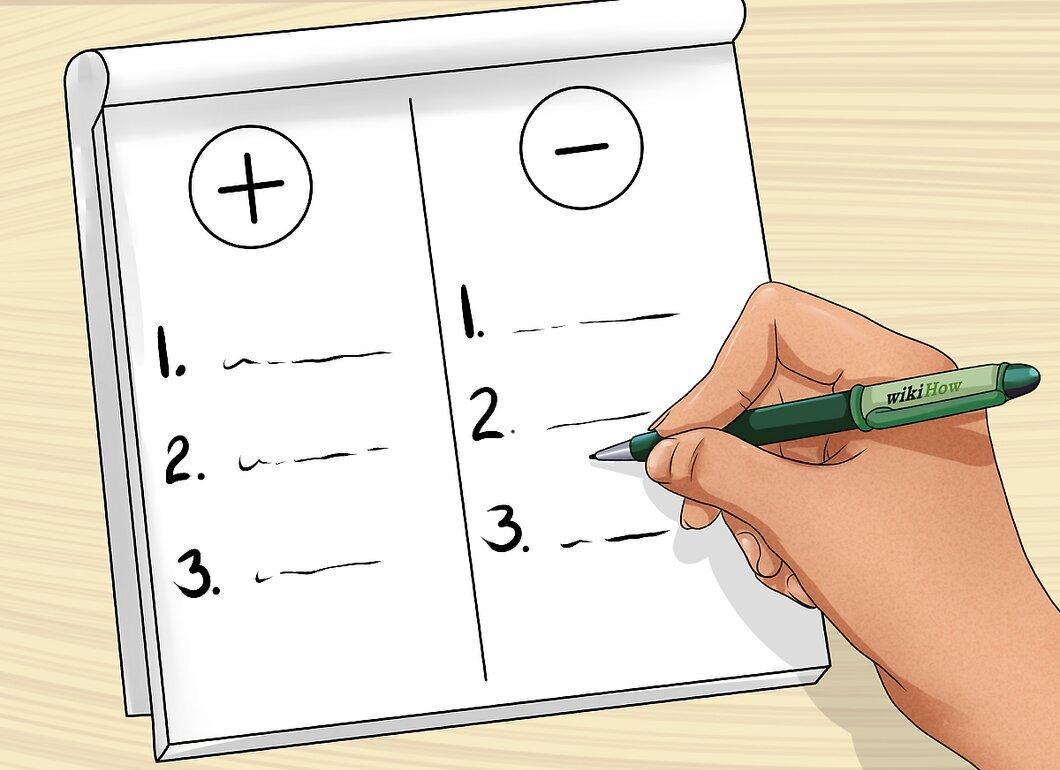
Weigh the pros and cons. Due to the potential negative consequences of uninviting a relative, consider your motives carefully. What has this person done to deserve your refusal of hospitality?
- Did you have a fight, leading you to emotionally decide to uninvite them? Was there an incident that made you question this person's behavior?
- Make a list of the benefits and drawbacks of not inviting the relative. In the first column, you might write “avoid arguments over alcohol issues.” In the second column, note “possible drama from rescinding the invitation.” Analyze the list to make an informed choice.
- Sometimes, it might be better to leave things as they are rather than uninviting someone.
Step 3. Seek advice.
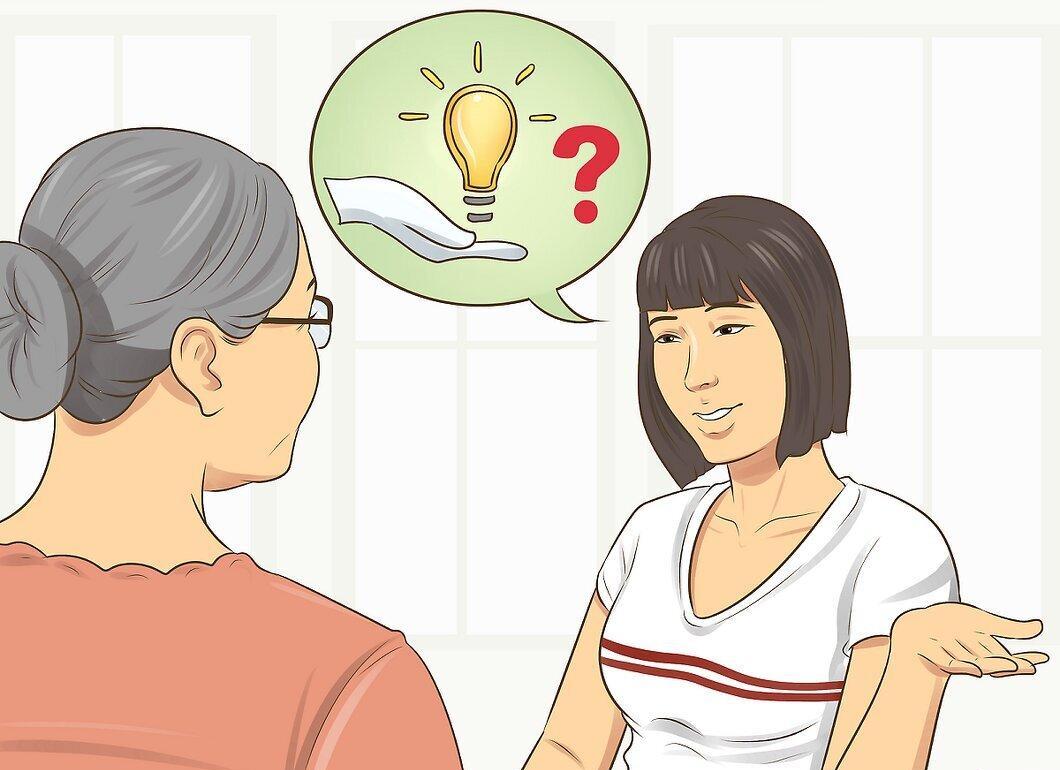
Seek advice. This is a tough decision that needs careful consideration. Sometimes, discussing the issue with a close relative or a trusted friend can be helpful. Ask for their opinion.
- Say something like, “I’m seriously considering uninviting Larisa to the barbecue. I heard she caused a huge scene at the Petrov's gathering last weekend. I wouldn’t want a repeat at my party. What do you think?”
Step 4. Think of alternative solutions.
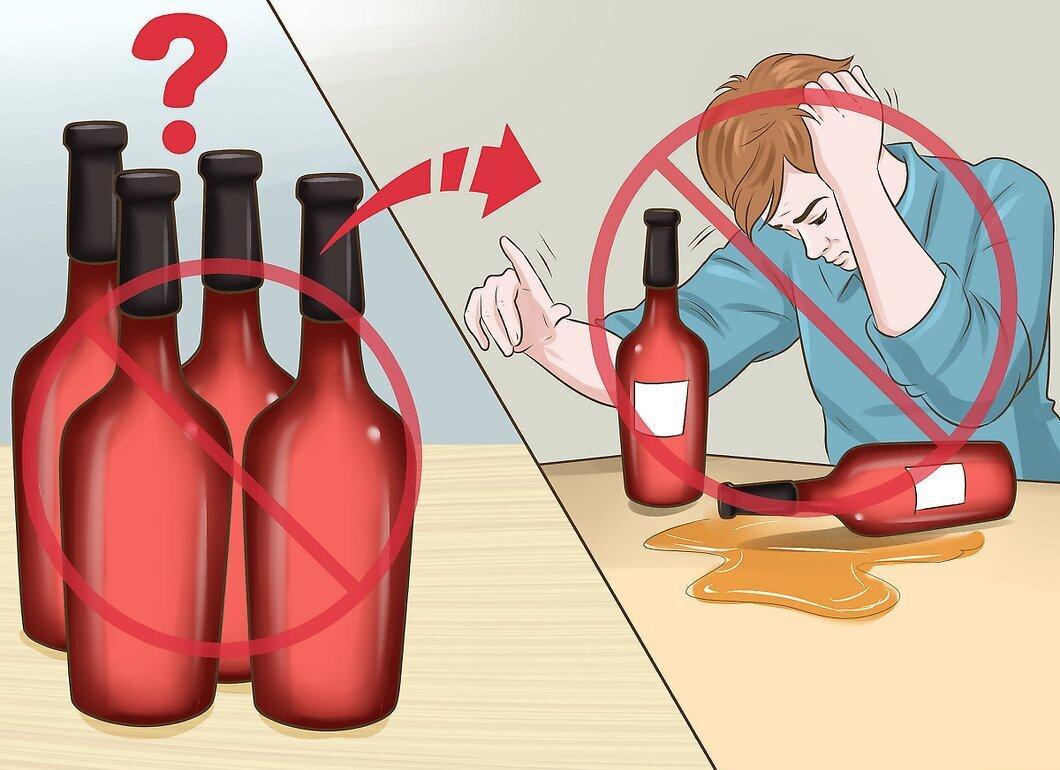
Think of alternative solutions. Before deciding to uninvite someone, consider some less drastic ways to resolve the issue.
- For instance, if your relative struggles with alcohol, you could limit their access to drinks or eliminate alcohol from the event altogether.
- If two relatives can’t stand each other, you could invite both but ensure they don’t cross paths. Seat them far apart and choose someone to keep an eye on them.
- If one relative is prone to foul language or inappropriate jokes, ask them to mind their behavior. For example, say: “Listen, Kostya, I know you like to sprinkle some colorful language into your conversations, but there will be conservative guests at the event who don’t appreciate cursing. Would you mind watching your language? I really don’t want to uninvite you.”
How to Talk to the Relative
Step 1. It’s best to discuss the situation face-to-face.
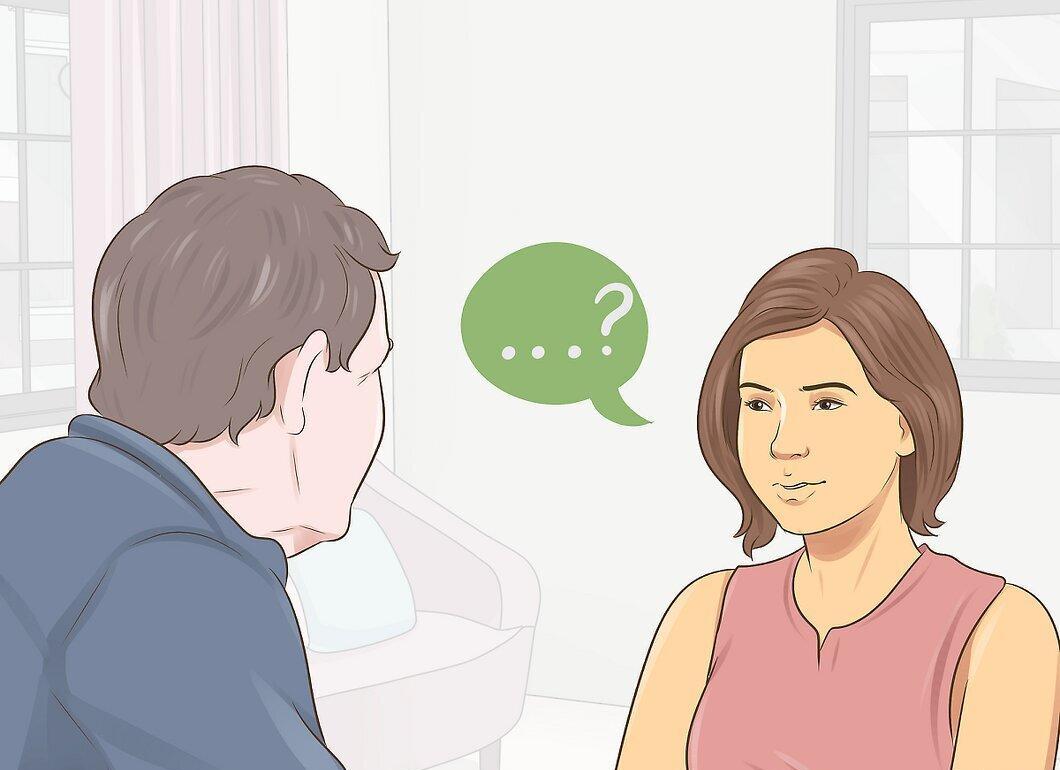
It’s best to discuss the situation face-to-face. If you decide to uninvite someone, do it tactfully. The most courteous option is to meet in person. Arrange to meet privately.
- You could chat over lunch or coffee. Say, “Uncle Ruslan, how about we go to a café on Tuesday? I need to discuss something with you.” It’s better to meet in a public place to reduce the chances of a scene.
- If the relative you find annoying lives out of town, a phone call is appropriate. Avoid rescinding invitations through email or social media. This is a sensitive conversation, and it’s essential to handle it like an adult to try to maintain your relationship with this relative.
Step 2. Be honest about your motives.
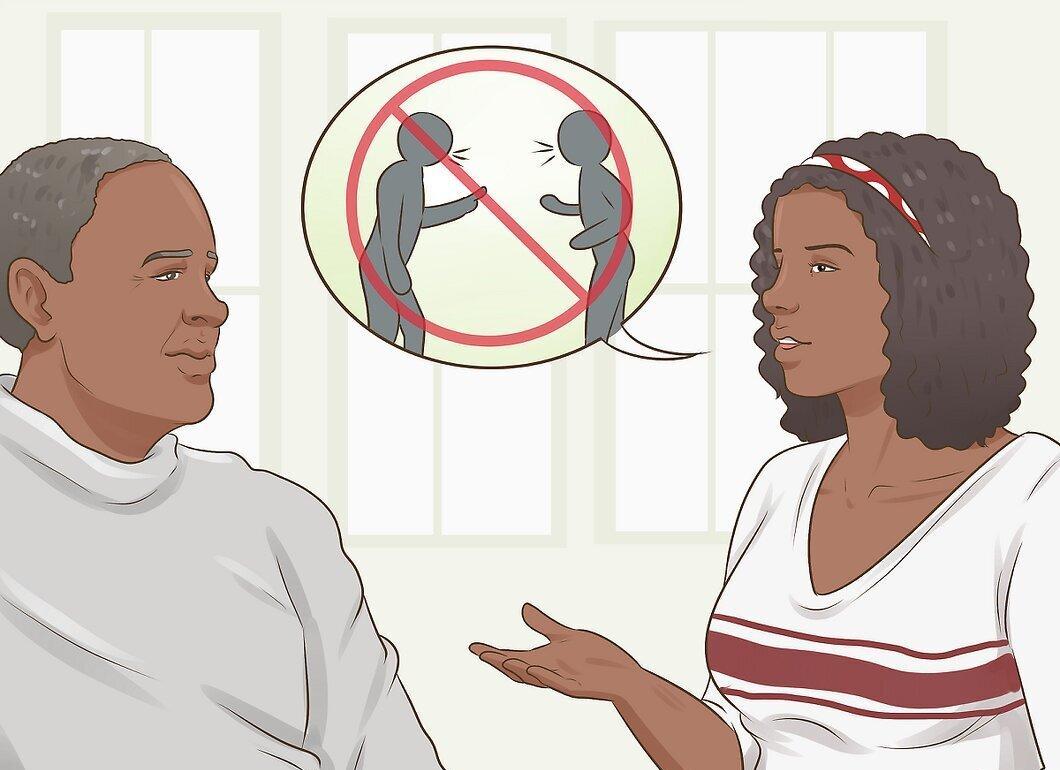
Be honest about your motives. Prepare for the conversation in advance. Review your pros and cons. Plan the flow of the discussion and practice what you want to say before the meeting. During the conversation, strive to express your thoughts politely yet firmly. Avoid long-winded explanations. Clearly and concisely state your reasons.
- You might say: “Thank you for agreeing to meet. This is hard for me to discuss, but I believe I’ve made the right decision. Since you and Dad have a rocky relationship, I think it’s best if you don’t come to the wedding. My fiancé and I really want the wedding to go smoothly, and you and Dad can’t be in the same room without causing a scene. I hope you understand.”
- The person may be more understanding if they have previously faced consequences due to their behavior or have had similar experiences.
Step 3. Don’t apologize.
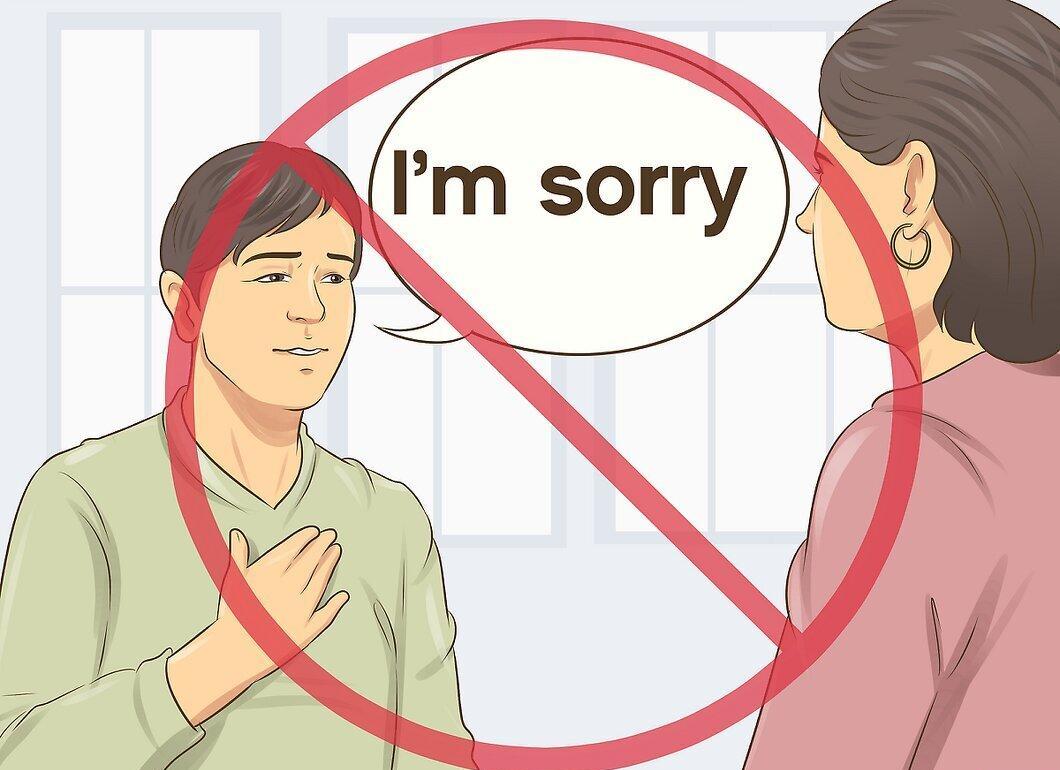
Don’t apologize. Saying “I’m sorry” may imply that you’ve made the wrong decision and are taking responsibility for the relative’s poor behavior. Don’t feel awkward about uninviting someone due to their bad actions. Your priority is the enjoyment of your other guests, not the behavior of other adults. If a relative can ruin the celebration, don’t blame yourself for the decision.
- Instead of saying “I’m sorry,” it’s better to phrase it as, “I wouldn’t want to hurt you.” This shows that you acted with good intentions and stand by your decision.
Step 4. Stay calm if the reaction is negative.
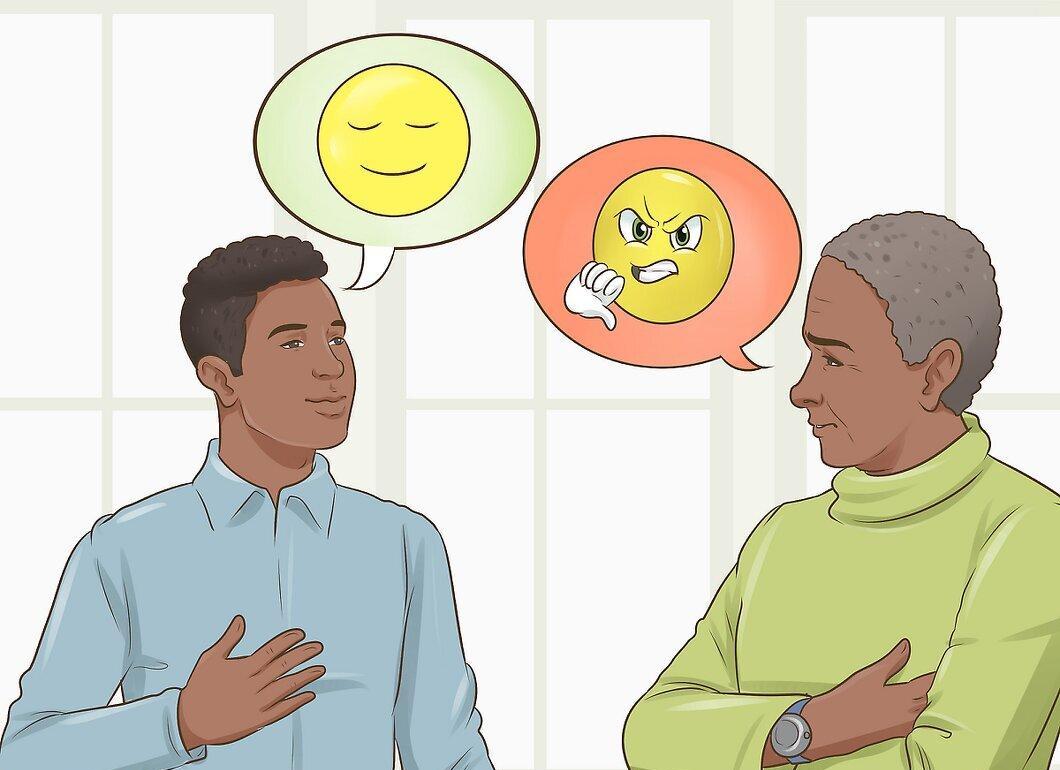
Stay calm if the reaction is negative. It’s quite possible that the relative will not respond well to the situation. They might view the uninvitation as humiliating, so try to empathize with their feelings. Don’t take their words to heart. Remain calm and friendly.
- You can say: "I understand you're upset. I didn’t want to hurt you, but this decision is best for everyone involved."
How to Handle Different Situations
Step 1. Explain that the guest list is limited.
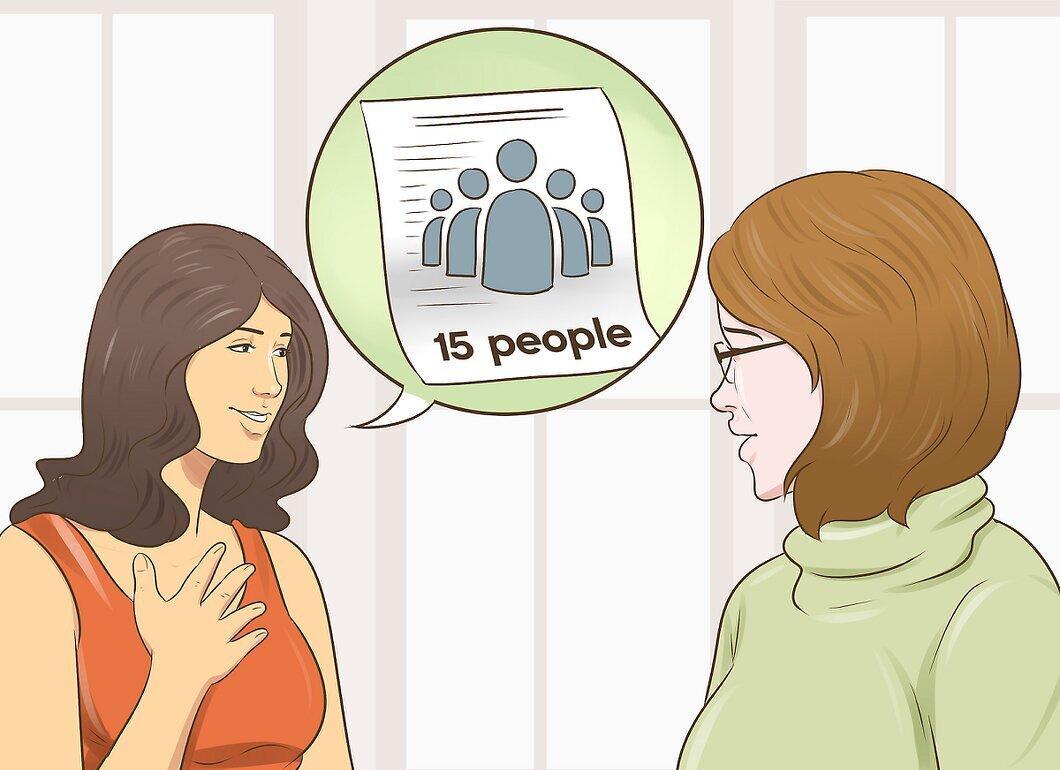
Explain that the guest list is limited. Sometimes, guests are mistakenly invited. You might have accidentally selected someone’s name while setting up the event on Facebook. You might have discussed the event in front of someone, and they assumed they were invited. In any case, you can justify your decision.
- Say: “Yana, I accidentally clicked your name while setting up the event. I would have loved to invite you, but we can’t accommodate more than 15 people. I’m sorry it turned out this way.”
Step 2. Apologize for the person who spoke on your behalf.
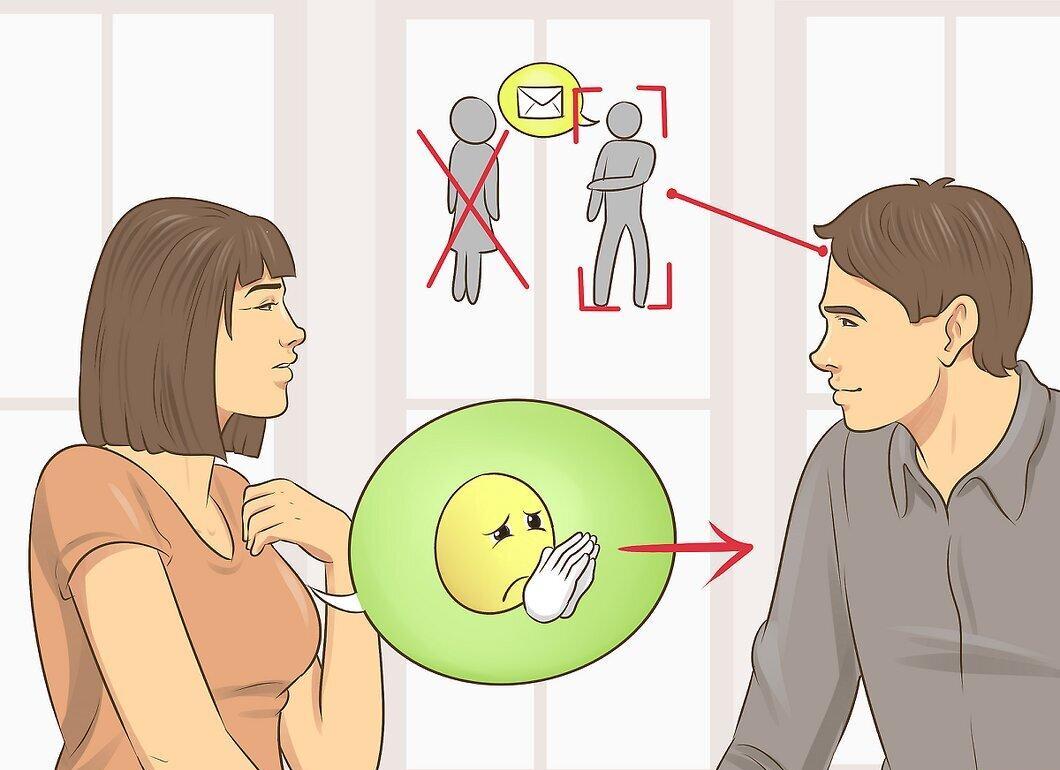
Apologize for the person who spoke on your behalf. If a relative was invited without your permission, apologize for the misunderstanding. Say: “Listen, Denis. Roma told me he invited you to the party. He shouldn’t have done that. We have a very limited number of guests. I’m sorry it happened.”
- It’s even better if the person responsible for the misunderstanding can address it. You might say: “I recently saw Regina, and she’s under the impression she’s invited to the party. She tends to drink heavily, so I’m worried about potential drama. Could you let her know she wasn’t invited?”
Step 3. Be firm with those who show up uninvited.
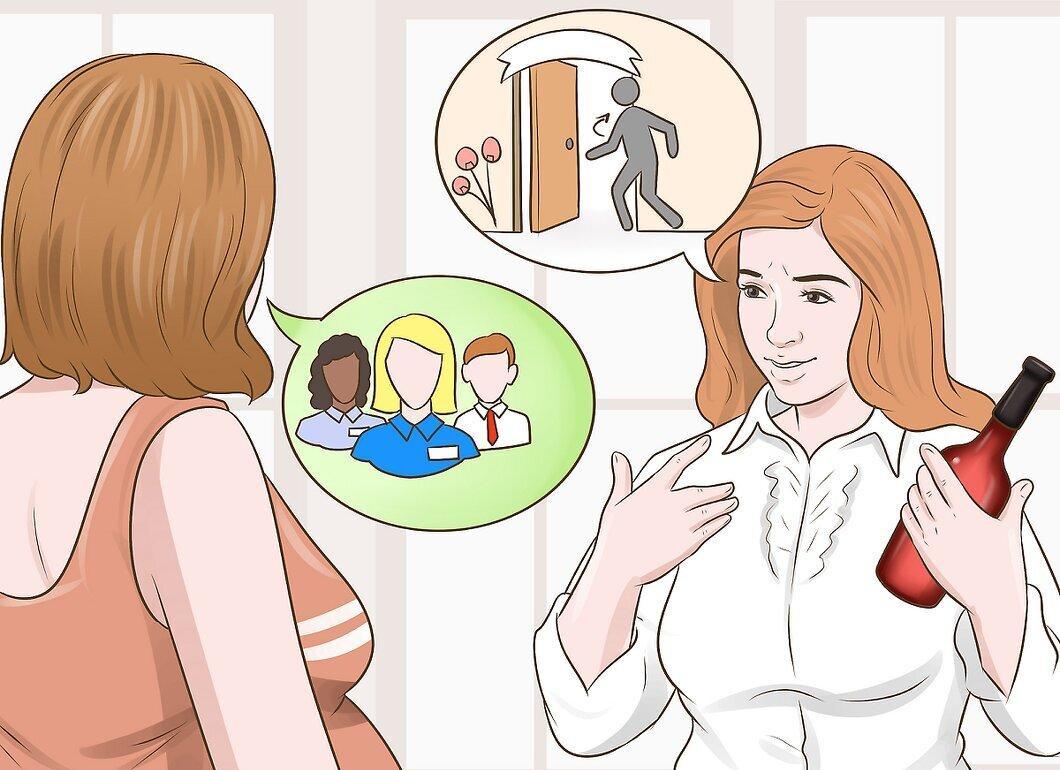
Be firm with those who show up uninvited. Some relatives think they are automatically invited to any of your events. They might not have received official invitations but plan to attend anyway. Address them gently.
- For example, if you hear your cousin is planning an outfit for your bachelorette party, you should say: “Oh, Karina, I didn’t know you were planning to come. This party is just for colleagues. I’d love to catch up with you another time.”
Step 4. Be aware that other guests may boycott the event.
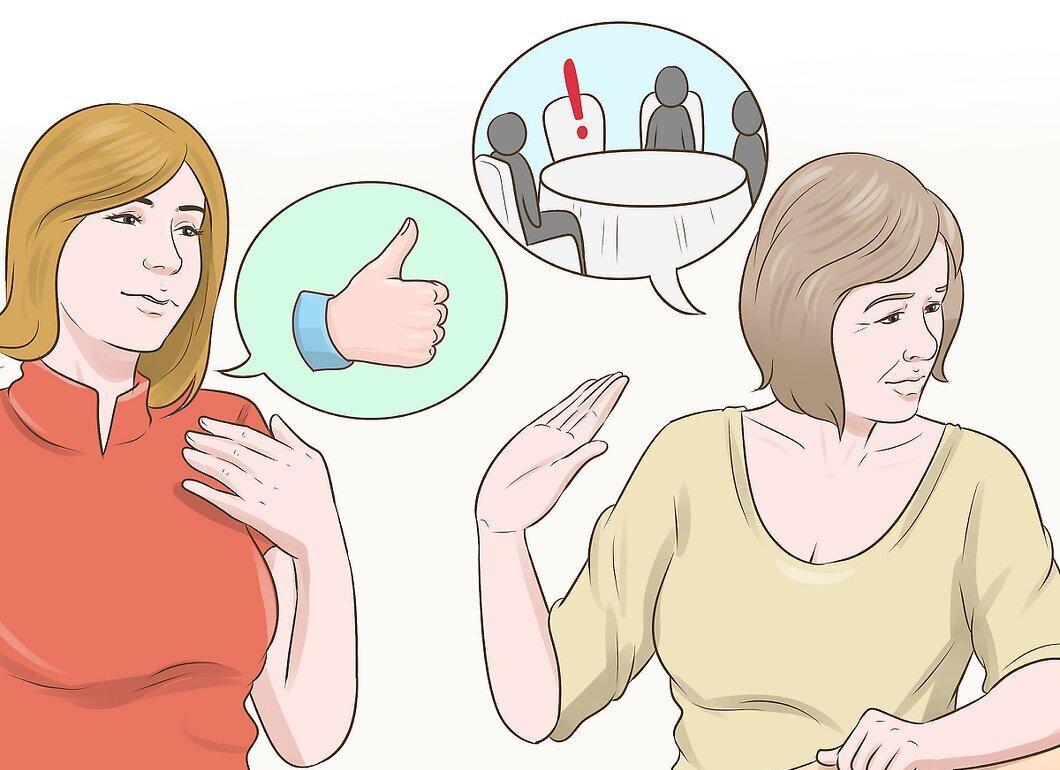
Be aware that other guests may boycott the event. In the worst case, other guests might refuse to come out of solidarity with the uninvited person. If their presence is crucial to you, try to persuade them to attend, but don’t allow others to dictate your decisions.
- Stay firm, even if some disagree with you.