It's not uncommon to find yourself in a situation where you have to cancel a scheduled interview with a desired employer due to unforeseen circumstances. Whether it's a scheduling conflict or new opportunities that have arisen, it's important to know how to properly cancel or reschedule the meeting while maintaining a professional image.
Rescheduling the Interview
Step 1. Reschedule only in extreme cases.
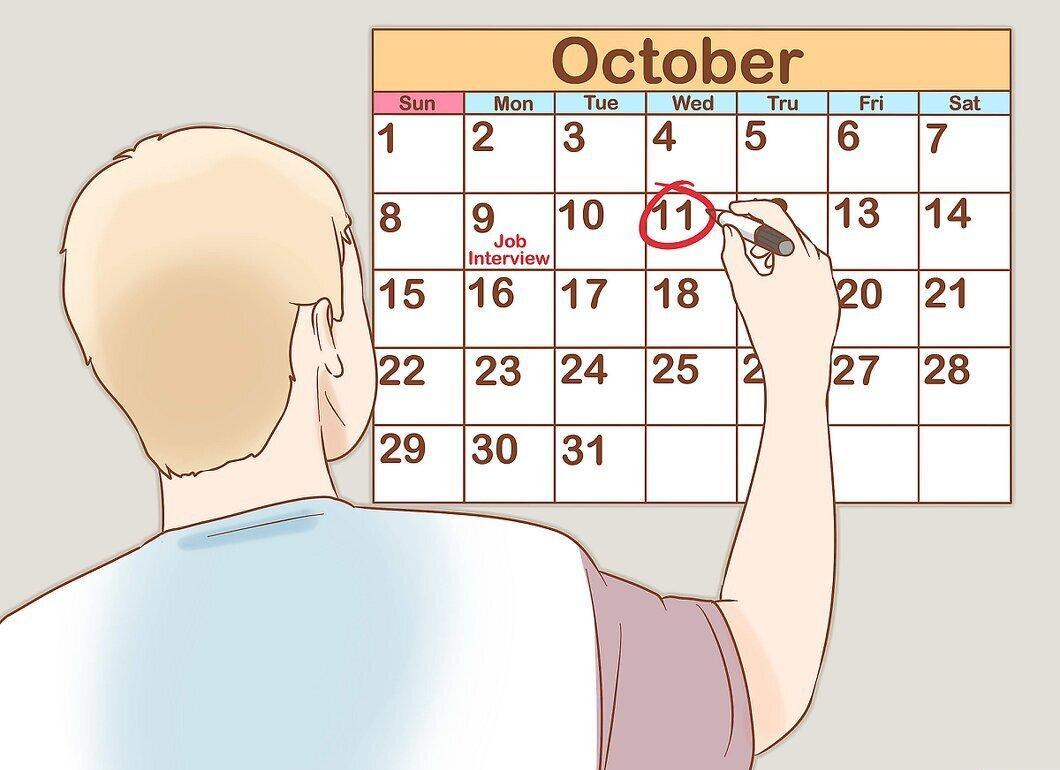
You should only reschedule an interview in exceptional circumstances. Before taking this step, try to adjust your plans. Remember, an interview shapes the first impression of you, and rescheduling may come off as inappropriate. If possible, it's better to tweak your schedule instead.
Step 2. Contact the interviewer in advance.
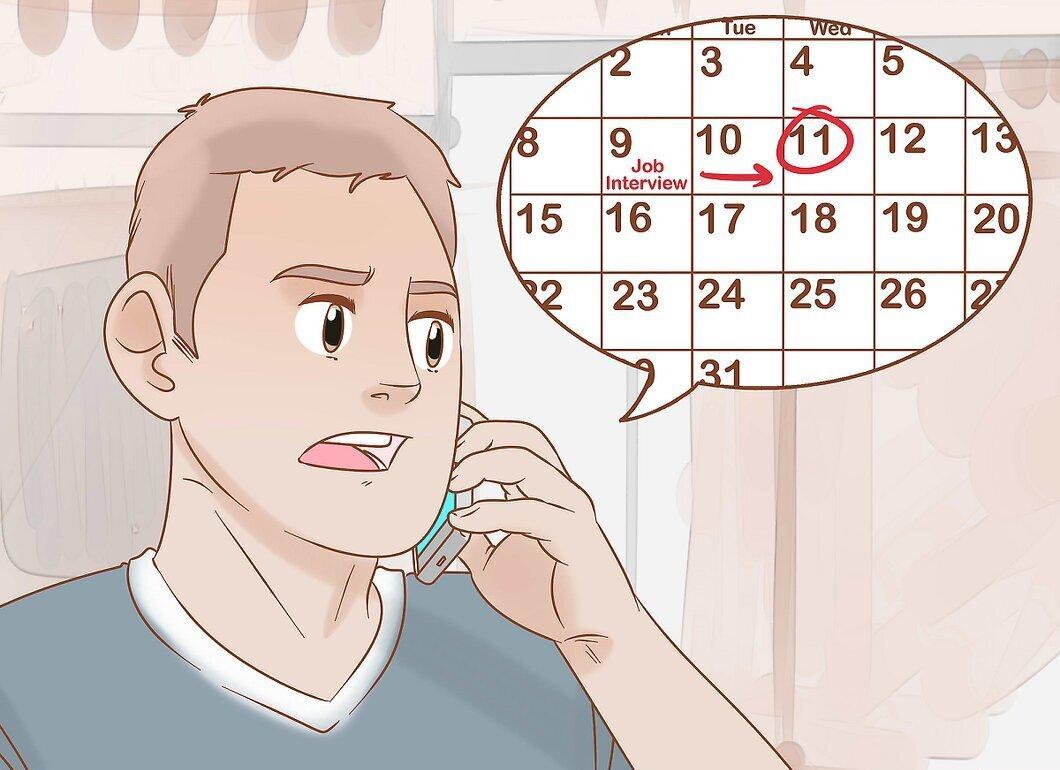
Make sure to inform the interviewer ahead of time. Rescheduling an interview can be a significant inconvenience for everyone involved. Therefore, try to reach out to the employer at least 24 hours before the scheduled time. When speaking, be honest and briefly explain why you need to reschedule. Offer a few alternative dates.
- If the reason for rescheduling is another interview, it's better not to mention it. Say that you have urgent matters or family circumstances.
- In case of an emergency where you cannot notify them 24 hours in advance, contact the employer as soon as possible. If the reason is genuinely serious (such as an injury or family issue), your prospective employer will understand.
- If you are still interested in the position, don’t forget to express that during the conversation. For example, say: "I'm very sorry, but an emergency has come up, and I can't make it to the interview. I'm still very interested in this position and would appreciate it if we could reschedule the meeting."
Step 3. Communicate directly with the interviewer.
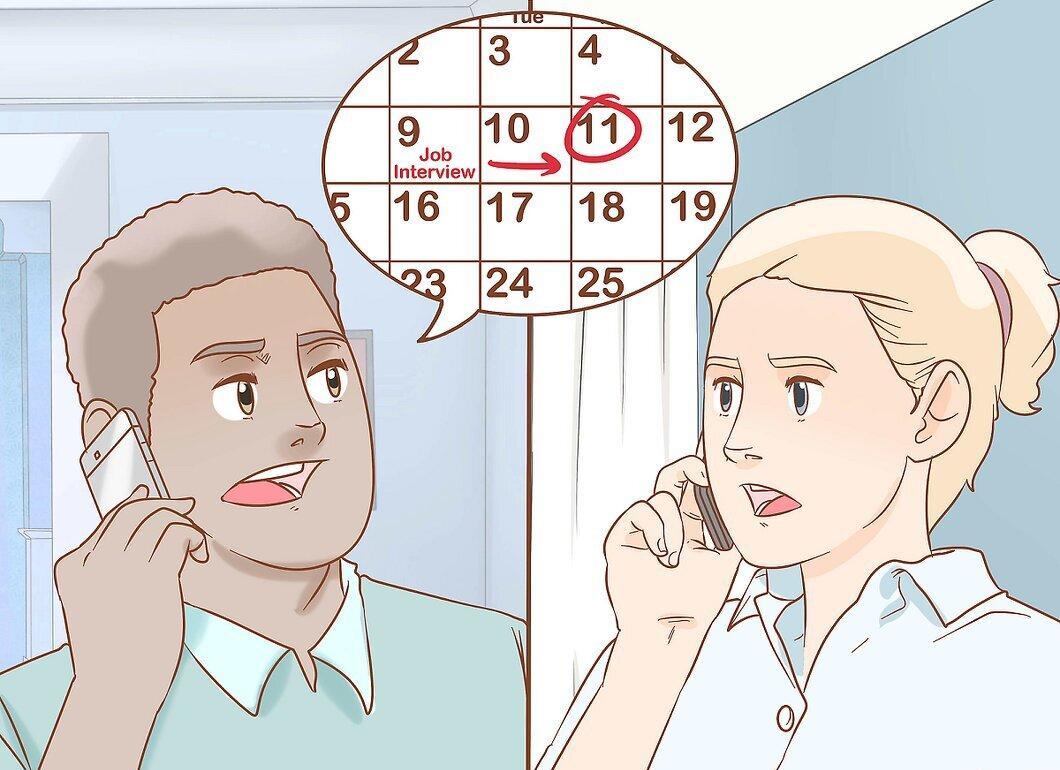
Try to communicate directly with the interviewer rather than leaving messages. It's better to call than to send an email or leave a voicemail. Personal communication will demonstrate your responsibility. Attempt to reach the interviewer in various ways, and only if that fails, leave a message.
- Avoid sending a text message to cancel the interview—it looks unprofessional.
- If you left a message or sent an email, ask the interviewer to confirm receipt of your notification.
Step 4. Apologize for the inconvenience.
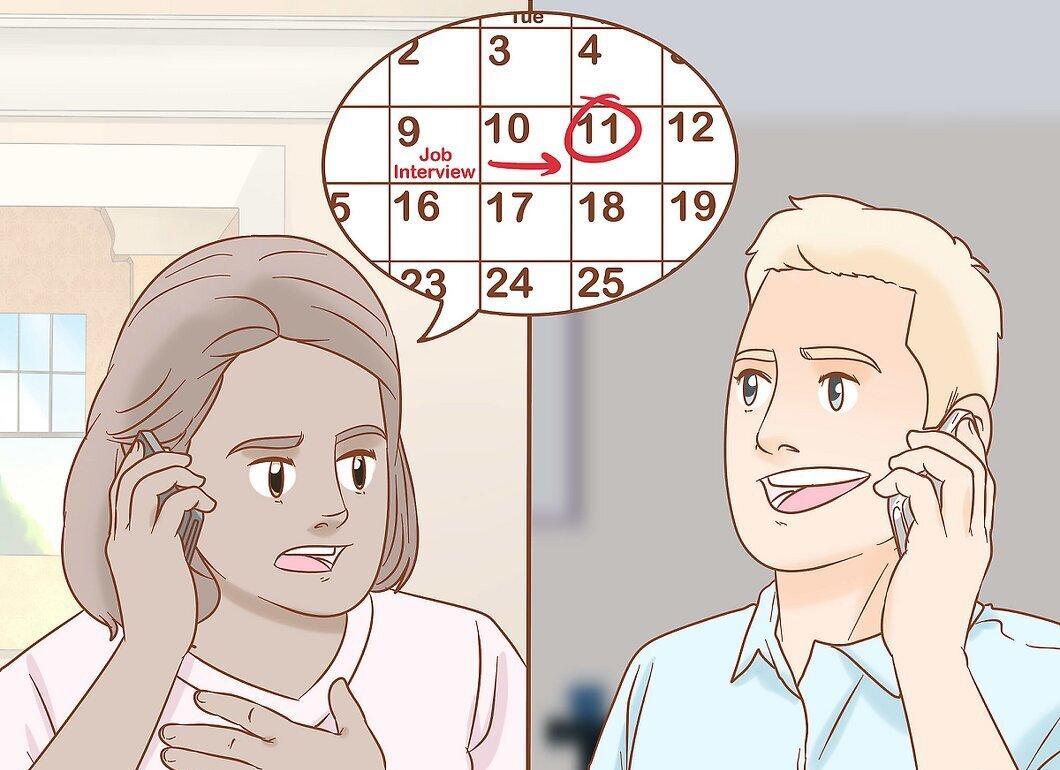
Don't forget to apologize for any inconvenience caused. When organizing an interview, the schedules of multiple people are coordinated, and a cancellation can affect all parties involved. Show that you value the interviewer's time, and be ready to suggest a new date flexibly.
Step 5. Send a thank-you message.
After speaking with the interviewer, send a follow-up message. In it, apologize again and reaffirm your interest in the company. If the interviewer is a bit disappointed by your cancellation, this letter will be a good opportunity to express your sincere regret and desire to find a new time for the interview.
Complete Interview Cancellation
Step 1. Notify about the cancellation as soon as possible.
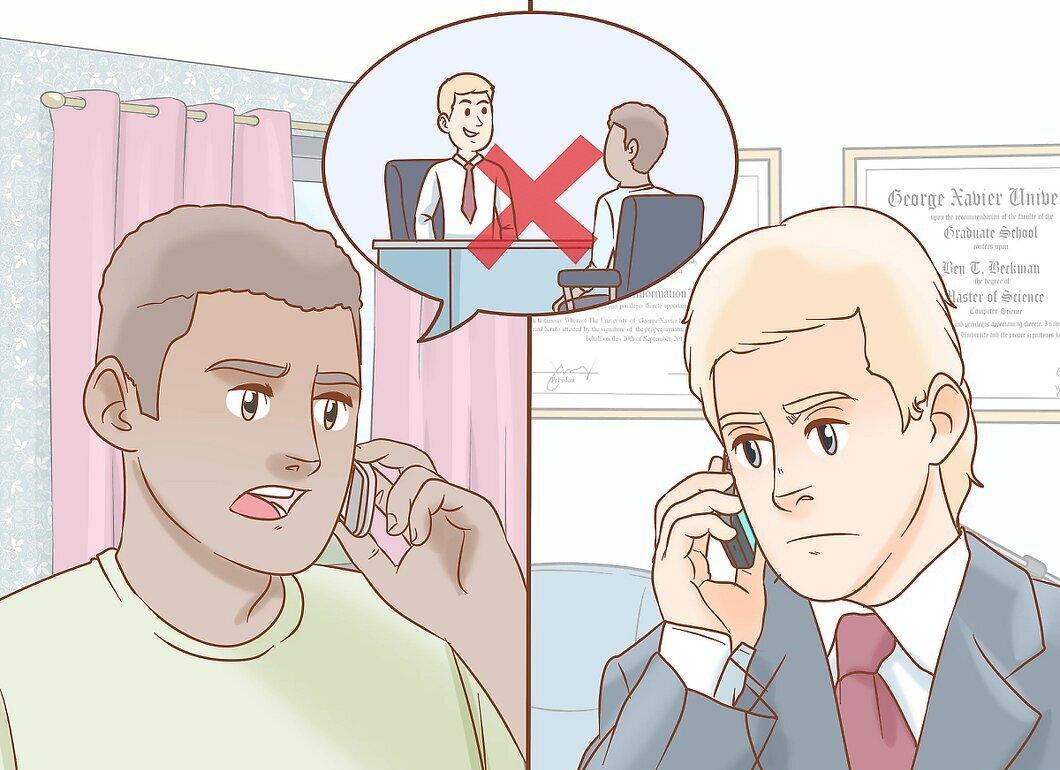
As soon as you realize you are canceling the interview, immediately contact the interviewer. Don't delay and make others wait if you don't plan to attend. This demonstrates your professionalism.
Step 2. Honestly explain the reasons for cancellation.
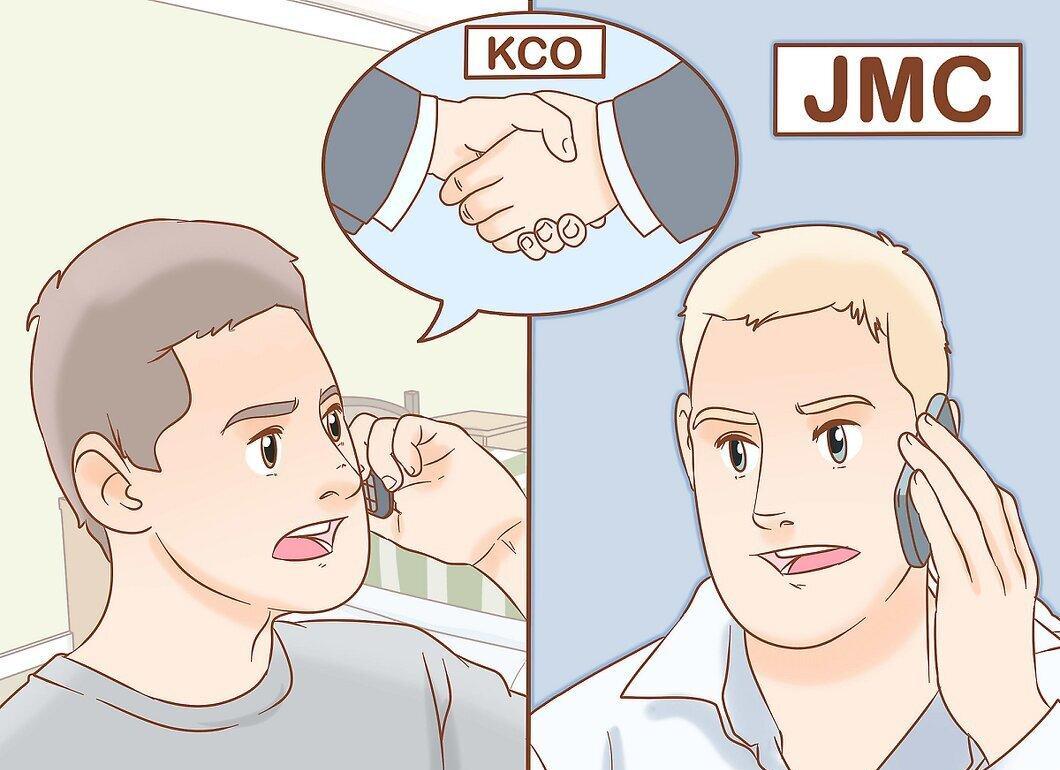
Be candid in explaining the reasons for cancellation. If you have accepted another offer or simply lost interest, it's important to inform the employer. They can resume their search for other candidates and will appreciate your honesty.
- If you've already received an offer from another company, call and say: "Thank you for the interview invitation, but I have already accepted an offer elsewhere. I was genuinely looking forward to working with your company, but I need to cancel the interview now. Thank you for your time!".
- If the reason for cancellation is related to negative feedback about the company, it's better to be vague. You might say: "Thank you for organizing the interview, but I've decided to focus on other career opportunities. I appreciate your time.".
Step 3. Maintain professionalism.
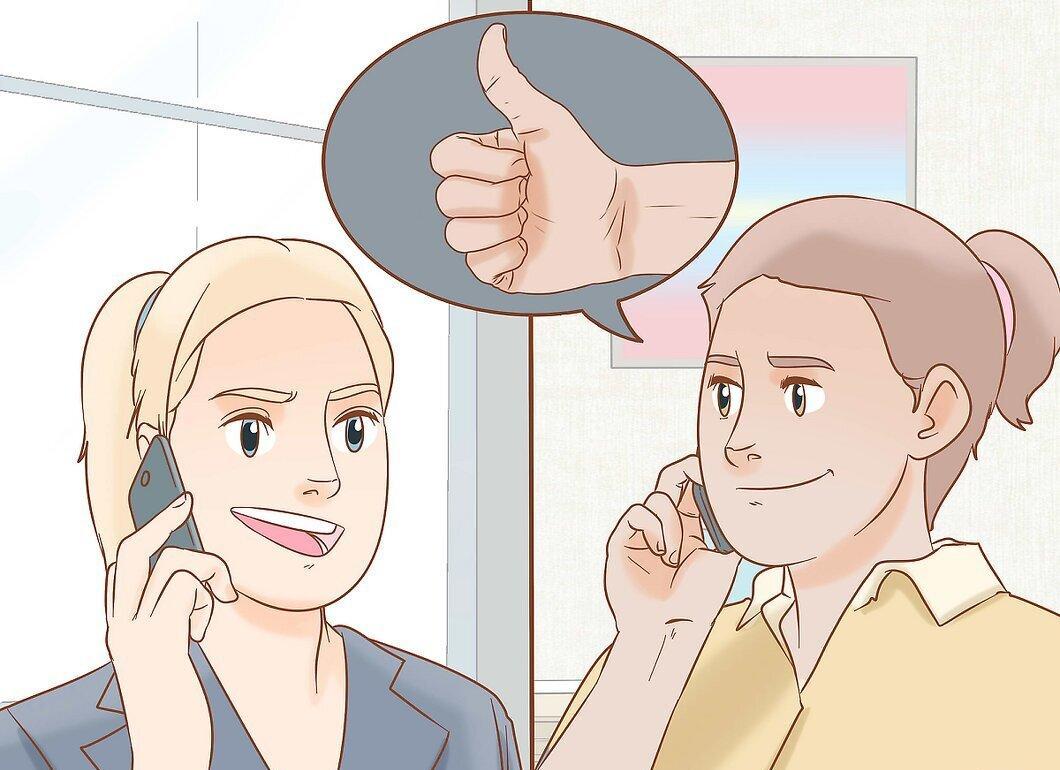
Keep a professional tone to avoid misunderstandings. You never know when you might need to reach out to that same company or interviewer again. Be polite and respectful, even when canceling the interview. Explain your reasons, then end the conversation on a positive note.
Cancelling an Interview as an Employer
Step 1. Notify the candidate as soon as possible.
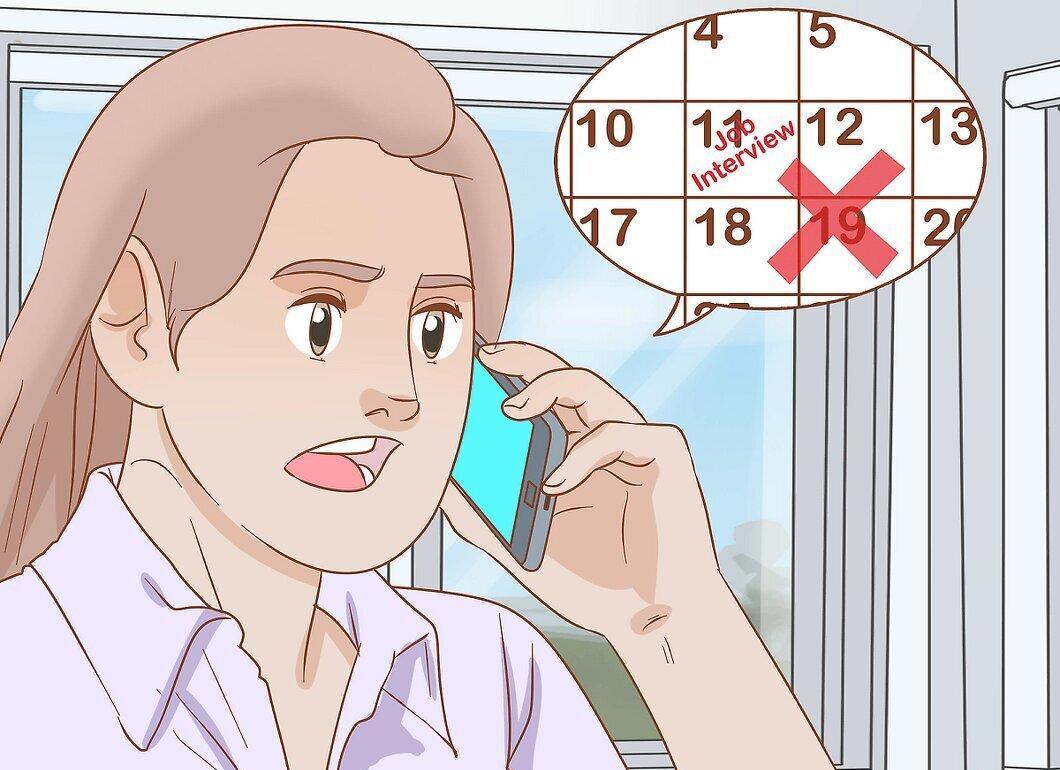
Inform the candidate about the need to cancel the interview as soon as it becomes known. This is important for maintaining professional standards. Delaying notification can negatively impact your image. If you are genuinely interested in the candidate, demonstrate a high level of professionalism.
- In case of unforeseen circumstances, immediately contact the candidate and explain the situation. Assure them that you will be in touch to reschedule.
Step 2. Notify about the position being filled.
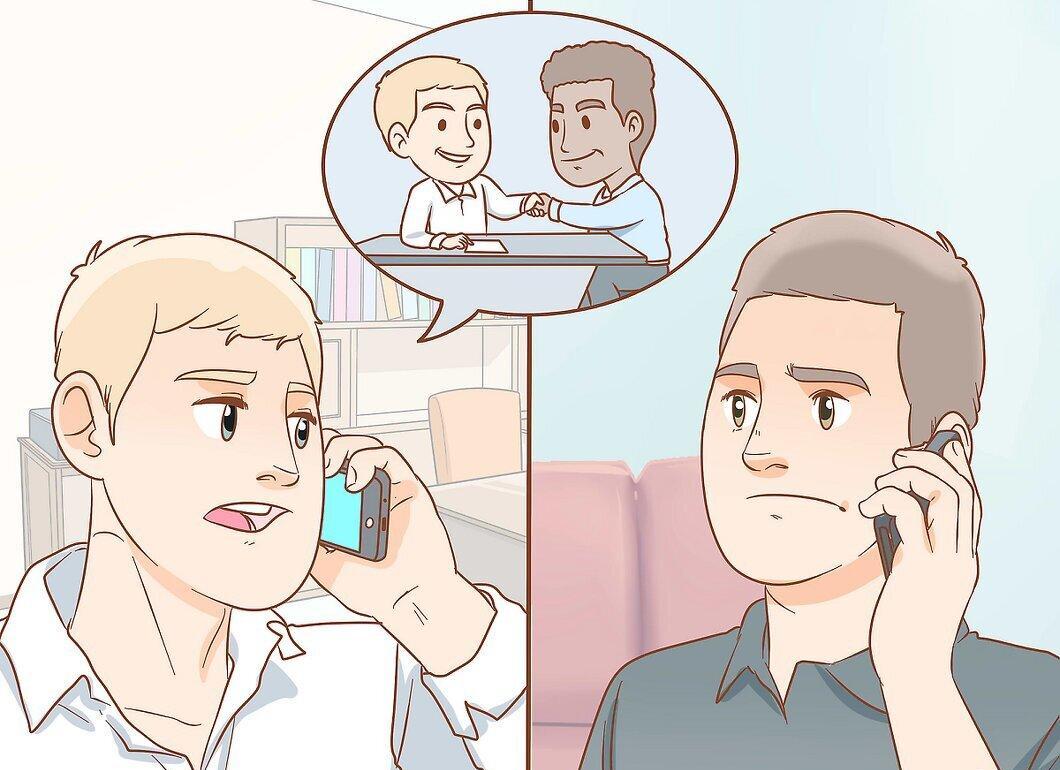
If the position has already been filled, be sure to inform candidates about it. Many employers neglect this and simply stop communicating, which is highly unprofessional. It's best to call candidates, as this approach is more personal. You can also send an email, but it will be less personal.
Step 3. Reschedule the interview promptly.
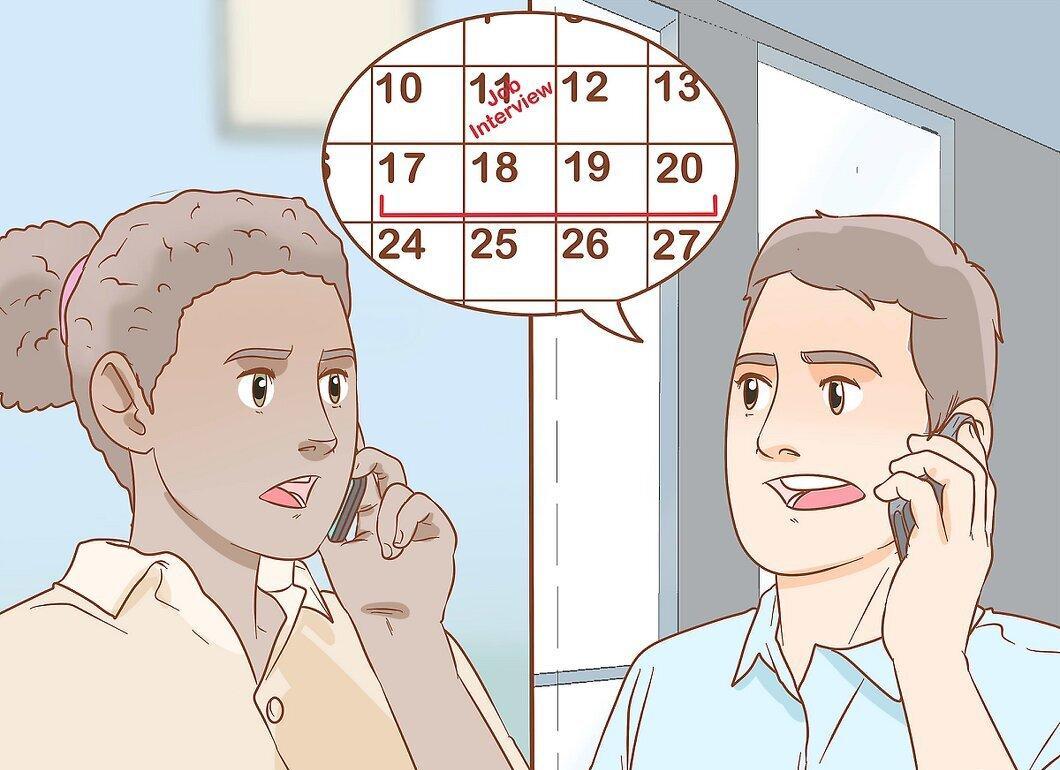
If you want to continue working with the candidate, reschedule the interview as quickly as possible by offering them several date options. Since you are interfering with their schedule, be flexible. Emphasize your desire to conduct the interview and find out what you can do to facilitate this.