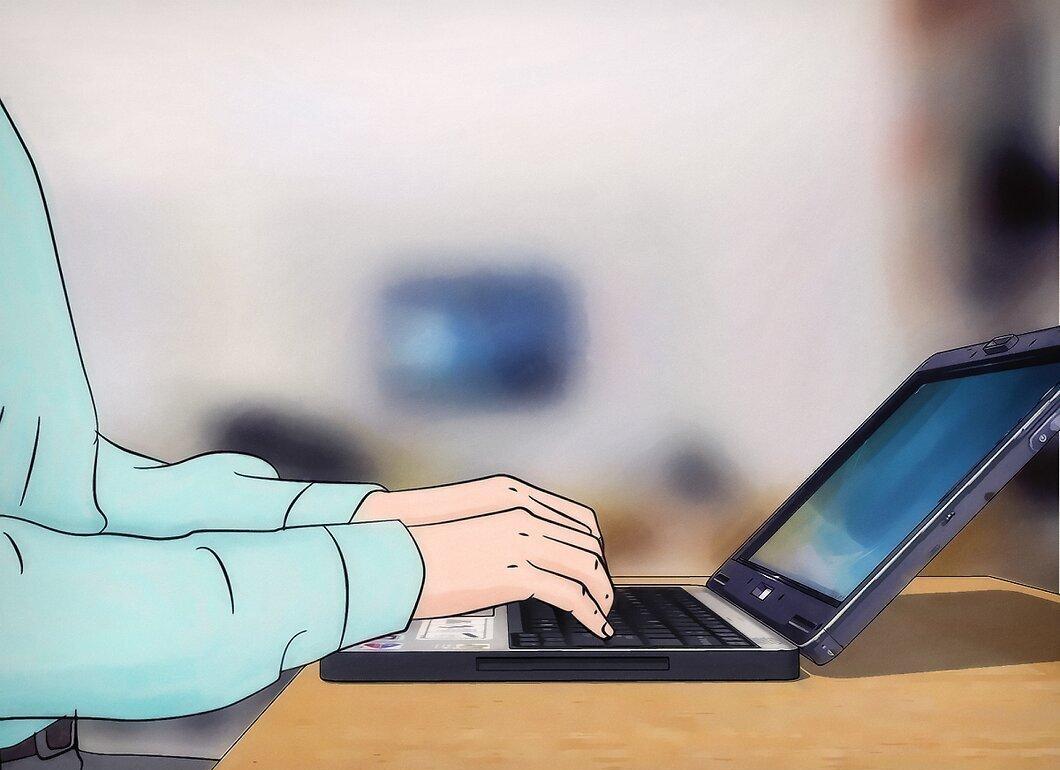
In today's world, typing is a crucial skill. When it comes to workplace efficiency, those who can type quickly enjoy a significant advantage over others. If you're known as a two-finger typist, it's time to change that today. You'll instantly train your fingers.
Basics
Step 1. Invest in a good keyboard.
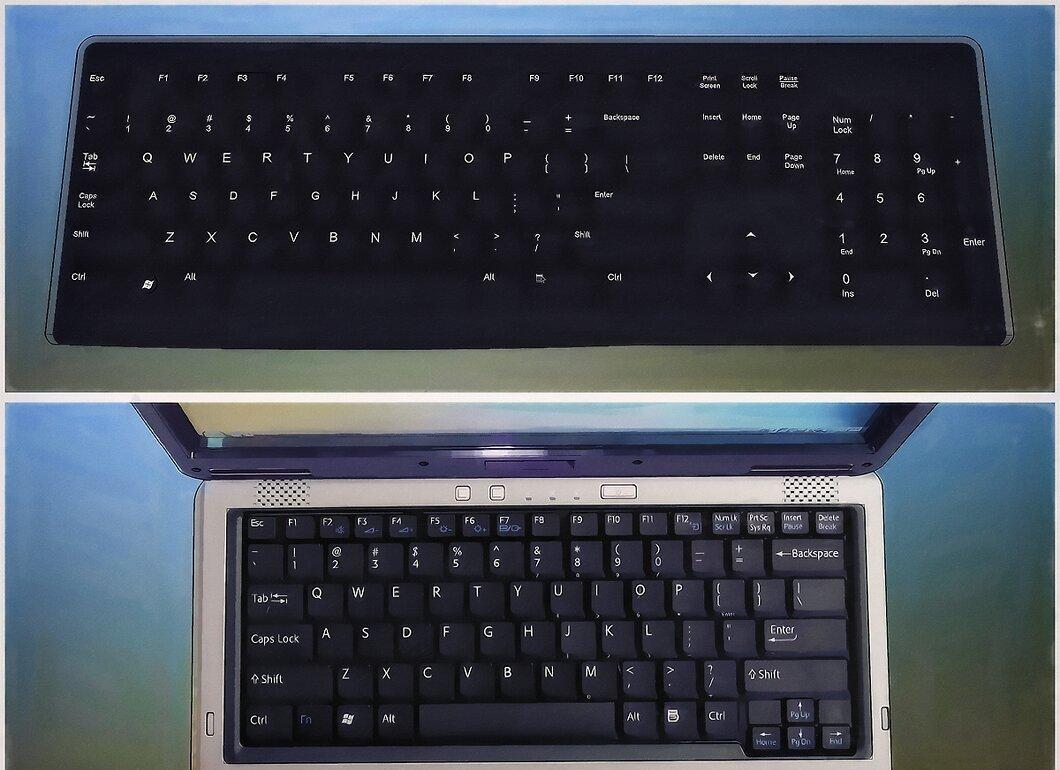
Invest in a good keyboard. Some people prefer laptop keyboards, while others enjoy the feel of larger, more robust keys. If necessary, purchase a keyboard with labeled numbers – these aren’t available on all laptops.
- Today, there’s a huge variety of keyboards available. Some are wave-shaped, others slightly shifted to the right, some are large, and some are small. Choose one that feels comfortable, or you'll have to completely re-adjust.
Step 2. Get comfortable with it.
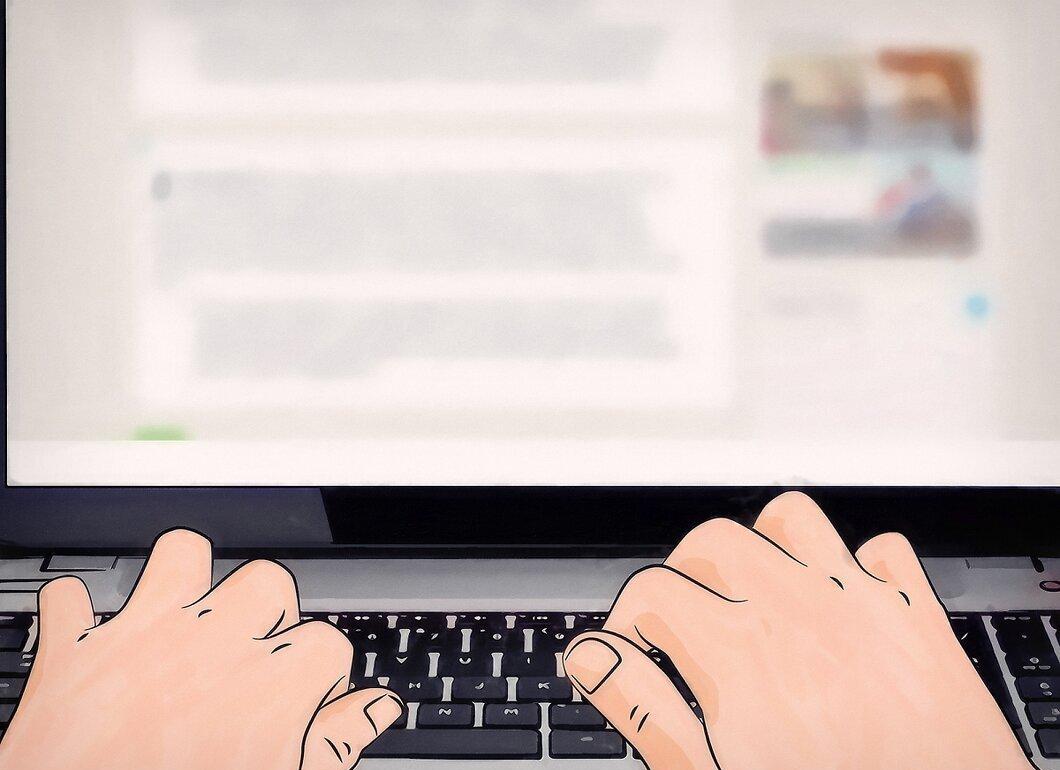
Get comfortable with it. You know how you can run at lightning speed on a treadmill, but once you step outside, you struggle to manage a light jog? Or how you can create like Michelangelo in one setting, but in another, your work looks more like a toddler’s drawings? The same principle applies to keyboards. You might type like lightning on one, but struggle on another. So, get accustomed to yours. The more familiar your keyboard is, the faster you'll type on it.
- This will take time. Start actively searching online. Comment on YouTube videos, write articles on wikiHow, and start your blog. Before you know it, your fingers will get used to the keyboard layout, and you'll find the letters on autopilot.
Good Habits
Step 1. Remember that the key concept is the home position.
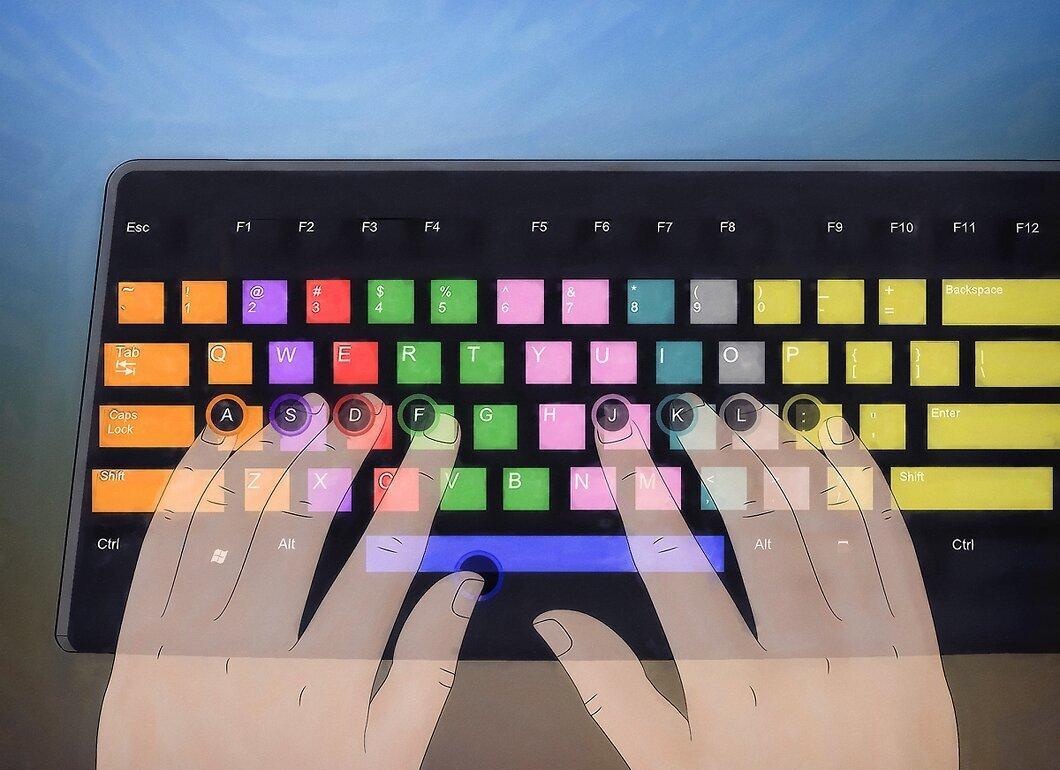
Remember that the key concept is the home position. If you play a lot, it might be harder for you to develop this habit. Your eight fingers (excluding the thumbs) should occupy the home position – F, J, D, A, and K, L, S, H. Distributing your fingers along the keyboard increases the efficiency of your hands.
- Do you see the small bumps on the F and J keys? They are there to help you. Even if your vision were to fail you tomorrow, you would still know where to place your hands. Keep your index fingers on these keys and spread the other six fingers across the keyboard accordingly.
- ALWAYS RETURN TO THE HOME POSITION. You might wonder, "Why?" Just do it. When you know where your fingers are, there’s no need to think about what they’re doing or which letters they’re typing. What does that mean? With a bit of practice, your eyes will always be on the screen. Eventually, you’ll feel like each key is under the watch of one of your fingers, and the only limit to your typing speed will be your hands' dexterity.
Step 2. Use all your fingers.
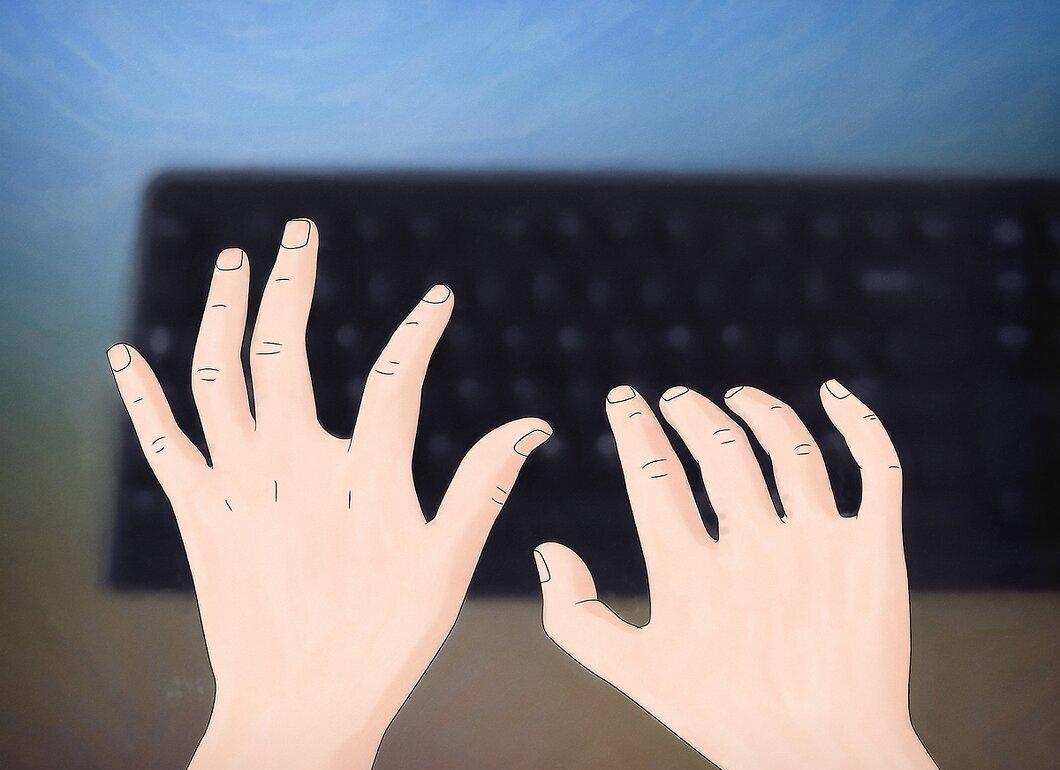
Use all your fingers. This is logical – if you only used six fingers to type, you wouldn't be able to reach some keys quickly enough. So, if you have ten fingers, be grateful and use them all. This will help you type much faster.
- If at first you’re poking the keys with two fingers, that’s okay. Start by spreading your fingers across the keyboard. Place eight fingers on the home position, and your thumbs on the spacebar, and start typing. Let each finger press the keys around the home position and use only the nearest finger.
Step 3. Cover the keyboard.

Cover the keyboard. Once you start to get a sense of where the keys are, cover the keyboard. This will help you resist the temptation to look down, which can definitely slow your typing speed.
- If you don’t have a specific cover, just drape a scarf or similar item over the keyboard and your hands. If you need to hit the backspace key a lot, that’s fine. The more you practice, the less often you’ll need it.
Step 4. Memorize the shortcut keys.
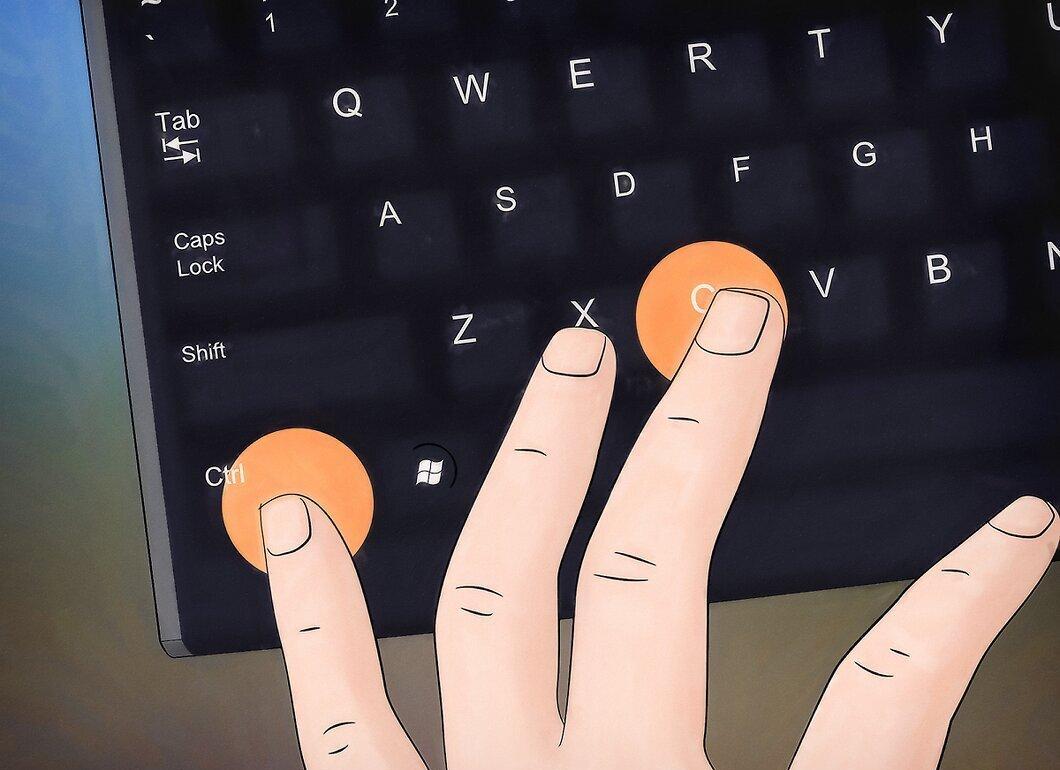
Memorize the shortcut keys. With today’s technology, typing isn’t just about words and phrases. To type quickly and get your work done, you need to know how to navigate your computer and utilize its features to the fullest. Instead of moving the cursor around the screen, learn a series of hotkeys (shortcut keys) that will help you increase your efficiency even more.
- Here are some useful hotkeys:[1] X Source Ctrl + Z = Undo
- Ctrl + X = Cut
- Ctrl + S = Save
- Ctrl + A = Select All
- Shift + arrow = Select the next letter
- Ctrl + arrow = Move the cursor to the next word without selecting
Practice, Practice, Practice
Step 1. Attach yourself to your computer.
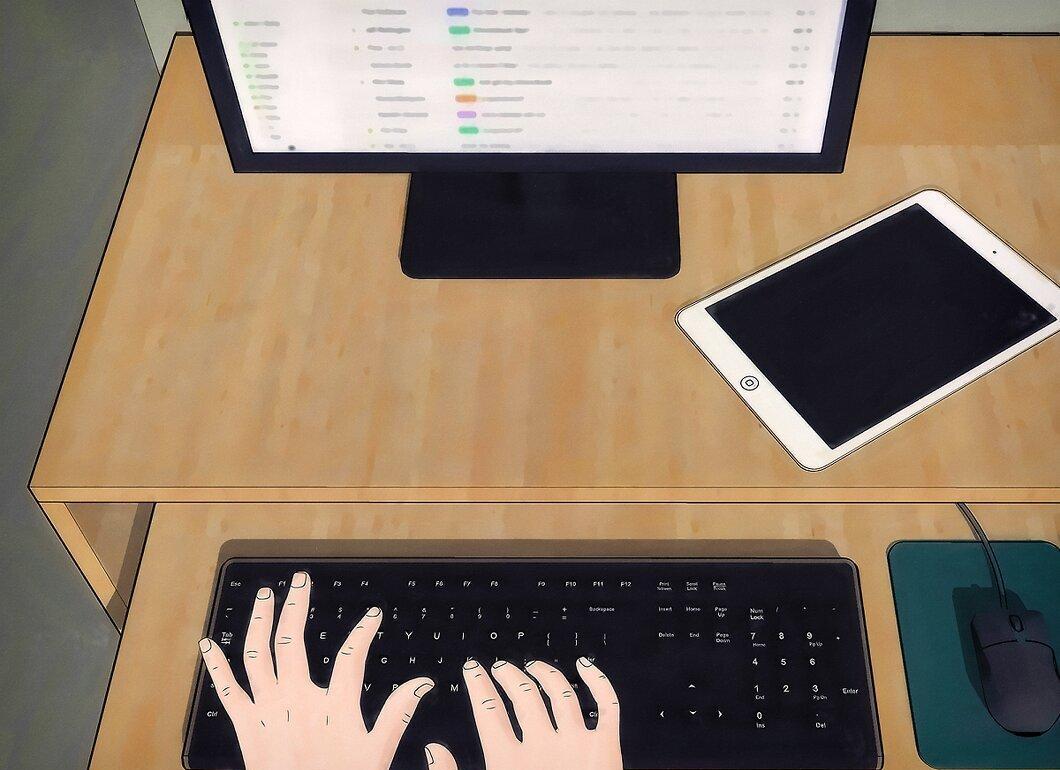
Attach yourself to your computer. Leave your phone or iPad behind and start writing emails on your computer. If emails aren't your thing, start writing to old friends on Facebook. This will give you ample typing practice. By typing a little bit every day, you’ll soon develop a solid skill.
- Tie tasks to the computer. Now your grocery list is on your computer. Are you learning in school? Type your notes. Need to organize data? It’s time for spreadsheets!
Step 2. Go online.
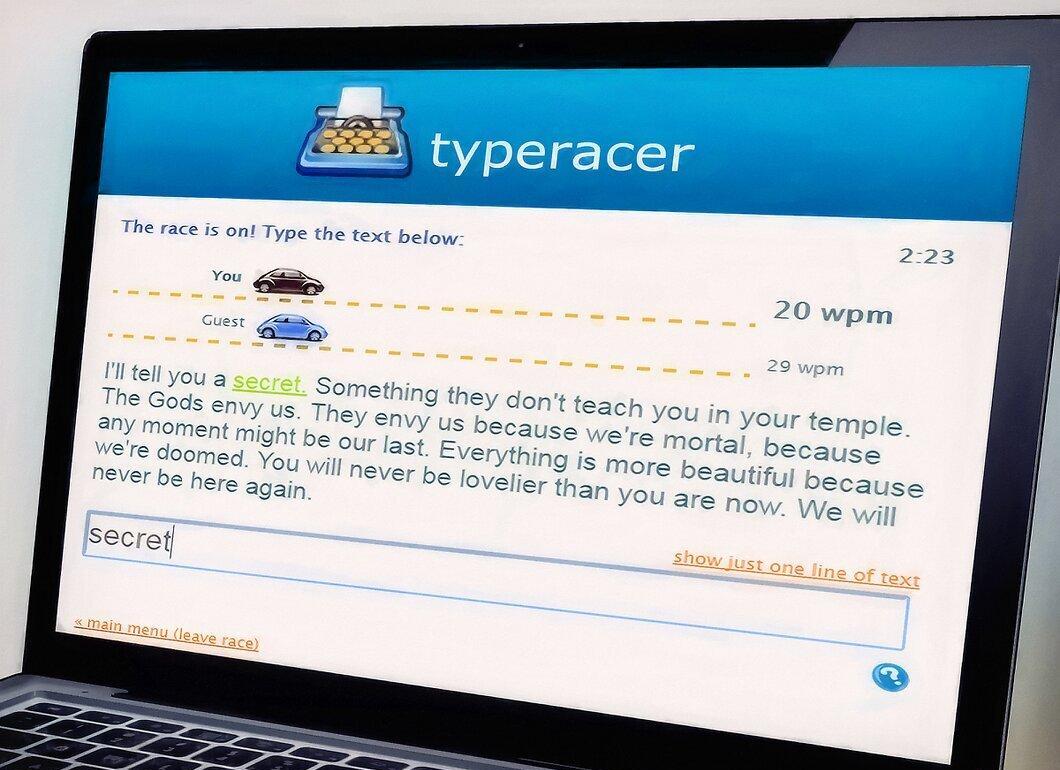
Go online. There are plenty of websites designed to improve typing speed, where you can practice your skills in an entertaining way. There are games, calculators, and specialized programs aimed at helping you learn to type faster and more accurately. Using chat will also help you increase your typing speed.
- Once you feel you’ve dedicated enough time to learn the layout of letters on the keyboard and developed a consistent typing skill, join an online chat program. Try to spend a little time each day communicating with people online.
Step 3. The End.