
Do you feel unheard when it comes to family decisions? Or do you often take a commanding tone, leaving your partner to agree just to please you? In any case, compromise is crucial for continuous interaction, unending love, and mutual respect in a relationship. Learn how to find compromises in your marriage.
How to Make Decisions Together
Step 1. Aim for Joint Victories.

Aim for joint victories. Often, during disagreements, partners strive to prove their point. This approach only widens the gap between you. Your attempts to defend your individual position harm the relationship. Start thinking as a team, where each player contributes to the collective victory. If one of you loses, the whole team loses.
- Compromises allow the victory to belong to the relationship (both partners win), rather than just one of you. Keep this in mind during arguments to arrive at solutions that benefit your relationship.
- When you find yourselves competing again, take a brief pause and consider how the outcome will affect your relationship as a whole. Don’t let pride weaken your bond and strive to find solutions that foster growth and success in your relationship.
Step 2. Create a List of Pros and Cons for Each Partner.

Create a list of pros and cons for each partner. In search of a mutually beneficial solution, try to objectively assess the situation.
- Each partner can make a two-column list with pros and cons of the decision for themselves, including how it aligns with personal views and beliefs. Once the lists are ready, discuss them aloud and evaluate whether the pros outweigh the cons.[1] X Source
- If the issue contradicts one partner’s personal beliefs, a broader compromise may be needed. Strive to find joint solutions that don’t require you to sacrifice your convictions.
Step 3. Brainstorm Solutions.

Brainstorm solutions. When discussing a complex issue, it can be helpful to think about potential solutions over days or weeks rather than rushing to conclusions. Try brainstorming and writing down all possible options, then discuss these solutions with family or friends and consider their opinions. Sometimes, you need to sleep on a thought for it to settle and not be dictated by emotions.
- For example, one of you has been offered a promotion at a branch on the other side of the country. The couple needs to weigh the pros and cons of this development, such as the increased family income against the necessity for the other partner to leave their current job. Afterward, discuss the issue with parents or children. If everyone considers this move justified (despite the challenges and changes in life), then it can be decided to accept the offer.
Step 4. Speak Up

Speak up when you disagree. If your partner is dismissing your views, it’s time to express your feelings and opinions about the situation. Here’s how to gain confidence:
- Take baby steps. The next time your partner asks for your opinion on a minor matter like choosing an outfit or a movie, don’t leave the question unanswered. Gradually, you’ll start to feel more confident sharing your viewpoint.
- Learn to say no. The desire to please your partner is commendable, but it’s important to realize that you do not always have to cater to their needs or requests. Practice exercising your right to say "no." For example, if you’re very busy and your partner asks you for a favor, you can say: "Sorry, dear, but I can’t right now. Let’s find another solution?"
Step 5. Notice the Lack of Compromise.

Notice the lack of compromise. Marriage is about mutual concessions and cooperation. Certainly, there comes a time when everyone has to make sacrifices, but it’s unacceptable for sacrifices to fall solely on one partner. If the compromises you propose often require your partner to give up their beliefs and values, it’s you who needs to improve your collaboration skills.
- One-sided relationships, where one partner cannot be themselves or live by their beliefs, are extremely harmful. Seek professional help if your partner constantly has to bend to your needs to reach compromises.
Overcoming Obstacles to Compromise
Step 1. Avoid Making Assumptions.

Avoid making assumptions. No matter how long the relationship has lasted, there will always be things spouses don’t know about each other. Moreover, relationships require hard work, as partners evolve over time, just like their relationship.
- Assumptions limit you and hinder the development of the relationship. How can you tell when you’re making assumptions? It’s not always easy to spot an assumption. People typically make assumptions when they feel rejected, forgotten, or offended, wanting to hurt their partner or make them feel guilty.[5] X Source
- Don’t assume that you know your partner well. Try asking questions and engaging in open dialogue.
Step 2. Analyze Your Motives.

Analyze your motives. Emotions often become obstacles. If you’re upset or angry with your spouse, there’s a risk of starting a fight over an issue that doesn’t matter to you. Assess what’s behind your words.
- Are you genuinely concerned about the issue, or do you just want to prove you’re right? If you don’t have strong convictions in this situation (unlike your partner), then yield for the sake of your relationship’s victory. Don’t let emotions drive a wedge between you.
- For instance, if your spouse received a promotion that requires moving to another city, and you don’t want to leave your friends and acquaintances behind. You might argue with your spouse but realize that the position at another branch will increase your family’s income. Don’t block the path to compromise with outrage, but share your feelings. Tell your spouse: "I’m really sad to leave my close friends. Can I at least visit them a few times a year?"
Step 3. Watch Your Tone.

Watch your tone. Sometimes, the tone of voice changes the conveyed opinion and forces your partner to take a defensive stance. Many couples acknowledge that often it’s not what we say, but how we say it that matters. Start difficult conversations with a soft, friendly tone to elicit a different reaction from your partner. For example:
- When you need to say something important, take a deep breath before starting the conversation. Speak from the first person to avoid blaming your partner ("I feel upset when you ..."), and express your thoughts in a friendly and calm tone. Avoid sarcasm and accusations.
Step 4. Be Open-Minded.

Be open-minded. Compromise is the ability to see the situation through your partner’s eyes and reach a common ground. Prejudices and a reluctance to accept another point of view will hinder finding a peaceful resolution.
How to Communicate Effectively
Step 1. Listen to Understand.

Listen to understand. Most people listen to their partner to prepare their response. Always strive to understand what your partner is trying to convey to you. Actively listen and ask questions. Here are some habits to help you listen attentively:
- Face your partner and maintain eye contact or sit beside them and glance at them occasionally if you’re shy about looking them in the eye.
- Only respond once your partner has completely finished their thought.
- Paraphrase what you’ve heard to ensure correct understanding. "It seems you want to say that ...".
- Ask clarifying questions to avoid misunderstandings. "So, you’re saying that …?"
- Provide your answer only after following the above steps.
Step 2. Leave Helpful Reminders.
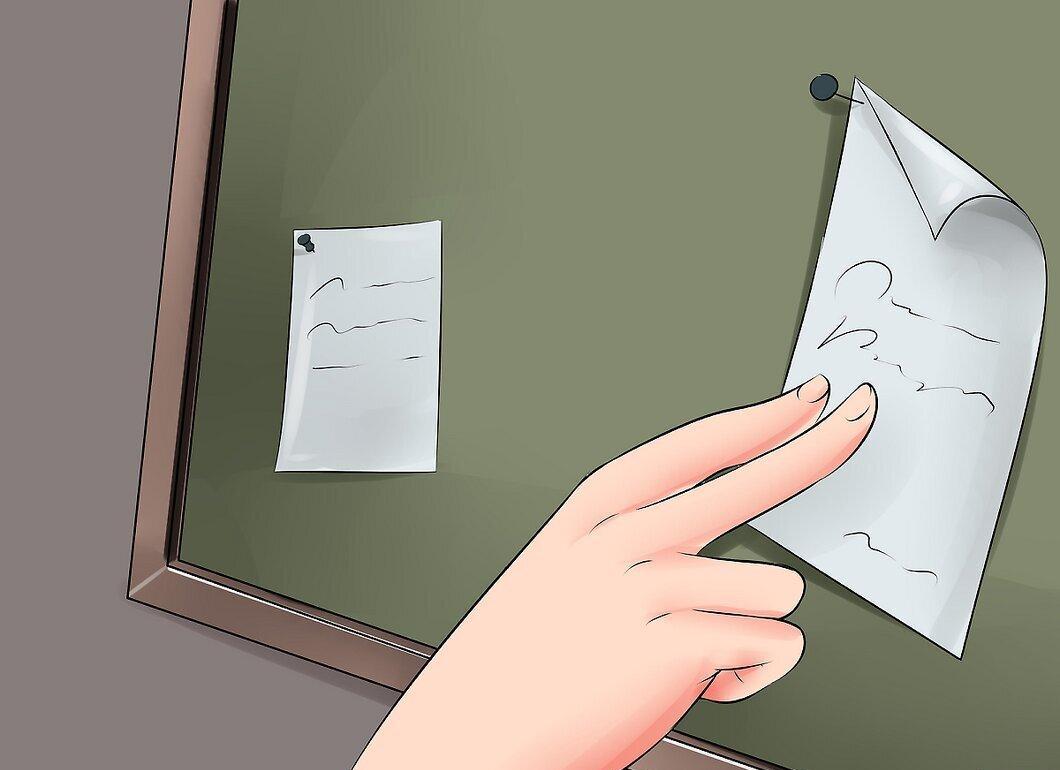
Leave helpful reminders. The art of compromise is an important skill for resolving conflicts. It’s perfectly normal if you initially revert to old habits. Leave helpful reminders at home, in the car, at the office, and even in your bag to follow the new rules. You can use lines from the Bible, quotes, and other phrases. For example:
- "Sometimes it’s better to bend a little than to break";
- "Compromise equals relationship victory";
- "Let your speech always be gracious, seasoned with salt" (Colossians 4:6).
Step 3. Find Compromises in Everyday Life.

Find compromises in everyday life. Learning the art of compromise is essential not only for the initiator of the idea but also for the follower. Learn to propose suggestions that consider both partners' interests. For example:
- Agree to engage in an activity that interests your partner, provided that next time they’ll agree to do something you enjoy. Set dates and keep promises.
- Agree to engage in an activity that interests your partner, but supplement it with your ideas to accommodate both partners' desires and views.
- Share tasks that neither partner enjoys — devise a flexible schedule for chores that can be adjusted. For example, one partner always handles kitchen cleaning unless they are sick, away, or very busy. The other partner will take on these responsibilities on special days, provided the first partner returns to the task once they’ve dealt with their issues, so the new obligation doesn’t become the norm. Such a flow of responsibilities after mutual agreement
- Agree to regularly give each other a break from household and parental duties so both partners know when they will have free time, rather than living in the hope that "someday my partner will surely notice how tired and overworked I am."