
Writing a self-evaluation can be a process that stirs up anxiety, but with the right approach, it becomes a valuable tool for achieving your career aspirations and enhancing your organization's performance. Whether you're completing a self-assessment at your manager's request or seeking personal growth, the effort you invest is worthwhile. Reflect on your achievements, support them with facts, and set new professional goals to ensure your self-evaluation is truly effective.
Analyze Your Achievements
Step 1. Set Aside Time to Work.

Schedule dedicated time to write your self-evaluation. To create a quality and meaningful document, you will need time. Don't rush through the process; otherwise, you may overlook important milestones and accomplishments, resulting in a reflection that doesn't accurately represent your career growth.
- Plan your approach in advance.
Step 2. Review Your Goals.

Clarify your objectives. Your self-evaluation should reflect your commitment to achieving both personal and organizational goals. It's vital to demonstrate that you're working in the company's best interest to illustrate your value as an employee.
- Working on your self-evaluation will allow you to see how your efforts contribute to these goals.
Step 3. Create a List of Achievements.

Itemize your accomplishments. Based on your goals, compile a list of completed tasks from the past year. Include projects you executed, teamwork contributions, and reports you prepared. Don't overlook any details, from acquiring new clients to leading projects.
- Review your work materials, such as emails and reports, to recall examples of your work and achievements.
- Connect your achievements to your goals. For example, if your goal was to increase sales, mention that you "initiated sales" rather than just "made cold calls."
Step 4. Focus on Your Contributions.

Concentrate on yourself. Your self-evaluation should pertain only to your successes, not the entire team. Specify how you contributed to team objectives and highlight your strengths.
Step 5. Acknowledge Your Challenges.
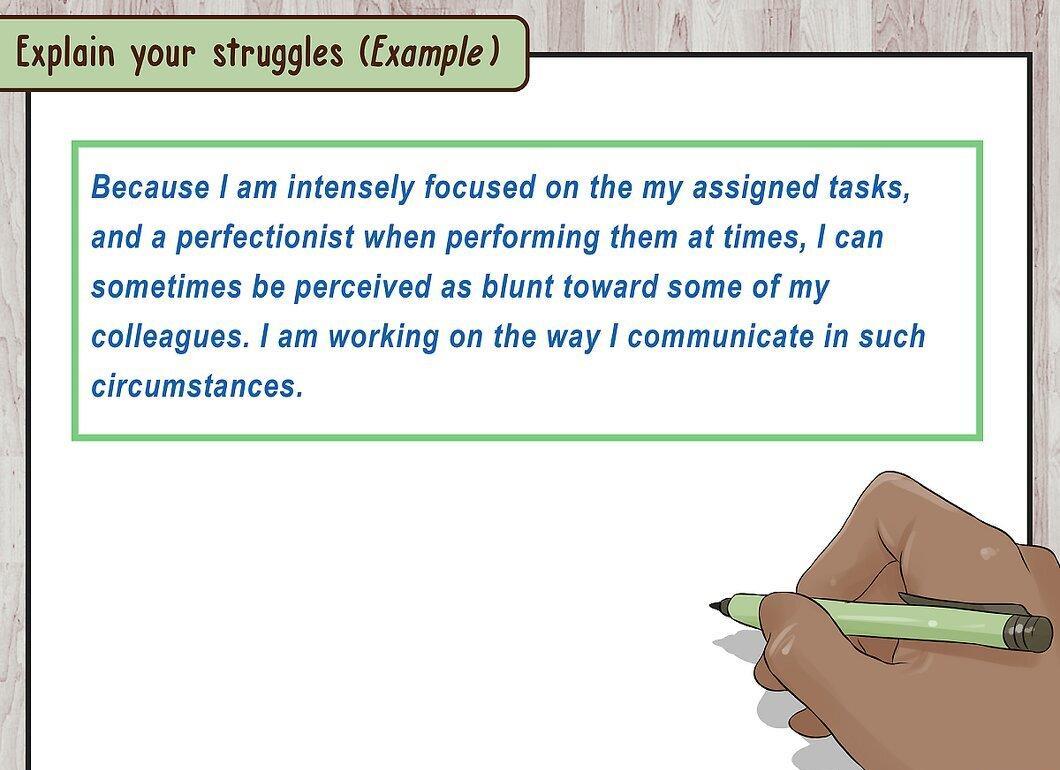
Identify the challenges you faced. Everyone has weaknesses, and it's essential to honestly acknowledge them to work on improvement. Analyze the difficulties you encountered to set new goals and identify growth opportunities.
- Recall instances when you struggled to complete a task, needed help, or doubted your decisions.
- Support your statements with specific examples to demonstrate the need for further development.
- If it's hard to identify shortcomings, consult a colleague, mentor, or supervisor.
Step 6. Describe Your Development Actions.
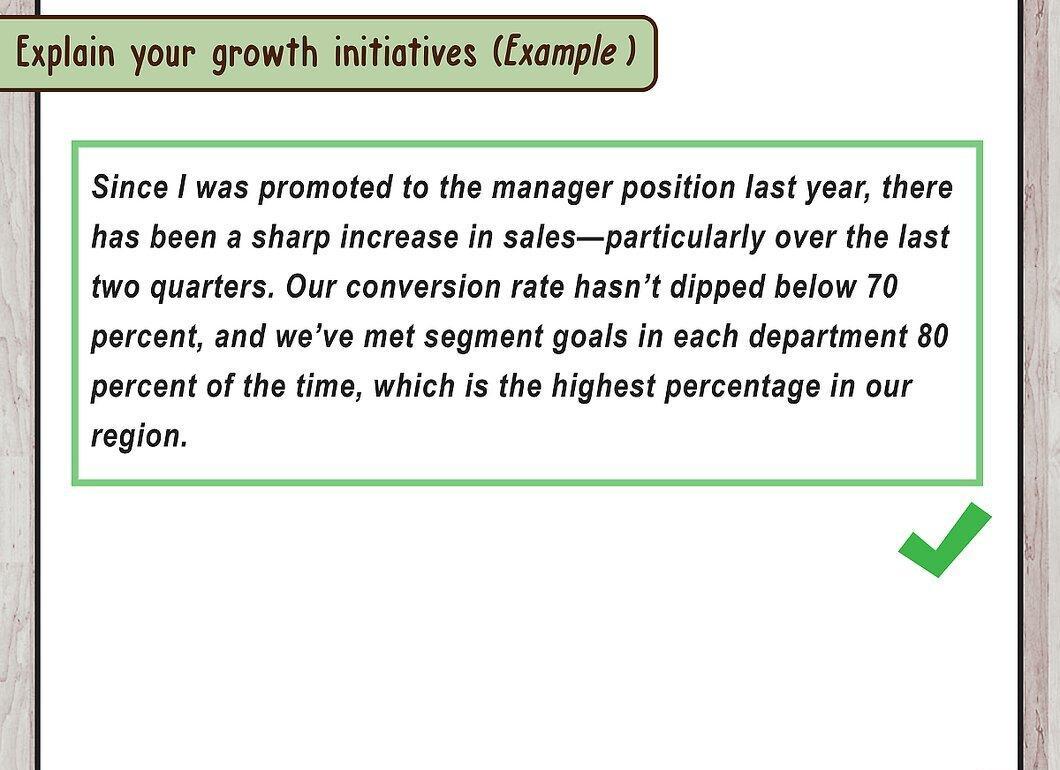
Detail the steps you took for professional growth. List the actions you've undertaken over the past year for development and connect them to your goals. Show how you successfully overcame challenges and worked on yourself to become a valuable employee.
- Specify which tasks were completed outside of work hours and which were part of work projects.
Step 7. Gather Feedback.
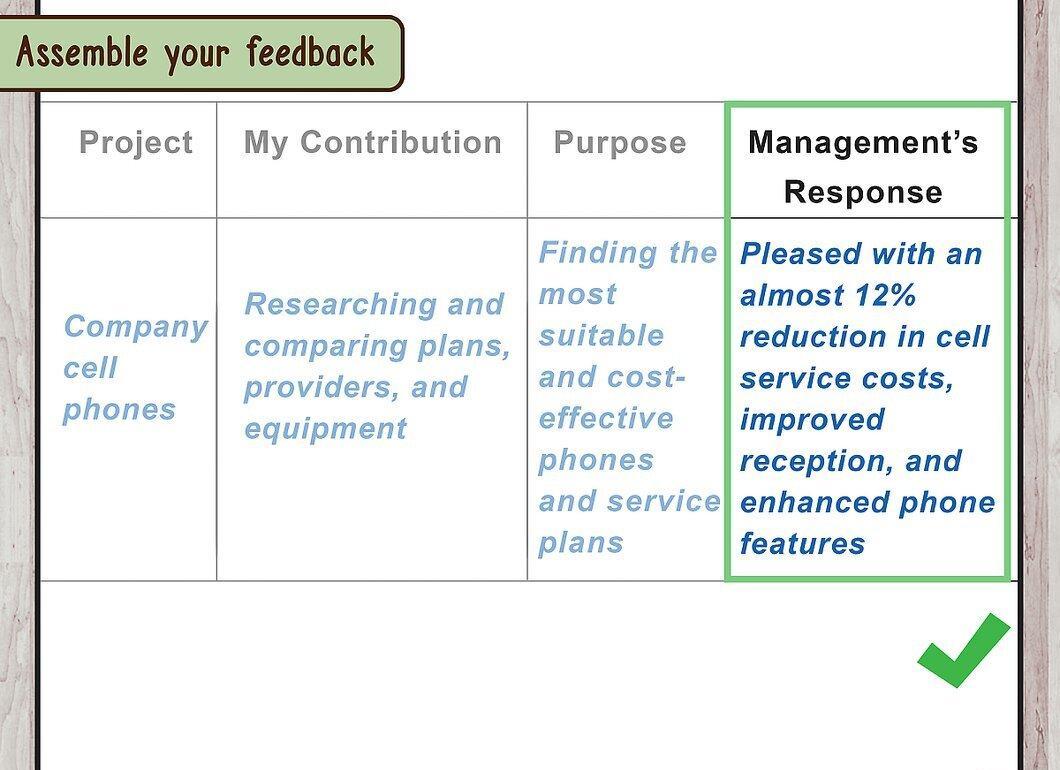
Collect feedback. Reviews of your work over the past year can validate your achievements and highlight areas for further improvement. If possible, include opinions from managers, colleagues, and clients.
Step 8. Highlight Your Uniqueness.

Showcase your unique qualities. Demonstrate to the company your strengths that you are ready to apply at work. For instance, if you have multiple degrees or speak foreign languages, be sure to mention these in your self-evaluation.
- How do you differ from other employees? What contributions do you make beyond fulfilling your duties? Your assessment should emphasize your effectiveness and unique contribution to the organization.
Support Your Statements with Facts
Step 1. Provide Evidence of Your Achievements.
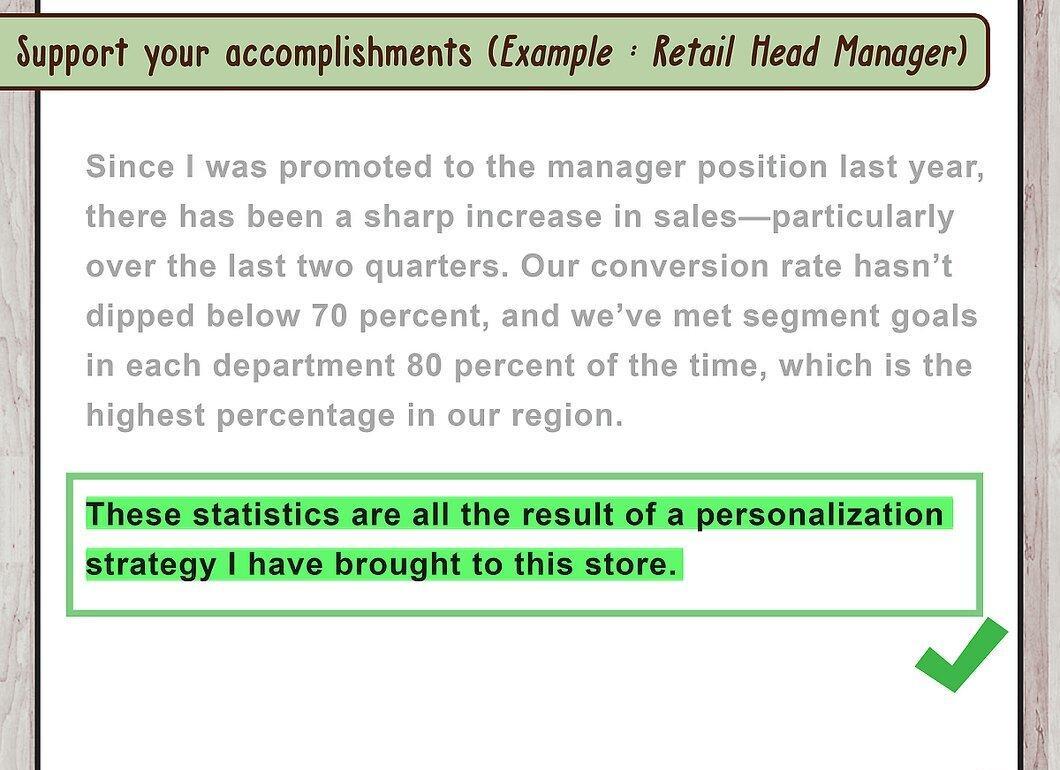
Present proof of your achievements. Review your completed tasks and create a brief description of the responsibilities that formed the basis of your successes. Use active verbs to describe your work.
- Active verbs will help show what you specifically accomplished within certain timeframes. For example, you could say you "conducted research" or "trained a new employee."
- Be honest. Avoid embellishing your achievements; it's important that the information is accurate.
Step 2. Provide Quantitative Results.
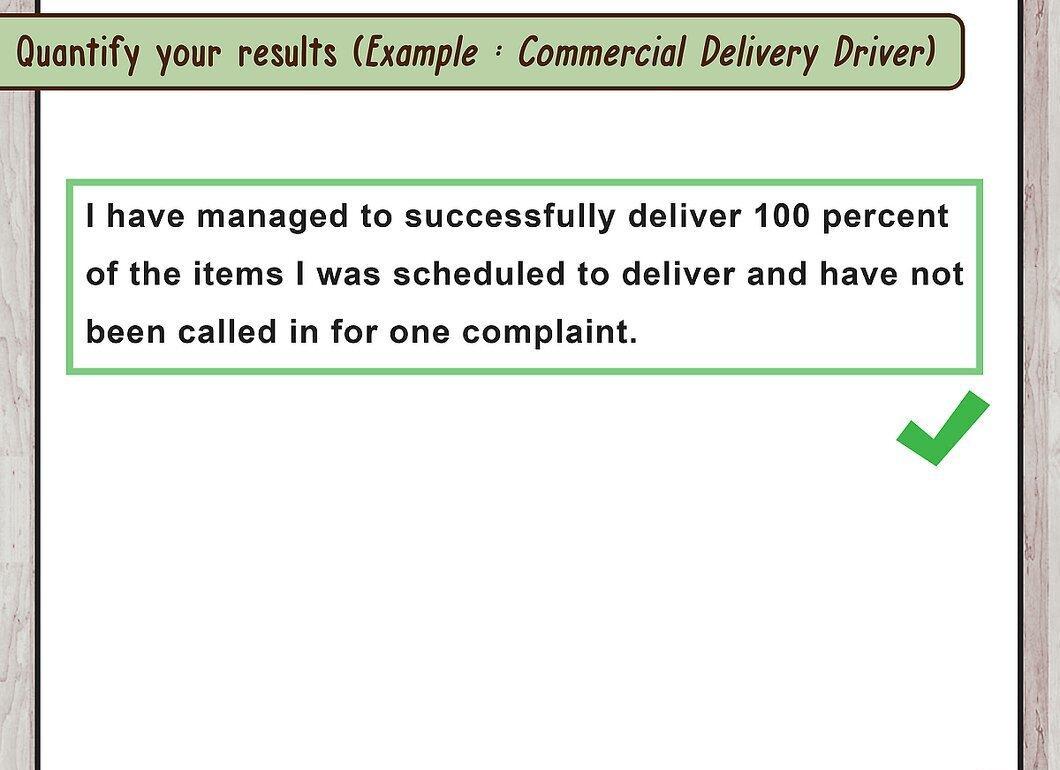
Demonstrate the results of your work with quantitative data. Use statistics, percentages, or absolute numbers to support your achievements. For example: "I increased the number of clients by 20%" or "Reduced the number of issues by 15%."
Step 3. Provide Qualitative Data.
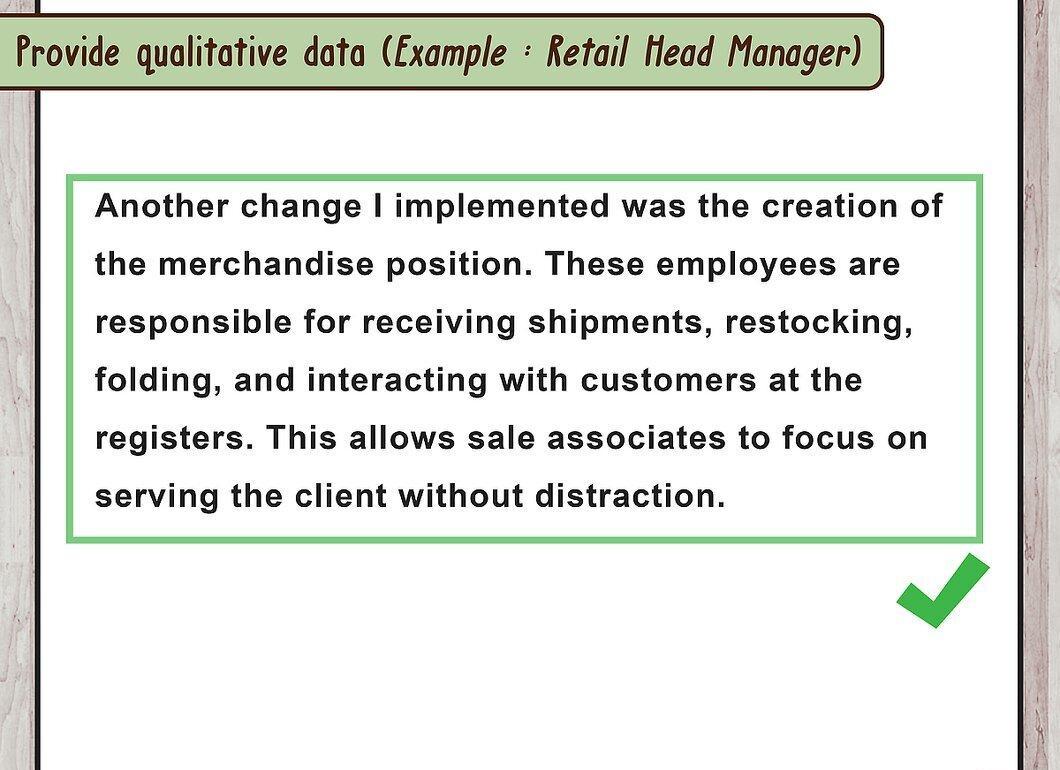
Provide qualitative examples to back up your achievements, especially when precise numbers are unavailable. Qualitative examples will show that you acted proactively, even if the results are not quantifiable.
- Qualitative examples can serve as strong evidence, especially if the steps you took are crucial regardless of their scale.
Step 4. Attach Testimonials.
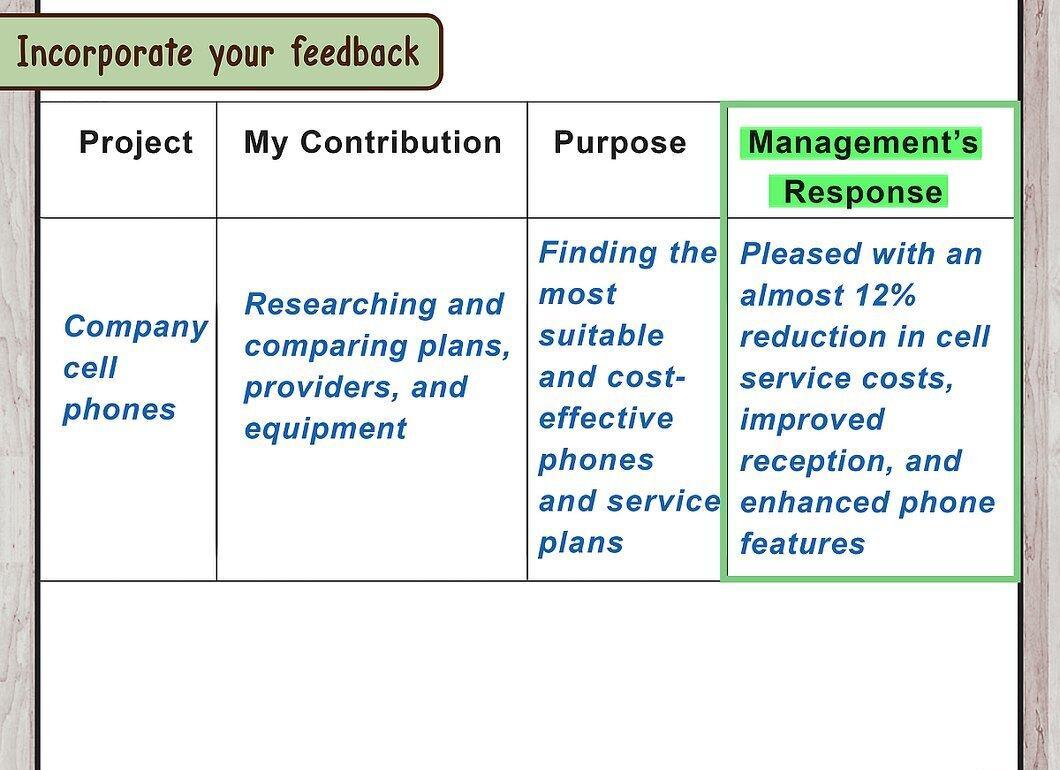
Include testimonials that highlight your achievements. Only use feedback that clearly supports your successes to make your self-evaluation truthful and beneficial.
Set New Professional Goals
Step 1. Review Your Results.

Analyze your results. Read through your self-evaluation and note how well you met your previous goals. Identify aspects that need improvement.
Step 2. Set New Goals.
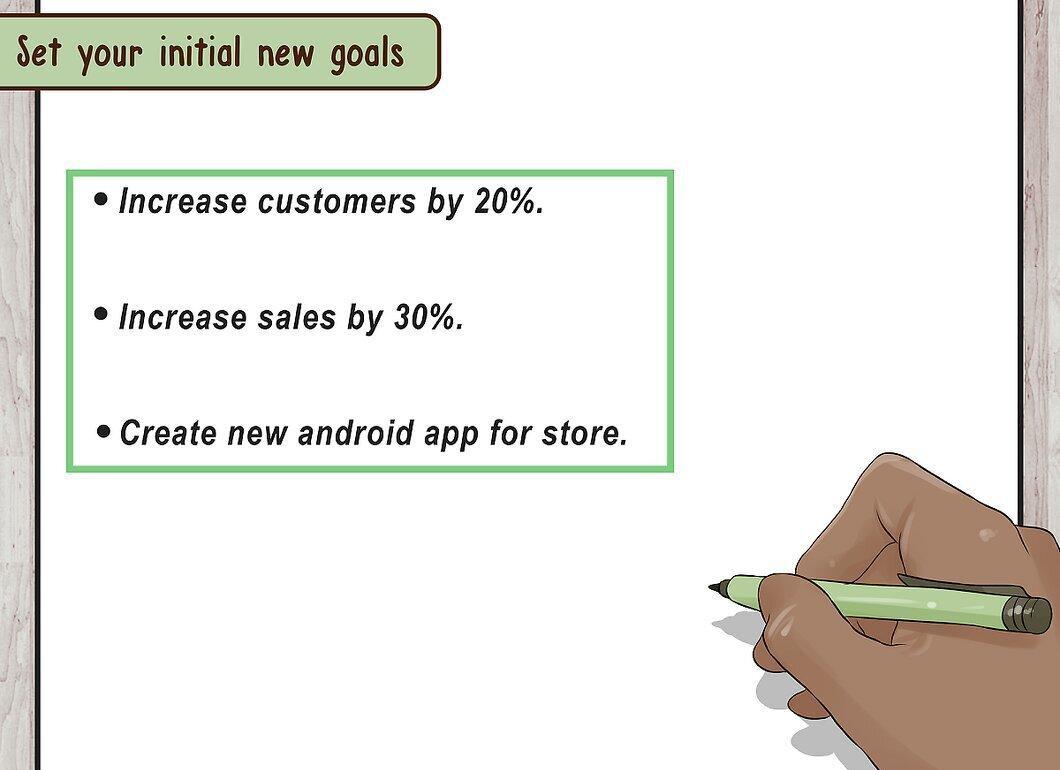
Formulate new goals. Based on the identified shortcomings, set two new professional goals for the upcoming year, keeping in mind ongoing work on the company's overall objectives.
- When setting goals, consider their attainability and your readiness to take action for professional growth.
Step 3. Discuss Your Self-Evaluation Text.

Arrange a meeting with your manager to discuss your self-evaluation. Be prepared to explain how you arrived at the information provided and what new goals you are setting.
Step 4. Seek Your Manager's Opinion.

After discussing your self-evaluation, ask your manager for feedback on your strengths and weaknesses. Allow them to suggest adjustments to your new goals.
Step 5. Propose Initiatives for Growth.

Discuss your previous weaknesses with your manager and suggest ideas for professional growth for the next year. Be open to suggestions and strive to accept constructive criticism.
Step 6. Finalize Your New Goals.
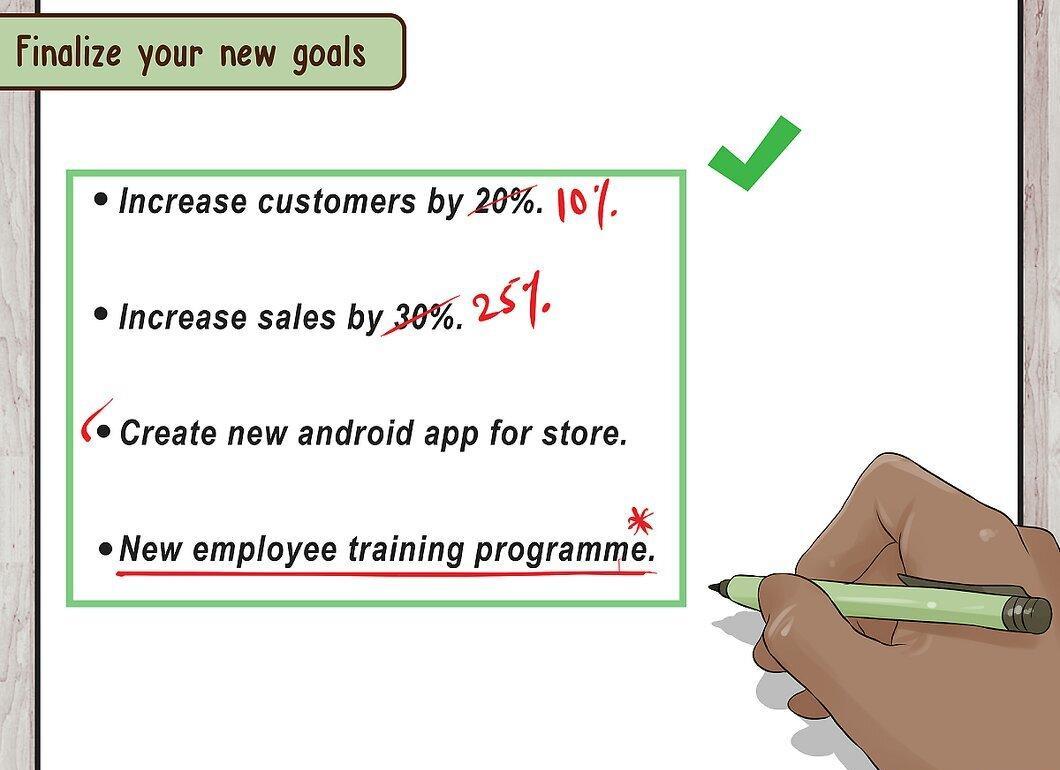
Based on the discussion with your manager, summarize and finalize your new goals, making any necessary changes to your self-evaluation text.
- Keep a copy of the document for future reference.