As the owner or manager, you are the first and last face guests see at your restaurant. That's why staying 'in the game' is essential. Keeping the restaurant tidy, ensuring all guests are satisfied, and monitoring what's happening at every table are just a few ways to keep patrons and the boss happy.
Part 1
Step 1: Keep an Eye on Every Table.
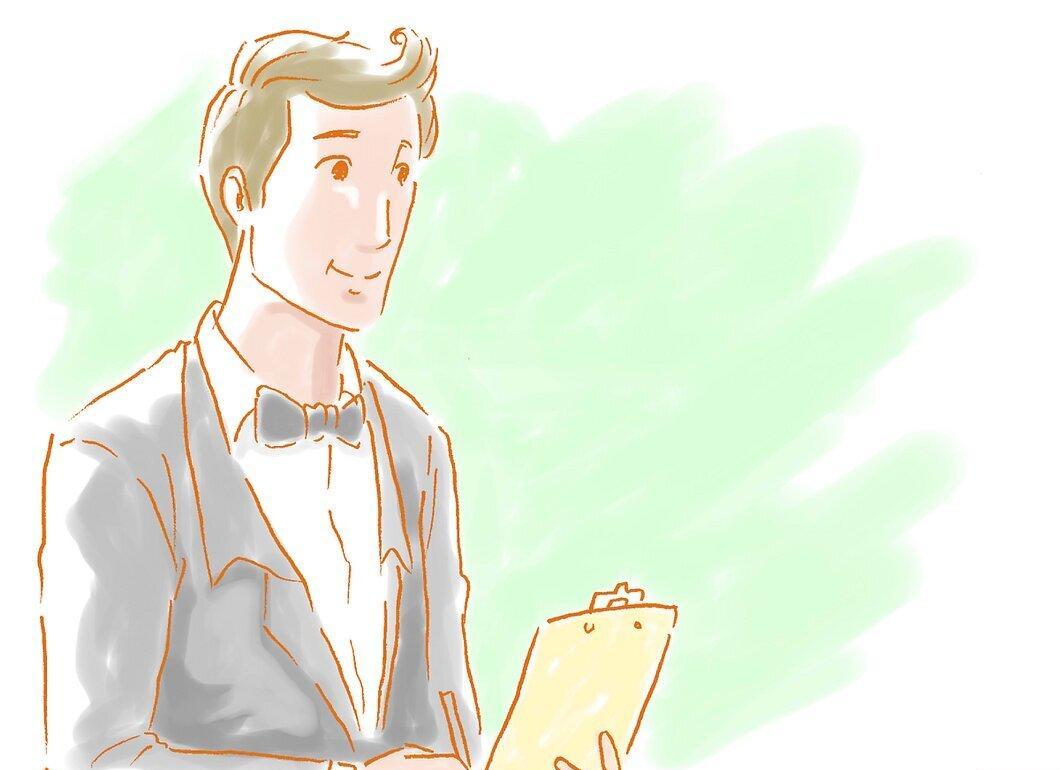
Keep an eye on every table. Create a seating chart and memorize the layout. Review all reservations for your shift and determine the setup for each table. Know how many people are in each group, when they will arrive, and which table they will be seated at. Also, take note of who will be there to avoid overwhelming the staff.
Step 2: Be Aware of Guest Arrivals.
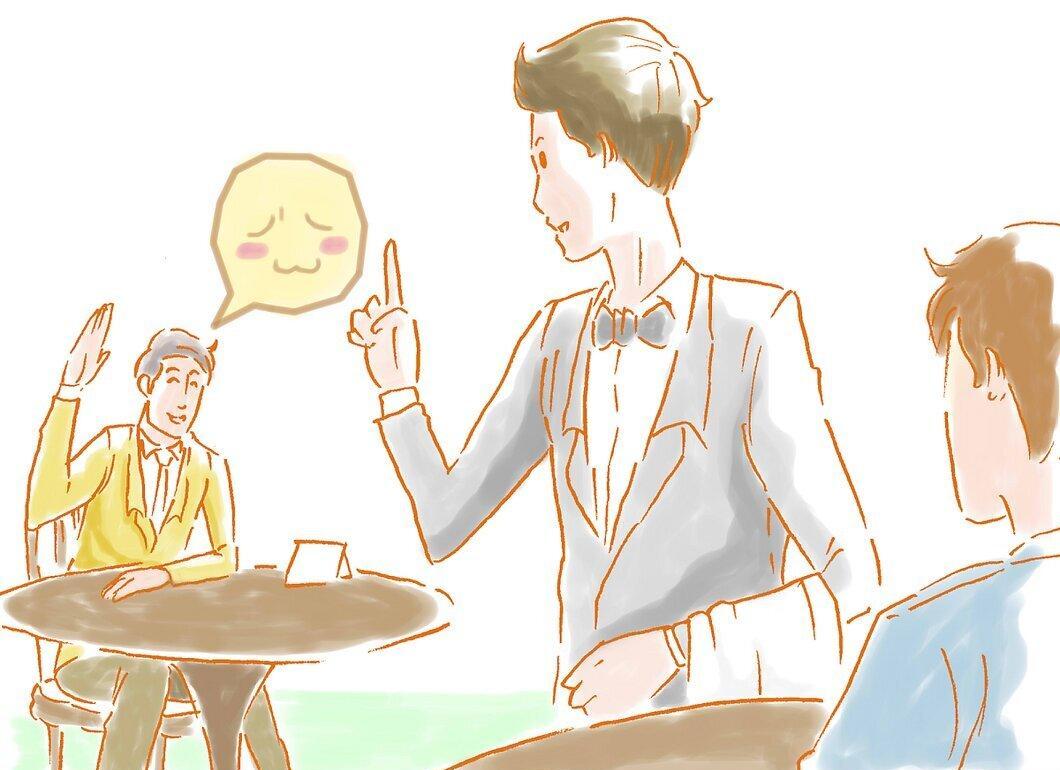
Be aware of when guests are approaching the restaurant. If you are busy with other guests, acknowledge the newcomers by saying, "I'll be with you shortly," making eye contact, or simply waving.
Step 3: Greet Them with a Smile and Invite Them In.
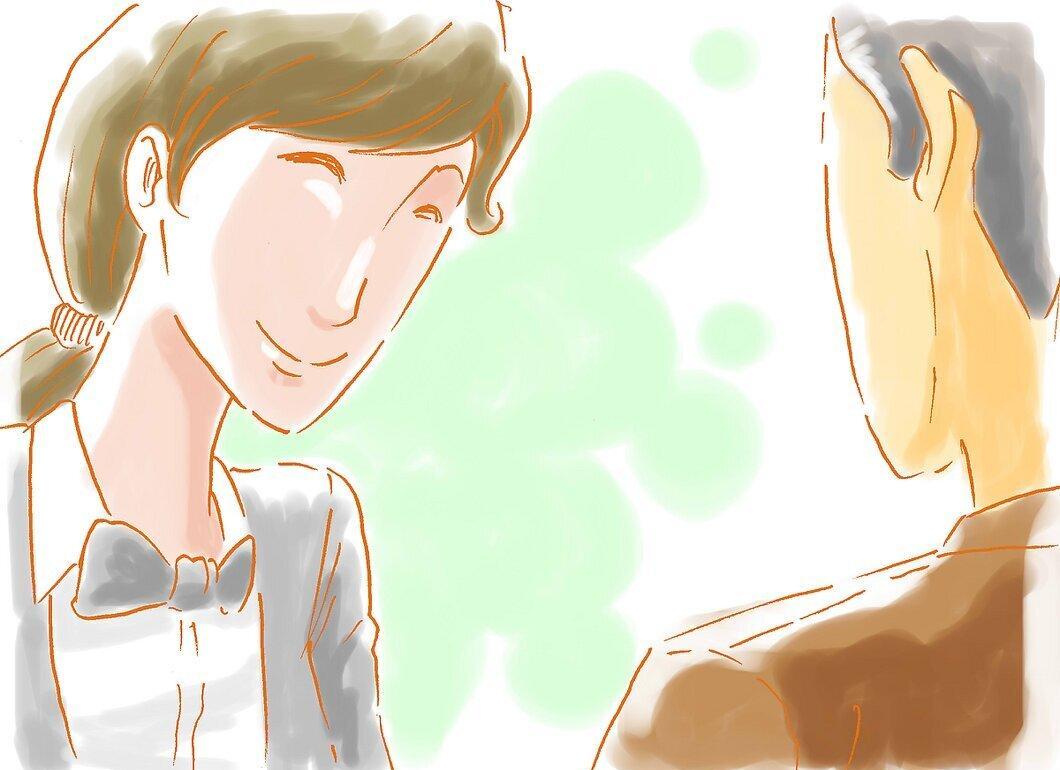
Greet them with a smile and invite them inside. Remember, the first and last chance to leave a good impression is to make guests feel comfortable.
Step 4: Find Out How Many Will Be Dining.
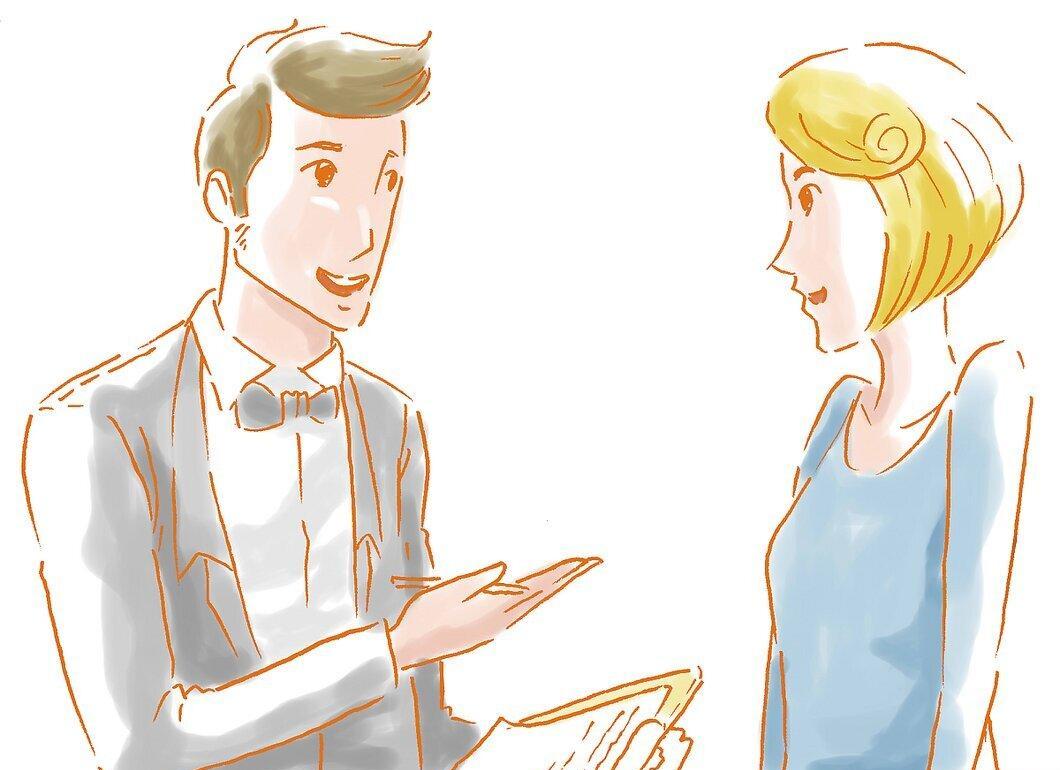
Find out how many will be dining. If there’s a slight delay, ensure you learn the names of each guest correctly so they don’t feel overlooked. Typically, guests will ask for a bit of time. Never try to give them an exact wait time; provide an 'estimated' time instead. Review the waitlist and add 5 minutes for each similarly sized group. If there are 6 groups of two on the list, the wait time for each group will be around 30 minutes. Guests are usually impatient and may look for another place to dine.
Step 5: After Greeting Guests, Locate the Largest Member of the Group and Seat Accordingly.
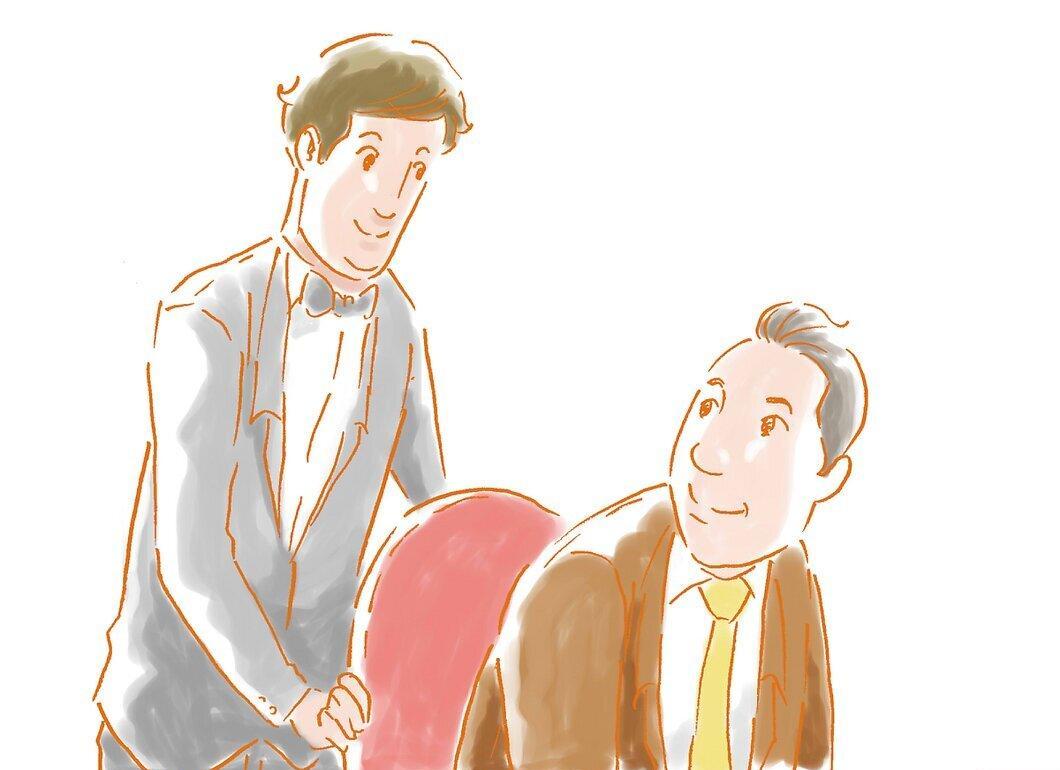
After greeting guests, locate the largest member of the group and seat them accordingly. Don't place them in a cramped space! Also, any guest with mobility issues should sit as close to the manager's area as possible.
Step 6: Once You’ve Decided Where to Seat Them, Turn the Tables.

Once you’ve decided where to seat them, turn the tables. Distribute tables evenly among the staff. But also consider how many large groups there will be or already are. Try not to seat two large parties next to each other unless necessary.
Step 7: When Guests Are Seated, Place Menus at Each Spot or Hand Them Out.
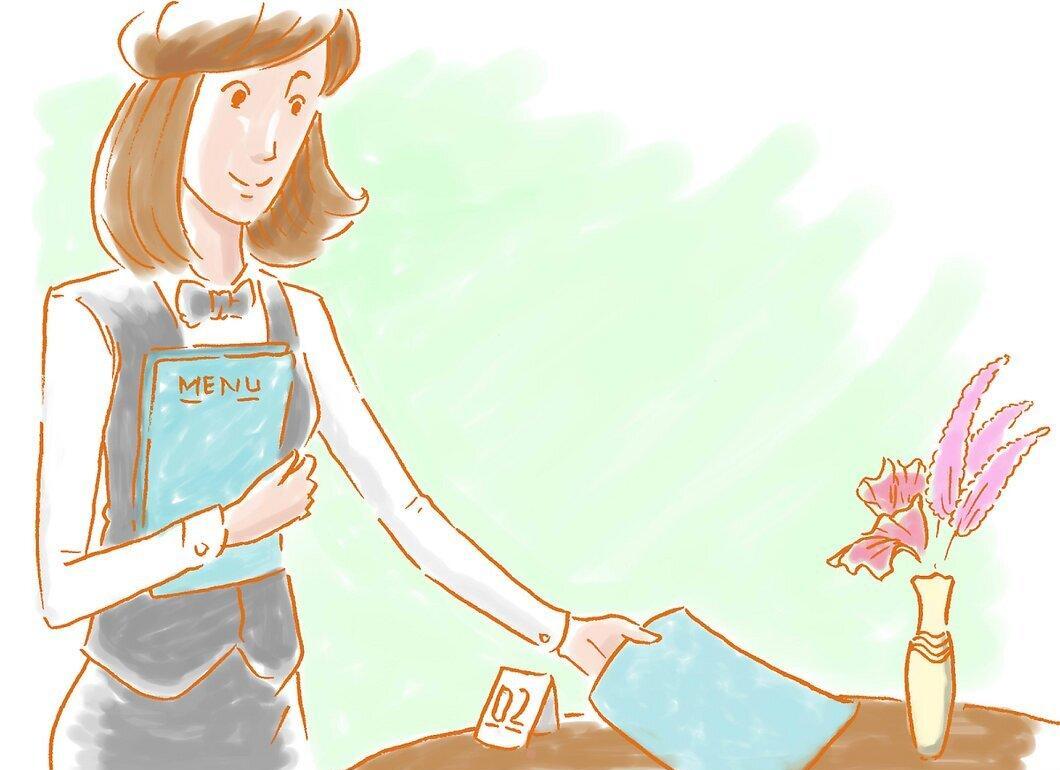
When guests are seated, place menus at each spot or hand them to the guests. Don’t just drop the menus on the table and walk away without saying a word.
Step 8: Be Prepared with Supplies!
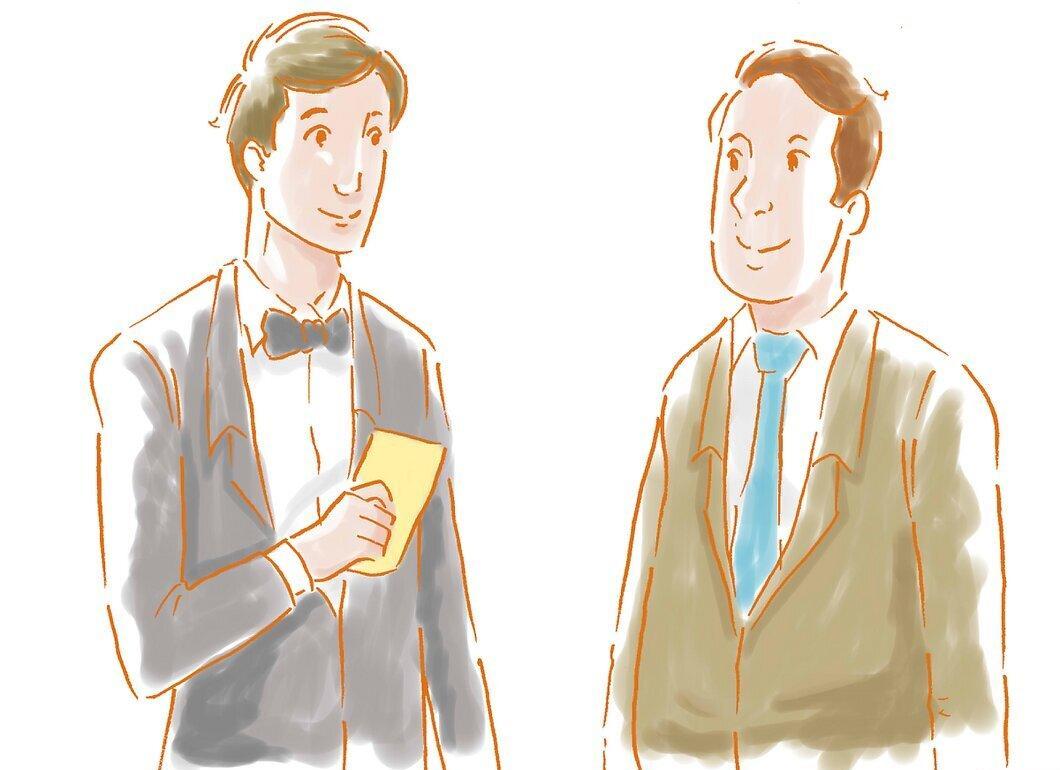
Be prepared with supplies! If you don’t have the necessary forms, markers, etc., ask the manager for what you need. (This should be done before lunch or dinner).
Step 9: Ensure Every Guest Has the Necessary Utensils and That the Table Is Clean.
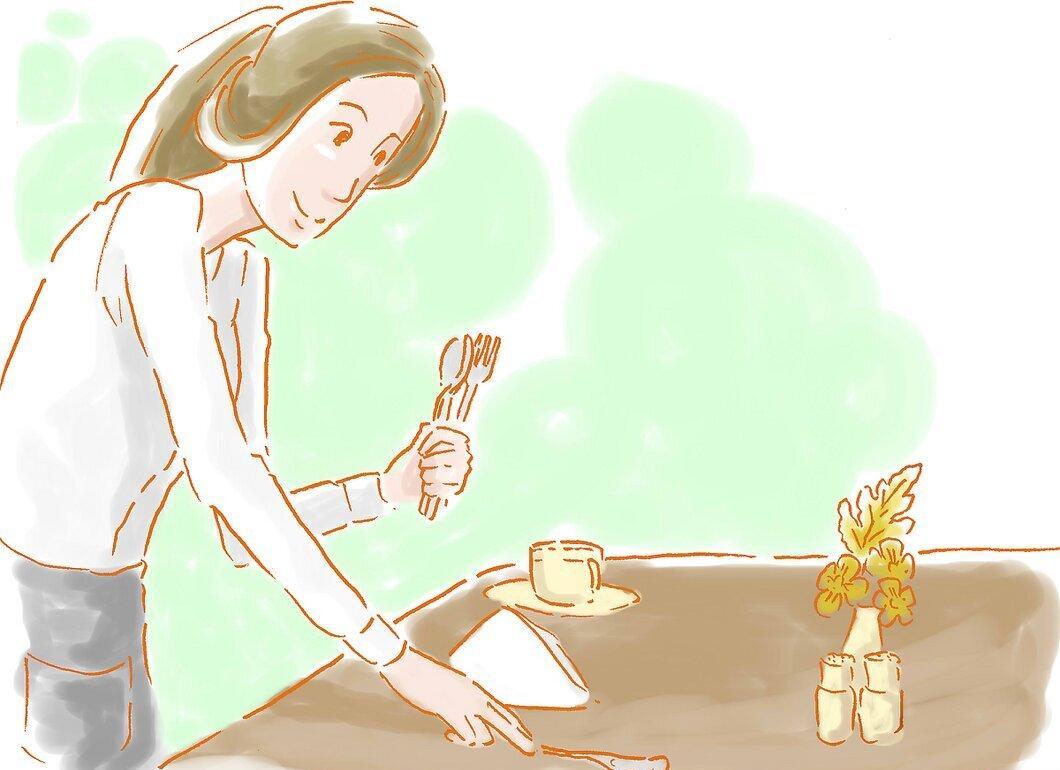
Ensure every guest has the necessary utensils and that the table is clean. If not, quickly find napkins/utensils or wipe the table with a damp cloth. As a last resort, seat guests elsewhere and make sure the mess is cleaned up.
Step 10: Be Ready to Bring Things to Guests:
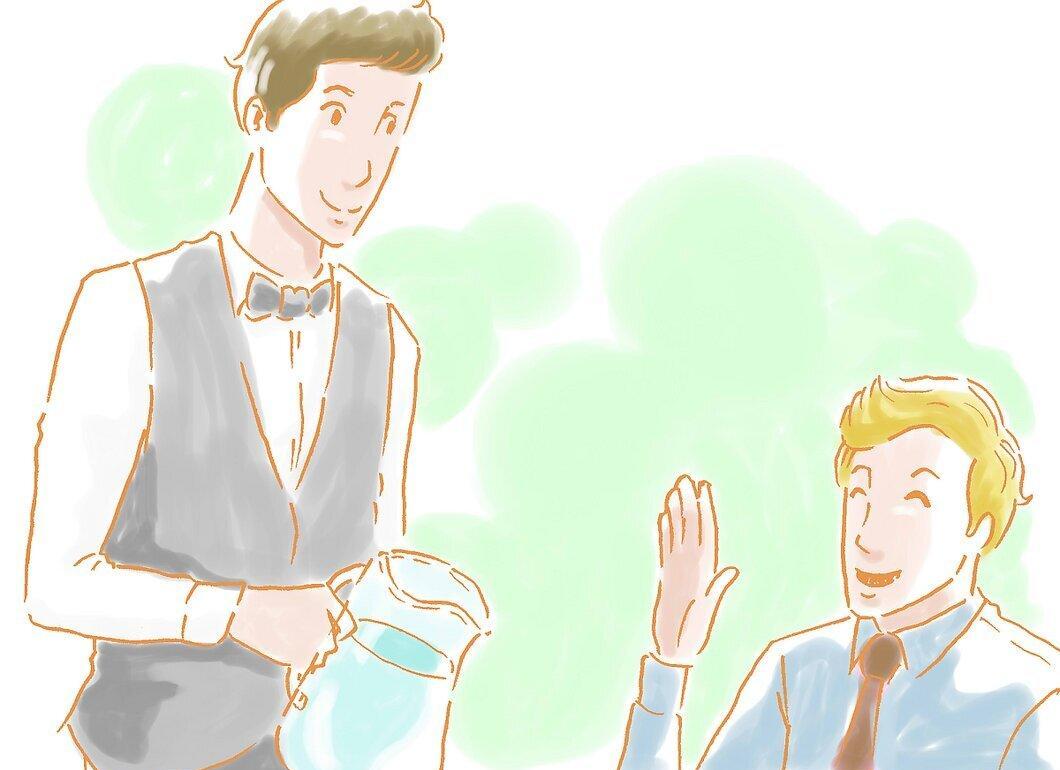
Be ready to bring items to guests: water, napkins, dishes, or takeout containers. If a guest requests something else, let them know you’ll inform the staff.
Step 11: Walk Around the Dining Area!
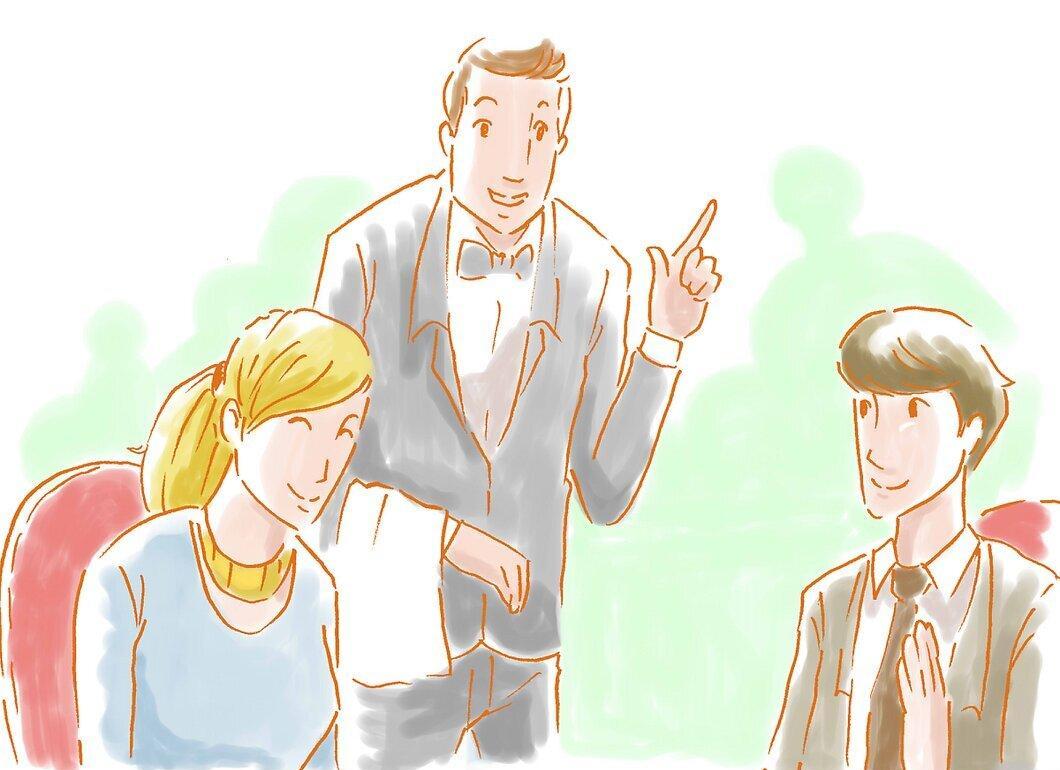
Walk around the dining area! The only way to know when a table will be free is to check on which tables have desserts, who has paid the bill, etc. If you need tables, inform the staff so they can expedite orders as necessary. You’re all on the same team.
Step 12: Help Clean and Set Tables if Needed.
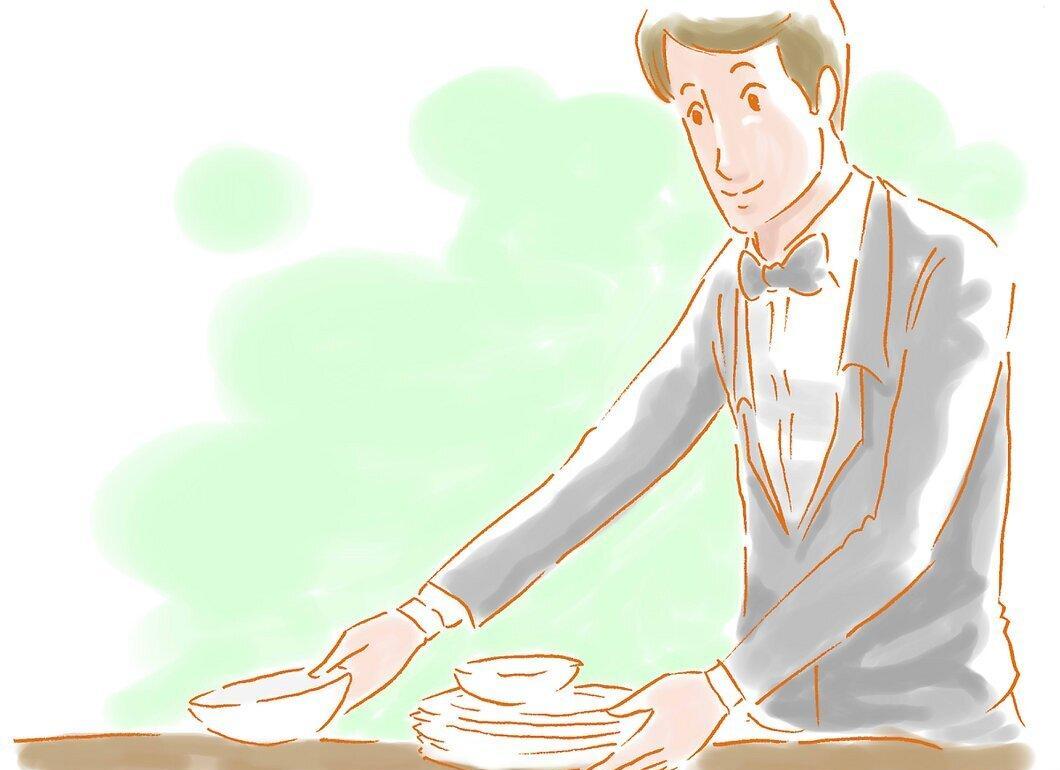
Help clean and set tables if needed. If there are customers waiting for tables, the more hands for assistance, the better.