
Starting an interview is a crucial moment that sets the tone for the entire conversation. If you prepare in advance and can help the candidate relax, your interview will be successful, allowing you to choose the most suitable person for the job.
Preparing for the Interview
Step 1. Define Candidate Requirements.

Before you begin the interview, determine exactly what you're looking for in a candidate. You likely already have a list of essential qualities, but don't forget to consider your company's additional needs. For instance, you may need someone with excellent communication skills or a strong attention to detail. Understanding what you want will help guide the conversation.
Step 2. Prepare Your Questions.
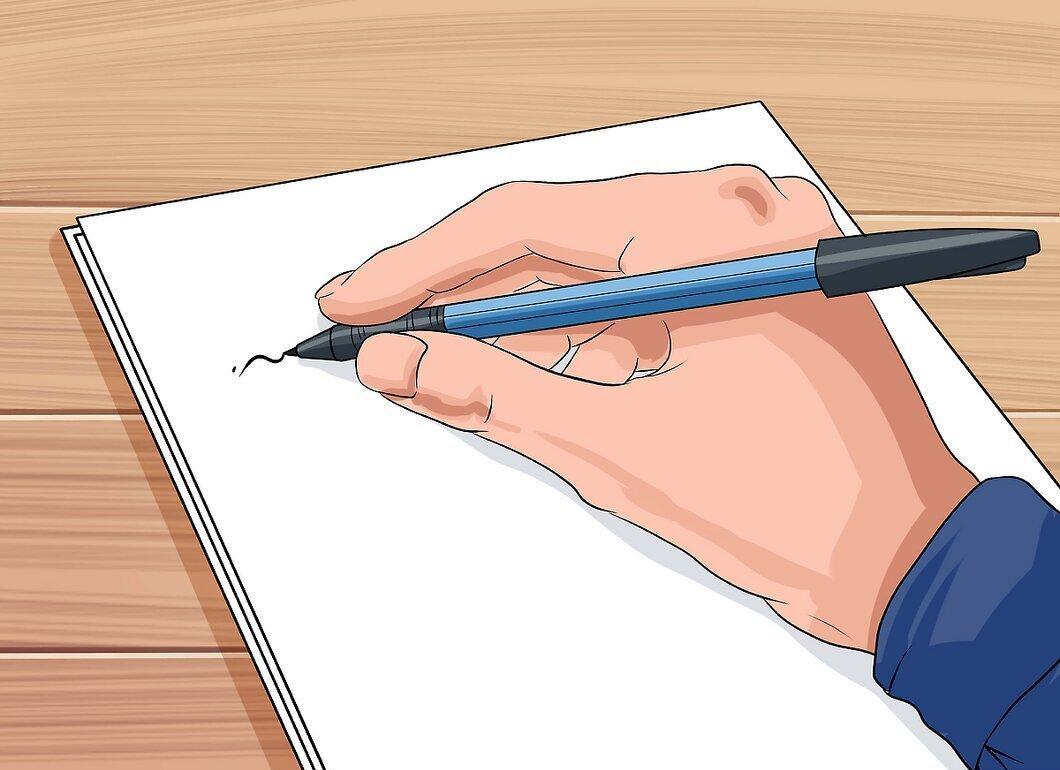
Formulate your questions based on the established requirements. You will need at least two questions for each criterion, and for the most critical areas, around seven to eight. Avoid overly general questions that might confuse the interviewee. Your goal is to ask questions in a way that the candidate understands what you expect from them. Have backup questions ready in case the primary ones pose difficulties for the candidate.
- Ideally, have one or two questions for each criterion to assess the candidate's skills, as well as at least one question to gauge their ability to handle challenges (more complex questions).
- Your questions should be open-ended and flexible. Each question should be accompanied by several follow-up questions that you can ask based on the candidate's response. Here are some tips for preparing questions: avoid questions that can be answered with a simple yes or no; aim to ask in a way that allows the candidate to express their thoughts; ask one question at a time to avoid confusing the interviewee.
Step 3. Review the Candidate's Resume.

Make sure to carefully review each resume before the interview. Pay attention to the candidate's strengths and weaknesses, and look for additional information about the person online.
- This will provide you with an overview of the candidate even before they arrive, allowing you to ask more targeted questions and ensure a smooth conversation for both of you.
Step 4. Dress Appropriately.

Your appearance matters. As a representative of the company, it's important to look professional. The candidate will form an opinion about your firm based on how you present yourself. Choose business attire that aligns with the corporate culture.
Create a Comfortable Atmosphere for the Candidate
Step 1. Be Polite and Friendly.

Show your warmth and sincerity. An open demeanor will demonstrate respect for the interviewee. Smile and try to help the candidates relax from the very start. If you emphasize that you want to learn more about them, it will increase the likelihood of receiving valuable information.
- For example, start by expressing your pleasure in seeing them, smiling and shaking their hand.
Step 2. Find Common Interests.
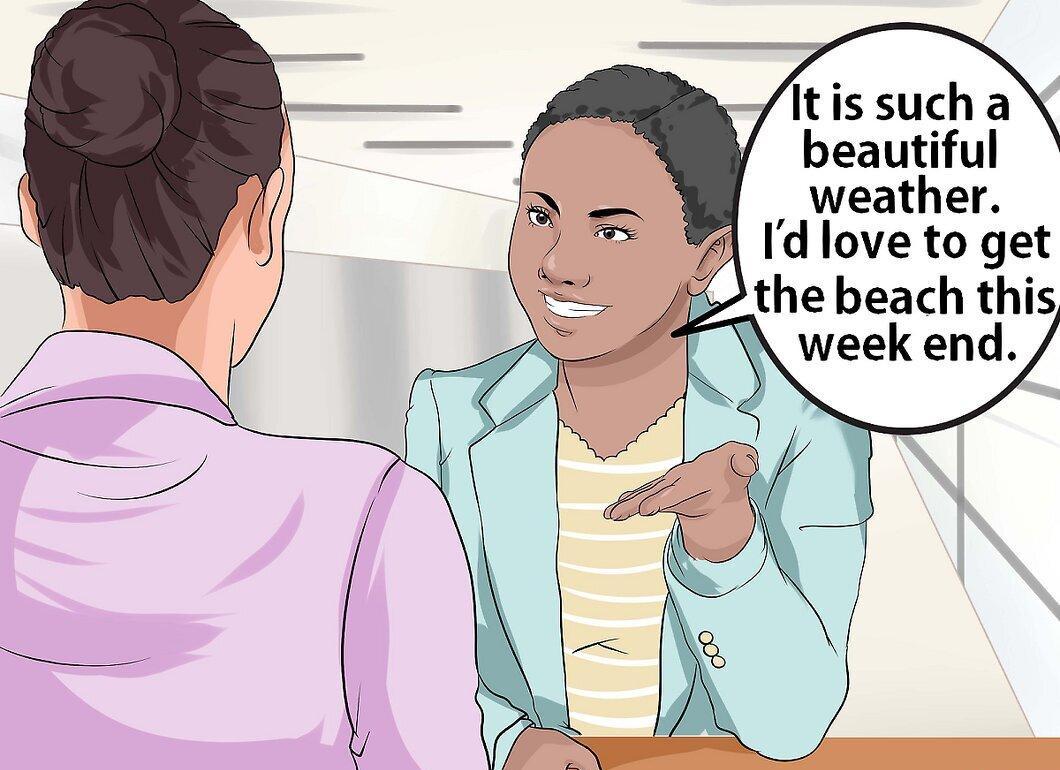
Engage in conversation about topics that may connect you. Since you’ve already researched the candidate, this will make it easier for you. For instance, if you both enjoy the beach, casually bring up the topic.
- You don't need to reveal that you know about them. You could say something like, "What lovely weather! I'd love to spend the weekend at the beach."
- Don't hesitate to engage in small talk. Take some time to ask how their day has been or joke about the hot weather.
Step 3. Explain Why You Invited Them.
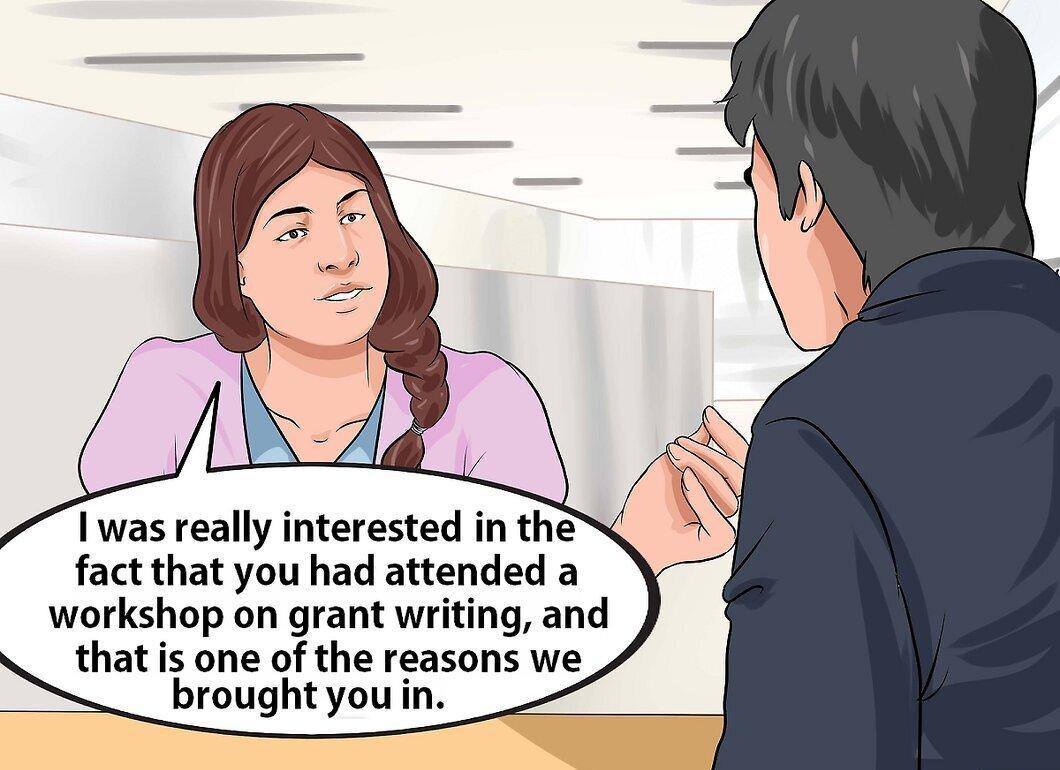
Let the candidate know why they are being interviewed. Start the conversation by explaining your interest in their application.
- For example, you might say, "I was intrigued by your participation in the grant report writing seminar, and that's one of the reasons we invited you." Add a compliment if it's appropriate.
Step 4. Briefly Introduce the Company.

Provide the candidate with basic information about the company and the position being offered. Mention the responsibilities, working hours, and salary range if permissible. Don't overload the candidate with information, but take a few minutes to give them a general overview of your company.
Transition to Questions
Step 1. Start with a Simple Question.
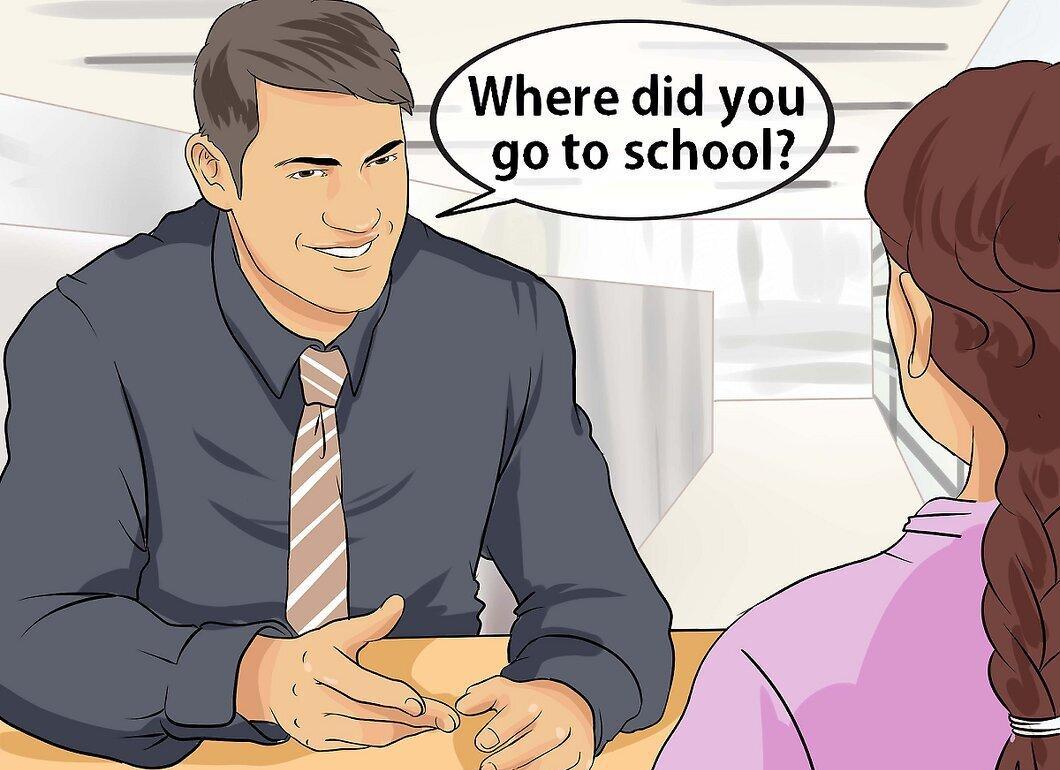
Begin with an easy question, such as: "Where did you study?" This will help break the ice and ease the tension.
- You could also ask how the candidate found their way to you: "Was it easy to find our office?" or "Have you been here before?"
Step 2. Ask the Candidate to Tell About Themselves.

Invite the candidate to share about themselves. This is one of the most common questions that allows the candidate to highlight their skills and experience. You will be able to assess how clearly and concisely they can convey information.
- You can phrase this question in various ways: "Tell me about yourself," "Why did you decide to apply for this position?" or "What do you think makes you the ideal candidate for this job?"
Step 3. Listen Carefully.
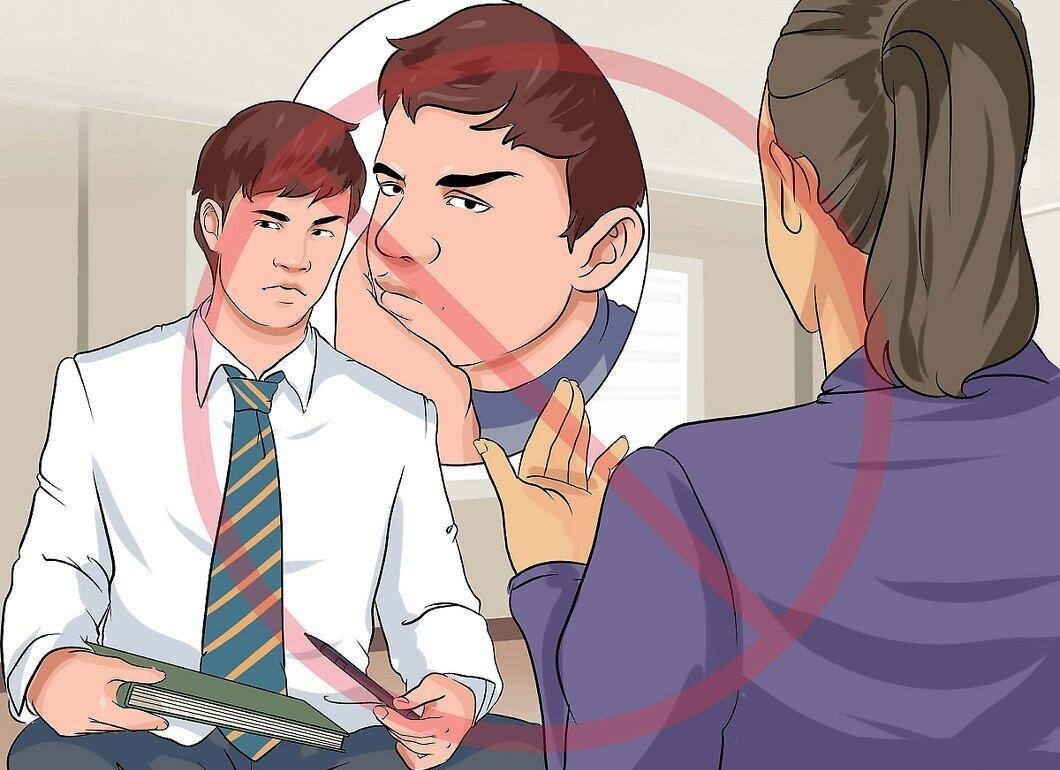
Listen attentively to the candidate. If they feel you're not paying attention, it may cause them to become anxious or confused. Be sure to give them the chance to think through their answer and add details.
- For instance, if the candidate mentions their experience in the arts, ask how that might benefit the job.
- Maintain eye contact while they speak. You can take notes, but try not to get too distracted by them.
Step 4. Relate Your Questions to the Candidate's Answers.
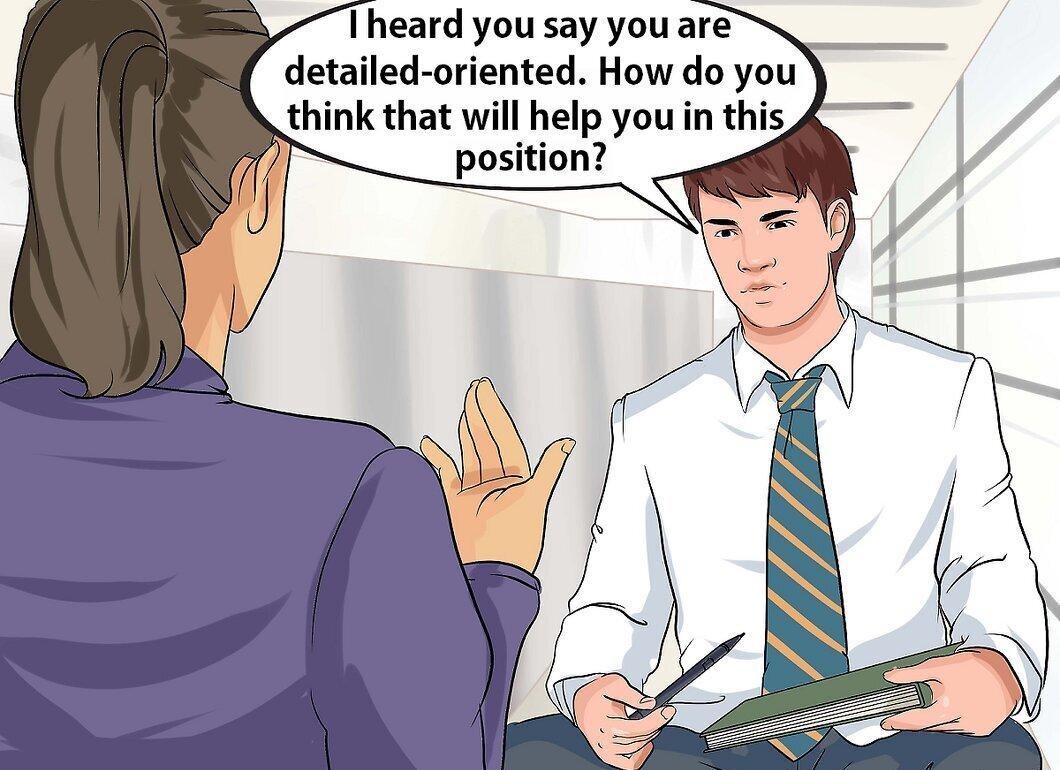
Feel free to adjust your strategy based on the candidate's responses. If they have already shared their experience working in several places, you can skip questions related to that topic.
- For example, if the candidate states that they pay attention to detail, and you had planned to ask about their skills, you can rephrase the question: "You mentioned that you focus on details. How do you think that will help you in this role?"