In life, there are many situations where you might be subjected to a polygraph test. Such experiences often cause significant anxiety, even when we have nothing to conceal. Essentially, a polygraph test is a form of interrogation that can be quite stressful. Innocent individuals sometimes lose their composure and fail the test, leading to unwanted consequences. However, it is entirely possible to pass a polygraph test successfully. In this article, we will share tips to help you stay calm during the interrogation.
Preparing for the Test
Step 1. Understand how polygraphs work.

Try to grasp how a polygraph functions. If your career or legal matters depend on the test results, it's worth doing everything necessary to pass it successfully. Start by researching the principles behind this device. Keep in mind that polygraphs do not always provide accurate results.
Step 2. Anticipate the questions investigators may ask.

Analyze what questions the investigator might be interested in. Generally, a polygraph helps determine whether you are involved in criminal activities or using drugs. Find out the topics of concern for the person conducting the interrogation.
Step 3. Practice before the test.

Conduct training before the testing. If you follow the instructions in this article (and do it correctly!), you will succeed!
Step 4. Treat the test like an important job interview.
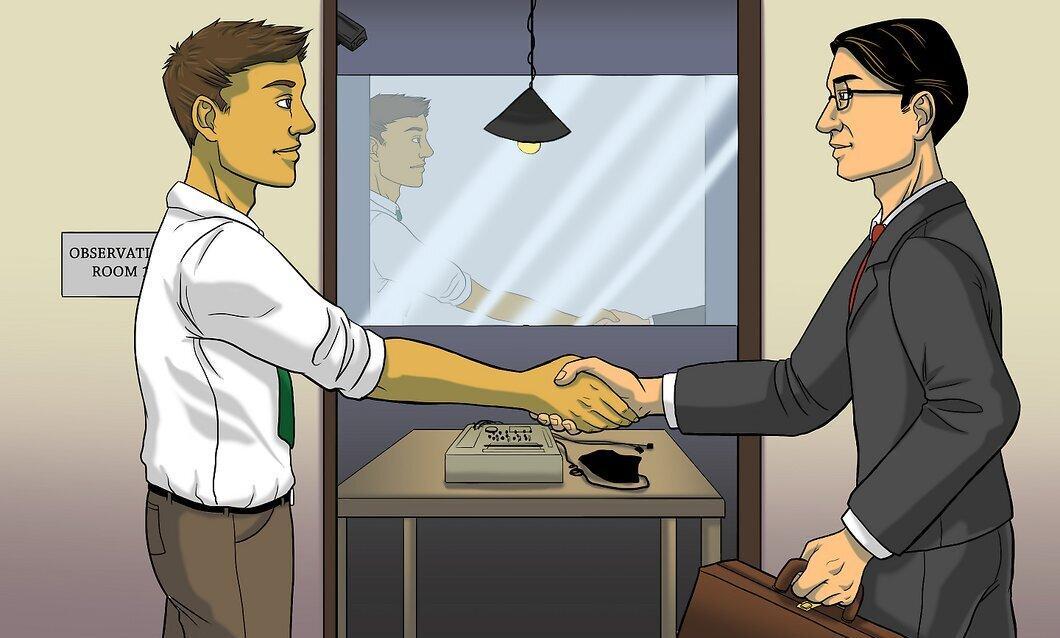
Prepare for the polygraph test as if you are going to a crucial job interview. Dress modestly and professionally to make a good impression. Don’t be late and avoid postponing the test to another day.
- Remember that your behavior may be monitored from the moment you arrive. There could be cameras in the room, and hidden cameras may be in the hallway or bathroom. Even behind the mirror in the interrogation room, there might be a camera. The testing starts as soon as you enter the room and ends only when you leave.
Stay Alert
Step 1. Remember that the investigator is not your friend.
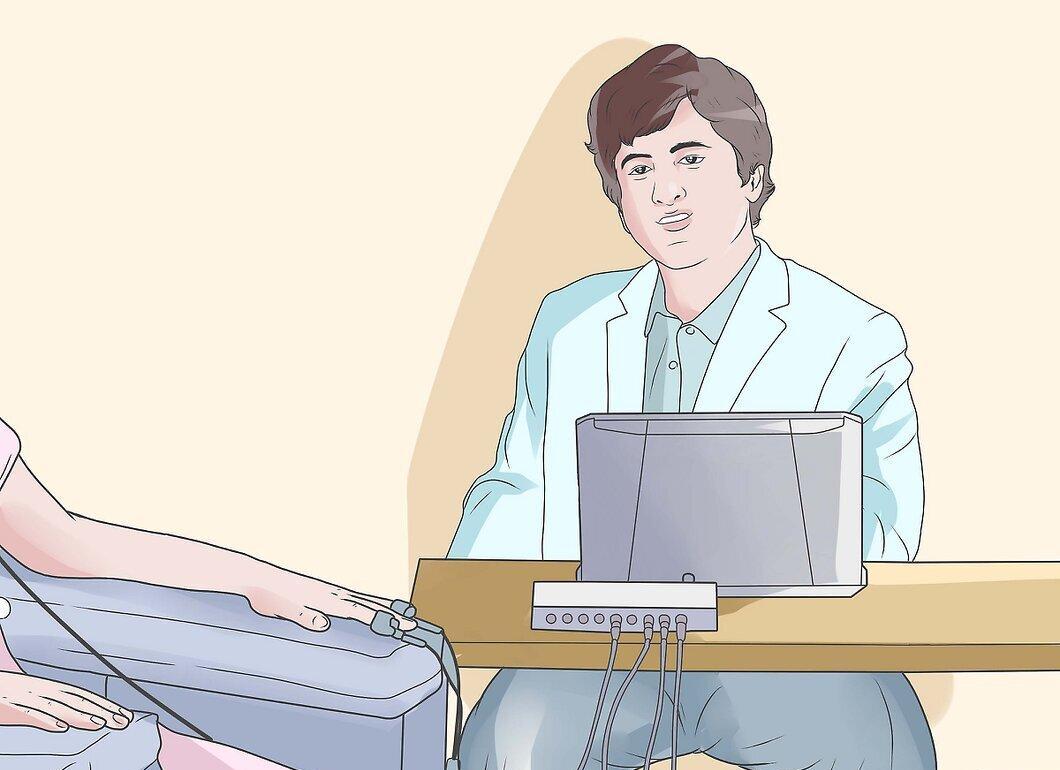
Don’t forget that the person asking you questions is not your friend. They may communicate with you in a friendly manner, suggesting that they can only help if you answer truthfully. Don’t believe this.
Step 2. Be cautious of the tactics used by polygraph operators.
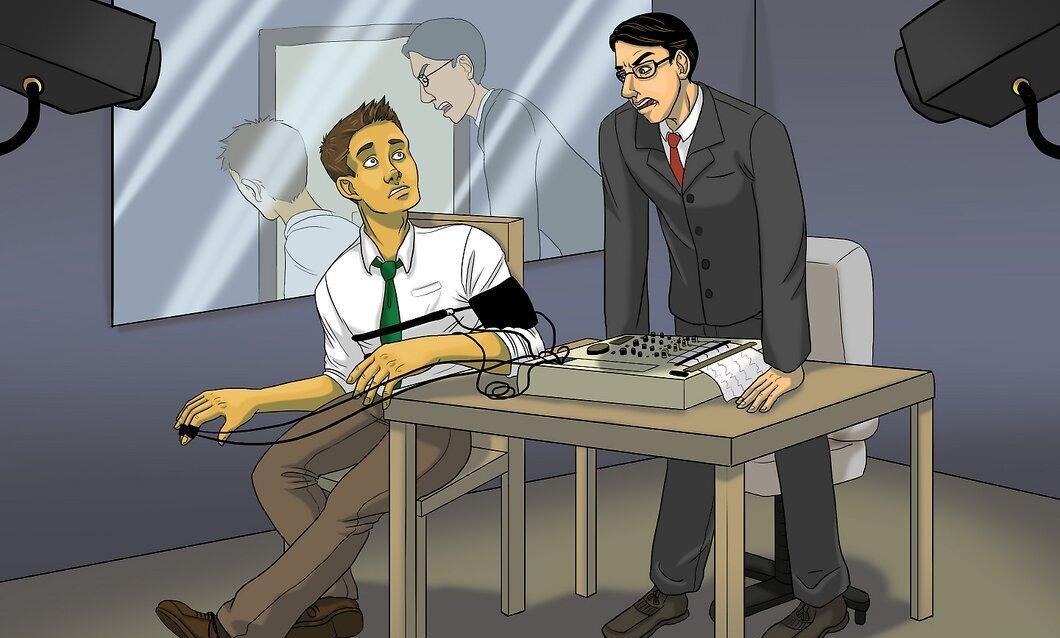
Polygraph operators may employ various techniques to intimidate you, claiming that the polygraph is always accurate. The more nervous you become, the more "symptoms of a liar" you’ll display. Don’t buy into what they say. They might also ask you to wash your hands for more accurate results. However, there could be hidden cameras in the bathroom, and if you don't wash your hands, it could raise suspicions.
Analyze the Questions
Step 1. Pay attention to the questions asked.
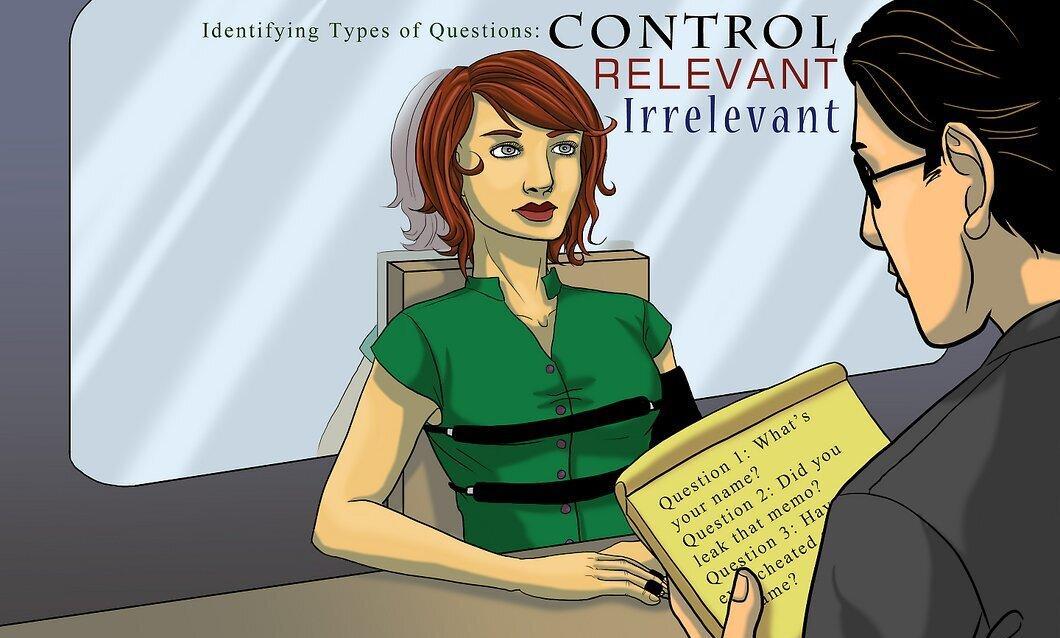
During a polygraph test, there are typically three types of questions: relevant, irrelevant, and control questions. Irrelevant questions might be, "What’s your name?" or "Have you ever eaten potatoes?" Relevant questions include, "Did you leak sensitive information to the press?" or "Have you ever stolen money from your employer?" Control questions often touch on topics people are usually hesitant to answer, such as, "Have you ever cheated?" or "Have you ever committed petty theft?"
Step 2. Don’t reveal your knowledge about polygraphs.
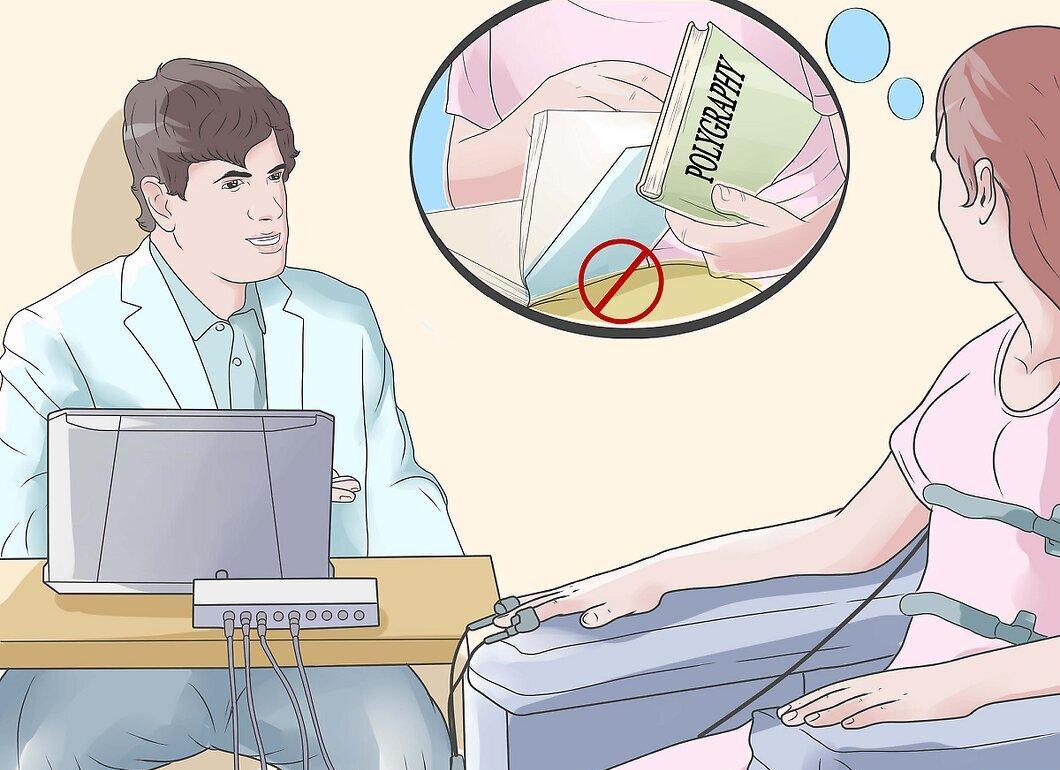
Don’t let on that you are aware of how polygraphs work. The operator might ask if you’ve studied this topic. Do not admit to having researched this issue. Act as if you know nothing about polygraphs and their principles. Pretend to believe that they are never wrong. If the operator discovers that you know too much about polygraphs, it may raise suspicions.
How to Successfully Pass the Test
Step 1. Provide only necessary answers.
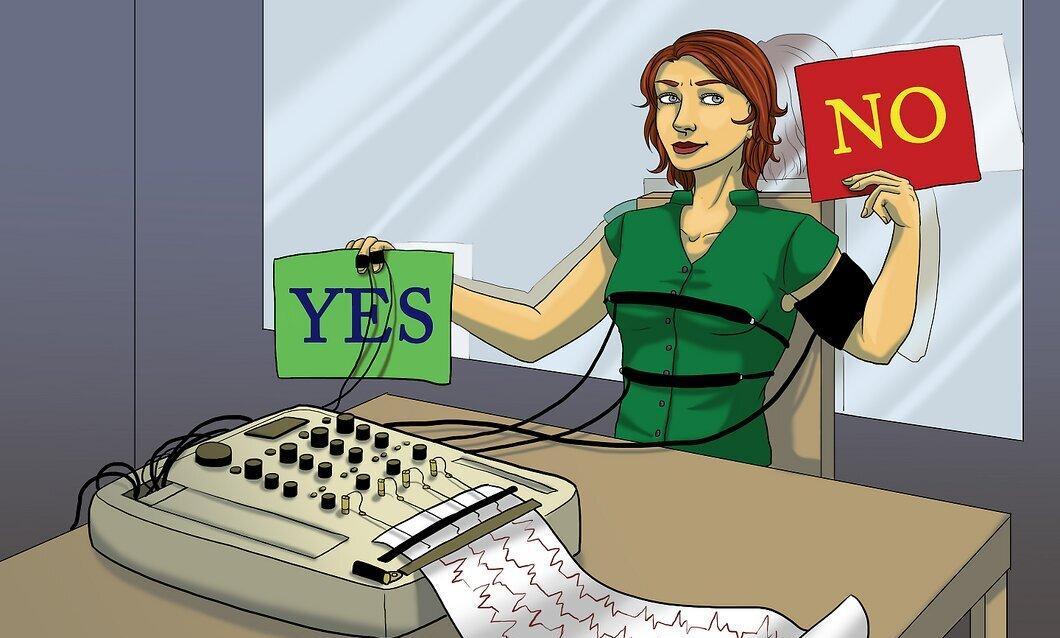
Give only the necessary answers. Respond to questions clearly, using only "Yes" or "No." Avoid excessive explanations or justifications. Show your willingness to cooperate, but don’t provide unnecessary information.
Step 2. Don’t rush into confessions.
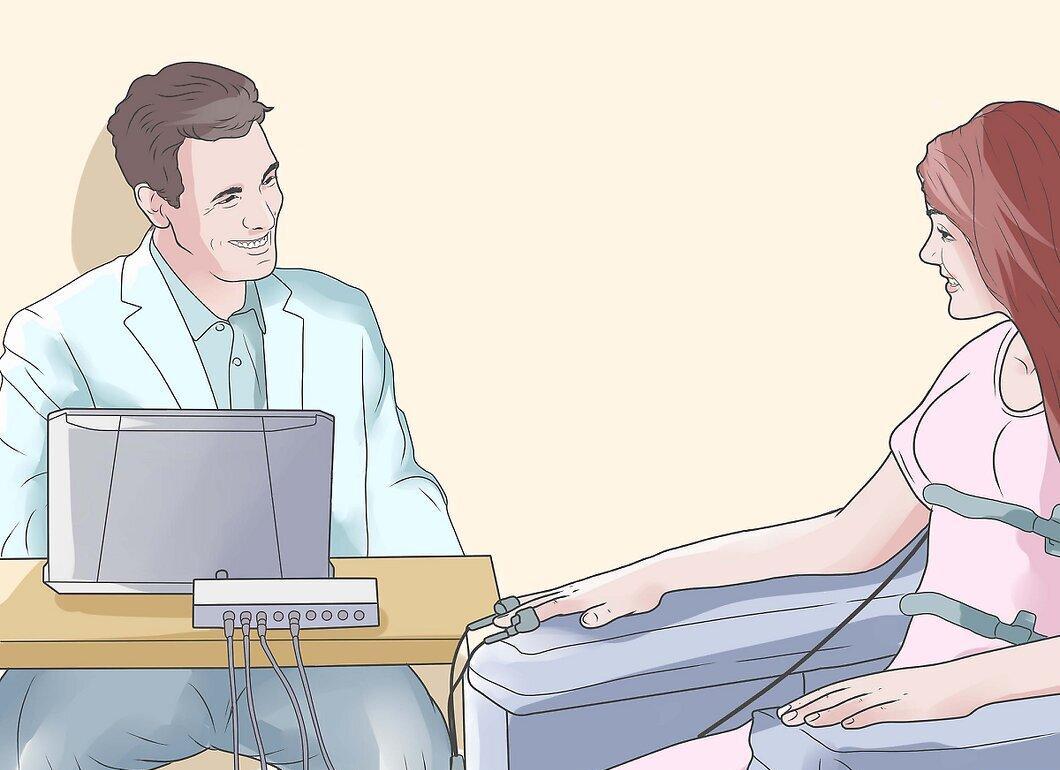
Don’t be quick to confess. Ignore the graph displayed by the polygraph — don’t worry unnecessarily. Dismiss the operator’s claims that you’re lying. Stand your ground — test results can be interpreted in various ways. Answer control questions honestly, don’t evade them, and stay calm.
- Remember, the test results aren’t as crucial. The main goal of the operator is to obtain your confession. They will try to manipulate you, hoping to gain important information or a confession.
Step 3. Answer confidently and seriously.
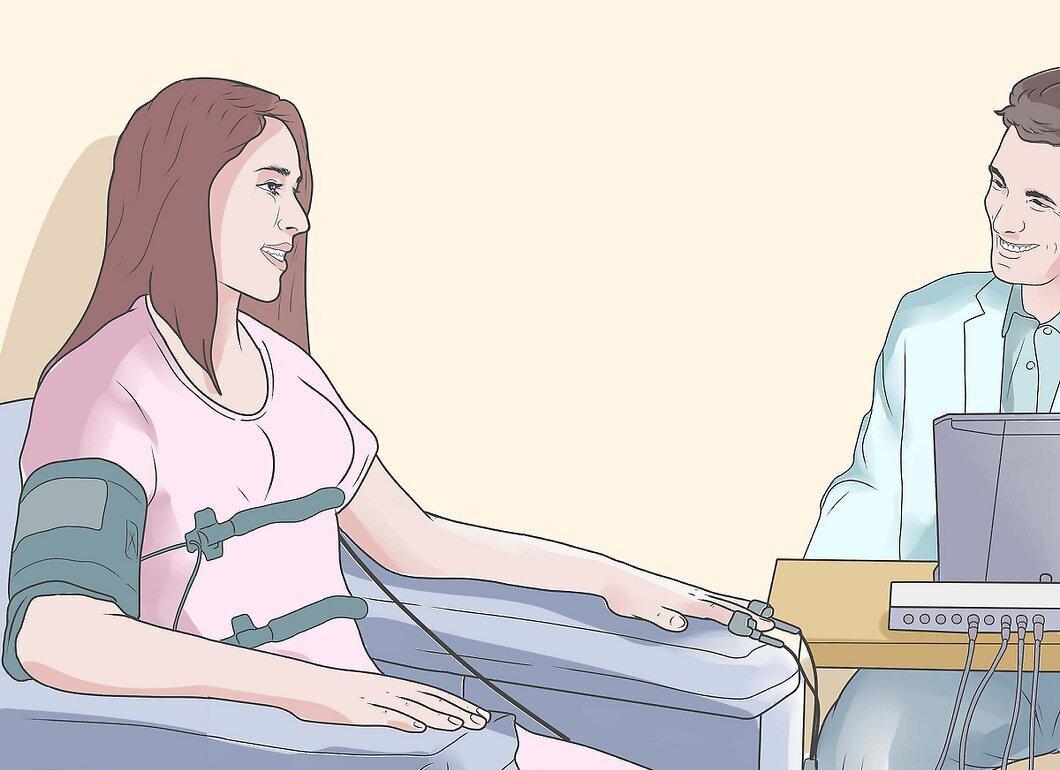
Provide confident and serious answers without hesitation. Avoid jokes or changing the subject; do not remain silent. Behave decently and demonstrate your willingness to cooperate.
Step 4. Regulate your breathing.

Breathe calmly. During control questions, aim for 15-30 breaths per minute. Don’t breathe too deeply.
Step 5. Vary your breathing during responses.

Change your breathing rhythm during control questions. The operator will compare your physiological responses to control and relevant questions. If the differences in reactions are significant, it will help avoid suspicions of deception. If not, the operator may conclude that you are lying.
- Try varying your breathing frequency during control questions: breathe slower or faster, hold your breath after exhaling, or breathe more frequently. Maintain this for 5-15 seconds, then return to your usual breathing before the next response.
Step 6. Give evasive answers to control questions.

Respond vaguely to control questions. For instance, if asked what year it is, you could say it’s the "Year of the Snake." Your goal is to confuse the operator so they can’t accurately determine whether you are correct.
Step 7. Think of a complex task while answering.
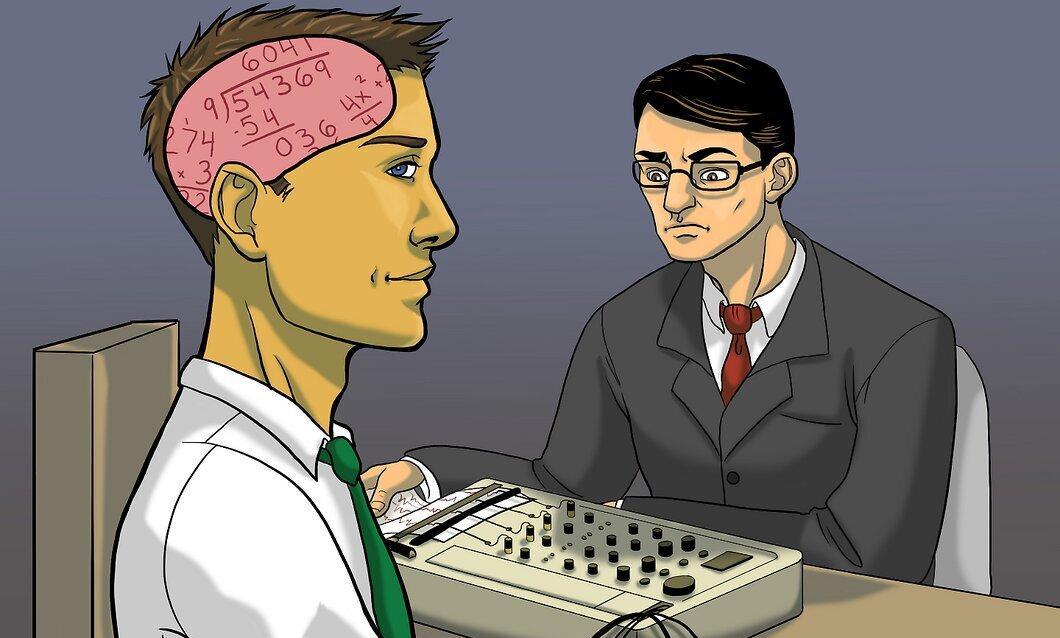
When responding to control questions, focus on a complex task. This will help balance the test results so that your "normal" answers don’t stand out compared to your answers when anxious (tense). For example, count backward from one hundred in your head or perform simple math operations. This can help normalize your pulse and blood pressure.
Step 8. Maintain natural behavior after the test.

After the test is complete, don’t change your behavior. The operator may leave the room and ask you to wait. They might also claim to know about your false answer to one of the questions, but don’t believe this. Stay calm and assert that you did not lie during the test. Do not alter your answers or make excuses.