Moving abroad requires serious preparation. The more time and effort you invest in planning, the smoother the process will be. Whether you're relocating for study, work, or just seeking a change, following these tips will help you avoid many challenges associated with adapting to a new environment.
Moving Logistics
Step 1. Secure Housing in Advance.

Start by looking for housing. You can't do without a place to live. If you're planning a long stay, it's best to arrange a home or apartment in advance.
- If your employer is providing housing, carefully review the offered conditions. If they don't suit you, discuss this with management or the responsible party. Your concerns should be acknowledged and possibly addressed.
- If you're responsible for housing costs, be prepared for unexpected expenses. Determine who is liable for damages and maintenance. It's advisable to set aside funds for a few months' rent in case of emergencies.
Step 2. Prepare Entry Documents.
Gather all necessary documents for crossing the border. Each country has its own visa requirements, which may vary depending on your destination. Ensure that you know whether you need a visa for permanent residence or even to exit the airport.
- If your university or employer is providing a study or work permit, clarify the timelines. Don’t forget about notifications for banks and taxes.
Step 3. Seek Employment Involving Communication.
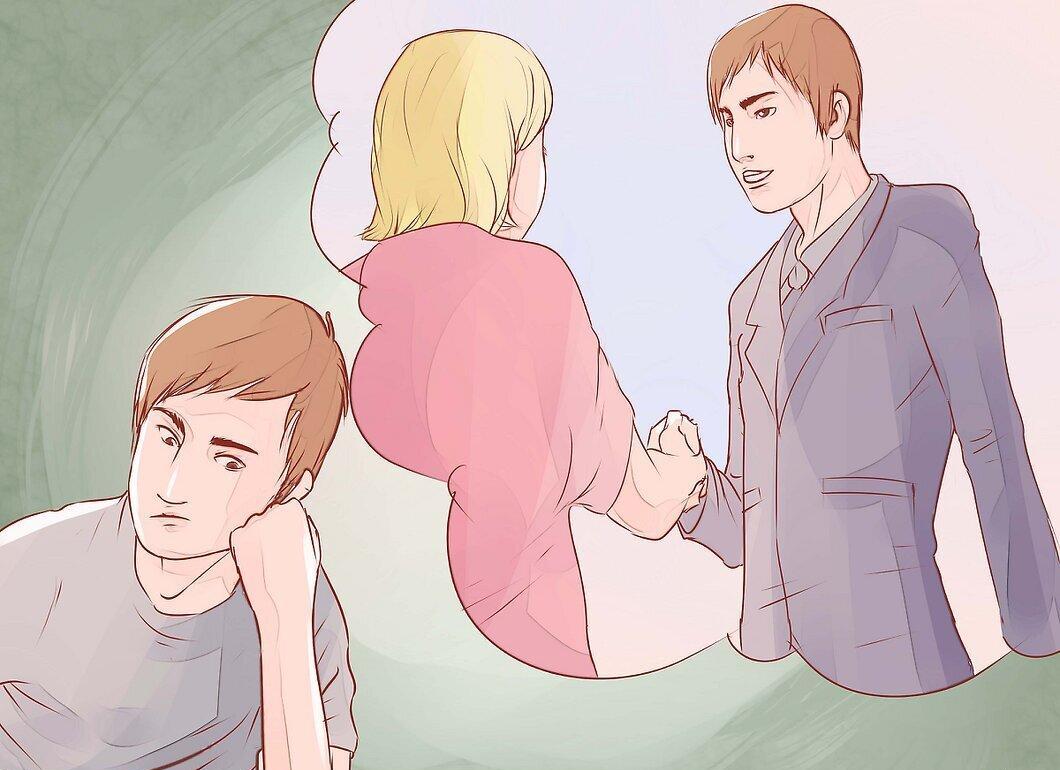
Try to find a job related to communication. This will help you adapt more quickly and learn the language. The sooner you start doing this, the easier it will be in the new country. Ideally, find a job before moving, but if that's not possible, start your job search right after relocating.
- You don't have to get a job immediately; you can start with studying. Education or employment will provide you with regular interaction with locals and help improve your language and cultural knowledge.
Step 4. Sell Unneeded Items.
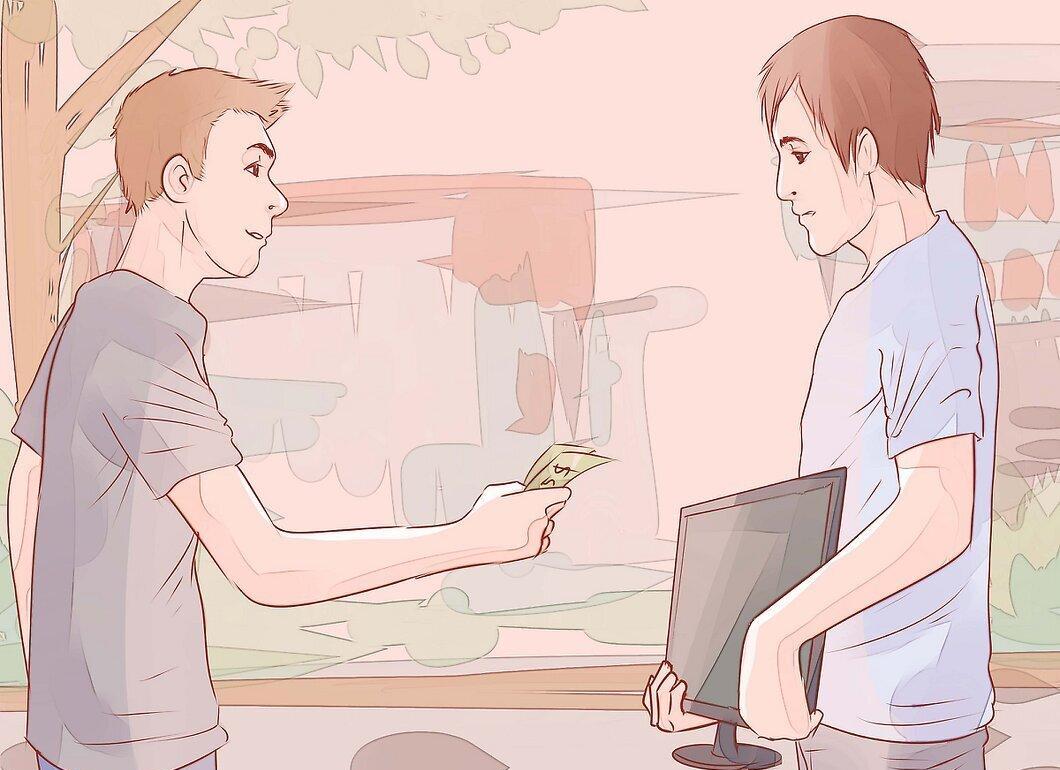
Before you leave, sell excess belongings to have extra funds. Many choose a minimalist lifestyle where only a little clothing and personal items are needed for the move. Your belongings should fit into one large suitcase and a carry-on bag. Ensure that by letting go of some items, you can do without them even when you return.
- Use online platforms for selling, such as eBay or Craigslist. Also, don't forget about local classifieds and recommendations.
Step 5. Research Information About the Country.
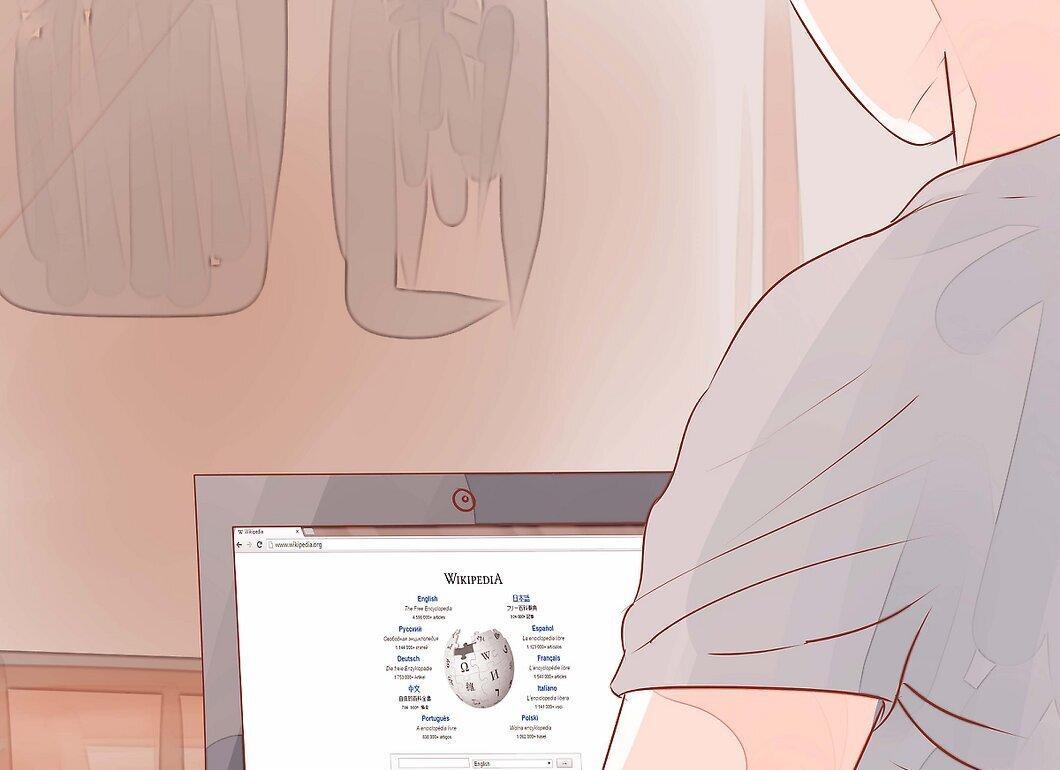
Immerse yourself in learning about the country. Information from Wikipedia and other sources is just the beginning. Study local culture: do residents follow traffic rules? Do they leave tips in cafes? What is the predominant religion and its attitude towards other faiths?
- If possible, spend a week in the country before relocating. This will help you better understand what to prepare for.
- Find out the average cost of living to plan your budget ahead, including housing, food, and other expenses.
- Knowing the laws of the new country is crucial to avoid problems with authorities and ensure your safety.
Preparing for the Move
Step 1. Determine What to Pack.
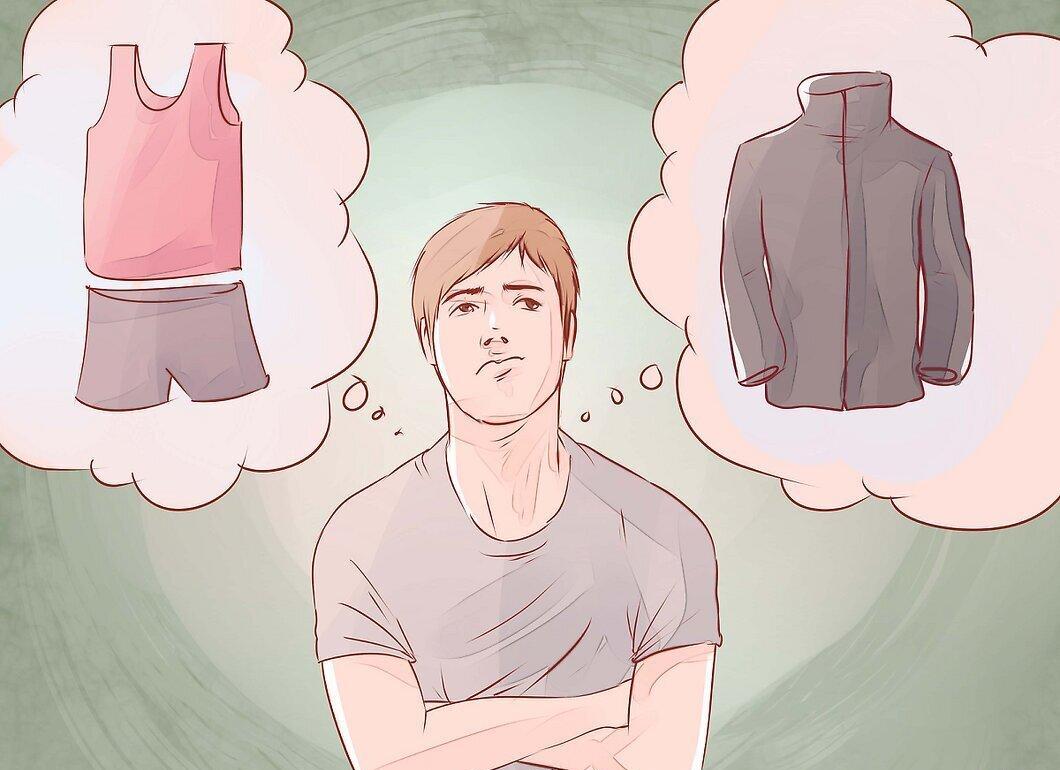
Decide what items you need. If the climate in the new country is warm, winter clothes may not be necessary. Also, consider cultural differences: in some countries, you may need to cover your knees and shoulders in public places.
- Check prices in the new country. If the cost of furniture and clothing is high, it might make sense to bring some items with you.
Step 2. Learn the Language of the New Country.
Start learning the language if it's different from your native one. This will help avoid misunderstandings and allow you to communicate with locals.
- In most countries, knowing English is sufficient, but to become part of the new culture, it's better to learn the official language.
Step 3. Set Goals and Stick to Them.
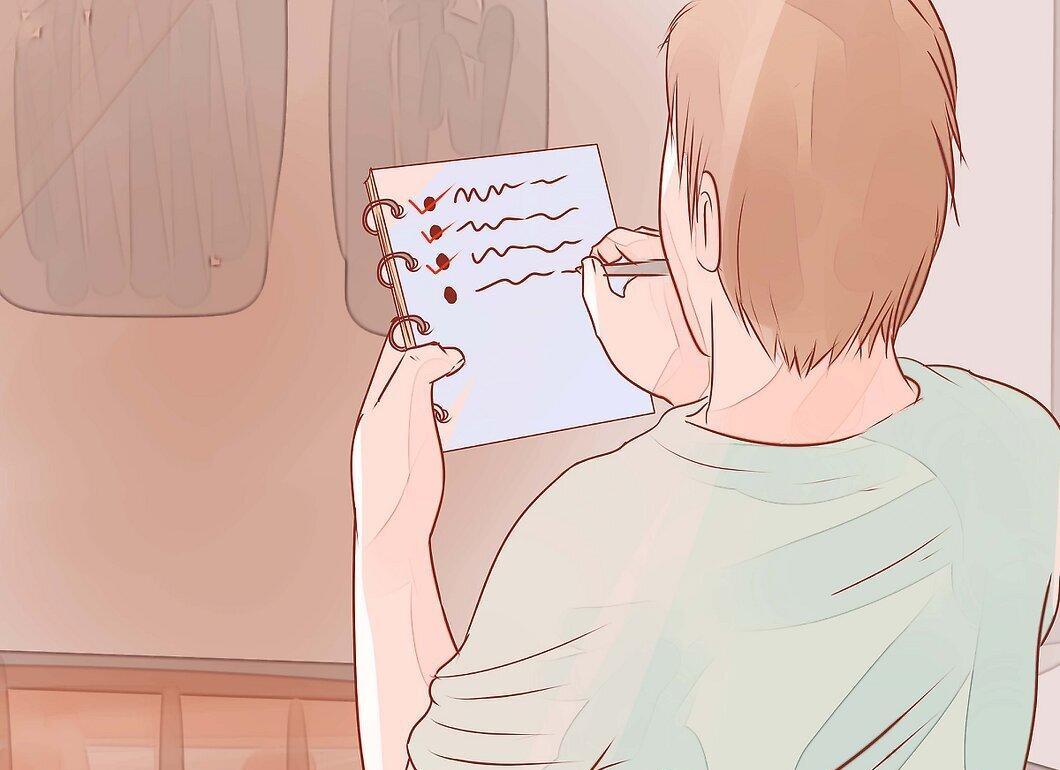
Establish goals for yourself to serve as guideposts in your new environment. Why did you decide to move? To earn more, to see the world, or to meet new people? Understanding your goals will make the adaptation process more conscious.
- Moving can be what you make of it — your attitude will determine your level of satisfaction. Immersing in a new culture can be the start of an exciting adventure.
Step 4. Prepare for Life Away from Family.
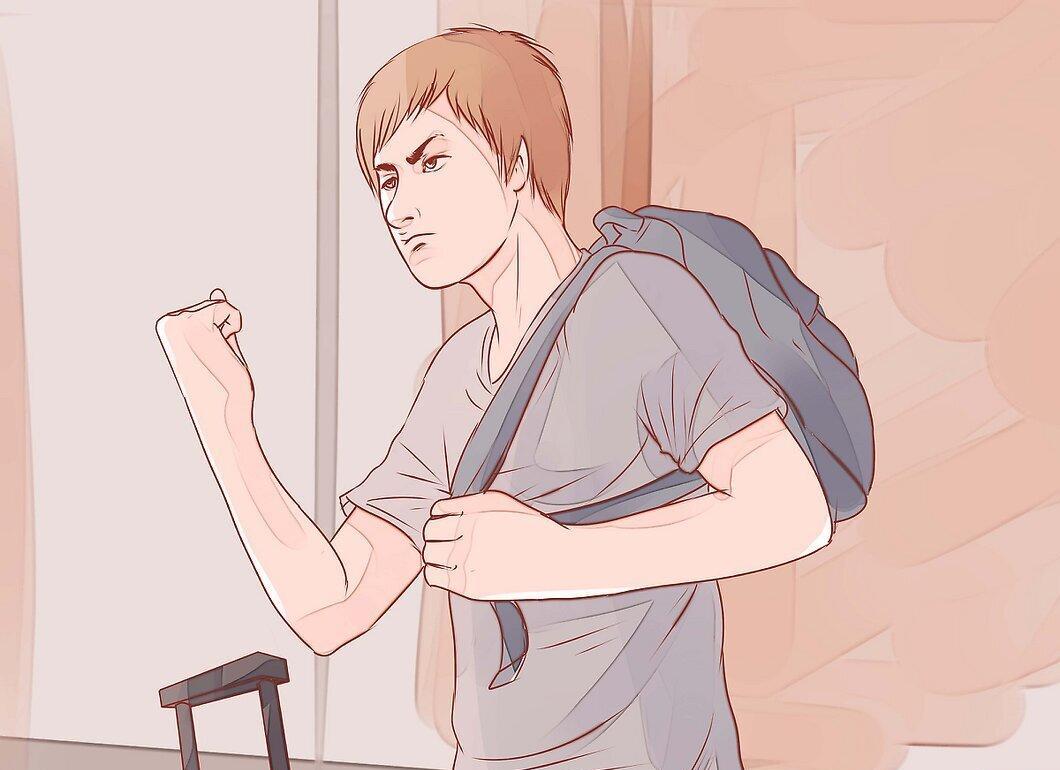
Be ready to leave your family and friends behind. This is one of the most challenging aspects of moving. If you don't want to suffer from loneliness, be realistic and accept the fact that you're leaving a lot behind.
- Remember that once you leave, you may not return. Your home will change, and so will you. Acknowledge this before you depart and decide if you are ready for such changes.
Step 5. Choose a Living Area on All Levels.
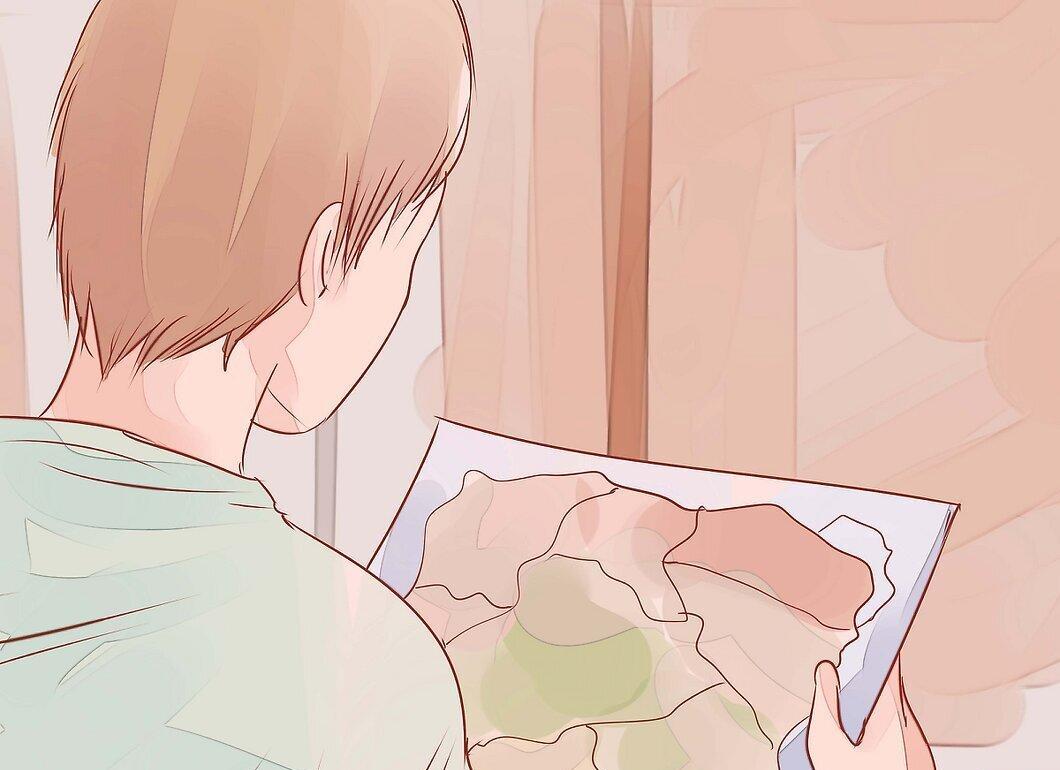
Explore the area around your new home. Learn how to get to work or school, as well as convenient modes of transportation and their associated costs.
- Familiarize yourself with routes and places you’ll frequently visit, such as shops, banks, and restaurants.
Step 6. Find the Nearest Bank and Store.
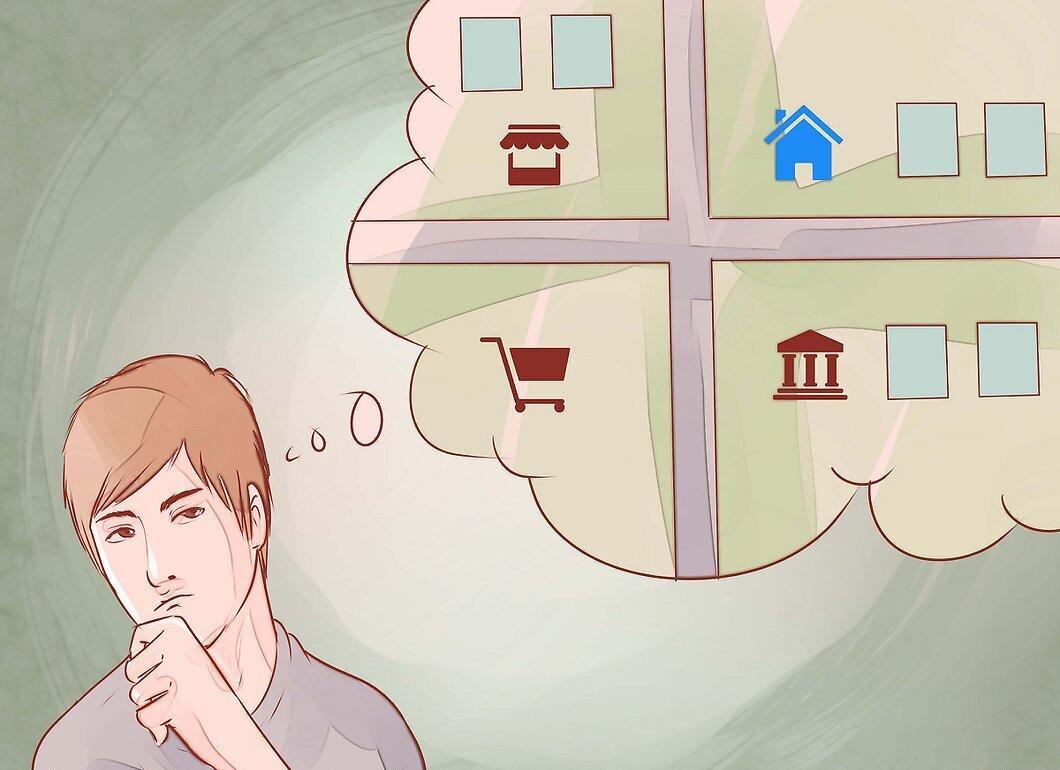
Locate the nearest banks and grocery stores. Local workers can help you navigate and tell you about attractions.
- Don't forget about entertainment! Explore what the new country has to offer; even simple things like movies or bars can help you unwind.
Step 7. Prepare a Cash Reserve in Local Currency.
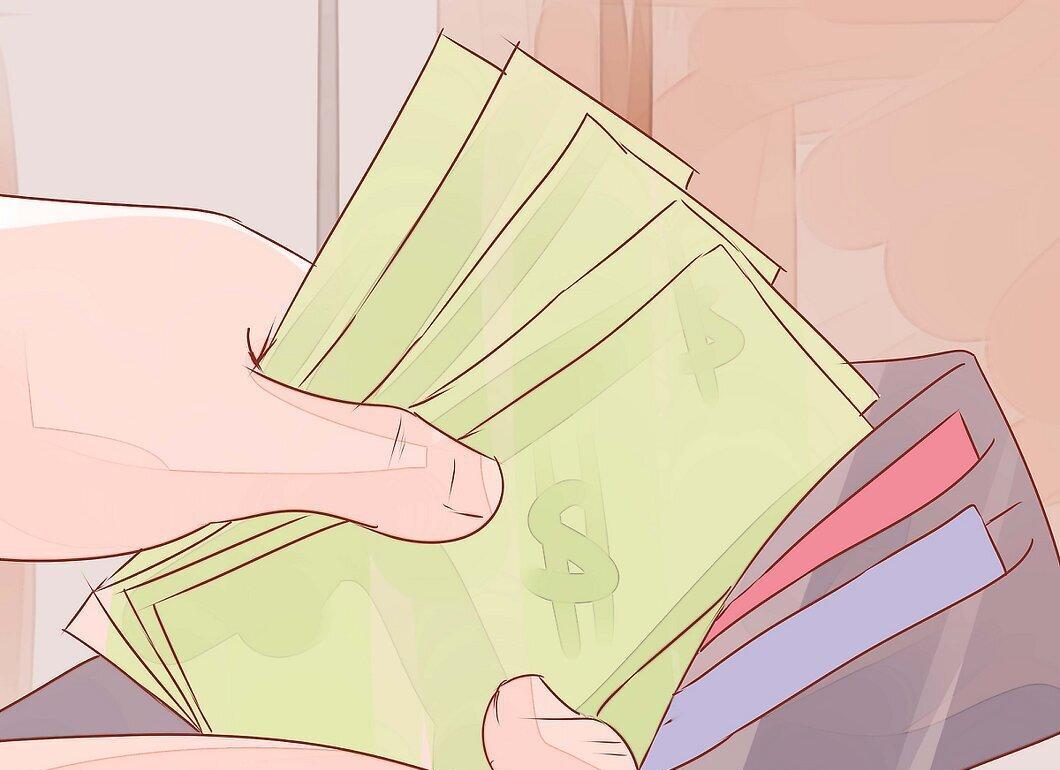
Ensure you have cash in the local currency. This amount should cover your expenses for food and transportation for a few days in case you find yourself in a remote area.
- Also, carry some currency from your home country and find out where you can exchange money.
Adaptation and Assimilation
Step 1. Be Open-Minded.
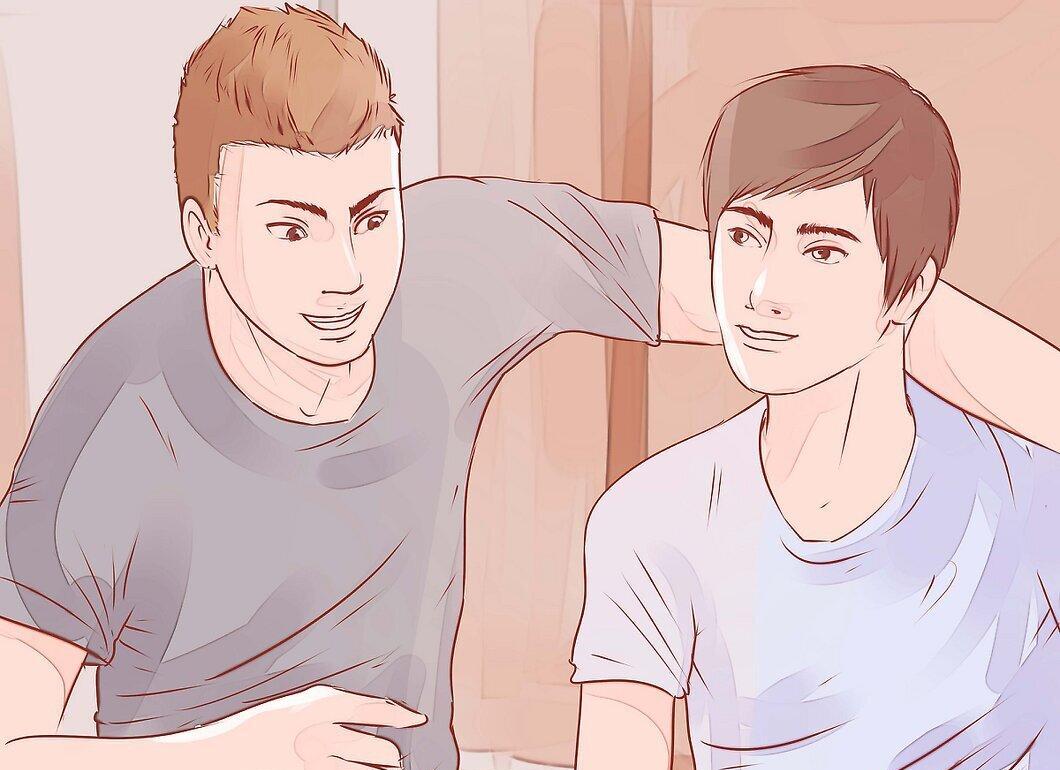
Allow yourself time to adjust. Adapting typically takes about three months, so don’t worry if you still feel homesick after a month. Don't rush the process or try to acclimate to everything at once.
- Find a trustworthy person and ensure you have a way to leave the country if needed. This will create a foundation for comfortable acclimatization to your new surroundings.
Step 2. Make Friends Who Speak the Language of the New Country.
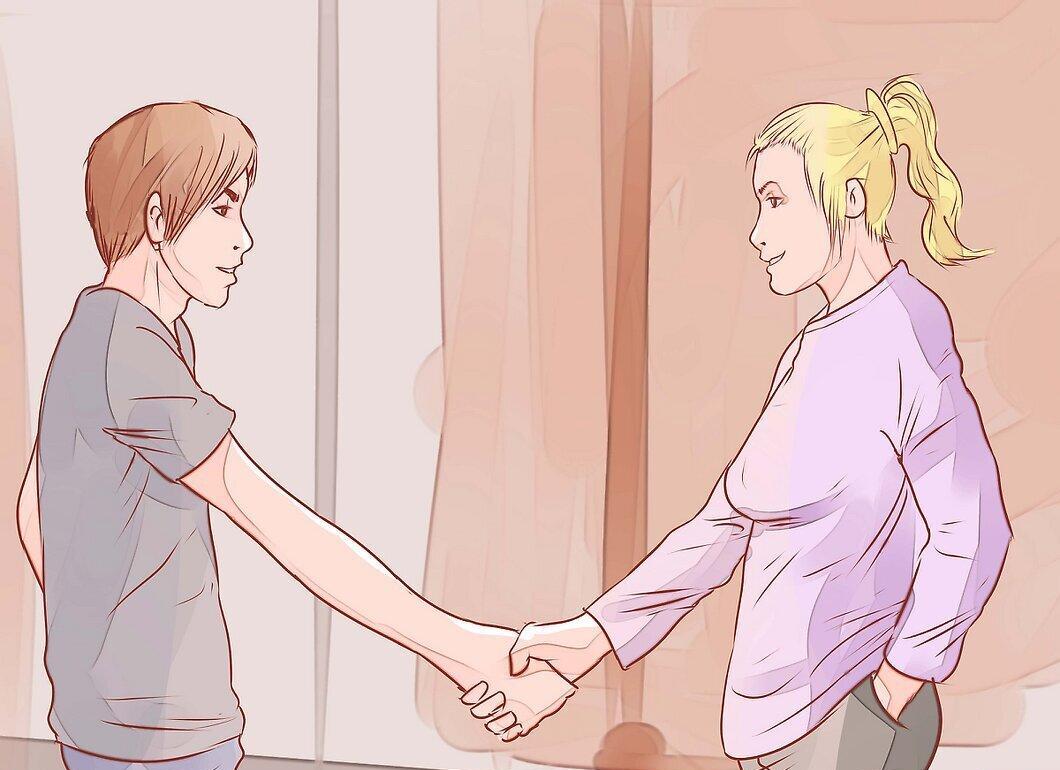
Interacting with people who speak the language of the new country will help you integrate better. If language learning is challenging, consider enrolling in courses and find like-minded individuals.
- Being able to speak the new language can lead to forming close friendships or even meeting a significant other.
Step 3. Join a New Community.

Become part of the local community. Attend clubs, accept invitations, and be open to socializing. Respect local traditions and participate in cultural events.
- Communication norms may vary, but you don't need to worry about your status. Enjoy the anonymity and freedom.
Step 4. Ensure Your Mobility.

Get your driving license and buy a car as soon as possible. While public transportation is convenient in large cities, having your own vehicle will provide you with greater independence.
- It's never too late to learn how to drive, even if you have no prior experience. Driving a car will give you a sense of freedom.
Step 5. Start Fresh.
If you're unhappy with your life back home, moving can be a great opportunity to start anew. After relocating, you'll find yourself without friends and familiar conditions — this is an ideal starting point for a new life.
- For example, if you wanted to quit smoking, moving can help you with that. Immigration is a chance to become the best version of yourself.
Step 6. Believe in Yourself.
In the first few months, you may have doubts and a desire to return home. Don’t let negativity overwhelm you; believe in your abilities and your drive for success. Remember why you moved and that all difficulties are temporary.
- In the early days, everything will seem new and unusual, but over time you'll adapt, and many things will become part of your daily life. Give yourself time to adjust.