Visiting New York City for the first time is always an exciting adventure. The locals are unlike anyone else. Despite their politeness, they rarely make eye contact, rushing to their destinations and seldom engaging with strangers. If you're visiting NYC for the first time, you're likely to use the subway. If you're not careful, you might find yourself lost and unable to reach your destination. The subway in New York is one of the largest metro systems in the world in terms of distance and number of stations (468), and it's one of the few underground subways that operates 24 hours a day.
Tourist's Guide
Step 1. Grab your computer and visit the MTA website
Head over to the MTA website, check out the map, and locate your departure and arrival stations. Make sure to review the service advisories. Most stations also have special service change lists, marked in black and yellow, titled "Planned Service Changes," located on most island platforms (where trains arrive and depart from both sides) near the subway map or around station entrances and exits, as well as at "waiting areas" in most stations. Use the subway map to quickly decipher notifications.
Step 2. Make sure you have the right ticket.
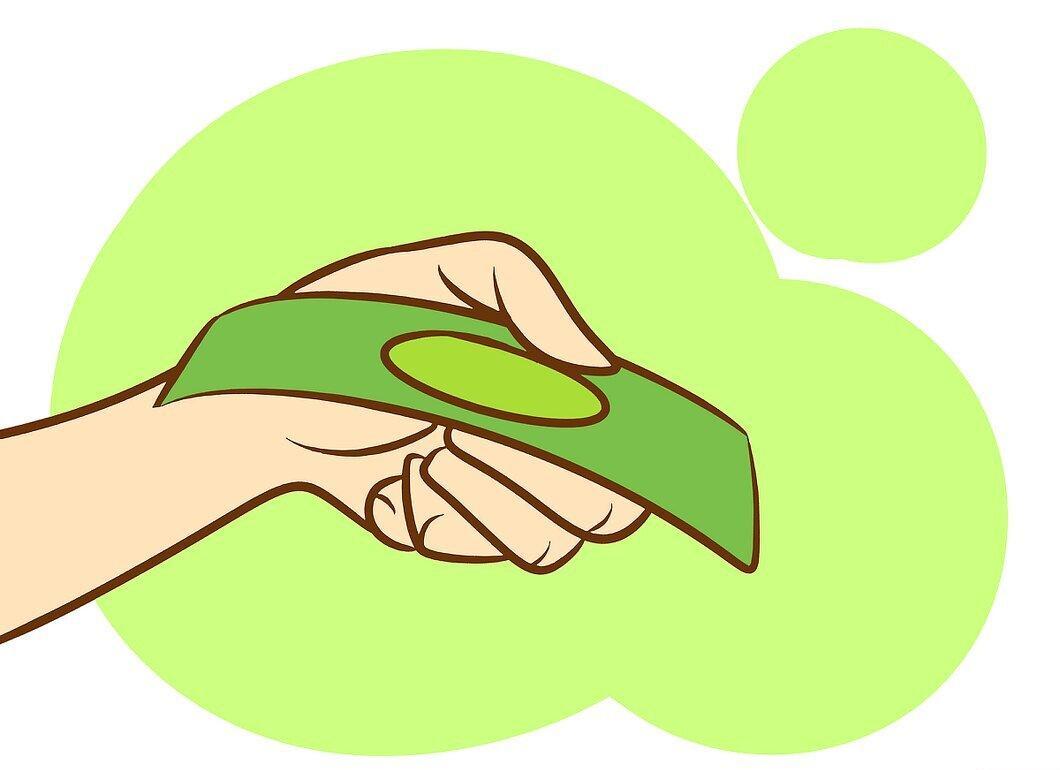
Ensure you have the right ticket. The regular fare for a single ride is $2.50 when using a MetroCard ($2.75 for a single-ride ticket, which is valid for ONE (1) trip within two (2) hours of purchase without transfers to buses).
Step 3. Calculate your travel time using the subway map or TripPlanner+
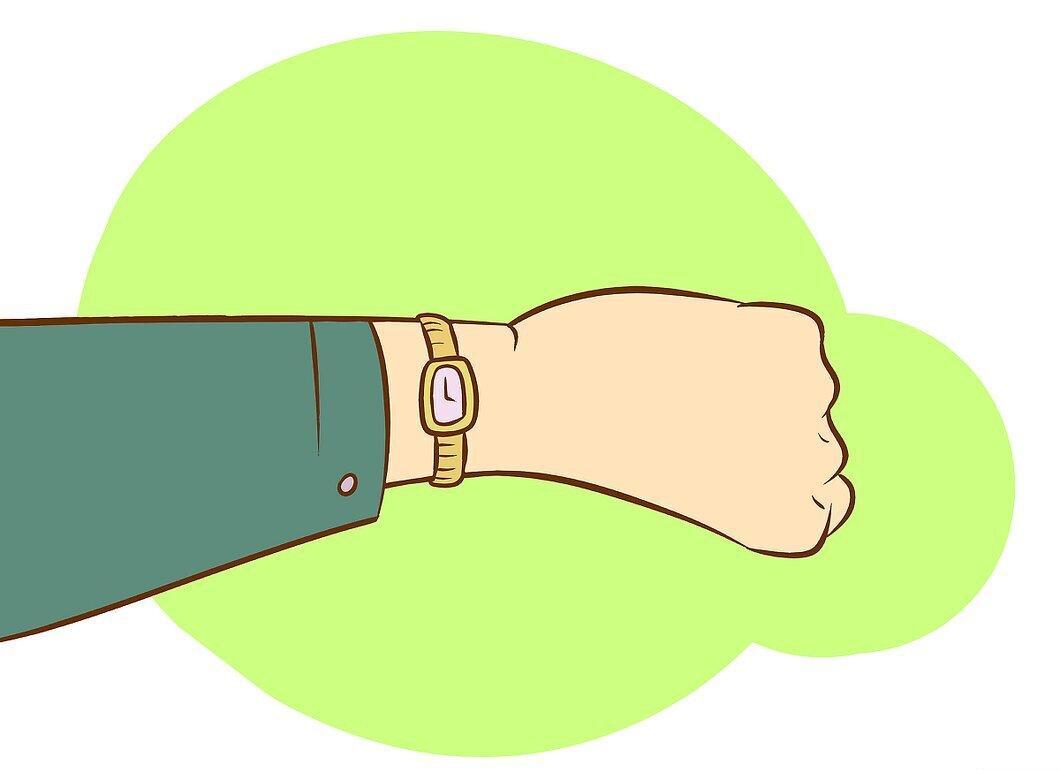
Calculate the time it will take to reach your destination by checking the subway map or using TripPlanner+. The average travel time between stops is about 4 minutes, and you should expect to wait for trains for 5-20 minutes each time. To reach your final destination, plan for at least 45 minutes. However, the longest journey can take up to an hour and a half, so be cautious.
Step 4. Know what the station entrance looks like.

Familiarize yourself with what the station entrance looks like. Entrances that are always open are marked with green lights, known as "Globe Lamps." Exits or not always operational entrances flash red lights or may have no lights at all. Some privately owned properties have subway entrances; however, not all entrances are visible from the outside. Keep in mind that some entrances serve only one direction, meaning you can only access the platform for boarding trains in one direction. This usually occurs at stations without underground or above-ground transfers to the opposite platform for return trips. Occasionally, there may be unmarked underground and above-ground transfers.
Step 5. At your departure station, you can ask the station attendant, if available, for a portable subway map.
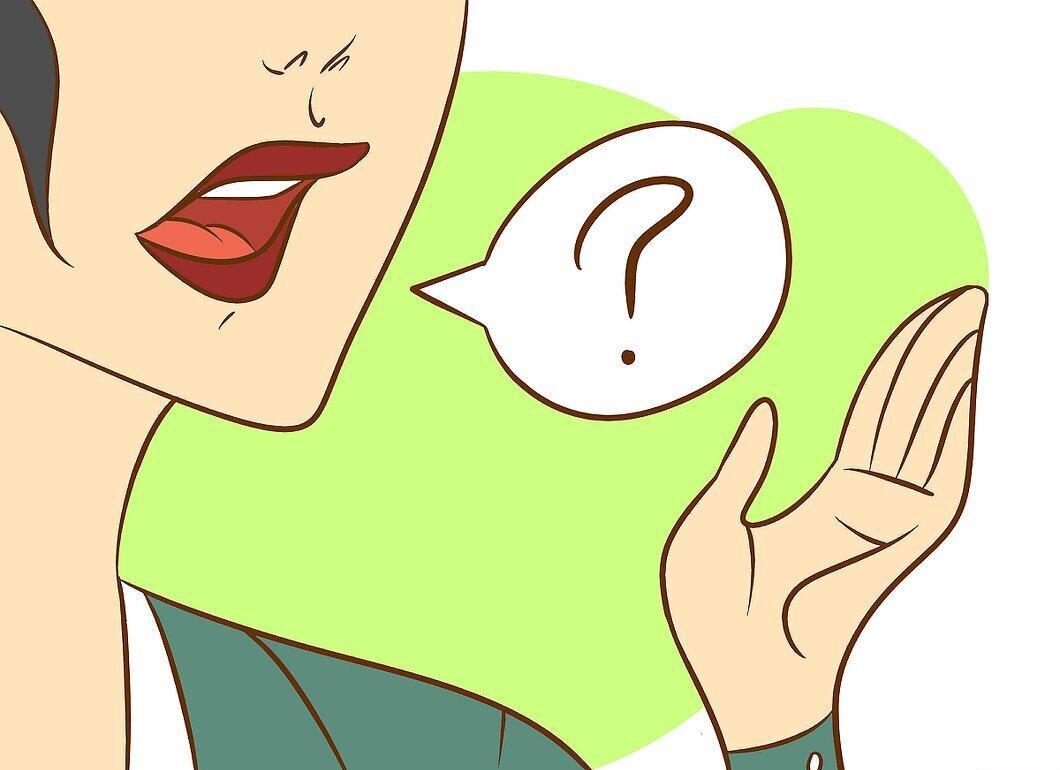
At your departure station, you can request a portable subway map from the station attendant, if there is one. However, carrying a map in the subway is akin to tattooing "TOURIST IDIOT" on your forehead. Subway maps are located on almost all station walls and in every train car, as well as at the "Customer Information Center," so there's no need to carry one.
Step 6. Purchase a plastic MetroCard either from the station attendant (cash only) or at MetroCard vending machines (cash/credit/debit), or from various vendors scattered across the 5 boroughs.
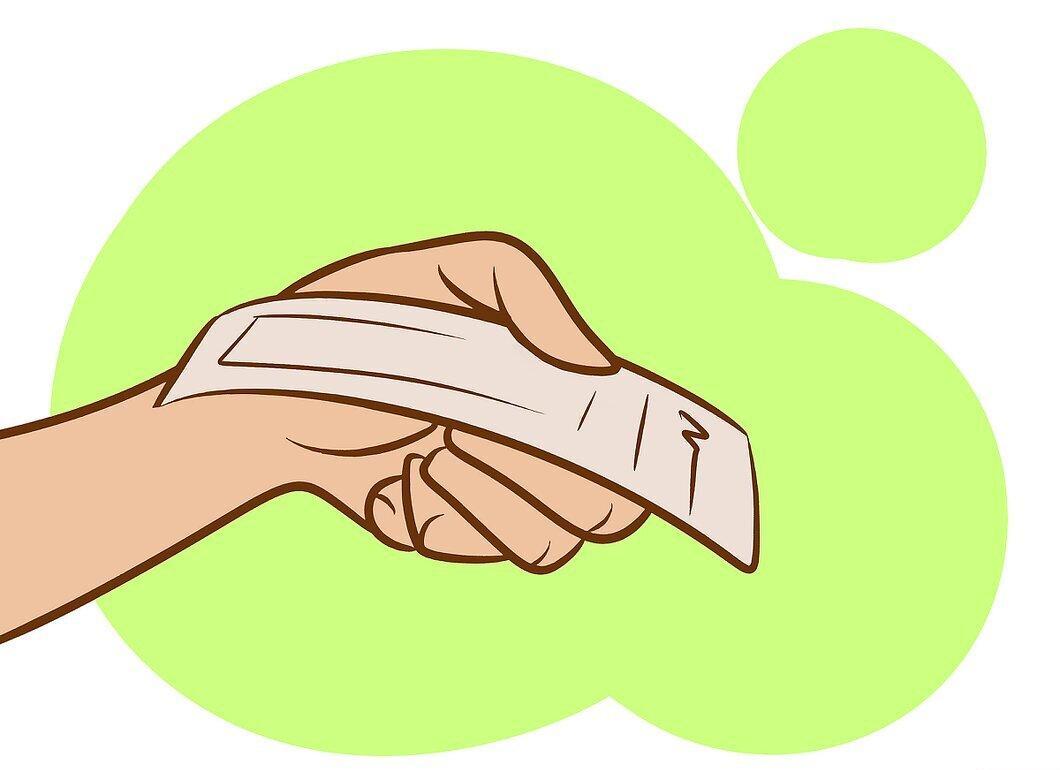
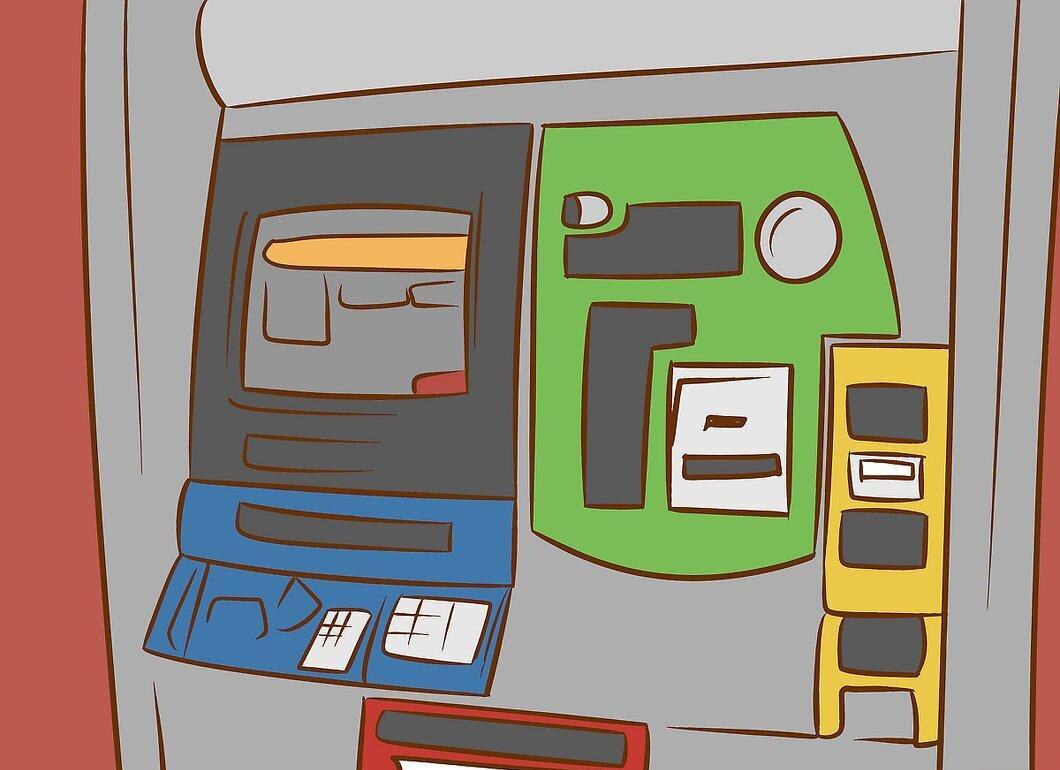
Buy a plastic MetroCard either from the station attendant (cash only) or at MetroCard vending machines (cash/credit/debit), or from various vendors throughout the 5 boroughs. To find out where you can purchase MetroCards, visit their website [1]. All MetroCard vending machines accept debit and credit cards, but only some of the larger ones accept cash. The minimum amount to purchase a new MetroCard is $6.00 (for 2 rides), which includes the cost of the new MetroCard ($1.00). You can then reload your MetroCard for a minimum of $0.01 at station kiosks and a minimum of $0.05 (in increments of $0.05) at MetroCard vending machines, up to a maximum of $100.00.
Step 7. Finding the right train can be tricky for tourists.

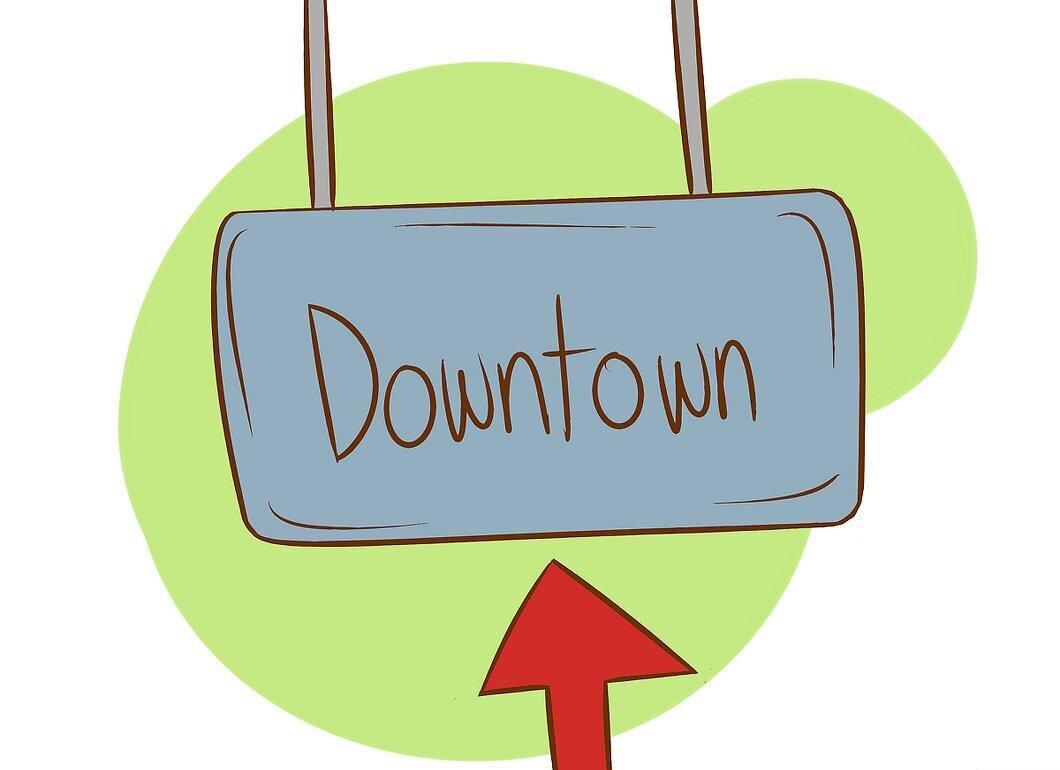
Getting on the right train can be challenging for tourists. Train line identifiers are displayed at the top of the platform (indicating the route type, destination, and any service limitations), in front of and on the sides of trains (the color of the text and sign may vary depending on whether it's an old or new train), on signs at entrances, and in waiting areas. Make sure you're on the line with the correct number or letter and check if your arrival station operates regularly. The NYC subway differs from other metro systems with its directional signs UpTown / DownTown / Queens / Brooklyn / Bronx / Manhattan. This does not indicate the final destination (as in London, Paris, etc.) but shows the direction of travel.
Step 8. Many tourists make the mistake of boarding an express train when they need a local train.
Many tourists make the mistake of getting on an express train when they need a local train. Local trains generally stop at every station along that line, while express trains skip some stops. Additionally, express trains typically stop at inner platforms/tracks or at lower levels. Sometimes platforms are designated only for express trains traveling in one direction. So be careful. Only 3 stations in the entire subway system have separate platforms for express trains (Atlantic Avenue - Barclays Center on 4 and 5, 34th Street - Penn Station, and 34th Street - Penn Station on 2 and 3) unlike other stations where platforms are for both local and express trains. On the 7 train, check if the platform is marked.
Step 9. Before boarding the train, wait for all passengers to exit before entering the subway car.
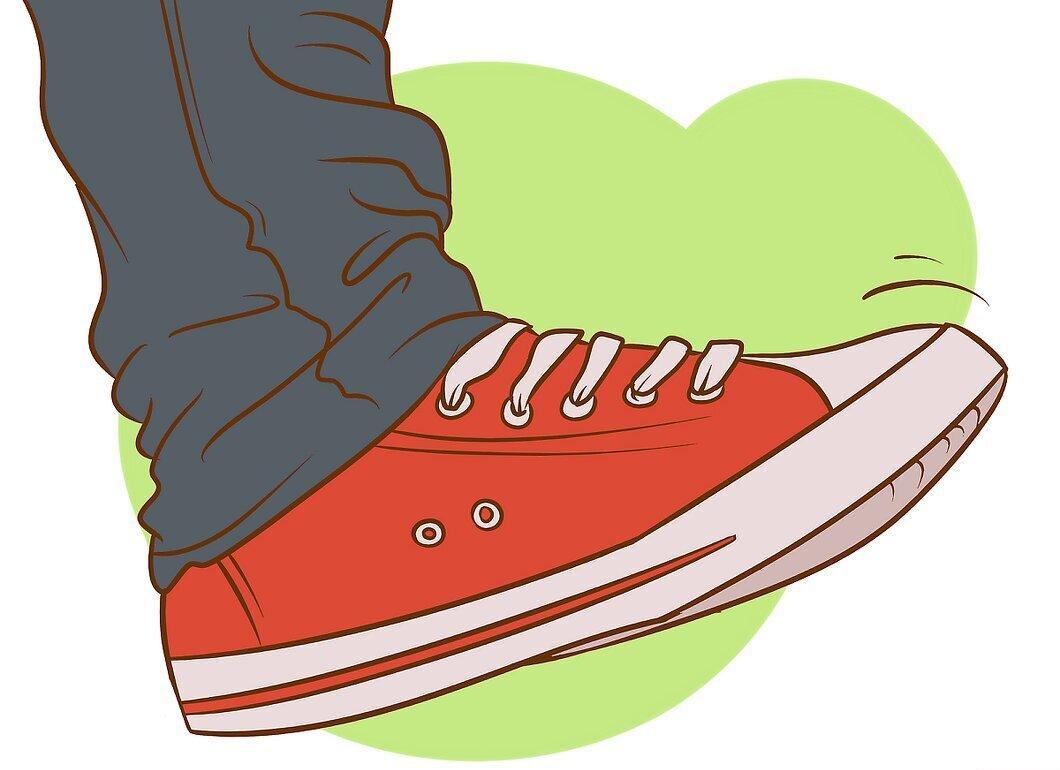
Before boarding the train, wait for all passengers to exit before entering the subway car. People will be very unhappy if you block their exit from the train.
Step 10. If you have a bag or backpack, take it off your back or shoulder and hold it in front of you.
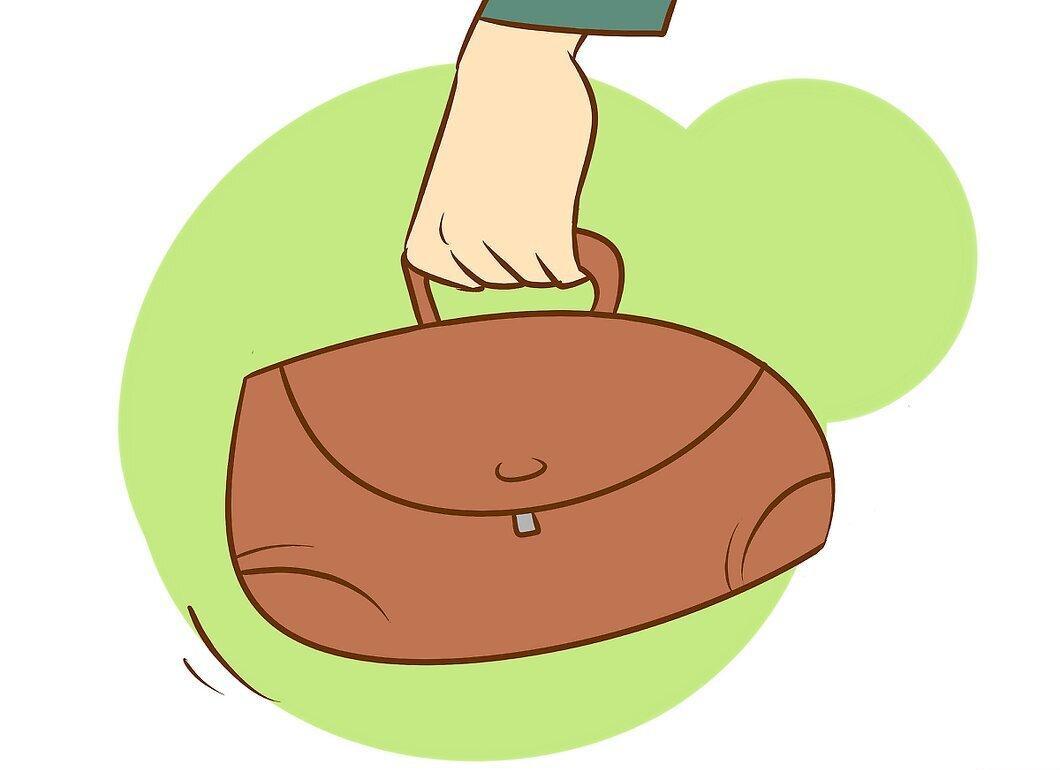
If you have a bag or backpack, take it off your back or shoulder and hold it in front of you. This will leave more space in the subway car for other passengers.
Step 11. If you want to sit down, take the first available seat.
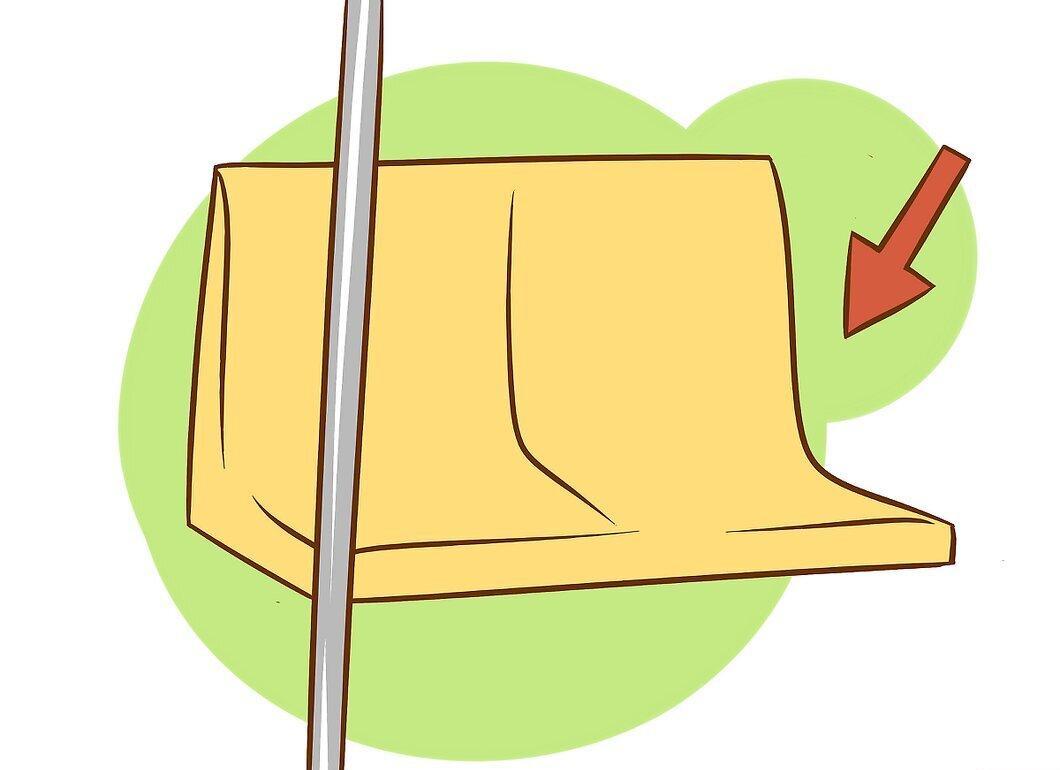
If you want to sit down, take the first available seat. If you have to stand, move to the edge of the car and stand there instead of in the middle. When sitting across from another passenger, keep your legs perpendicular to the seat.
Step 12. Don’t lock eyes with other passengers for more than a moment.

Don’t lock eyes with other passengers for more than a moment. Staring at other passengers can be perceived as a sign of aggression, and you may receive an aggressive response. It’s very likely that the person you are staring at will be quite frightened.
Step 13. While there’s nothing wrong with asking for help, it’s best not to strike up a conversation with strangers.

While there’s nothing wrong with asking for help, it’s best not to start a conversation with people you don’t know. Talking in the subway with complete strangers is not common practice.
Step 14. If you happen to be short on change, step away from the MetroCard machine and continue searching for coins.

If you happen to be short on change, step away from the MetroCard machine and continue searching for coins. This, combined with a panicked look on your face, often draws attention from passersby. On the other hand, asking others for money will likely result in disdain or being ignored.
Step 15. If your MetroCard doesn’t work after several unsuccessful attempts at the first turnstile, try other turnstiles.
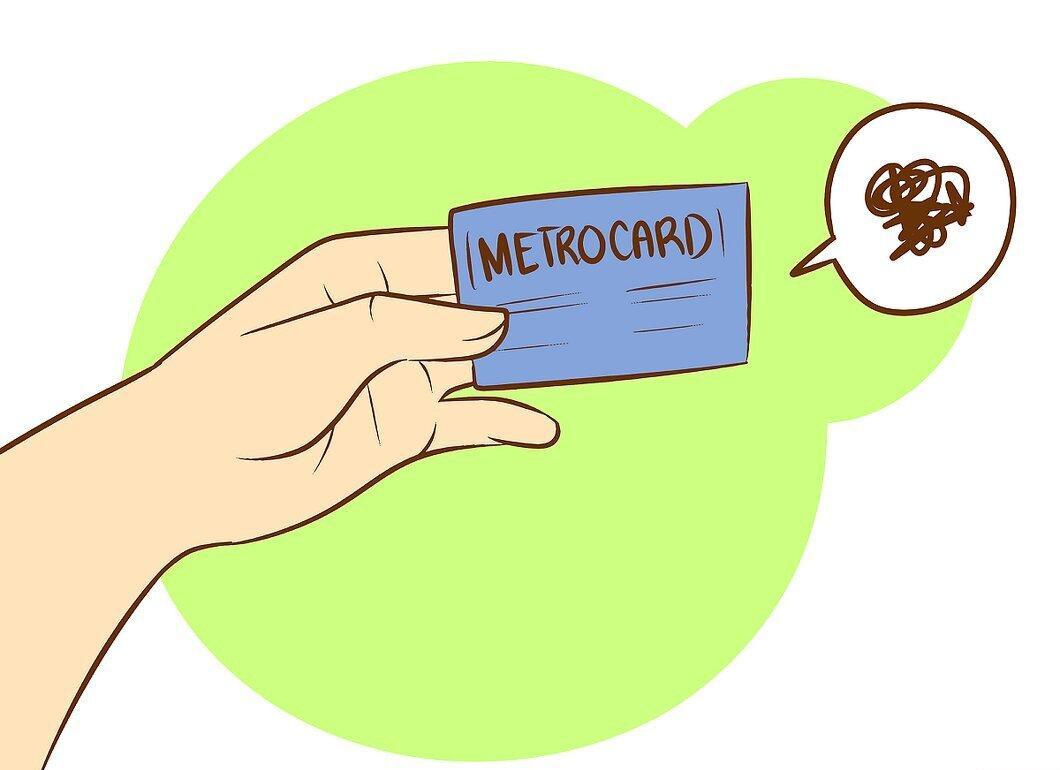
If your MetroCard doesn’t work after several unsuccessful attempts at the first turnstile, try other turnstiles. Ask the station attendant for assistance, if one is available in that area. If not, run your finger along the black strip to ensure it’s not bent and try again... in this case, either someone can let you through, or you may need to stop trying and purchase another MetroCard if you can’t speak to the attendant. If the station attendant cannot assist you, they will provide you with a Business Reply Envelope (BRE) to send the card by mail. Processing your MetroCard will take 4 to 6 weeks. For faster service, you can visit the MetroCard customer service center located in Manhattan.
Tourist's Tips
Step 1. If you’re a tourist, purchase a city map.
If you’re a tourist, buy a city map. It will likely show a list of attractions at subway stations rather than a full subway map.
Step 2. Buy a reusable card from the vending machine.
Step 3. Ask the station attendant for a free subway map.

Step 4. Pay attention to the directional signs you need.