
The fear of potential job loss can become a significant source of stress. How will you take care of yourself and your loved ones if you suddenly find yourself without an income? Unfortunately, this fear can develop into an obsession. Moreover, constant anxiety about being fired significantly reduces productivity and hinders career growth. If you want to unlock your potential, it's crucial to overcome the fear of job loss.
Master Your Fears
Step 1. Assess Your Current Situation.

Start by analyzing your current position. Are there really valid reasons for your potential dismissal? Observe workplace dynamics and the overall morale of the team to determine if there are any signs suggesting a possible layoff. If you haven’t noticed anything concerning over the past few days, your fears may be unfounded. Here are some warning signals to look out for:
- A decrease in your workload and responsibilities;
- New management with different development strategies;
- Colleagues avoiding interaction with you;
- Not being invited to key meetings;
- Increased criticism from your superiors.
Step 2. Put Your Fears in Perspective.
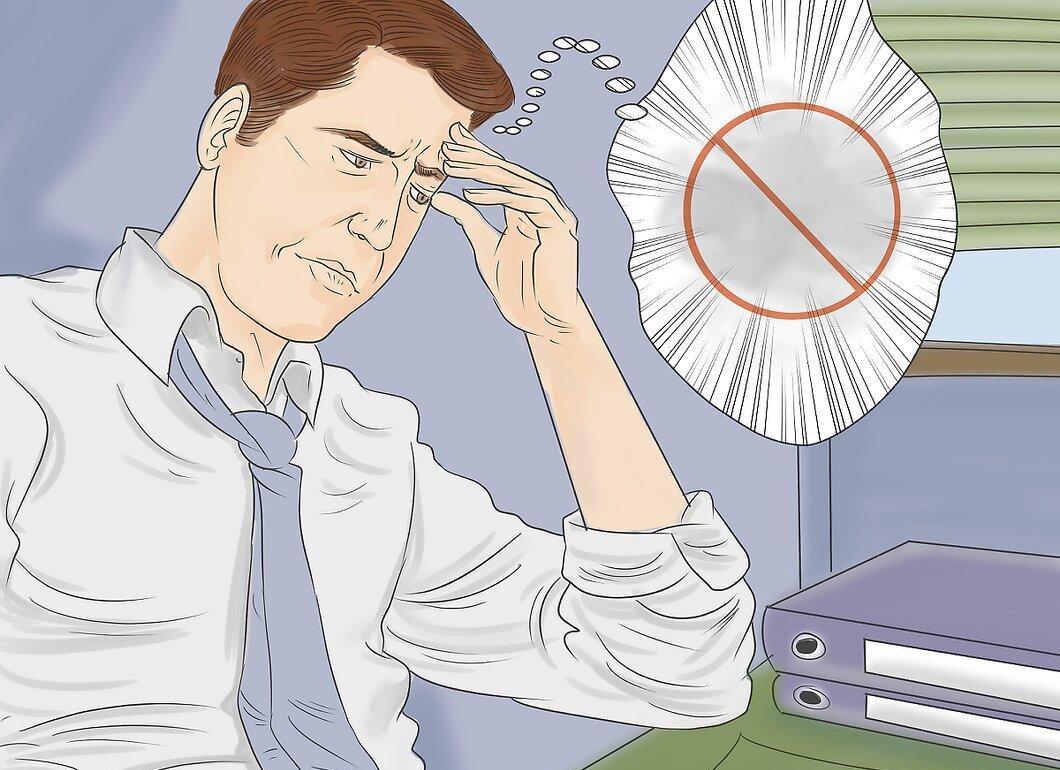
If there are no clear signs of job loss threats, try to understand where these fears are coming from. They may stem from past experiences. Identifying the root of your irrational fears can help you manage them.
- Did you experience intense stress when you were unexpectedly laid off from your previous job?
- Have you witnessed a loved one struggle after losing their job?
- Do you have low self-esteem, leading to fears of being dismissed?
Step 3. Discuss Your Concerns with Colleagues.

Talk to your colleagues about your fears. You might be surprised to learn that many of them share similar feelings. Some managers may use the fear of job loss to maintain discipline among employees.
- If you feel that management is manipulating you, it might be worth considering looking for a new job.
- Avoid complaining to colleagues to protect your reputation.
Step 4. Talk to Your Boss About Your Concerns.
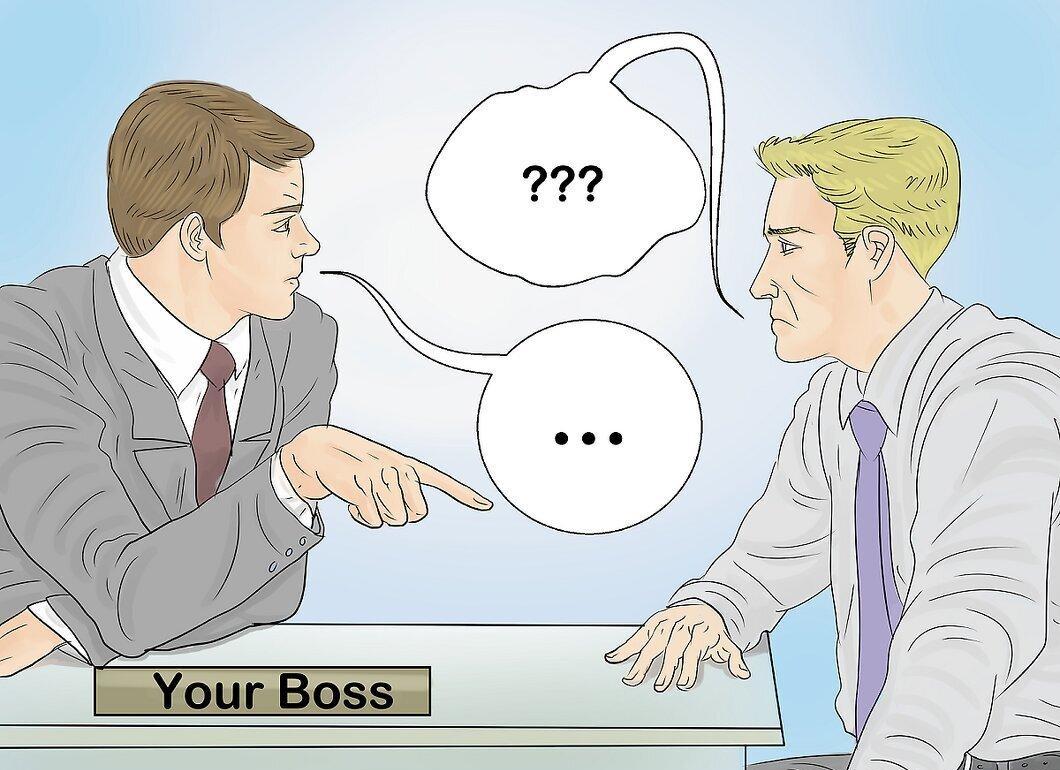
Initiate a meeting with your boss to discuss work-related issues. Show that you value your place in the team and are committed to fulfilling your responsibilities to the best of your ability. Your proactive approach may impress your boss and help ease your worries.
- Offer assistance on current projects to lighten your manager's workload.
- Remember that your boss's evaluation is likely based on overall business performance rather than personal preferences.
- Make a list of your achievements at your current job.
Prepare for the Worst-Case Scenario
Step 1. Update Your Resume.
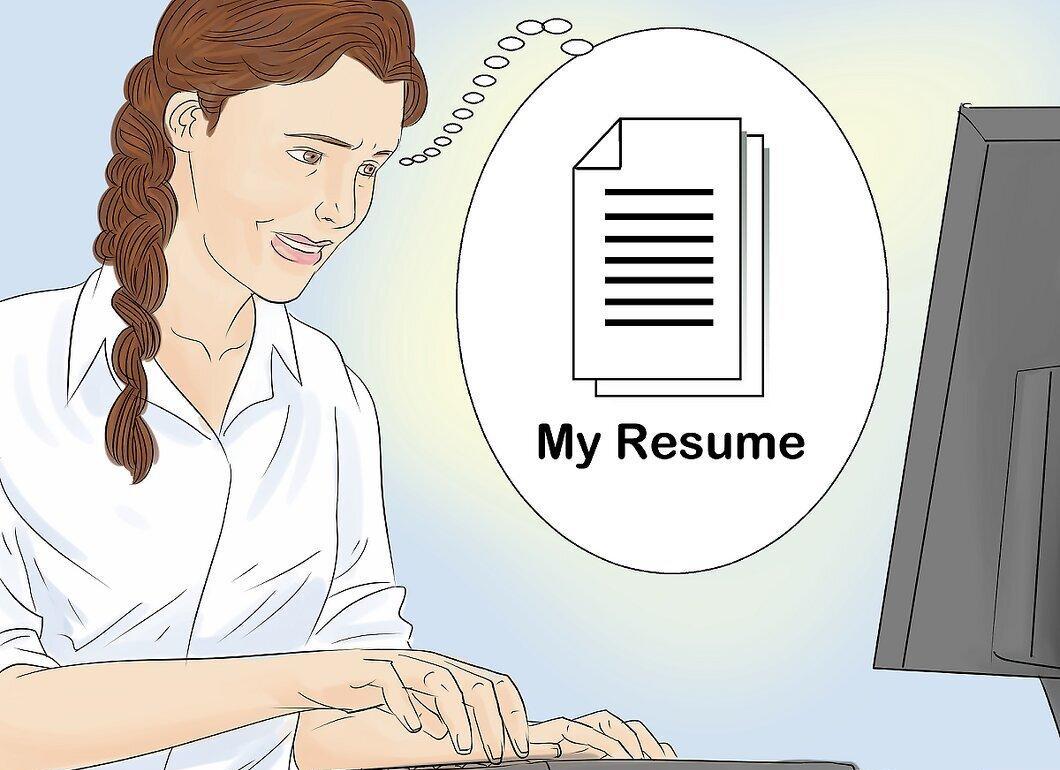
Be sure to update your resume with new skills and experiences gained at your current job. A polished resume will boost your confidence that you can adapt quickly if you lose your job. Knowing you are prepared for various scenarios will help you manage anxiety more effectively.
- Pay attention to confidentiality when sharing your resume, so your management does not find out about your job search.
Step 2. Review Your Employment Contract.
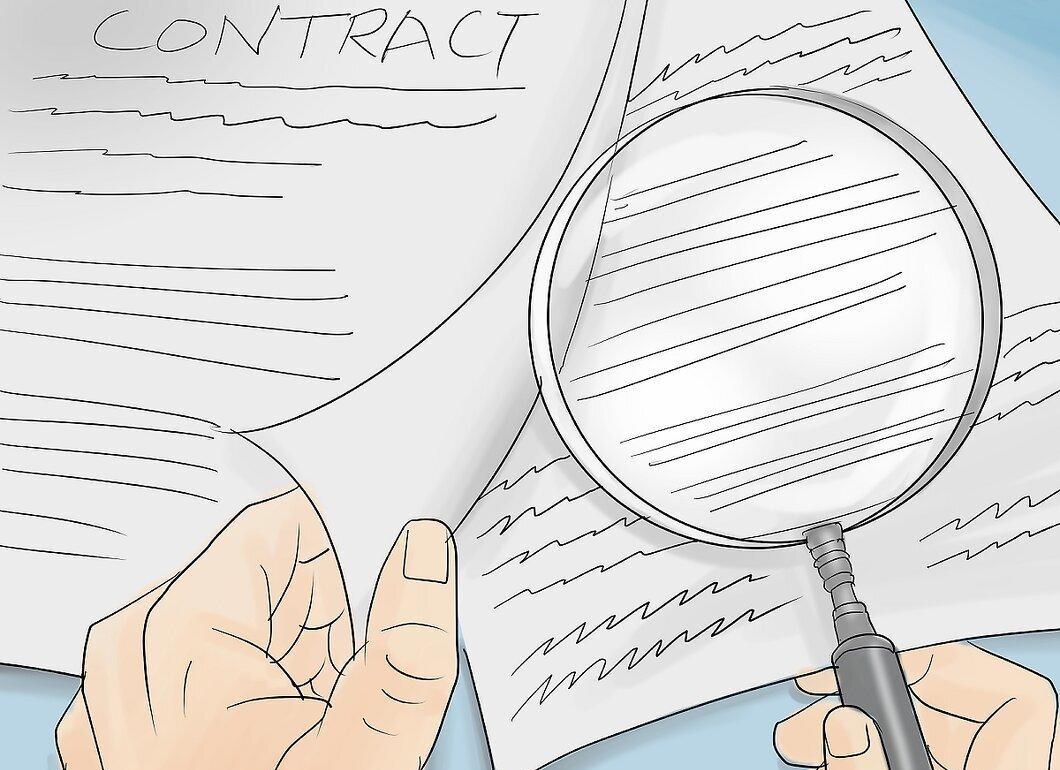
Study your employment contract to determine if you have any rights to compensation in the event of termination. Understanding that you have resources and time to find a new job can alleviate your concerns.
- Russian legislation provides for compensation under certain circumstances of dismissal (e.g., downsizing). Employers are required to pay severance and possibly provide compensation for the job search period.
Step 3. Learn About Unemployment Benefits.
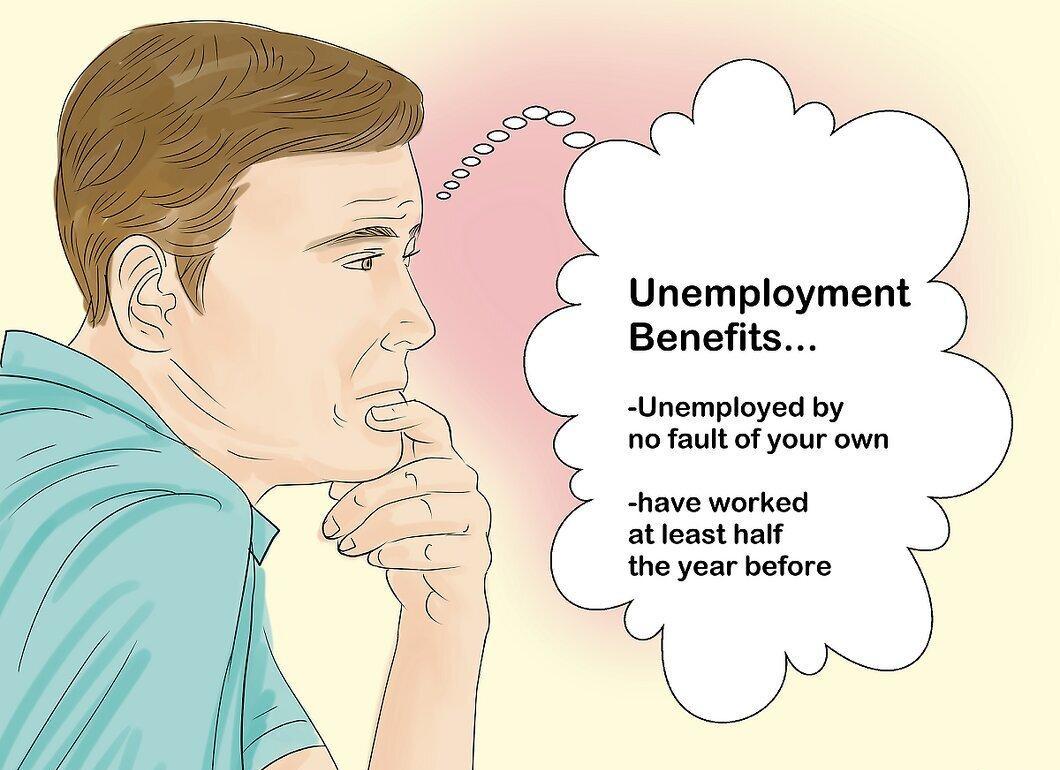
Research how to obtain unemployment benefits to have financial support while looking for a new job. Familiarize yourself with the eligibility requirements for receiving benefits.
- Legislation divides citizens into two categories regarding their right to benefits based on the reasons for dismissal.
- The first category has different benefit amounts for the first year post-termination.
Step 4. Gather Recommendations.

Before leaving your current job, collect references from colleagues and supervisors that can assist you in future job applications. Stay in touch with them so they can remember you when needed.
- It's important that your references recall your contributions to confirm your qualifications.
Step 5. Stay Informed About Job Openings.

Keep an eye on current job openings and ensure your resume is accessible to recruitment agencies and potential employers. Reach out to recruitment agencies in your area to learn about available opportunities.
- Be careful to keep your job search confidential from your management.
View Job Loss as an Opportunity for Growth
Step 1. Get to Know Yourself Better.

Try to relax and let go of stress associated with your previous job. If you are laid off, it will give you time to focus on what inspires and makes you happy. You may discover your true career goals and realize you want to pursue something entirely different.
- Pay attention to your health: exercise, eat well, and get enough sleep.
- Collect new experiences and memories. You have the chance for an affordable trip or hike.
- Take time to learn new skills you didn’t have time for while working.
Step 2. Spend Time with Loved Ones.

Enjoy time spent with family. Sometimes, while focusing on work, we forget what truly matters. If you are laid off, it will be a great opportunity to dedicate more time to family and friends.
Step 3. Read Biographies of Successful People Who Faced Job Loss.

Read stories of famous individuals who achieved success after being laid off. Many successful people have faced job loss, and sometimes it opened doors to new opportunities.
- For example, J.K. Rowling was initially laid off from her secretary job and was even homeless before writing the Harry Potter books.
- Michael Bloomberg was also fired from an investment bank but used his severance package to start his successful company, Bloomberg.
Step 4. Rebuild Your Confidence.

Constant fears and anxieties about job loss can undermine your self-esteem. If you leave your current job, you will have the chance to remember what a remarkable person you are. Your worth doesn’t change, and another company will value your skills and talents.