Many people heading on international trips prefer to exchange currency in advance to have cash on hand for taxi fares upon arrival or other immediate needs. Once you land, you'll likely find currency exchange points at airports, ferry terminals, hotels, and other tourist hotspots. However, keep in mind that the exchange rates at these locations can be significantly lower than those offered by banks, and fees may reach up to 7%. You can also use your credit card. This article will help you prepare in advance and avoid unnecessary costs when exchanging currency.
Currency Exchange Before Your Trip
Step 1: Understand the Process
A crucial point for first-time currency exchangers: familiarize yourself with the process to avoid unpleasant situations. The main idea is to find an intermediary (like a bank or exchange office) that will convert your currency into the currency of your destination for a fee. Note that some currencies can be more expensive than others. For example, the cost of one euro is $1.10, so by exchanging $100, you will receive 91 euros.
- If your country's currency is strong and the destination country's currency is weak, you will receive more local currency.
- Pay attention to purchasing power parity, which is the relative cost of goods in different countries. For instance, the price of a banana in the U.S. may be significantly lower than in Sweden, even though the dollar is stronger than the krona.
Step 2: Exchange Currency in Your Home Country
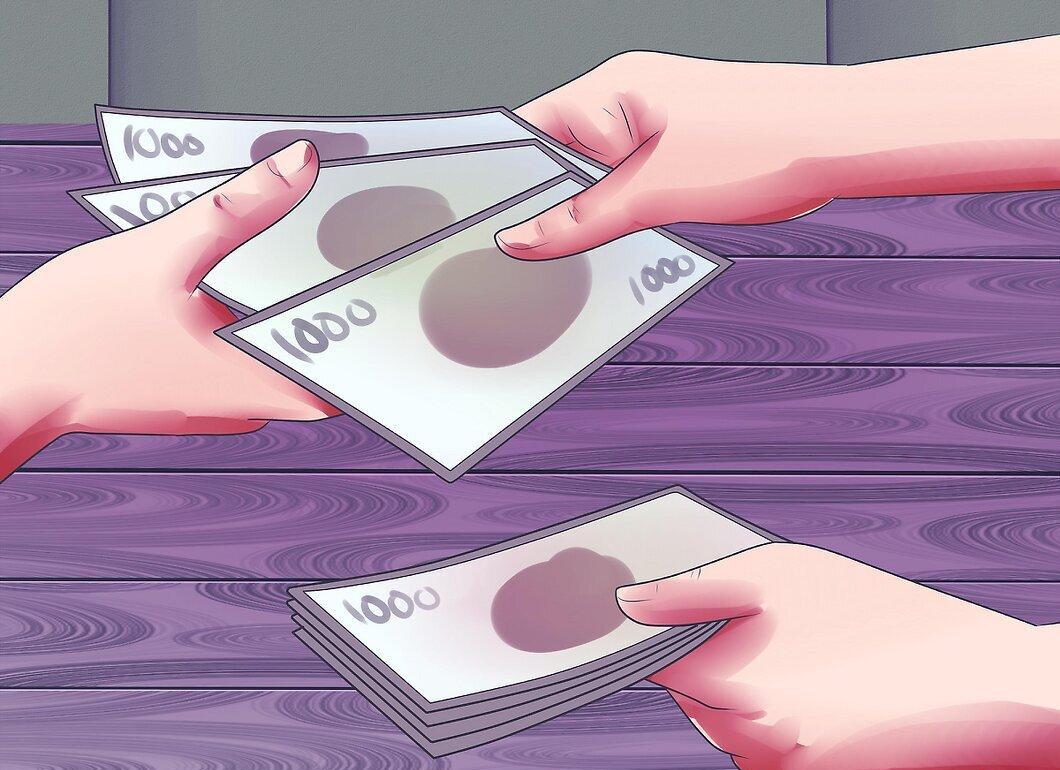
It's better to exchange currency in your home country. While it's often advised to exchange money at your destination, you might need a small amount of local currency right upon arrival (anything can happen). Therefore, it's wiser to prepare cash in advance (including small bills and coins).
- The amount depends on the country you're visiting, but it's reasonable to exchange around $50.
Step 3: Check Exchange Rates to Determine the Needed Amount
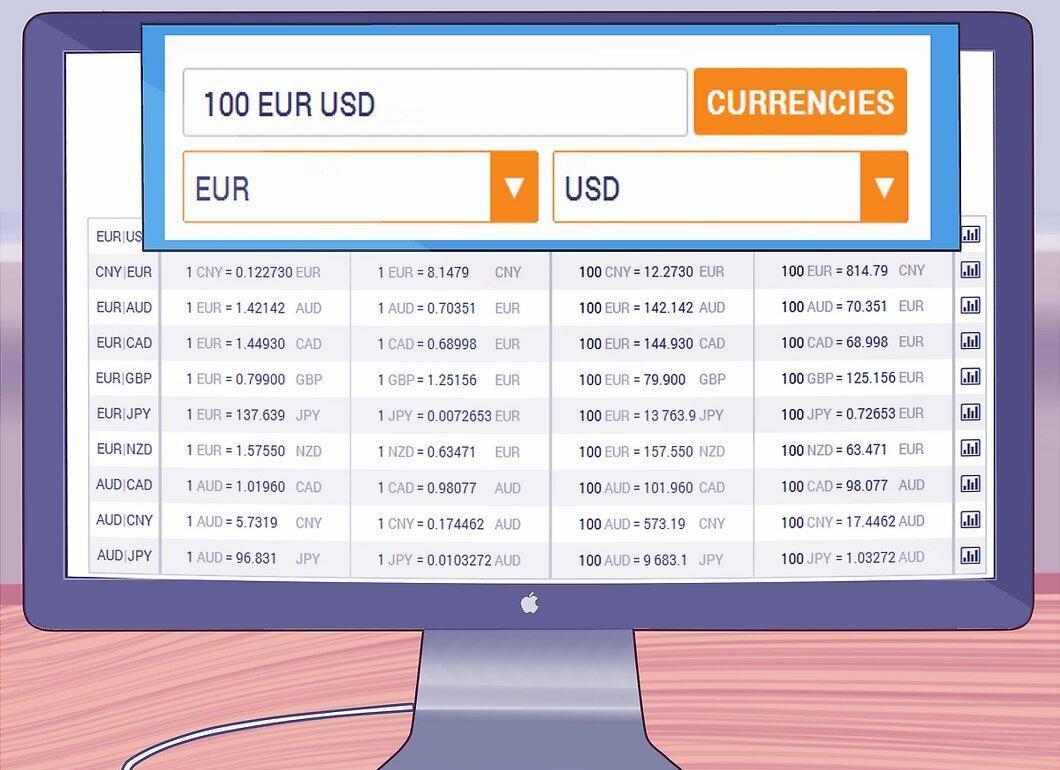
Find out the current exchange rates to understand how much you should exchange. Rates can fluctuate, so it's important to calculate carefully to avoid losses due to rate differences. While it's better to exchange most of your currency at your destination, if your currency is rapidly depreciating, it may be wise to do it sooner.
- Use a search engine to look up "exchange rates" to find out the value of your currency against the destination currency.
Step 4: Banks Are the Most Convenient for Currency Exchange
Exchanging currency at your bank is the easiest way (before departure). Banks typically charge minimal fees for exchanges, and you will receive the best rates.
- However, in smaller towns, there may be a problem with the availability of the required currency, so you might need to order it in advance—several days or even two weeks ahead.
Step 5: Be Aware of Credit Card Fees Abroad
Before your trip, check with the bank that issued your credit card about the fees for using it abroad. Many banks charge for transactions at foreign ATMs and other transactions outside the country. If the fees are high, consider switching to a bank that offers lower rates for travelers.
- Some banks may charge a monthly fee for maintaining a minimum balance. Ensure that your account always has enough funds.
Step 6: Exchange Currency Online
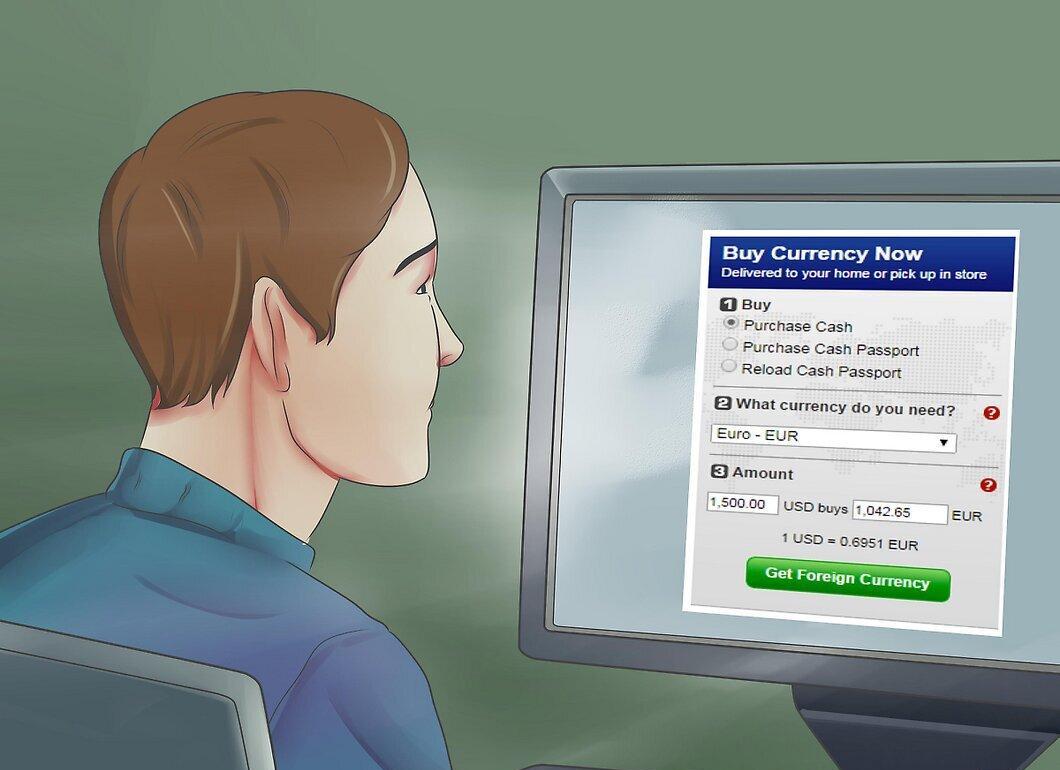
Exchanging currency online is another option worth considering before you leave, as it can be risky abroad. You can find favorable rates and low fees online, but keep in mind that transfer costs can make this option less advantageous. However, if you prefer not to visit a bank, this can be a convenient way.
- This method is particularly beneficial if you need to exchange large sums, as many online exchangers are willing to cover transfer costs.
Currency Exchange Abroad
Step 1: Be Prepared for Cash Transactions
Be ready to pay in cash. Cash may be required more frequently abroad than in your home country, as not all places widely accept credit cards. Keep this in mind and prepare accordingly.
- This is especially true in some developing countries where bank cards are not as common.
Step 2: Use ATMs for Currency Exchange
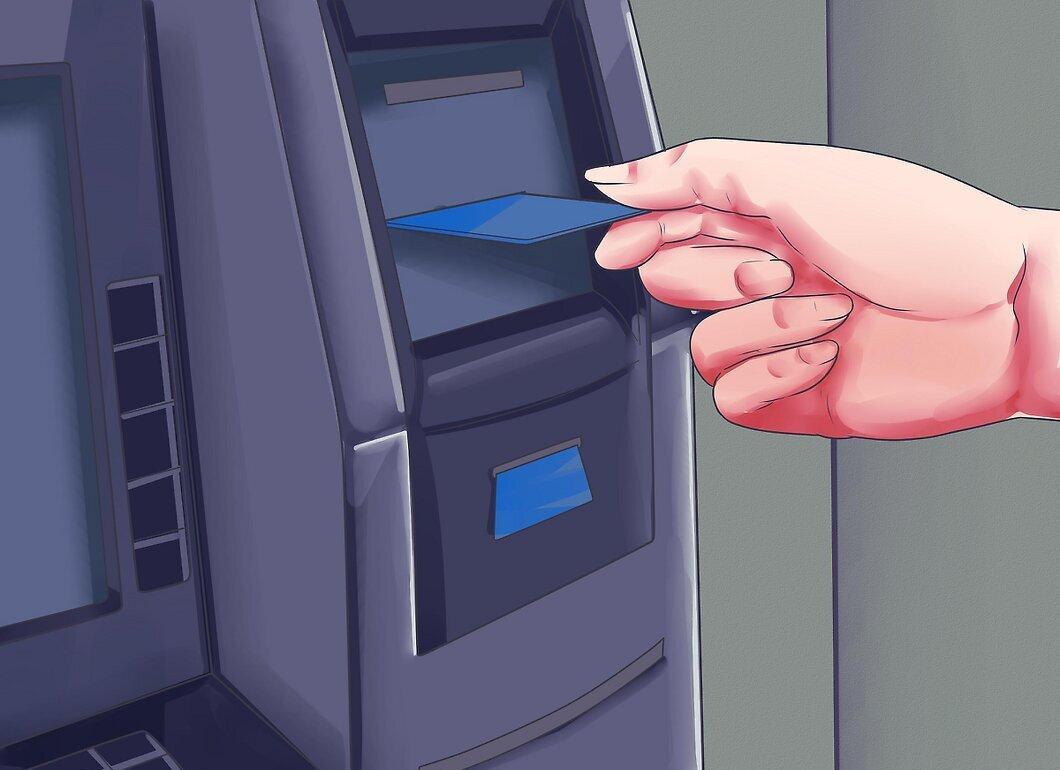
Exchange currency through ATMs. Find an ATM from a major bank in the country, and if you have a VISA or MasterCard, you can quickly exchange money and get cash. This often happens at favorable rates, possibly without additional fees.
- To find an ATM, use the internet, then check Google Maps for the nearest devices. You can also find ATM addresses on bank websites. If you have trouble, just ask hotel staff for help.
Step 3: Pay by Card If Possible
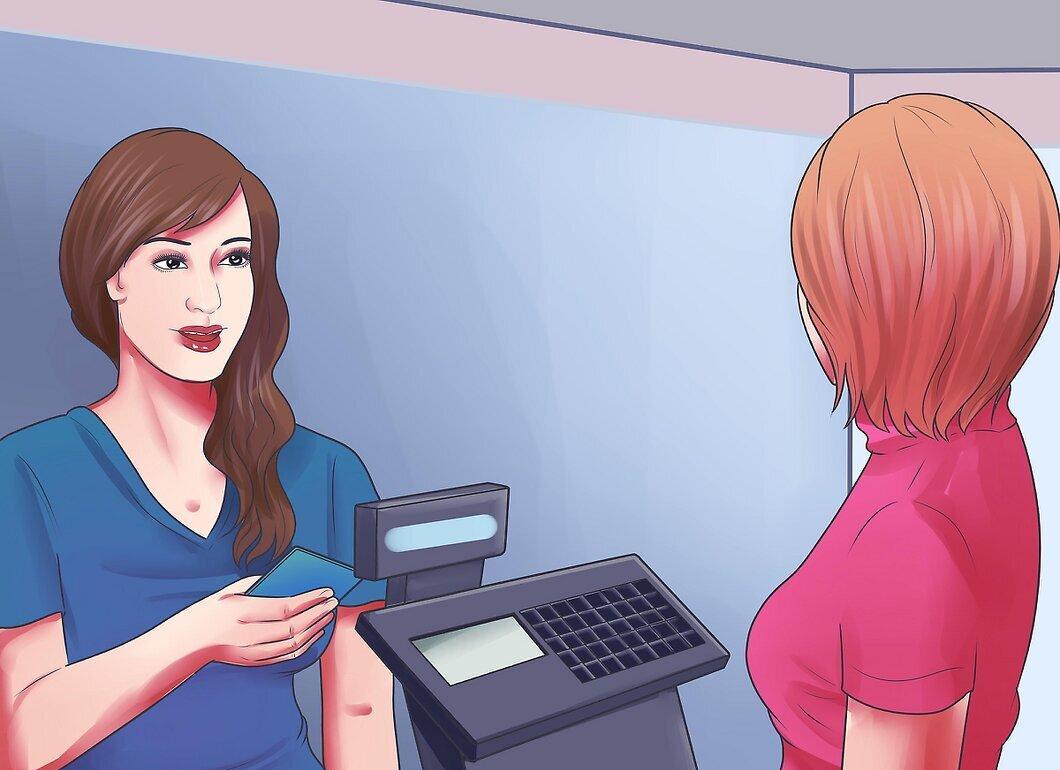
If possible, use a card for payments. Most retailers will accept your VISA or MasterCard. This is convenient as your bank will automatically handle the conversion, so you won't have to worry about it.
- Keep in mind that in some countries, there may be terminals that only accept chip cards, and your card might not work.
- Additionally, check with your bank about any fees that may apply for such transactions.
Step 4: Exchange Currency at Major Banks
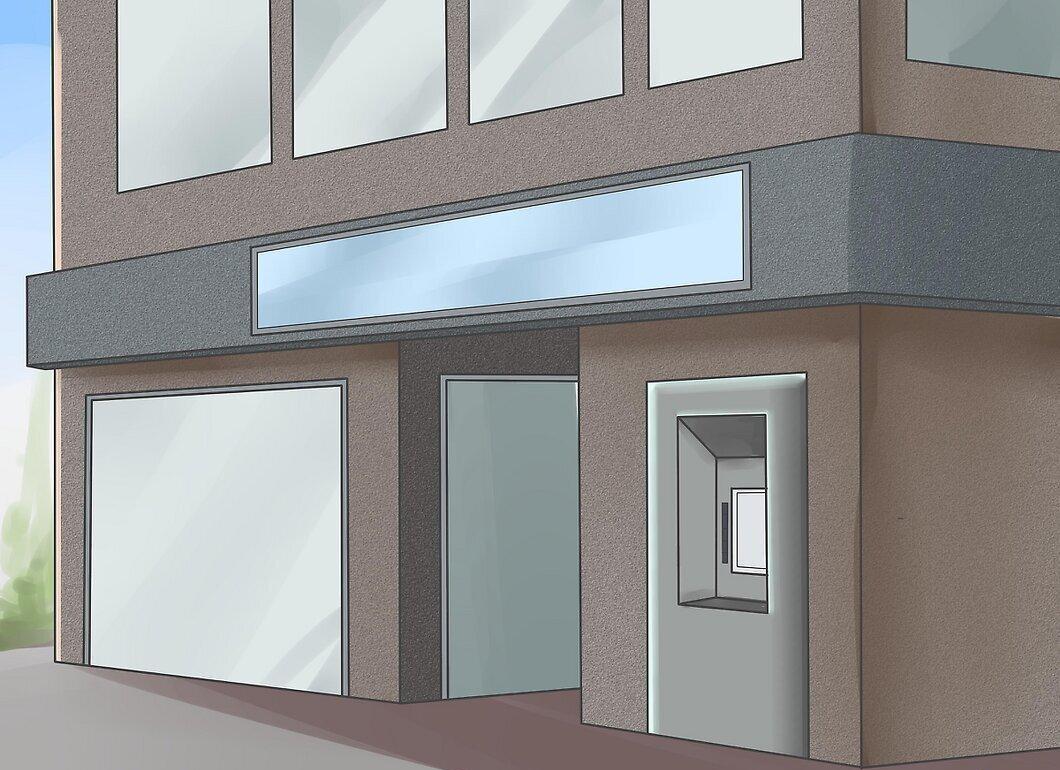
You can also exchange currency at major banks in the host country. This may be a bit more complicated than at your bank but generally offers better rates and lower fees.
- The main challenge may be the language barrier, but in larger cities, you’re likely to find staff who speak English.
- A problem may arise if the bank refuses to exchange currency for non-customers. In that case, ask for recommendations for another bank where you can exchange currency.
- You can also ask hotel staff for recommendations.
Step 5: Consider Prepaid Cards
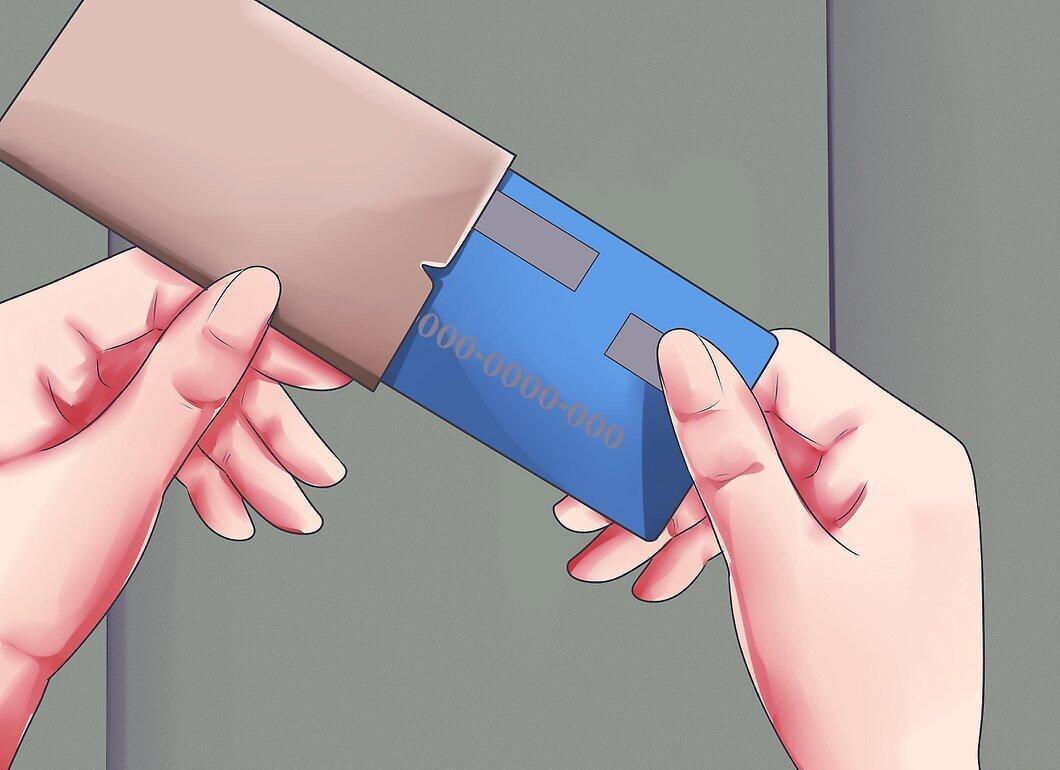
A prepaid card is an affordable, albeit not perfect, option. This is a card that has a certain amount of money loaded onto it. You can obtain such a card in advance or purchase it in the host country. However, be aware that fees can be quite high, and some places may refuse to accept it.
- Be cautious when purchasing such cards—choose reputable providers.
How to Find the Best Rate
Step 1: Plan Your Expenses in Advance
Plan ahead. Before exchanging money, determine how much you will need to spend. Exchange only the minimum amount you need to avoid risking extra money that you might not need (otherwise, you'll have to pay for the reverse exchange).
- This will also help reduce banking fees.
Step 2: Check the Current Exchange Rate Before Exchanging
Before exchanging currency, check the current rate. Some smaller financial institutions may offer unfavorable terms.
- It's advisable to download an app for tracking exchange rates, but be cautious about using mobile data abroad to avoid exceeding your data limit.
Step 3: Visit Multiple Banks or Exchange Offices

Check several banks or exchange offices to find the most favorable rates. Generally, banks charge lower fees, while exchange offices may offer the best rates. Moreover, at exchange offices, you can try to negotiate the rate since they compete for customers.
Step 4: Consider Paying in Your Home Currency
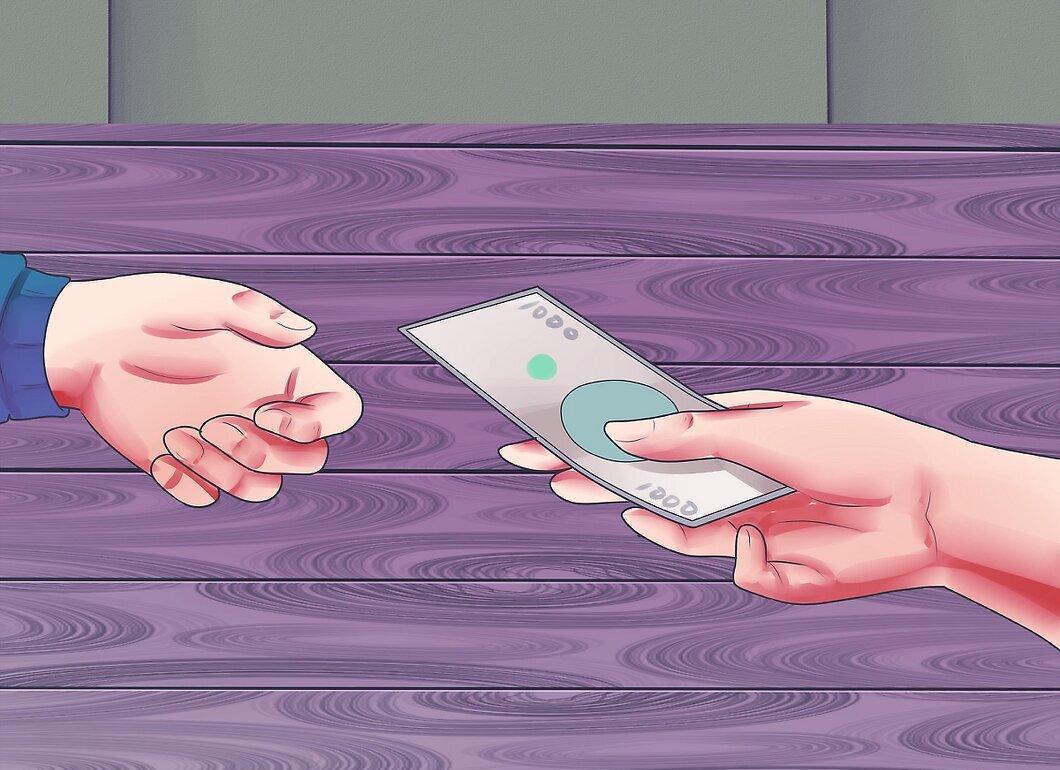
If possible, pay with your home currency. Often, shop or restaurant staff may offer you this option, or you might see it on price tags. But verify the rate to ensure the fee is minimal.
- This is possible in countries where your currency is highly valued and frequently used.
Step 5: Exchanging Currency at Your Destination is Usually the Best Option
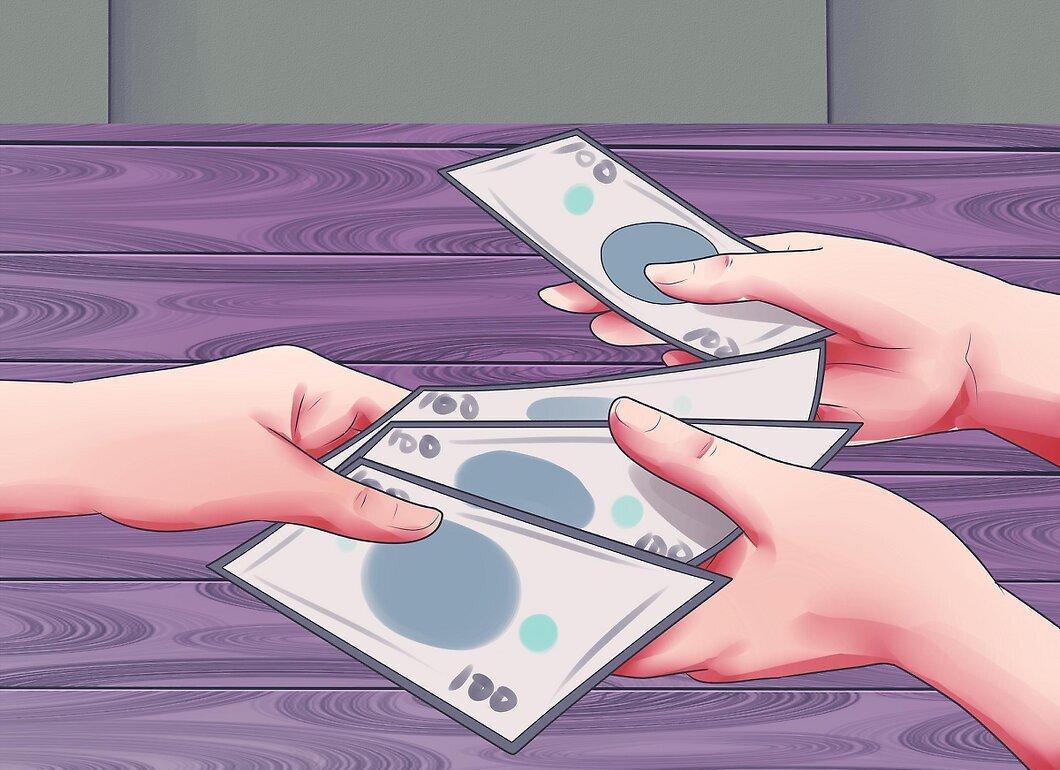
It’s generally recommended to exchange money at your destination, especially if you're traveling from a developed country to a developing one, as your currency may be significantly more valuable than the local one. Many travelers prefer not to carry large amounts of cash (though you can use a hotel safe for secure storage), so it’s best to exchange money upon arrival.
Step 6: Avoid Currency Exchange in Airports and Hotels
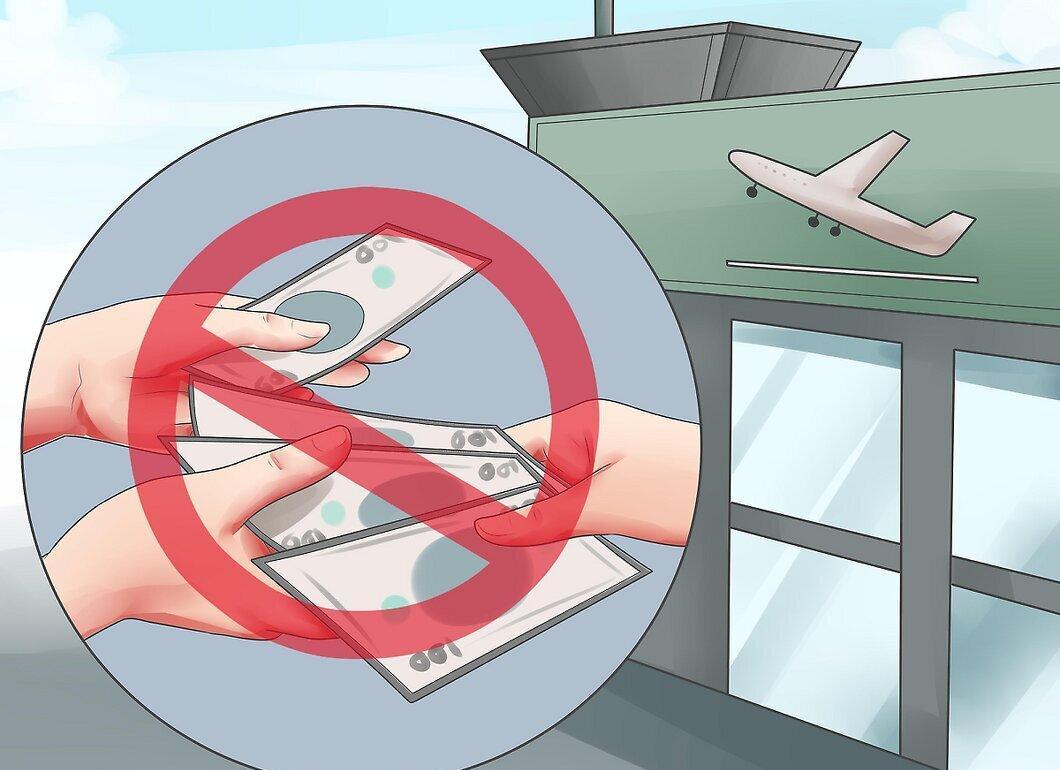
Whenever possible, avoid exchanging currency at airports and hotels. They usually offer very unfavorable rates (especially at points advertising no commission exchanges). Consider airport or hotel exchanges only as a last resort.