
Stay Awake at Work: 8 Proven Tips
Did you miss out on sleep after a restless night? Whether you were out partying, caring for a newborn, or working on an important project, now you find yourself at work, struggling to keep your eyes open, and it feels like a nap is just around the corner. You promise yourself to make it through the day without getting caught dozing off by your boss. In this article, we’ll share how to stay alert in such situations.
How to Stay Alert
Step 1. Play Some Music.

Put on some music that energizes you. Music can evoke emotions and activate different areas of the brain, helping you wake up a bit.
- Choose upbeat songs. Feel free to dance or sing along, even if it’s just nodding your head. In these situations, it’s better to select something a bit annoying than familiar and calm. Don’t forget your headphones to avoid distracting your colleagues!
- Keep the volume low. While many believe loud music is energizing, silence actually makes you listen more attentively. If the lyrics are unclear, your brain is engaged—that’s exactly what you need.
Step 2. Show Interest!

Try to engage with what’s happening around you. Being interested helps you stay focused. This can relate to both work tasks and events in your surroundings.
Step 3. Ensure Bright Lighting.

Create a bright lighting environment. Natural daylight is the best option. Sunlight regulates your internal clock, and if you trick your body into thinking it’s time to be awake, it will help you avoid sleep even when you’re tired.
- Step outside for a moment or just look out the window. This will help you stay active.
- Consider using bright lamps. The more light, the better. Check if you can brighten the lighting at your workspace.
Step 4. Suck on Ice.
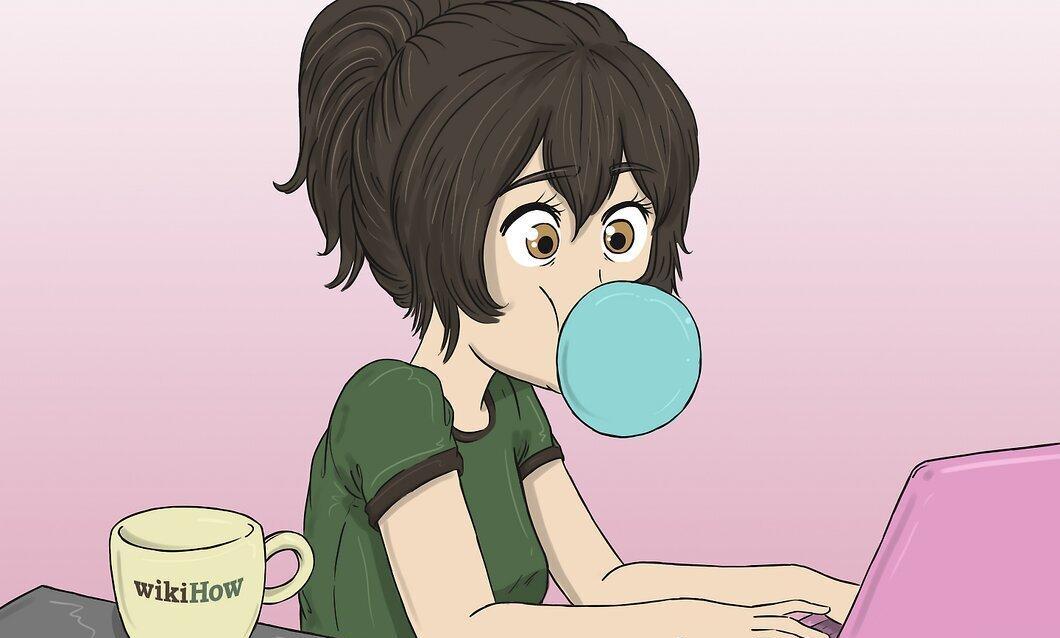
Sucking on ice makes sleep nearly impossible. The cold temperature keeps your brain alert, even if you're extremely tired.
- Sucking on any objects, like a pen or pencil, tricks your brain into thinking food is coming, which activates its functions and boosts your energy levels.
Step 5. Splash Your Face with Water.

Wash your face with cold water. If you feel uncomfortable, remove your outer clothing to feel cooler. Open a window or turn on a fan to direct airflow to your face.
- Cold helps your body stay active as it has to regulate its temperature. This method will also help you avoid dozing off.
Step 6. Use Scents.
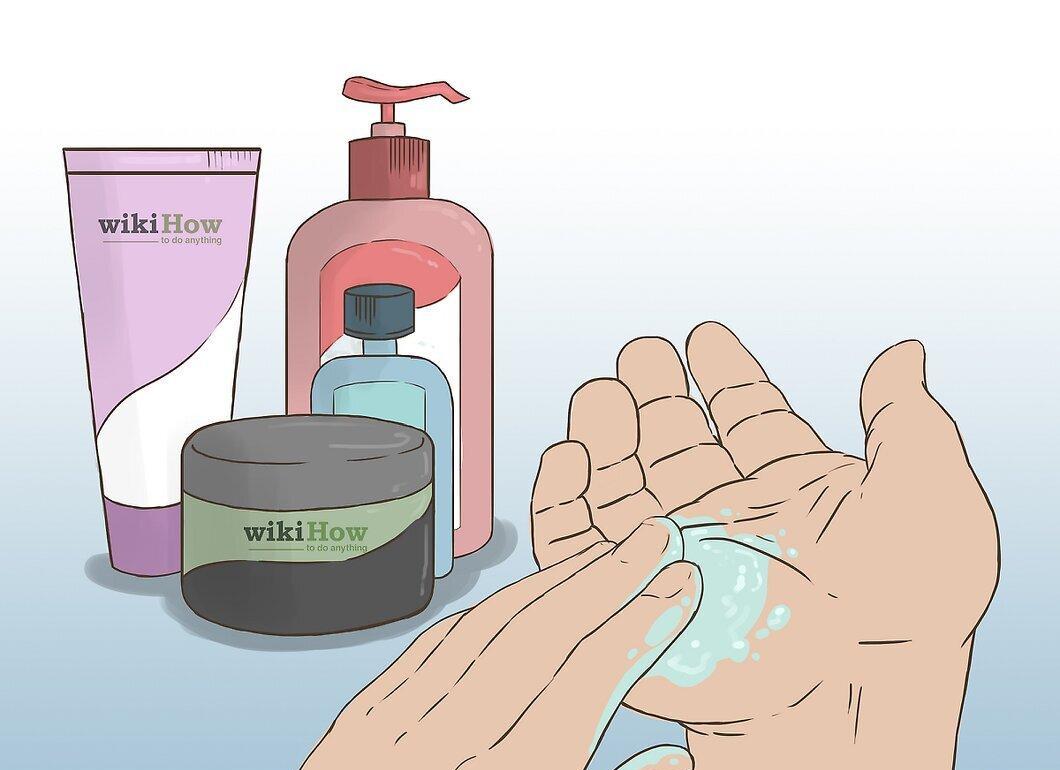
Scents can quickly wake you up. Strong smells, both pleasant and unpleasant, stimulate the nervous system. Try the following oils if you feel sleepy:
-
Rosemary
-
Blue Eucalyptus
-
Coffee—even its aroma has an invigorating effect.
-
You don’t need to have oils—lotions or candles with these scents can also help. Dried herbs like rosemary and mint are available in stores. Sniff a pinch for an energy boost.
Step 7. Eat Right.

Try to eat healthy foods to maintain energy levels, but avoid overeating. You know that can lead to drowsiness. It’s better to steer clear of large portions, like pizza or steak.
- Instead of eating multiple large meals, opt for small snacks throughout the day. Avoid consuming too much sugar and caffeine at once—spread them out during the day.
- Your breakfast shouldn’t be carb-heavy (toast, pastries, etc.), or you’ll feel sleepy by 11 AM.
- Put some seeds in your mouth and crack them open using only your teeth and tongue. This stimulates your brain and helps you stay awake, while the salt will give you energy. Spit the shells into a cup, trying not to disturb your colleagues.
Step 8. Play Games.
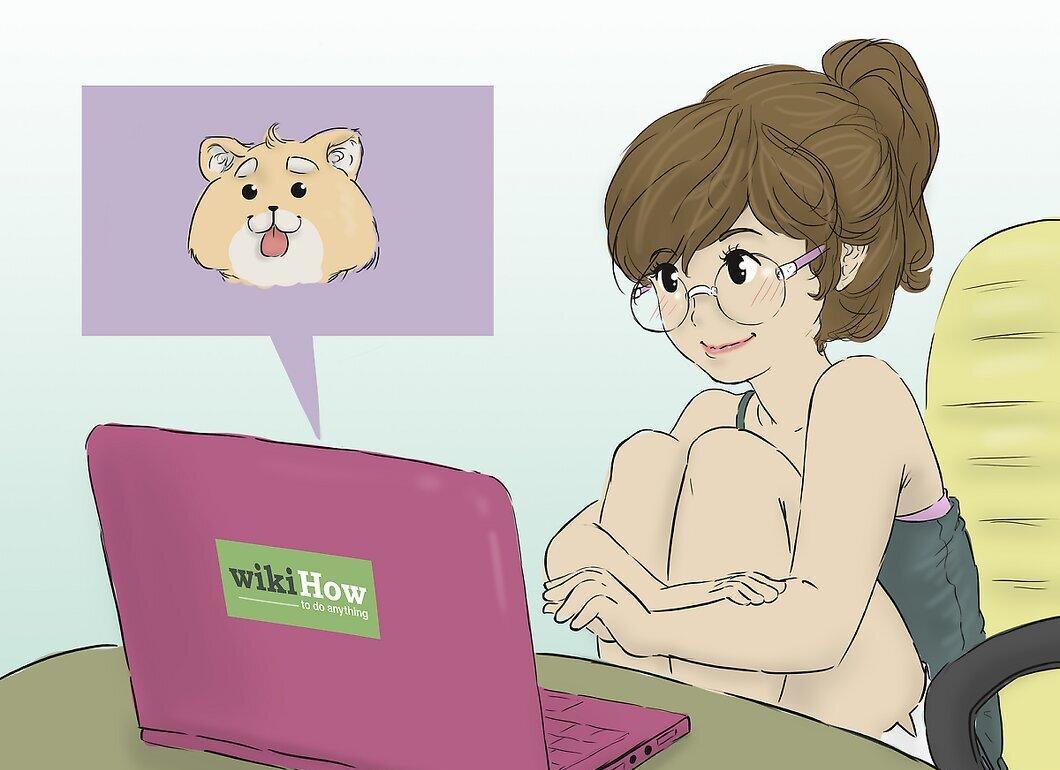
Play online games. There are plenty of websites with various games. Choose something you enjoy: puzzles, sports games, racing, and so on. Play for just 15-20 minutes—this will lift your spirits as gaming is fun and doesn’t take much time.
Exercises for Alertness
Step 1. Stretch.
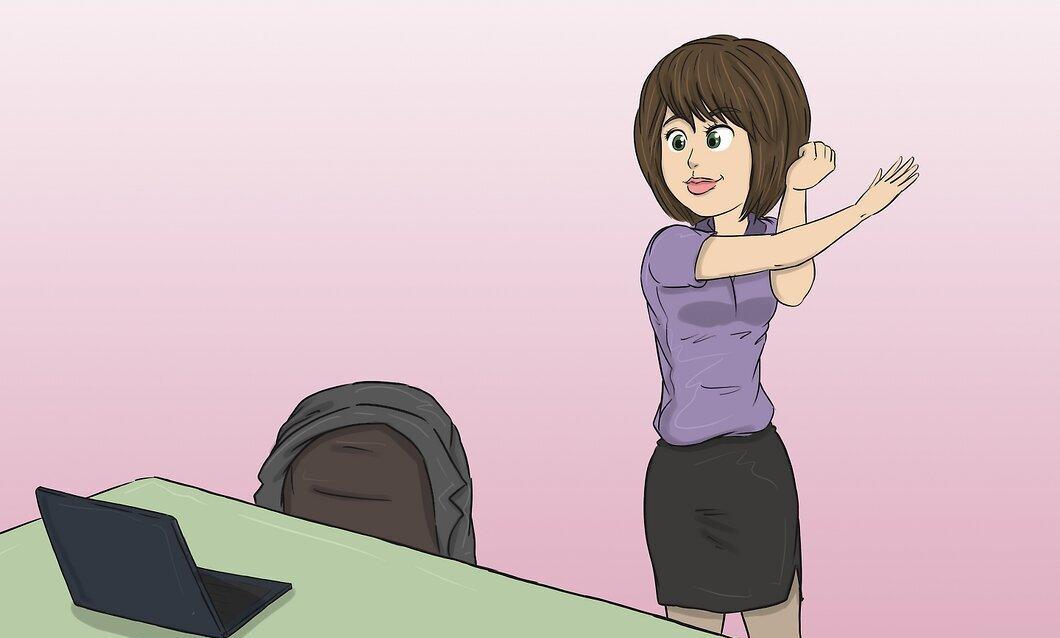
Regular stretching and body twists improve blood circulation and help avoid drowsiness. Spend 20 seconds rotating your head and warming up your neck—it will also be beneficial.
Step 2. Try Acupressure.
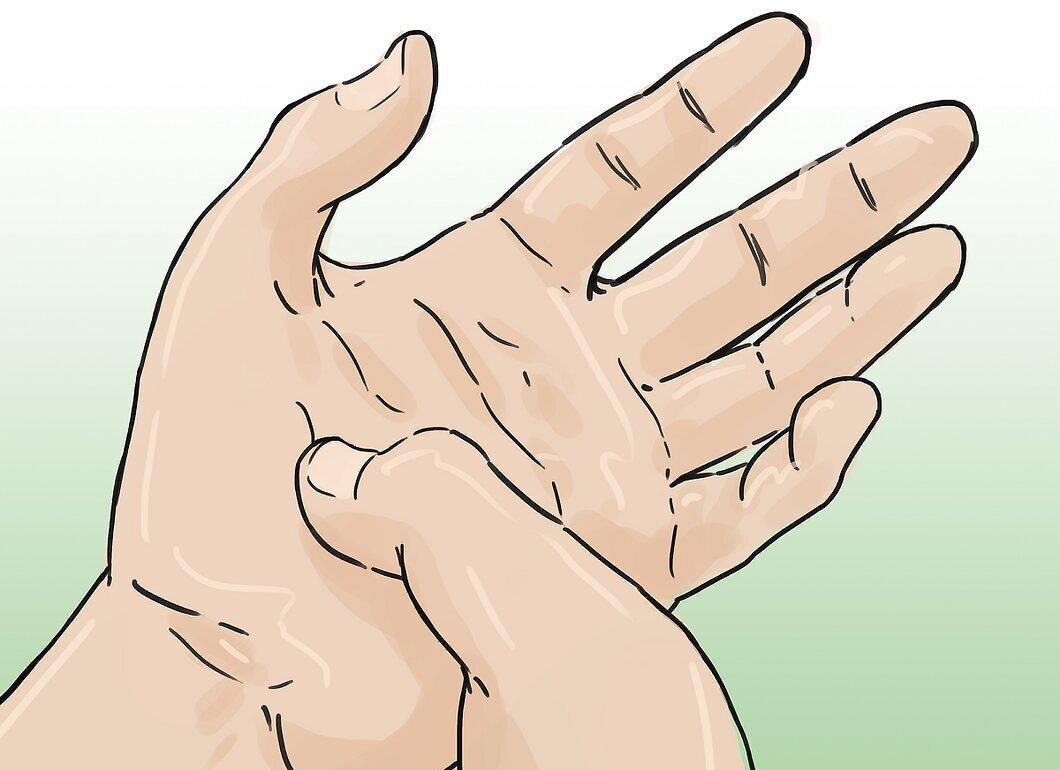
Acupressure can improve blood flow and energize your body. Here are the points to focus on:
- The crown of your head—gently massage it with your finger or a massager;
- The back of your hands, especially between your thumb and index finger;
- Just below your knees;
- Your earlobes.
Step 3. Do Office Exercises.

Work out your muscles while sitting at your computer and periodically stand up to improve circulation. This will help you stay awake.
- Try simple exercises: jumping, push-ups, squats, etc. You don’t need to exert yourself too much—just stimulate blood flow enough so that your colleagues don’t notice anything unusual.
- Try to be on your feet as much as possible. If you sit a lot, stand up every 20-30 minutes. By the way, people who sit less than 3 hours a day tend to live about two years longer on average.
- If you need to sit, choose an uncomfortable chair. Avoid soft chairs so you don’t doze off. The back of the chair should be firm to keep you sitting upright. Don’t rest your head on anything—neither on the wall nor on the desk.
Step 4. Take a Walk—It Refreshes.

A short walk can help you not only distract yourself but also recharge, especially if you’ve been sitting at the computer all day.
- If you have a stack of documents to deliver for signatures, get up and do it. When you return to your workspace, you’ll feel more alert and active.
- Studies show that short walks can indeed boost productivity. So if you have a tight deadline, don’t worry—the break will benefit you.
Other Strategies
Step 1. Take a Short Nap.
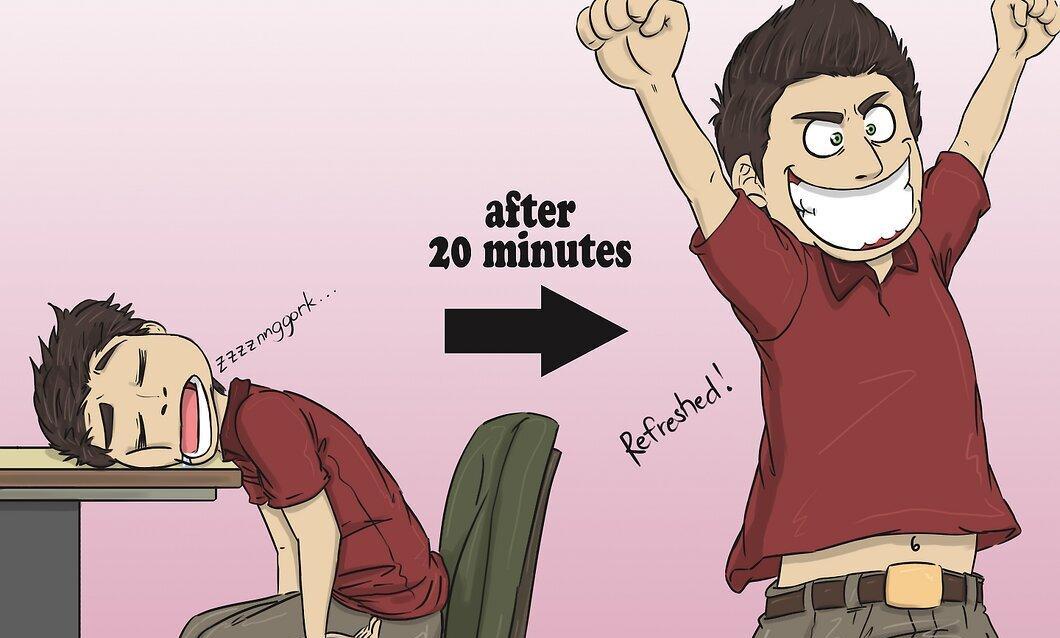
If possible, drink coffee and immediately take a 15-20 minute nap. This will help you quickly recharge. After about 20 minutes, the caffeine will kick in, and you’ll wake up with renewed energy.
- A 20-minute nap activates the right hemisphere of the brain, which is responsible for processing information.
Step 2. Maintain a Sleep Schedule and Healthy Diet.

Stick to a sleep schedule and follow a healthy diet. Regularity is very important for your brain. If you go to bed and wake up at the same time, your brain will adapt to this routine. Eating right will help maintain your energy levels, so you won’t need to take quiet breaks every day.
- How many hours of sleep do you need? Adults require 7-9 hours of nightly rest. If you’re expecting a baby or are older, then 10-11 hours.
- Some suggest sleeping with the curtains slightly open so the morning light signals your body that a new day is beginning and reduces melatonin production.
Step 3. Work on Mental Activity.

Focus on your mental capabilities. This may be challenging, but don’t allow yourself to relax. Recall jokes, movies, or any other topics—just keep your brain working! If something is bothering you, it can also help to keep you awake.
Step 4. Call Someone.
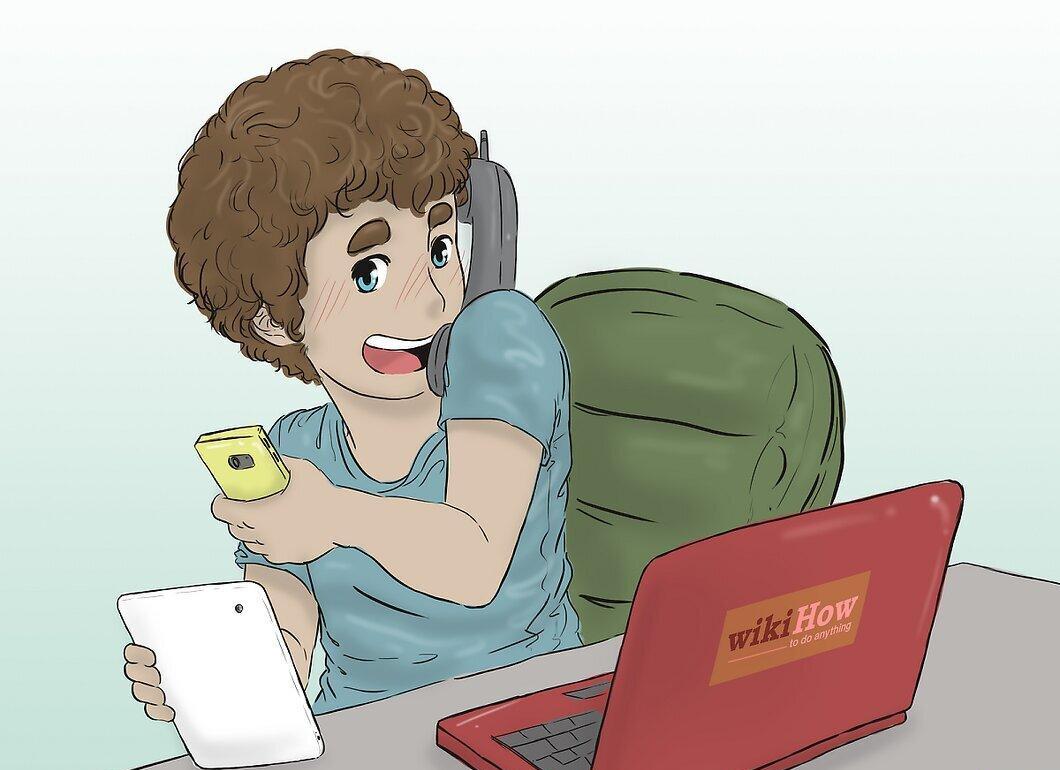
Make a call to a friend or loved one who can lift your spirits. A light conversation will help you perk up, and you’ll be able to continue working with renewed energy. Try to walk around during the call to stay active.