
Quitting a job can be a challenging experience, and it's crucial to handle it as professionally as possible. Your future employer may seek references from your previous boss, so leaving on good terms is important, even if your departure is due to conflict. If you're confident in your decision, preparing for your resignation will be a vital step where respect and self-worth play key roles.
Preparing to Resign
Step 1. Think Carefully About Your Decision.

Before announcing your departure, consider the consequences. Ensure that you won't regret your decision. Create a clear action plan to provide only accurate information about your resignation.
- Complete all ongoing projects to make it easier for your employer to find a replacement.
- Failing to tidy up your work may affect your references, and your future employer may conclude that your resignation was due to management issues.
- Make sure that resigning is truly necessary. No matter how compelling your reasons are, it's crucial to stick to your plan.
Step 2. Notify Your Employer in Advance.
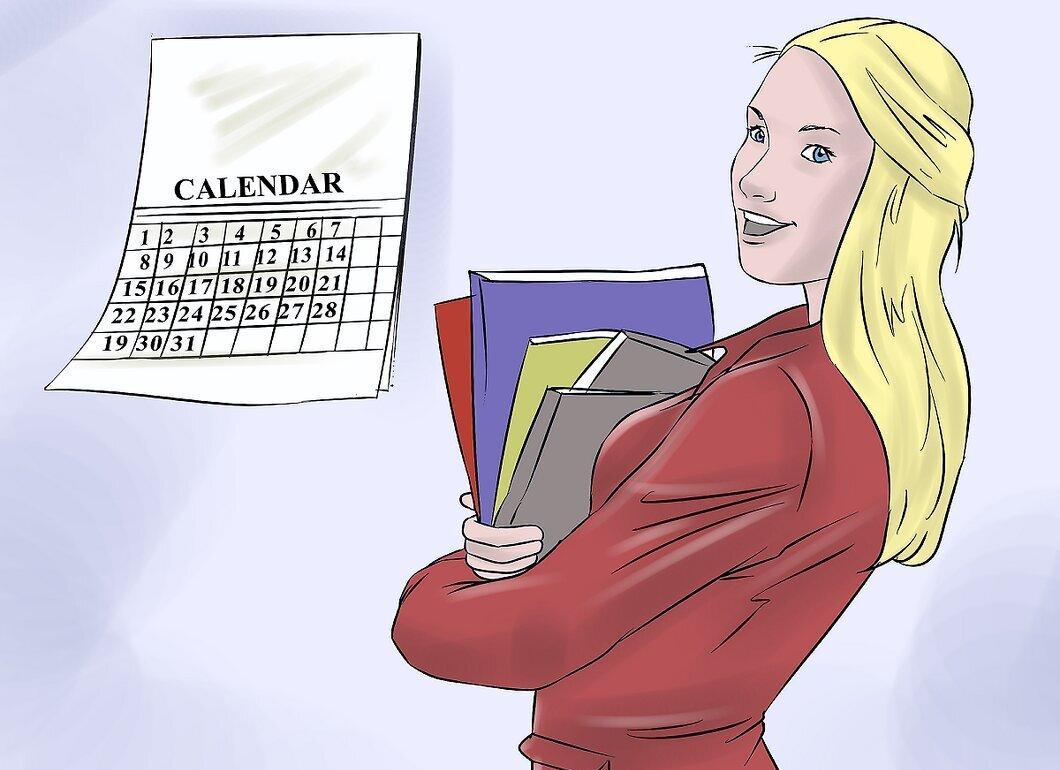
Let your employer know at least two weeks before your last working day. Both your current and future employers should be aware of your departure date.
- Most companies have a two-week notice policy.
- However, depending on your position, you may need to discuss timelines. For instance, if you're the sole IT specialist, your employer may need more time to find a replacement.
Step 3. Discuss Time Off with Management.
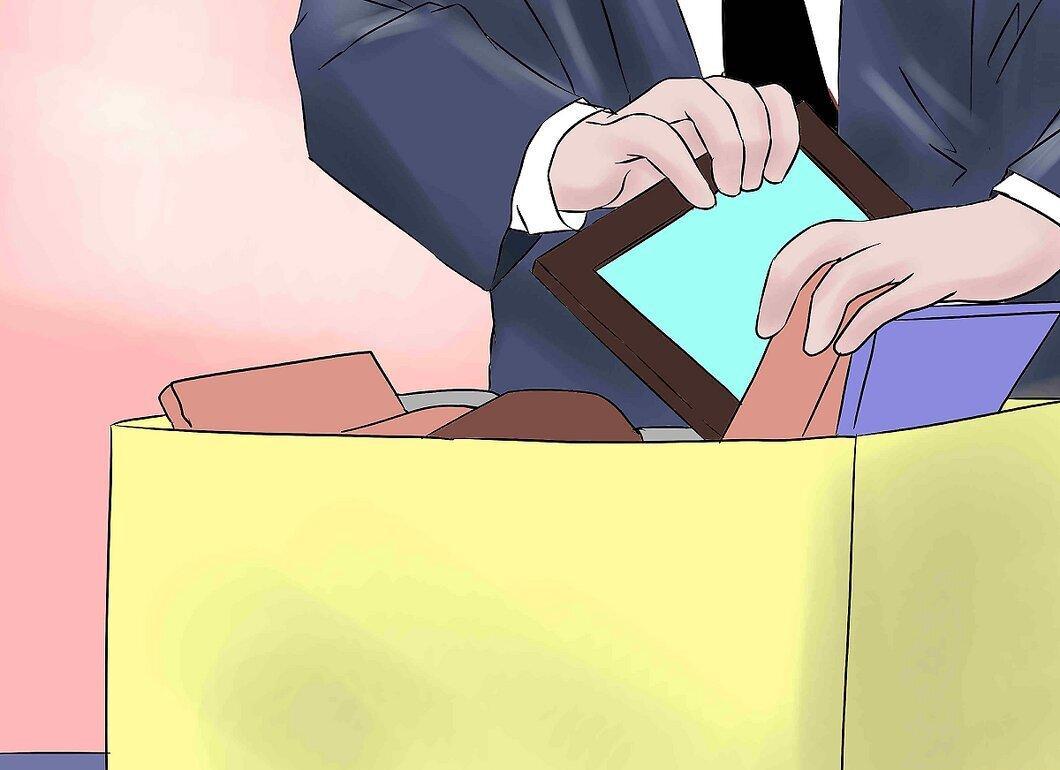
If you need to leave work early, be sure to discuss this with your supervisor. Inform them of the days and times you will be absent.
- For example, if you're traveling abroad or leaving for health reasons, your employer will likely accommodate you and allow you to handle personal matters during work hours.
Step 4. Be Prepared to Work Until the End.
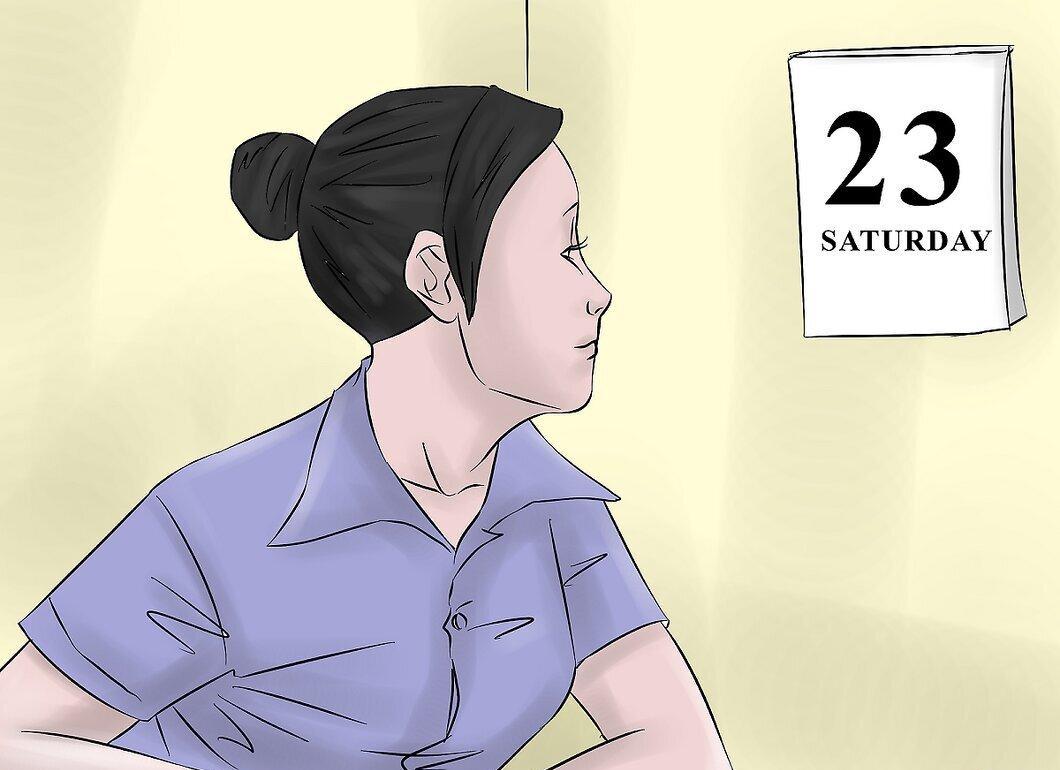
After announcing your resignation, it might be difficult to stay engaged until your last day. You may want to start your new job as soon as possible.
- If you don't complete your notice period, it could be seen as a violation of workplace discipline.
- Avoid tarnishing your reputation, as this could impact future references.
Step 5. Write a Resignation Letter.
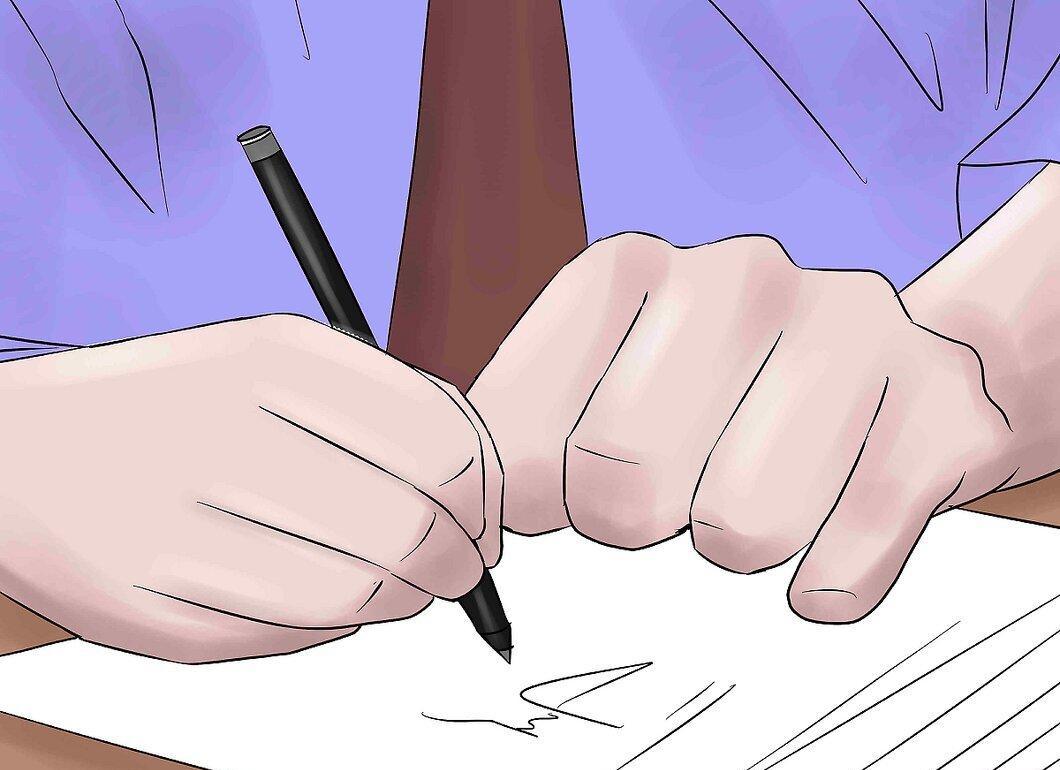
Draft a resignation letter. It should follow a standard format. Don't forget to include the following points:
- In the upper right corner, address the letter to the appropriate person, including their title, company name, and their full name (in the dative case), followed by your position and full name (in the genitive case).
- Below, in the center of the document, write the title "Resignation Letter."
- Next, state your request to resign and provide a reason.
- Conclude the document with the date and your signature.
Step 6. Arrange a Meeting with Your Manager or HR.

Schedule a meeting with your direct supervisor or an HR representative. First, clarify who should be informed of your decision first.
- This will likely be your immediate manager, but communication with HR may also be necessary.
- If your reason for quitting involves conflict, it may be wise to speak with HR to explain the situation.
- If possible, it's best to hold the meeting in person, but if you're far away, don't rule out a phone call.
Completing the Resignation Process
Step 1. Thank Everyone for the Meeting.

Start the meeting by thanking everyone present for taking the time to talk. This sets a positive tone for the discussion.
- For instance, you could say: "Thank you so much for taking the time to meet with me; I really appreciate it."
Step 2. Communicate Your Decision.
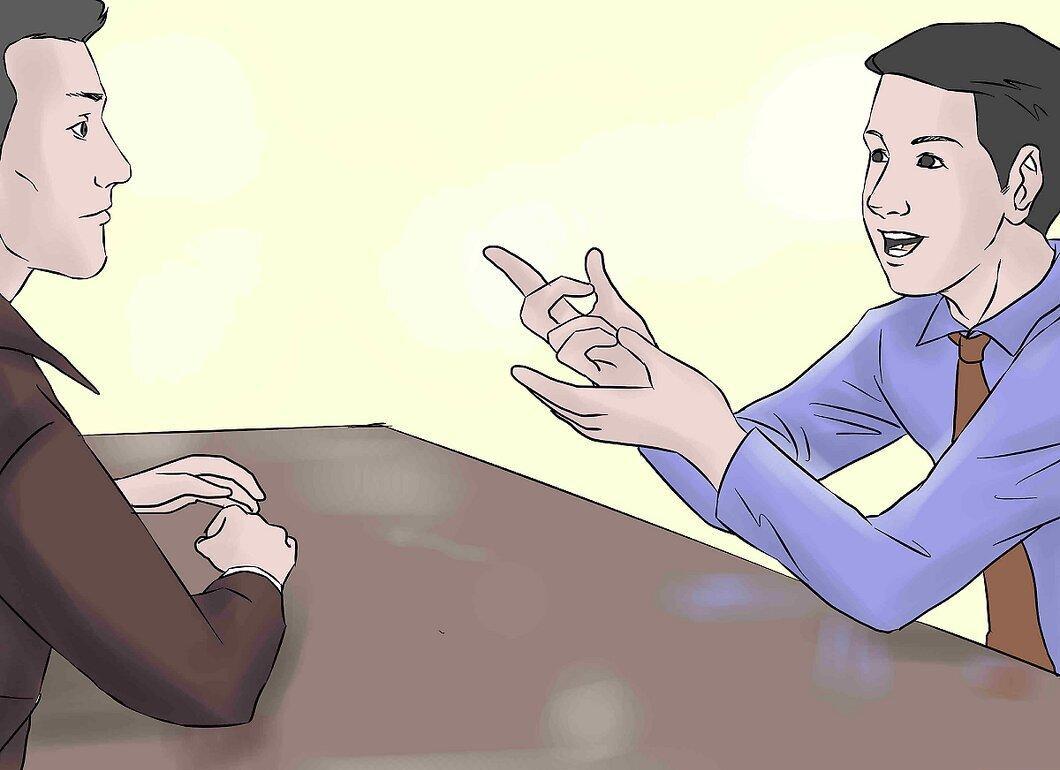
Clearly and simply communicate your decision to resign. You can briefly explain your reasons if it won't provoke a negative reaction.
- For example, say: "I have decided to leave because I have a new opportunity" or "I am leaving for personal reasons."
- Specify your last working day, usually two weeks or more from the meeting.
Step 3. Express Gratitude for the Opportunities.

Thank management for the opportunities the company has given you. Many employers help employees grow and develop professionally.
- Acknowledge that the company has provided you with a lot, and don’t forget to express your gratitude. This will help create a positive impression.
Step 4. Offer Assistance in Finding a Replacement.
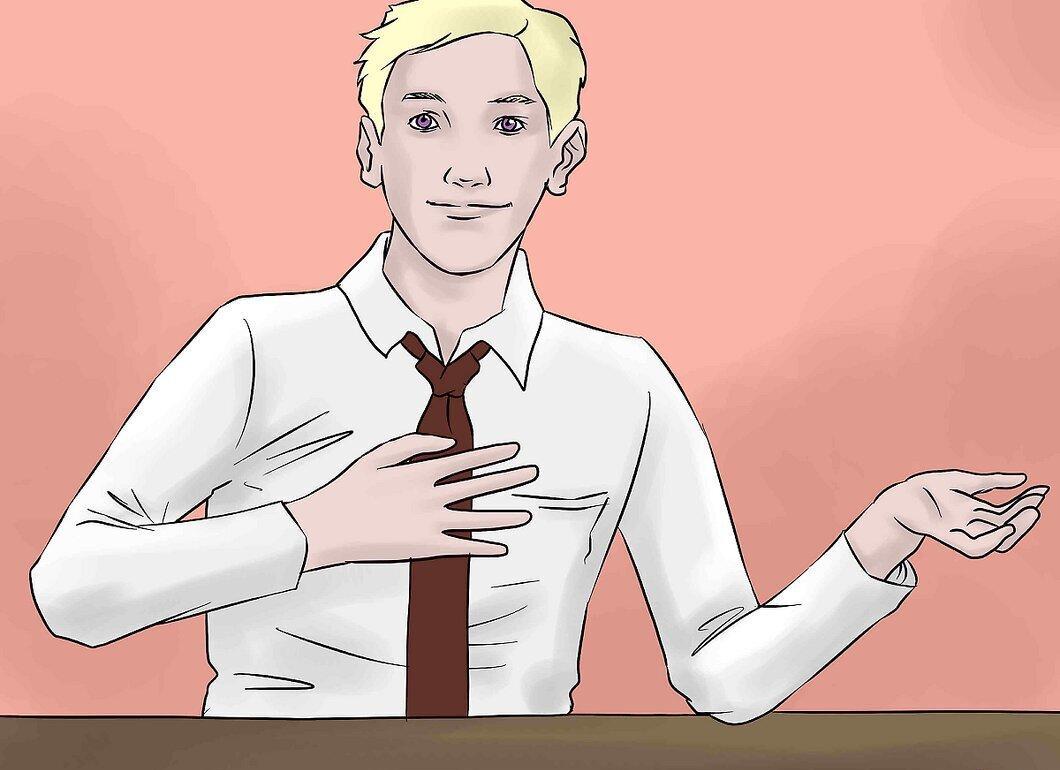
If you want to help the company, offer to assist in finding and training your successor.
- Taking on these tasks will significantly ease the transition for your employer and the new employee.
- Even if the employer declines, your willingness to help will be seen as a sign of respect and loyalty.
Step 5. Request a Letter of Recommendation.
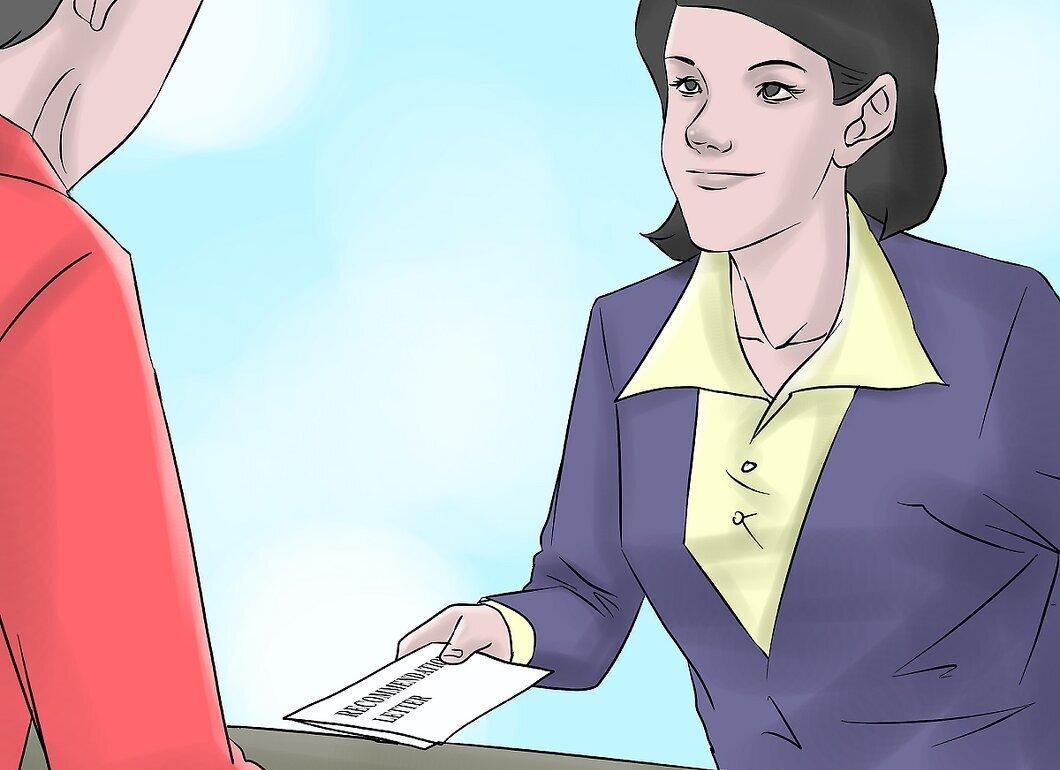
If your resignation has gone smoothly, you have a chance to receive a good letter of recommendation. Ask for it even if you don't need it immediately.
- You never know when you might need it in the future.
- It's best to ask while your employer still remembers your work well.
Step 6. Clarify Next Steps.

Ask what you need to do next. Different companies may have varied resignation procedures, and it’s essential to know all the details.
- For instance, ask questions like: "What should I do next?" or "Are there rules for the remaining days?" Check if an exit interview will take place to help the company gather feedback.
- Find out how to return company property (phone, laptop, etc.) and what documents need to be signed.
Step 7. Submit Your Resignation Letter.
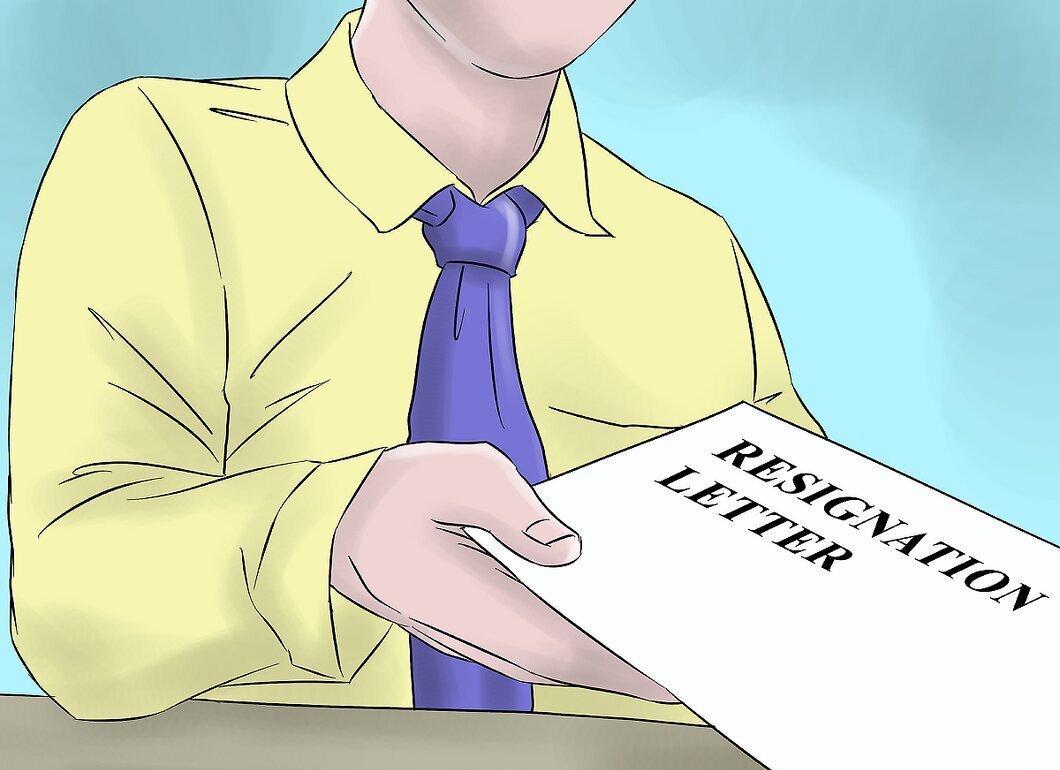
At the end of the meeting, hand over your signed resignation letter. It should contain all the necessary points you discussed earlier.
Step 8. Be Honest.
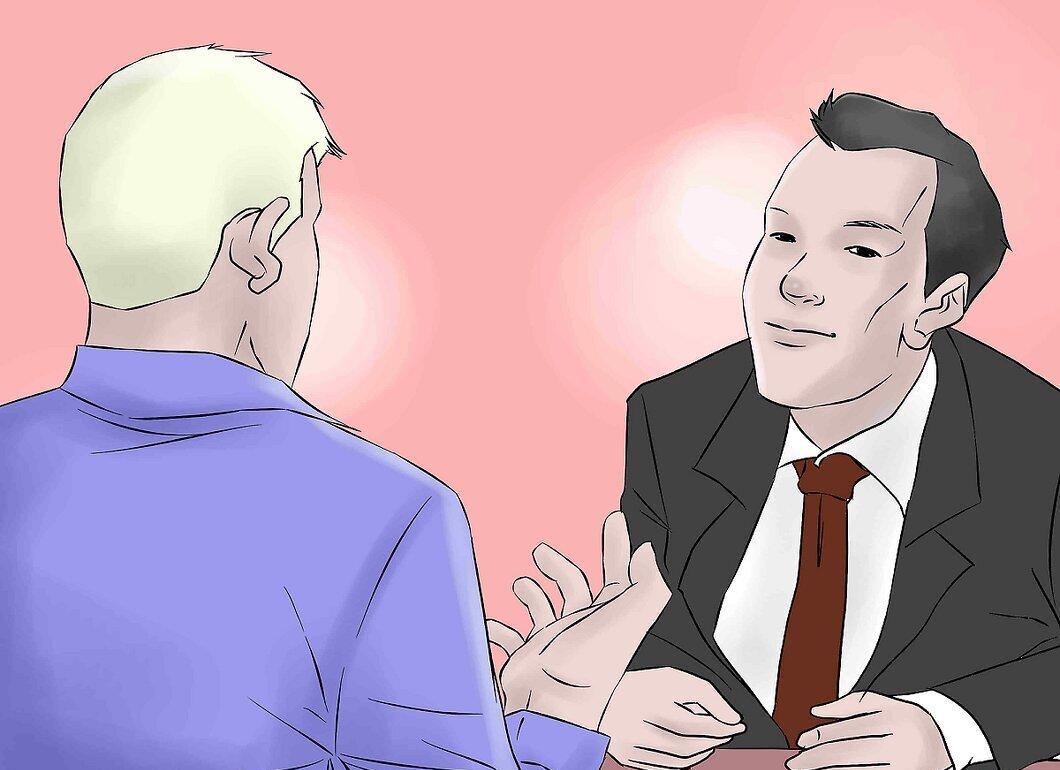
Honesty is the best approach, even when resigning. If you don't want to share certain details, try to use neutral phrases or simply say nothing.
- For example, if you're leaving due to a negative atmosphere, you might say the reason is personal circumstances.
Step 9. Avoid Listing Job Negatives.

There's no need to discuss all the negative aspects of the job. Your employer doesn't need to know every reason for your departure. Aim for positive communication, but if a serious reason exists, you can mention it.
- There’s a difference between mentioning one reason and listing many.
Step 10. Stay Humble.
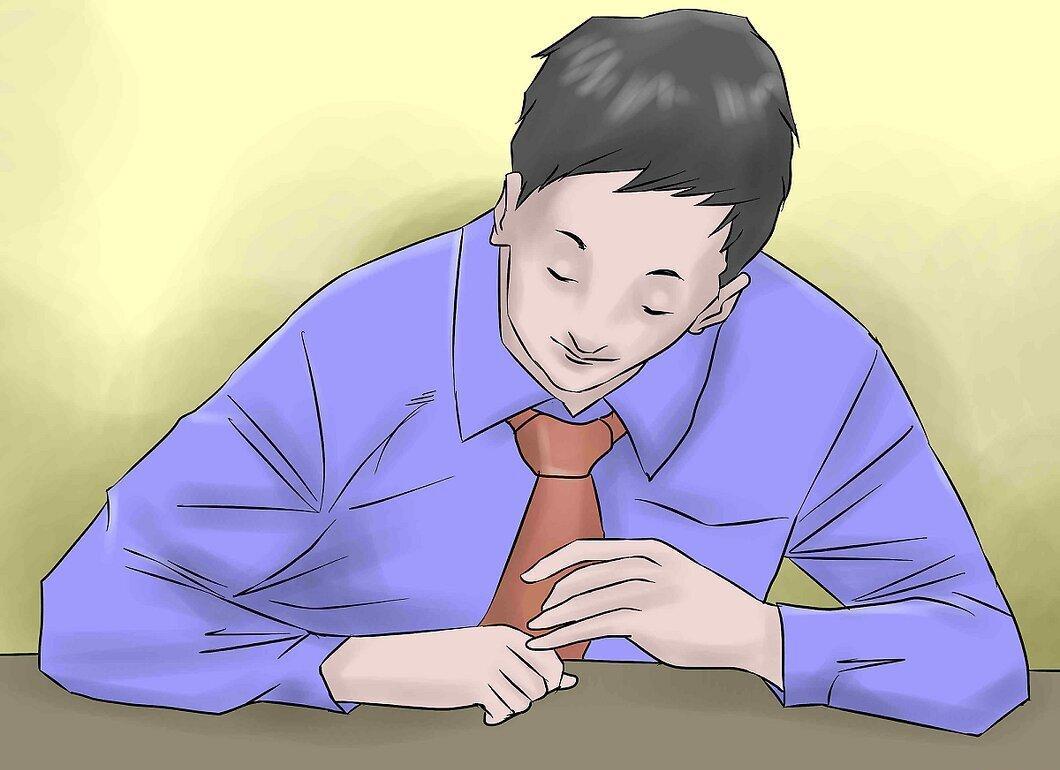
Maintain humility in the conversation; avoid being arrogant. Don't brag about your future successes at the new company.
- During the meeting with management, try not to display your emotions too strongly. Constantly mentioning negative points will associate your resignation with negativity.
Step 11. Remain Human.

Regardless of the circumstances, remain polite and respectful. Show tact and kindness until your last moment in the company. You may need to interact with these people in the future.
- From a career and reputation standpoint, it's vital to maintain professional behavior, even in challenging situations.