The Ultimate Guide to Moving to the Netherlands
Dreaming of a life in the Netherlands but not sure where to start? This country, known for its picturesque landscapes and rich culture, can indeed become your new home, although the moving process may not be straightforward. But don’t worry, we’ve prepared helpful tips to make this transition easier for you.
Part 1
Step 1. Gather Information About the Netherlands
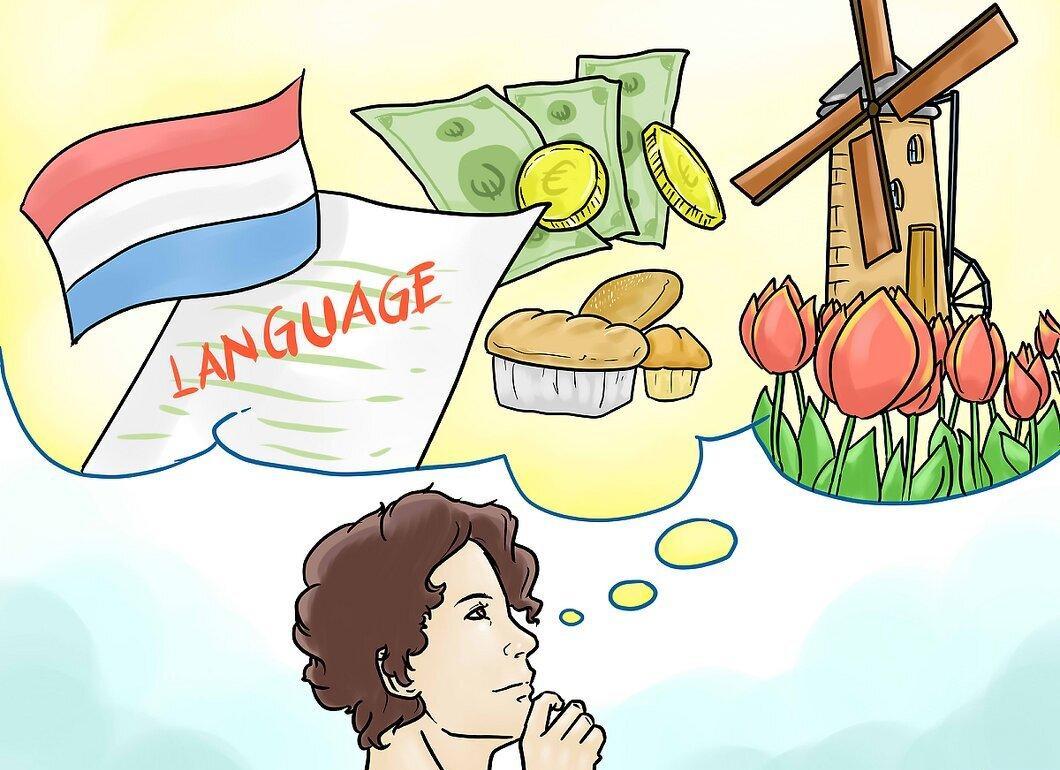
Start by thoroughly researching the Netherlands. Learn about the culture, history, laws, and customs of the country. Don’t forget to familiarize yourself with the local cuisine and language.
- Be sure to investigate the current job market to understand which professions are in demand. While finding a job may be challenging, some companies are actively seeking highly skilled immigrant professionals. Keep in mind that many of these positions might not be the most attractive for locals.
- If you have children, take time to find a suitable school or daycare.
Step 2. Prepare All Necessary Documents
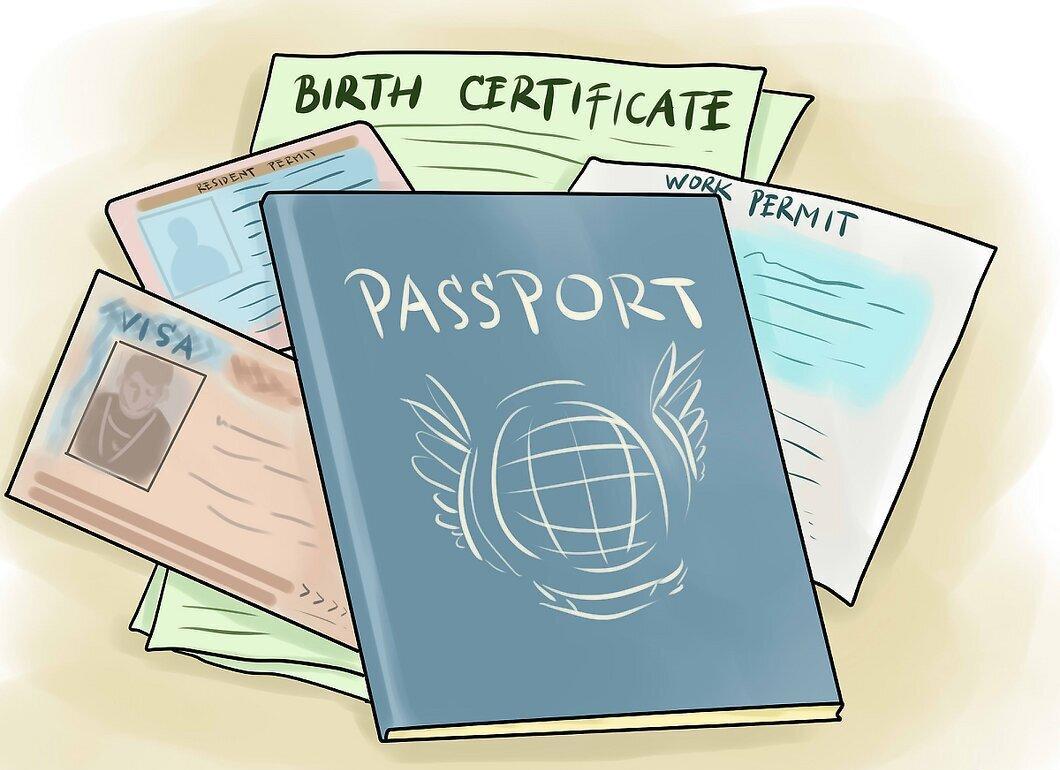
Ensure all your documents are in order. This is a crucial step, as missing paperwork can lead to denial of entry into the country. You will need a passport, visa, work permit, and residency permit. It’s also advisable to make copies of documents such as your birth or marriage certificate.
- Find the nearest Dutch embassy and check which documents are required for your visa application based on your situation. If you reside in the USA and plan to stay in the Netherlands for more than three months, you will need a visa and a provisional residence permit (MVV). To apply, you will need a passport, two passport-sized photos, and all documents related to your move, including a job offer.
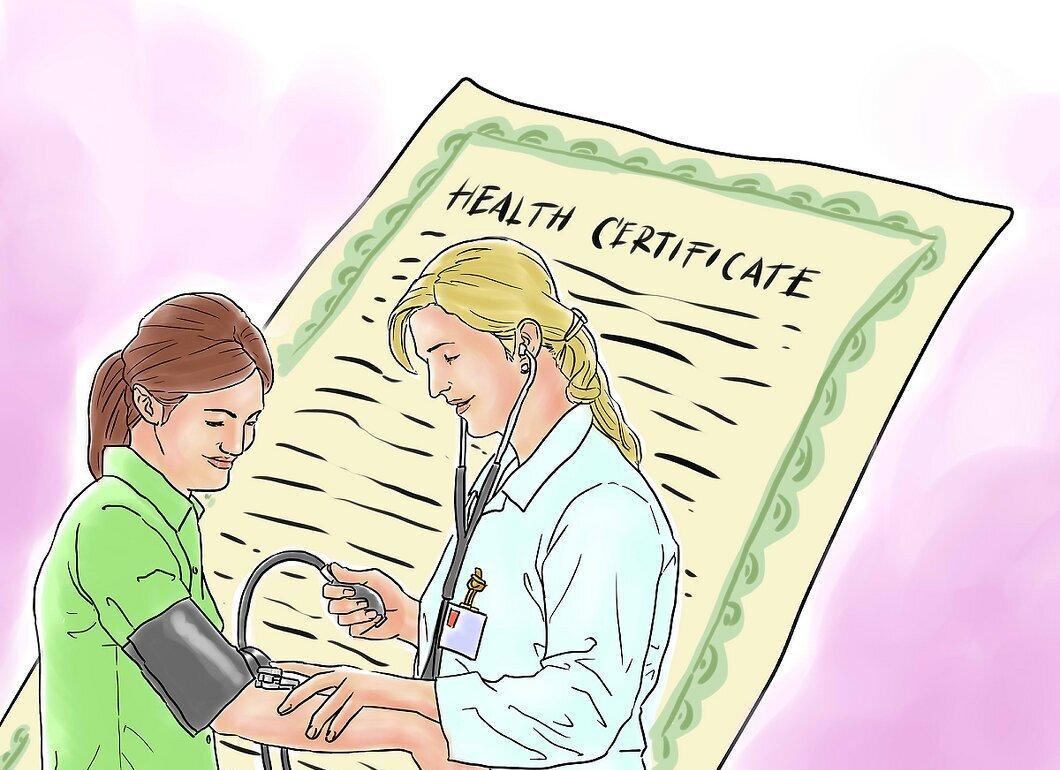
Step 3. Undergo a Medical Examination and Get Vaccinations
Step 4. Determine Your Budget
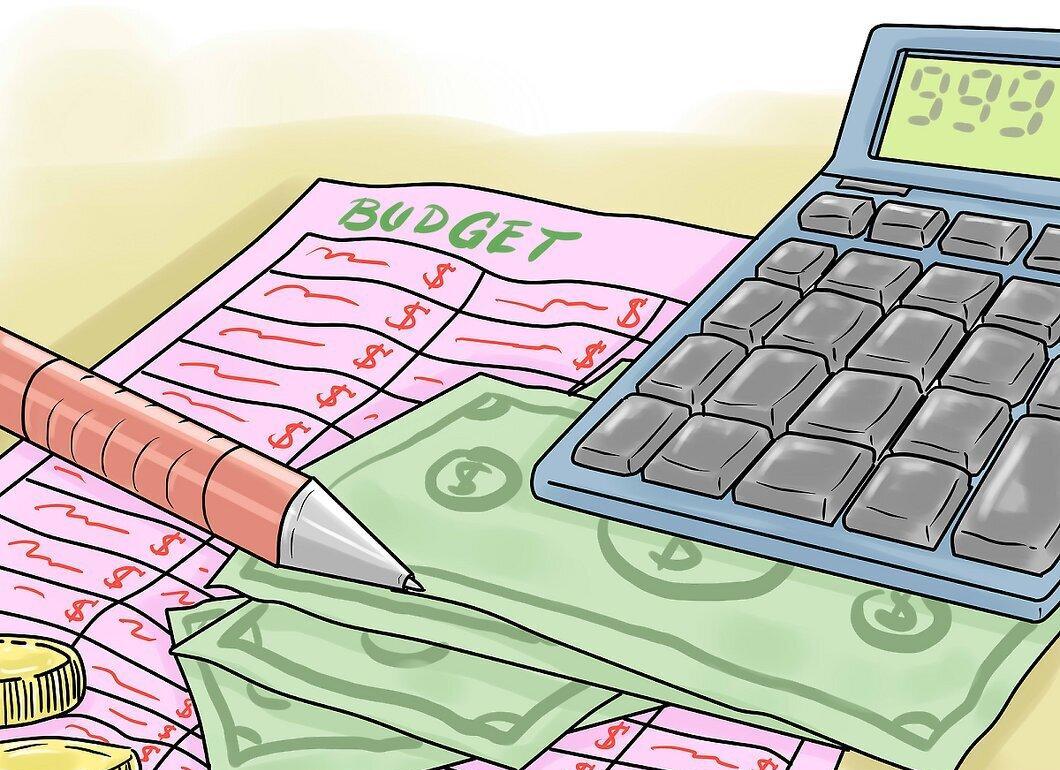
Create a budget for your move. Now that you’ve made the decision, it’s time to start saving money. Make sure you have enough funds for your desired housing. Are you looking for an apartment in central Amsterdam or a family home? Here are some average housing prices in the Netherlands:
- Detached house – around $435,000.
- Townhouse – around $215,000.
- Apartment – around $80,000.
- Villa – around $300,000.
Step 5. Book Your Ticket to the Netherlands
Book your flight to the Netherlands. The most convenient way is to fly, but it might not be the cheapest option. If you’re in Europe, consider taking a bus or a ferry. Write down all the details of your journey to avoid stress during the flight.
Step 6. Pack Your Belongings
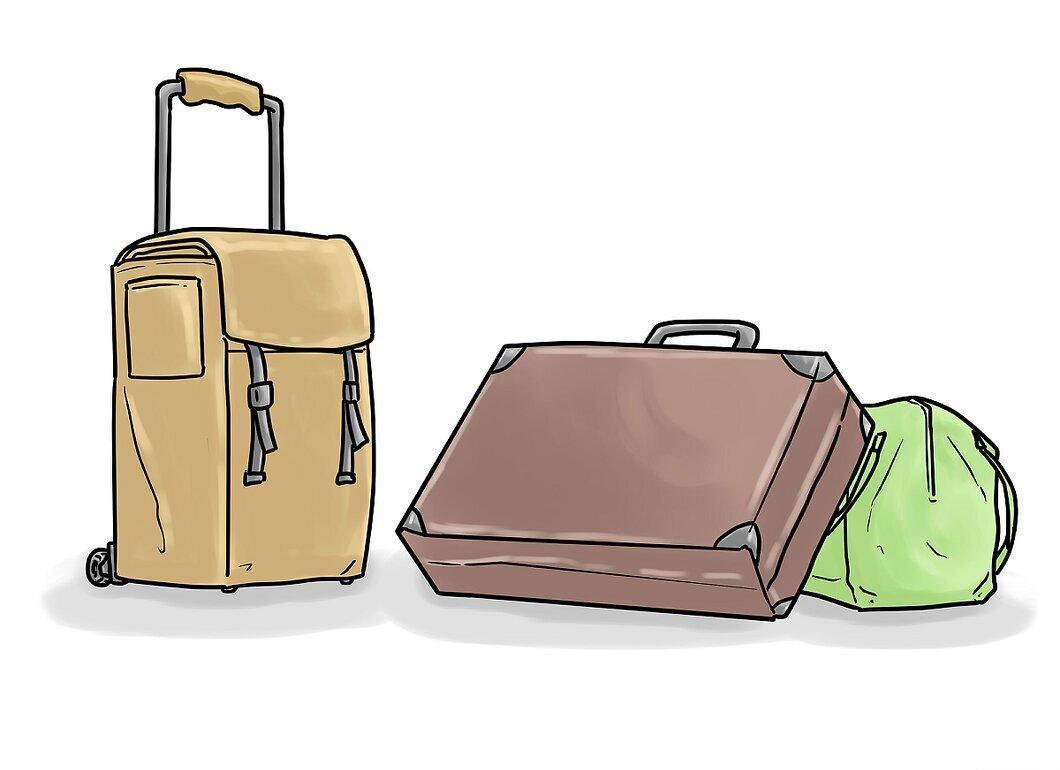
Pack your belongings. Larger items can be shipped separately, so leave only the essentials in your carry-on. Don’t forget to bring clothing, personal hygiene items, some food and water for the first days, as well as money. If you find the language challenging, consider bringing a phrasebook. Learning Dutch may take time.
- If you’re bringing household appliances, ensure they are compatible with the 220V voltage. If not, purchase an adapter or use battery-operated devices.
- According to the Netherlands Tourism Office, locals are not very strict about clothing, so you can wear what’s comfortable. However, for interviews or dining out, it’s good to have more formal attire on hand.
Step 7. Exchange Your Currency for Euros
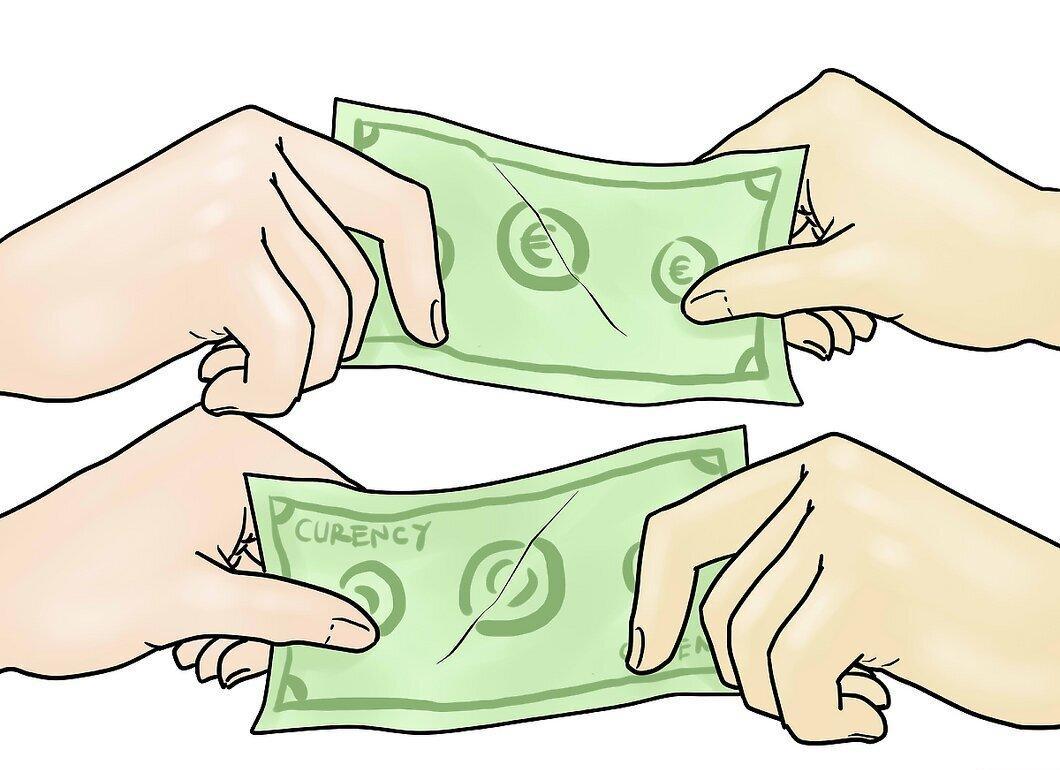
Exchange your currency for euros. The more cash you bring with you, the easier it will be to settle in your new place. Keep in mind that the euro exchange rate can fluctuate, so monitor changes in the currency market.
Step 8. Transfer Your Savings to a Dutch Bank
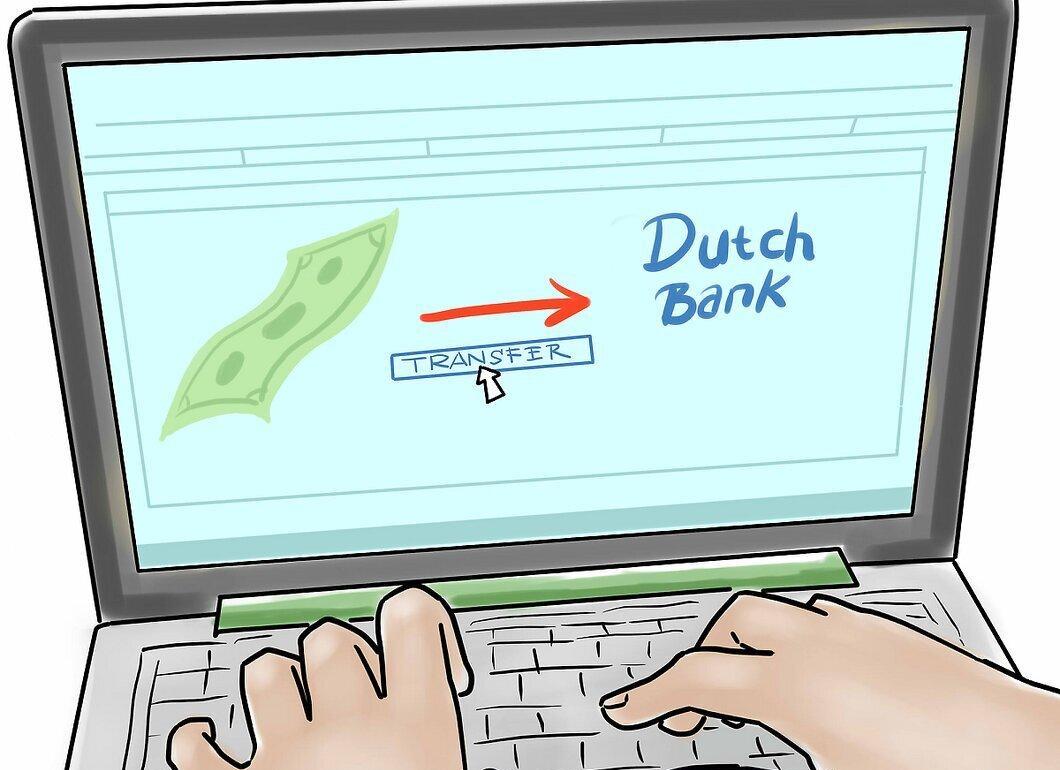
Transfer your funds to a Dutch bank. This can be done online or in person at the bank. The staff will assist you with this process.
Step 9. Sort Out Health Insurance
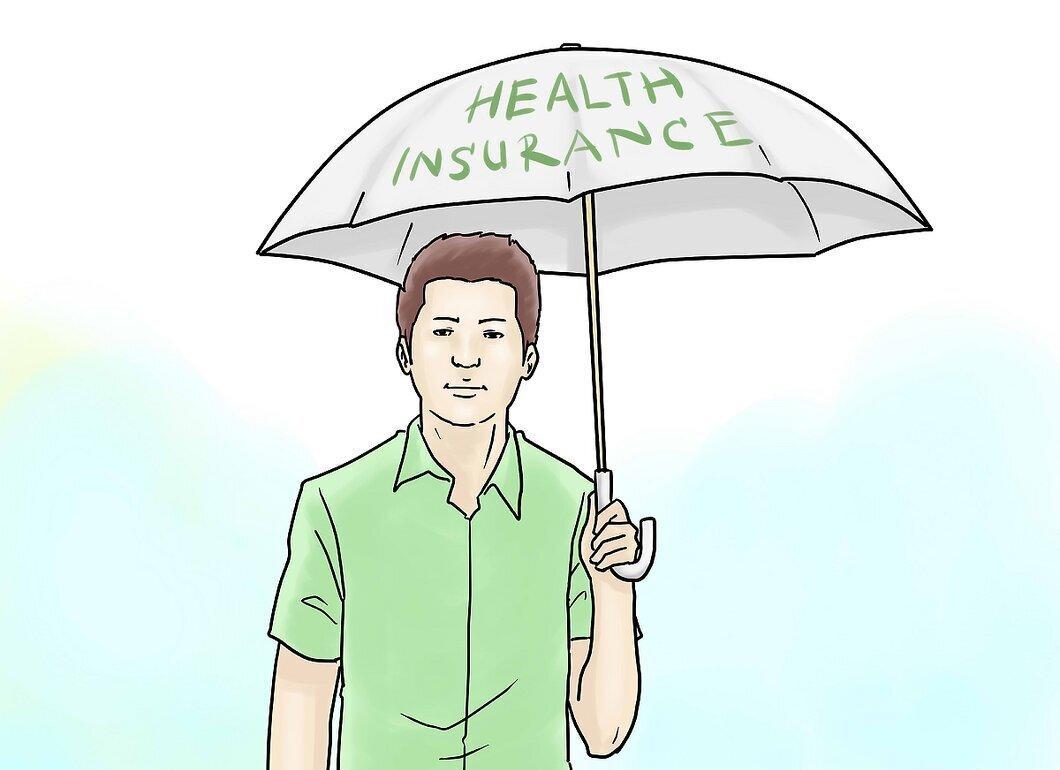
Pay attention to health insurance. If you already have an international policy, it will provide access to medical services. However, the coverage depends on the duration of your stay in the country. It is advisable to obtain health insurance and find a doctor (huisarts). If you do not have insurance, you will receive treatment, but the bills may be high. Each hospital has a fund for treating the uninsured.
- The Netherlands has healthcare agreements with several EU countries and other nations, facilitating access to medical services for citizens of those countries. If you do not have such an agreement, make sure to get travel insurance.
Step 10. Start Learning Dutch
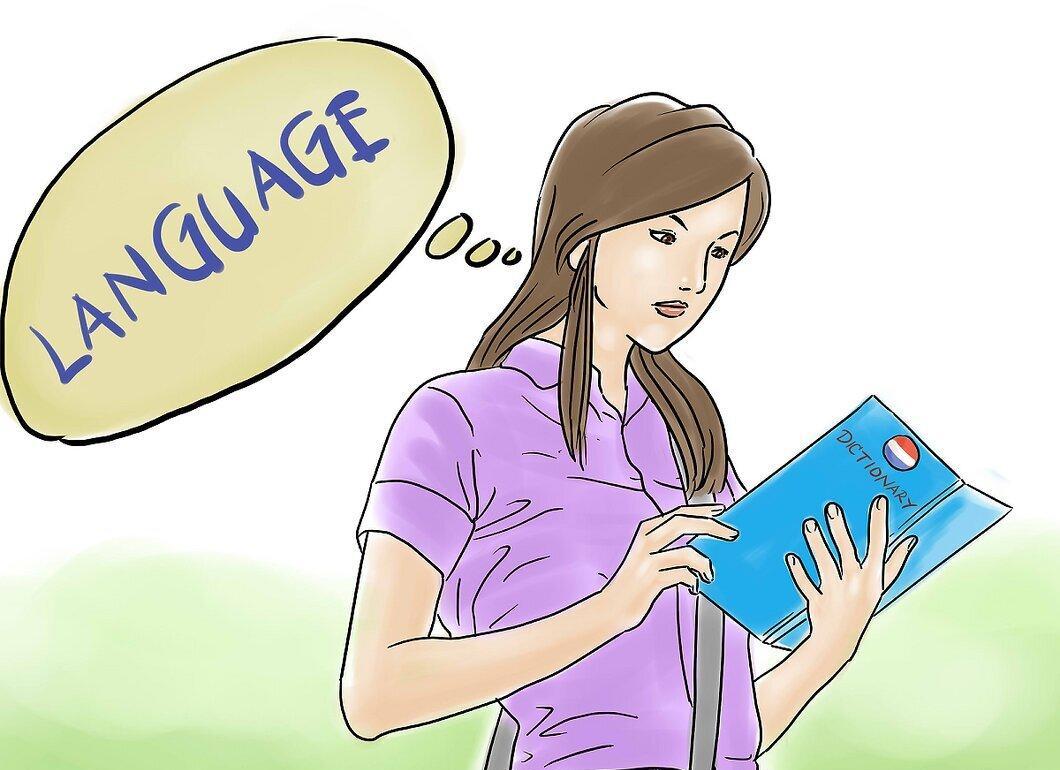
Begin learning the Dutch language. Purchase textbooks or enroll in courses if your budget allows. Learning Dutch can be challenging, especially if your native language is quite different. However, if you know German or English, it might make the task easier.
Step 11. Find Accommodation in the Netherlands
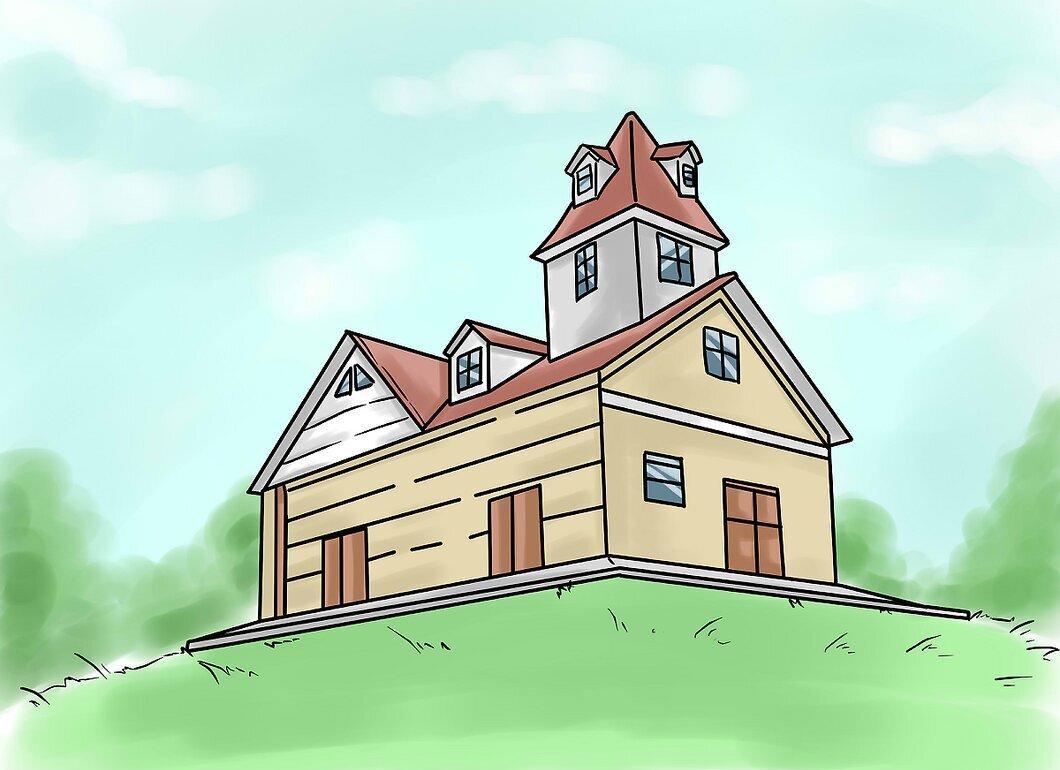
Start searching for accommodation. Visiting the Netherlands will give you a unique opportunity to experience life in the country. Consider reaching out to a realtor who can provide valuable information. You can also use online resources to find housing.
Step 12. Prepare Your Pets
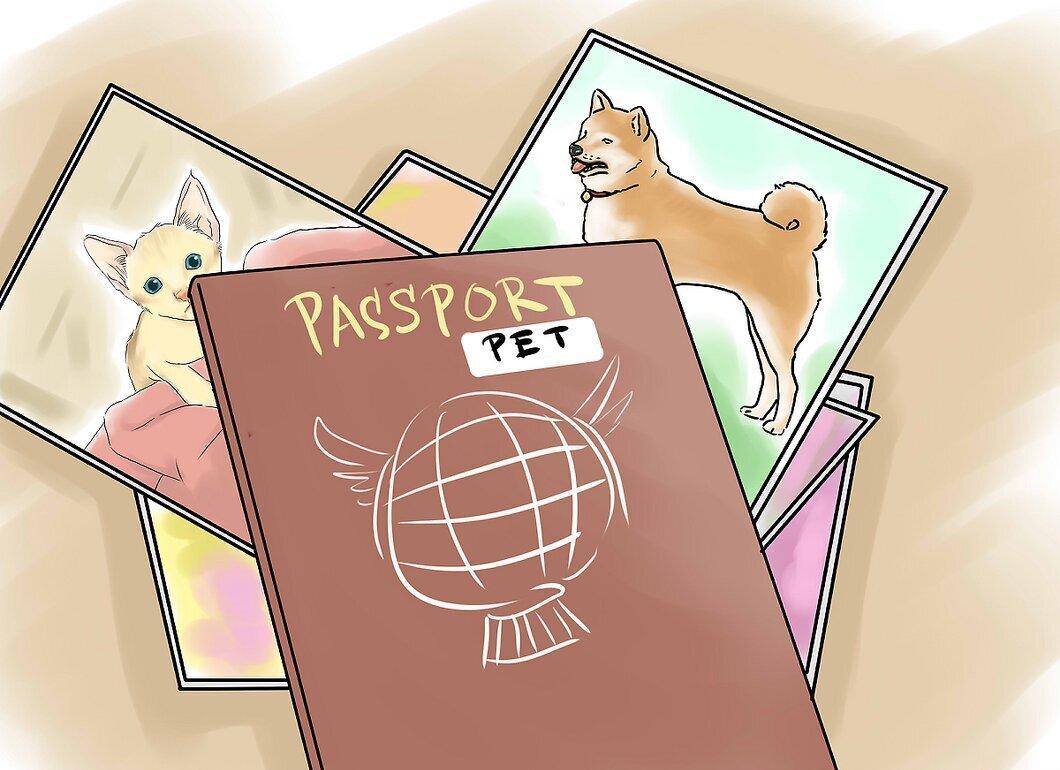
If you have pets, take care of their paperwork. If you are moving from another EU country, your pet will need a European passport, which can be obtained from a veterinarian. Ensure that your pet has a microchip or tattoo. Take care of obtaining the passport in advance, as it may take time. Without a passport, your pet will need to undergo quarantine after a rabies vaccination.
Step 13. Say Goodbye to Loved Ones
Before you leave, say goodbye to your family and friends if they are not accompanying you. This can be an emotional moment, so don’t forget to bring tissues! Hug everyone and express how much you love them and that you’ll always be happy to see them visit.
Step 14. Arrive at the Airport
Arrive at the airport early. Don’t be late! Take a stroll around the terminal and explore the available amenities. If you have nothing to do, you can read articles about how to spend time at the airport.
Step 15. Check-In for Your Flight
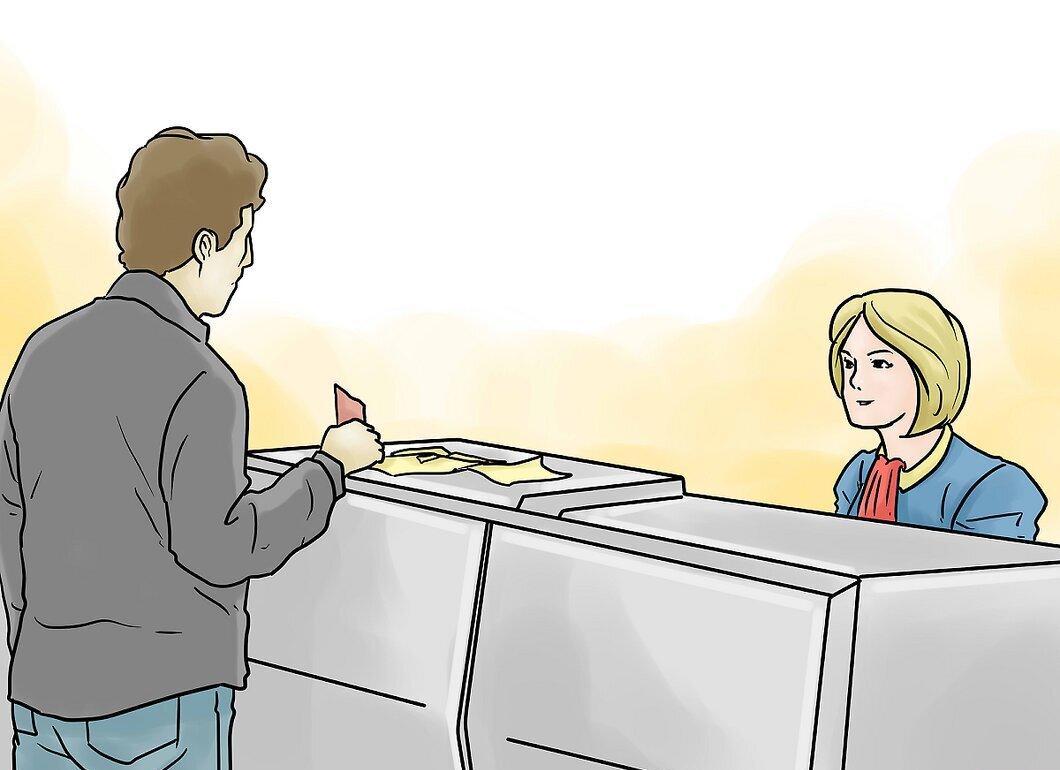
Check in for your flight, ensuring you have your passport and all important documents with you. This is crucial to avoid any issues.
Step 16. Fly to the Netherlands
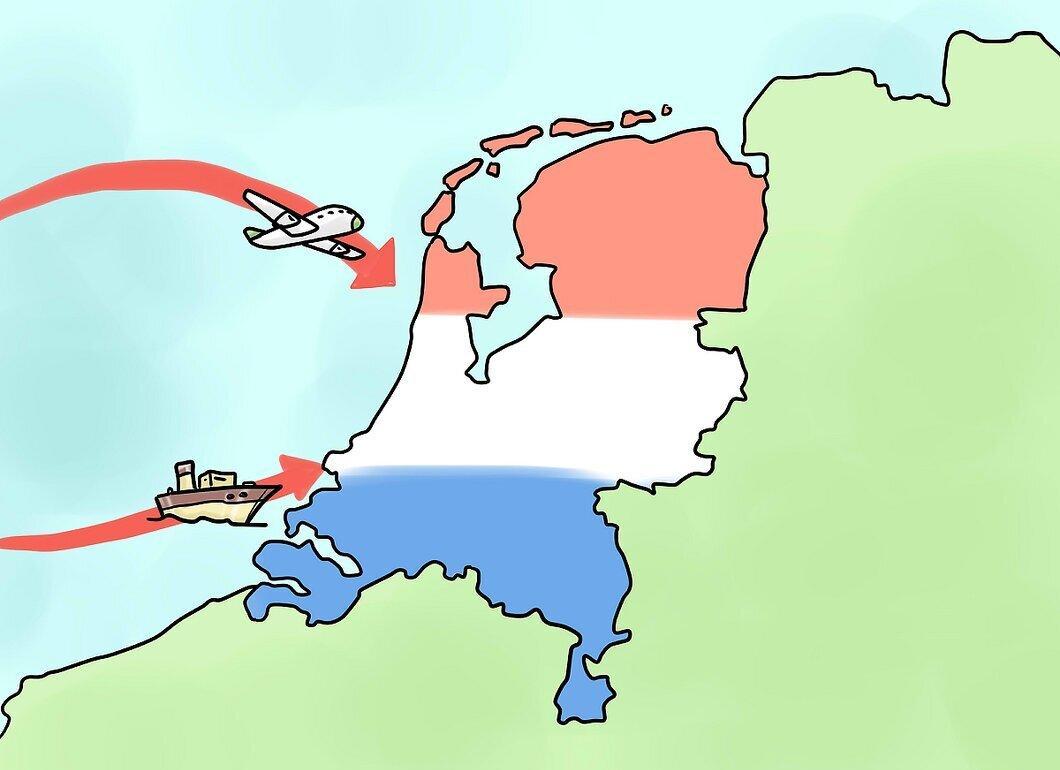
Get on the plane and head to the Netherlands. Relax and enjoy the flight, as a new life in an unfamiliar country and many exciting adventures await you. Don’t worry about your loved ones – they will definitely come to visit you, and you will make many new friends!
Step 17. Be Prepared for Culture Shock
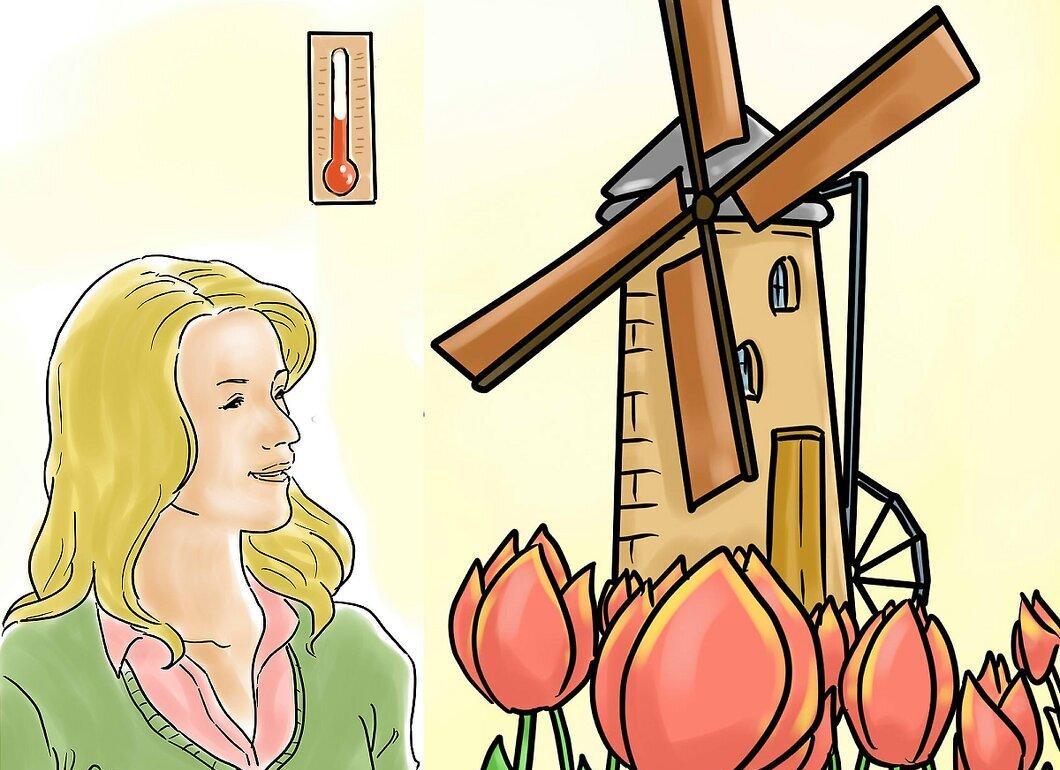
Prepare for the fact that adaptation may take time. You might have to get used to driving on the other side of the road and a climate that differs from your own. Try to approach everything with humor – it will get easier over time.
Step 18. Make New Connections
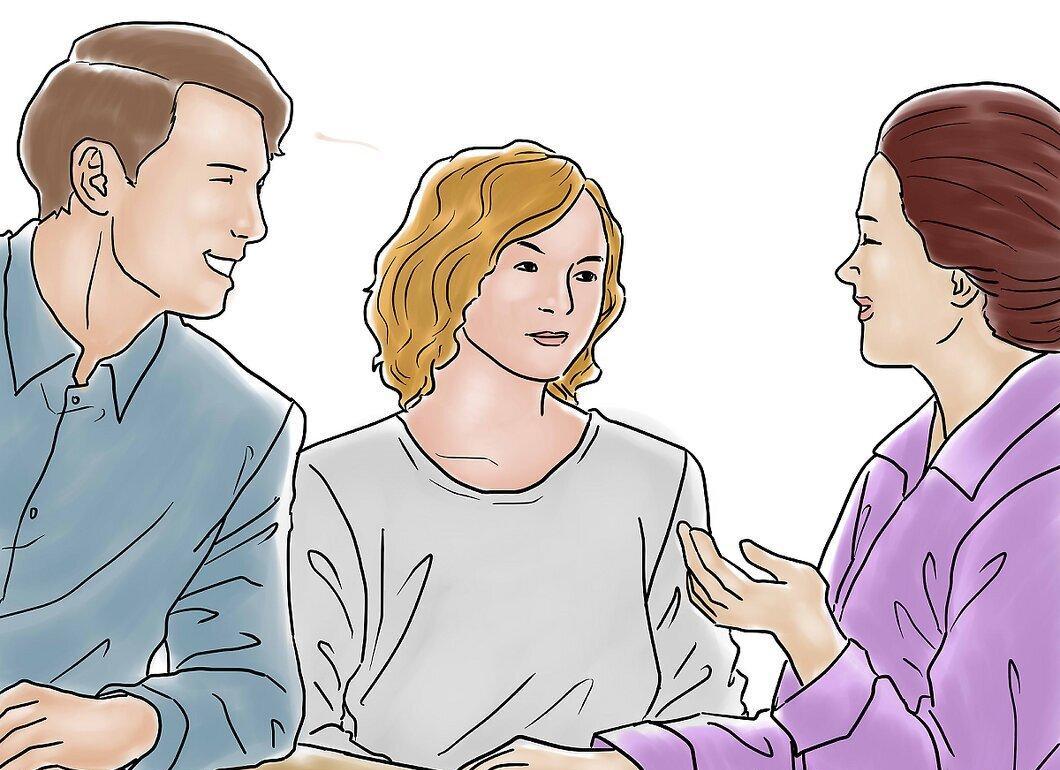
Engage with new people. The Dutch are known for their straightforwardness and openness, but they typically don’t invite you into their homes until you become close friends. You can make acquaintances at work, in the gym, or through clubs based on shared interests. When someone invites you over, you become part of their social circle.
- Connect with fellow expats, as it will make adapting easier. A useful resource for immigrants is the Expatica website.
Step 19. Obtain Dutch Citizenship
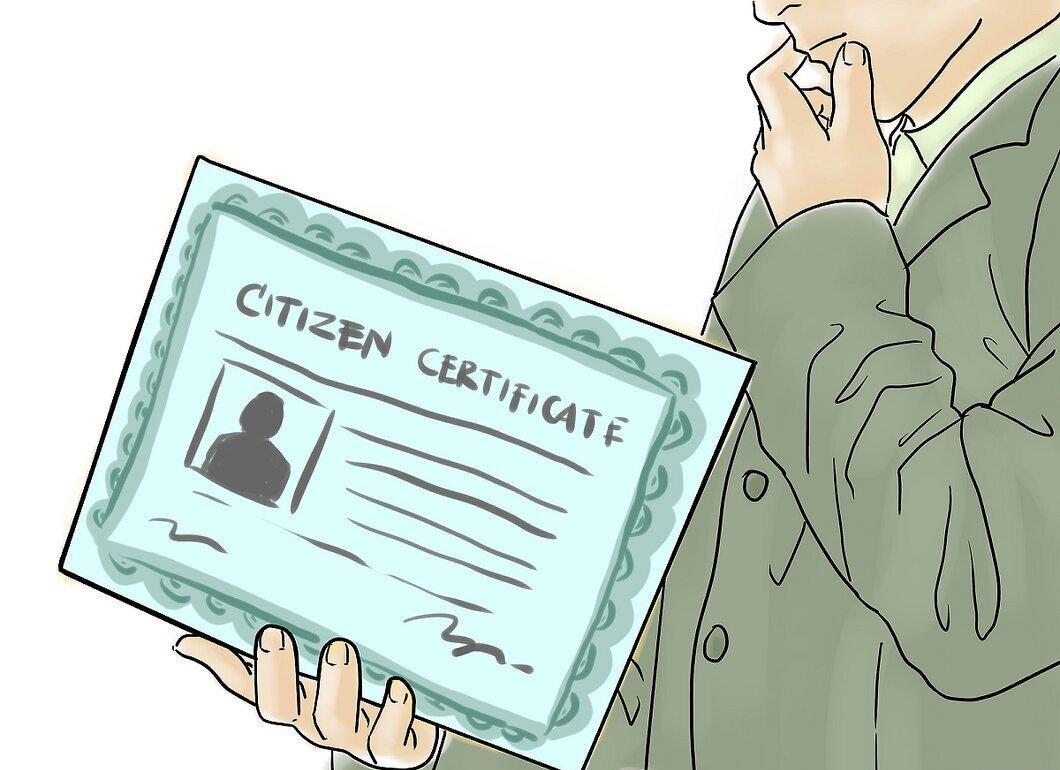
There are several ways to become a Dutch citizen:
- By descent, if at least one of your parents holds Dutch citizenship.
- A special procedure for immigrant children born and raised in the Netherlands.
- A naturalization procedure for anyone interested. To obtain citizenship, you must meet the following conditions: be over 18 years old, have legally lived in the country for at least 5 years, hold a non-temporary residence permit, and successfully integrate into society, including knowledge of the language.
- Have no criminal record for the past four years and be prepared to renounce your current citizenship (dual citizenship is allowed in some cases).
- The process can take up to a year and cost around €1,250 (as of 2012).