To keep your fiberglass boat gleaming and attractive, it's essential to maintain its cleanliness and protect it with wax. If you notice changes in color, dullness, or signs of wear on the gel coat (the protective composite layer), it's time to polish. The process is quite simple and similar to polishing a car, but every boat owner has their own special techniques. In this article, we will explore the key steps for polishing your boat.
Preparing Your Boat for Polishing
Step 1: Remove Dirt and Grime.
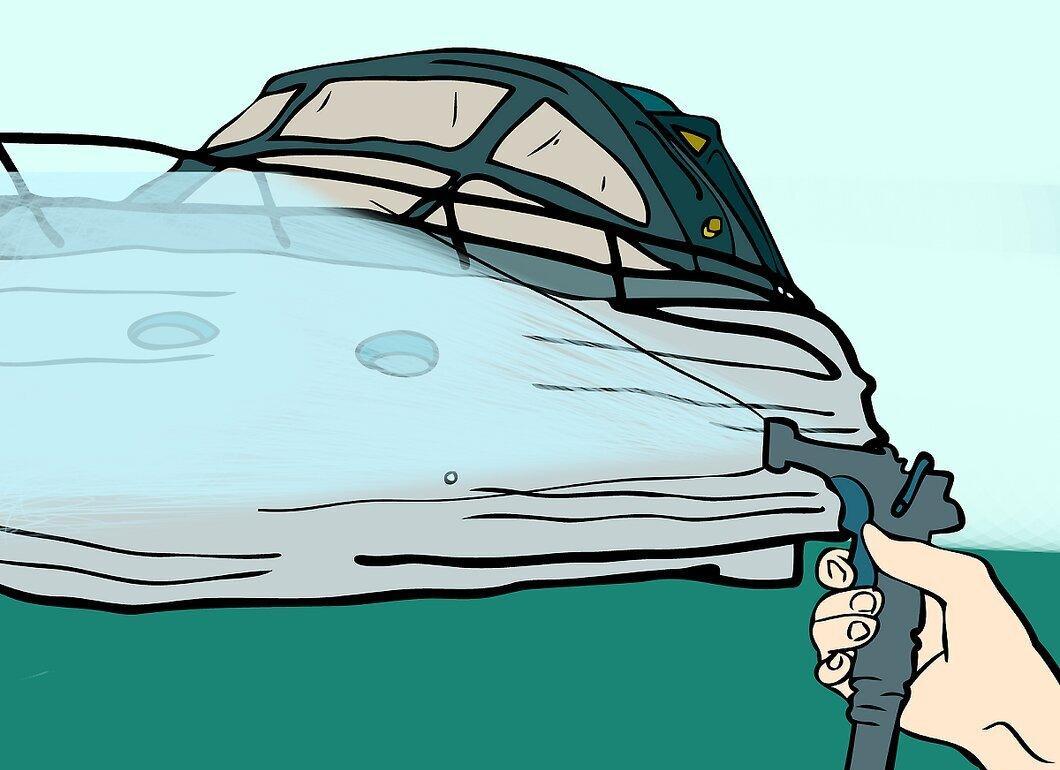
- Rinse the boat using a hose.
- For washing the gel coat, use a specialized boat soap or a mixture of dish soap and warm water in equal parts. If you notice discoloration, you can add a bit of bleach.
- Rinse and let it dry. To speed up the process, use a rubber squeegee.
Step 2: Remove Stubborn Stains and Grime.
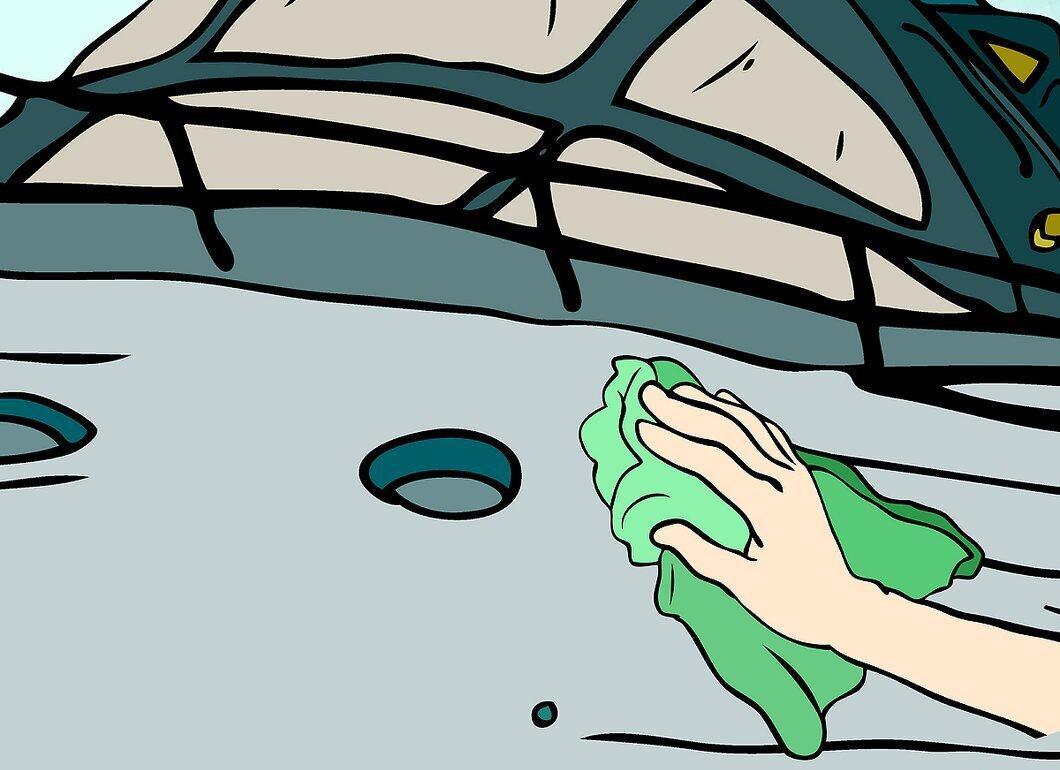
- Use a solvent, turpentine, or a specialized degreaser to remove sticky marks or greasy stains.
- Rinse again and allow to dry.
Step 3: Remove Residue of Old Wax.
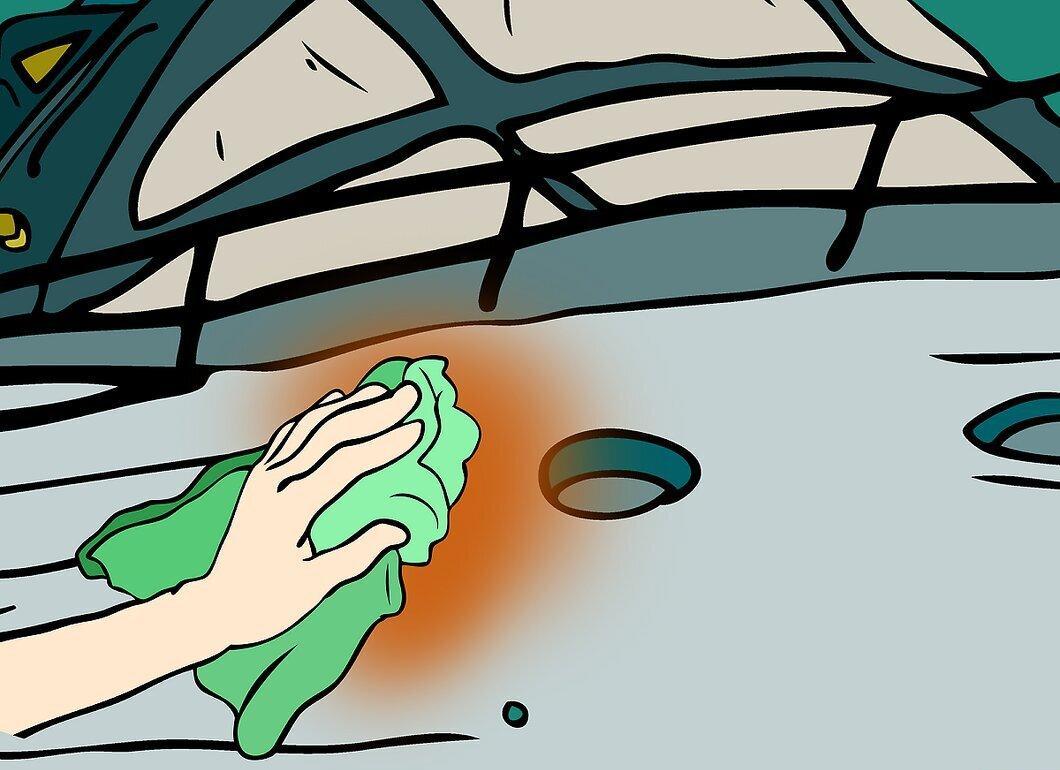
- Use rags soaked in toluene or another wax solvent to remove traces of old wax that may hinder the even application of polish or paste.
- Work the rag in one direction with slight pressure.
- Wait for the solvent to completely evaporate before starting the polishing process.
Polishing the Surface
Step 1: Choose a Polish or Polishing Paste.
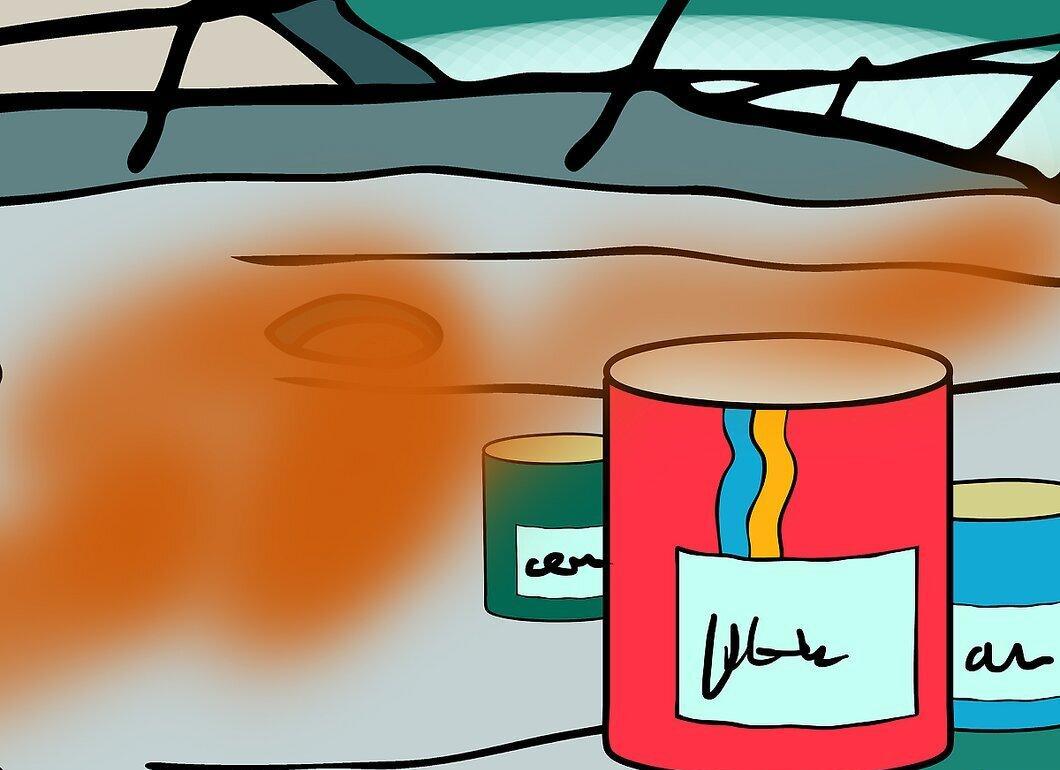
- Polish and polishing paste are abrasives that restore the shine of the gel coat by eliminating fine scratches and stains while enhancing reflectivity. Be cautious with polishing paste, as it can damage the thin gel coat, leading to costly repairs.
- Polish is suitable for light treatment, while a more aggressive paste is needed for heavily damaged surfaces.
Step 2: Decide Whether to Polish by Hand or Use Power Tools.
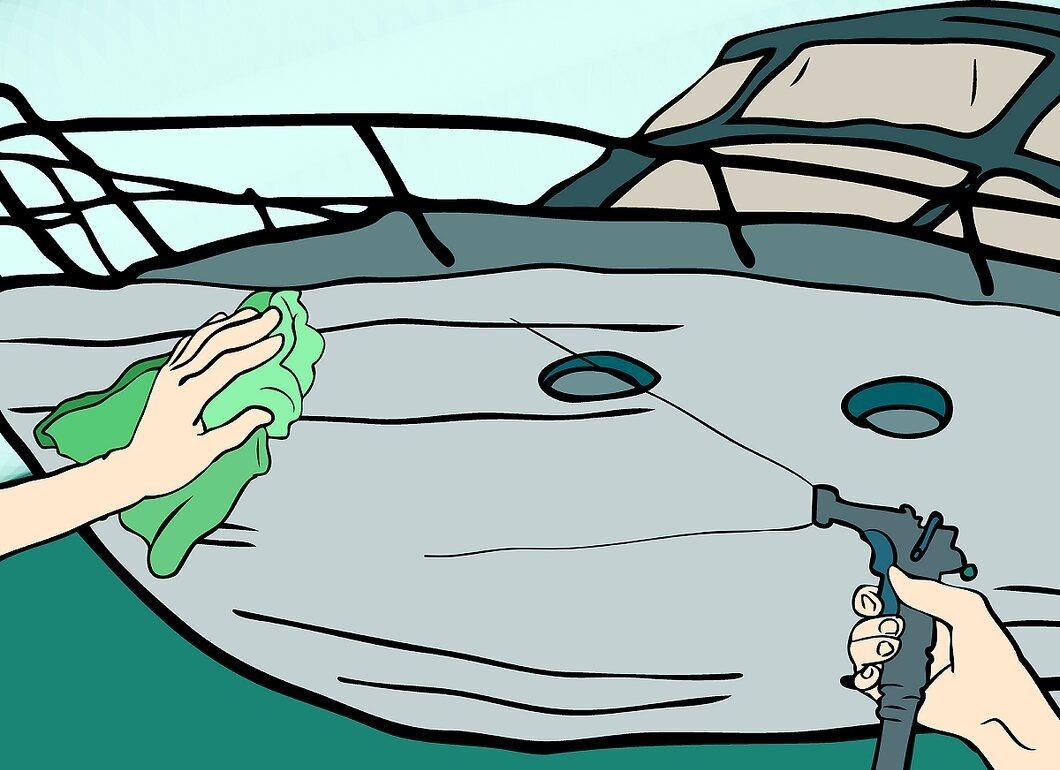
- Some prefer hand polishing, while others assert that using power tools speeds up the process and reduces effort. Use a low-speed polisher to avoid creating swirl marks.
Step 3: Start from the Transom and Move Towards the Bow, Working on Areas of 0.2 Square Meters.
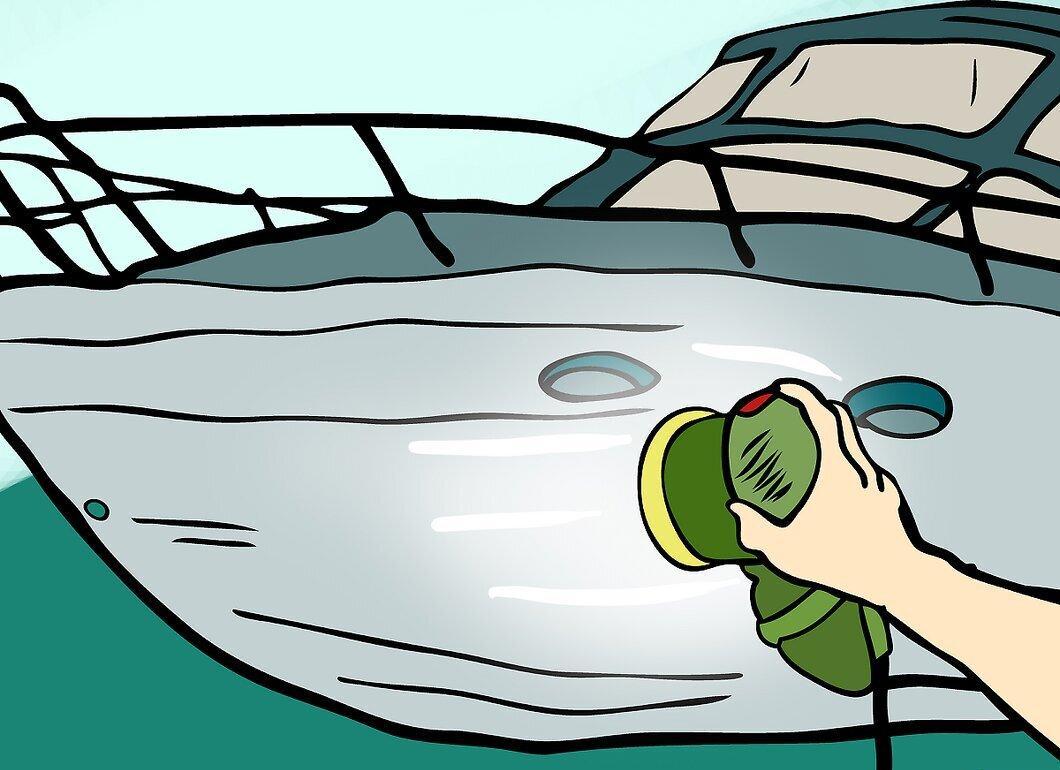
- If polishing by hand, use a soft cloth or attach a sponge to the polisher. Apply the polish or paste to the cloth and rub it into the surface in circular motions.
- When using a polisher, start at low speed. Press the tool lightly against the surface before turning it on to prevent splatter.
- Polish until the surface is mirror-like. If you can see through the gel coat, you've overdone it.
Step 4: Be Careful Near Fasteners and in Tight Spaces.
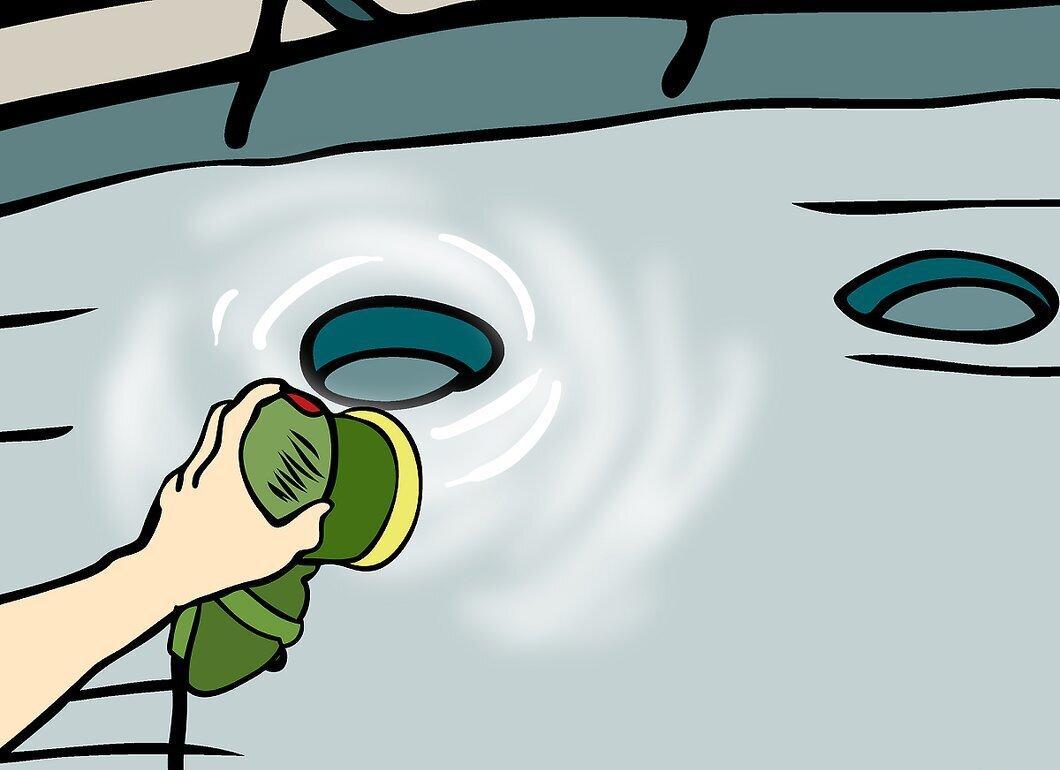
- If possible, remove fasteners beforehand.
- Polish around non-removable fasteners by hand, even if using a machine, to avoid damage. Don't forget to treat the seams by hand.
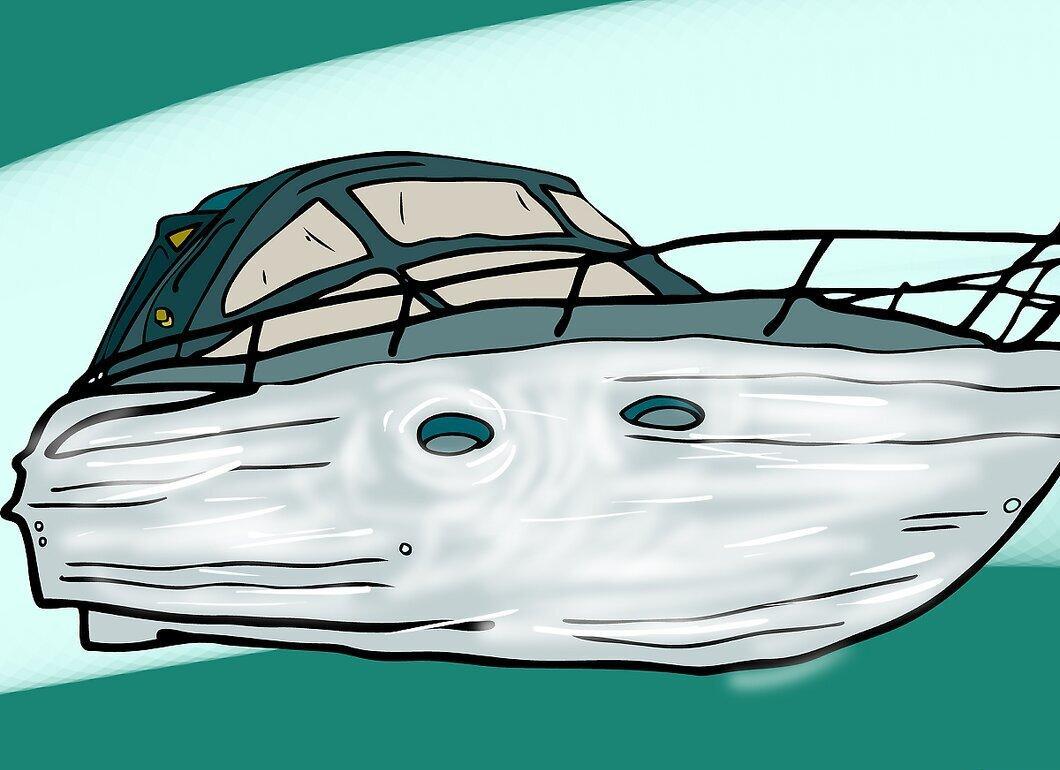
Step 5: Apply Polish After Using Polishing Paste.
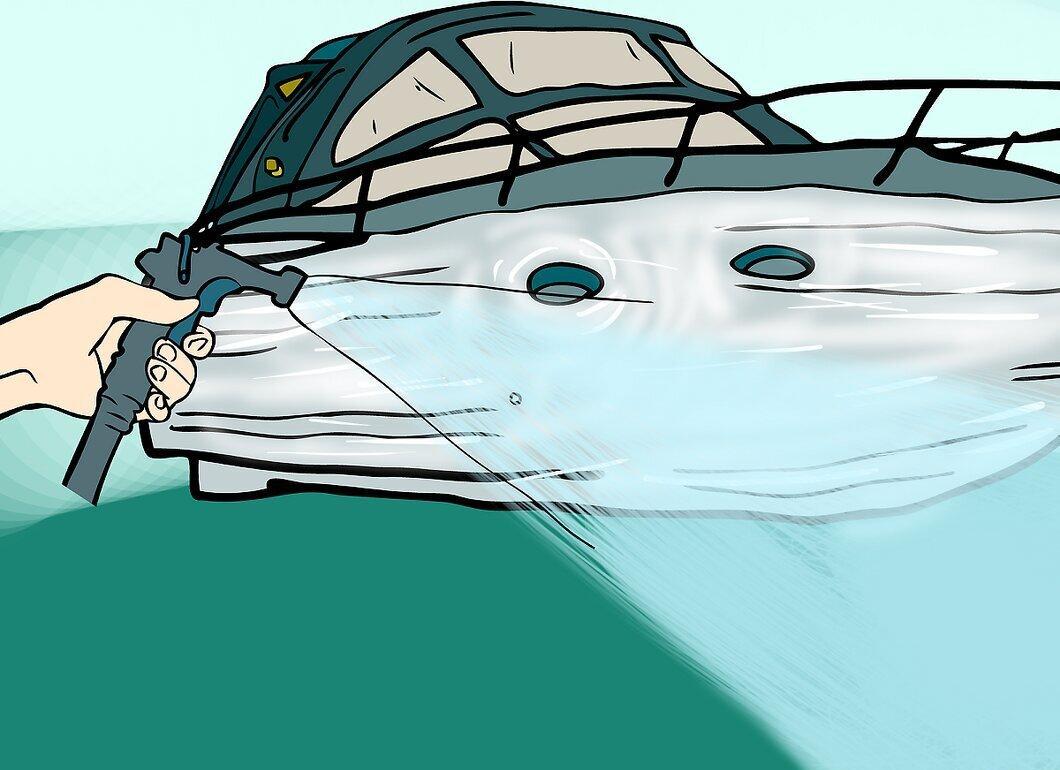
Step 6: Rinse the Boat to Remove Residual Dust After Polishing.
Final Steps – Applying a Coat of Wax
Step 1: Follow the Instructions for Your Chosen Wax.
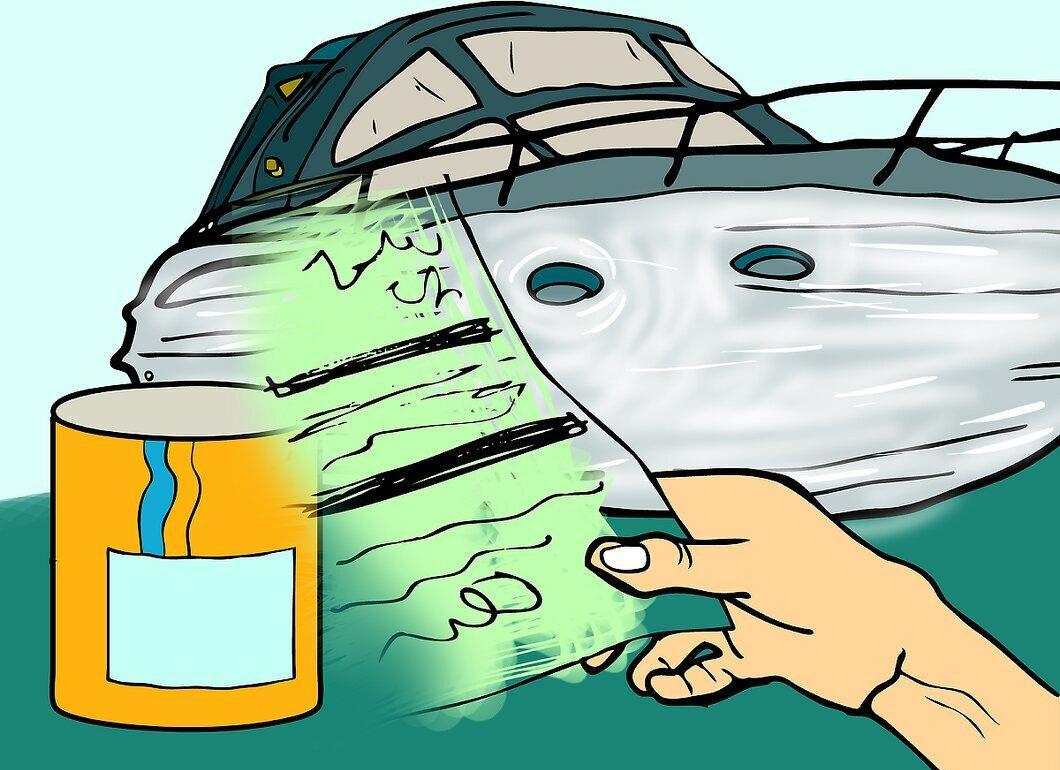
Follow the application instructions for the wax. For instance, "Collinite 885" consistently ranks at the top of the best wax lists.
- Like polish, wax can be applied by hand or with a polisher. Apply it in circular motions to avoid streaks.
Step 2: Allow the Wax to Dry Until a "Haze" Appears.
- Once dry, buff the wax to a shine using a soft towel or a plush pad if you used a polisher.