
Getting laid off is a tough experience. You may feel a range of emotions—fear, sadness, anger, embarrassment—and be left with many questions about why you were let go and what to do next. If your employer cannot provide a reason for your layoff, the uncertainty increases. Start with Step 1 to learn how to navigate this challenging situation.
Know Your Rights
Step 1. Understand the concept of "at-will employment."

Understand the concept of "at-will employment." In the U.S., most employees are considered "at-will." This means that an employer can terminate your employment at any time for any reason, or for no reason at all, except in cases of illegal actions such as discrimination or retaliation. Conversely, employees also have the right to leave at any time, whether they have a reason or not. Unfortunately, at-will employment means your employer is not required to provide a specific reason for your dismissal.
- If you're unsure whether your employment was based on at-will principles, check your hiring documents (if you still have them), ask HR, or consult your state’s labor department. {"smallUrl":"https://www.wikihow.com/images_en/thumb/4/44/Deal-with-Getting-Fired-for-No-Reason-Step-1Bullet1.jpg/v4-460px-Deal-with-Getting-Fired-for-No-Reason-Step-1Bullet1.jpg","bigUrl":"https://www.wikihow.com/images/thumb/4/44/Deal-with-Getting-Fired-for-No-Reason-Step-1Bullet1.jpg/v4-728px-Deal-with-Getting-Fired-for-No-Reason-Step-1Bullet1.jpg"}
Step 2. Determine how non-at-will employment differs.

Determine how non-at-will employment differs. If your employment situation does not fall under at-will principles, your employer cannot fire you without cause. You have the right to know the reason for your termination, and your employer must adhere to the terms of written contracts or policies governing your employment.
-
Again, if you are unsure whether your situation was at-will, find out. Check your personnel files, visit the labor department, or call HR. {"smallUrl":"https://www.wikihow.com/images_en/thumb/1/10/Deal-with-Getting-Fired-for-No-Reason-Step-2Bullet1.jpg/v4-460px-Deal-with-Getting-Fired-for-No-Reason-Step-2Bullet1.jpg","bigUrl":"https://www.wikihow.com/images/thumb/1/10/Deal-with-Getting-Fired-for-No-Reason-Step-2Bullet1.jpg/v4-728px-Deal-with-Getting-Fired-for-No-Reason-Step-2.jpg"}
-
Generally, contractors, union workers, government employees, and employees in positions with special exceptions to at-will employment fall into this category.
Step 3. Know your other rights.

Know your other rights. Regulations can differ in each state, so find more information at your state labor department and ask a representative from HR or benefits administration. However, generally speaking, if you are laid off, you may be entitled to:
- Unemployment benefits {"smallUrl":"https://www.wikihow.com/images_en/thumb/5/54/Deal-with-Getting-Fired-for-No-Reason-Step-3Bullet1.jpg/v4-460px-Deal-with-Getting-Fired-for-No-Reason-Step-3Bullet1.jpg","bigUrl":"https://www.wikihow.com/images/thumb/5/54/Deal-with-Getting-Fired-for-No-Reason-Step-3Bullet1.jpg/v4-728px-Deal-with-Getting-Fired-for-No-Reason-Step-3.jpg"}
- Continuing health insurance under state and federal regulations {"smallUrl":"https://www.wikihow.com/images_en/thumb/6/6f/Deal-with-Getting-Fired-for-No-Reason-Step-3Bullet2.jpg/v4-460px-Deal-with-Getting-Fired-for-No-Reason-Step-3Bullet2.jpg","bigUrl":"https://www.wikihow.com/images/thumb/6/6f/Deal-with-Getting-Fired-for-No-Reason-Step-3Bullet2.jpg/v4-728px-Deal-with-Getting-Fired-for-No-Reason-Step-3.jpg"}
- Any compensation owed, including for hours worked, and in some cases, vacation pay {"smallUrl":"https://www.wikihow.com/images_en/thumb/6/62/Deal-with-Getting-Fired-for-No-Reason-Step-3Bullet3.jpg/v4-460px-Deal-with-Getting-Fired-for-No-Reason-Step-3Bullet3.jpg","bigUrl":"https://www.wikihow.com/images/thumb/6/62/Deal-with-Getting-Fired-for-No-Reason-Step-3Bullet3.jpg/v4-728px-Deal-with-Getting-Fired-for-No-Reason-Step-3.jpg"}
Processing the Layoff News
Step 1. Listen carefully to your employer.

Listen carefully to your employer. Sit quietly and pay attention to what your employer has to say. You should try to remember the information given to you. This is especially important when your layoff seems to come completely out of nowhere. Listen closely to what your supervisor tells you to better understand why you were let go.
Step 2. Don’t argue.

Don’t argue. The decision to end your employment has already been made. There’s nothing you can say at this point that will change your employer’s mind. Do not argue or try to convince your employer to reconsider their decision.
Step 3. Stay calm.

Stay calm. When you are being laid off, you will likely feel emotional. This is perfectly understandable. However, it’s best not to let your emotions get the better of you. Whether you feel sad or angry, take a deep breath, remain calm, and try not to make a scene.
- Practice breathing exercises if you feel on the verge of an emotional outburst. Take a moment, and start breathing slowly, counting to 10. Hold your breath for a moment, and then slowly exhale, again counting to 10. Keep doing this until you feel more in control of your emotions.
Step 4. Ask questions.

Ask questions. If your employer did not explain the reasons for your layoff, you can ask. However, be prepared to receive unsatisfactory answers, such as "It was a business decision," or possibly no answer at all. Additionally, you may want to ask:
- What are the next steps?
- Do I need to fill out any paperwork?
- Will the company provide information for unemployment services?
- What is the layoff procedure?
Step 5. Delay signing a severance agreement.

Delay signing a severance agreement. If you are offered a severance package in exchange for signing a "general release," think twice before signing immediately. By doing this, you may waive your right to file a legal claim against your employer, as it clearly states that the company is released from any legal obligations that may arise from your termination.
- Take your time and consider showing the agreement to an attorney before signing it.
Step 6. Try to leave on good terms.

Try to leave on good terms. Even though you are upset, don’t forget to thank your employer for the opportunities provided. And leave gracefully. Allowing your anger and disappointment to take over will only harm you in the long run. If you act unprofessionally—yelling, throwing things, or threatening someone—your actions may be noted and could be relayed to potential employers later.
- It’s important to leave and remain on good terms so that you can reach out to your former employer in the future in case the job you are applying for requires references from previous employers before hiring you.
Navigate the Layoff Process
Step 1. Consider discussing the reasons for your layoff.
Consider discussing the reasons for your layoff. You may negotiate with your former supervisor to describe the layoff in a neutral way so that when you apply for new jobs in the future, you can pass reference checks smoothly.
- This is especially important if you were laid off due to downsizing and external factors unrelated to your performance.
Step 2. Complete any documentation.

Complete any documentation. You may need to sign a termination order—a document that includes key information about when you were laid off. Read it carefully before signing, and ask for a copy.
Step 3. Follow the layoff procedure.

Follow the layoff procedure. Each company has its own rules governing this situation. Some companies will allow you to pack your things before you are escorted out of the building; others may ask you to leave first and have a manager pack up everything from your workspace. Whatever the case may be, don’t argue—follow the procedure. Your supervisor or HR representative will explain what you need to do.
Step 4. Return company property.

Return company property. All property belonging to the employer—mobile phones, pagers, company cars, office equipment, etc.—must be returned immediately. Do not delay or neglect this responsibility.
Consider Filing for Unemployment
Step 1. Determine your eligibility.

Determine your eligibility. To find out if you qualify for unemployment benefits, contact your local unemployment office and speak with a representative. Specific rules may vary, but generally, to qualify for benefits, you must have lost your job through no fault of your own—meaning you were not fired for performance issues or misconduct. Additionally, you must be able and actively seeking work.
Step 2. File a claim.

File a claim. Specific rules for filing claims can also vary by state. Your local unemployment office should provide you with the necessary information and instructions. Generally, when filing a claim, you should be prepared to provide the following information:
- Dates of employment with the company
- Exact job title
- Company name, address, phone number, and employer identification number
- Reason for termination (if provided)
- Your social security number
- Your address, phone number, and email address
- Bank account information for direct deposit
Step 3. Consider appealing if your claim is denied.
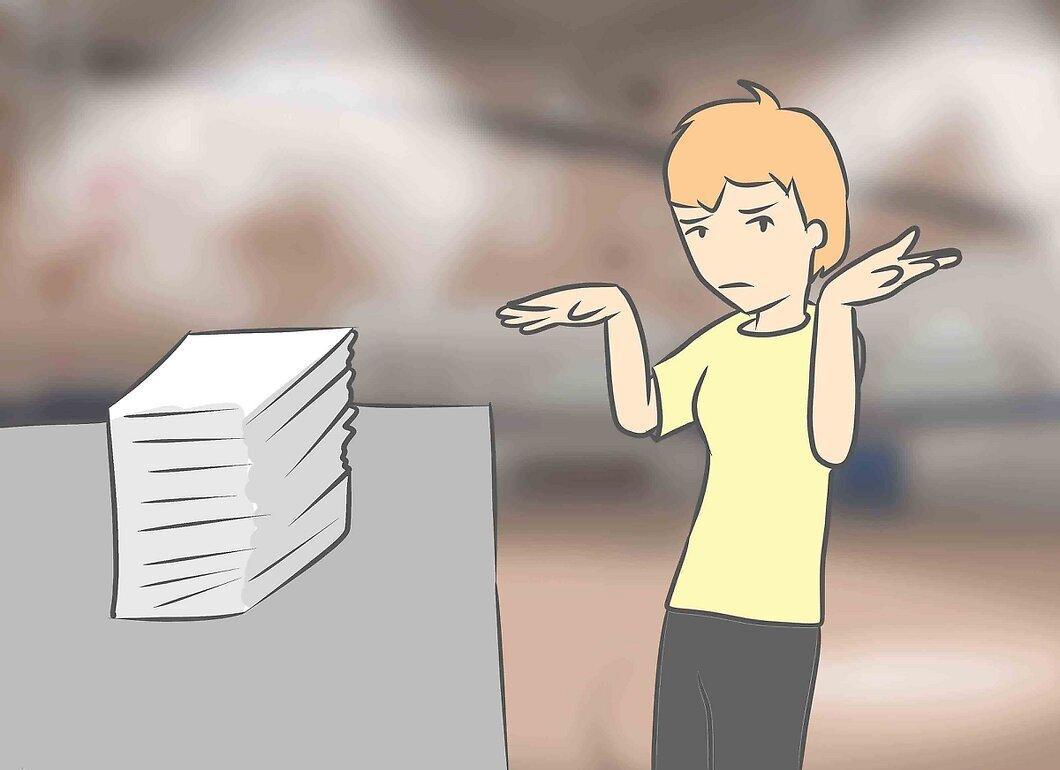
Consider appealing if your claim is denied. If your application is denied but you believe you meet the eligibility criteria, you can file an appeal. The unemployment office will provide information on the next steps.
- Make sure to act quickly. In many states, you must appeal within a certain timeframe to ensure a hearing is conducted. Check the details when you contact the unemployment office. {"smallUrl":"https://www.wikihow.com/images_en/thumb/d/d5/Deal-with-Getting-Fired-for-No-Reason-Step-15Bullet1.jpg/v4-460px-Deal-with-Getting-Fired-for-No-Reason-Step-15Bullet1.jpg","bigUrl":"https://www.wikihow.com/images/thumb/d/d5/Deal-with-Getting-Fired-for-No-Reason-Step-15Bullet1.jpg/v4-728px-Deal-with-Getting-Fired-for-No-Reason-Step-15.jpg"}
Prepare for Your Job Search
Step 1. Update your resume.

Update your resume. Prepare a detailed resume with all the information from your last job before applying for new positions. Include qualifications gained in your last role and any pertinent professional experience.
-
If you are unsure about the quality of your resume, do some research online or ask a trusted friend to review it. It should be professional. You can also read articles on how to craft a resume. {"smallUrl":"https://www.wikihow.com/images_en/thumb/6/66/Deal-with-Getting-Fired-for-No-Reason-Step-16Bullet1.jpg/v4-460px-Deal-with-Getting-Fired-for-No-Reason-Step-16Bullet1.jpg","bigUrl":"https://www.wikihow.com/images/thumb/6/66/Deal-with-Getting-Fired-for-No-Reason-Step-16Bullet1.jpg/v4-728px-Deal-with-Getting-Fired-for-No-Reason-Step-16.jpg"}
-
To maximize your resume's impact, consider including key job responsibilities, projects, and accomplishments in the experience section. {"smallUrl":"https://www.wikihow.com/images_en/thumb/b/b3/Deal-with-Getting-Fired-for-No-Reason-Step-16Bullet2.jpg/v4-460px-Deal-with-Getting-Fired-for-No-Reason-Step-16Bullet2.jpg","bigUrl":"https://www.wikihow.com/images/thumb/b/b3/Deal-with-Getting-Fired-for-No-Reason-Step-16Bullet2.jpg/v4-728px-Deal-with-Getting-Fired-for-No-Reason-Step-16.jpg"}
Step 2. Start job hunting immediately.

Start job hunting immediately. Once you recover from the initial shock of losing your job, get back out there. It’s okay if it takes you a few weeks to get everything in order; however, keep in mind that you may not land the first, second, or even third job you apply for. The longer you are unemployed, the harder it seems to get a new position—hiring managers take gaps in employment into account.
Step 3. Seek jobs that interest you and match your qualifications.
Look for jobs that interest you and match your qualifications. When searching for a new job, try to determine what criteria you feel are important in a position. Specifically, consider aspects such as:
- Opportunities: Does this job provide chances for growth and learning new skills? Will it give you a shot at a higher position in your field?
- Nature of the job: Are the projects you will work on appealing to you? Do you find the work challenging and engaging?
- People: Do you believe the people working at this company will be good colleagues? Will they be good team members?
Step 4. Prepare for interviews.

Prepare for interviews. If you are called for an interview, review your resume and the job description. This will prepare you for answering challenging questions about your experience and help position yourself as the candidate they are looking for. For example, if the employer is looking for someone to manage "a team of over 15 staff," you may want to recall (if true!) that you have experience leading a team of 30 in previous roles.
Step 5. Answer questions about your previous job professionally.

Answer questions about your previous job professionally. During the interview, you will likely be asked why you left your last position. Be prepared to respond honestly and professionally, in as positive a tone as possible. You don’t need to provide a long explanation; simply state that you were laid off. Then, if you can, follow up with, "I left on good terms and am now seeking a suitable opportunity to apply my strengths."
- Put a positive spin on your experience. Say that while you were upset about the layoff, you feel fortunate that you learned so much and gained new skills.
- Don’t speak negatively about your former boss. You never know who they may know. Generally, it’s a good idea to remain respectful as much as possible, even if you are angry with your former manager inside.
- Be honest and don’t make up stories about your layoff. If you lie, you are likely to contradict yourself, and then you’ll have to admit to lying or continue to lie further.
Be Prepared for the Future
Step 1. Try to be ready for the worst-case scenario.
Try to be ready for the worst-case scenario. It’s important to keep in mind that no matter how secure your job seems, there is always a chance something could happen, and you may need to leave your position. Therefore, it’s essential to be prepared just in case.
- To be prepared, you should aim to keep your resume as current as possible and always keep an eye on the job market in your field. Other ways to prepare are outlined in the following steps.
Step 2. Always keep your resume updated.
Always keep your resume updated. As you hone your skills and gain more professional experience, it’s crucial to update your resume to reflect changes and evolving abilities. It can be hard to keep track of all the work you do and projects you work on, so try to note details on your resume as soon as you finish a task or feel you’ve developed certain skills. For example:
- Let’s say you had experience leading a project team where you directed everyone else and delegated work. You could note on your resume that you have group leadership and task management skills.
- Or, you just completed a course on publishing a book. You could note on your resume that you have publishing and editorial skills.
Step 3. Update your online profiles.
Update your online profiles. Along with your resume, you should also update one or more online profiles. This means adding to it as you gain professional experience and new skills. Many companies review online profiles, such as LinkedIn, when searching for new employees.
- Respond to 'friend' requests promptly to show you are interested in networking and connections, and that you are organized.
Step 4. Regularly check job postings and listings online.
Regularly check job postings and listings online. Try to stay informed about the job market and any advancements in your field. Even if you feel your job is secure, it’s still good to keep a bookmark for other job openings for positions you feel you could handle.
- Compare your job to other positions to determine if you are being treated fairly. You may be surprised to find others in similar roles earning higher salaries and benefits.
Step 5. Network whenever possible.

Network whenever possible. Networking and connections are critical practices when it comes to preparing for the worst-case scenario. The more connections you have, the more likely you are to find work quickly if you happen to get laid off. To network:
- Attend parties and events where you can meet people.
- Network online.
- Be respectful and personable with the people you meet.