
If you're reading this article, you might have been asked to resign, or you could be in a situation where it may happen soon. It can be challenging when you're asked to step down instead of being fired. But don’t despair, you have options. Before agreeing to resign, you might consider waiting for a termination. To handle this situation effectively, it’s important to know your rights and options.
Processing the News and Understanding the Situation
Step 1. Stay Calm and Professional.

Maintain your composure and professionalism. You want to leave your job in the best light possible, given the circumstances. Your future employment opportunities may depend on your ability to stay collected during this tough moment. Employees in your company might have connections with potential employers, and your current company may provide a recommendation. Therefore, it's crucial to remain composed and act professionally:
- Listen to what your employer is saying. While it can be tough, it’s important to understand the situation, so it’s better to remain silent and listen.
- Don’t argue. No matter how the situation unfolds, a decision has already been made. They are offering you a choice: to resign or wait for termination. Arguing won’t change their decision.
- Avoid creating conflict, and leave with dignity. If you act emotionally, the situation may turn against you, and the employer might rescind their resignation offer. Threats or unprofessional behavior could result in being escorted out, leading to negative outcomes such as poor references or denial of unemployment benefits.
Step 2. Understand the Reasons Behind the Resignation Request.

Clarify the reasons for your resignation request. You may already have an idea of the reasons, as it may have been discussed with you or you sense something is off. If you’re unsure, ask questions. Understanding the exact reasons for your resignation can help you decide whether to stay or wait for termination.
- For instance, if you’re being asked to resign due to downsizing, this may affect your eligibility for unemployment benefits, making it wiser to wait for termination. If you’re being asked to resign for rule violations, it might be better to accept the resignation to avoid negative consequences and denial of benefits.
Step 3. Know Your Company’s Employment and Reference Policies.
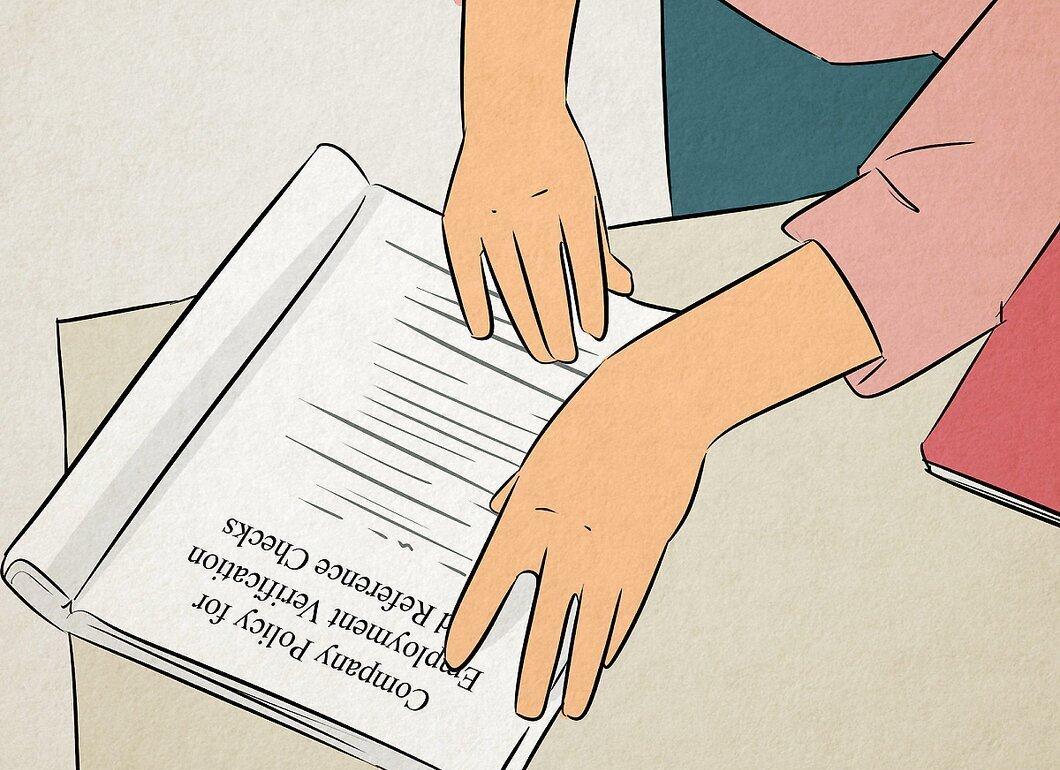
Understand your company’s policies regarding employment and references. Before making a decision about resigning or being terminated, it’s important to know what information may be provided to potential employers about you. Here’s what may be included:
- Employment dates
- Your position
- Salary level
- Rehire eligibility
- Reason for departure
- Character and personal qualities
- Work ethic.
Step 4. Remember Your Right to Reflect.
Know that you have the right to take time to think. At this stage, you have two options: agree to resign or wait for termination. You don’t need to sign anything right away, as you have time to consider. Both options have their pros and cons, and it’s crucial to understand them before making a decision.
- Your employer may try to rush your decision, but they cannot force you to act immediately. Regardless, you will soon be leaving the company, but it’s important to choose what’s best for your future.
Evaluating Options and Making a Decision
Step 1. Analyze the Pros and Cons of Resigning.

Conduct a pros and cons analysis of resigning. As mentioned, each option has its advantages and disadvantages that should be weighed. A major drawback of resigning is that you likely won’t qualify for unemployment benefits. However, this decision has its benefits:
- The opportunity to frame your departure positively. You won’t have to say you were fired.
- Your records will state that you voluntarily left.
- You may negotiate a severance package. Since the company wants you to leave, you might be in a stronger position to negotiate a severance, including a few months’ salary and benefits.
Step 2. Assess the Pros and Cons of Waiting for Termination.

Evaluate the pros and cons of waiting for termination. The advantages may outweigh the disadvantages if you need unemployment benefits and believe you’re entitled to them. If you’re terminated without cause, you have a good chance of receiving benefits. If you believe the termination was wrongful or discriminatory, you have the option to sue your employer. However, there are also disadvantages to waiting for termination:
- You won’t receive a severance package.
- You may get bad references if another employer contacts your current one.
- Your records will indicate that you were terminated, and reasons may be disclosed, such as "Employee was terminated for misconduct."
Step 3. Make Your Decision and Inform Your Employer.
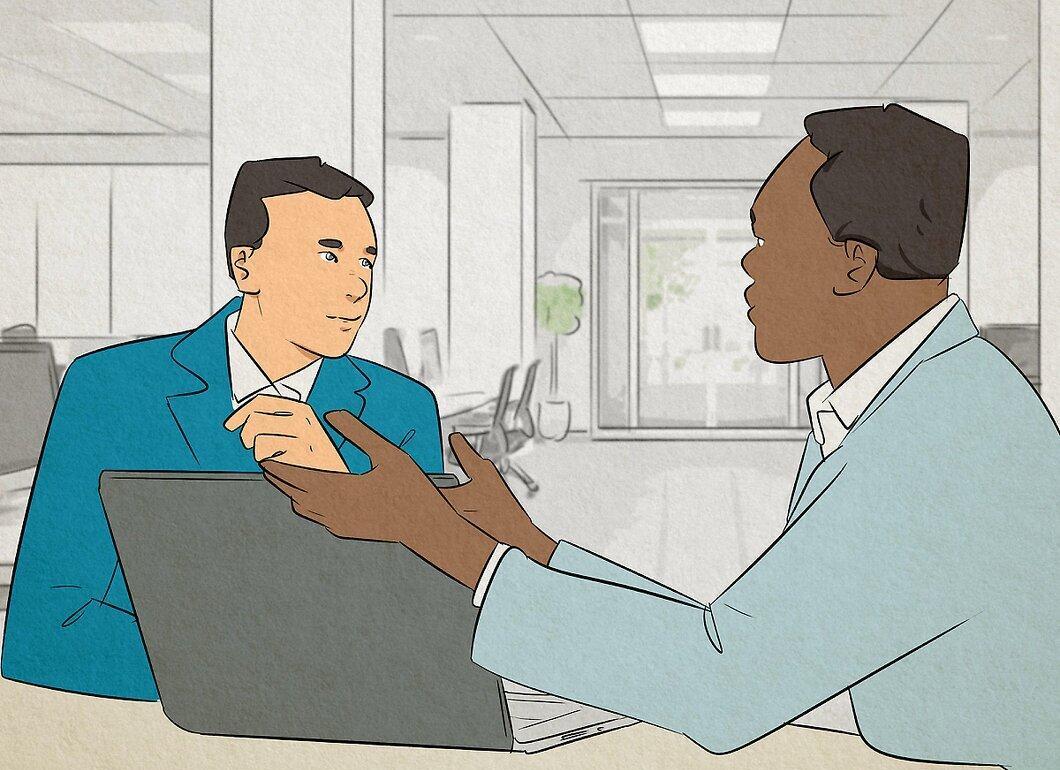
Make the decision that suits you and inform your employer. After analyzing the pros and cons of both options, you’ll need to communicate your decision as soon as possible. If you took a pause for reflection, you might need to schedule another meeting with the same people who were present initially. During the meeting:
- Briefly explain whether you’ve decided to resign or prefer to wait for termination.
- State your decision clearly and professionally.
- Don’t let emotions take over.
- Be prepared to leave the same day. The employer won’t risk allowing a disgruntled employee to remain on-site. If you chose to wait for termination, be ready to leave the company immediately.
Step 4. Be Prepared for Next Steps.

Be ready to move forward. Once you’ve made your decision and informed your employer, it’s important to focus on the next step in your career. Prepare for new opportunities and changes that await you ahead.