
Every year, approximately 250,000 people decide to move to Canada. There are several legal pathways to do so, and one of them might be just right for you. In this article, we provide a detailed action plan for relocating to Canada.
Preparing for Your Arrival
Step 1: Check Your Eligibility to Enter.
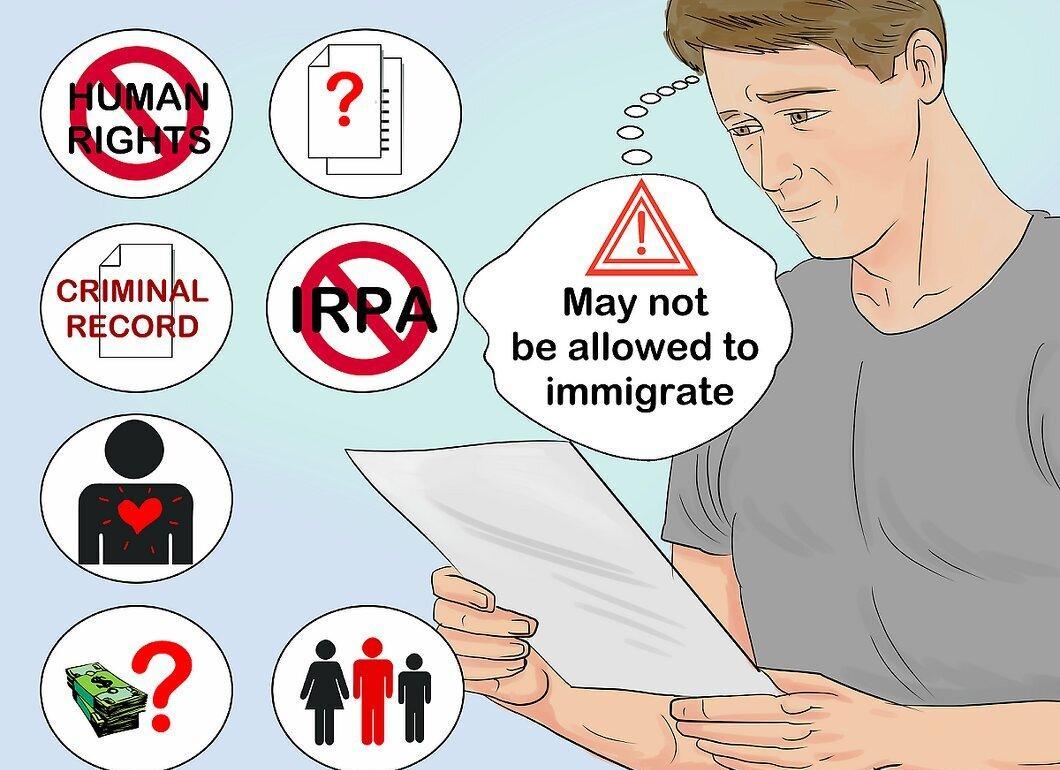
Before you start your move, it's crucial to ensure you have permission to enter Canada. You may be denied entry for various reasons, such as:
- Violating international law or human rights
- Having a criminal record
- Health issues
- Financial difficulties
- Providing false information
- Violating the Immigration and Refugee Protection Act
- Having a family member who is prohibited from entering [2] X Source
Step 2: Explore Immigration Status Categories.
To move to Canada, you need to apply for permanent resident status. Without this, your move will be considered illegal, and you may be deported. There are several categories under which you can apply for residency, such as:
- Skilled workers and professionals. This is one of the most effective pathways to obtain Canadian status. You can apply if you have at least one year of work experience in a managerial, professional, or specialized field. Immigration services will consider your age, experience, education, and the area of work you intend to pursue.
- Business owners, entrepreneurs, and investors. This visa is available to individuals who are entrepreneurs or professional investors and have their own business. A minimum capital of 10 million Canadian dollars is required for this category.
- Provincial nominees. This status can be obtained if a specific province in Canada selects you, but this happens infrequently.
- Family sponsorship. You can move to Canada if you have a relative willing to sponsor your move.
- Quebec immigration program. Similar to the provincial nominee program, but selection is made by the Government of Quebec. This program is designed for students, entrepreneurs, seasonal workers, Canadian family members, and refugees wishing to live in Quebec.
- International adoption. If Canadian citizens adopt a child from abroad, the child is granted Canadian residency.
- Refugees. Individuals who leave their country for safety reasons may also apply for residency. Sponsorship assistance is available to cover costs related to the application and relocation to Canada.
- Caregivers. If you plan to move to Canada to care for a local resident, you can apply for the appropriate visa.
- Entrepreneur program. If you are self-employed, you can apply for a business visa. You will need to prove your annual income is at least 40,000 dollars and that you will continue to earn this amount while in Canada.
Step 3: Go Through the Residency Application Process.
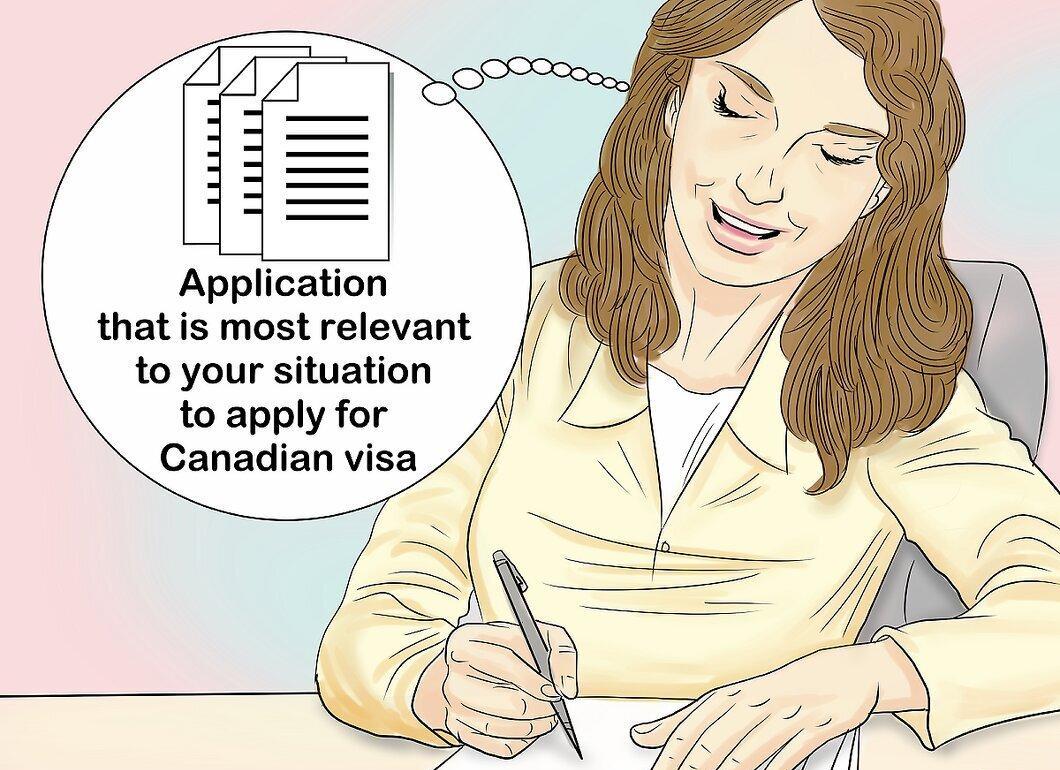
Choose the appropriate program and obtain your visa. For example, if you are an entrepreneur, you will need to fill out different forms than if you are moving for caregiving purposes.
- If you are a skilled professional and want to expedite the process, fill out the online profile for "Express Entry." Provide your personal details, language proficiency level, and supporting documents. If you don't have a job yet, register on the Government of Canada’s Job Bank.
- If you chose the program for entrepreneurs, investors, or skilled professionals in Quebec, or family sponsorship, you will need to send your application by mail.
Step 4: Pay the Registration Fee.
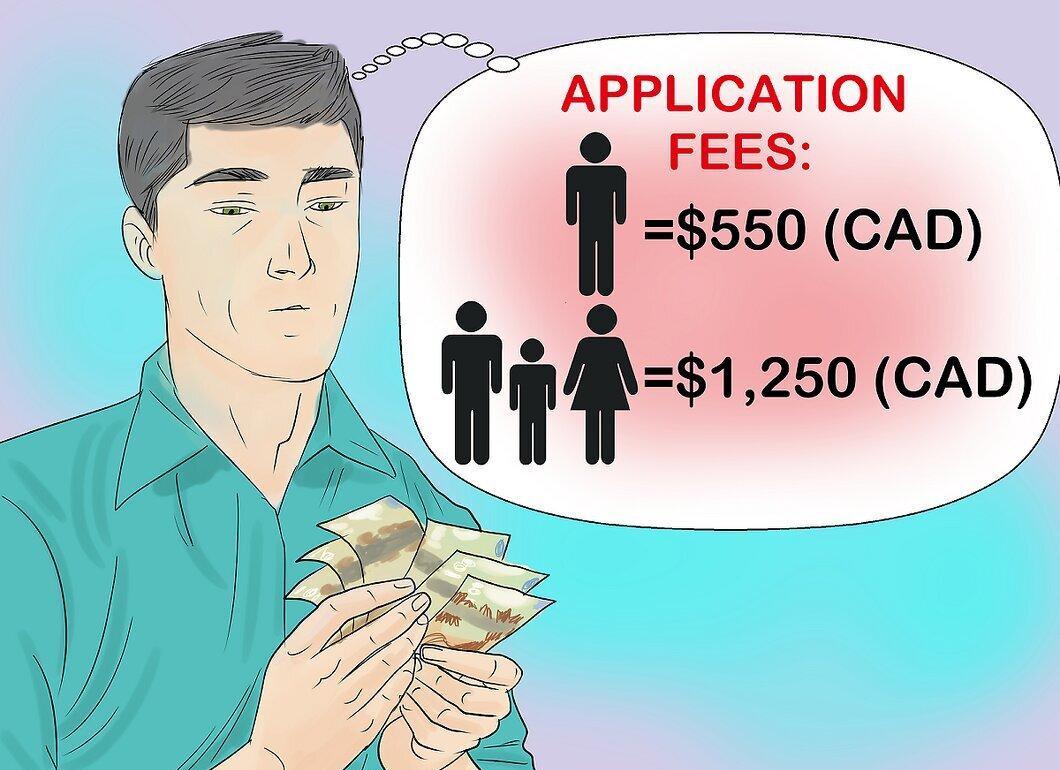
The registration fee can be significant, especially if you are moving with family. For example, the fee for "Express Entry" for one person is 550 Canadian dollars, and if you are bringing your spouse and child, the total increases to 1,250 Canadian dollars.
- Make sure to pay the fee in full; otherwise, your application may be overlooked.
Step 5: Wait for Your Visa.
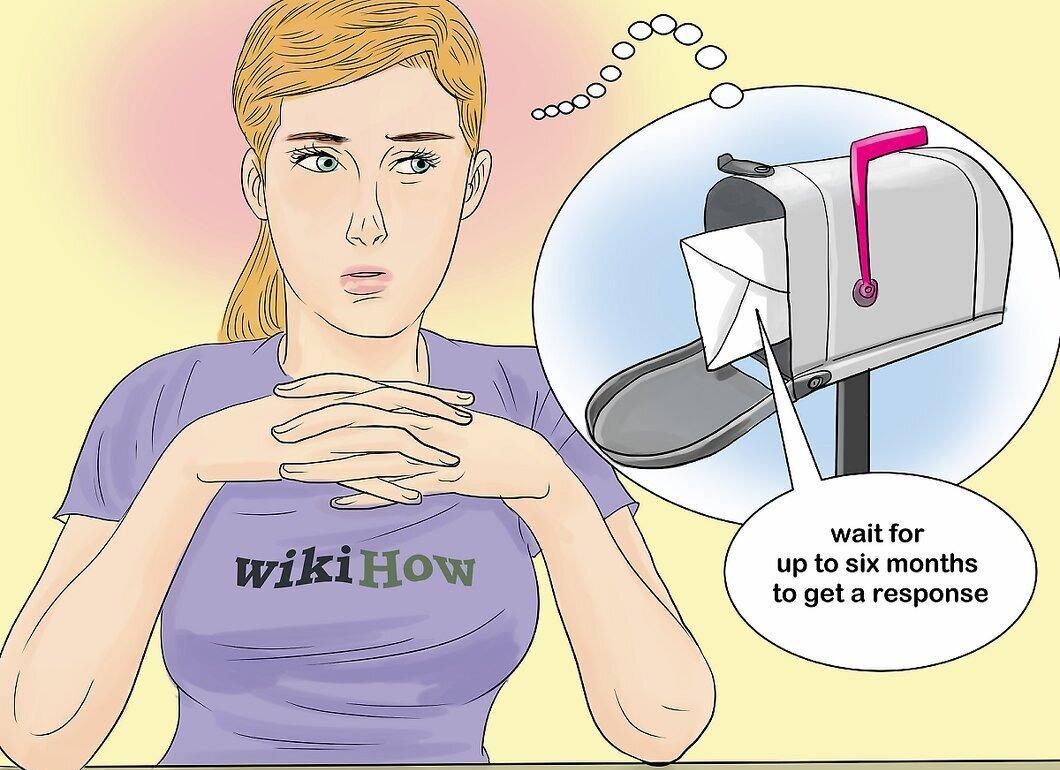
Keep in mind that the response may take some time. Even if you applied through "Express Entry," you may receive a response within 6 months. Therefore, it's advisable to submit your application as early as possible, rather than a month or a week before your intended move.
- If your application is rejected, you can only reapply if your situation changes. Appeals are not possible.
Moving
Step 1: Prepare All Necessary Documents Before Moving.
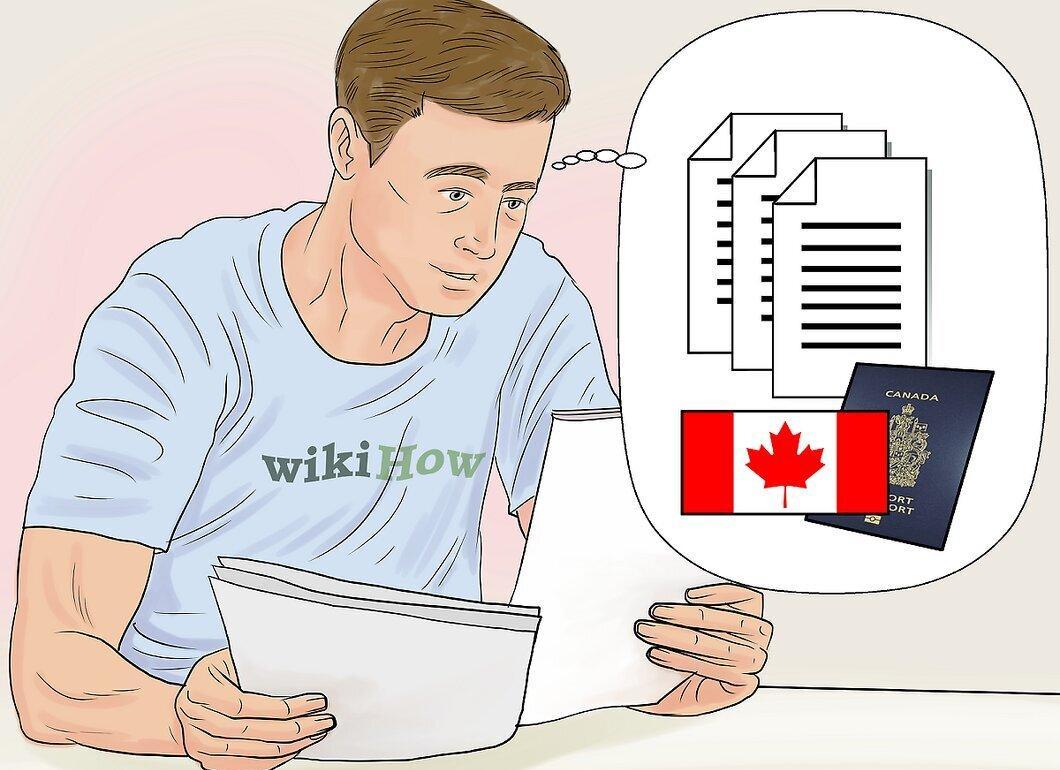
Before you leave, gather all required documents, as you will need them upon arrival:
- Canadian visa and confirmation of permanent resident status for all family members traveling with you.
- Valid passport or other official document for each family member.
- Two copies of a list of all items you are bringing with you.
- Two copies of a list of items that will arrive later and their value.
Step 2: Find Accommodation.

Before you move, you should have a plan for where and how you will live. Find accommodation that fits your budget. Keep in mind that moving incurs costs, so make sure you will have funds left after paying rent.
- If possible, visit Canada a few months before your move to explore potential housing options.
- If you cannot secure permanent housing in advance, consider temporary accommodation in a hotel.
Step 3: Purchase Health Insurance.

While residents and citizens of Canada have free health insurance, you will need to obtain private insurance for the first three months upon arrival. Each province has its own insurance companies that offer health insurance.
- If you arrived through the refugee program, you will not need to purchase insurance, as you will be covered by the Interim Federal Health Program (IFHP). Others must obtain private insurance to receive a government health card.
Step 4: Improve Your Language Skills.

Knowing the language will help you adapt more easily to your new country. If you are not proficient in English or French, try to dedicate time to learning them. Attend courses on weekends or in the evenings.
- Find out which language is predominant in the province you are moving to. In some regions of Canada, French is more commonly spoken.
- If you are fluent in one of the official languages, consider learning the other as well.
Step 5: Find Employment (if you haven't already).
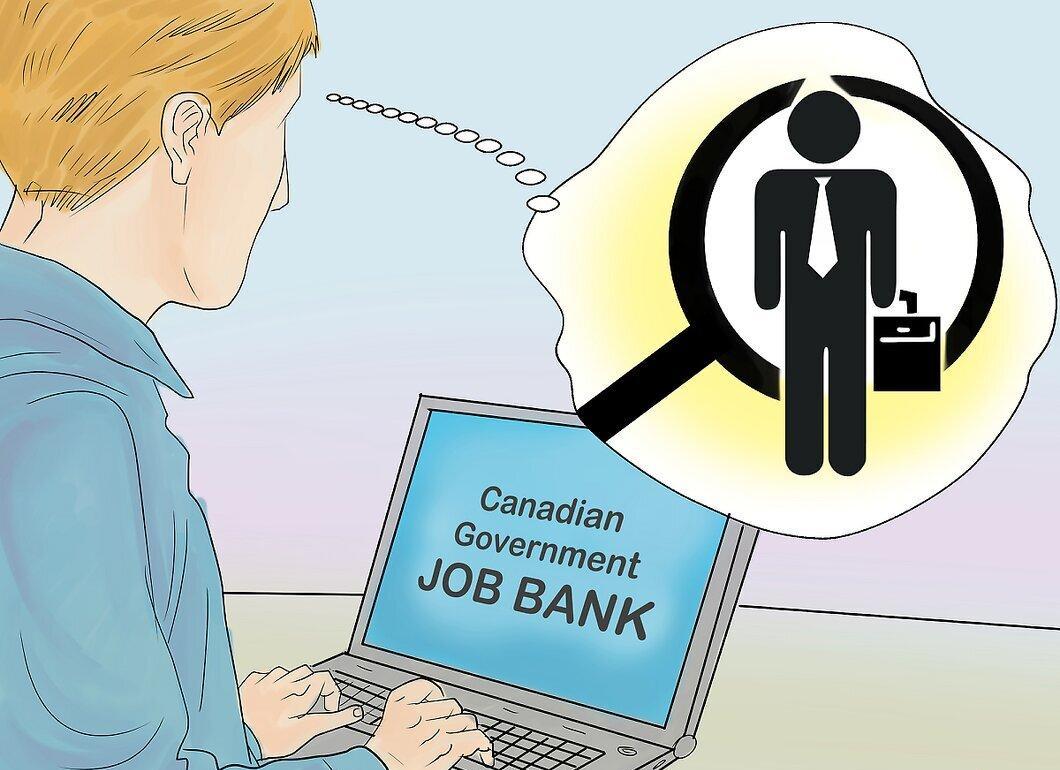
If you did not secure a job before moving, you will need time to search upon arrival. Don’t forget to register on the Canadian Job Bank and keep an eye on new job postings.
- Immigrants may face challenges when searching for jobs. Your diploma may not be recognized, you may lack language skills, or you may not have the necessary work experience in Canada.
- At the Canadian Service Center, you will receive a Social Insurance Number, which is needed for employment. Ensure you have all the necessary documents to obtain it.
Step 6: Apply for Canadian Citizenship.
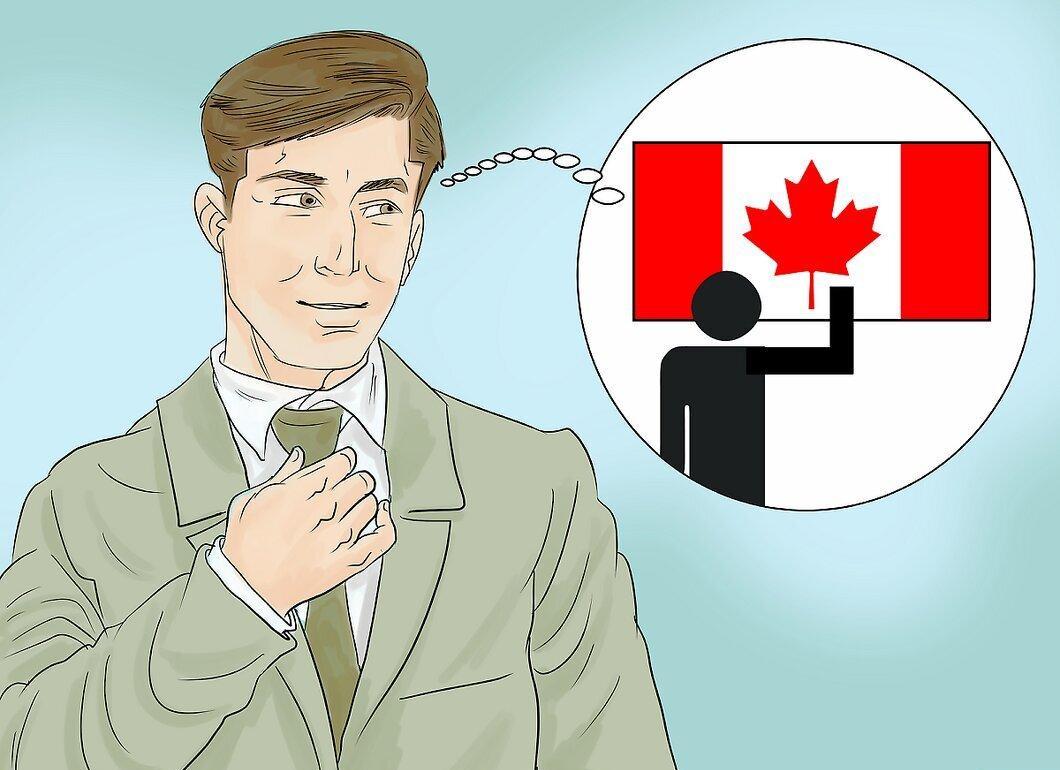
If you decide to stay in Canada and wish to become a citizen, apply for citizenship. This has likely been your goal since moving, right?
- After three years of residency in Canada, you will be eligible to apply for citizenship. You must also be over 18 years old, be able to speak English or French, know Canadian social norms, and pass a test on Canadian government and policies.
- Once you meet all the requirements, you will become a Canadian citizen and receive an invitation to a ceremony where you will be presented with your citizenship certificate.