
Have you always dreamed of moving to London or recently discovered your love for England? Either way, your goal is to live closer to the British throne. The process may seem daunting, especially if you aren't a citizen of an EU country. This article will help you navigate visa applications, housing searches, and much more.
Define Your Route
Step 1. Research Visa Information.
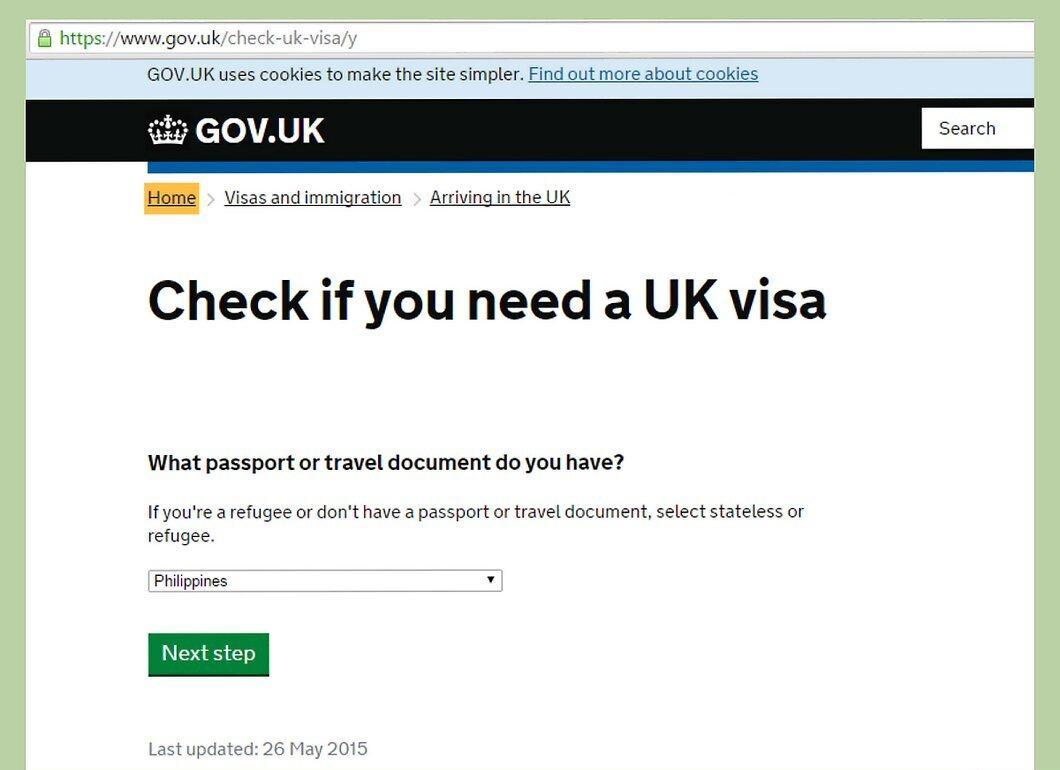
Start by familiarizing yourself with visa requirements. The UK government's website provides a simple online tool to help you determine which type of visa is right for you. Most immigrants will need a specific visa that allows them to live and possibly work in the UK for a set period. Once you identify the appropriate visa type, head to visa4uk.fco.gov.uk. It's best to apply several months in advance of your planned move.
- In this section, you'll also find more information about immigration and travel requirements.
- The UK comprises England, Scotland, Wales, and Northern Ireland; no special visa is needed for living in England.
Step 2. Understand the Rights of EU Citizens.

If you are a citizen of an EEA country, you have the right to live and work in the UK. This includes all EU member states, as well as Iceland, Liechtenstein, and Norway. Swiss citizens have similar rights.
- You will only need a passport that confirms your citizenship. Although it's not mandatory, a registration certificate can help prove your eligibility for various benefits.
- Family members of EEA citizens who are not Europeans must apply for a visa. After five years of working in the UK, they can apply for permanent residency.
Step 3. Find a Job in the UK.

Start your job search in the UK. Check out websites like monster.co.uk, fish4.co.uk, reed.co.uk, or indeed.co.uk. If a British company decides to hire you, you can then apply for a visa. The duration of your visa will depend on your employment:
- Tier 2 visas are for highly competitive sectors; details can be found here. You may also qualify for a visa if you are transferred to another branch of an international company and your employer can prove that your skills are unique. Typically, this visa is issued for 3 years with the possibility of extension up to 6 years.
- Tier 5 visas allow temporary work for 6 months to 2 years. If you don't meet the criteria for a Tier 2 visa, consider volunteering or working in sports, or as an artist or religious worker.
- Tier 1 visas are for entrepreneurs willing to make substantial investments in pounds or recognized leaders in their fields. These visas are granted for 5 years with the option to extend to 10 years.
Step 4. Enroll in an Educational Institution in the UK.

Register at an educational institution in the UK. You need to have a good command of English and sufficient funds to support yourself. You can stay in the country until your course finishes and for a few additional months afterward. Working will only be permitted within the confines of your study program.
Step 5. Explore Other Visa Options.

There are other options for long-term relocation to the UK, which may require special circumstances, such as:
- Family circumstances (e.g., reunification with a spouse or child) if you have been in a relationship for over two years. Visas are also available for those needing care from family members living in the UK.
- An ancestry visa (issued for 5 years with the right to work) is available for those whose grandparents were born in the UK.
- A Tier 5 youth mobility visa (issued for 2 years with the right to work) for citizens of certain countries aged 18 to 30.
- A guest visa (usually for 6 months without work rights) might be an option. If you have enough funds for living expenses, you can come on a guest visa and then find a job and apply for a work permit. The chances are slim, but even if it doesn't work out, you can still have a great time.
Preparing for Departure
Step 1. Find Accommodation.

Start by looking for accommodation. Consider hotels or motels for temporary lodging upon arrival, or search for long-term housing. You may need to sign contracts in person, so begin your search several weeks before departure, and for purchases, start a few months in advance. Check out sites like Gumtree, RightMove, Zoopla, and RoomMatesUK. Remember that the housing market in England may differ from yours:
- London is an expensive city, with the average rent for a two-bedroom apartment around £1,900 per month. Consider relocating to other cities or towns within an hour's commute from London.
- Study listings carefully. The prices listed may be per week or per month. Don't hesitate to negotiate.
- If you plan to buy a house, be sure to hire a real estate lawyer in the UK.
Step 2. Learn About Housing Taxes.

Before signing a rental agreement, clarify what additional taxes you will need to pay. Prices can vary significantly depending on the region and type of property; here are some approximate figures:
- Utilities. Be prepared for costs around £120 per month for water and electricity, plus £70 for heating. Winter heating costs can be significantly higher.
- Council tax — from £100 and upwards per month.
- TV license fee — to watch BBC channels (even online), you must pay £145.50 per year.
- The cost of cable TV, mobile services, and internet can vary widely. This is in addition to the license fee.
Step 3. Improve Your English Skills.

If English is not your native language, start learning it before you leave. This will greatly simplify your life if you can communicate, read, and write in English. Language proficiency may also be necessary for employment or obtaining permanent residency.
Step 4. Planning to Bring a Pet?

If you want to bring a pet, first check if your country is on the list and what the requirements are for transporting animals. To move dogs, cats, and ferrets from most countries, you will need the following documents:
- Microchip.
- Rabies vaccination (at least 21 days prior).
- European pet passport or veterinary certificate (your vet can assist you with this).
- For dogs — treatment for tapeworms.
- For countries not on the list: blood test (3 months before travel, 30 days after rabies vaccination).
- Approved travel route and travel agency. If you are coming from warmer countries, it's best to wait for cooler weather.
Step 5. Calculate Your Budget.

Assess your financial situation. The cost of living can vary significantly by region. Use expatistan.com to compare your current expenses with future ones.
- If you plan to stay in the UK for more than 183 days, you will be required to pay income tax.
Upon Arrival
Step 1. Transport Considerations.

Determine your transportation options. Public transport in London and other major cities is quite reliable, but parking and gas prices can be high. If you decide to drive, check if your driver's license is valid for use in the UK.
- Train travel is popular for long journeys, with costs and speeds varying greatly. If you're under 25 or over 60, consider purchasing a railcard for discounts.
- Buy an Oyster Card in London at the underground station. It offers discounts on travel in the tube, buses, and city rail transport.
Step 2. Open a Bank Account in the UK.

Open a bank account in the UK. Most banks offer free debit and credit cards. Some major banks include Lloyds, HSBC, Barclays, and NatWest.
- Check with your bank if they have partners in the UK for convenient service.
- Opening an account from abroad may be possible, but you will likely need to provide a UK address.
Step 3. Apply for Necessary Documents.

Don’t forget to obtain necessary documents upon arriving in the UK:
- National Insurance number — needed for taxation and work. You can apply by calling Jobcentre at 0345 600 0643.
- Passport photos (in accordance with UK standards). You can get them taken at shops for £6 or less.
Step 4. Familiarize Yourself with the UK Healthcare System.

Be aware of the features of the UK healthcare system. Emergency medical care is free for all visitors. Most hospital services are also free for those who have paid upon application. In other cases, the doctor decides whether to charge you. It's advisable to check prices with various doctors in your area before choosing.
Step 5. Learn About Cultural Differences.

To avoid awkward situations, learn about the cultural differences between the UK and your home country! This may seem simple, but understanding local versions of words can help prevent misunderstandings. For example, in England, "fanny" has a much cruder meaning than in America and can cause confusion.