
A trip to Antarctica is a chance to experience one of the most incredible adventures of your life. While it can be an expensive endeavor, the memories will last a lifetime. Visiting this harsh and remote continent means seeing something truly unique. Adventurous souls can enjoy views of the frozen continent either from the air in a day or during a multi-week cruise. Proper preparation and budgeting will help turn your dream into reality.
Sea Transport
Step 1. Choosing a Cruise Ship.
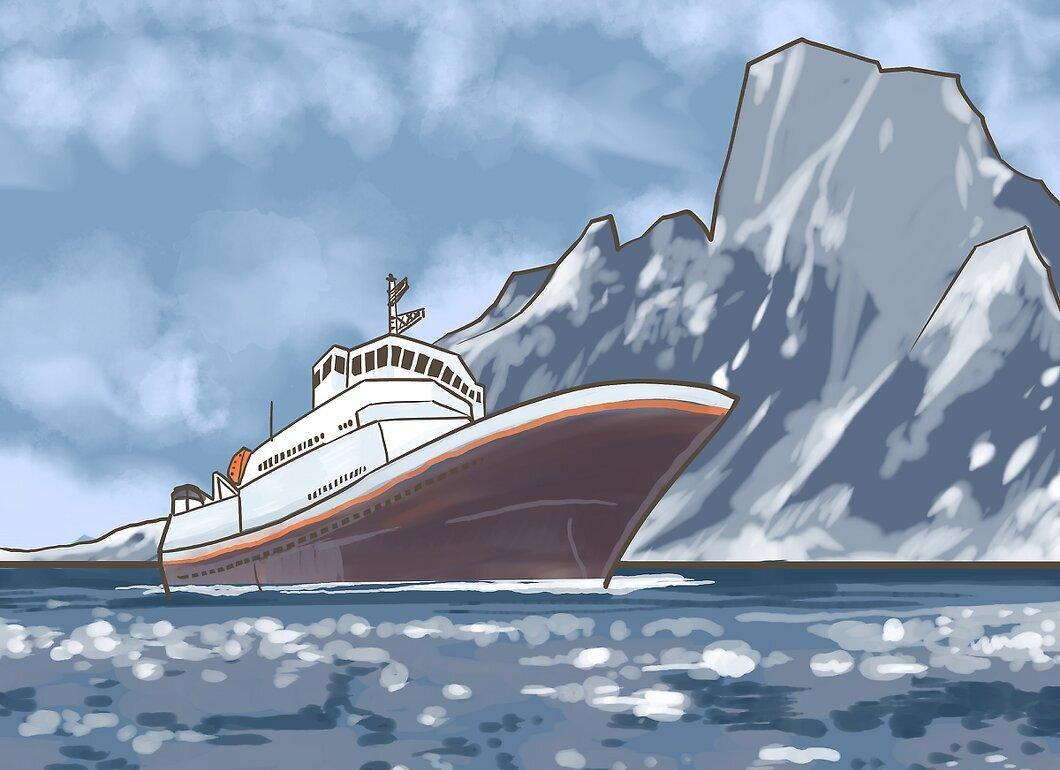
Select a cruise ship. A cruise is the most popular way to reach Antarctica. Conditions on these cruises can vary, but they typically last from 10 days to three weeks. There are various routes to reach your destination, largely depending on your point of departure. The advantages of cruises include comfort and the opportunity to observe the nature of Antarctica for an extended period.
- Typically, cruise ships depart to the Antarctic Peninsula from the port of Ushuaia on Argentina's Tierra del Fuego or Stanley on the Falkland Islands, less commonly from Punta Arenas (Chile), Buenos Aires, or Puerto Madryn (Argentina).
Step 2. Choosing the Size of the Cruise Ship.
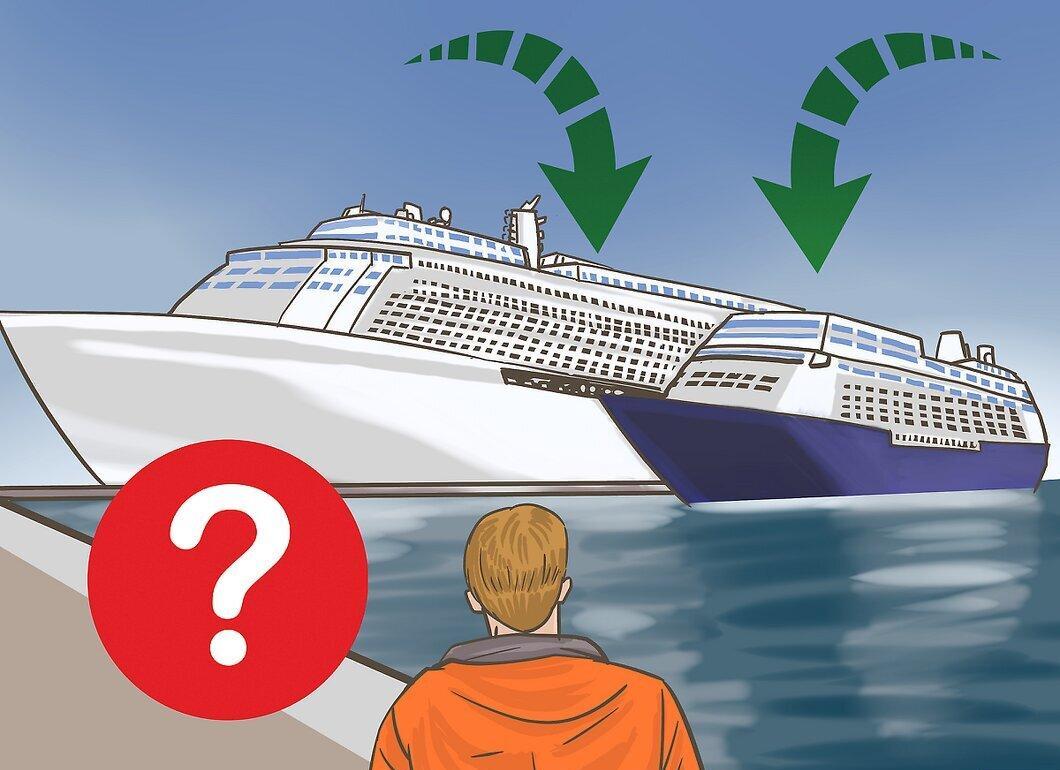
Determine the size of the ship. Ships traveling to Antarctica come in various sizes, ranging from small to large, accommodating from 45 to 280 passengers. Each type has its pros and cons. Larger vessels offer more comfort and amenities, but they less frequently allow for landings to explore attractions.
- Larger ships make it easier for passengers to stay on the open sea, while smaller ships provide more time for land excursions. Up to 100 tourists can disembark simultaneously on smaller vessels, making such excursions more accessible.
- Ensure that the tour operator you choose is registered with the International Association of Antarctica Tour Operators (IAATO), as they regulate travel to Antarctica and care for the environment.
- Prices for trips vary: a ten-day cruise starts from 270,000 rubles, while longer routes can cost from 765,000 to 960,000 rubles.
Step 3. Traveling by Yacht.
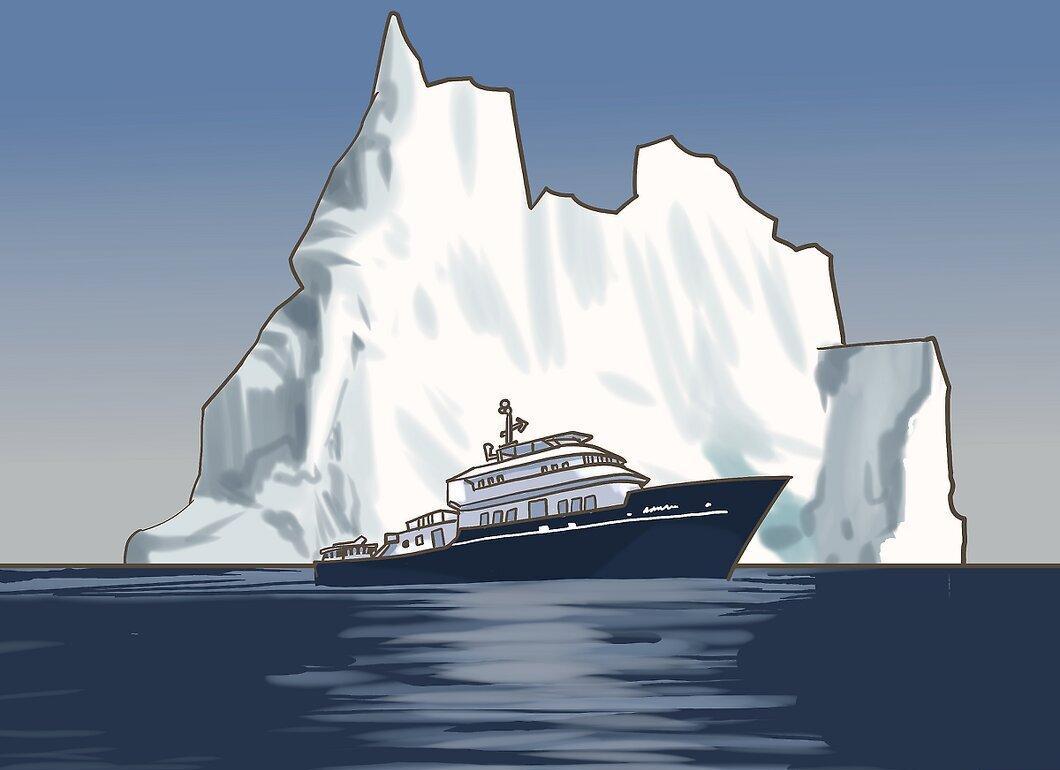
Consider a yacht trip. Reaching Antarctica by yacht is possible, but this option is suitable only for experienced sailors. Several yacht companies accredited by IAATO offer such routes. Yachts typically depart from Ushuaia or Stanley.
- Smaller vessels struggle more with conditions than large cruise liners.
- This option can be quite costly, with expenses around 60,000 rubles per day.
Step 4. Traveling on a French Research Vessel.
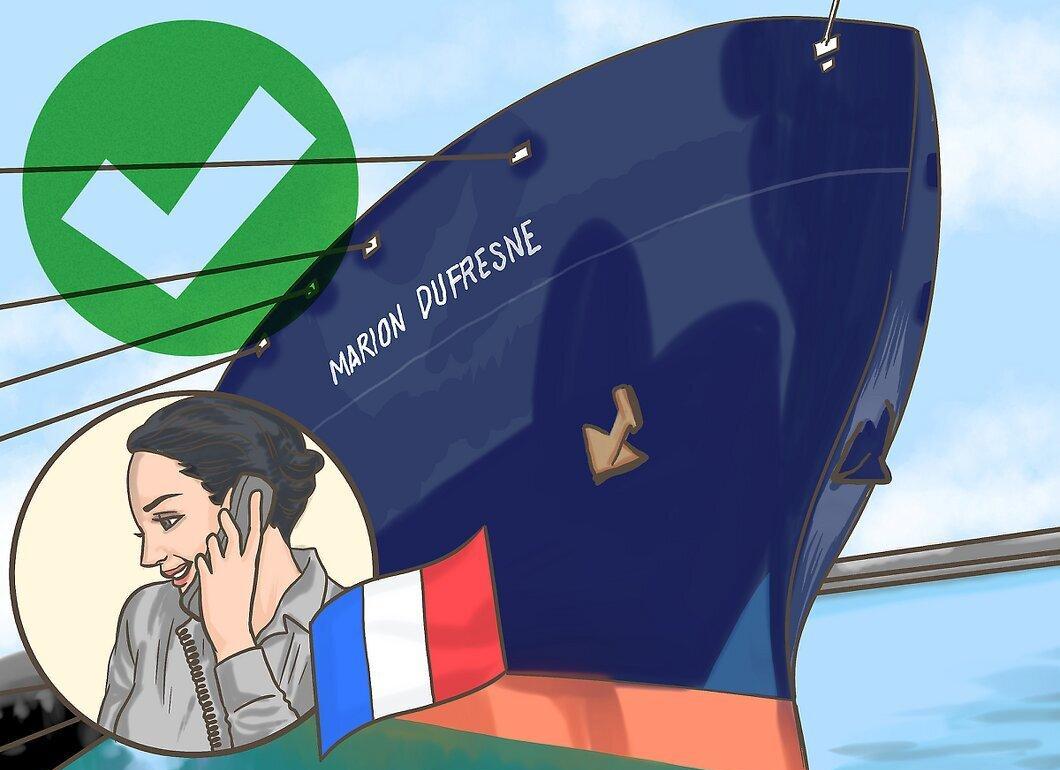
Consider a trip on a French research vessel. A unique opportunity is to travel as a tourist aboard the French vessel "Marion Dufresne II," which departs from Réunion Island. The trips last about a month, and the number of tourist spots is limited, so it is recommended to contact travel agencies in advance for current information on dates, availability, and ticket prices.
- The minimum cost is 480,000 rubles for a month.
Air Transport
Step 1. Flying Over the Continent.
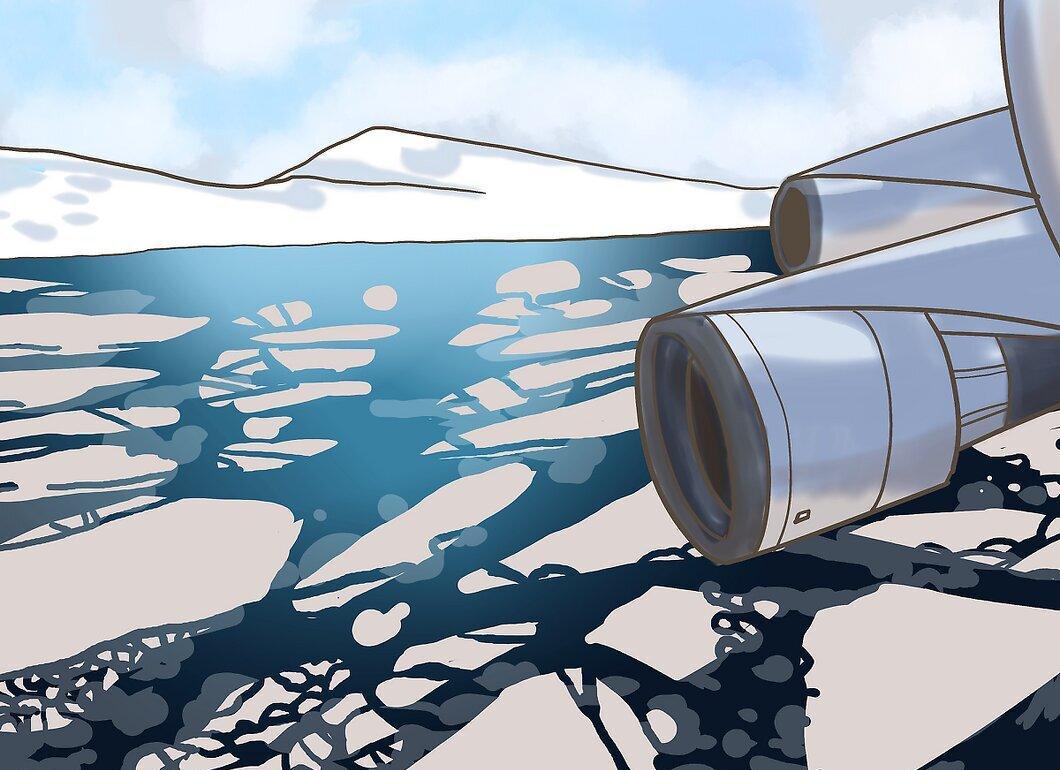
Discover Antarctica from the sky. One of the easiest ways to see the continent is through a scenic flight. Purchase tickets for a sightseeing flight over Antarctica and enjoy the magnificent white landscapes from a comfortable airplane. This option is perfect for those who want a quick glimpse of the continent's beauty and return the same day. Experienced guides will narrate during the flight, and meals and beverages will be provided.
- All flights operate only from Australia.
- Don’t forget to book your tickets in advance.
- This option is not suitable for those wanting to explore the continent up close.
- Ticket prices range from 60,000 to 480,000 rubles depending on the seats.
Step 2. Finding a Flight with Landings in Antarctica.
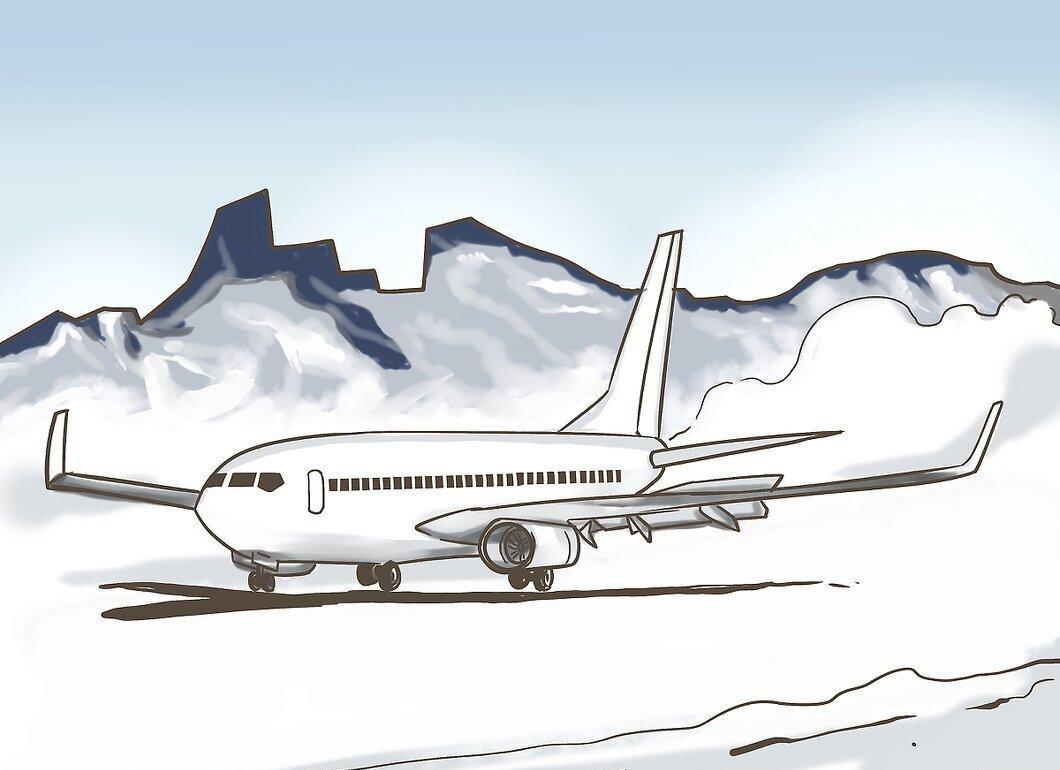
Choose a flight that allows landing on the continent. If you want to set foot on Antarctica, select a company that offers such services and determine your departure point, which could be Australia, Chile, South Africa, or Argentina. Be sure to check the flight schedules for each airport, as flights to Antarctica are infrequent and depend on weather conditions.
- Some adventure tourism companies may offer tours with landings on the continent, including skiing, overnight camping, and climbing.
- From Punta Arenas in Chile, you can reach King George Island and stay there overnight.
Step 3. Combined Air and Sea Trips.
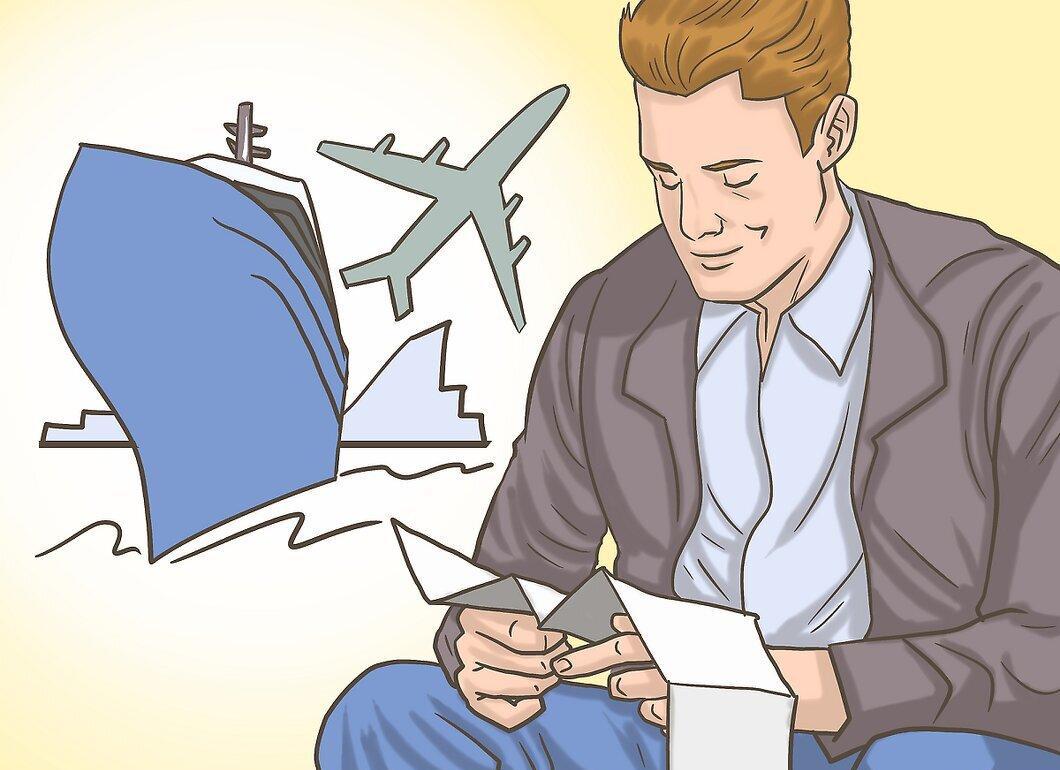
Consider combined air and sea tours. This option allows you to reduce the time spent on the ship (you won’t have to cross the treacherous Drake Passage), while still enjoying the stunning landscapes and wildlife of Antarctica up close. You can fly to King George Island and then transfer to a cruise ship.
- This method allows you to see the ice and wildlife more closely without spending too much time on a sea cruise. However, such a trip will not be cheap.
- A two-week journey will cost from 600,000 to 840,000 rubles.
Step 4. Be Prepared for Bad Weather.

Weather conditions can disrupt your plans. Flights are often canceled due to poor weather and safety concerns. Weather conditions, especially at the edge of the world, can differ greatly from what you're used to, so be ready for changes. Familiarize yourself with information from guides and specialized websites, as flight schedules can change annually based on demand and weather.
Planning Your Trip
Step 1. Choose the Optimal Time.
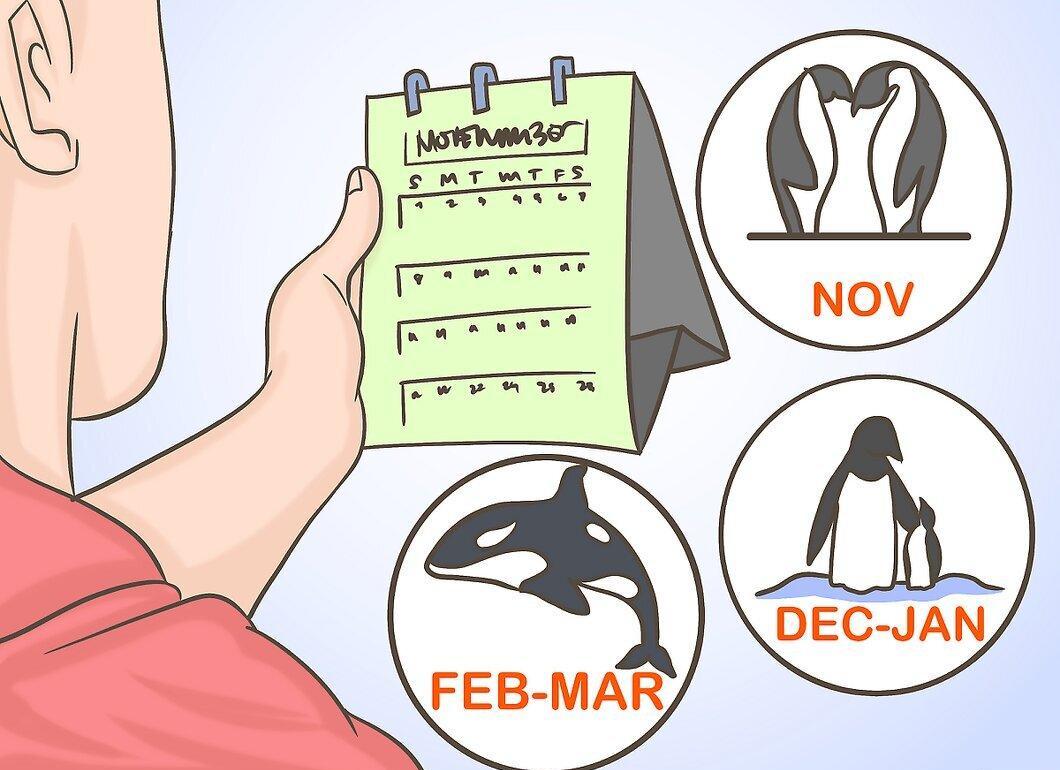
Determine the best time for your trip. The tourist season in Antarctica lasts about five months, primarily from November to March—summer in the Southern Hemisphere. During other times of the year, temperatures drop to extreme levels, it gets dark, and drifting ice blocks maritime routes. Towards the end of the season, the number of tourists decreases, along with many animals. During peak season, you can observe:
- In November, cracks in the pack ice begin to form, and the mating season for penguins and other birds starts.
- From December to January, penguin chicks hatch, and their parents teach them to feed right at the breeding sites.
- In February and March, the chicks grow feathers, and adult penguins molt; this is also when whales can be seen.
Step 2. Be Prepared for High Costs.

Prepare to spend a significant amount. A trip to Antarctica is unlikely to be cheap unless you work on the vessel. The minimum cost will be around 300,000 rubles, but this only covers basic expenses and the least desirable spots on the ship or plane.
- In the port of Ushuaia in Argentina, there are sometimes hot deals, but you need to be in town and ready for immediate departure. This is a risky option, but it can significantly reduce your expenses.
- If you don’t want to travel as a tourist, consider participating in government expeditions to Antarctica. This requires specific skills in science, medicine, or other professions (like cooking for large groups). Securing a spot on such an expedition is not easy.
- Another option is to become a guest crew member. Journalists, photographers, or artists are often invited, and expenses are covered by the inviting party. However, this depends on your skills and opportunities.
Step 3. Take Care of Your Health and Safety.
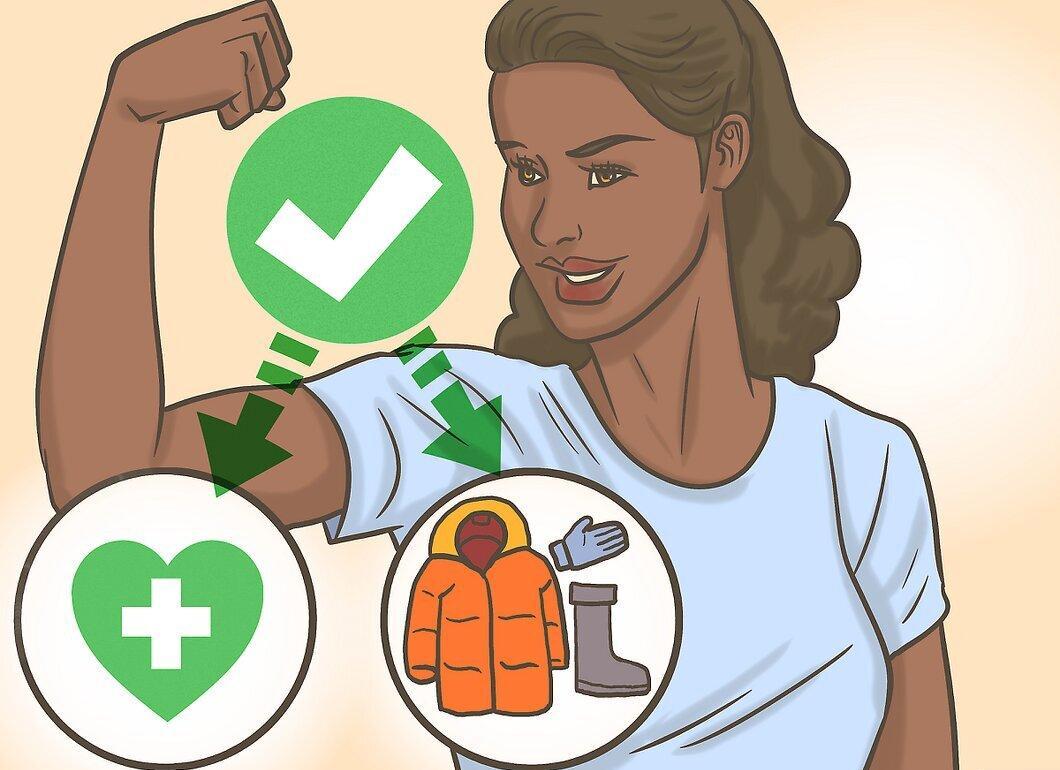
Be mindful of your health. Antarctica is a place with dangerous nature. Weather conditions can deteriorate rapidly, and temperatures even in summer don’t rise above 5–10 degrees Celsius. It’s essential to be cautious about cracks in glaciers and remember the high risk of fire in dry climates, so handle flammable materials with extreme care.
- Familiarize yourself with the necessary gear and clothing. In Antarctica, you will need high-quality waterproof clothing! Necessary items may be available on the cruise ship, but finding the right size is not always guaranteed.
- Special vaccinations for travel to Antarctica are not required, but it’s best to be in good physical shape since medical assistance on the ship will be basic. A doctor should compile a list of your illnesses and special needs if you take medications.
Step 4. Preserve the Fragile Nature of Antarctica.
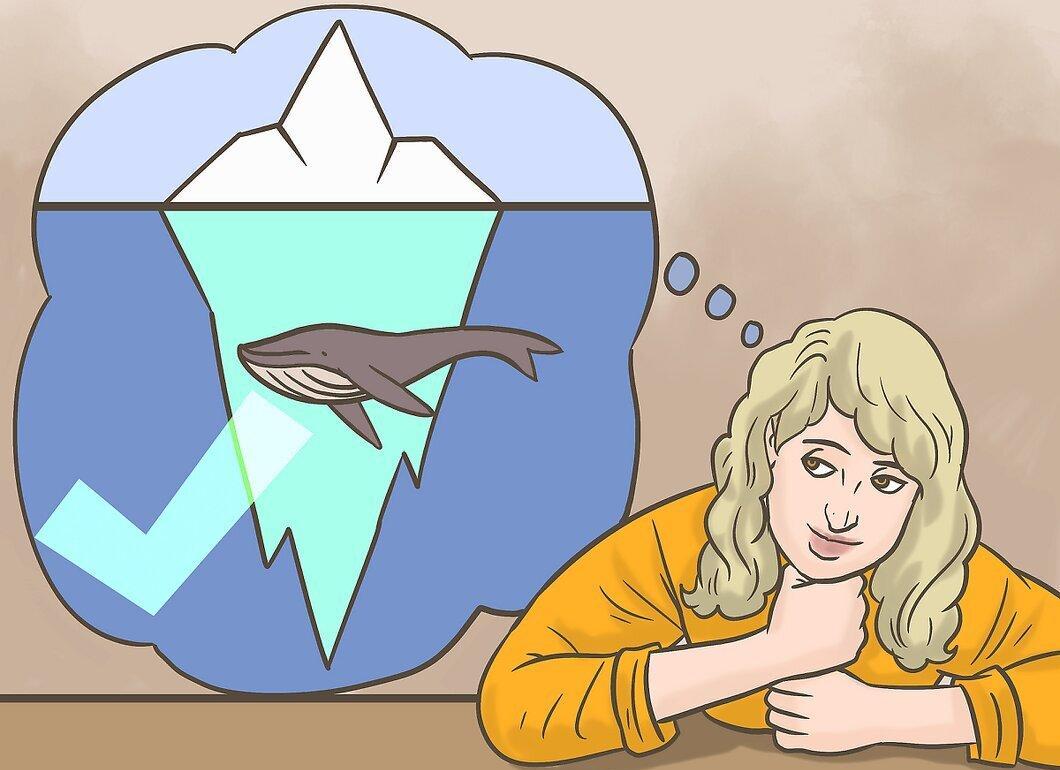
Protect Antarctica's nature. It is extremely vulnerable, and apart from expeditions and research bases, tourist traffic remains limited. Wildlife is not afraid of people, as they have no experience of negative interactions with humans. It is crucial to care for the pristine nature of Antarctica and ensure that tourism does not harm the continent. The Antarctic Treaty outlines Visitor Rules that regulate visitors' actions and must be studied before the trip. Remember these key rules:
- Do not approach wildlife or interfere with natural processes.
- Clean up after yourself.
- Do not vandalize—human-made structures have historical value, many of which are listed as World Heritage sites. Do not leave inscriptions on stones and other natural monuments.
- Only photography of nature is permitted. Do not attempt to take eggs, shells, stones, plants, fossils, or soil with you.
Step 5. Enjoy Your Unique Journey.
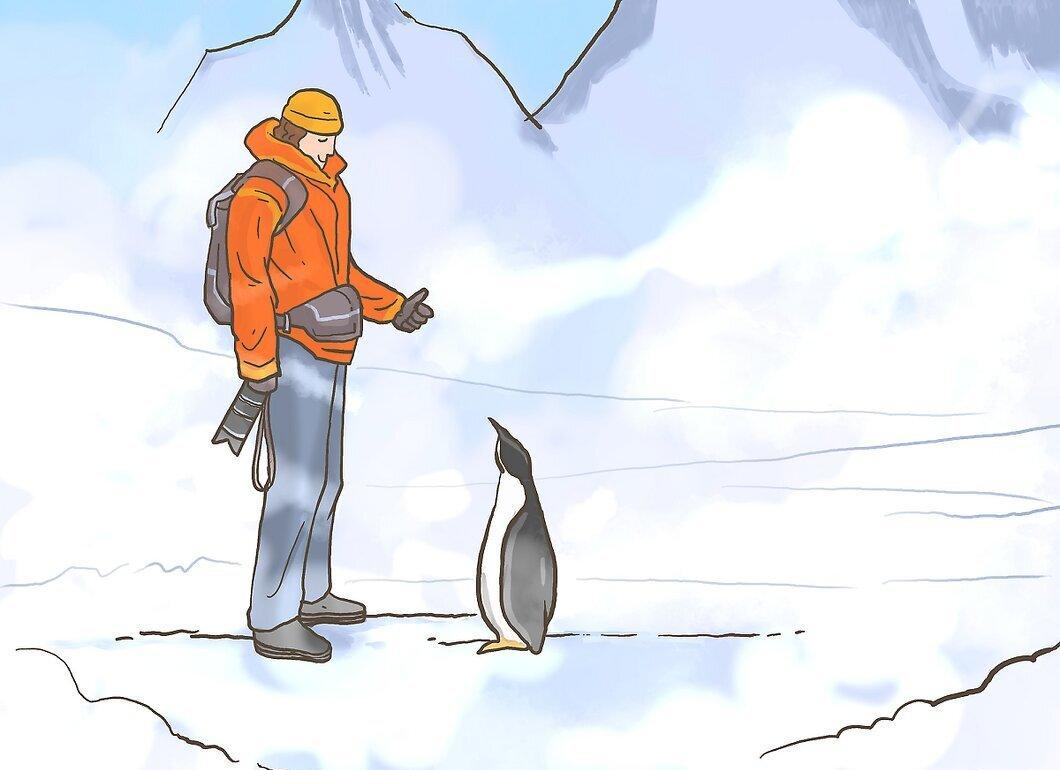
Savor your unforgettable adventure. People who return from trips to Antarctica share their experiences for a lifetime. If you are captivated by the pristine beauty of nature, stunning landscapes, and unique wildlife, and you are not afraid of the cold, this journey will leave you with indelible memories.