The teenage years can be incredibly challenging. You are faced with numerous changes and trying to figure out what kind of person you want to become. Having a baby can make this time even more difficult. You might want to wait until you are an independent adult before becoming a parent. To prevent teen pregnancy, it’s crucial to practice safe sex, stay informed, and seek support from loved ones. The most important thing you can do for yourself is to expand your knowledge about safe sex. If you are an adult, there are several steps you can take to help your loved ones avoid unwanted pregnancies.
Use Contraceptives
Step 1. Use Condoms — A Reliable and Cost-Effective Method of Contraception.
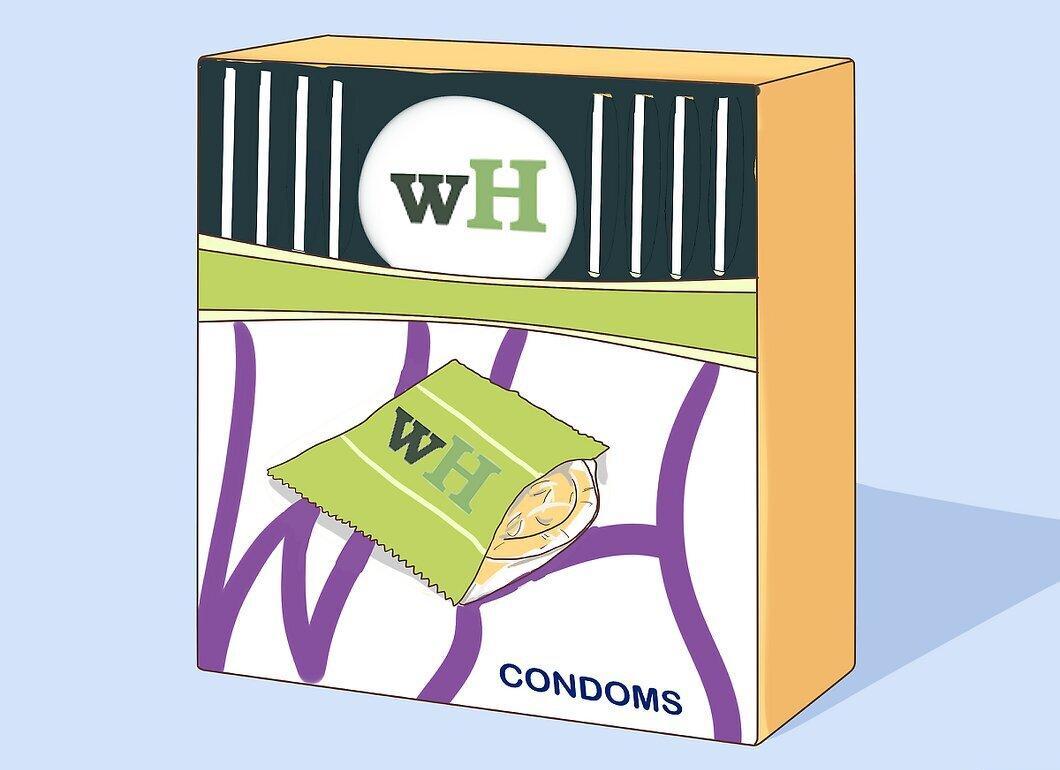
Condoms are one of the simplest and most accessible methods of contraception. Just open the package and put the condom on an erect penis. Make sure the rim of the condom is on the outside for easy application. Condoms have a long shelf life, but be sure to check the expiration date before purchasing.
- Condoms can be found in pharmacies and supermarkets, and some HIV prevention centers distribute them for free.
- It is important that both you and your partner agree to use a condom.
- Consider using a female condom, which is inserted into the vagina and also helps prevent pregnancy. Follow the instructions on the package.
- Another benefit: both male and female condoms protect against sexually transmitted infections (STIs).
Step 2. Consider Oral Contraceptives for Reliable Protection.
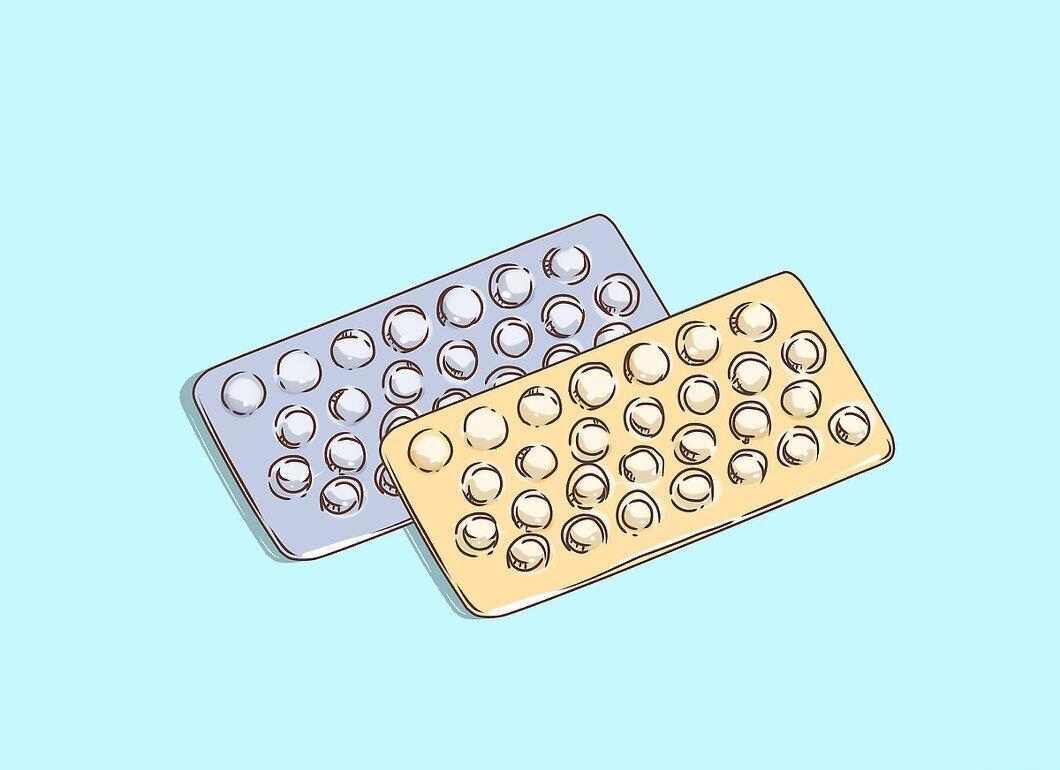
Oral contraceptives, known as "hormonal pills," can effectively prevent unwanted pregnancies. However, a doctor's prescription is often required to obtain them. The hormone in the pill blocks ovulation, meaning that without an egg, fertilization cannot occur. These pills can reduce the risk of pregnancy by 91%, but they do not protect against STIs.
- Discuss potential side effects with your doctor, such as weight gain, irregular periods, and mood swings.
- Oral contraceptives should be taken at the same time every day for maximum effectiveness. Set a reminder on your phone to avoid forgetting to take the pill.
- The cost of oral contraceptives ranges from 400 to 2000 rubles per month, depending on the manufacturer.
Step 3. Intrauterine Device (IUD) — A Long-Term Contraceptive Method.
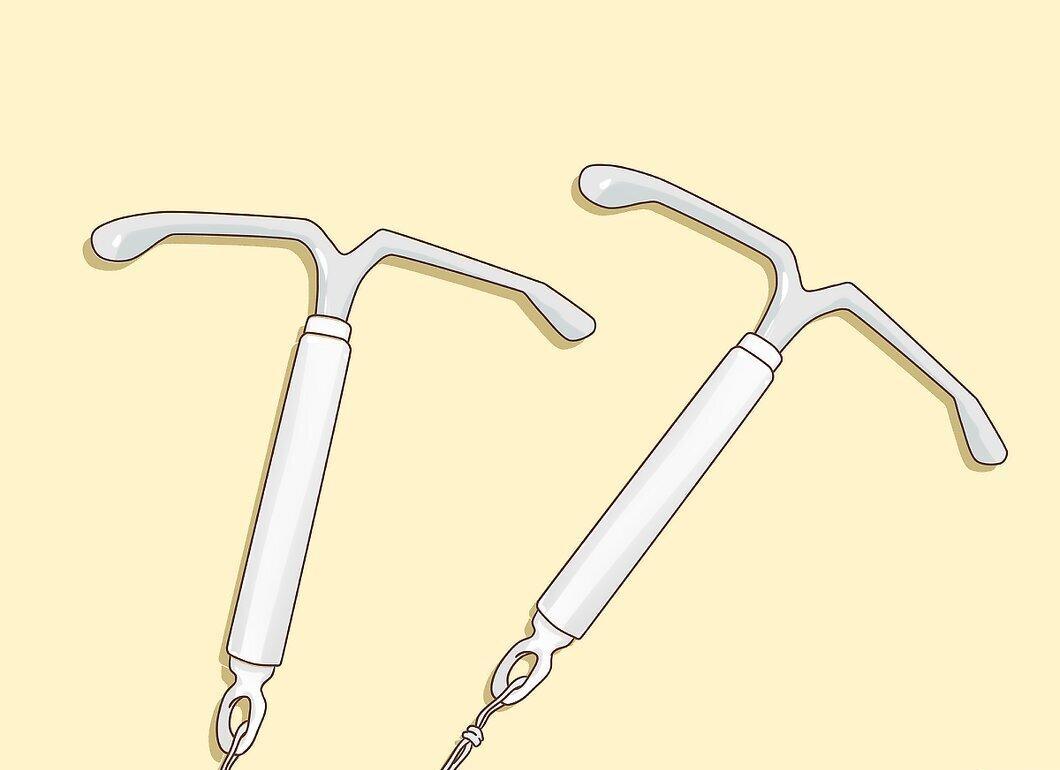
An IUD is a small device inserted into the uterus to prevent pregnancy. It is one of the most effective contraceptive methods, with an effectiveness rate of 99%. Only a doctor can insert an IUD. It can be removed at any time, but it can remain in the uterus and protect you from unwanted pregnancy for 5 to 12 years.
- There are two types of IUDs: copper and hormonal. Consult your doctor to determine which one is right for you.
- Copper IUDs can be used as emergency contraception. If inserted within five days after unprotected intercourse, they can prevent pregnancy.
- Possible side effects include cramping and irregular periods, which usually resolve after 3 to 6 months.
- The cost of IUDs ranges from 400 to 12000 rubles, depending on the type and manufacturer.
Step 4. Consider a Hormonal Implant for Contraception.
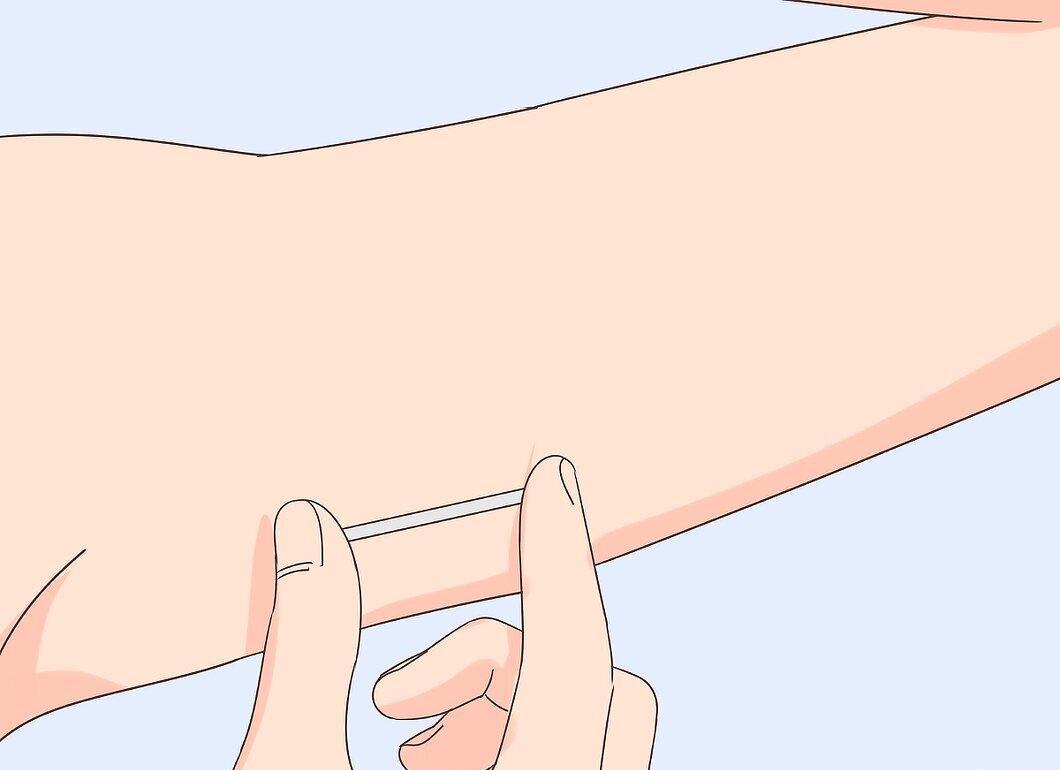
A hormonal implant is another contraceptive option. It is a small rod that a doctor inserts under the skin of your upper arm and protects against unwanted pregnancy for up to four years.
- The effectiveness of a subdermal hormonal implant is 99%, but it does not protect against STIs.
- This contraceptive method is easy to use, as it cannot be forgotten or improperly applied.
- The cost of such an implant is about 6000 rubles. Check the price with your pharmacist.
Step 5. Try a Contraceptive Hormonal Patch.
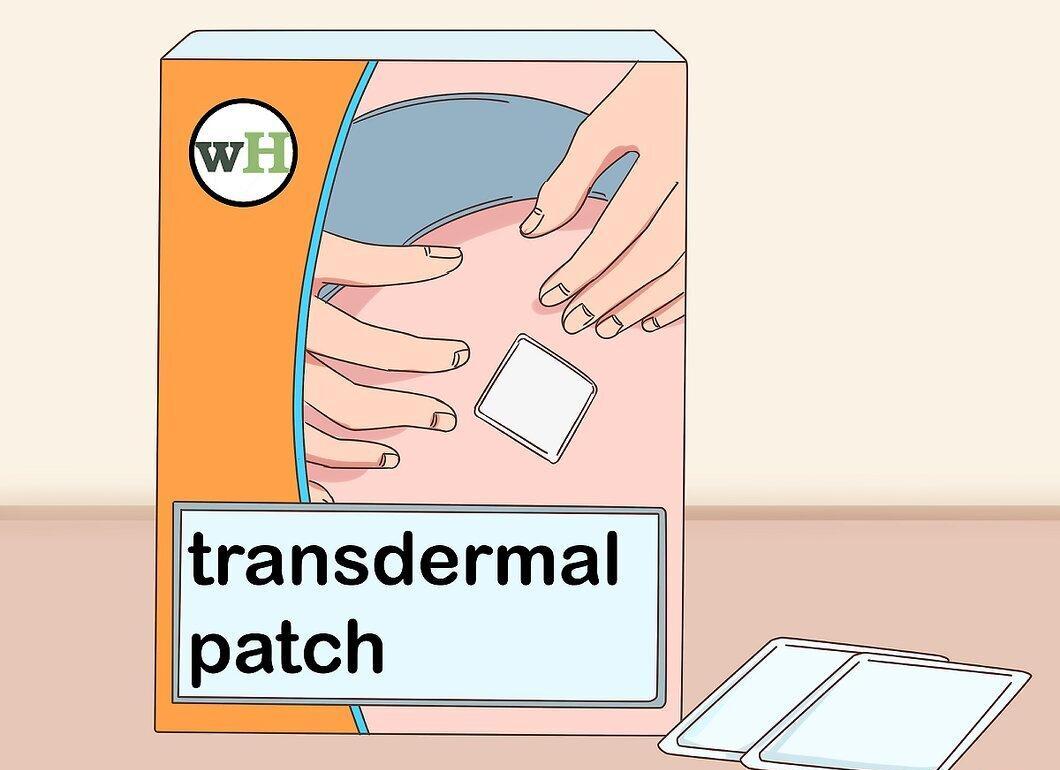
The contraceptive hormonal patch is another option. It is applied to the shoulder, abdomen, back, or thighs and needs to be replaced weekly. After three weeks of use, a break is required for a week before applying a new patch.
- The effectiveness of this method is 91%, but it does not protect against STIs.
- The price for a pack of patches ranges from 1000 to 2000 rubles.
Step 6. Consider a Contraceptive Injection to Avoid Daily Pill Reminders.
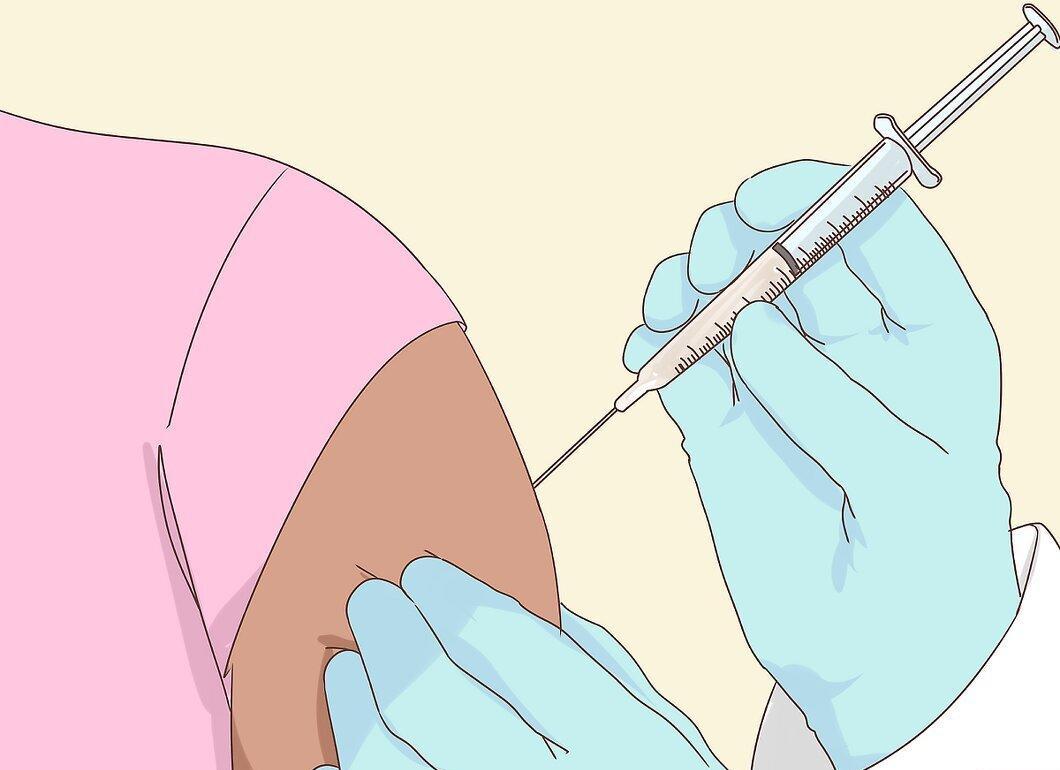
If you don’t want to constantly remember to take pills or change patches, a contraceptive injection may be a good solution. A doctor will administer the injection every three months to prevent ovulation and unwanted pregnancy.
- The effectiveness of the injection is 94%, but it does not protect against STIs.
- The cost of one injection ranges from 1000 to 2000 rubles.
Step 7. Consider Emergency Contraceptives.
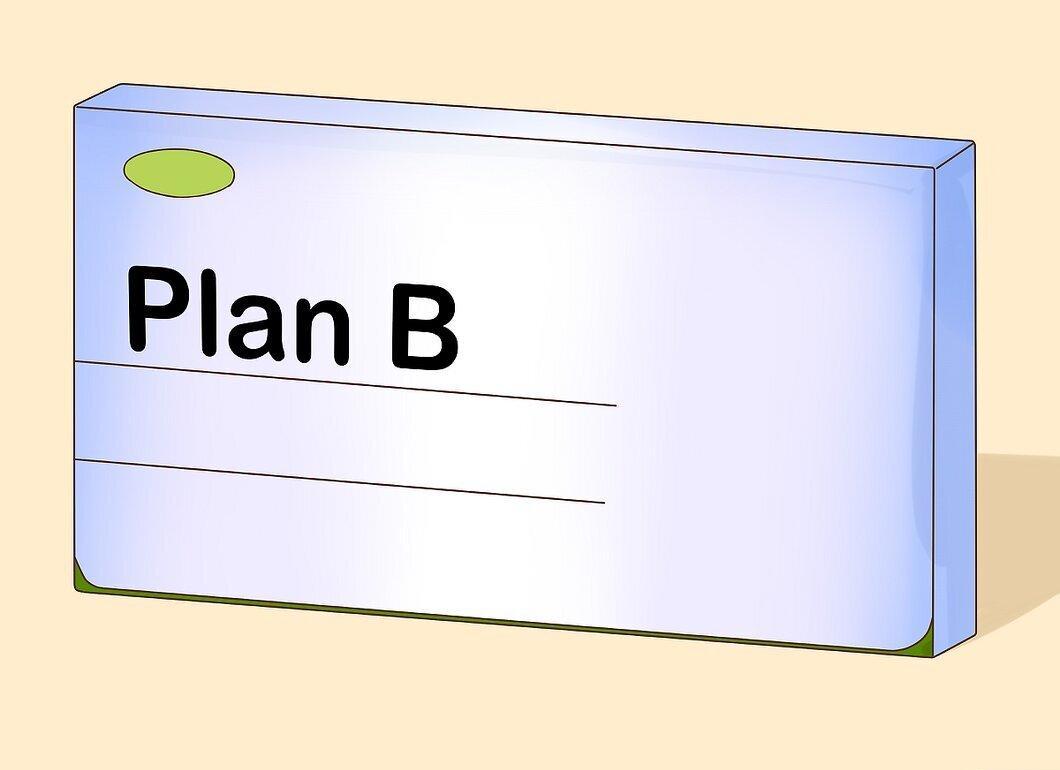
Emergency contraceptives can help prevent pregnancy after unprotected sex. These are pills that can be purchased at pharmacies, and often require a prescription. They are intended for girls over 16 years old.
- Remember that emergency contraceptives should not be used regularly. Choose another method for regular use.
- The cost of emergency contraceptives ranges from 300 to 500 rubles.
Step 8. Abstinence — The Most Reliable Way to Avoid Pregnancy.
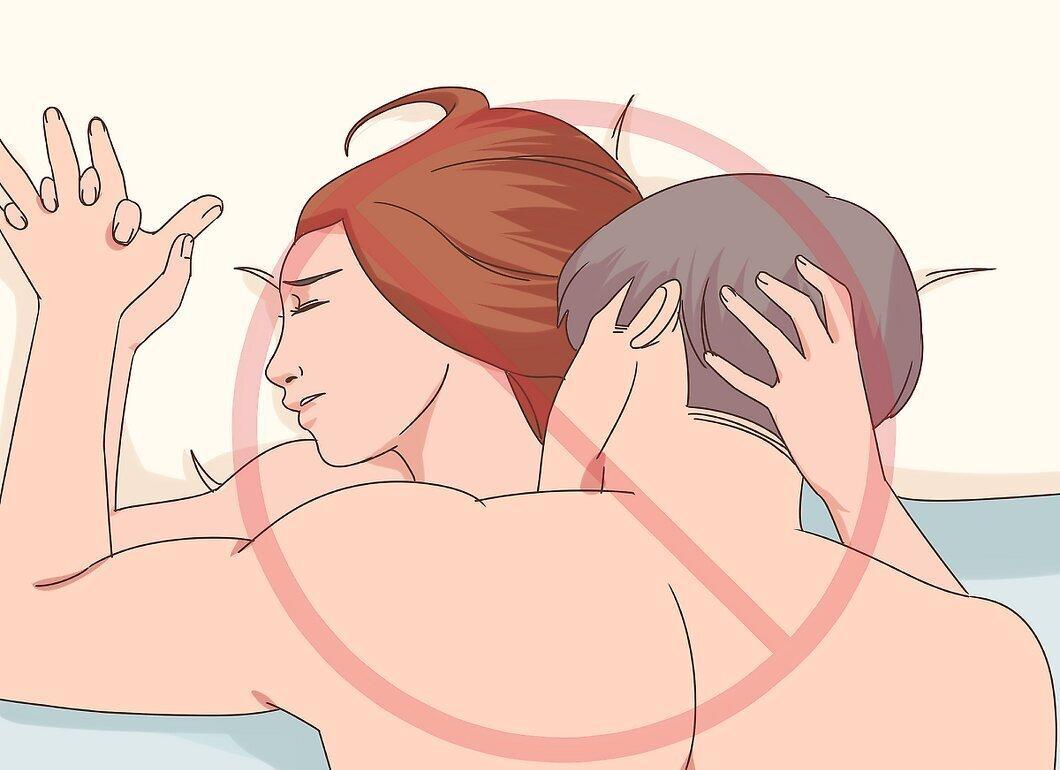
Abstinence is the most effective way to avoid unwanted pregnancy. It involves refraining from sexual intercourse for a certain period. Some believe this also includes abstaining from oral sex, but it’s important to know that oral sex does not lead to pregnancy. Ceasing sexual activity also protects you from STIs.
Stay Well-Informed
Step 1. Consult a Doctor.
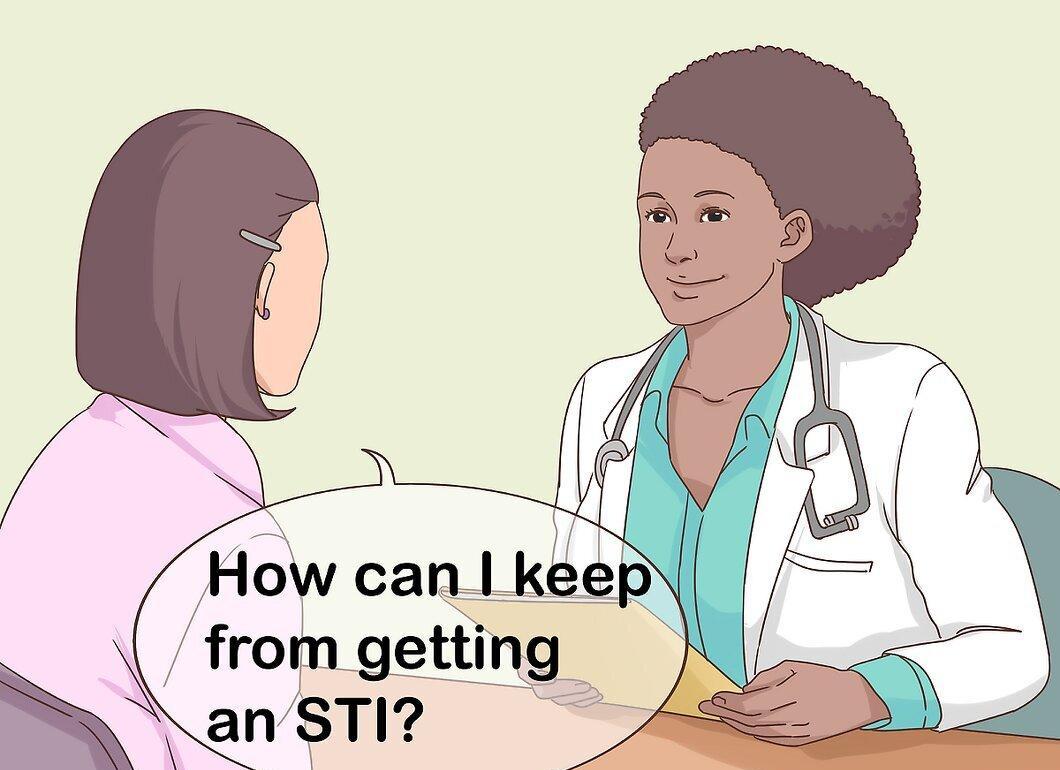
Talk to a doctor. Learning about safe sex and using contraceptives can help prevent teen pregnancy. A doctor can provide valuable knowledge. If you are about to become sexually active, ask them about the best contraceptive method for you and your partner.
- Ask your doctor questions like, "What do you recommend for preventing unwanted pregnancy?" or "How can I protect myself from STIs?"
- Be honest with your doctor about your sexual experiences. They will not judge you.
- For a more detailed consultation, visit a medical center or a women’s health clinic.
Step 2. Learn About Common Myths.

Educate yourself about myths related to sex. There are many misconceptions, and it's worth understanding what is true and what is false. If you've heard any myths, be sure to ask your doctor about them.
- For example, the myth that a girl cannot get pregnant during her first time having sex or after her first menstruation is false!
Step 3. Seek Information from Reliable Sources.
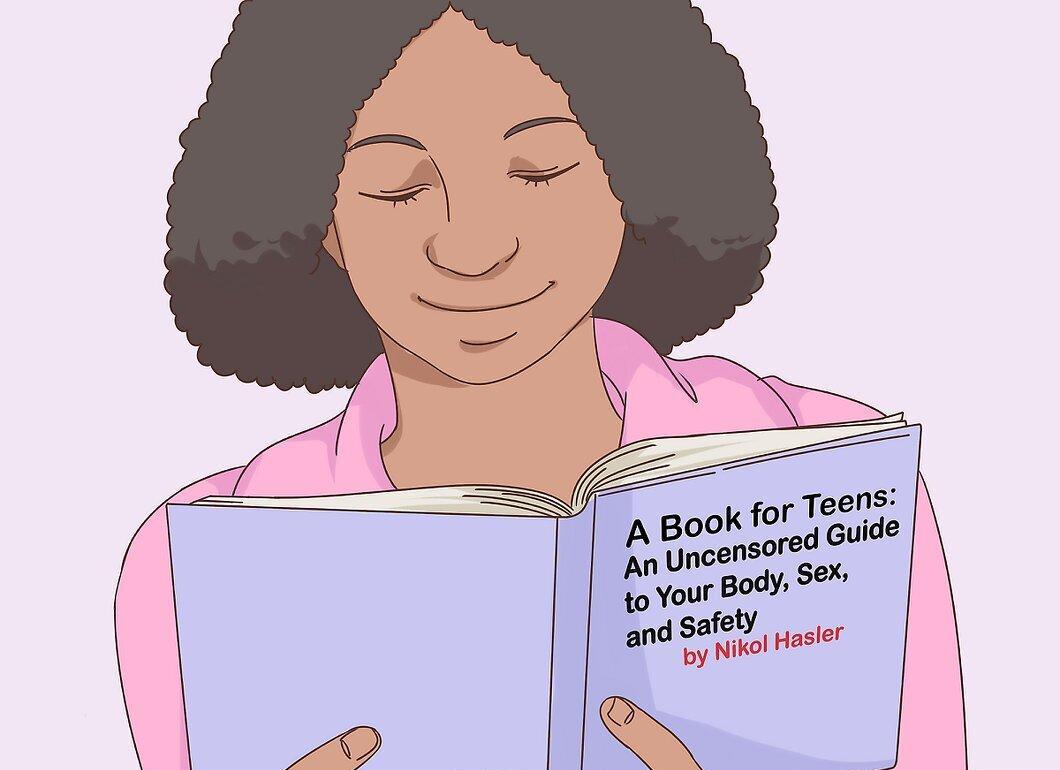
Refer to authoritative sources for information. Look for reliable materials online or visit a Family Planning and Reproductive Health Center. Information is considered trustworthy if it cites experts or medical publications.
- Visit a library. A librarian can help you find quality books and other resources about safe sex.
- Recommended books: “My Body is Changing: All the Things Teenagers Want to Know and Parents are Afraid to Talk About” (Jerry Bailey) and “What’s Happening to My Body” (Linda Madaras).
Step 4. Communicate with Your Partner.

If you are having sex or planning to, it is important to openly discuss everything with your partner. Talk about the contraceptive methods you will be using and what to do in case of pregnancy. Be honest with each other and don’t be afraid to discuss any emerging issues.
- You could start the conversation with a phrase like, "We’ve talked a lot about sex. How would you react if I accidentally got pregnant?"
- Remember, it’s your choice. Don’t let anyone pressure you into having sex.
How to Help a Teen Avoid Unwanted Pregnancy
Step 1. Define Your Own Values and Attitudes Towards Sex.
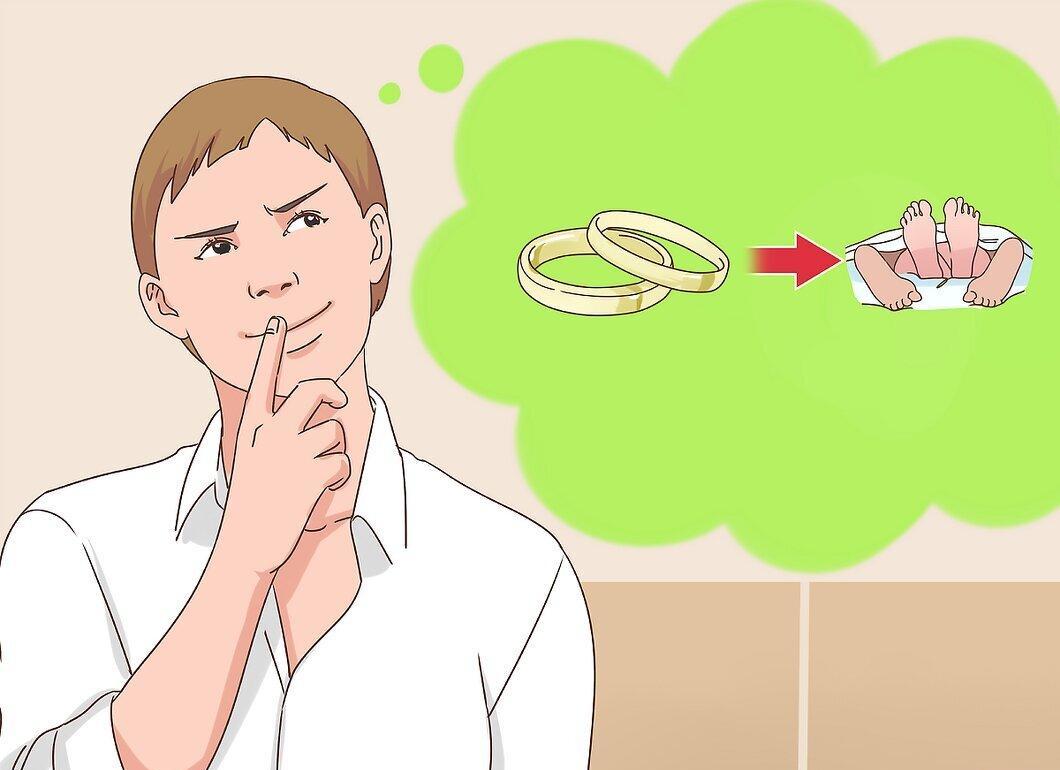
Reflect on your views about sex. Don’t avoid the topic. Take some time to think about what’s important to you before discussing it. For example, are you comfortable with your teen having sex? If not, think about how you can support them in abstaining. Also, define your opinion on contraception for teens.
Step 2. Encourage Open Communication.
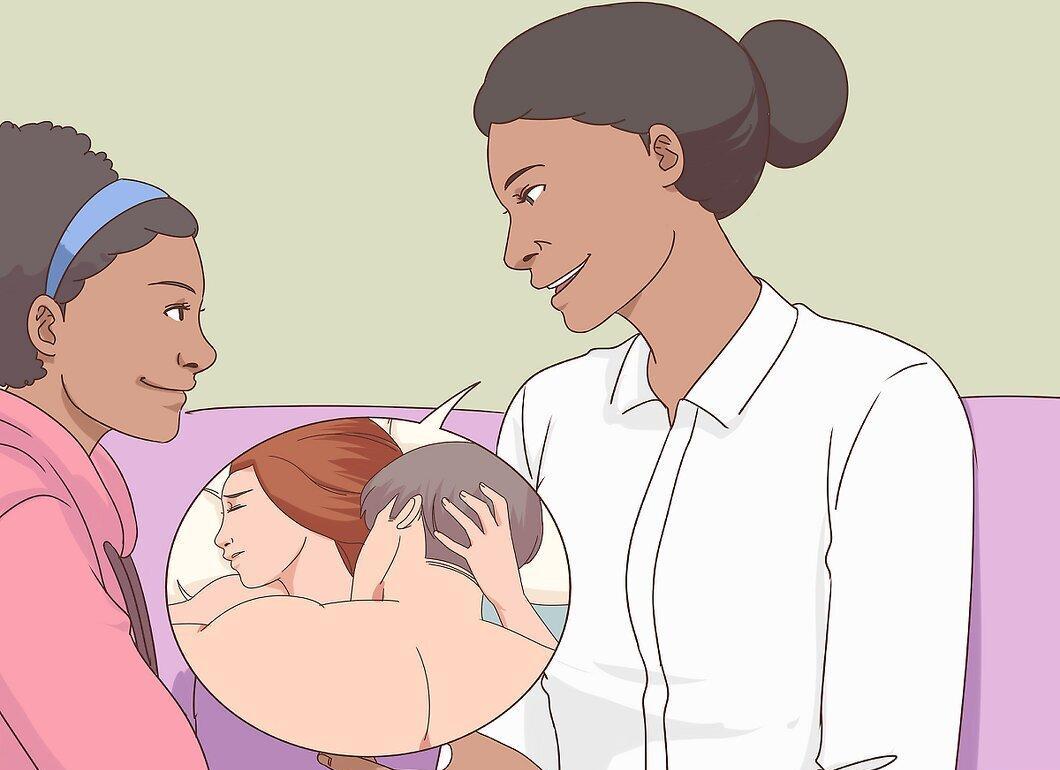
Create an atmosphere where your teen can talk to you about sex. Start the conversation yourself. For example, say: "Lisa, you’re going to college soon, and I’d like to discuss safe sex with you. Do you think now is a good time?" You want your teen to know that they can turn to you for support.
Step 3. Answer Questions Honestly.
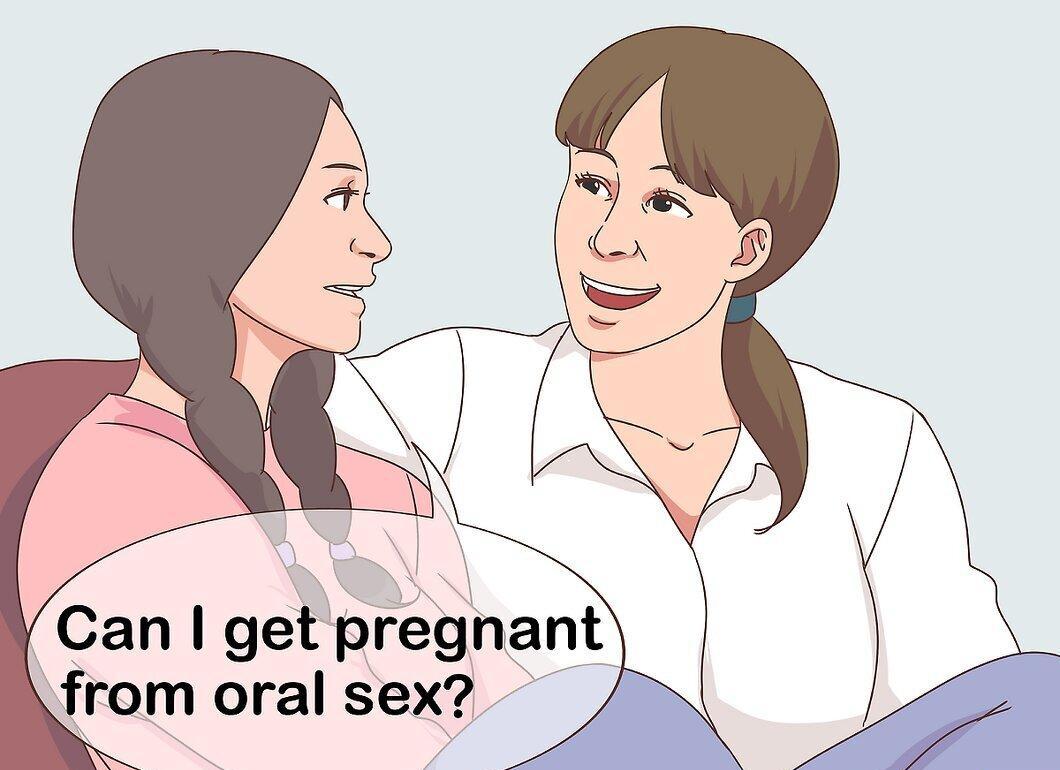
For a trusting relationship, be honest in your responses. This doesn’t mean you have to share all your sexual experiences, but be ready to answer questions like: "Did you start having sex only after marriage?" Honest answers will provide your teen with useful information for decision-making.
- A teen may also ask other questions, such as: "What should I do if I feel pressured to have sex?" or "Can I get pregnant from oral sex?"
Step 4. Emphasize the Importance of Education.

Education is a crucial factor. A teen may feel uncomfortable discussing sex. Ensure you encourage them to learn more about safe sex. Schools may not offer specific lessons on this topic, but you can visit a women’s health clinic together.
- You may also need additional information to answer your teen's questions honestly. Look for sex education resources online or ask your doctor for recommended literature. Don’t hesitate to visit the library!
Step 5. Monitor Your Teen’s Relationships.

Pay attention to the people your teen is hanging out with. If they are seeing someone, ask them to introduce you to that person. Ask questions like: "It seems like things are serious with Katya. Have you discussed sex?" If you have concerns about their relationships, discuss it with your teen.
- Try not to judge. You don’t want your teen to feel uncomfortable and reluctant to share their problems with you in the future. For example, avoid saying: "Oh, this isn’t love yet. You’re still a child!"
- Instead of judging, consider their feelings. Instead of saying, "I hate Artem," you might say, "I’m worried that Artem seems to be trying to control you. What do you think?"