
The learning process isn't always enjoyable, but ignoring a drop in academic performance isn't the solution. By paying attention in class, you can significantly reduce the time spent preparing for exams. Additionally, there are several helpful techniques that can optimize your study process, and maintaining a healthy lifestyle will enhance mental clarity.
Effective Class Participation
Step 1. Familiarize Yourself with the Topic in Advance.
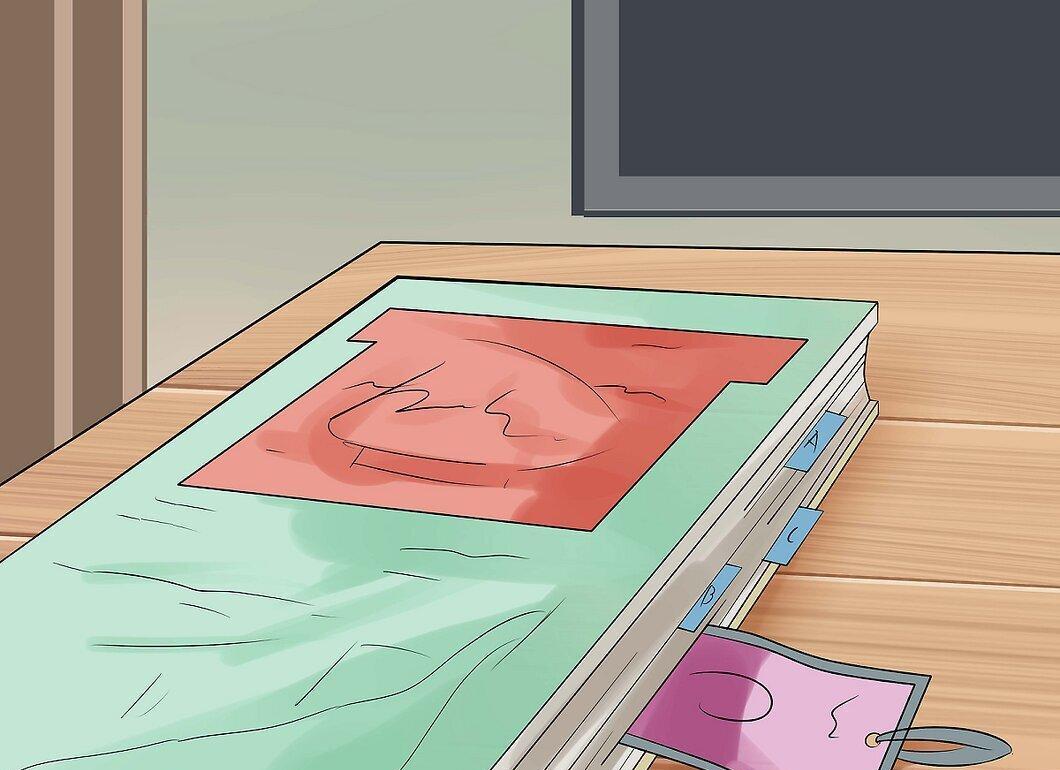
Before attending a lesson, think about the upcoming material. Students typically know what topic will be discussed next, as teachers often inform them in advance. Prepare your mind for the lesson to better absorb and retain information.
Step 2. Attend Classes Regularly.

Don't skip classes. If you're in high school, it's essential, and in college, you have more freedom. One of the simplest ways to achieve good grades without much effort is to attend all classes and actively listen to the teacher. It’s important not just to be present but also to engage with the material.
- Many teachers consider attendance and participation when grading, so just being there can earn you extra points. By missing classes, you risk losing valuable points.[3] X Source
Step 3. Sit in the Front Rows.

Choose seats at the front. While many prefer to sit further away from the teacher, being in the front allows you to see and hear everything happening in class more clearly. Plus, there are fewer distractions.
Step 4. Don’t Hesitate to Ask Questions.

If something is unclear, ask questions. Teachers are usually happy to clarify difficult points, and your classmates might want to know the same thing.
Step 5. Show Interest in the Subject.

Sometimes it's tough to stay interested, especially in math classes. Even if you're struggling, try to convince yourself that the topic is interesting. Find aspects that engage you, no matter how minor they may seem. Genuine interest in the subject helps with material retention.
Step 6. Capture Key Points.

Aim to grasp the essence. Teachers often highlight important points by writing them on the board or emphasizing them vocally. Continuously ask yourself about key ideas to better understand and remember crucial information.
Step 7. Take Quality Notes.

Good notes are more than just transcripts. It's important not to mechanically write down the teacher's words but to capture key ideas and concepts. Use concise phrasing and abbreviations to write faster.
- For example, if the teacher says, “Today we will discuss verbs that fall into two types,” you could note: “Verbs: 2 types – state, action.”
- Research shows that writing by hand enhances memory retention more than typing.[8] X Source
Step 8. Avoid Distractions.

Stay focused during class. It’s crucial to ignore distractions like noise or a comfortable setting. Try to concentrate on the teacher's words and classroom discussions.
- If you find yourself distracted, return to the lesson immediately. If you're having trouble concentrating, consider asking for a moment outside for fresh air.
Step 9. Re-type or Review Your Notes.

After class, review your notes. If you took them by hand, try typing them out on a computer to reinforce your understanding. If you already typed during class, just read over your notes at home.
Effective Homework Completion
Step 1. Create a Schedule.
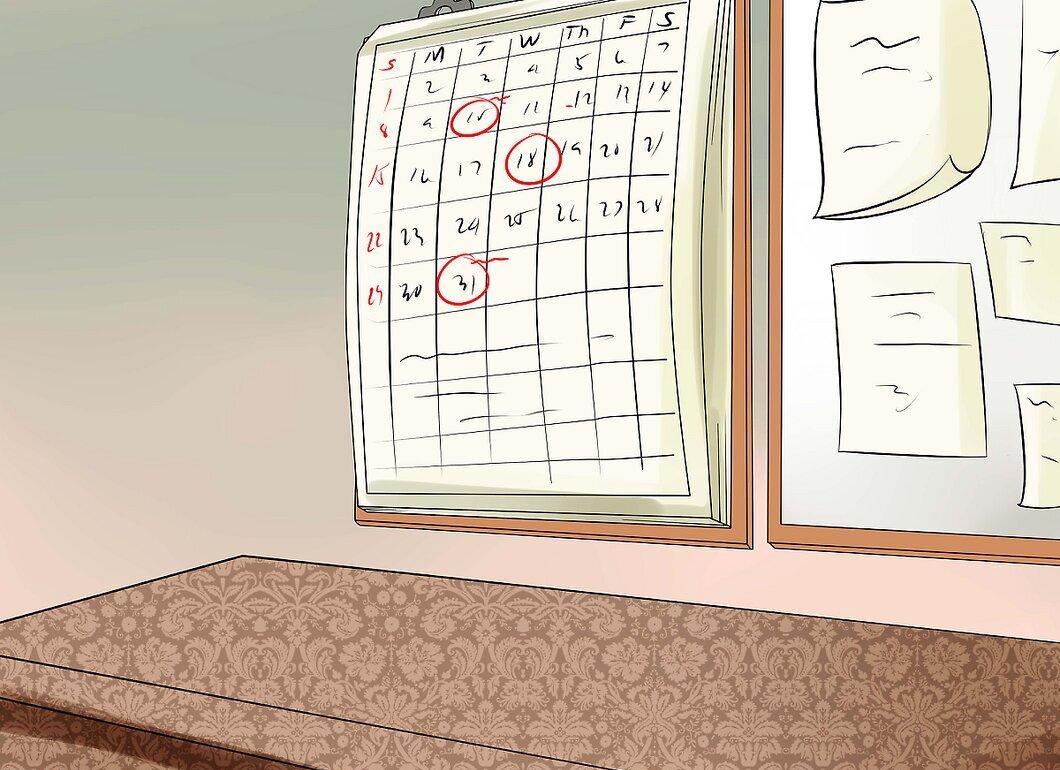
When assigned homework, plan your time in advance. Stick to your schedule to ensure you complete everything on time.
Step 2. Complete Your Assignments.

Don't forget to do your homework. It's an important part of your grade, so aim not just to complete basic exercises but to engage seriously with the material. A deeper understanding of the topic will make exam preparation easier.
Step 3. Read Critically.

Don't limit yourself to superficial reading. Dive into each sentence and highlight the main ideas. If you're having trouble focusing, try reading aloud and taking notes to remember key points.
Step 4. Organize Your Materials.

Organize your notes and assignments by topic. Use folders or binders for easy storage of materials so you always know where to find the necessary notes.
Effective Studying
Step 1. Start with Difficult Subjects.

Begin studying challenging subjects when your mind is fresh. This approach will help you tackle tough tasks more easily and provide a sense of accomplishment upon completion.
Step 2. Take Breaks.

Don't forget to take breaks. Long study sessions without rest can lead to fatigue and hinder memory retention. Periodically get up, walk around, or simply relax.
Step 3. Don’t Waste Time.

Start working as soon as it’s time to study. Don’t allow yourself to get distracted by unrelated activities to save time.
Step 4. Alternate Subjects.
Switch subjects to maintain interest and productivity. For instance, after a break, switch to another subject, especially if preparing for multiple exams.
Preparing for Exams
Step 1. Create a Study Plan.
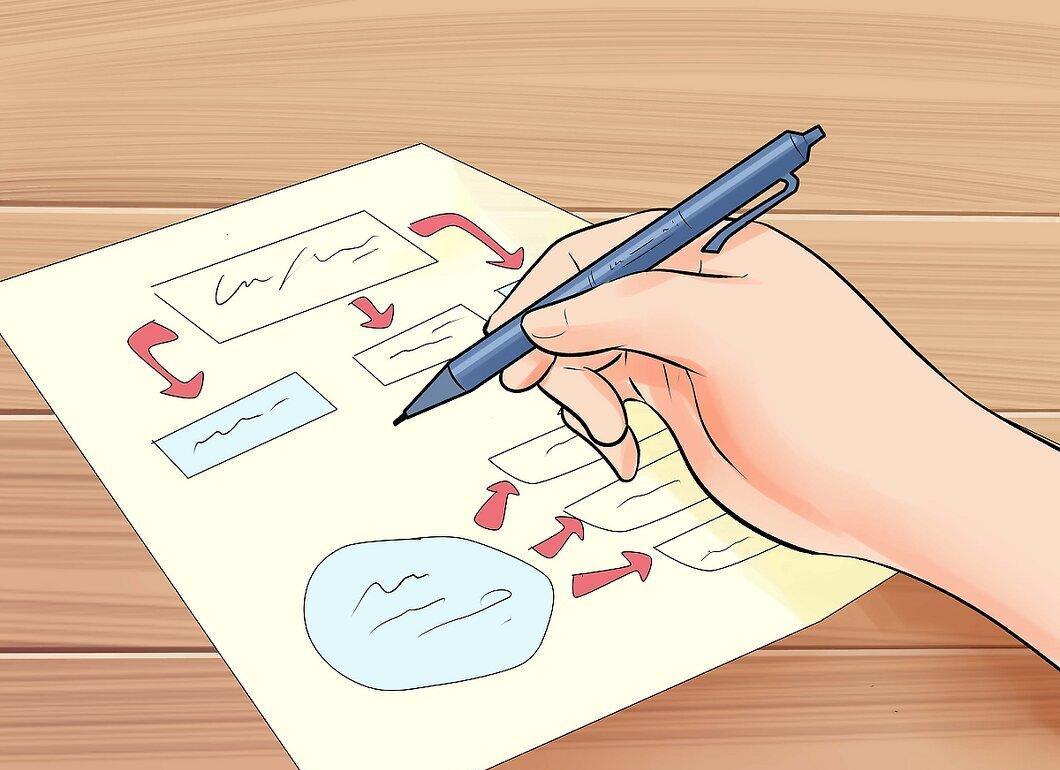
Develop a study plan based on methodological materials or the syllabus. If these aren't available, use your notes or textbooks to create a plan.
- Assess how much time each topic will take, considering the complexity of the material. Don’t distribute time evenly; focus more on less familiar topics.
Step 2. Review Your Notes.

Study your notes. This is one of the best ways to prepare for an exam. Skim through the headings to ensure you’ve covered all the important topics.
Step 3. Discuss in Groups.

Working in groups promotes a deeper understanding of the material. Discussing ideas helps you remember information better, and studying together becomes more engaging.
- For example, while preparing for a literature exam, use online resources to discuss what you've read. For math, organize competitions to solve problems.
Step 4. Make Connections Between Ideas.

Creating links between new information and known facts significantly aids memory retention. For instance, while studying the circulatory system, compare organs to a railway network.
Step 5. Use Flashcards for Memorization.
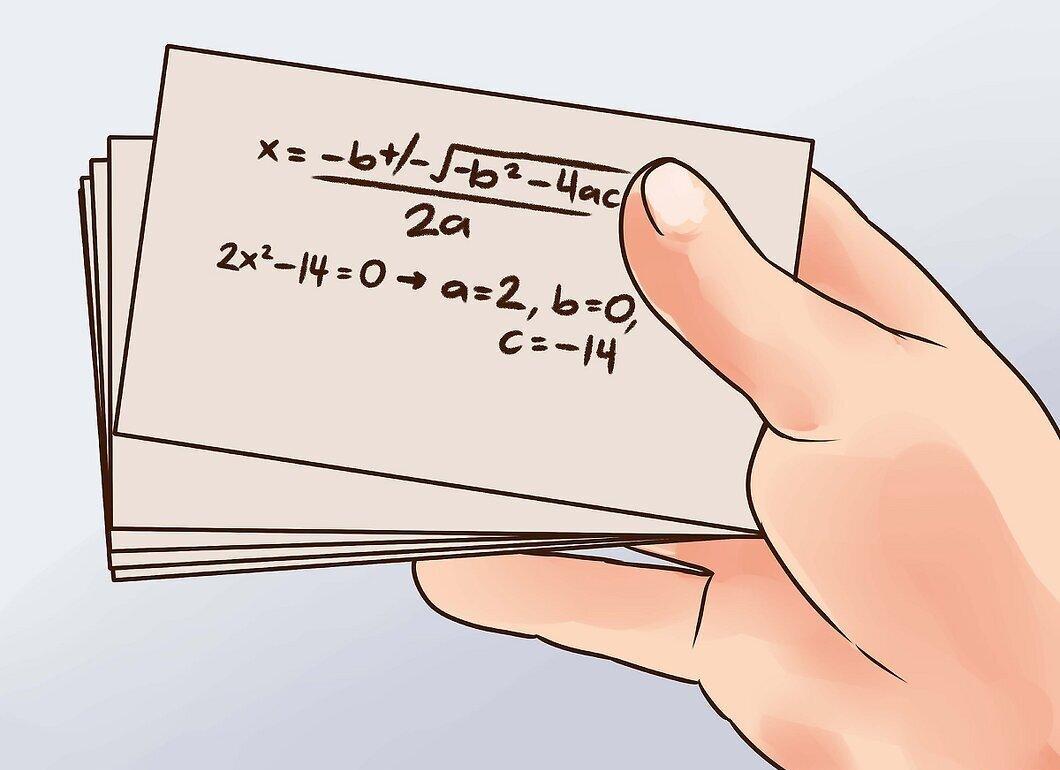
If the connection method doesn’t work for you, try using flashcards for memorization. Write terms on one side and definitions on the other. This will help you focus on what still needs to be learned.
Step 6. Prepare for the Specific Format of the Exam.

Your preparation should match the format of the exam. If you need to memorize dates, use flashcards. For problem-solving, focus on practicing various types of problems.
Successfully Completing the Exam
Step 1. Write Down Important Facts.

If the exam requires memorizing facts, jot them down at the beginning. This will help you not forget key points.
Step 2. Read Instructions Carefully.
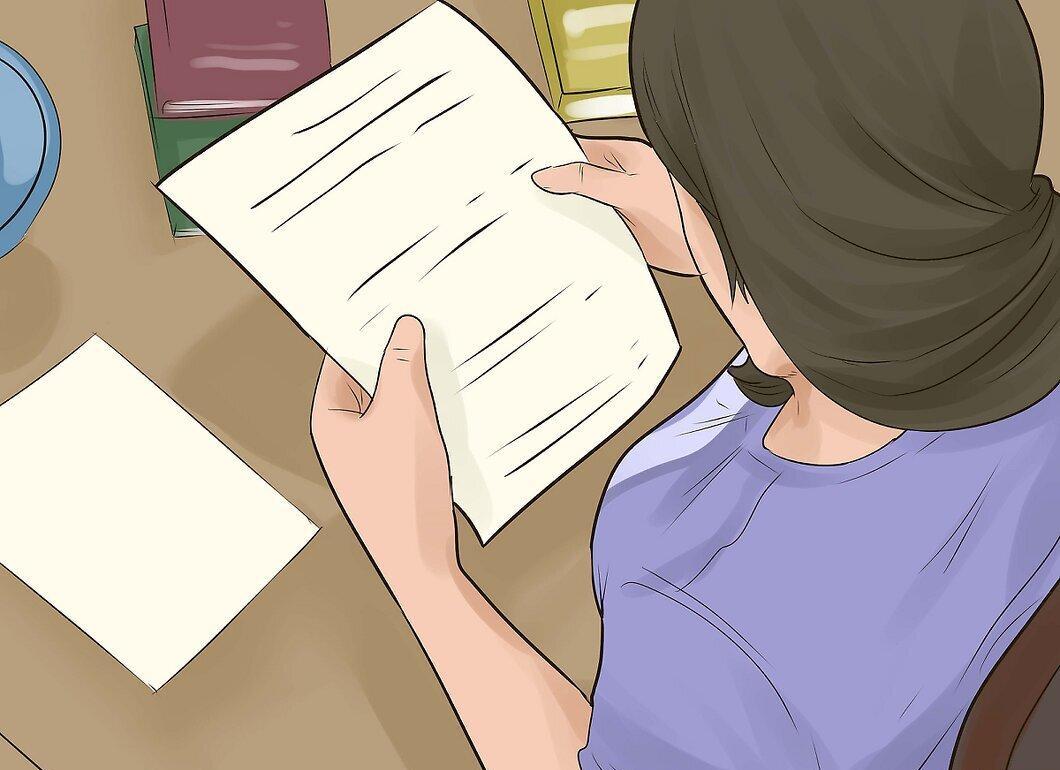
Pay attention to the task instructions to avoid missing important details. Being detail-oriented will help you avoid losing points.
Step 3. Manage Your Time.
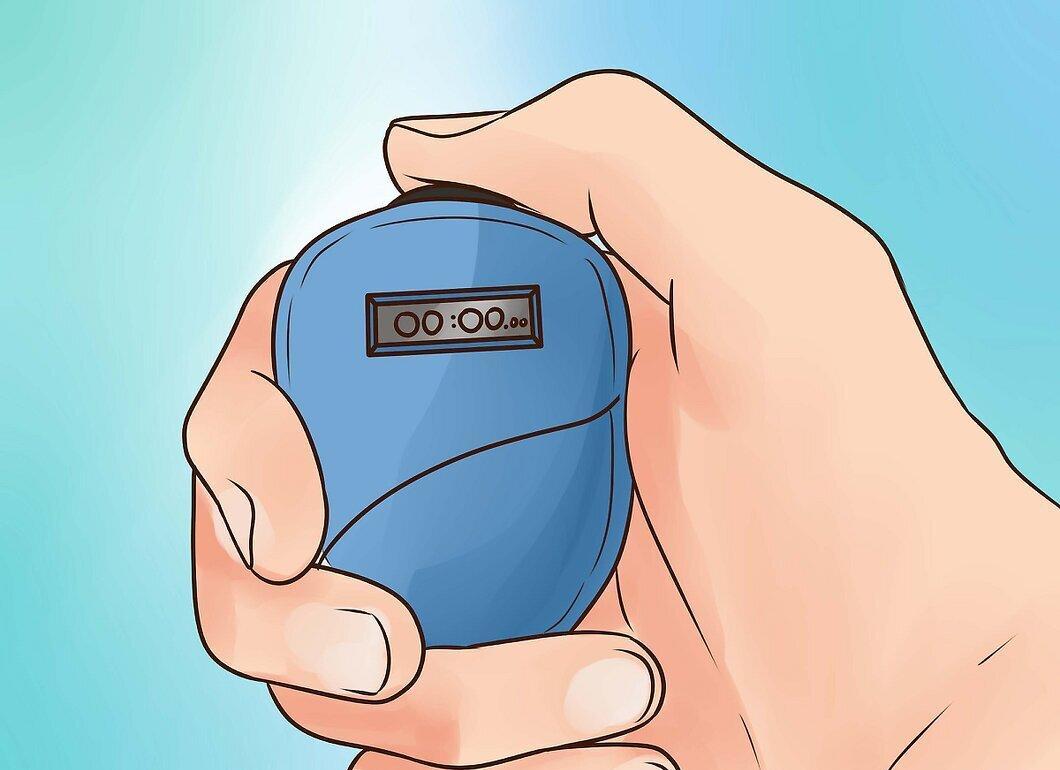
Keep track of time to ensure you complete all tasks. At the beginning of the exam, review all tasks and allocate time for each one.
Step 4. Start with Easy Questions.

Begin with the questions that are easiest for you to answer. This allows you to score points quickly and reduce stress.
Step 5. Read Questions Carefully.

Some questions may be worded ambiguously. Make sure you understand what is being asked before answering.
Step 6. Pay Attention to Points Distribution.

Understanding how points are distributed will help you focus on important questions. Sometimes, a correct answer may not earn points, so keep this in mind.
Step 7. Approach Test Questions Thoughtfully.

Test questions can make things easier, but it's important not to rely solely on the answer choices. Think about your answer before reading the options.
Step 8. Create a Plan for Longer Questions.

If the exam includes essay writing, draft a brief outline. This will help structure your thoughts and make your writing more coherent.
Step 9. Check Your Answers.

If time permits, review your work for errors. Ensure you’ve answered all questions and corrected any typos.
Take Care of Your Health
Step 1. Ensure Adequate Sleep.

Good sleep enhances memory and makes it easier to absorb information. Aim for sufficient rest to minimize study time.
Step 2. Pay Attention to Nutrition.

Healthy eating supports the body’s normal functioning. Try to avoid sugary drinks and maintain a balanced diet with proteins, grains, fruits, and vegetables.
Step 3. Stay Hydrated.

Proper hydration is essential for optimal brain function. Drink enough fluids, including tea, coffee, and juice, but be mindful of the sugar content in beverages.
- The standard recommendation is about eight glasses of water a day, but individual needs may vary for women and men.[41] X Reliable Source Mayo Clinic
Step 4. Regular Physical Activity.

Physical activity improves circulation and oxygenates the brain. Aim to exercise every day, even if it’s just a short walk or jog during breaks.