
Global warming is largely driven by carbon dioxide emissions. Unfortunately, the current global economy heavily relies on fossil fuels. For this reason, tackling global warming may seem like a futile effort. However, there are numerous ways to mitigate its impact. Reassess your consumer habits and take steps towards energy conservation and collaboration with others to contribute to the fight against global warming. Ultimately, you'll not only help save the planet but also enjoy the enlightening experience and make a positive change.
Reassessing Consumer Habits
Step 1. Reduce your consumption of animal products.

Reduce your consumption of animal products. Since the preparation and transportation of meat and animal products consume a lot of energy, water, and other resources, limiting their consumption can help decrease your carbon footprint. Instead of consuming animal products, consider switching to a vegetarian or vegan diet. To do this, incorporate more fresh fruits and vegetables into your meals.
- Even if you're not advised to completely eliminate animal protein, you can still cut back on meat. Try going meatless for 1-2 days a week. Also, aim to buy meat products from local farmers.
Step 2. Buy local products.

Buy local products. By limiting the consumption of goods that are transported from afar, you not only support the local economy but also reduce your overall carbon footprint. Look for locally produced items.
- Visit farmers' markets or local shops to purchase goods grown by local producers and other products.
- Buy furniture from local craftsmen.
Step 3. Recycle and reuse everything you can.
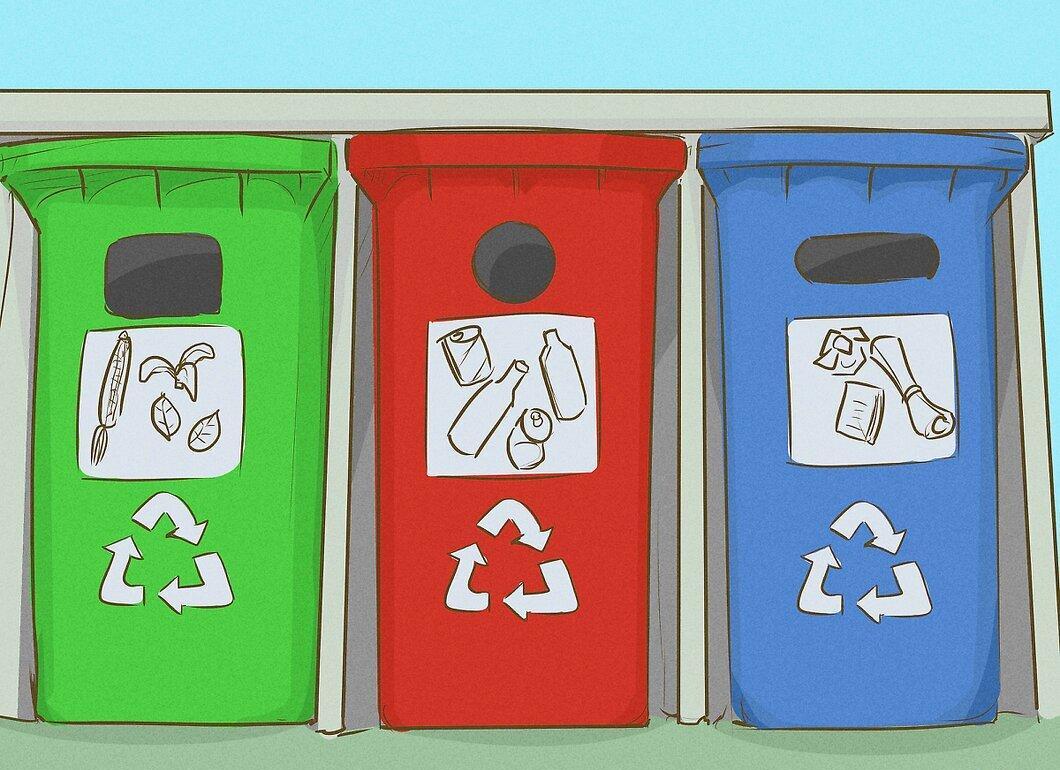
Recycle and reuse everything you can. Since producing certain materials from scratch requires a lot of energy, recycling and reusing help reduce the energy costs associated with manufacturing new products. If your city has a recycling program, sort your waste and dispose of it in the appropriate bins. If not, look for private recycling centers in your area and collect plastic, aluminum, and paper waste to take there.
- Don’t throw away items you no longer need; donate them instead.
- Use cloth towels, reusable plates, and cutlery instead of paper towels and disposable items.
- Buy second-hand items instead of new ones, such as from thrift stores or online classifieds.
Energy Conservation
Step 1. Limit car trips.
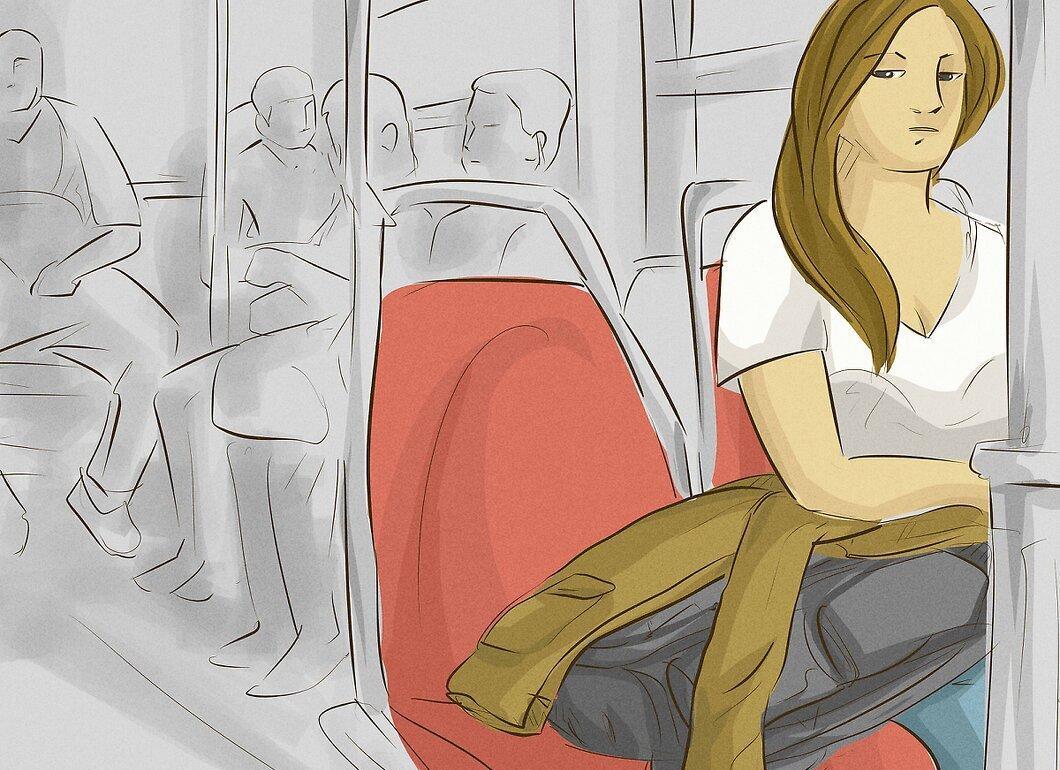
Limit car trips. Since car emissions are one of the most significant contributors to global warming, the less you drive, the more beneficial it will be. You can achieve this in several ways:
- Take turns carpooling with your colleagues to work.
- Use public transportation. Travel by bus, subway, or train.
- Plan weekly or monthly shopping trips to avoid going out every time you need something.
Step 2. Ride a bicycle.
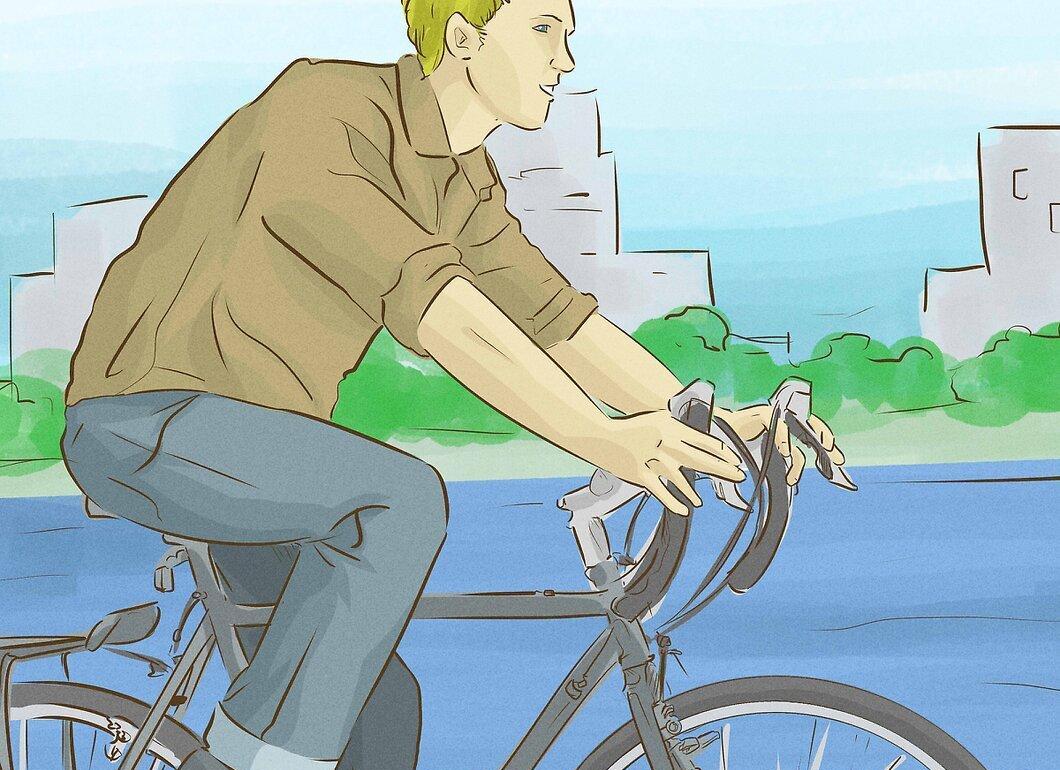
Ride a bicycle. Buy a new or used bike, or repair a broken one. While you don’t have to ride your bike all the time, use it for city trips, exercise, and visiting friends. This will not only save energy but also help you get in shape.
Step 3. Maintain your car properly.
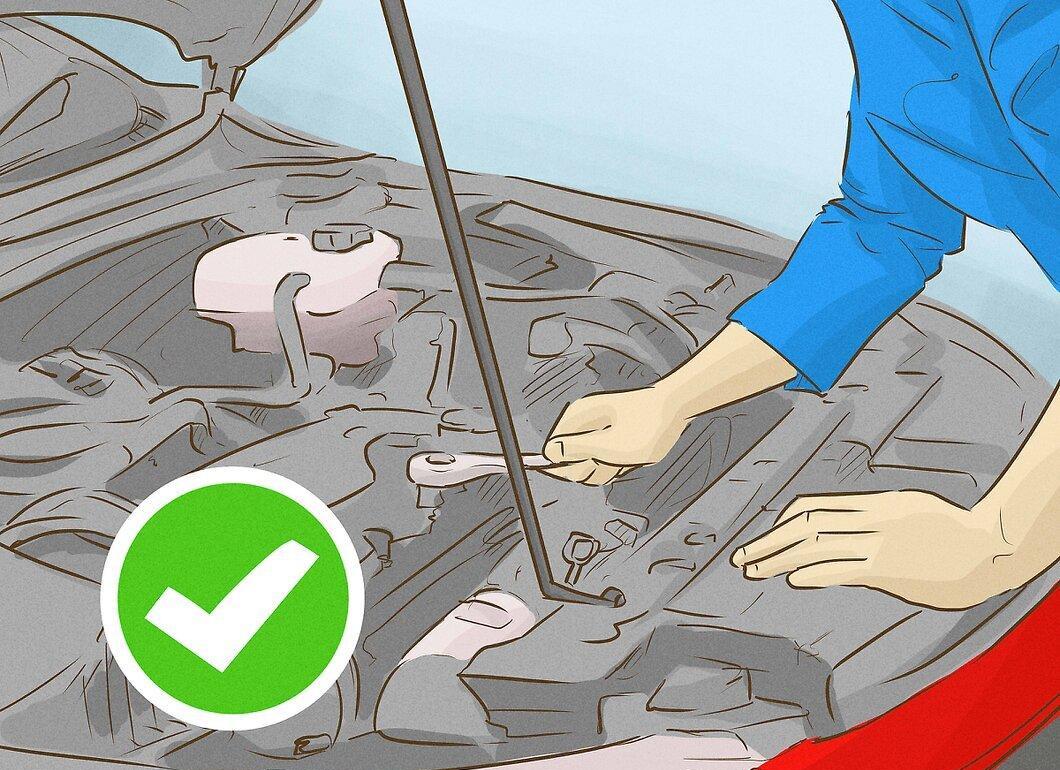
Maintain your car properly. If you can’t imagine life without a car, at least try to minimize its environmental impact. Regular maintenance can save you money on gas and repairs.
- Ensure your tires are properly inflated. Flat tires can increase fuel consumption by up to 9% and are more prone to wear. Check them monthly.
- Change the air filter. Check the car’s air filter monthly. Cleaning it improves mileage and reduces pollution by optimizing the air intake process and maintaining the right fuel-to-air ratio.
Step 4. Insulate your home and appliances.
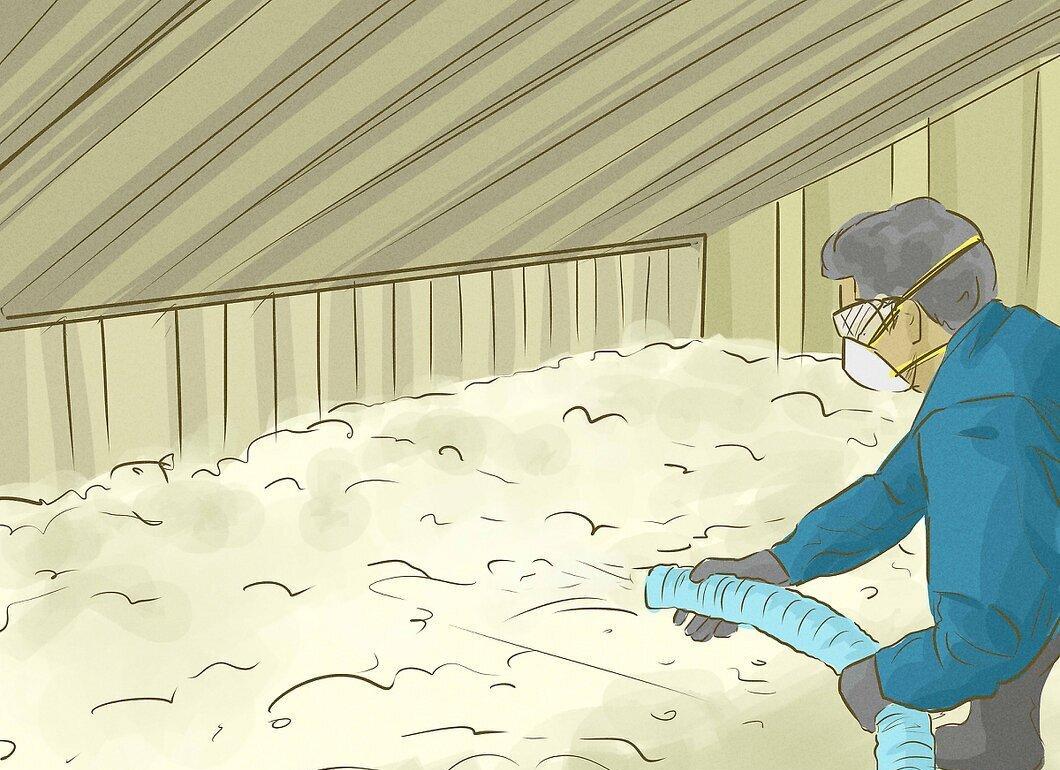
Insulate your home and appliances. Insulate any equipment that uses energy to maintain a temperature different from the surrounding environment. Various types of insulation can be purchased at hardware stores.
- Insulate your water heater to save up to 235 m³ of carbon dioxide emissions per year. Avoid using appliances with continuously lit pilot lights to reduce greenhouse gas emissions by 105 m³ a year.
- Re-insulate your entire home to decrease heating and cooling costs. If your insulation is outdated or ineffective, replace it. Inspect your attic, basement, walls, and ceiling. For hard-to-reach spaces, consider hiring a professional contractor to install cellulose or fiberglass insulation.
- Seal your home against the elements. Weatherstrip doors, windows, and heating systems. This can reduce annual carbon dioxide emissions by up to 400 m³.
Step 5. Use compact fluorescent or LED bulbs.
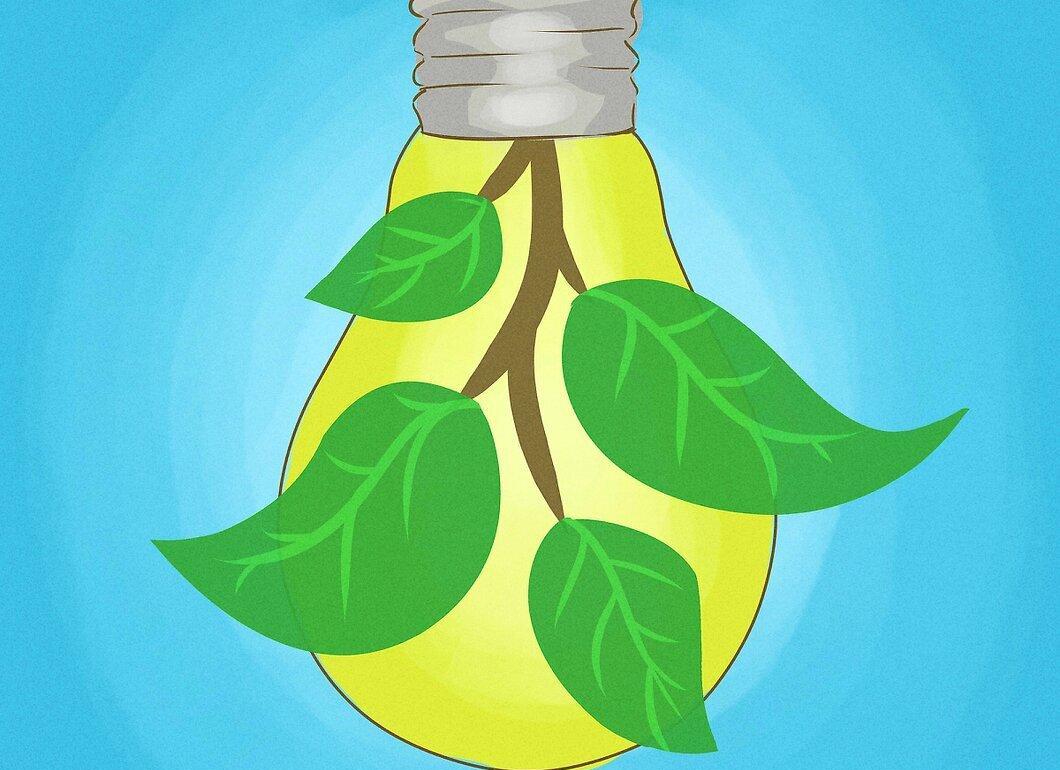
Use compact fluorescent or LED bulbs. Go through your home and count the number of incandescent bulbs installed. Then head to the store and buy compact fluorescent or LED bulbs to replace them. By replacing old bulbs, you’ll save a significant amount of energy.
- A standard compact fluorescent bulb can reduce emissions by 170 m³ over its lifespan compared to an incandescent bulb.
- LED bulbs are more efficient and can save much more energy, although they tend to be more expensive.
- Install as many energy-saving bulbs as possible and gift them to your family and friends. Donate some bulbs to a local charity so they can install them in their office.
Engaging in Community Actions
Step 1. Reach out to your representatives and involve them in the fight against global warming.

Reach out to your representatives and involve them in the fight against global warming. Since political leaders have much greater power to influence the system, one of the most effective ways to slow down global warming is to get them to take action. Start by finding out who represents you at local, state, and national levels. Then contact these individuals and share your concerns about global warming. Ask them to:
- Support public transportation development projects;
- Assist in funding alternative energy projects;
- Support legislation to limit carbon dioxide emissions. For example, let them know that you support the implementation of a carbon tax;
- Sign agreements with foreign governments to reduce carbon dioxide emissions (similar to the Kyoto Protocol).
Step 2. Inform people about the dangers of global warming.

Inform people about the dangers posed by global warming. Take the initiative and share your concerns about global warming with those around you. Sometimes just a conversation or mention can be enough for people to think about how it may affect their lives or the lives of their children or grandchildren.
- Share the steps you’ve taken, like switching to a vegetarian or vegan diet, and explain why.
- Let people know what they can do to reduce their carbon footprint, such as insulating their homes or driving less.
- Don’t be overly persistent. If someone doesn’t want to discuss global warming, it’s okay. You don’t need to judge those who don’t share your viewpoint.
Step 3. Join an activist group.
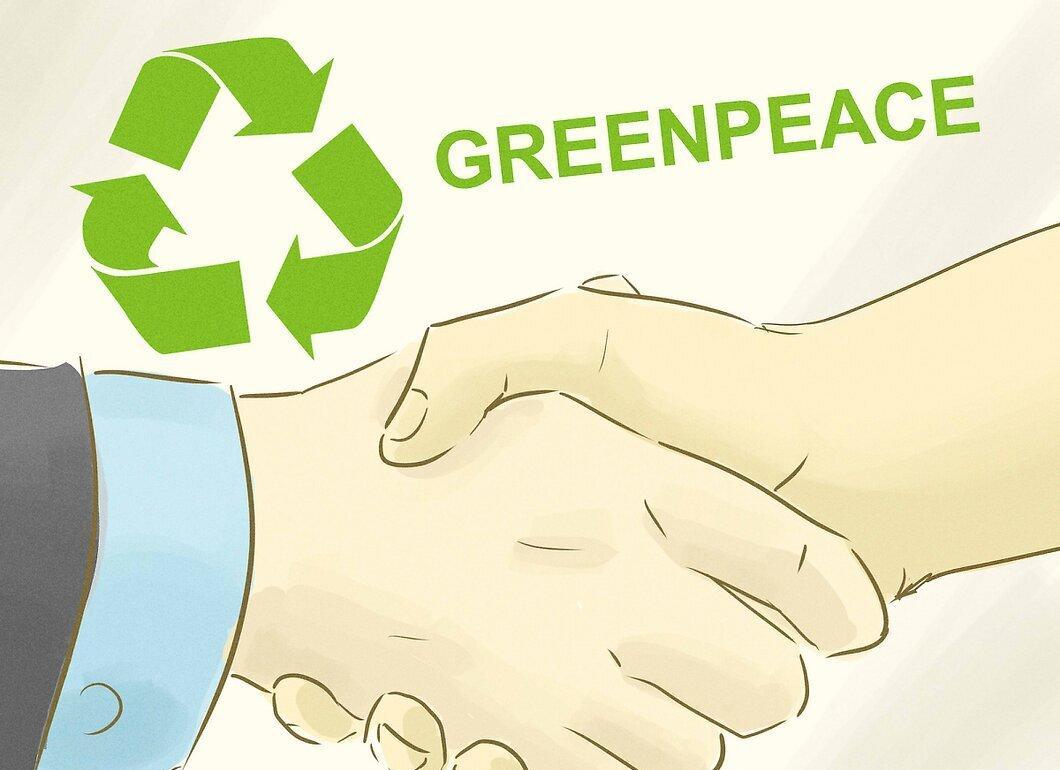
Join an activist group. Find organizations and groups in your city that share your concerns. You’re likely to find many groups that raise awareness about this issue among the public and make a real contribution to the fight against global warming. Here are some international organizations taking action against global warming:
- Greenpeace;
- Citizens Climate Lobby;
- Global Nest;
- World Wildlife Fund;
- Global Environment Facility.