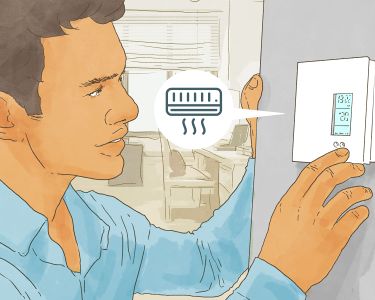
When your brother or sister leaves home to pursue higher education, it's likely that the entire family feels a mix of emotions. Even if you're looking forward to their departure, you'll inevitably grapple with feelings of nostalgia and sadness, as life at home will never be quite the same. You might even experience other emotions, such as jealousy, as your parents may start to focus more on your sibling. Additionally, you might feel fear about how to navigate life without your loved one, or even anger and frustration at the changes. This article offers helpful tips to navigate this challenging transition.
Express Your Feelings
Step 1. Show your excitement for your sibling’s new chapter.

Demonstrate your enthusiasm for your sibling’s new journey. Their conversations will likely revolve around their new school, and it’s important for them to see that you care about what’s happening in their life. So, express your excitement to ensure they know you genuinely care.
- Starting college and moving away is a significant life change. If you have questions, don’t hesitate to ask. For instance, you might say, "How do you feel about this big change? Are you nervous?" Chances are, your sibling will appreciate the opportunity to share their feelings with you, making it a great time to bond.
- Share in their excitement by helping them prepare for the big move. This not only helps distract you from negative feelings but also lets you spend quality time together before they leave. [1] X Source
Step 2. Share your concerns about the upcoming changes in your life.
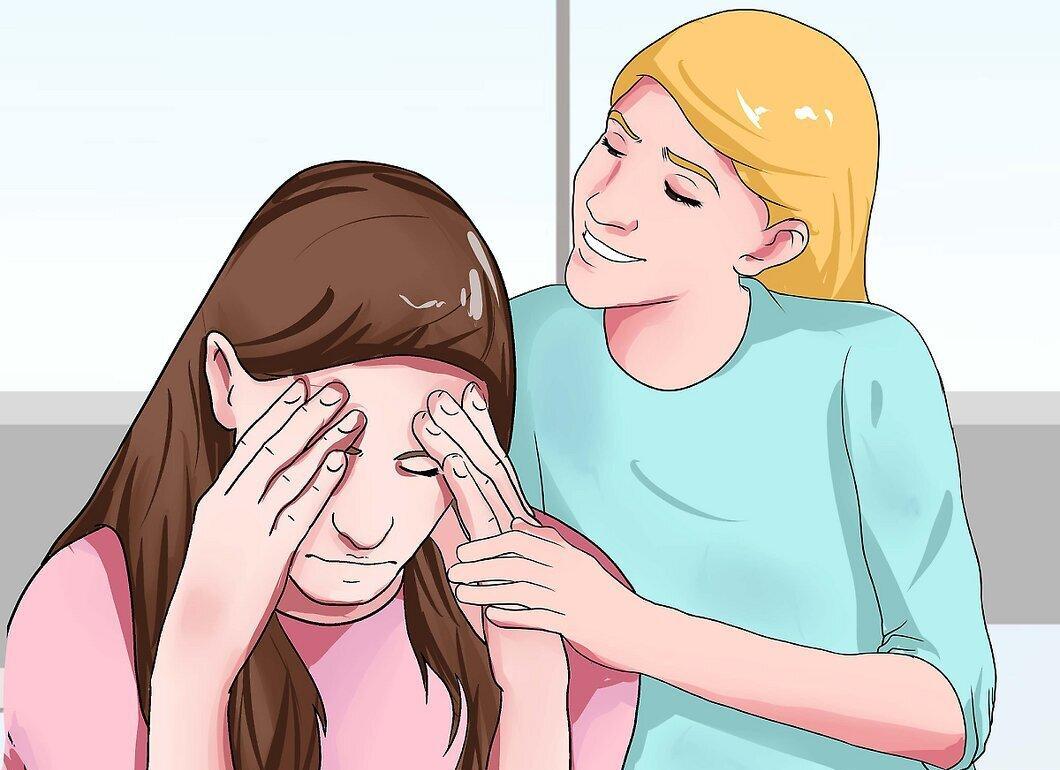
Communicate your worries about how things will change for you. Open up to your brother or sister, or even your parents, about your feelings. It’s perfectly normal to experience such emotions, and trust me, no one will be upset with you for being honest about how you feel. You can take steps to ease your worries.
- Spend some one-on-one time with your sibling before they leave, creating enjoyable memories while giving them a chance to share valuable insights.
- Don’t harbor resentment towards your sibling for leaving. Instead, be happy for them. Continuing their education is a new phase in life, and soon enough, you’ll be in their shoes.
Step 3. Talk to your parents if you feel neglected.

Discuss your feelings with your parents if you feel overshadowed. With your sibling’s move, your parents may be preoccupied, and you might feel like you're not getting enough attention. Be open about your emotions with them.
- The moving day and the days leading up to it can be quite chaotic, so if you're feeling overlooked, try not to get angry. Instead, calmly express your feelings to your mom or dad. You might say, "Mom? Dad? Can we talk for a few minutes? ... I feel like I haven’t been getting much attention lately."
- Ask your parents for some time to talk about your feelings and fears regarding the move. You may be surprised to learn that they are likely experiencing a whirlwind of emotions too.[4] X Source
Step 4. Don’t bottle up your emotions about your sibling leaving.

It’s perfectly okay to feel sad about the changes that are taking place. You’ll need some time to adjust to these new circumstances. Don’t view sadness as a sign of weakness; your sibling will certainly be touched to see how much you care about their move.
- To cope with your sadness, talk about it with your brother or sister, or even with your parents or a close friend.
- Don’t be afraid to show your emotions. Keeping everything inside will only exacerbate the situation. Let your brother or sister see how you feel, but try not to make it too dramatic so they don’t feel guilty.
Try to Handle the Changes
Step 1. Offer your support.

Be there to support your sibling. They are likely experiencing a whirlwind of emotions — fear, sadness, excitement, and joy. Ask them how you can help them cope. You might say, "Is there anything I can do for you?" Your words can provide comfort during their transition.
- If you want to support your sibling, consider distracting them from thoughts about moving. This can help alleviate stress in the situation. Sometimes, the best support is simply to take a break from the preparations and engage in something fun together, like going for a bike ride or taking a walk in the park.
Step 2. Spend quality time together before they leave.

Make sure to spend quality time together before your loved one departs. Creating positive memories can help maintain your bond. For example, you might plan a small farewell party, suggest ways to decorate their dorm room, or visit their new living space together.
- It’s important for your sibling to feel connected to their family. Make them feel valued by setting aside time to ask for their advice before they leave.
Step 3. Give them a meaningful keepsake.

Present your sibling with a meaningful gift as a keepsake. A thoughtful present can help them adjust to this new chapter in their life while allowing you to express your emotions. The gift doesn’t have to be expensive; it should simply be significant to both of you.
- A framed photo of you both could be a wonderful gift that they can take along and use to decorate their room. You can also create a special item for your sibling that brings back pleasant memories.
- For example, you might gift them a pillow or a stuffed animal similar to one you have on your bed — every time they see that sweet gift, they’ll think of you.
Step 4. Keep yourself occupied.
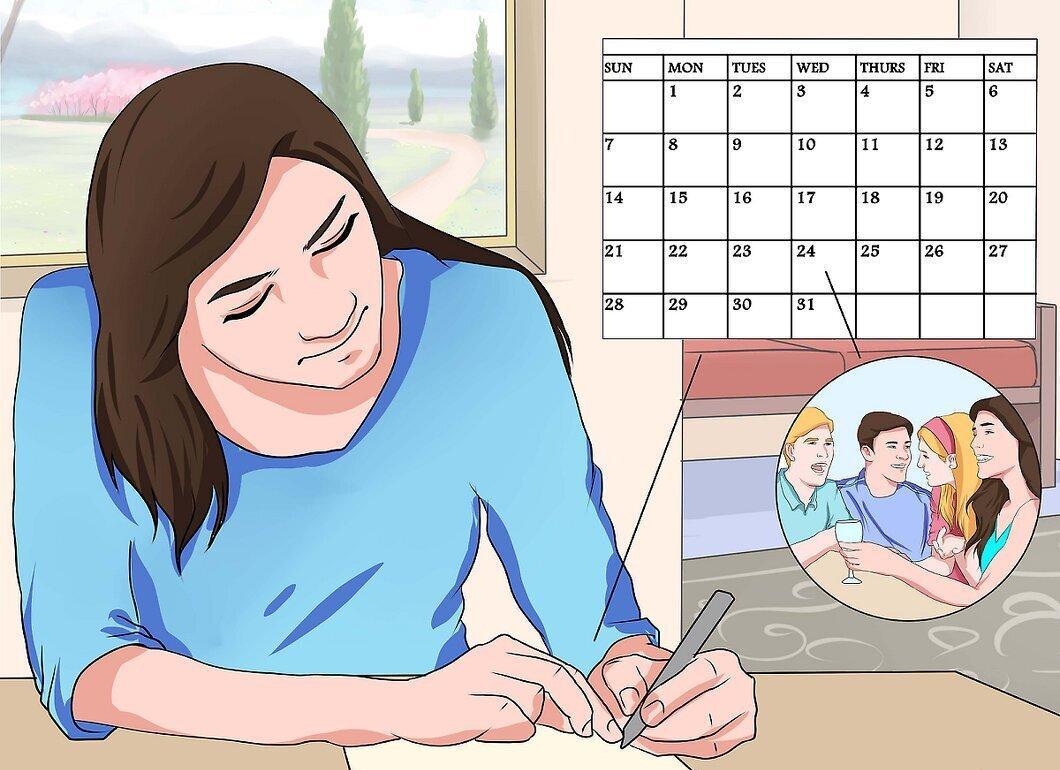
Stay engaged. Take up a new hobby. Spend more time with your friends. Your life shouldn’t come to a halt just because your sibling leaves home. Additionally, immersing yourself in new activities can fill your free time and help you cope with their departure more easily.
Maintain Your Relationship
Step 1. Call or text as often as possible.

Reach out through calls or texts frequently. You may have once spent hours chatting late into the night about various topics. After your sibling moves, feelings of loneliness may creep in. Fortunately, modern technology makes it easier to stay connected.
- Set up a call schedule to alleviate feelings of sadness if your sibling doesn't answer. While you can call occasionally, remember that college life is busy — use other forms of communication so they can check messages at their convenience.
- Texting is a great way to stay in touch, as you can send messages any time without expecting an immediate reply.
- You can also communicate through emails, messengers, Skype, or Facebook. Video calls are another option to connect when it’s convenient for both of you.
Step 2. Plan visits with your sibling.
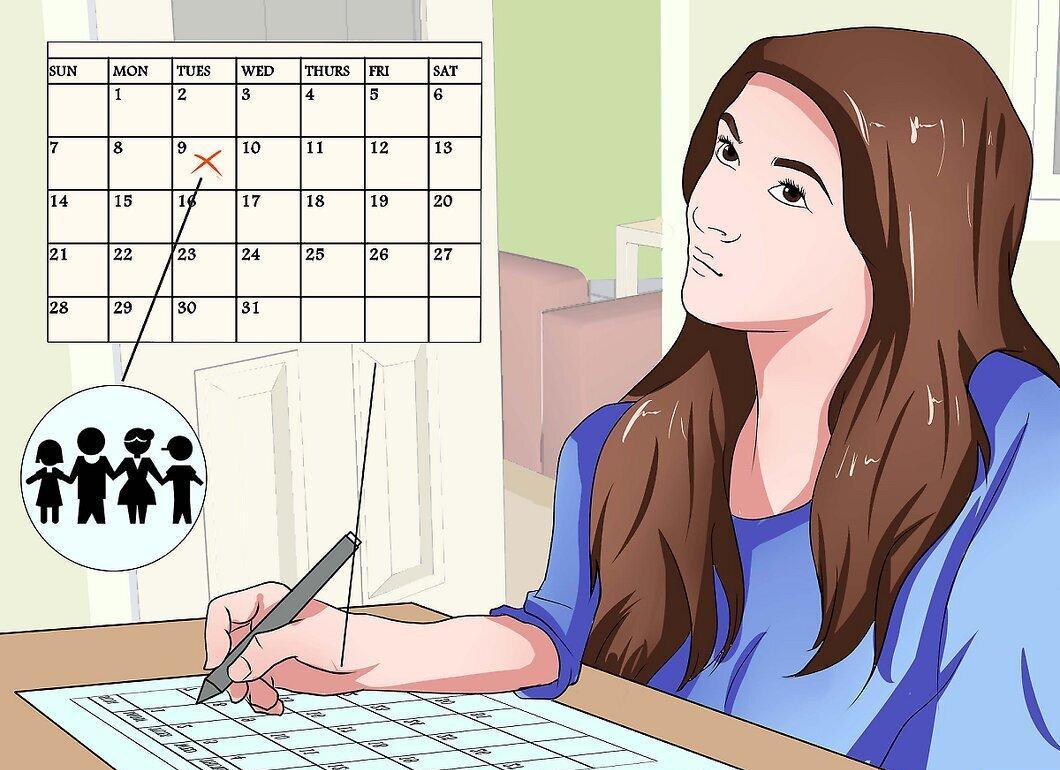
Schedule visits with your sibling. Purchase a calendar and mark the dates of your get-togethers. Having a visual timeline of the time between their departure and your next meeting can help you look forward to the reunion instead of dwelling on their leaving.
- Make your visits special when they happen at home. Plan fun family activities, just like old times.
Step 3. Keep your sibling updated on home life and show interest in their experiences.

Keep your sibling informed about what’s happening at home and show genuine interest in their life. Share how you are managing your new role. Your brother or sister will likely appreciate hearing about how you’ve grown and taken on more responsibilities.