
Creating a medical research paper is similar to writing other scientific papers. This means you need to utilize credible sources, adhere to a clear and organized style, and present strong arguments to support your conclusions. A research paper may include data that you collect to analyze a specific issue. By understanding the correct format, citation methods, and writing style, you can prepare an informative and high-quality scientific article.
Conducting Research
Step 1. Define Your Topic.

Start by selecting a topic. You might already have a general idea of what interests you. Narrow down this area by focusing on a specific topic based on current research. Find initial materials related to your chosen topic and identify potential sources. Discuss your ideas with your advisor to gain valuable insights.
- Choose a topic that genuinely interests you to make the research process more engaging.
- Focus on unanswered questions and propose your solutions.
Step 2. Determine the Format of Your Paper.
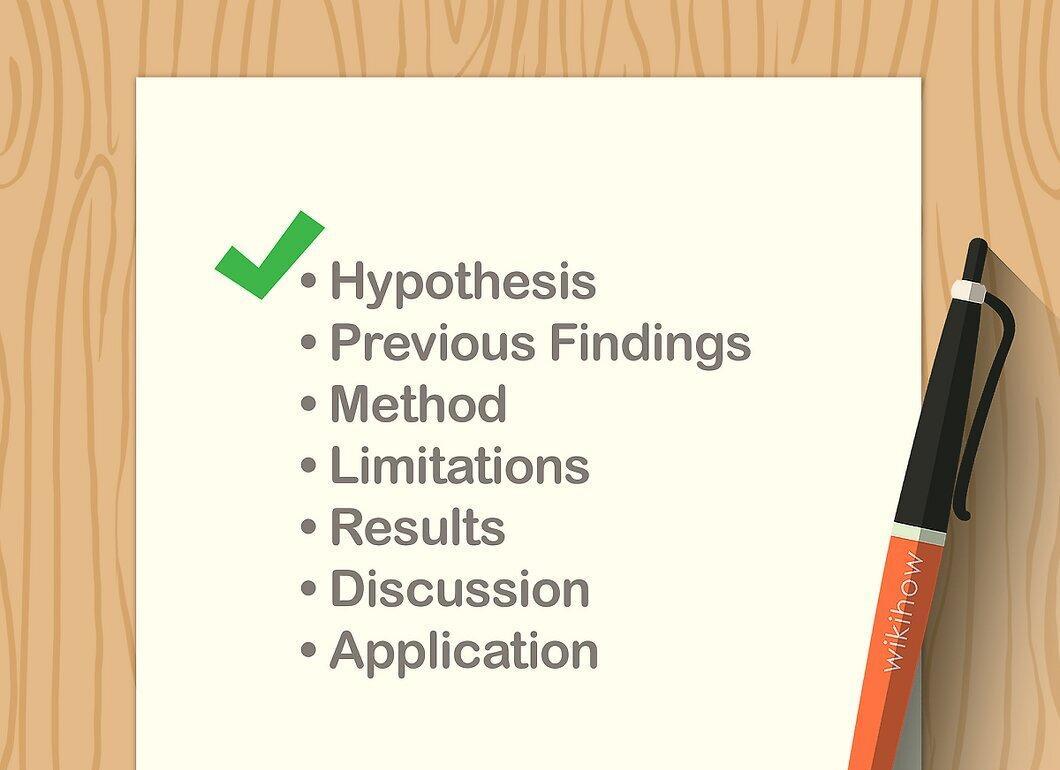
Decide what type of research paper you want to create. The format of the paper depends on the type of research you plan to conduct.
- Quantitative research is based on primary data collected by the author. Such papers typically include sections like Hypothesis (or Research Subject), Background, Method, Limitations, Results, Discussion, and Implications.
- Review papers analyze existing research. Authors identify strengths and weaknesses of these works, apply them to specific situations, and indicate directions for future research.
Step 3. Conduct In-Depth Research.

Conduct extensive research on your topic. Consult experts knowledgeable in the field. Find reliable sources that support your ideas. The quality of your work depends on the credibility of the sources used. The best sources are scientific journals, databases, and professional books.
- Keep track of all sources you use. Record necessary citation information: author name, article title, book or journal title, publisher, year of publication, volume number, issue numbers, and page numbers. Programs like Endnote can help you with this.
- Take detailed notes while reading. Paraphrase information in your own words or, if quoting, enclose the text in quotation marks. This will help avoid plagiarism.
- Maintain records, matching them with the correct sources.
- Your advisor or librarian can assist in finding the right sources.
Step 4. Organize Your Materials.

Organize your notes. This will simplify the writing process when you need to find specific information. Using digital records can help you quickly locate and organize the necessary data.
- Store notes in a folder or digitally on your computer.
- Begin drafting an outline of your paper based on the gathered information.
Writing Your Paper
Step 1. Develop an Outline.
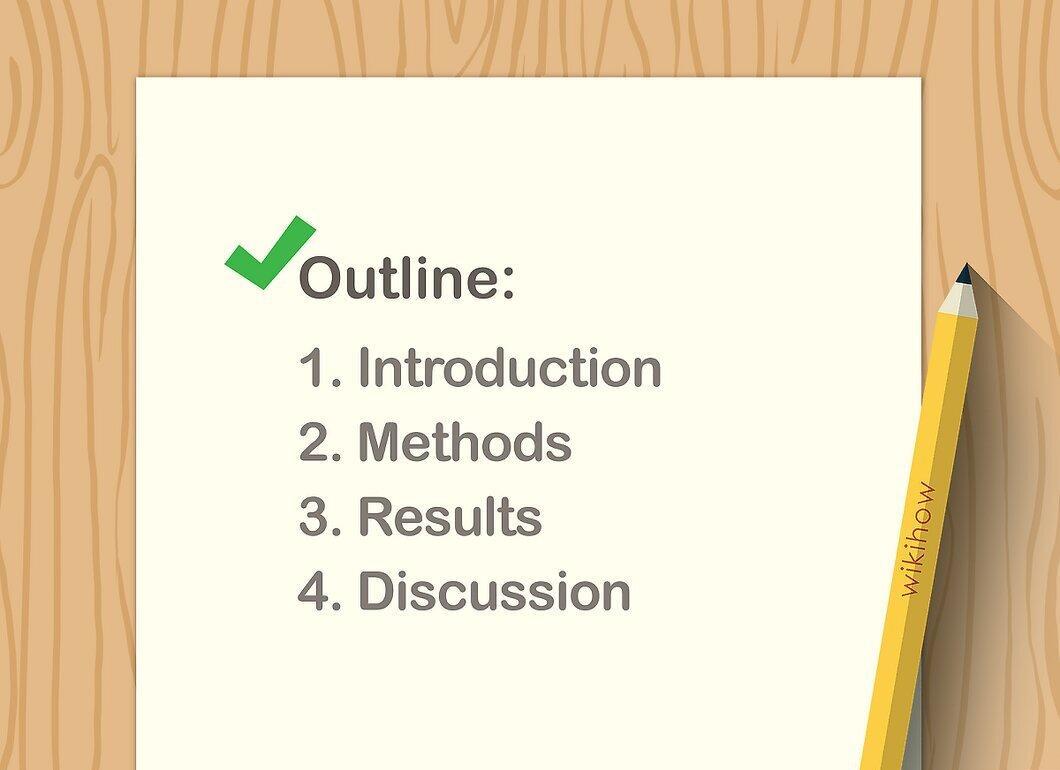
Create a structure for your paper. Ensure that the outline is clear and logical. Determine what information will go under each heading and remember to cite your sources. A well-structured outline will serve as an excellent foundation for writing your research article.
- Start with main points and add notes that support your ideas.
- Don’t worry if you need to rethink the structure multiple times—this is normal.
- Ask colleagues to review your outline and provide feedback for improvement.
- The writing style should match the intended audience and may require adjustments.
Step 2. Determine the Writing Format.
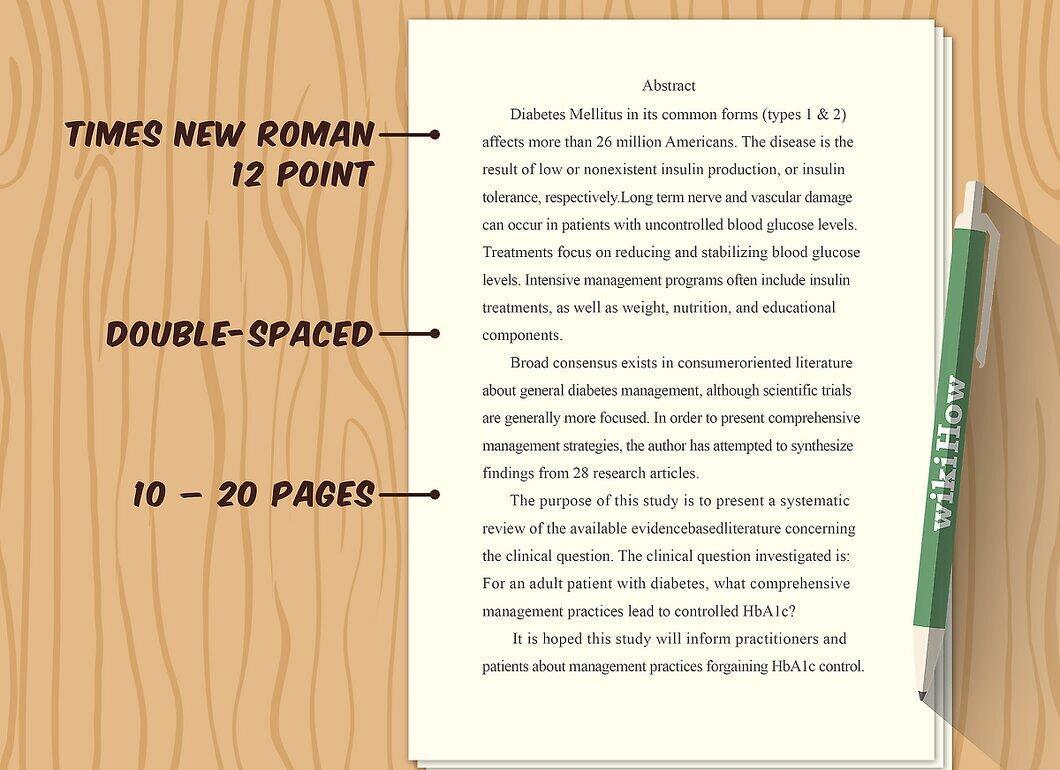
Set the format in which your paper will be written. Before starting, familiarize yourself with the guidelines and formatting requirements. Different journals and institutions may have varying criteria for length and style. If no length is specified, aim for at least 10-20 pages.
- Use standard fonts and sizes, such as Times New Roman 12.
- The line spacing should be double.
- If necessary, create a title page, including the main topic, header, author’s name, course title, and semester.
Step 3. Combine All Data.

Gather all data into a cohesive paper. Divide the text into logical sections that correspond with the type of research. If conducting quantitative research, include all previously mentioned sections. For qualitative research, structure the paper around key themes.
- Break the information into sections and subsections, each addressing a distinct aspect.
- Include numerical data or tables that support your main ideas.
- Specify the methods used to obtain results in quantitative research.
Step 4. Write the Analysis and Conclusions.
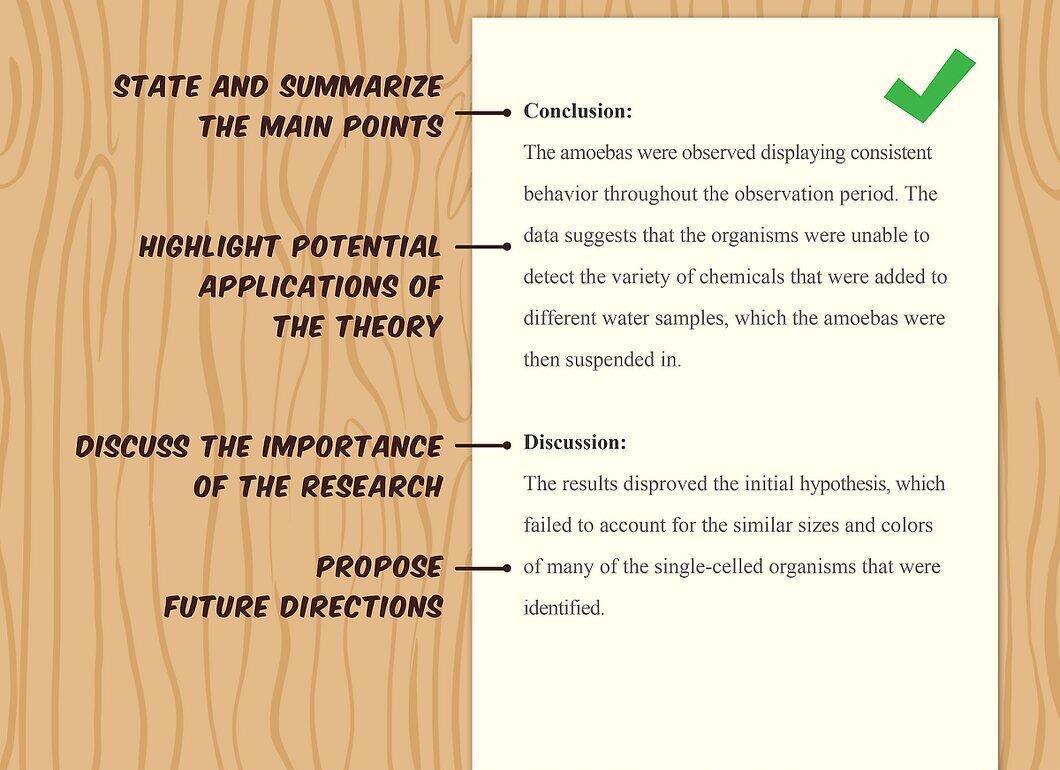
Draft the analysis and conclusions. Explain to readers what you discovered, the significance of these findings in the research field, and what future studies could be conducted. Avoid repeating information from earlier sections.
- Clearly outline the main conclusions of your work.
- Specify the contribution your research has made to the field and its importance.
- If applicable, highlight potential practical applications of your theory.
- Suggest directions for future research based on your analysis.
Step 5. Write the Introduction.
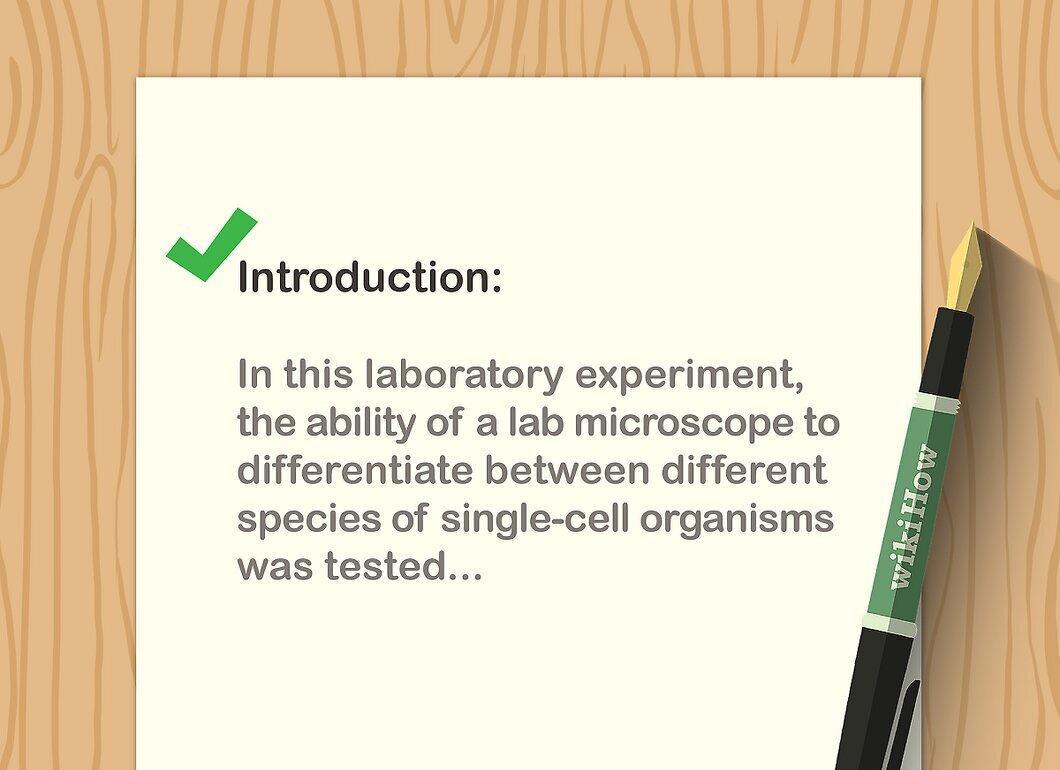
Create the introduction after completing the main body of your work. This will help you determine what to include for the reader to understand your article. Introduce the topic of your research, explain why you chose to conduct it, and what readers can expect.
- Explain why the issue at hand is relevant and important.
- Discuss the current state of knowledge in your field and identify gaps.
- State the objective of your research.
Step 6. Prepare the Abstract.
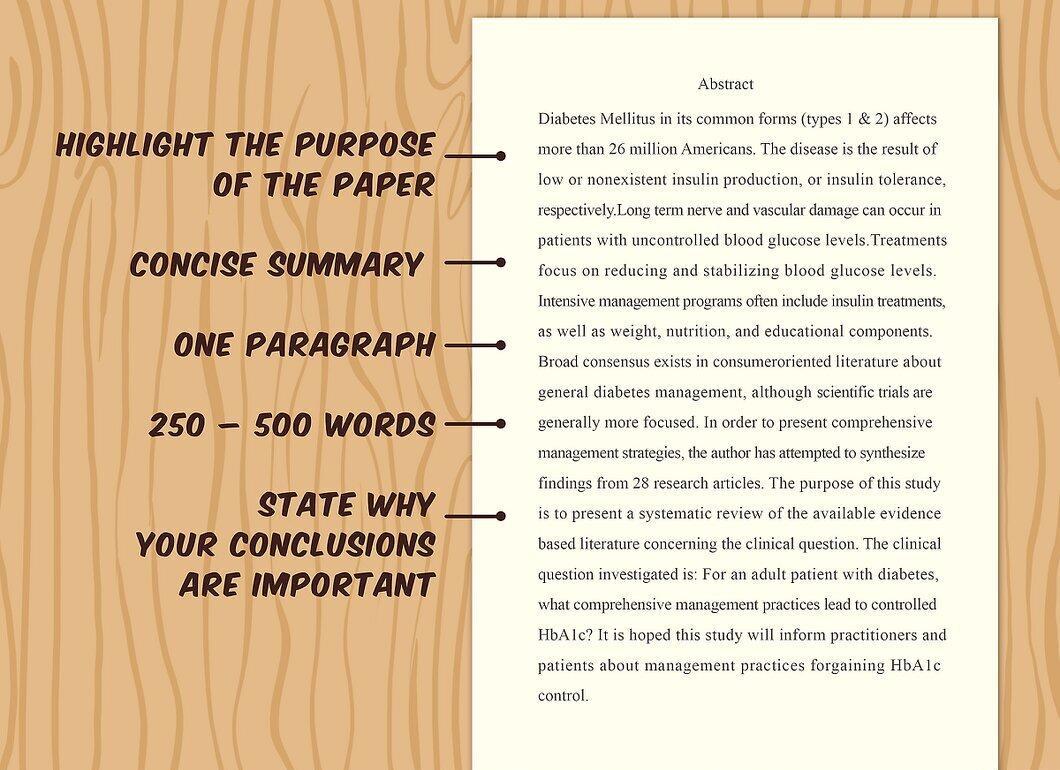
Write the abstract. This section provides a brief summary of the entire article. Highlight the key points and explain what information your paper contains. The abstract should be written last, after completing the entire work.
- State the research objective and main conclusions.
- Explain why your findings are significant.
- The abstract should be concise, typically one paragraph of 250 to 500 words.
Step 7. Don’t Forget Your References.
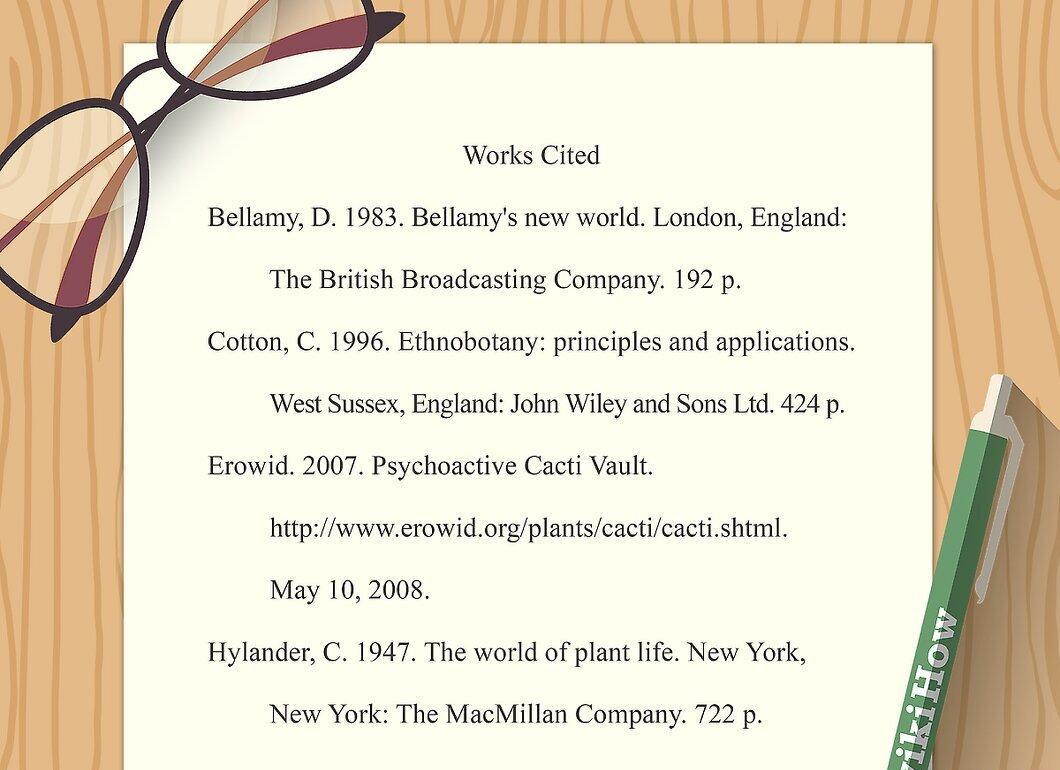
While writing, remember to cite your sources. This will help avoid plagiarism and give credit to the authors for their ideas. It's easier to add citations as you write than to search for them later when you need to recall where you sourced specific information.
- If citation formatting guidelines are not provided, use the American Medical Association style.
- Insert citations at the end of sentences to indicate borrowed ideas. Each citation should include the author's last name, publication year, and page number.
- Compile a list of references and place it at the end of your paper.
- To simplify the citation process, consider using dedicated software.
Step 8. Edit Your Text.

Edit your paper. Ensure that it is logically structured and easily readable.
- Reread the text multiple times to ensure coherence.
- Check for grammatical and spelling errors.
- Follow the provided formatting guidelines.
- Have others read your work for clarity and error-checking. Make adjustments as necessary.