
Greek myths, telling tales of gods and humans, were created thousands of years ago, yet they still influence our lives today. We hear terms like "Oedipus complex" or "Pandora's box" and see their reflections in modern Hollywood films such as "Clash of the Titans," "Hercules," or "Troy." Exploring Greek mythology not only enhances your knowledge but also provides countless moments of intrigue! Hollywood draws inspiration from these myths because they are truly amazing stories. To begin your journey into Greek mythology, start with the basics and then consider enrolling in courses or reading the myths on your own.
Basics of Study
Step 1. Learn about the main deities.
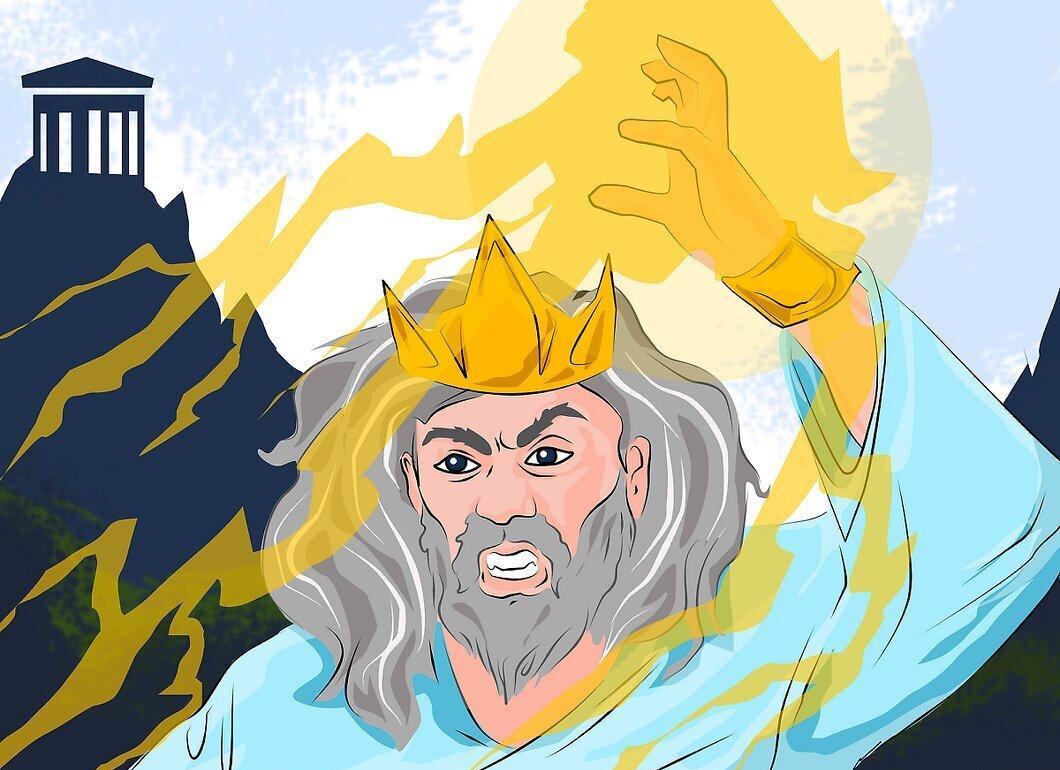
Familiarize yourself with the deities. Greek mythology features a multitude of characters. You don’t need to know them all, but it’s important to remember the main gods of Olympus.
- Zeus — the ruler of the heavens and the gods, a formidable thunderer who hurls lightning.
- Hera — the goddess of family, wife and sister of Zeus, which is characteristic of Greek mythology.
- Poseidon — Zeus's brother, the god of the sea.
- Hades — Zeus’s brother and the lord of the underworld.
- Demeter — Zeus’s sister and goddess of the harvest.
- Athena — daughter of Zeus and the Titaness Metis, the goddess of wisdom and war.
- Apollo — son of Zeus and the Titaness Leto, the god of music and prophecy.
- Artemis — daughter of Zeus and Leto, the goddess of hunting and the moon.
- Ares — son of Zeus and Hera, the god of war.
- Hephaestus — the lame blacksmith of the gods, son of Zeus and Hera, who crafts magical weapons.
- Hermes — the messenger of the gods, son of Zeus and the goddess Maia, the protector of travelers.
- Aphrodite — the goddess of love and beauty, according to myths, either the daughter of Zeus and the Titaness Dione or born from sea foam.
- Dionysus — son of Zeus and the mortal Semele, the god of wine.
Step 2. Get to know the key heroes of the myths.
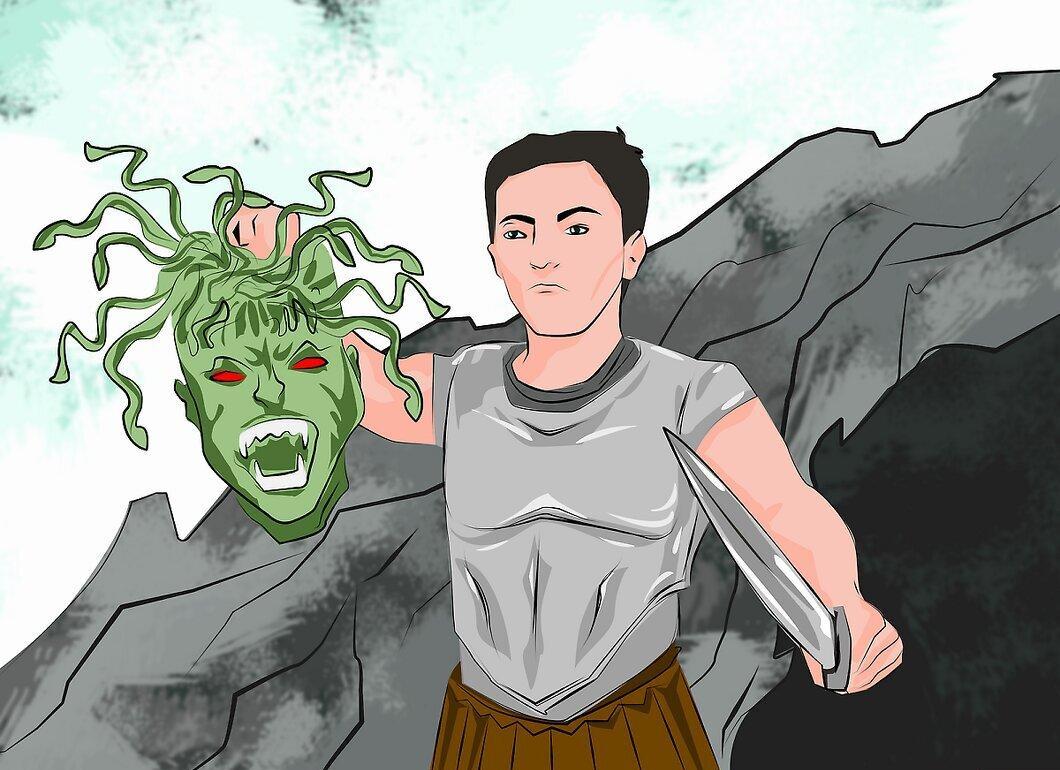
Study the key characters of the myths. While the same gods often appear in different stories, the main heroes are usually humans or demigods, with one divine parent. These characters are famous for their feats, battles with monsters, or life tragedies. Here are some of the most well-known:
- Hercules (Heracles) — the strongest of mortals, who completed 12 labors to atone for the murder of his family in madness.
- Perseus — the hero who, as a child, was cast into the sea, defeated Medusa, and married Andromeda.
- Theseus — Hercules’s cousin, wise and strong, who defeated the Minotaur and became the ruler of Athens.
- Achilles — the hero of Homer’s "Iliad," known for his vulnerable heel, who died from an arrow.
- Odysseus — the hero of the "Odyssey," who devised the Trojan Horse and wandered for years after the war.
- Jason — an adventurer who sailed with the Argonauts in search of the Golden Fleece.
Step 3. Familiarize yourself with the major myths.
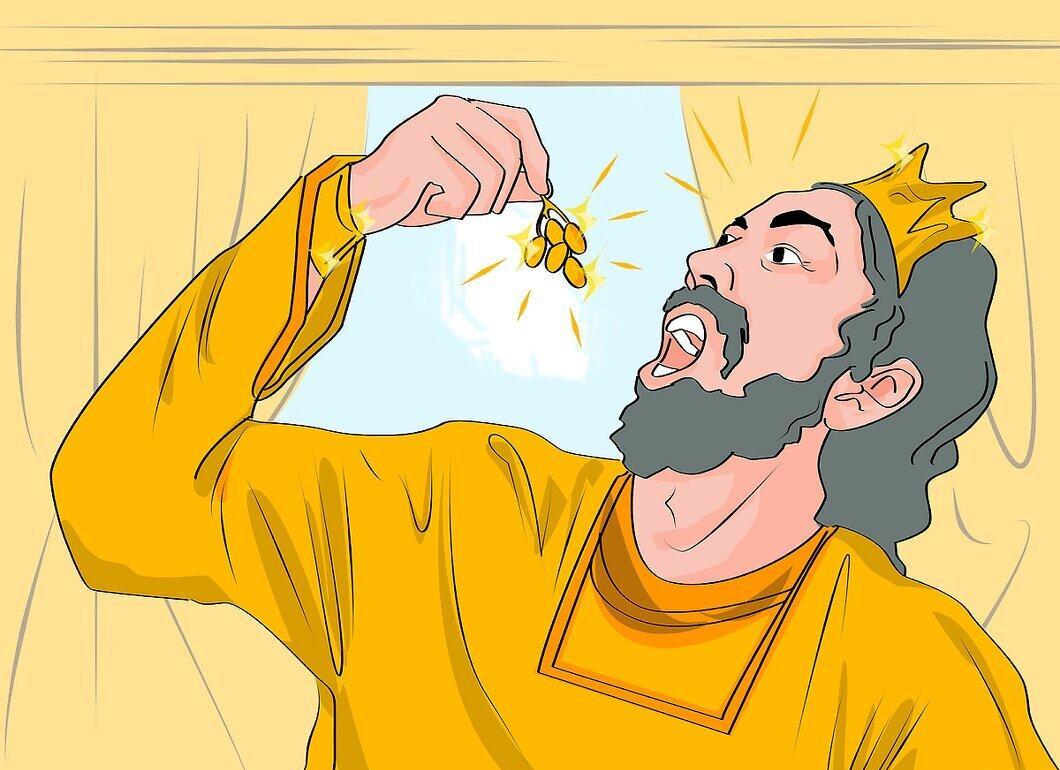
Study the main myths. Each hero has a unique story, but there are also many myths about less well-known characters. For example, the story of Narcissus, who was so entranced by his reflection that he perished, unable to look away. Here are some other significant myths:
- Sisyphus — a trickster who deceived the gods and was punished with the eternal task of rolling a stone up a hill, only for it to roll back down each time.
- Tantalus — a favorite of the gods who invited them to dinner by cooking his son. His punishment was eternal thirst and hunger, with fruit and water always out of reach.
- Pygmalion and Galatea — a sculptor who fell in love with his statue, brought to life by Aphrodite.
- Persephone — daughter of Demeter, abducted by Hades, explaining the change of seasons.
- Midas — a king who was granted the power to turn everything to gold, which he soon regretted.
- Prometheus — who stole fire from Zeus and was punished for it.
- The Abduction of Europa — the story of how Zeus, in the form of a bull, abducted a beautiful maiden.
- Daedalus and Icarus — the tale of flight on wings, where son Icarus disobeyed his father and met his demise.
- Orpheus and Eurydice — a musician who attempted to bring his beloved back from the underworld but lost her due to doubt.
How to Find Educational Materials
Step 1. Enroll in courses at a university or college.
Look for courses at your university or college. If you’re not currently studying, check if there are mythology courses available at local educational institutions, possibly in history departments or as electives. Look online for information about schedules and prices.
Step 2. Take an online course.

Enroll in an online course. If you can’t attend university classes, opt for online courses. Many universities, especially abroad, offer online education. You can also find free courses from various organizations.
- University courses — if you speak English, check out online courses from Oxford, Duke, Brown, Harvard, or Yale, which offer courses on Greek mythology. For example, the course "Concepts of the Hero in Greek Civilization" by Professor Nagy from Harvard is available for free: http://kleos.chs.harvard.edu/?p=220.
- Paid courses — if you are interested in paid options, visit www.thegreatcourses.com.
- Free online courses — there are websites that compile free courses on mythology, such as www.mooc-list.com and oedb.org. In Russian, courses are offered by the platform openedu.ru.
Step 3. Use mobile applications.
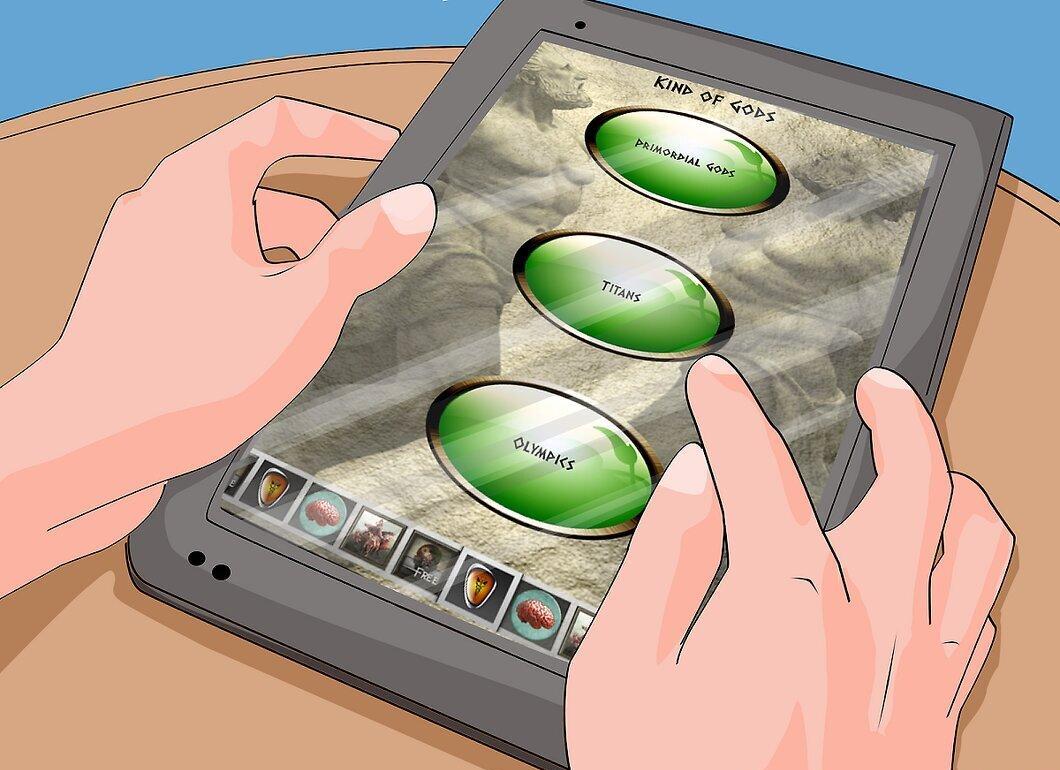
Install a mobile application. Nowadays, there are apps for virtually any topic, and Greek mythology is no exception. Download one of the apps and learn mythology right from your phone. Here are some useful apps in English:
- Learn Mythology Basics — for iPhone/iPad
- GreekMythology.com — for Android
- Greek Mythology by Anduin — for Google/Android
- Greek Mythology by Socratica — for Google/Android
- Greek Mythological — for iPhone/iPad, with detailed information about myths and Ancient Greece.
Step 4. Explore specialized websites.
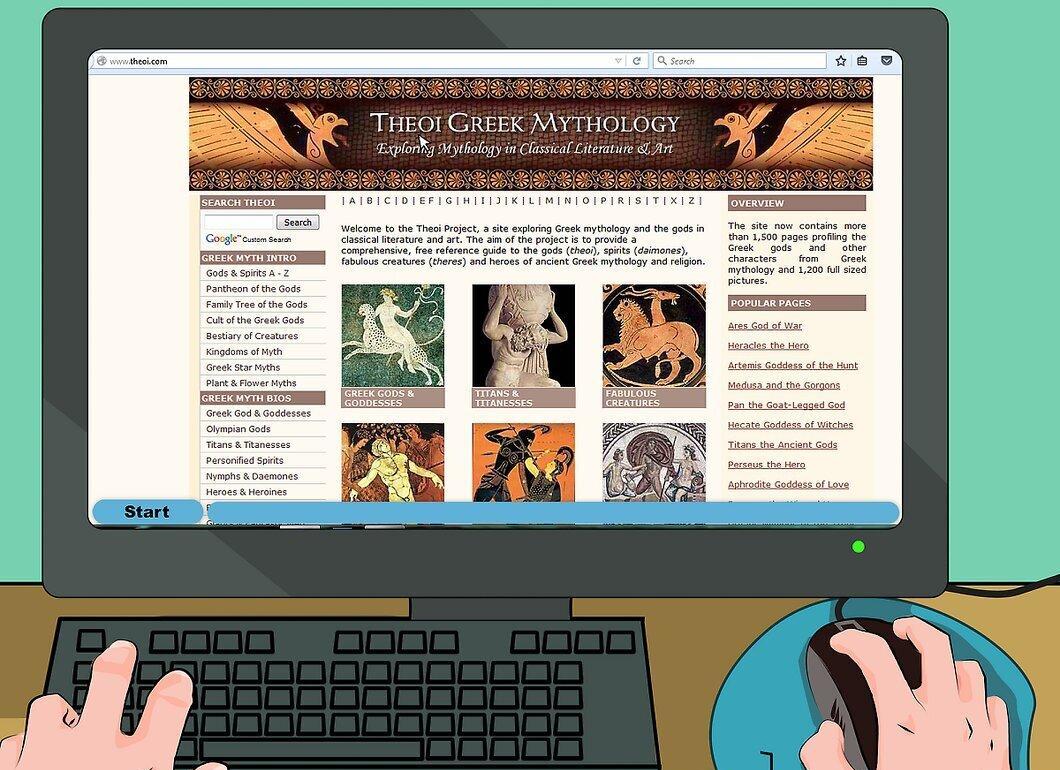
Visit websites dedicated to Greek mythology. There are numerous resources in English that provide free information about gods, heroes, and myths. They can serve as an excellent starting point for your study. Here are a few examples:
- http://www.theoi.com
- http://www.greekmythology.com
- http://www.pantheon.org/areas/mythology/europe/greek/
- http://www.greekmyths-greekmythology.com
Finding Books for Study
Step 1. Start with introductory texts.
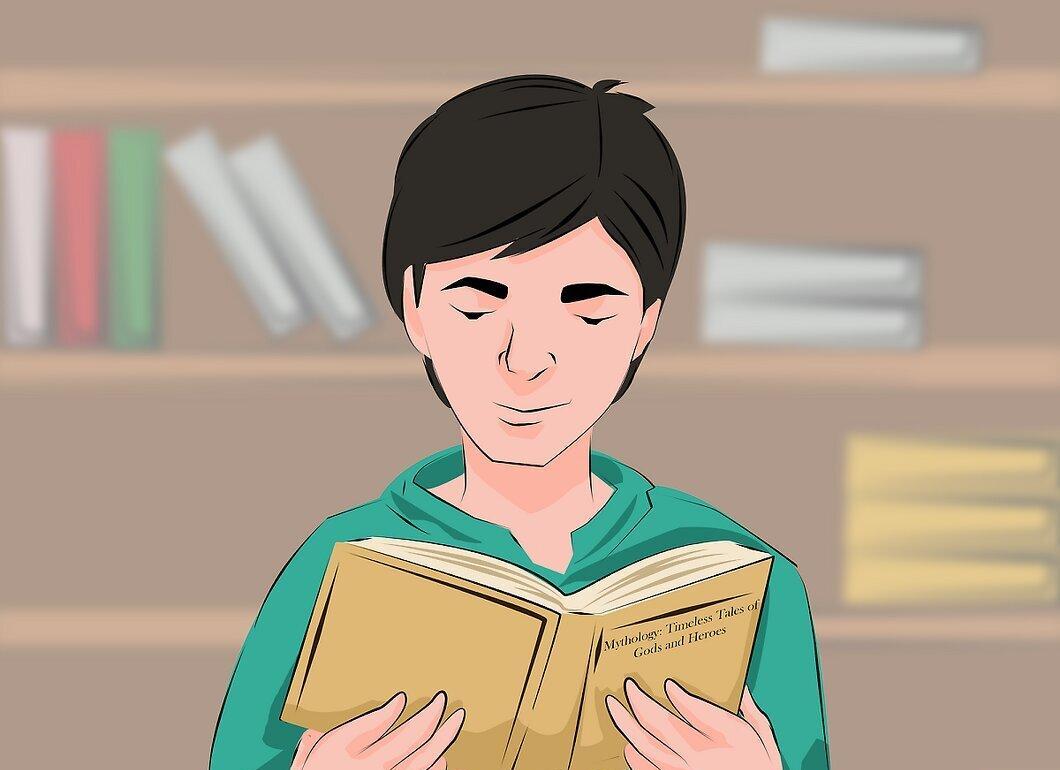
Begin with foundational books. If you speak English, read works by authors who have summarized Greek myths in a concise and accessible format. Here are several such books:
- Jenny March, The Penguin Book of Classical Myths (2009) — an accessible account of major myths with new insights into their significance.
- Richard Buxton, The Complete World of Greek Mythology (2004) — an overview of myths in their social context, with genealogical trees and illustrations.
- Edith Hamilton, Mythology: Timeless Tales of Gods and Heroes (1942) — based on the works of key Greek and Roman authors.
- Timothy Gantz, Early Greek Myth: A Guide to Literary and Artistic Sources (1993) — a scholarly approach to mythology, with references to early writers.
- Robert Graves, The Greek Myths (1956) — an engaging and accessible account of myths, though not always academically rigorous.
Step 2. Read Apollodorus' "Library of Mythology."
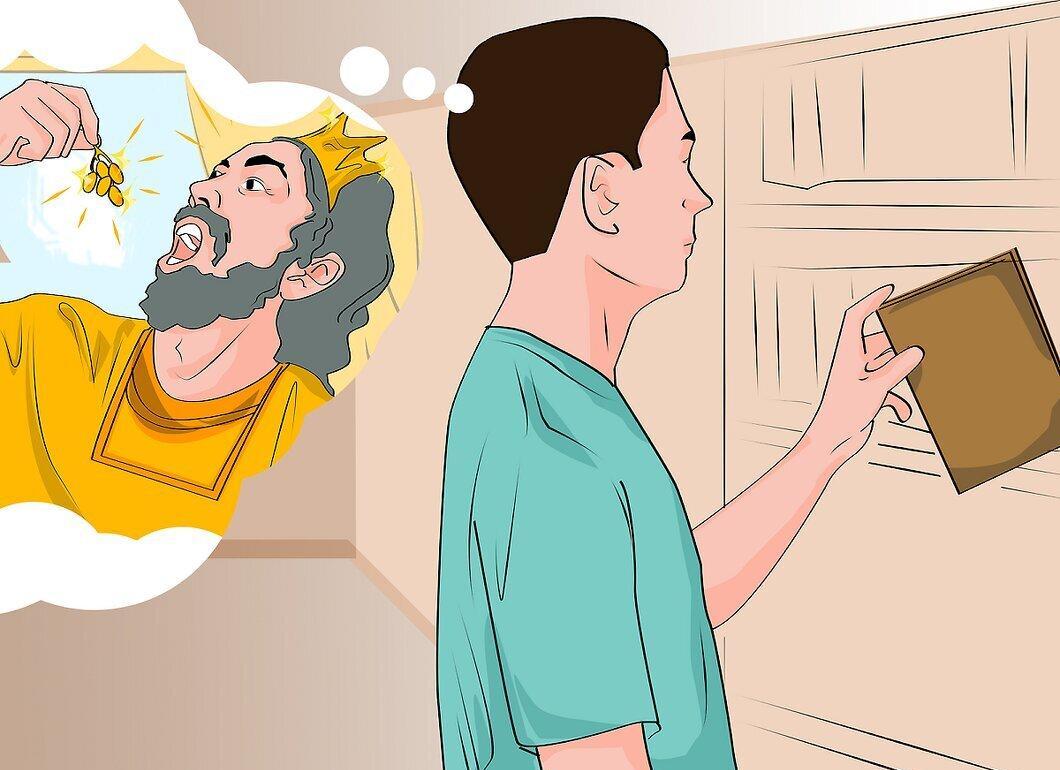
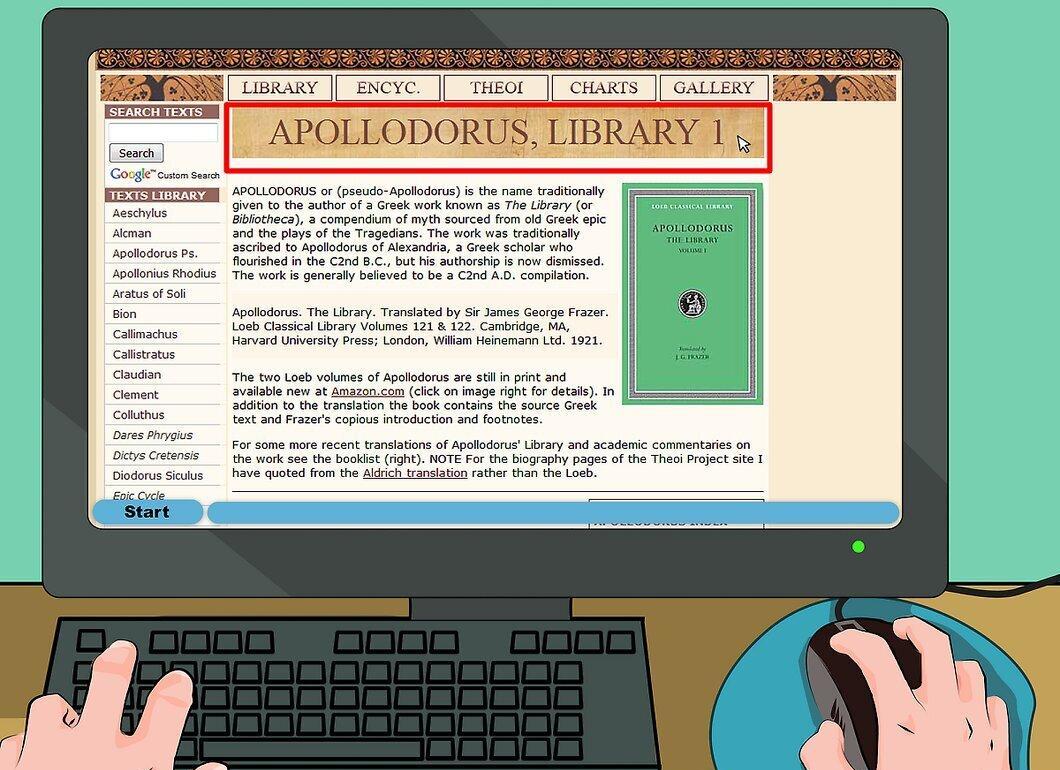
Pay attention to Apollodorus' "Library of Mythology." If you’re truly interested in Greek mythology, it’s worth familiarizing yourself with primary sources. Despite questions about authorship, this collection of myths from the 2nd century AD remains an important material.
Step 3. Explore Hesiod's works for understanding the origins of the gods.
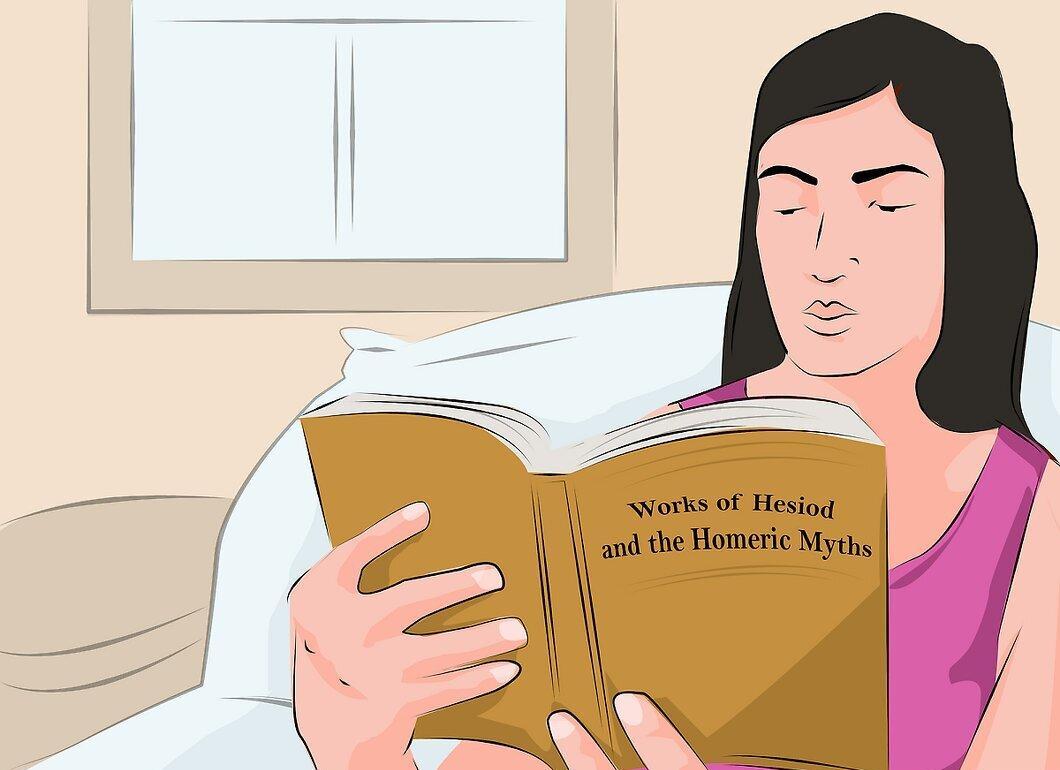
Turn to the works of Hesiod to learn more about the origins of the gods. This 8th-century BC poet discusses the genealogy of the gods and everyday life in ancient Greece in his works "Theogony" and "Works and Days."
Step 4. Read Homer’s epic poems.
Study Homer’s "Iliad" and "Odyssey." These great poems from the 8th or 7th century BC contain many references to classical myths.
- In Russian, "Iliad" was translated by N. I. Gnedich, and "Odyssey" by V. A. Zhukovsky. These editions are available in libraries and online.
- If you are proficient in English, you can read translations by Robert Fagles. The original texts in Greek are also available online.
Step 5. Learn about Jason and the Argonauts through Apollonius of Rhodes' works.
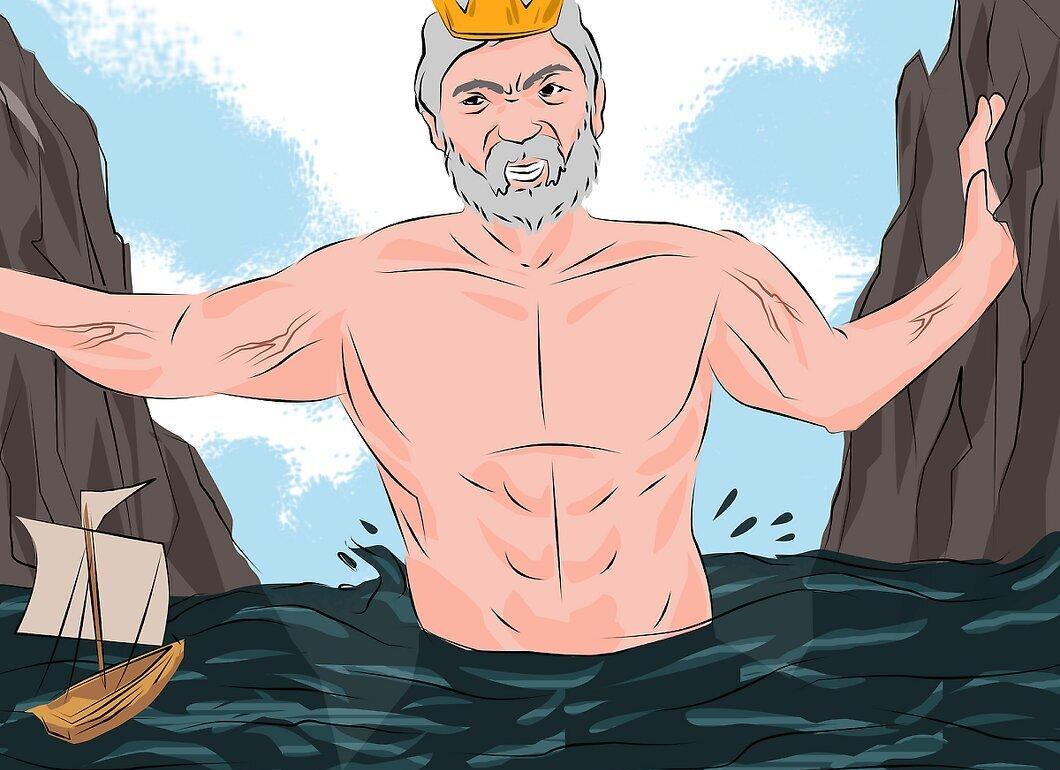
Discover more about Jason and the Argonauts in Apollonius of Rhodes' "Argonautica," a well-known version of their adventures.
Step 6. Familiarize yourself with the works of great tragedians.
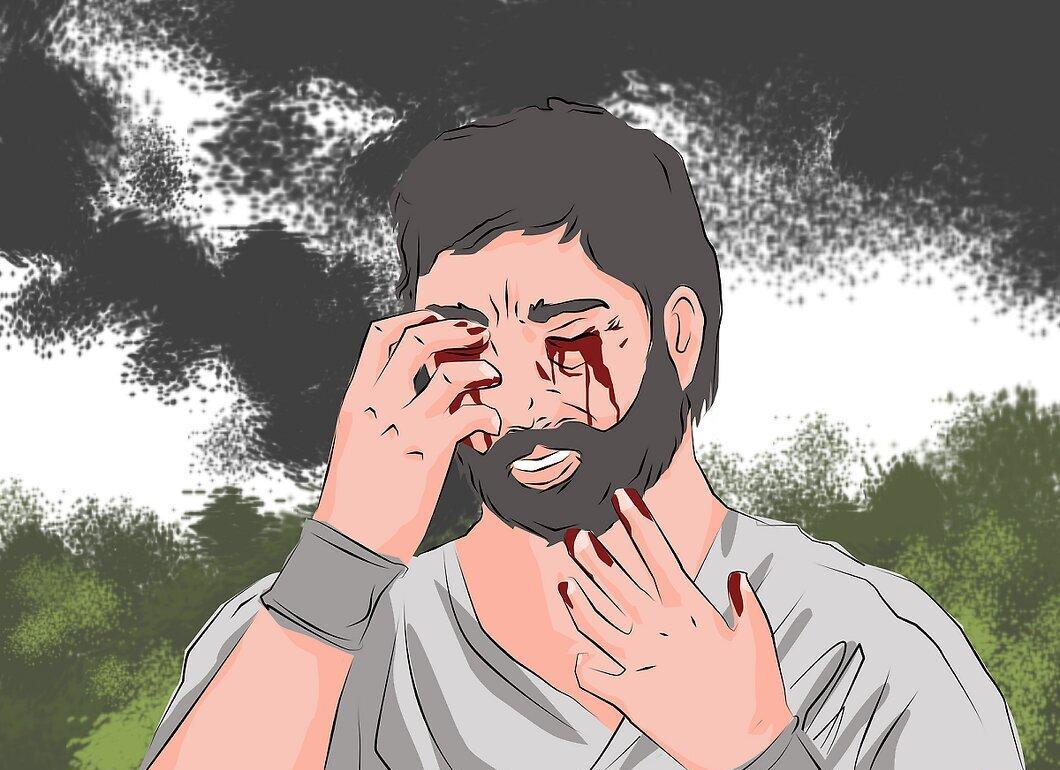
Read the works of Aeschylus, Euripides, and Sophocles. These playwrights created profound tragedies that continue to influence art today.
- Aeschylus — author of "Prometheus Bound" and the "Oresteia" trilogy.
- Euripides — creator of "Medea," "The Women of Troy," and "The Bacchae."
- Sophocles — author of "Oedipus Rex" and "Antigone."
Step 7. Enjoy the comedies of Aristophanes.

Don’t overlook the comedic works of Aristophanes. This playwright, born around 450 BC, left behind 11 surviving plays, including "Clouds" and "Birds," which portray Greek life with humor and satire.