
Manga is a distinct style of Japanese comics. Reading manga has its own unique features that set it apart from traditional comics, books, and magazines in other languages. To fully enjoy manga, you need to master reading from right to left and top to bottom, as well as interpreting the elements on the pages and understanding the emotions of the characters.
Choosing Your Manga
Step 1. Explore Different Manga Categories.
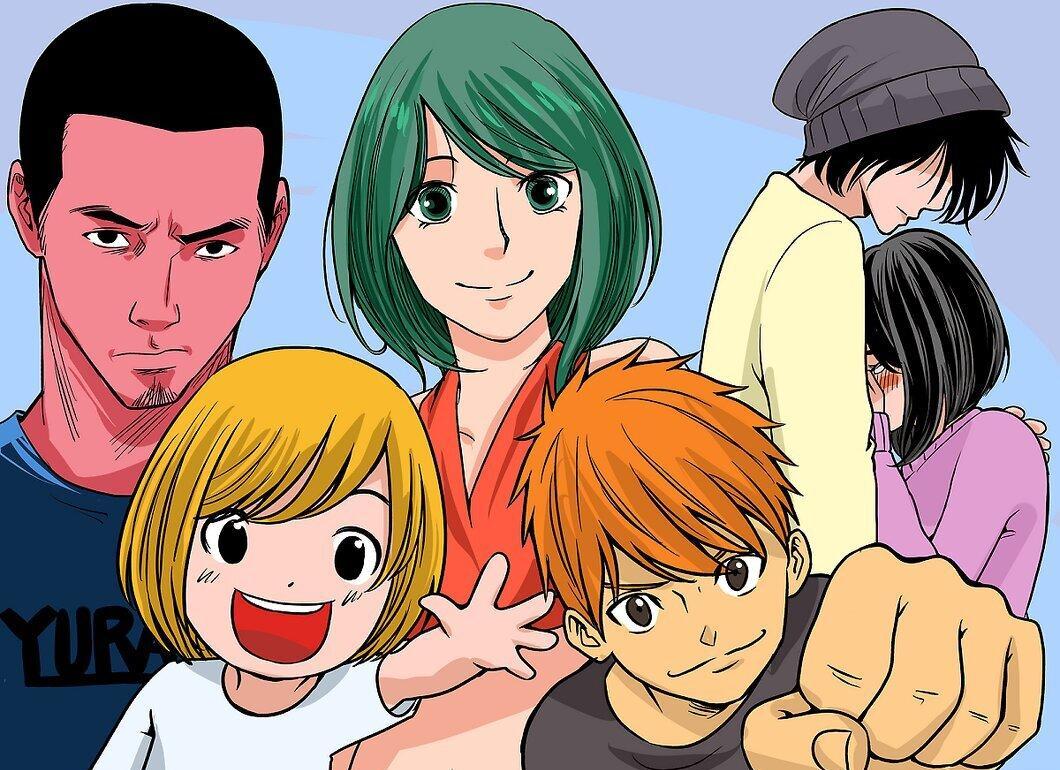
Familiarize yourself with various manga categories. There are five main types: seinen (for men), josei (for women), shoujo (for girls), shounen (for boys), and kodomo (for children).
Step 2. Discover the Diverse Genres of Manga.
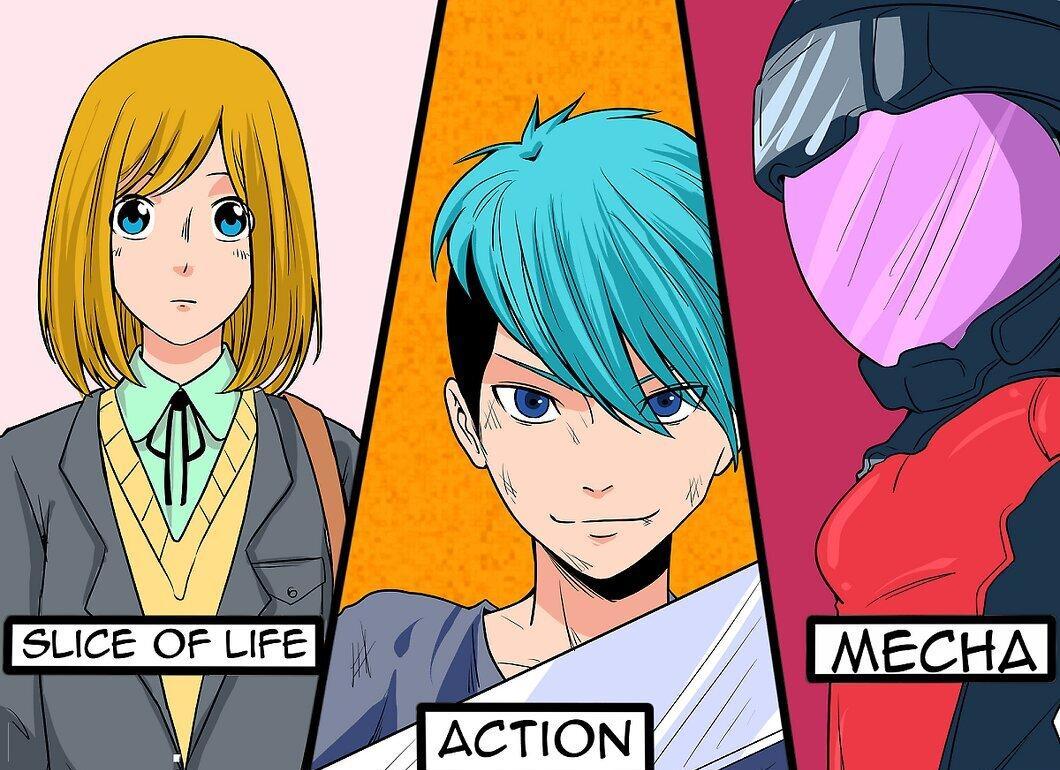
Explore the wide range of manga genres. Manga covers a vast array of themes and storylines. Here are some of the most popular genres: action, detective, adventure, romance, comedy, slice of life, science fiction, fantasy, gender bender, historical, harem, and mecha.
Step 3. Get Acquainted with Popular Manga Series.
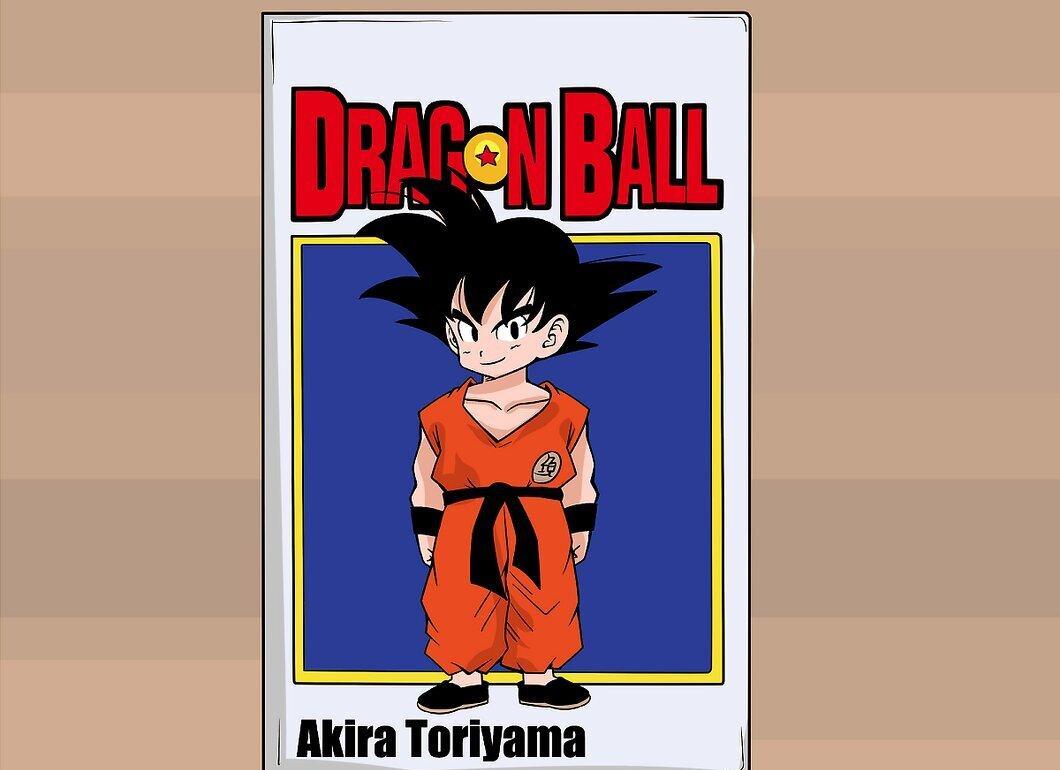
Choose a few well-known manga series to dive into. Before reading your first manga, take some time to explore popular releases. Notable sci-fi series include "Ghost in the Shell" and "Akira". In the fantasy realm, you have "Dragon Ball" and "Pokémon Adventures". "With Love, Hina" is a beloved slice-of-life manga, while "Mobile Suit Gundam 0079" blends mecha and sci-fi elements.
Getting Started with Reading
Step 1. Find a Manga that Captivates You.
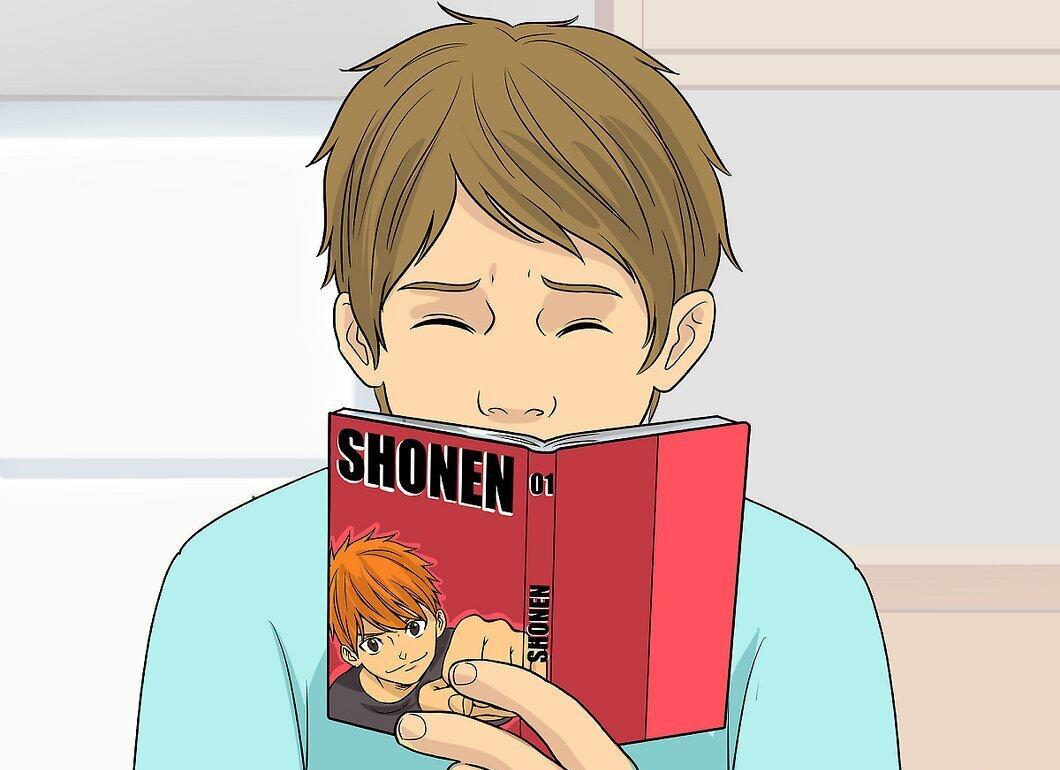
Select a manga that interests you. After exploring the different types and genres of manga, as well as familiarizing yourself with some popular series, it’s time to decide what you want to read. Follow your preferences and choose what inspires you!
Step 2. Start with the First Volume.
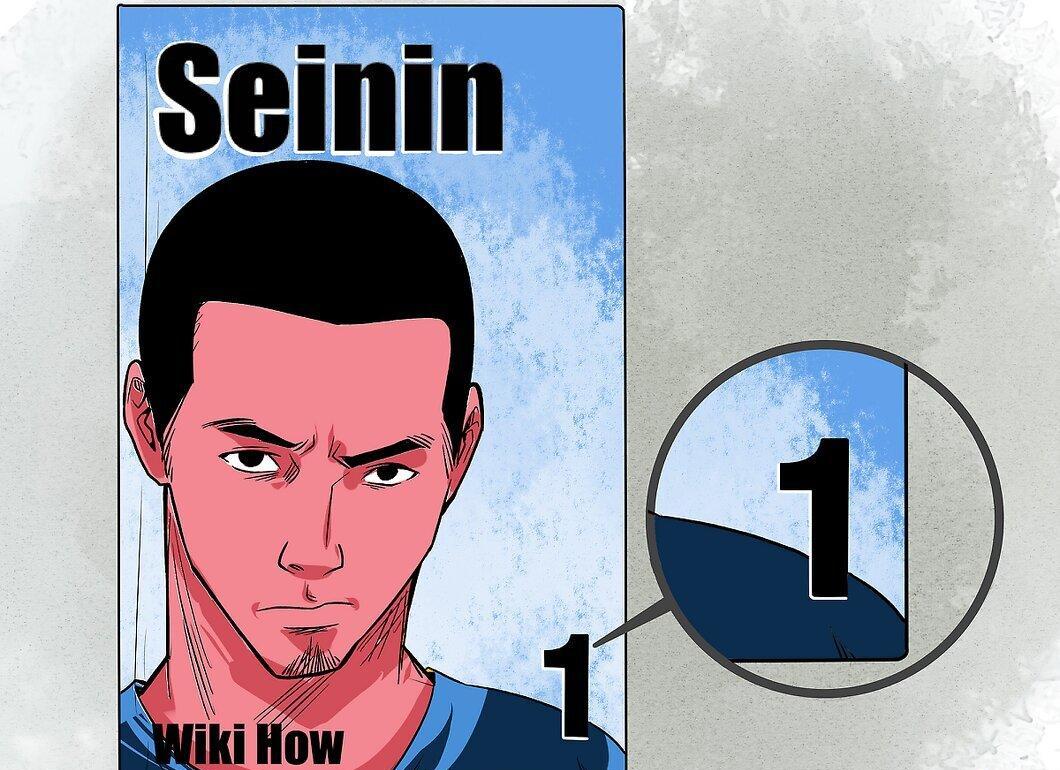
Begin with the first volume. Manga is typically published in series containing multiple stories. Make sure you start with the first story and read them in chronological order. If the series is popular, its issues may be compiled into volumes. The volume number and series title are usually indicated on the cover.
Step 3. Hold the Manga with the Spine on the Right.
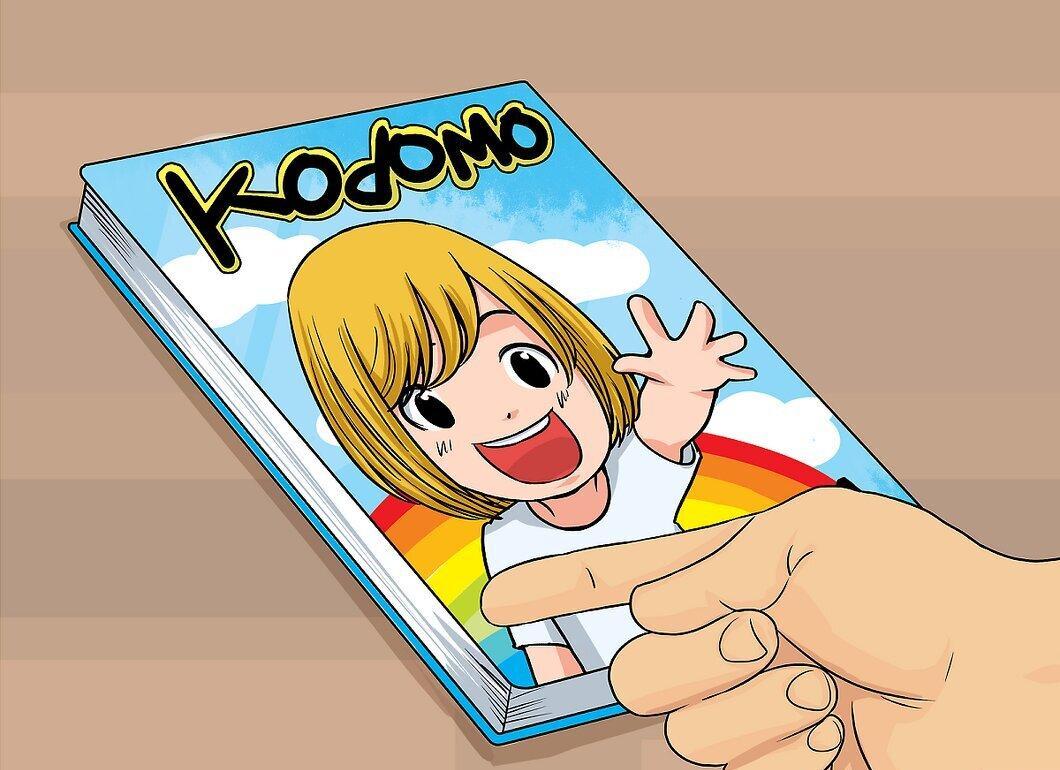
Position the manga with the spine on the right. Reading manga requires the spine to be on the right side. When placing the manga on a table, ensure that the page edges are on the left and the spine is on the right. This differs from the conventional reading of books in other languages.
Step 4. Start from the Cover Where the Title and Author Are Listed.
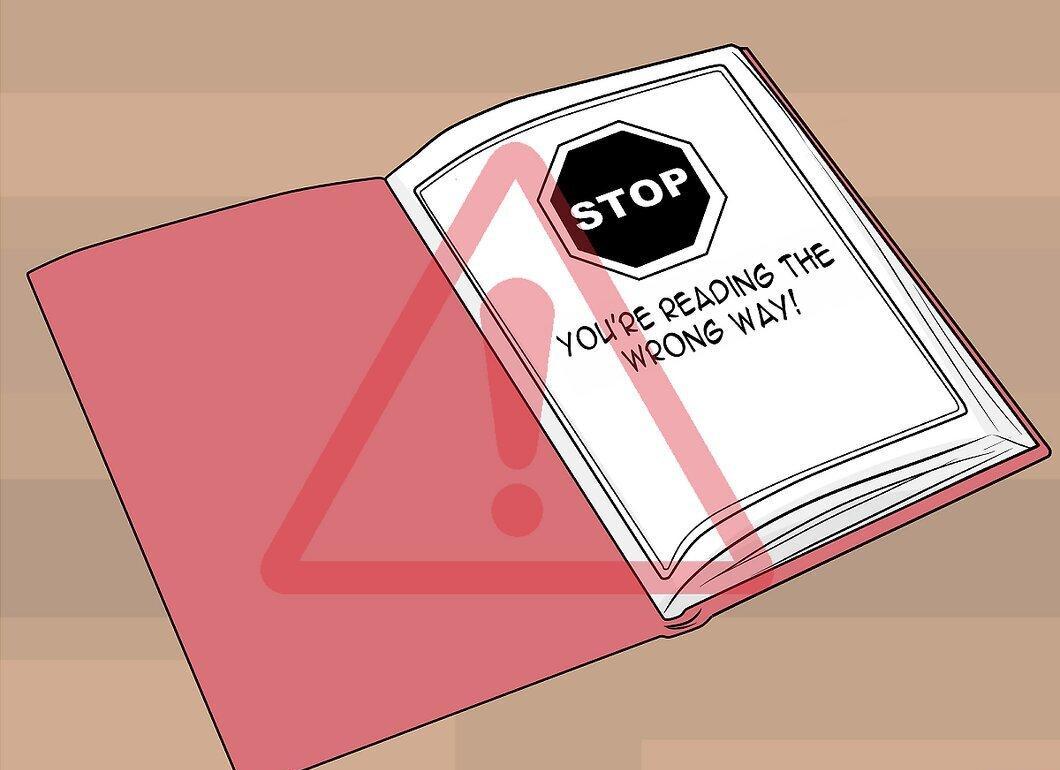
Begin on the side where the title, author’s name, and publication information are displayed. It's crucial to start reading from the correct side. Typically, the title and author’s name are on the front cover. If you see a warning like, "You are reading backwards!", flip the manga over.
Reading the Panels
Step 1. Read Panels from Right to Left and Top to Bottom.
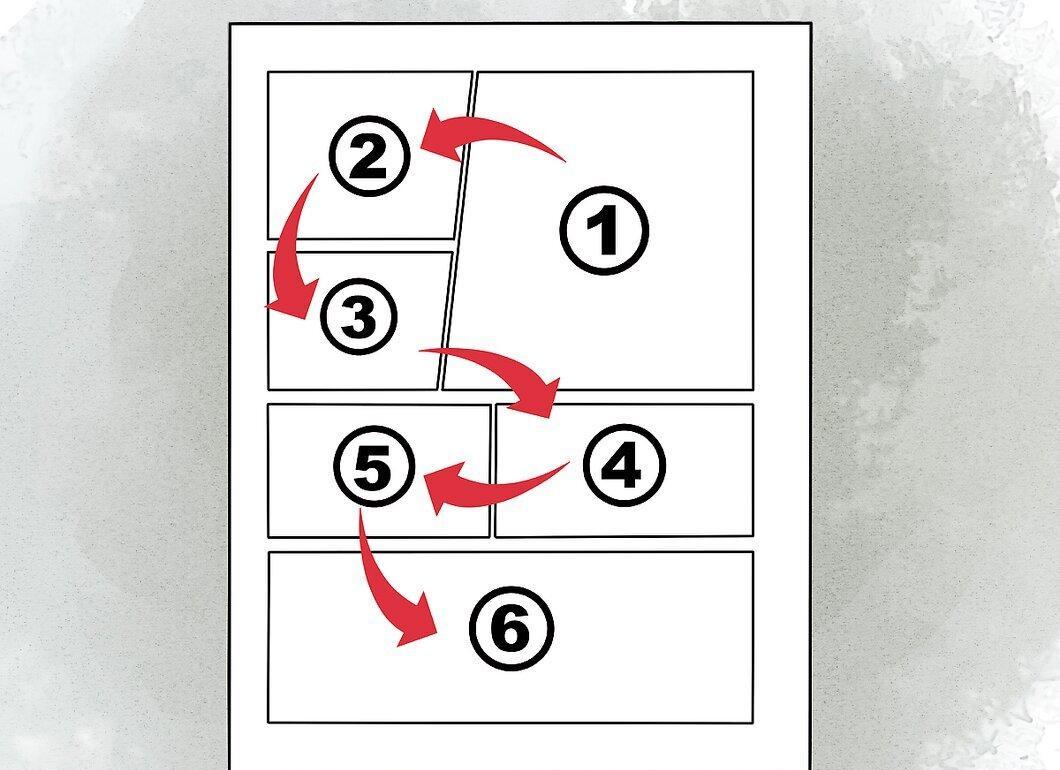
Read the panels from right to left and top to bottom. Just like the pages of manga, individual panels are read from right to left. Start at the top right corner of the page and move left. When you reach the end of the page, move to the panel in the right corner of the next row.
- If the panels are arranged vertically, start from the topmost one.
- Even if the panels are not neatly aligned, follow the right-to-left rule. Begin from the topmost row or column and proceed downwards in order.
Step 2. Read Dialogues from Right to Left and Top to Bottom.
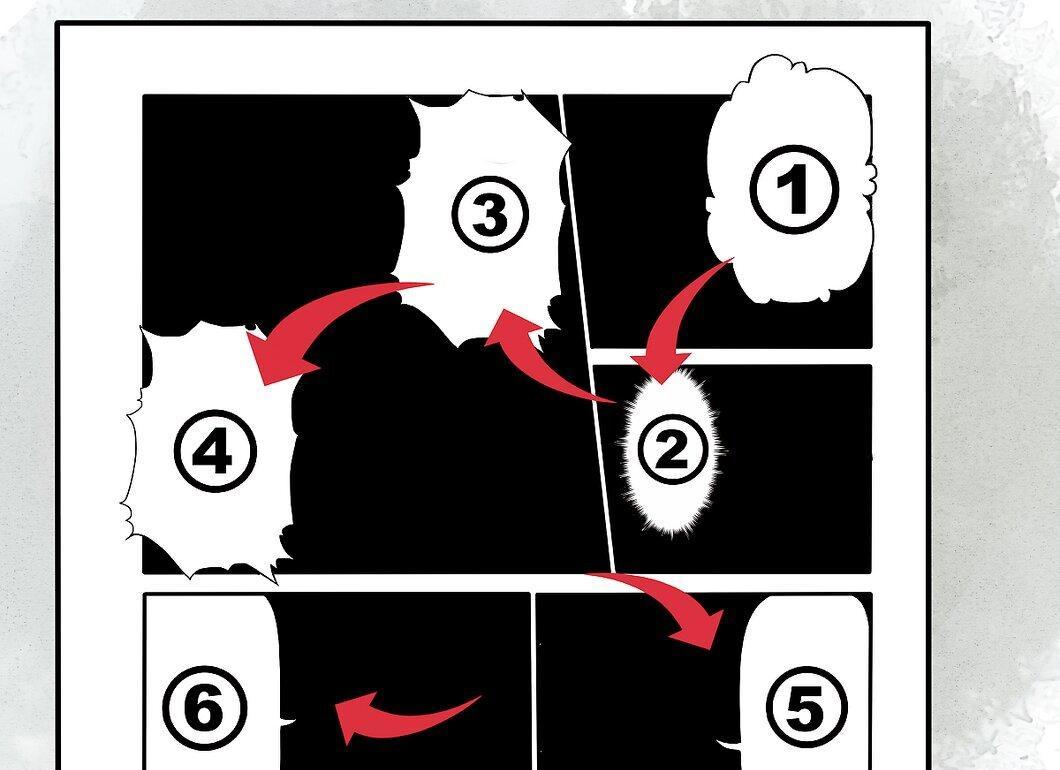
Read the speech bubbles from right to left and top to bottom. Start at the top right corner of the panel and follow the speech bubbles in the same direction.
Step 3. Panels with Black Backgrounds Indicate Flashbacks.
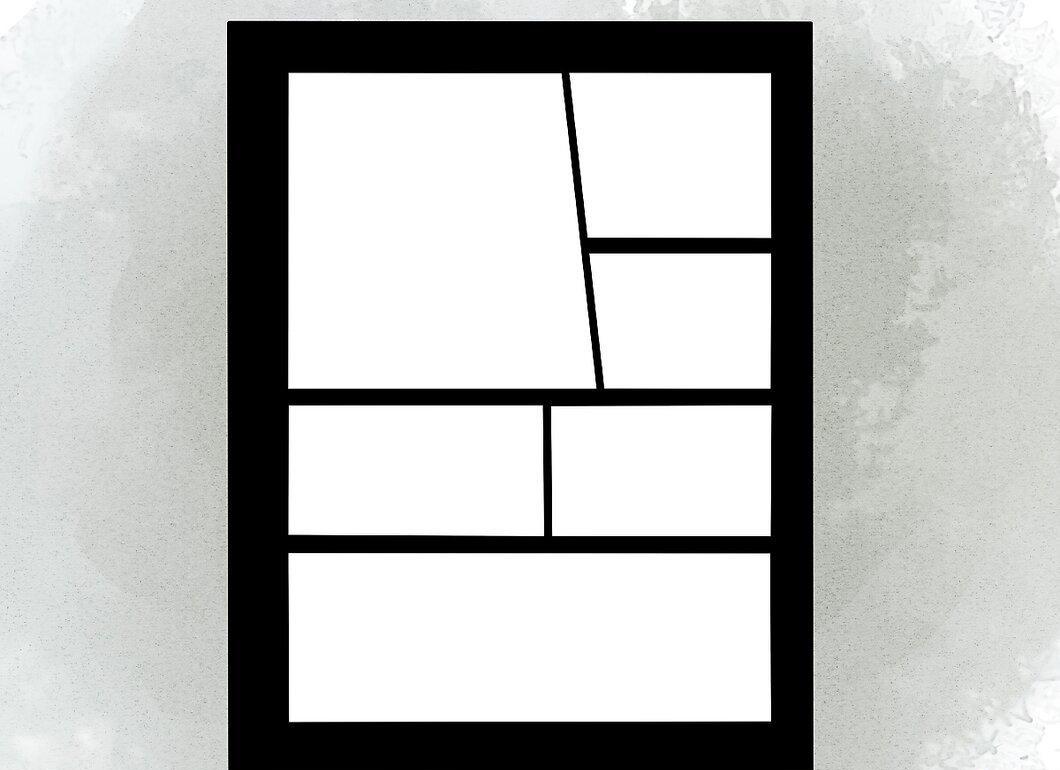
Panels with black backgrounds signify a return to past events. If you see a black background, it means that the depicted events occurred before the current storyline.
Step 4. Time Transitions are Shown Through Panels with Fading Backgrounds.
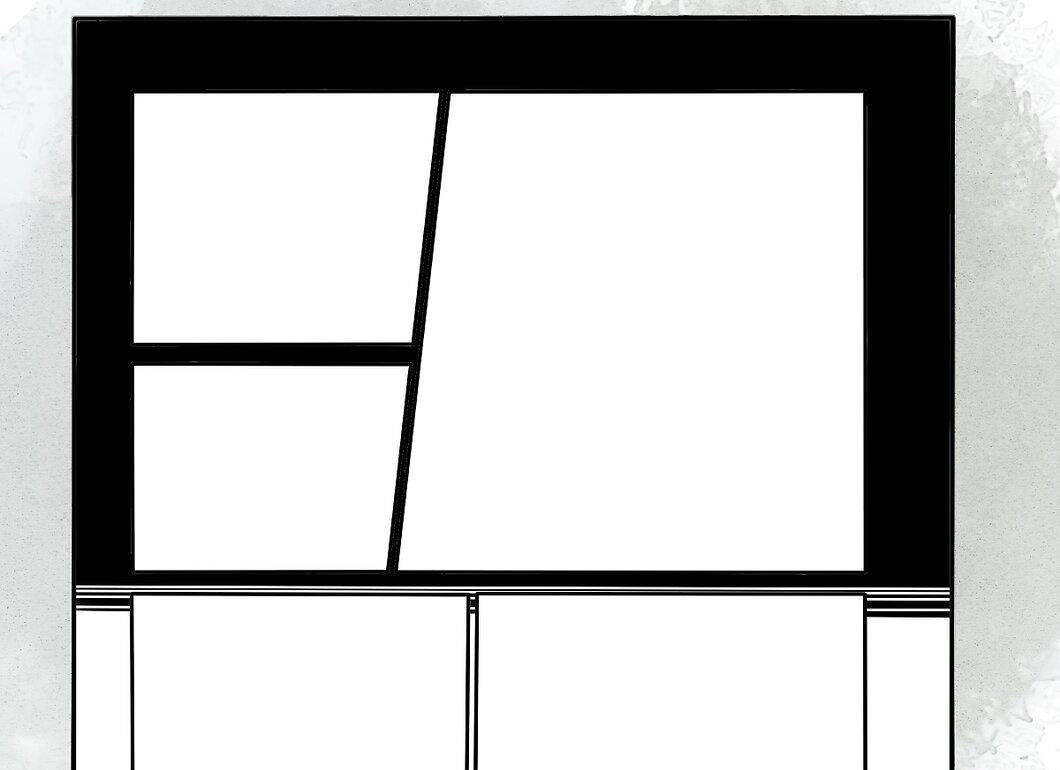
If a panel on the page has a black background followed by a gray and then a white background, it indicates a transition from the past to the present.
Understanding Character Emotions
Step 1. A Sigh Bubble Indicates Relief or Irritation.
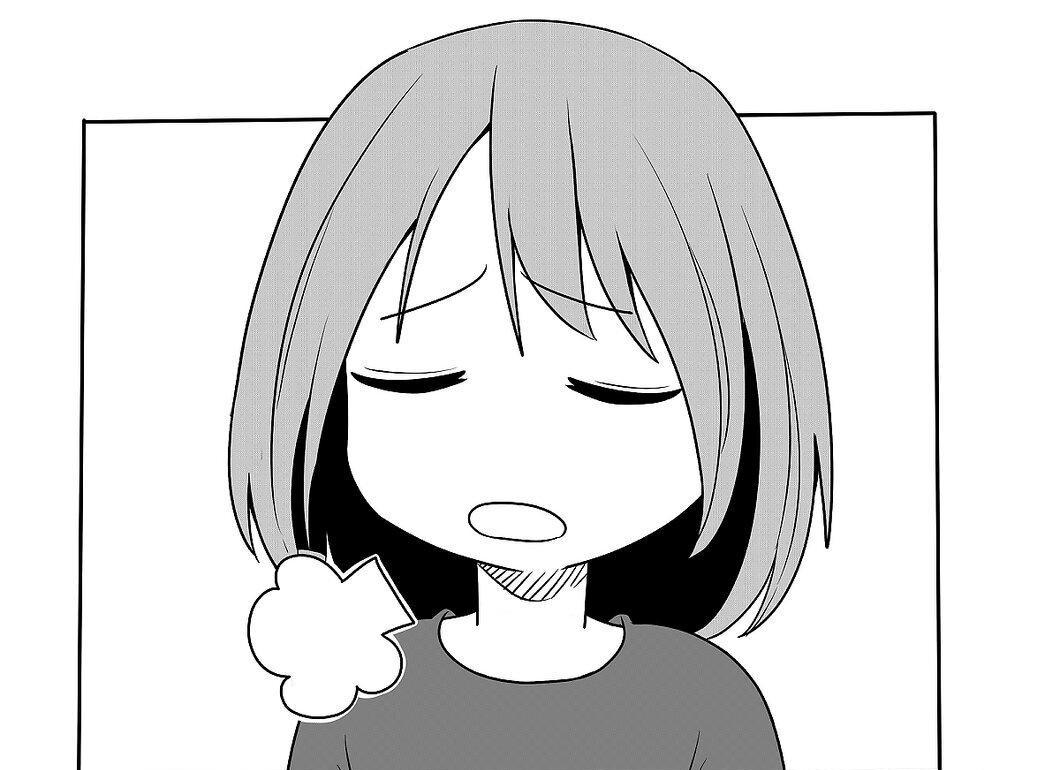
A sigh bubble indicates that a character is feeling relief or irritation. Characters are often depicted with an empty speech bubble near their mouth, which can represent a sigh.
Step 2. Lines on the Face Indicate Blushing.
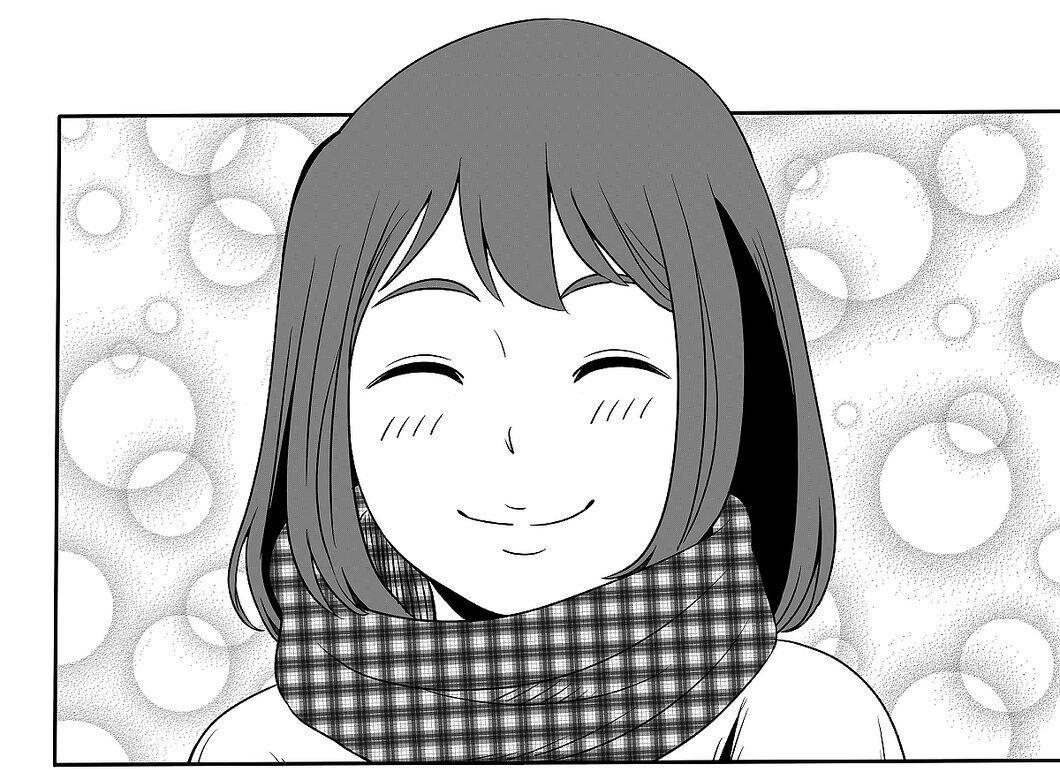
Lines on a character's face signify blushing. They are often depicted on the nose and cheeks, indicating embarrassment, excitement, or romantic feelings.
Step 3. Nosebleeds Indicate Lust, Not Injury.
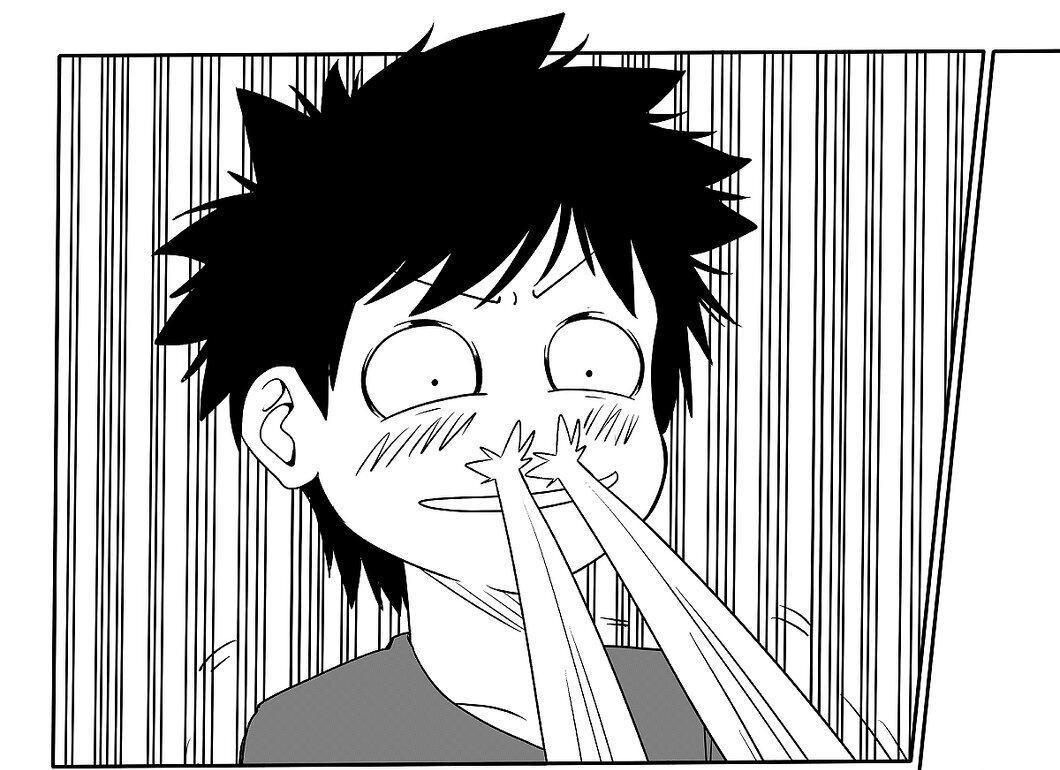
A character's nosebleed typically symbolizes attraction. It means the character is having lustful thoughts about another character, most often an attractive girl.
Step 4. Sweat Drops Indicate Embarrassment.
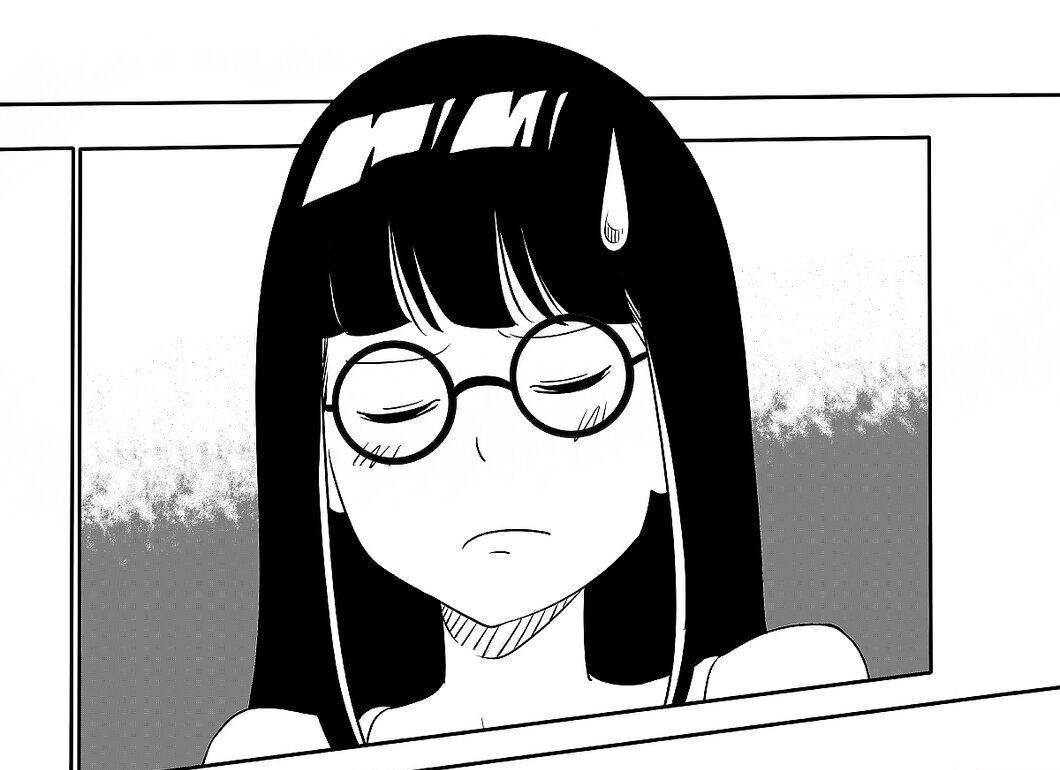
Sweat drops appearing near a character's head usually signal embarrassment. This can be linked to an awkward situation, but it's generally not as serious as blushing.
Step 5. Shadows on the Face Indicate Anger or Depression.
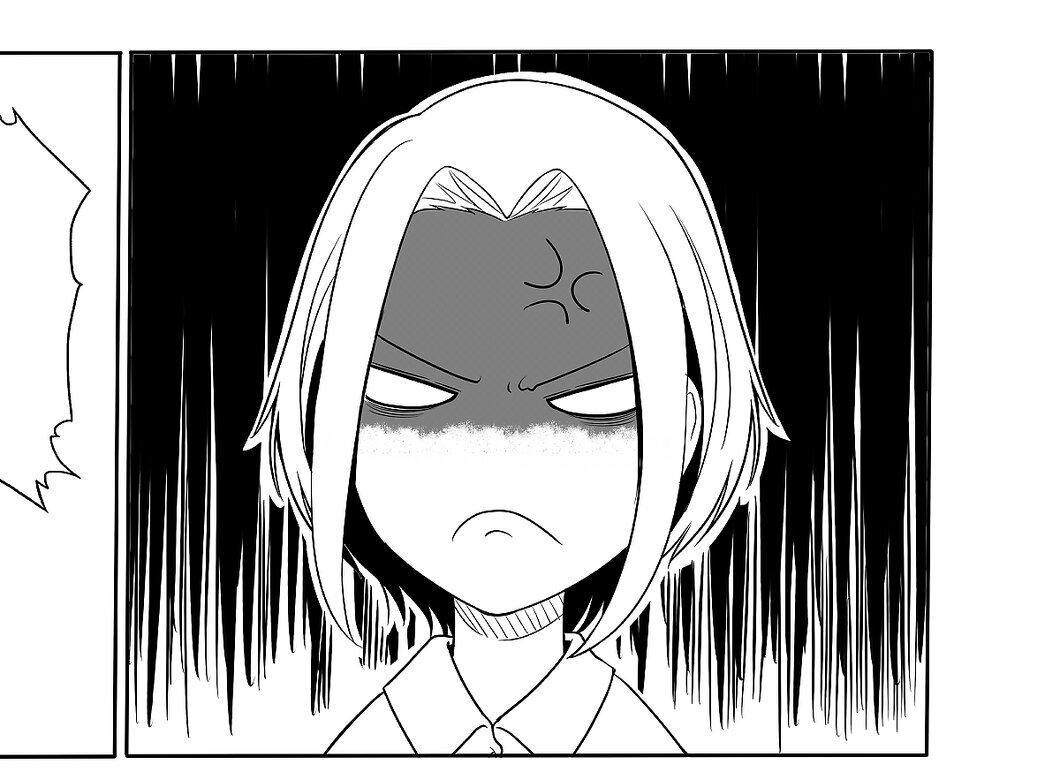
If a character has shadows on their face or a dark aura, it may indicate their anger, irritation, or depression.