
Converting units of measurement might seem daunting, but it’s not as complicated as it looks! Understanding how to work with different measurement systems can simplify the process, and sometimes, it’s quite straightforward, while other times, a calculator may be helpful. Nonetheless, the concept of conversion remains the same.
Part 1
Step 1: Identify the unit you want to convert.
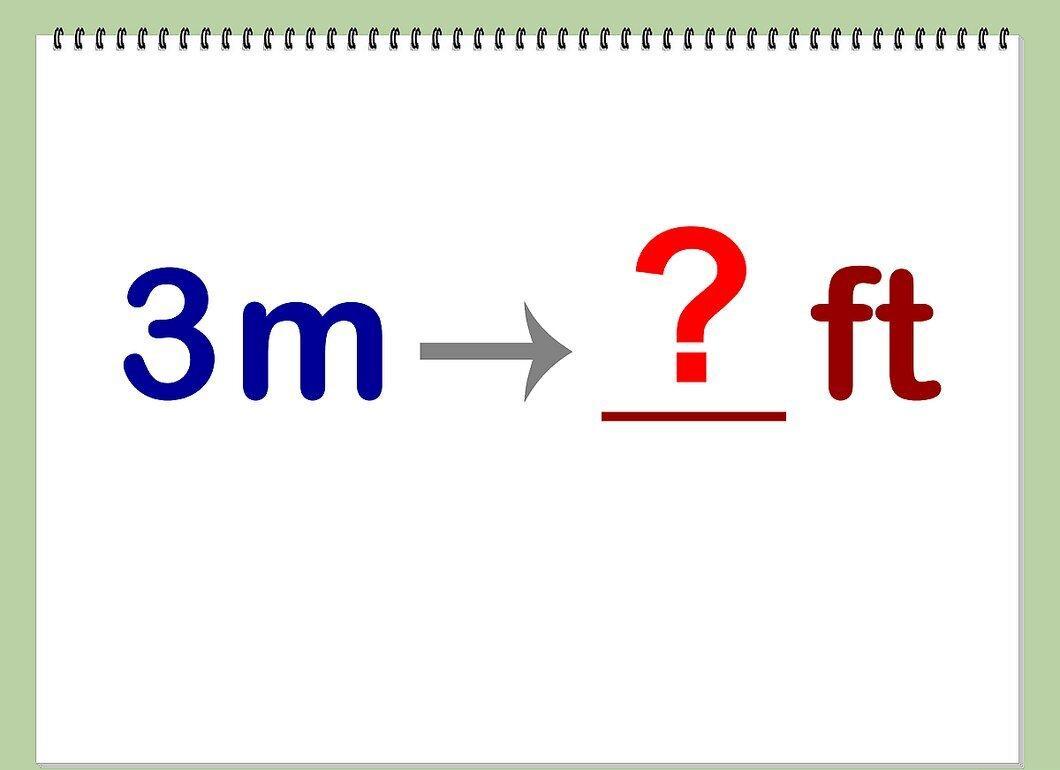
First, determine which unit of measurement you are going to convert. For example, you may need to convert 3 meters to feet.
Step 2: Write down a simple equation.
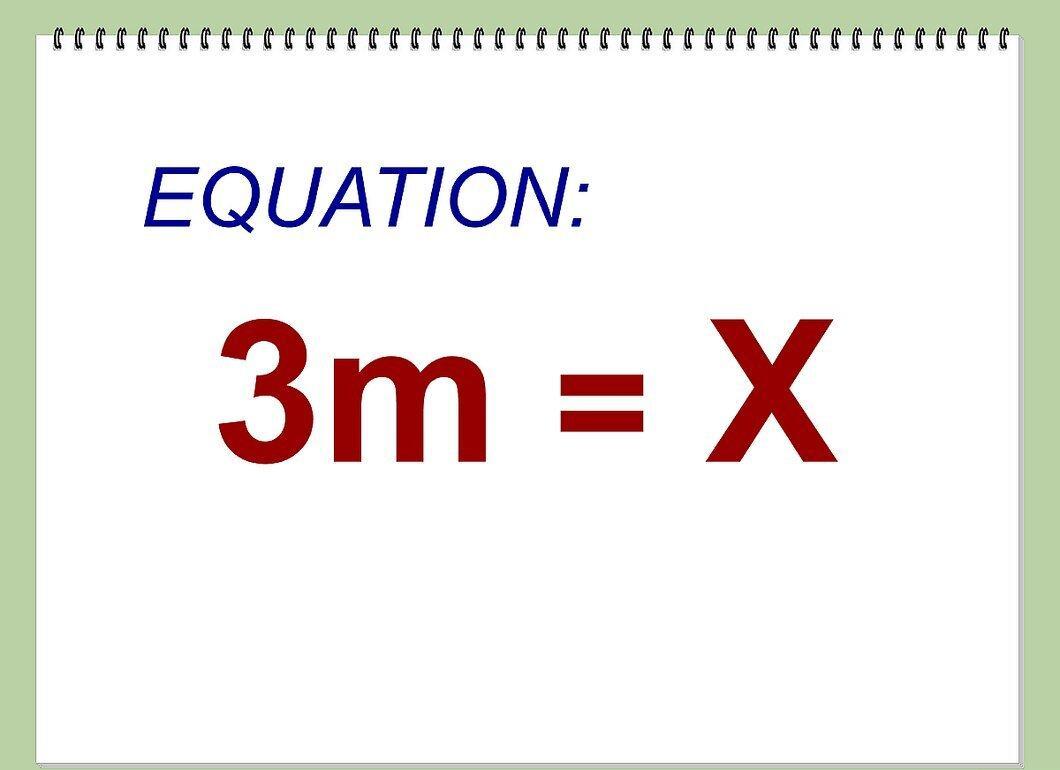
Draft a simple equation. You don’t need to write it for every conversion; it serves to clarify the process.
- We’ll be converting meters to feet.
- 3 meters = x feet.
- Here, 'x' is the variable whose value we want to find.
Step 3: Find the conversion factor.
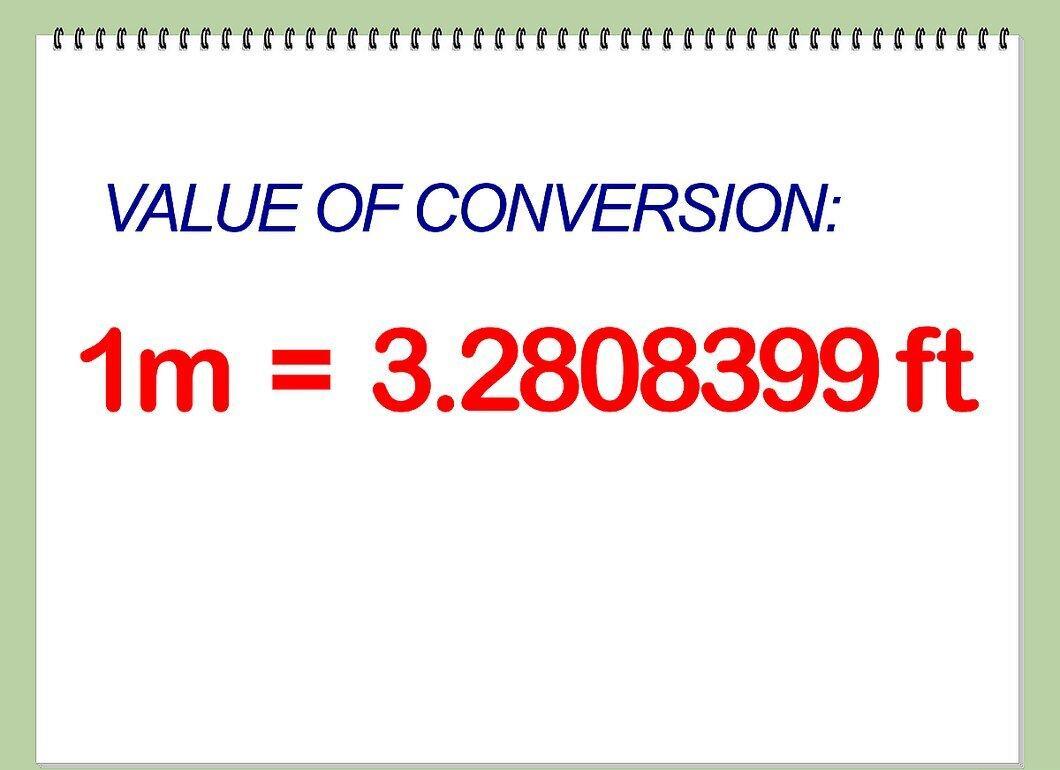
Now, find the conversion factor. This exists for most units of measurement. In our case, we need to know how many feet are in one meter.
- In this example: 1 meter = 3.2808399 feet.
Step 4: Apply the conversion factor to the equation.
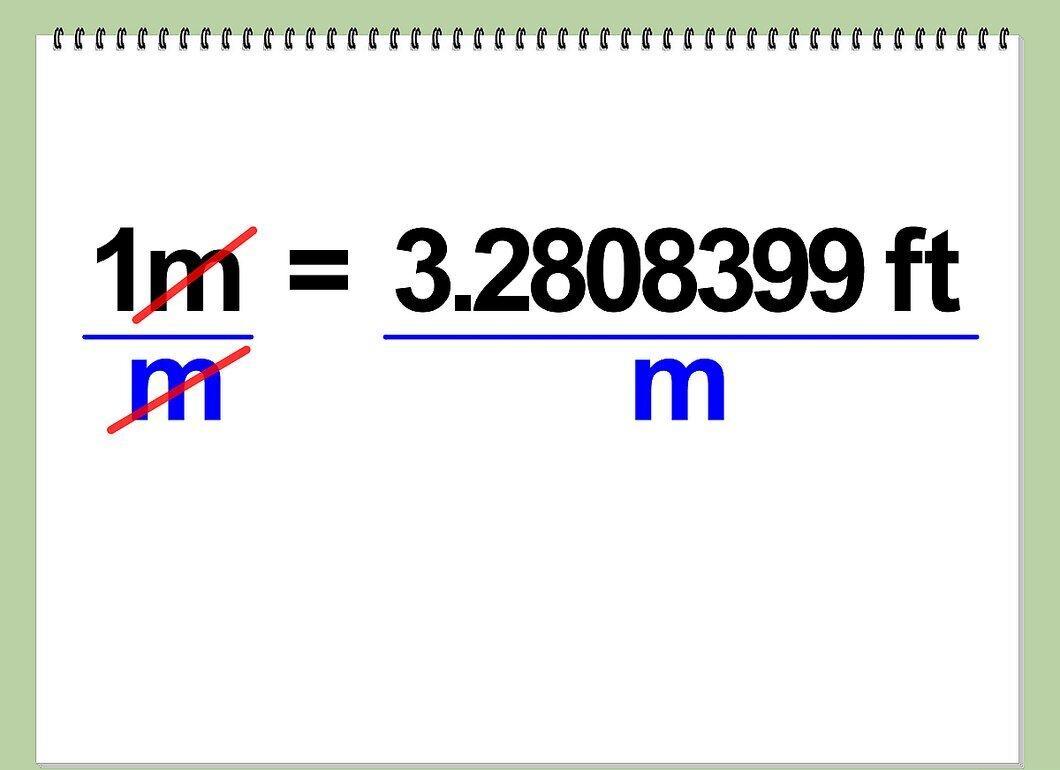
To correctly use the conversion factor, you need to adjust it for application in the equation. When performing mathematical operations, you should apply them to both sides of the equation to maintain equality. For example, if you multiply one side by 4, you must do the same to the other side. In our case, we don’t need to change 'x'. If you multiply both sides of the equation by 1, then 'x' will remain unchanged. This means that if the conversion factor looks like '1 = something', you can multiply both sides of the equation by 1 without altering 'x', but changing the value. In our example, 1 meter = 3.2808399 feet; by dividing both sides of the equation by meters, you’ll get 1 (no units) on the left and 3.2808399 feet/m on the right. Thus, you rewrite the equation as 1 = 3.2808399 feet/m.
- Look at the original equation and determine which unit needs to be canceled out. In our case, we need feet, so meters should be eliminated.
- Therefore, you need to rewrite the conversion factor so that meters are canceled out. To do this, you should divide by meters.
- Adjust the conversion factor so that meters are in the denominator.
Step 5: Multiply both sides of the equation by 1:
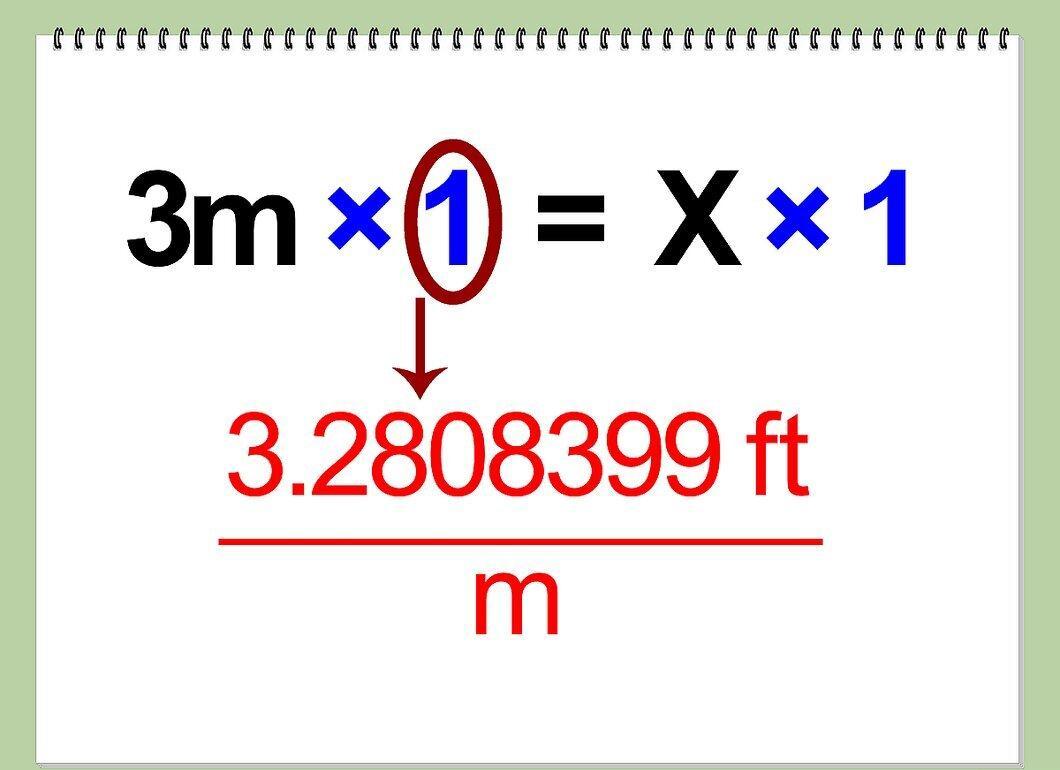
- 3 meters * 1 = x * 1.
- Since 1 = 3.2808399 feet/m, substitute this value (instead of 1) into the left side of the equation (keep the right side unchanged).
- 3 m * 3.2808399 feet/m = x * 1.
Step 6: Simplify the equation.
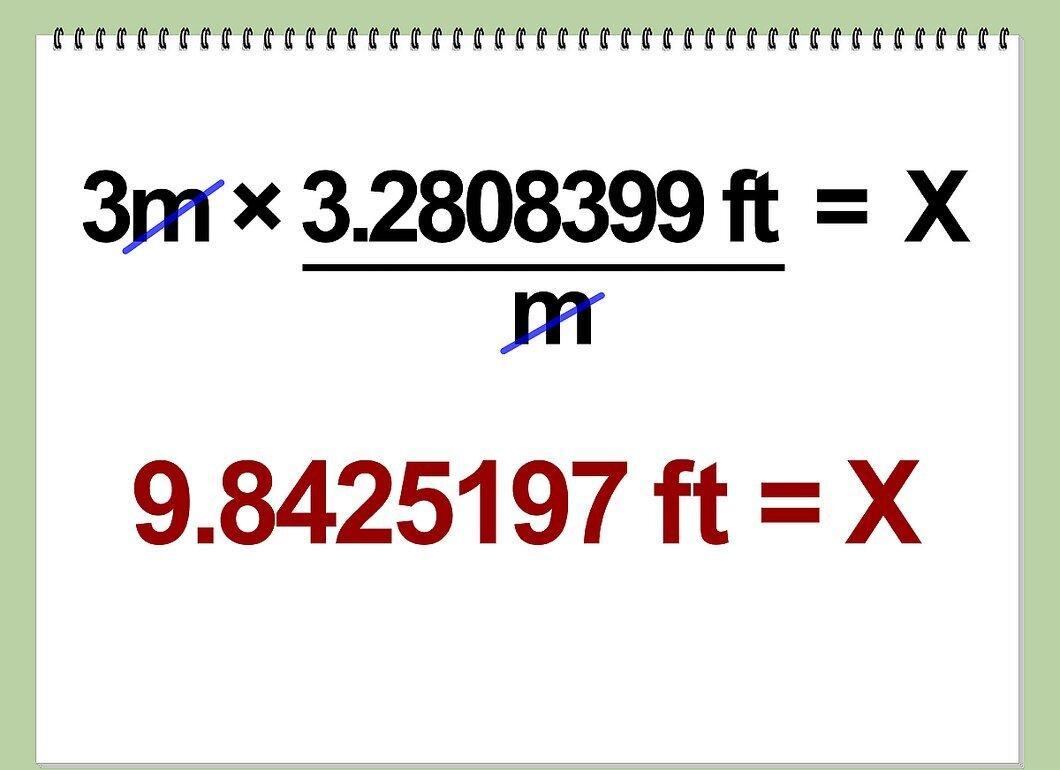
Simplify the equation. On the left: 3 * 3.2808399 = 9.8425197 (m * feet)/m = feet (meters cancel out).
- On the right: x * 1 = x. 3 meters * 3.2808399 feet/m = x.
- 9.8425197 (m * feet)/m = x.
- 9.8425197 feet = x.
Step 7: Since 9.8425197 feet = x and 3 m = x, then 9.8425197 feet = 3 m or 3 m = 9.8425197 feet.
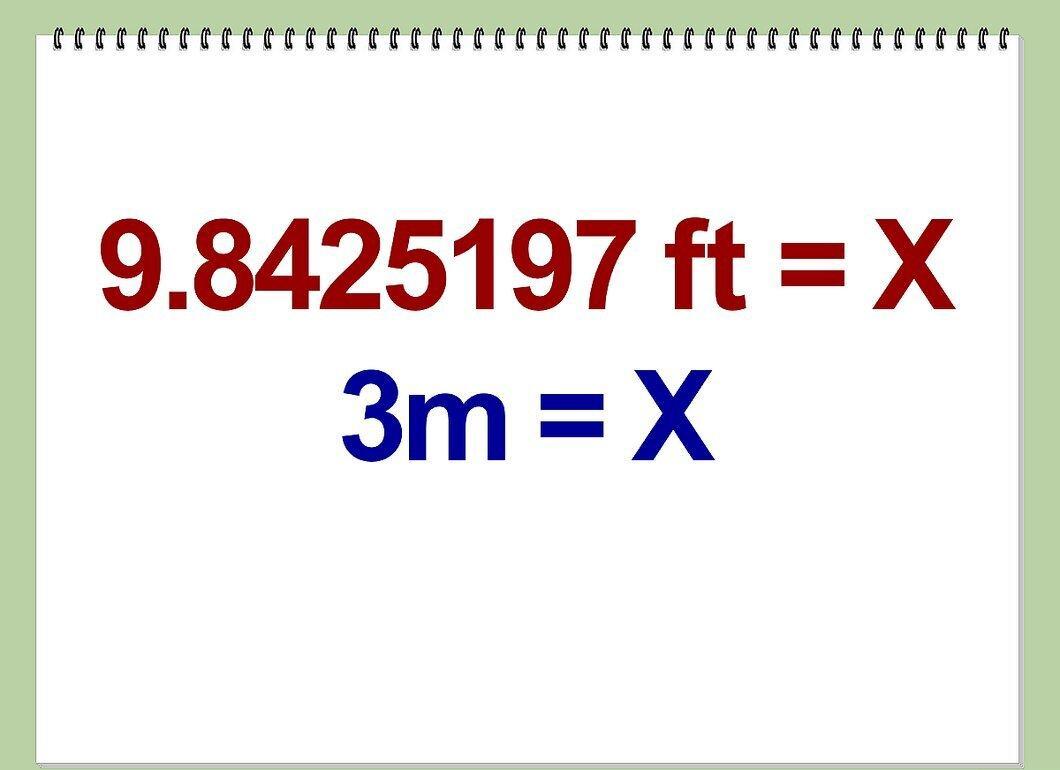
Step 8: The answer:
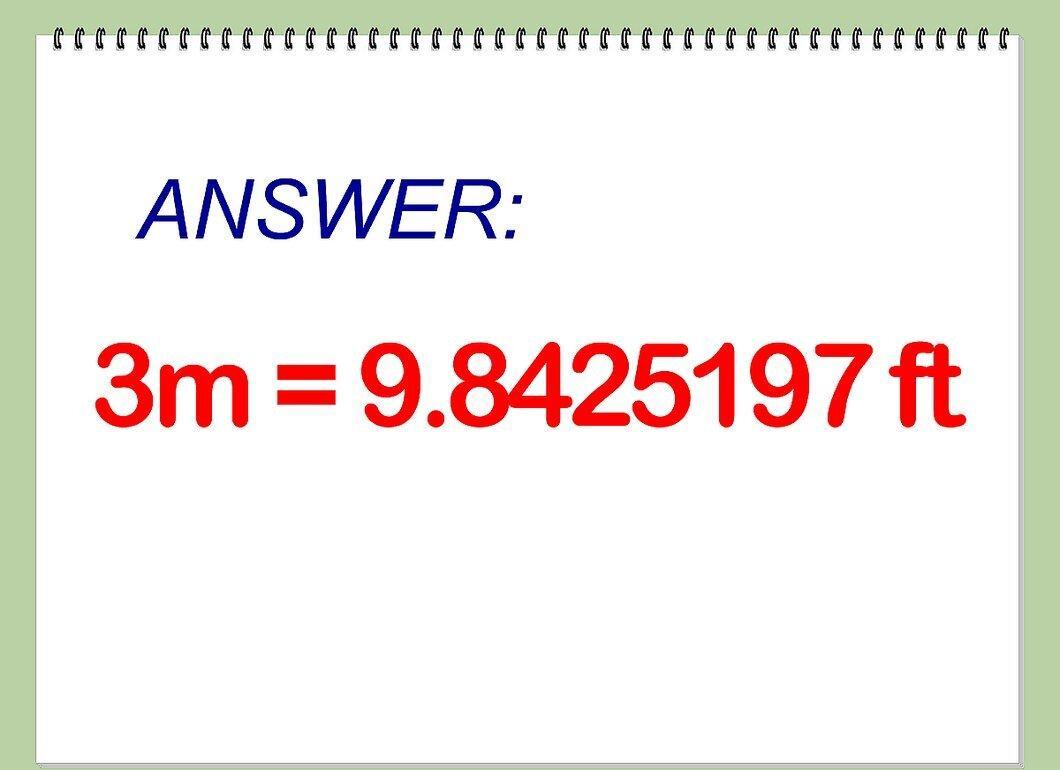
- 3 meters = 9.8425197 feet.