Hot weather can pose a significant challenge. Whether you're working in construction, doing landscaping, participating in sports, or simply have moved to a hotter region, these simple tips will help you adapt to the conditions and cope better with the heat. It's important to gradually acclimate to high temperatures, wear light clothing, stay hydrated, and pay attention to signs of overheating.
How to Adapt to Hot Weather
Step 1. Start with Light Physical Activity.
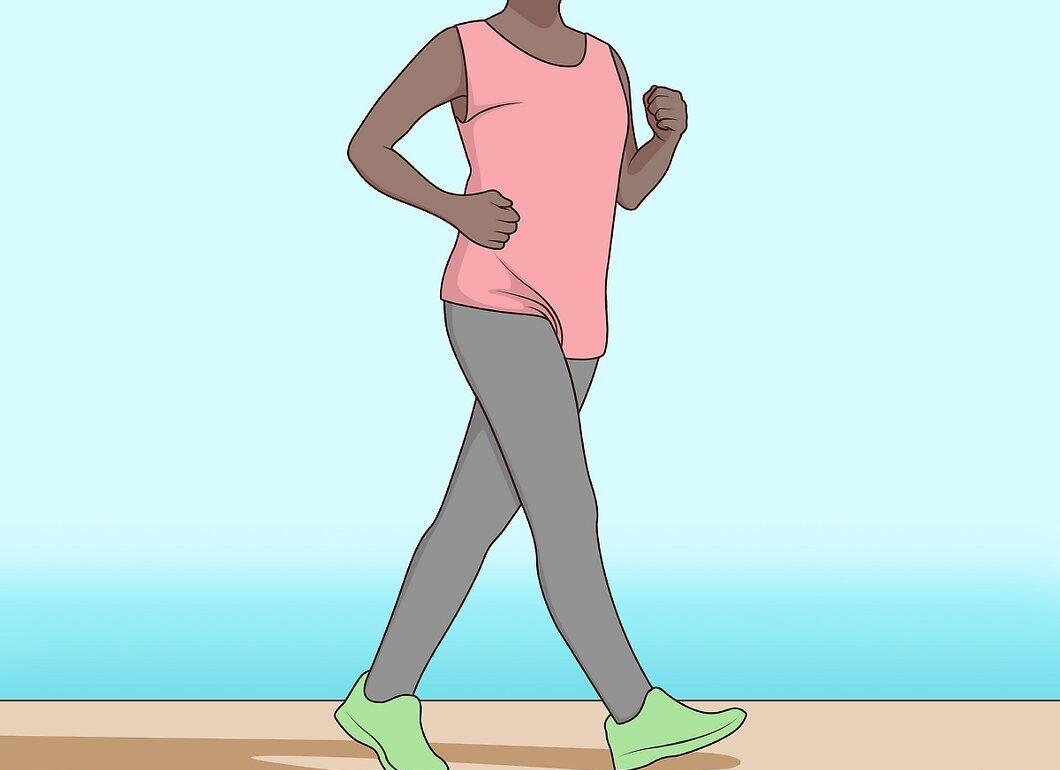
The first step to adapting is engaging in light physical activities. Don’t rush, and be mindful of how your body reacts to the heat. Take a stroll outside, join a game of ball, or do a little gardening. The key is not to overdo it, as prolonged exposure to heat can lead to exhaustion quickly.
- If you've just moved to a warmer climate, don’t expect to jump right into all your usual activities.
- Go outside early in the morning when temperatures are still manageable to ease into the heat.
Step 2. Gradually Increase Indoor Temperature.
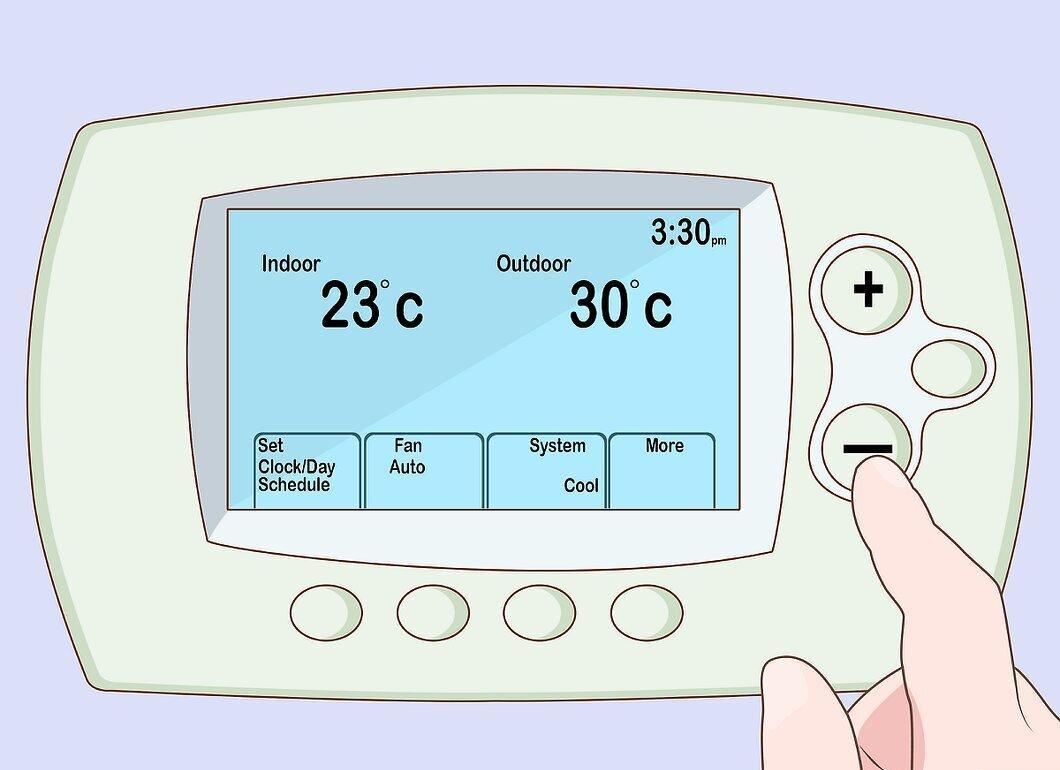
Gradually raise your air conditioning temperature. Increase it by 1 degree every few days over the course of two weeks. This will help create a more natural indoor environment, closer to the outdoor temperature. This approach will make it easier for your body to adapt to the heat.
- Aim to keep the difference between indoor and outdoor temperatures no more than 5 degrees Celsius once you are acclimatized.
- If you constantly rely on the coolness of the air conditioner, your adaptation process may slow down.
Step 3. Mentally Prepare for the Heat.
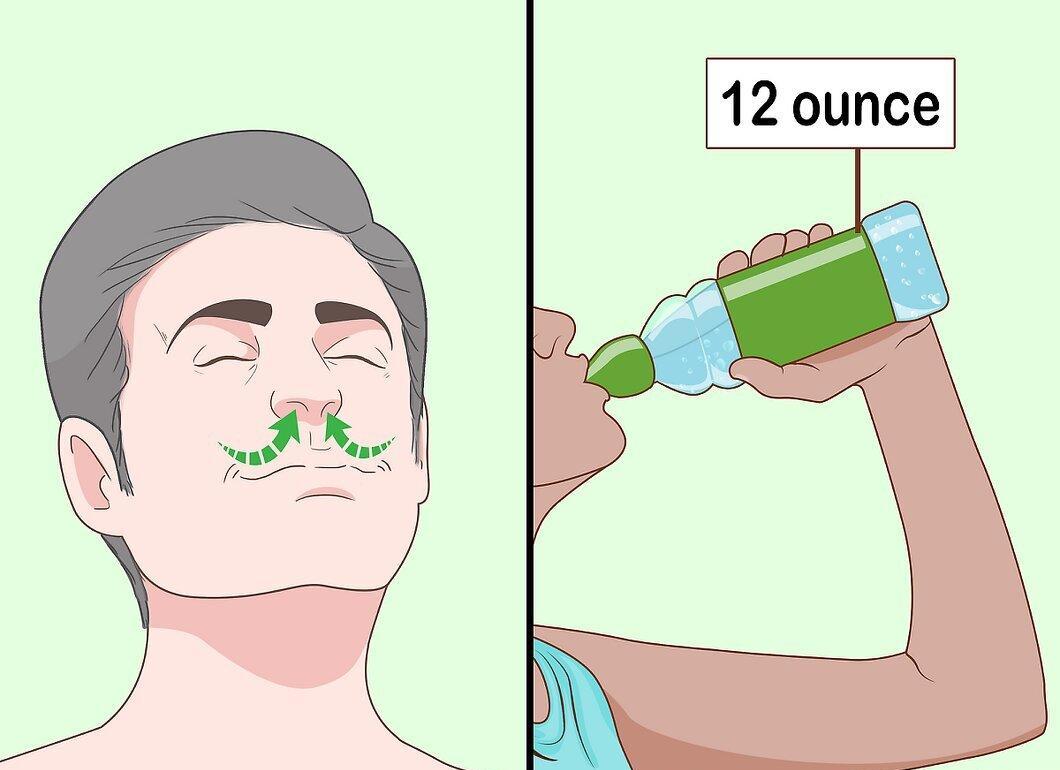
Before heading outside, drink about 350 milliliters of cold water to maintain hydration levels. Take a few deep breaths to calm yourself and prepare for sweating. Hot weather can be uncomfortable, but the sooner you come to terms with it, the easier it will be to handle the heat.
- Be patient—your body will need time to adjust to the new temperature conditions.
Step 4. Stay Active.
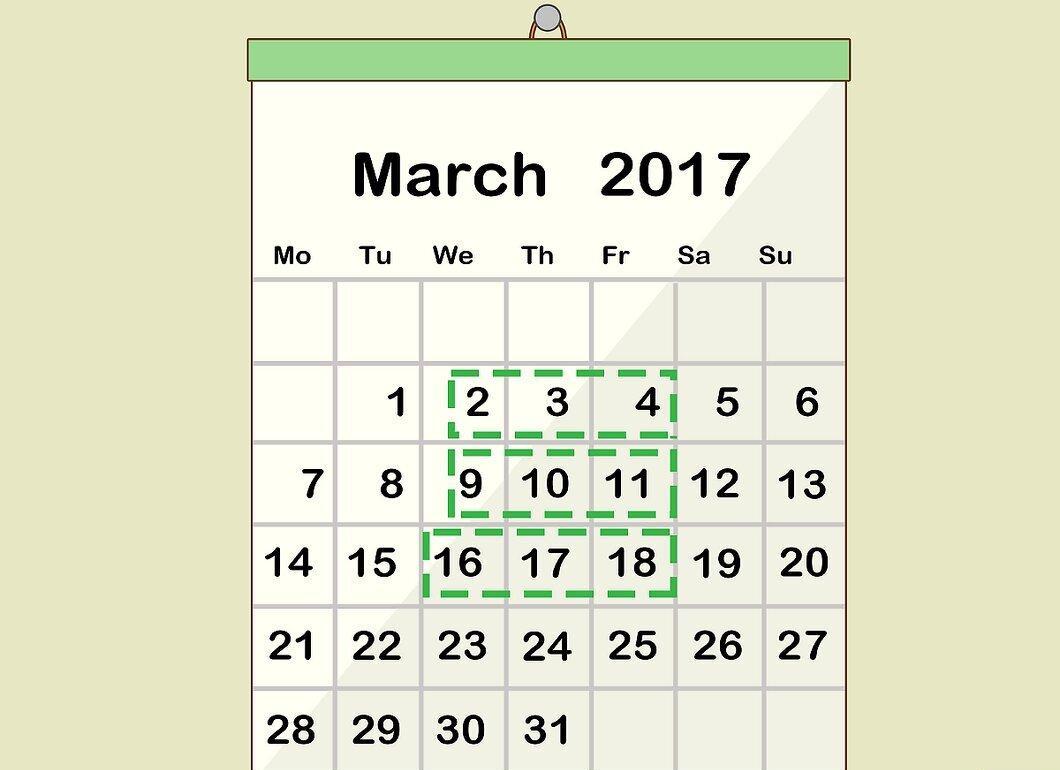
To maintain your acclimatization, spend time in the heat at least every few days. This will help your body and mind retain their acclimatization levels. If you don’t do this, you will have to start over.
- Engage in outdoor physical activities at least 2-3 times a week.
How to Stay Active in the Heat
Step 1. Use Short Bursts of Activity.
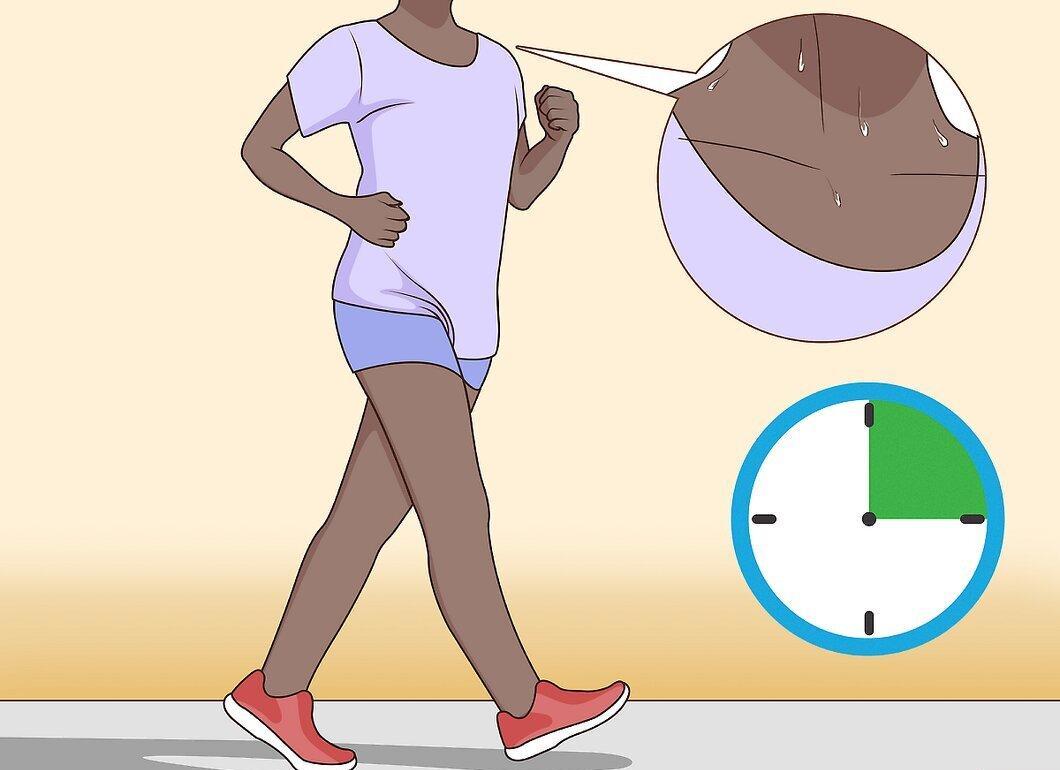
In your initial attempts to adapt, limit your physical activity to 15 minutes at a time. As you start to feel more comfortable, gradually add 2-3 minutes to each session. Remember to take regular breaks.
- Pay attention to how you feel after each activity. If you feel fatigued, it’s better to shorten your workout time or increase your breaks.
- On average, it takes about two weeks for a person to acclimatize to the heat.
Step 2. Stay Hydrated.
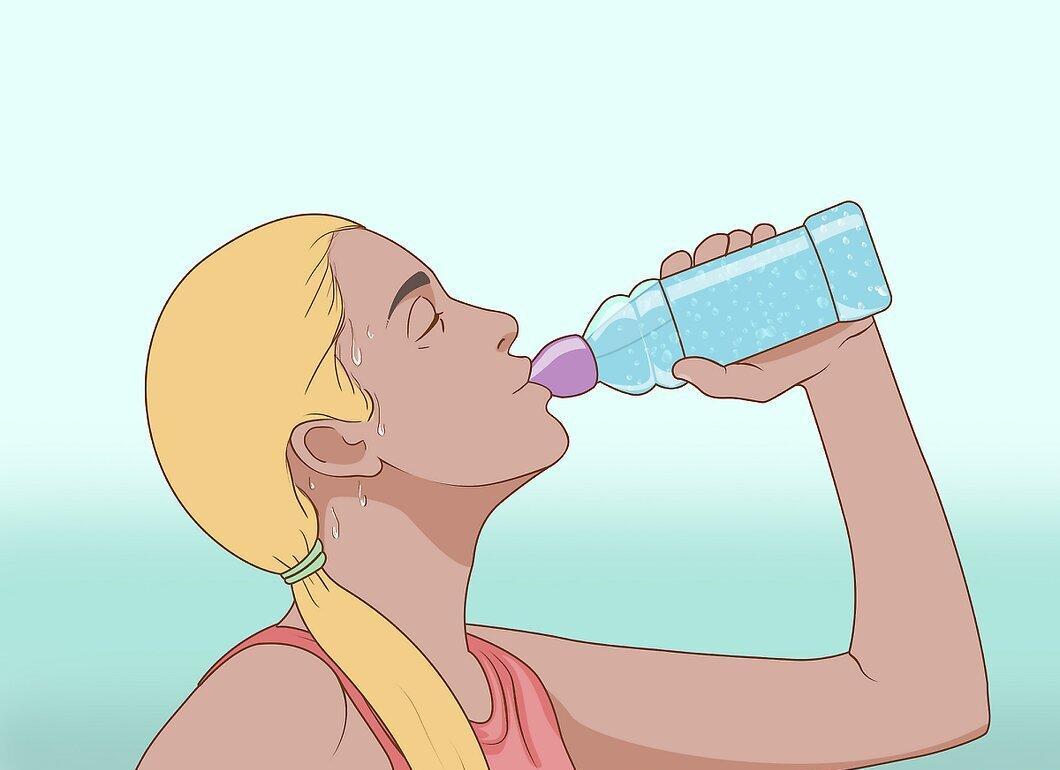
Before going for a walk, run, or bike ride, make sure to drink plenty of cold water, and then regularly replenish your fluids during the activity. Ensure your body has enough hydration to better cope with the heat.
- Dehydration is a hidden danger. Drink water regularly, even if you don’t feel thirsty.
- Always keep a water bottle handy or know where you can refill.
- Sports drinks can help restore both fluids and essential electrolytes that keep your muscles working during exertion.
Step 3. Gradually Increase Outdoor Time.
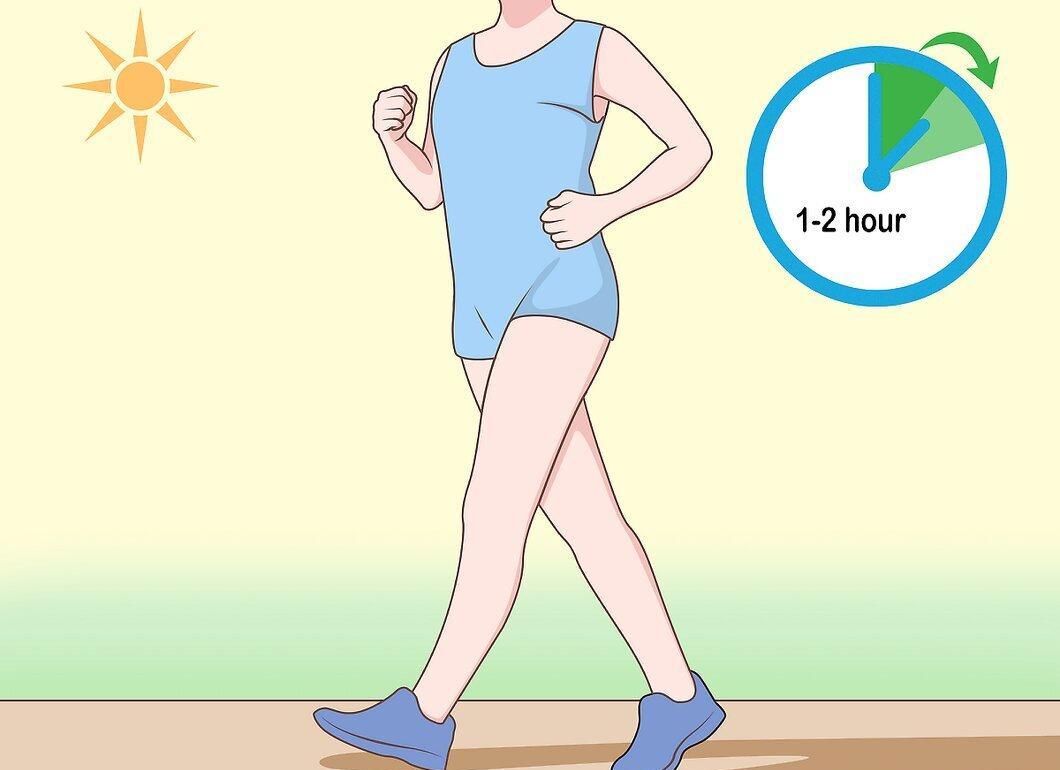
After a few weeks in your new environment, aim to increase your outdoor time to an hour at a stretch. This will help you cope better with the heat and spend longer periods outside. If your goal is to adapt quickly, try to be outdoors for up to two hours a day.
- If you feel comfortable being outside for two hours or more, you will notice improvements during both active and resting phases.
- Find a shady spot or remove excess clothing to avoid rushing back indoors.
Step 4. Don’t Overestimate Your Abilities.
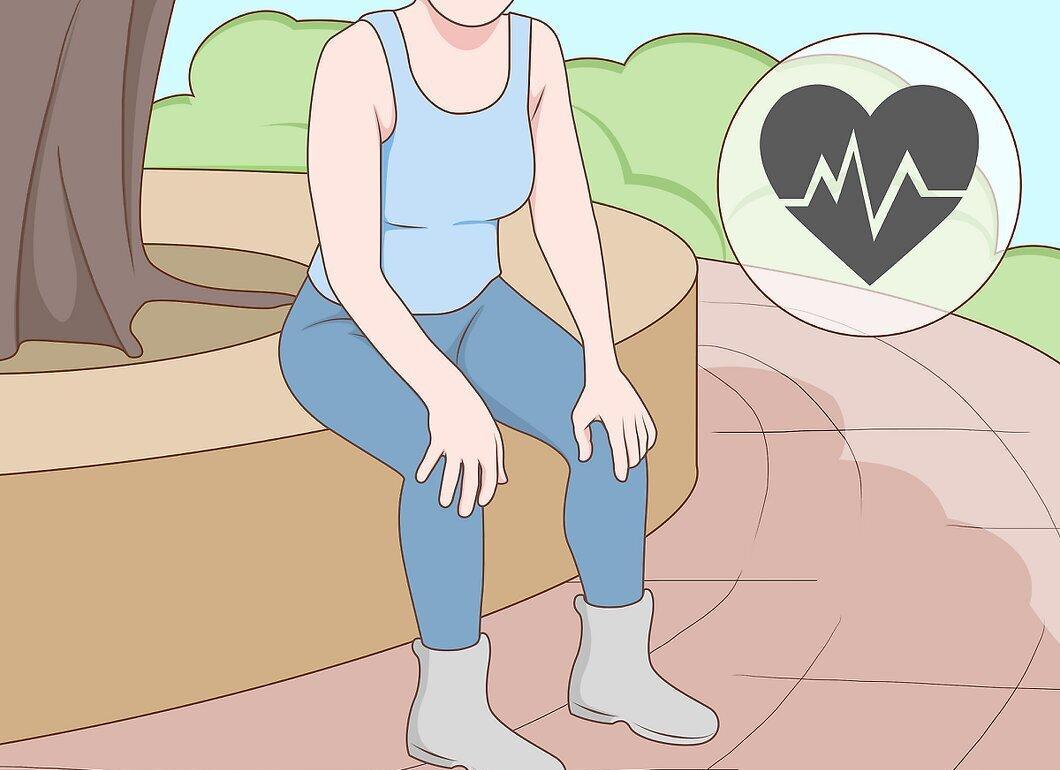
Monitor your heart rate and breathing. Be ready to take a break if they start to go beyond normal limits. Even the most experienced athletes can struggle with excessive heat—training in such conditions can become potentially dangerous.
- Listen to your body, not just your workout plan. If necessary, rest in the shade, even if you haven’t completed all your exercises.
- Break your workouts into several shorter sessions to minimize the risk of overheating.
How to Care for Your Health
Step 1. Wear Light and Loose Clothing.
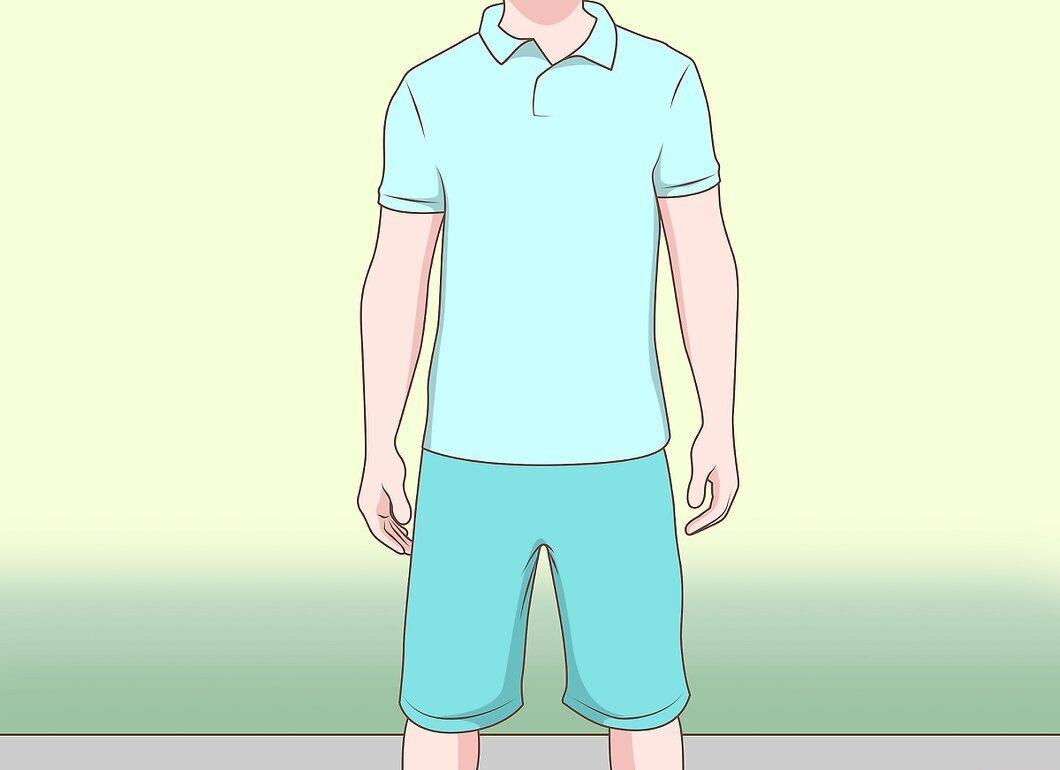
Choose lightweight clothing with short sleeves, such as t-shirts and shirts made from moisture-wicking fabrics, until you acclimatize to the heat. Loose clothing allows your skin to breathe and promotes better heat exchange.
- Opt for light colors, as they reflect sunlight, unlike dark colors that absorb heat.
Step 2. Replenish Nutrients with Healthy Foods.
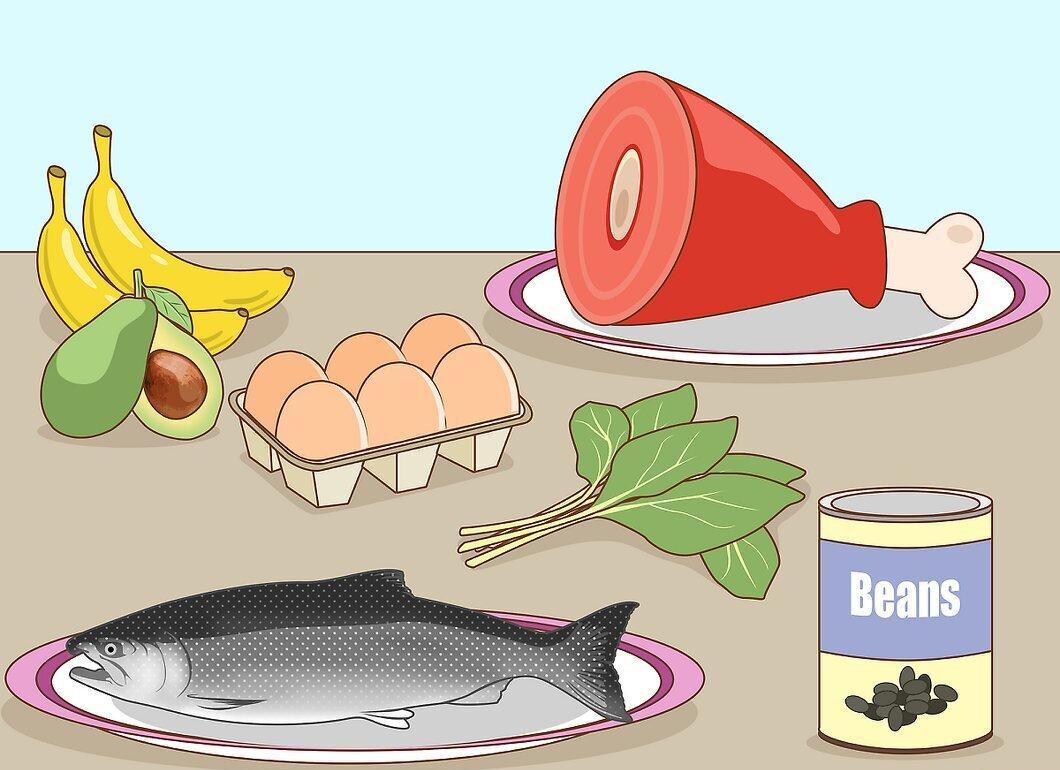
Consume foods rich in electrolytes and essential vitamins to support your body before and after outdoor activities. Fruits and vegetables like bananas, spinach, and avocados are great options. Proper nutrition plays a key role in maintaining health in hot weather.
- Don’t shy away from salty foods—salt helps retain water and prevents dehydration.
- Protein-rich foods like fish, lean meats, eggs, and nuts will help keep you full without overeating.
Step 3. Learn to Recognize Signs of Heat Exhaustion.
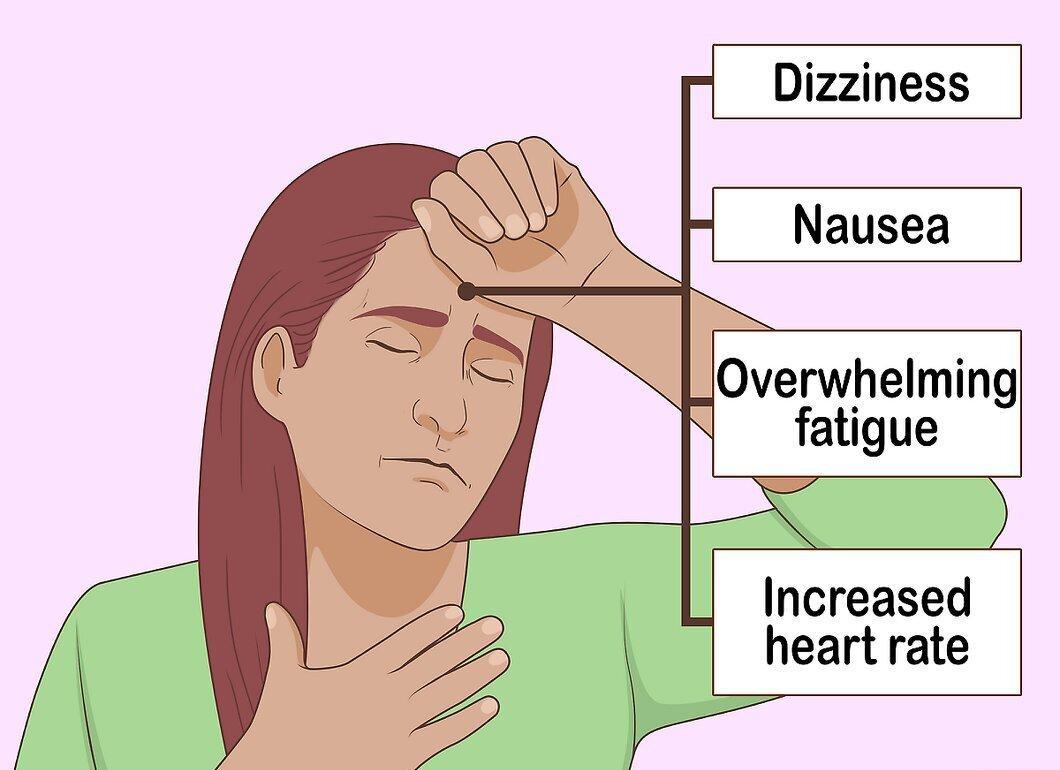
Know how to identify symptoms of heat exhaustion, which include dizziness, nausea, excessive fatigue, and rapid heartbeat. If you notice any of these signs, stop your activities immediately and move to a cooler environment.
- A cool shower can help you recover quickly, but avoid sudden temperature changes to prevent shock.
- Heat exhaustion can have serious consequences, so always act wisely and don’t jeopardize your health.