Public restrooms can cause discomfort and even fear for some individuals due to the presence of bacteria and germs. Various harmful microorganisms, such as E. coli, salmonella, and rotavirus, can be found in these facilities. However, it's important to note that they do not survive long outside the human body, making the risk of using a public restroom less daunting than it may seem. By choosing a relatively clean restroom and following the tips below, you can minimize contact with unwanted bacteria.
How to Find a Clean Public Restroom
Step 1: Identify the Cleanest Restrooms.
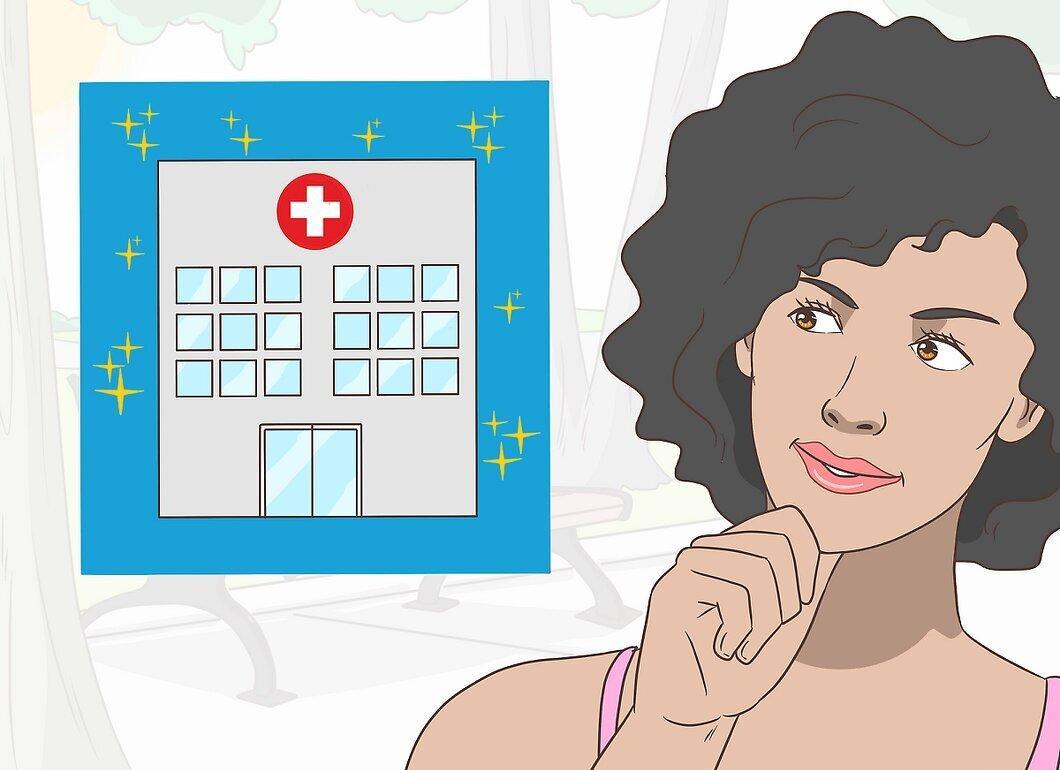
Look for restrooms in hospitals, offices, and shopping malls, as they tend to be cleaned more frequently and thoroughly. Hospital restrooms are generally much cleaner due to the use of strong disinfectants.
- Try to avoid restrooms in airports and airplanes. In airplanes, the space is too cramped, making handwashing difficult, while in airports, the high volume of people may lead to less cleanliness.
Step 2: Choose the First Stall.
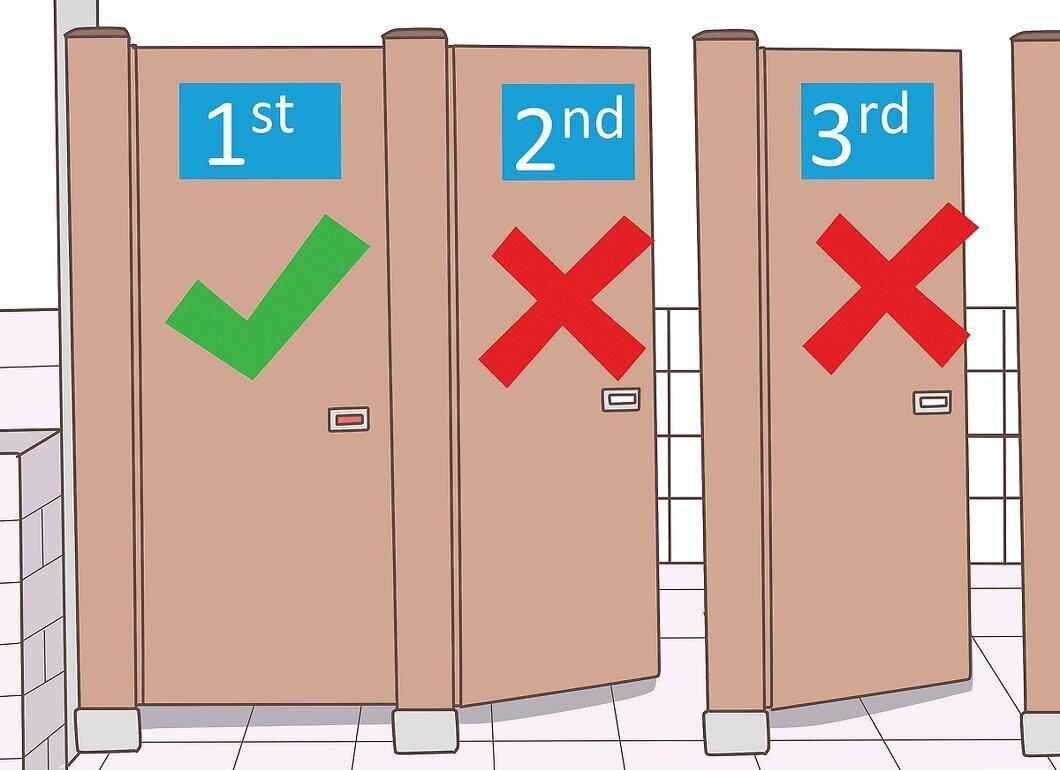
Opt to enter the first stall. Many users prefer middle or last stalls for more privacy, but the first stalls are usually cleaner.
Step 3: Don’t Leave Your Belongings on the Floor.
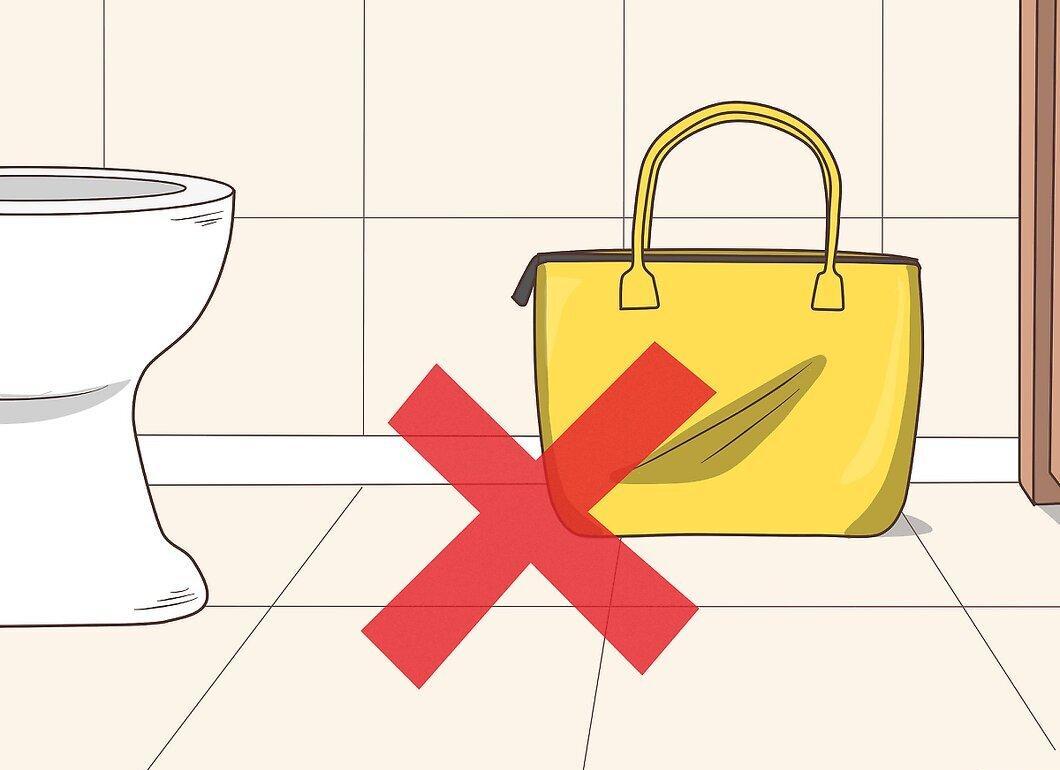
Avoid placing your belongings on the floor, where bacteria concentration is high. The second most contaminated areas are trash cans and sinks. It's better to hang your bag on a hook or ask a friend to hold it while you use the restroom.
- If there's no hook, consider hanging your bag around your neck and holding your outerwear in your hands. These options help you avoid contact with dirty surfaces.
How to Prevent the Spread of Bacteria
Step 1: Don’t Be Afraid to Sit on the Toilet.
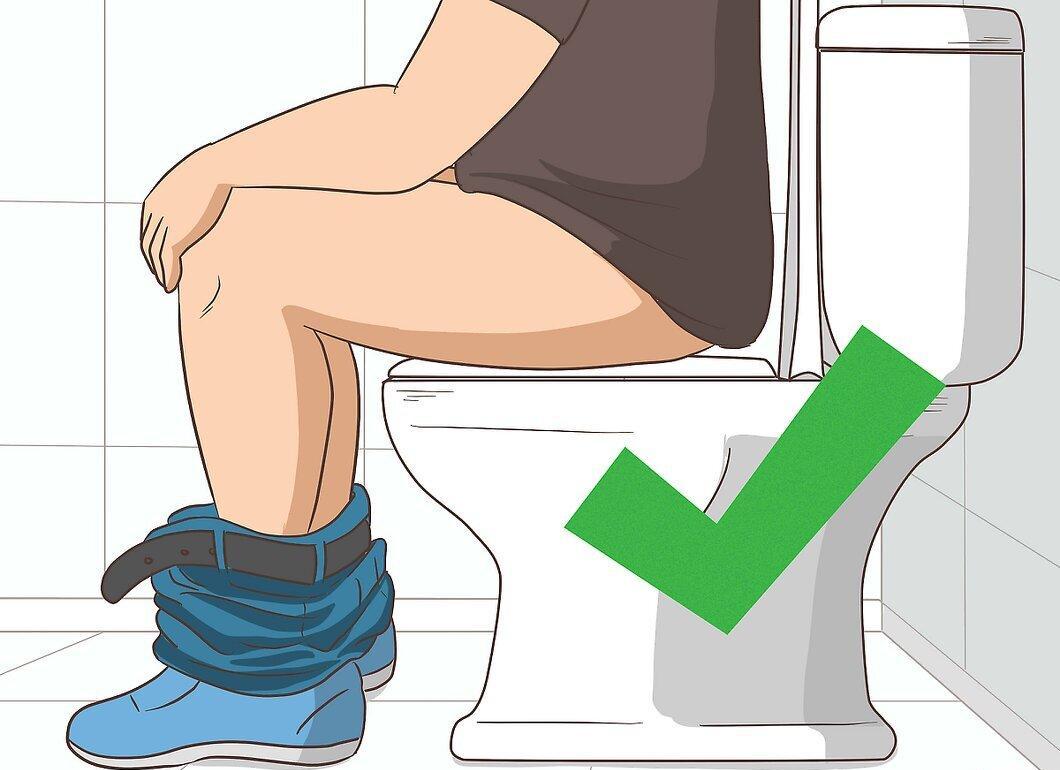
There’s no need to fear sitting on the toilet. While contact with urine or fecal particles may be unpleasant, it doesn’t pose significant health risks. The likelihood of infection through hands is much higher than through skin contact with the seat.
- If you’re uncomfortable sitting on the toilet, consider using a disposable toilet seat cover. It's essential to avoid touching handles and buttons, as those surfaces harbor the most bacteria.
Step 2: Wash Your Hands After Using the Restroom.
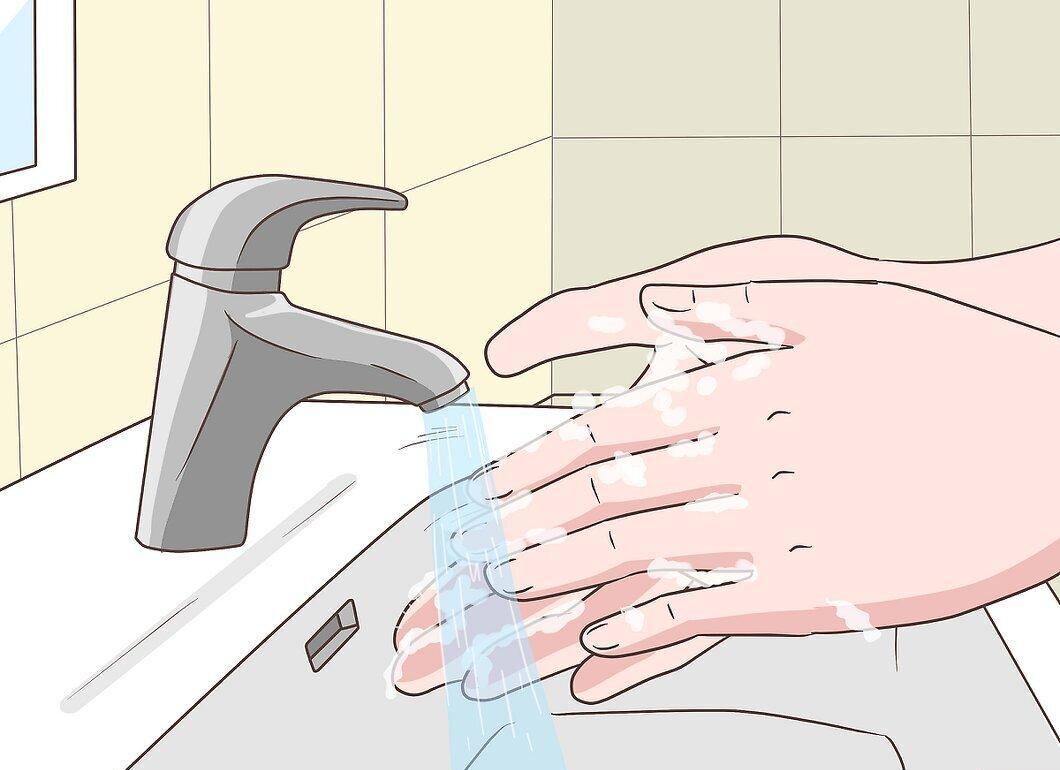
Make sure to wash your hands after using the restroom. This simple act significantly reduces the risk of transferring bacteria to your face or mouth.
- Learn the proper handwashing technique: use soap, lather for 20 seconds, and rinse thoroughly. Dry your hands using an automatic dryer or paper towel. Try not to touch doors when exiting to avoid contact with others' germs.
Step 3: Limit Contact with Surfaces.
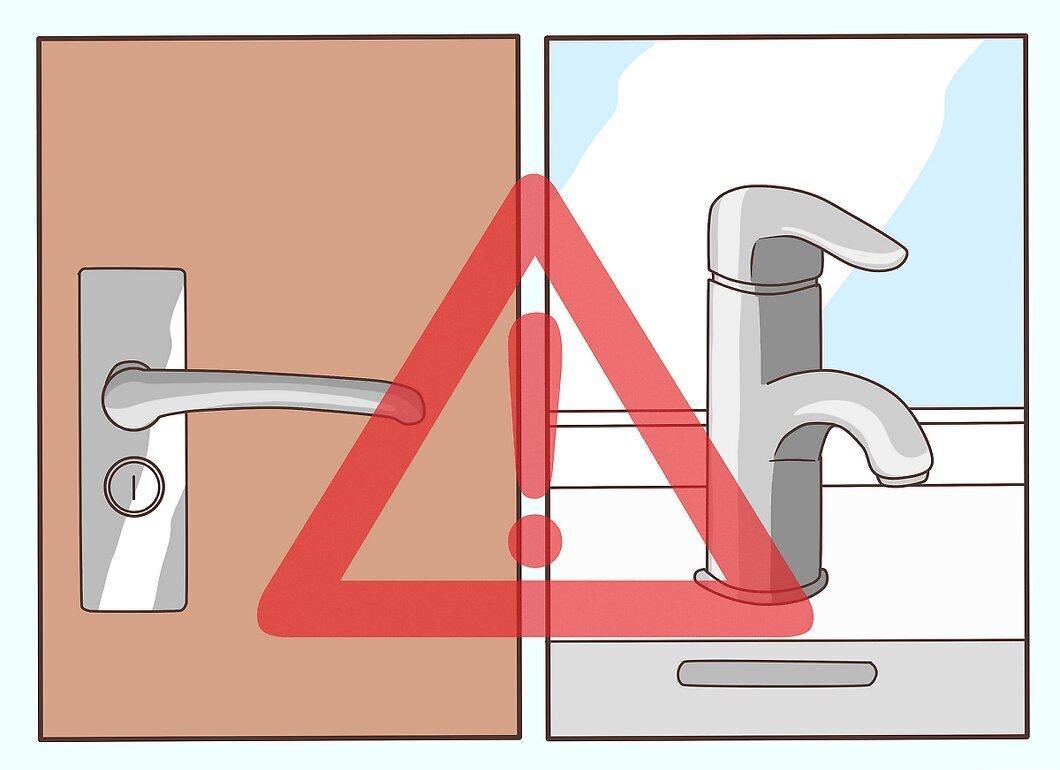
Minimize contact with door handles and sinks. Use automatic soap dispensers and taps to avoid unnecessary contact. An automatic hand dryer can also help reduce the risk of infection.