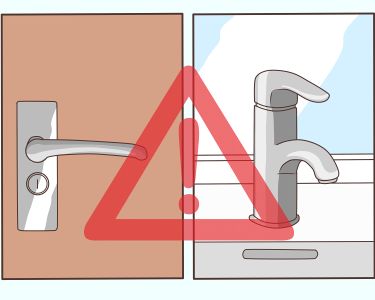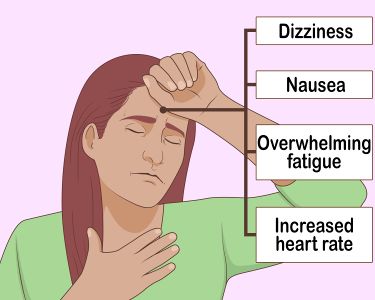
Fainting is a phenomenon that can cause anxiety. It usually occurs due to a lack of blood flow to the brain, leading to loss of consciousness. However, there are useful tips that can help avoid injury during a fall. Pay attention to the early signs, such as dizziness. As soon as you notice them, immediately sit or lie down. Don’t forget to take a moment to recover after fainting and be sure to consult a doctor to determine the underlying causes and receive a treatment plan.
Actions When Experiencing Early Symptoms
Step 1. Notice Dizziness.
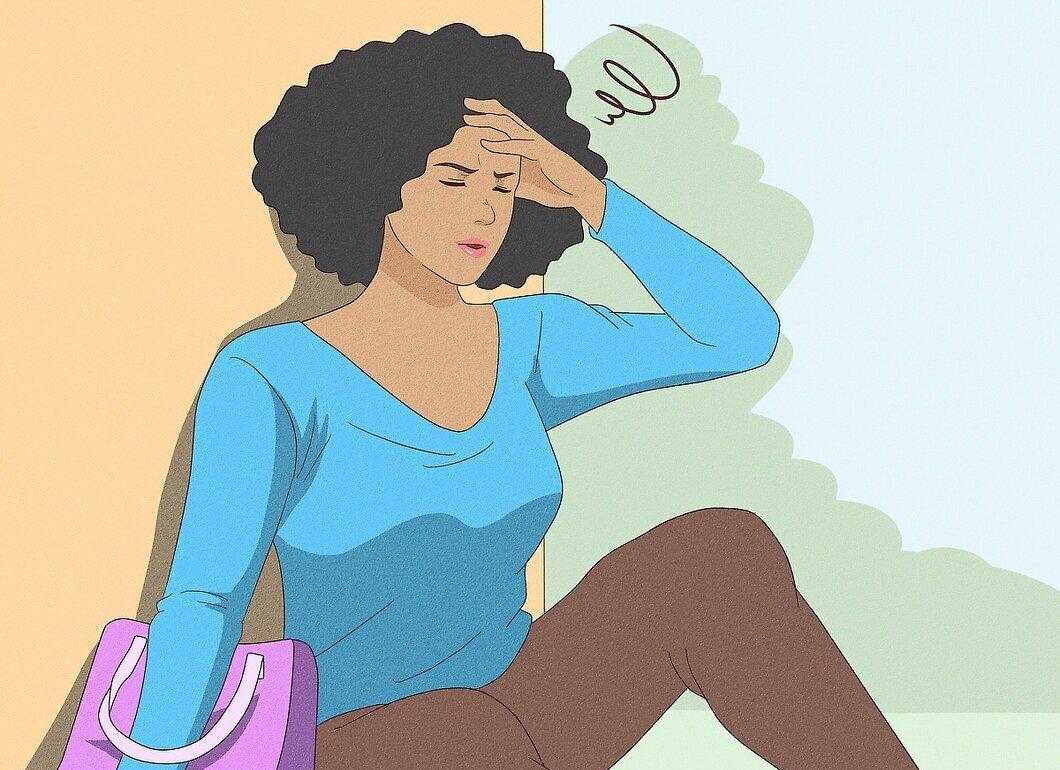
When you experience dizziness, whether mild or severe, it may indicate circulation issues. As soon as you feel dizzy, stop all activities and try to sit or lie down to reduce the risk of falling.
Step 2. Watch for Changes in Vision and Hearing.
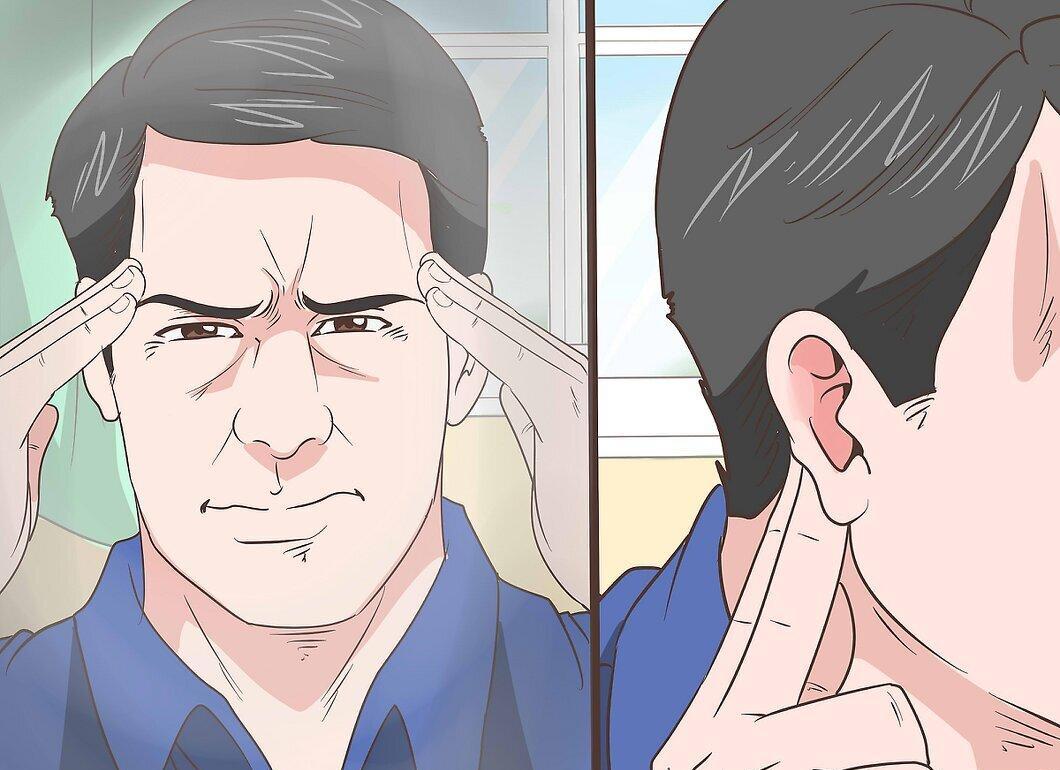
Before fainting, your perception may change significantly. Your field of vision may narrow as if you're looking through a tunnel, and you may see spots or blurry areas. You might also experience ringing or buzzing in your ears.
- Additionally, you may notice facial pallor, sweating, numbness in the limbs, feelings of anxiety, nausea, or abdominal pain.
Step 3. Sit or Lie Down Immediately.
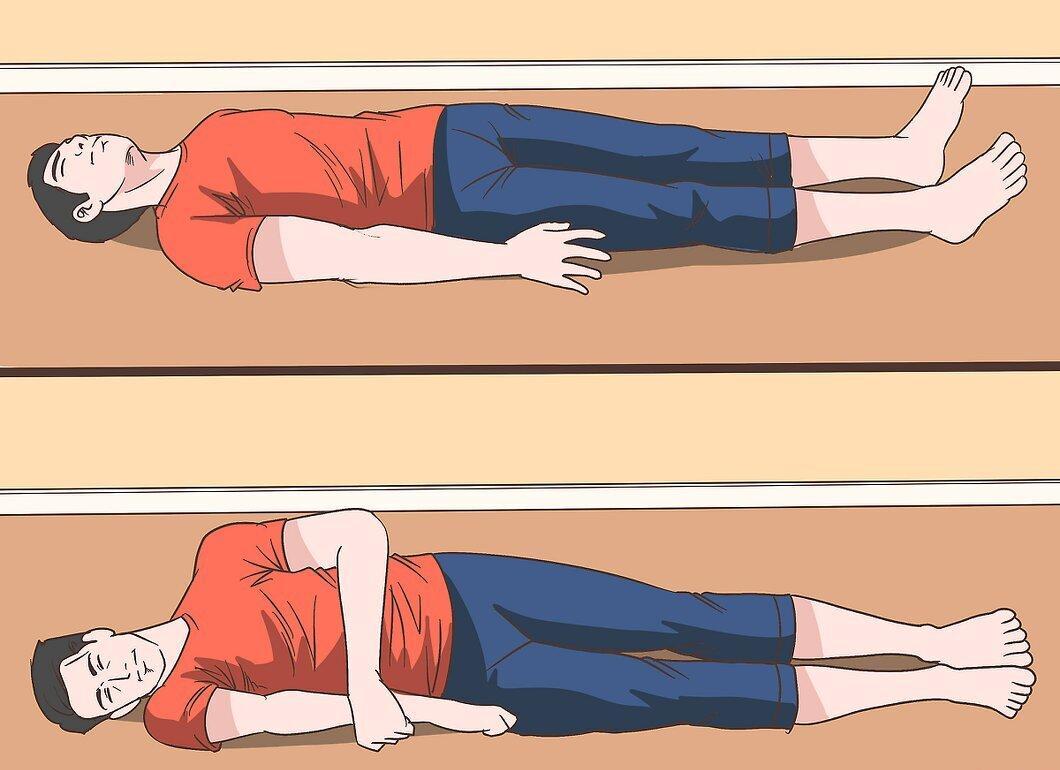
As soon as you notice symptoms indicating fainting, act quickly: lower yourself as close to the ground as possible. Many people sustain serious injuries not during loss of consciousness, but during the fall. Ideally, lie on your back or side, but even sitting down will help.
- In a lying position, your head will be at heart level, which helps normalize circulation and improves blood flow to the brain. If you are pregnant, it's best to lie on your left side to reduce pressure on the heart.
- If you are in a crowd without the option to lie down, simply sit and lower your head between your knees to lessen the gravitational impact.
Step 4. Give Yourself Space.
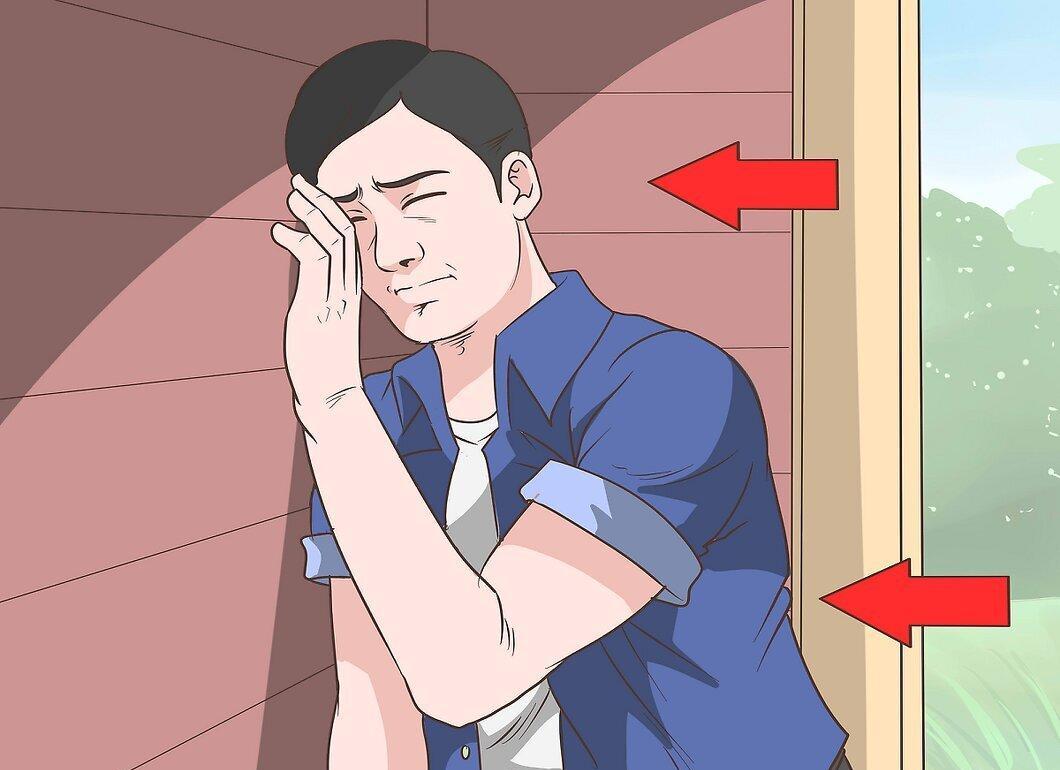
If you're in a crowded place, find a wall to lean against and carefully slide down it. This will help reduce the risk of someone stepping on you while you're on the ground and also improve airflow.
Step 5. Fall Along the Wall.
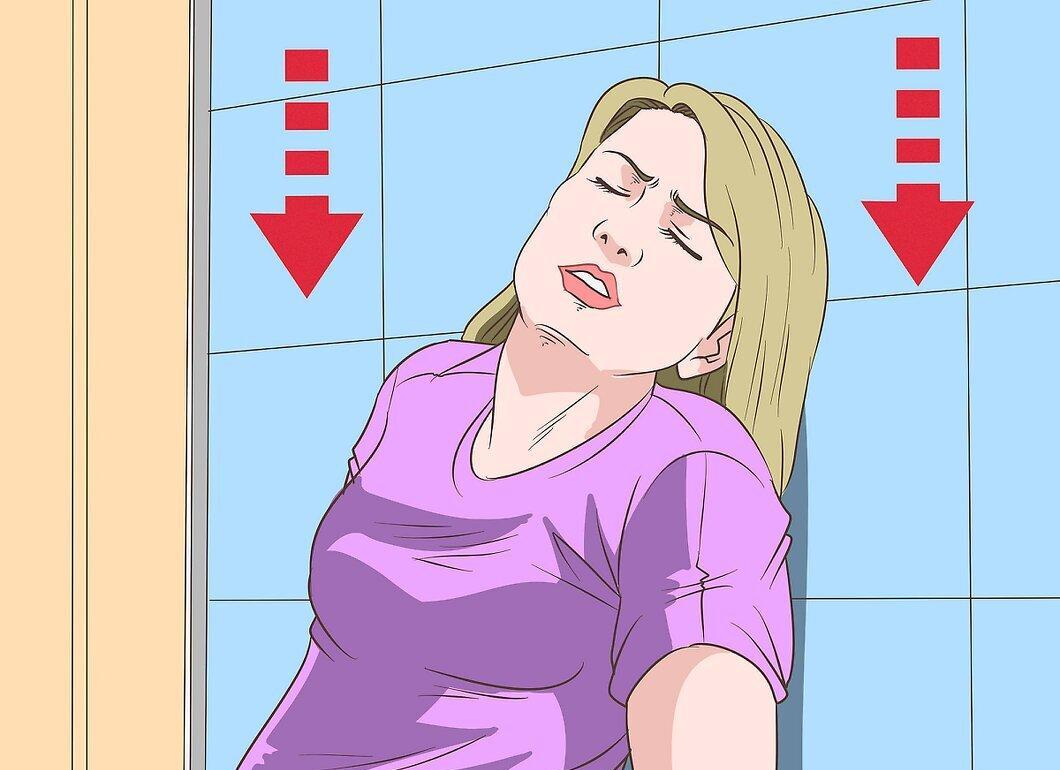
If falling is inevitable, try to control the direction of your fall. Aim for the wall to cushion your landing. Bend your knees to reduce the height of your fall and soften the impact.
Step 6. Be Cautious on Stairs.
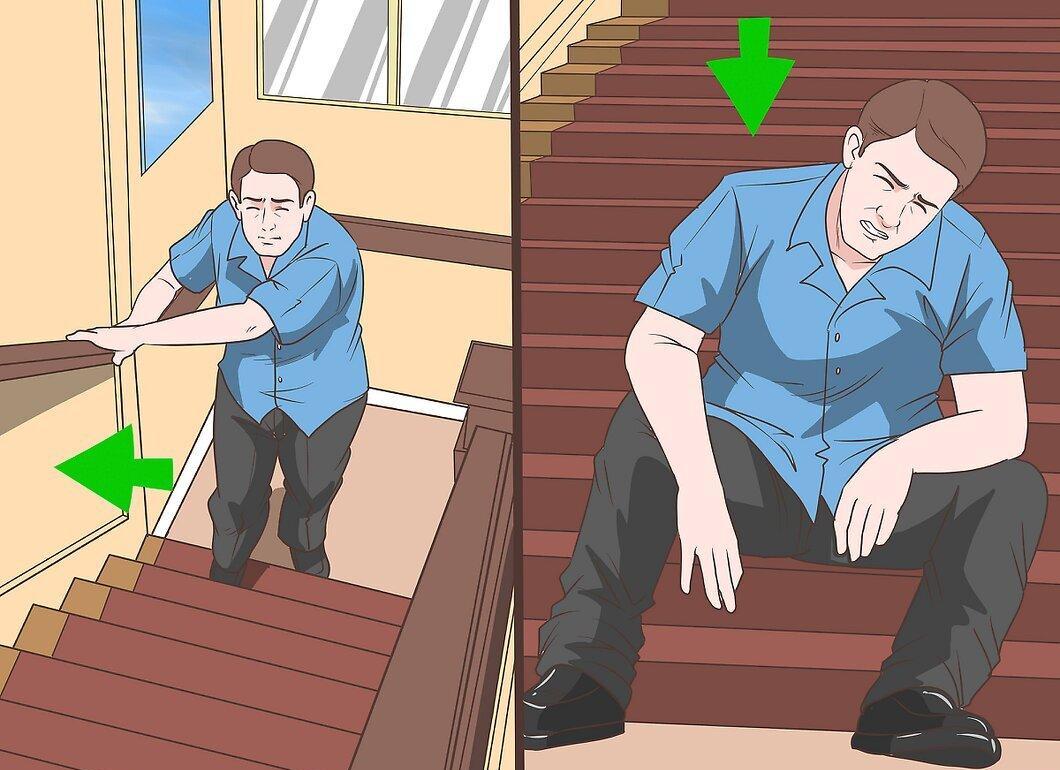
If you are on stairs and feel a faint approaching, step away from the rail and slowly sit down on the steps. If there’s a landing nearby, try to reach it quickly to lie down.
- If you can’t sit down in time, hold onto the railing tightly to slow your fall, or brace yourself against the wall to soften the impact.
Step 7. Ask for Help.
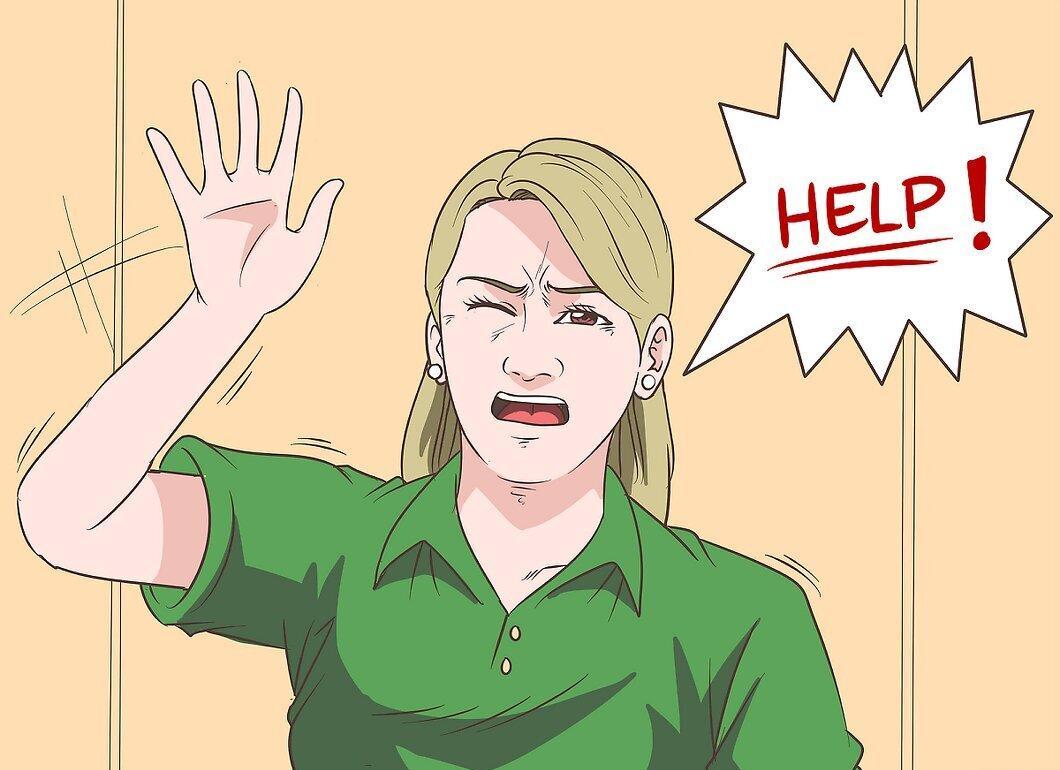
Don’t hesitate to call for help. If you can’t speak loudly, raise your hands and repeatedly say "help." If someone is nearby, inform them: "I’m fainting!" or "I need help!" Assistance can be valuable in safely lowering you to the floor or stopping any bleeding if you fall.
Recovering After Fainting
Step 1. Stay on the Ground.
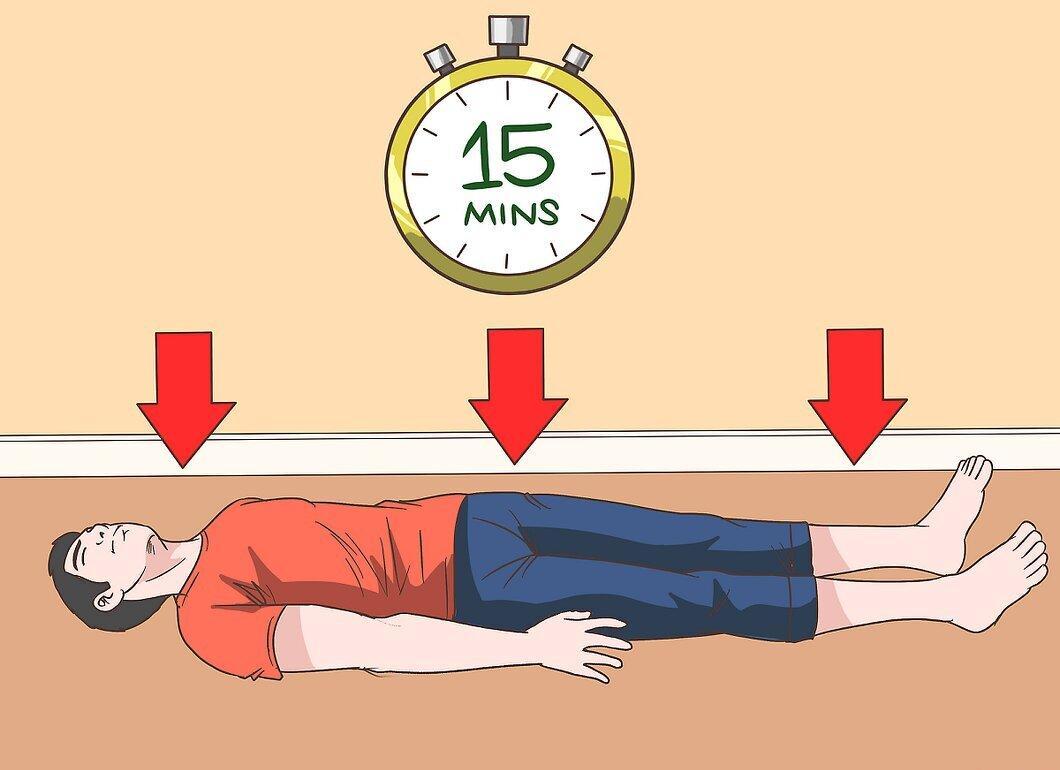
Don’t rush to get up right after regaining consciousness. Give your body time to recover—stay on the floor for 10–15 minutes. Getting up too quickly can lead to fainting again.
Step 2. Elevate Your Legs.
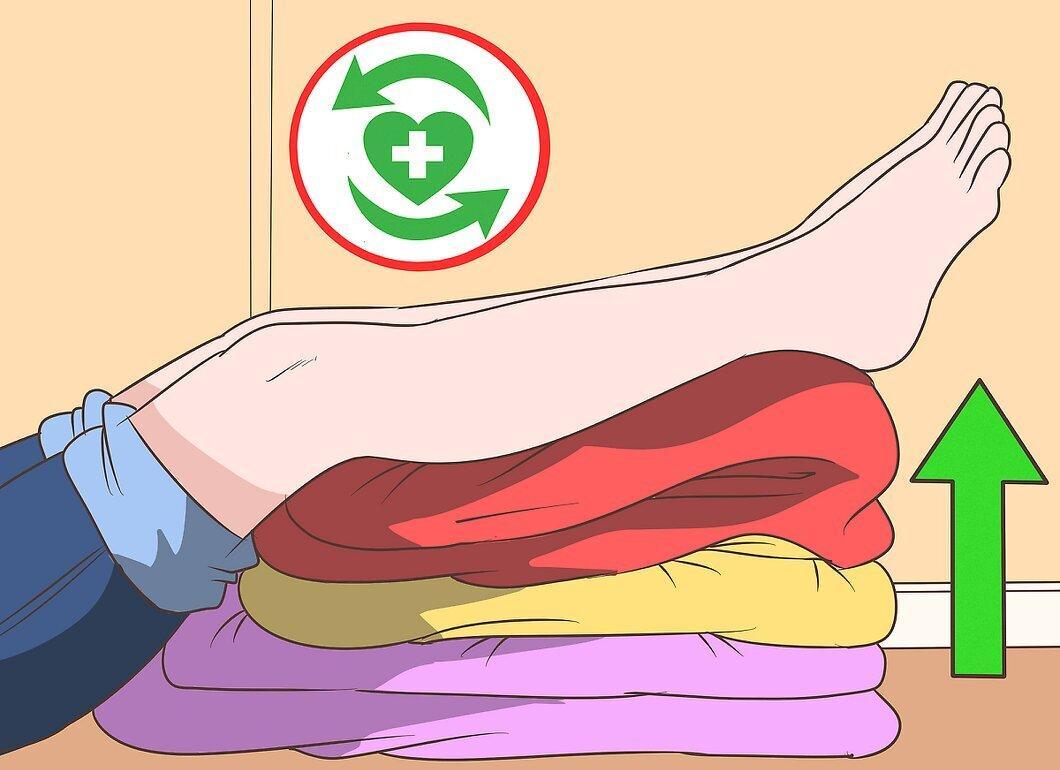
When fainting occurs, raise your legs to improve blood flow to the head. If possible, place something under your legs, like a rolled-up jacket, to speed up the recovery process.
Step 3. Breathe Deeply.
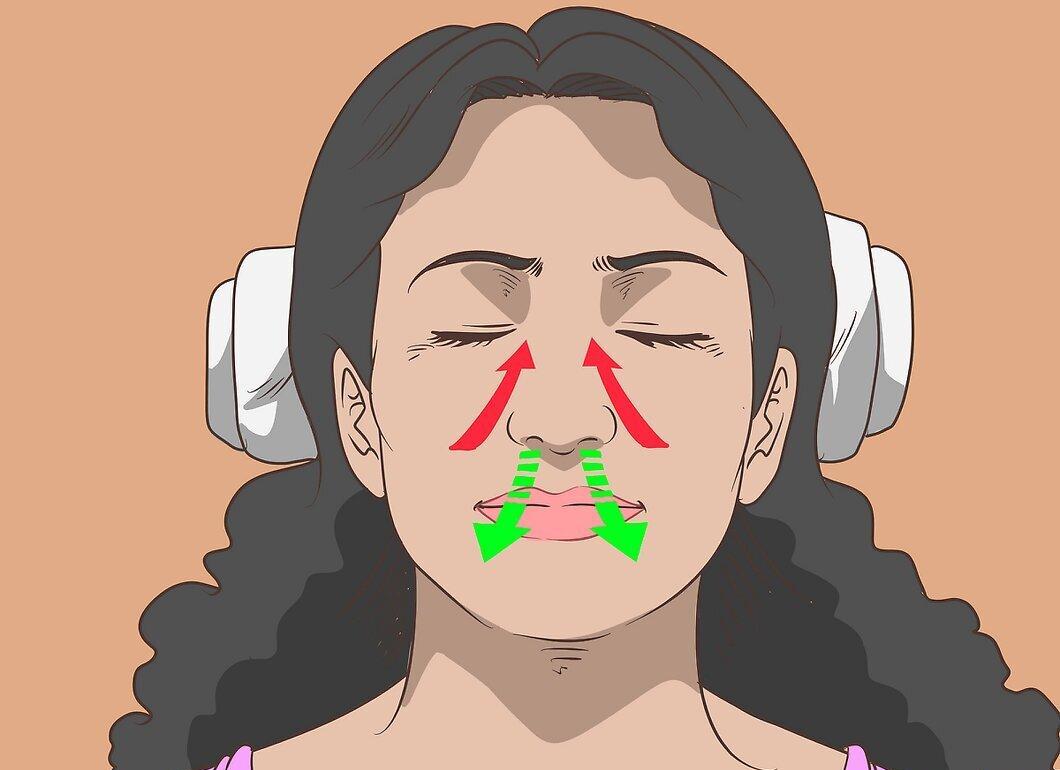
As you recover, take several deep breaths to calm yourself. Inhale through your nose and slowly exhale through your mouth. If you are in a stuffy room, monitor your breathing until you get to fresh air.
Step 4. Stay Hydrated.
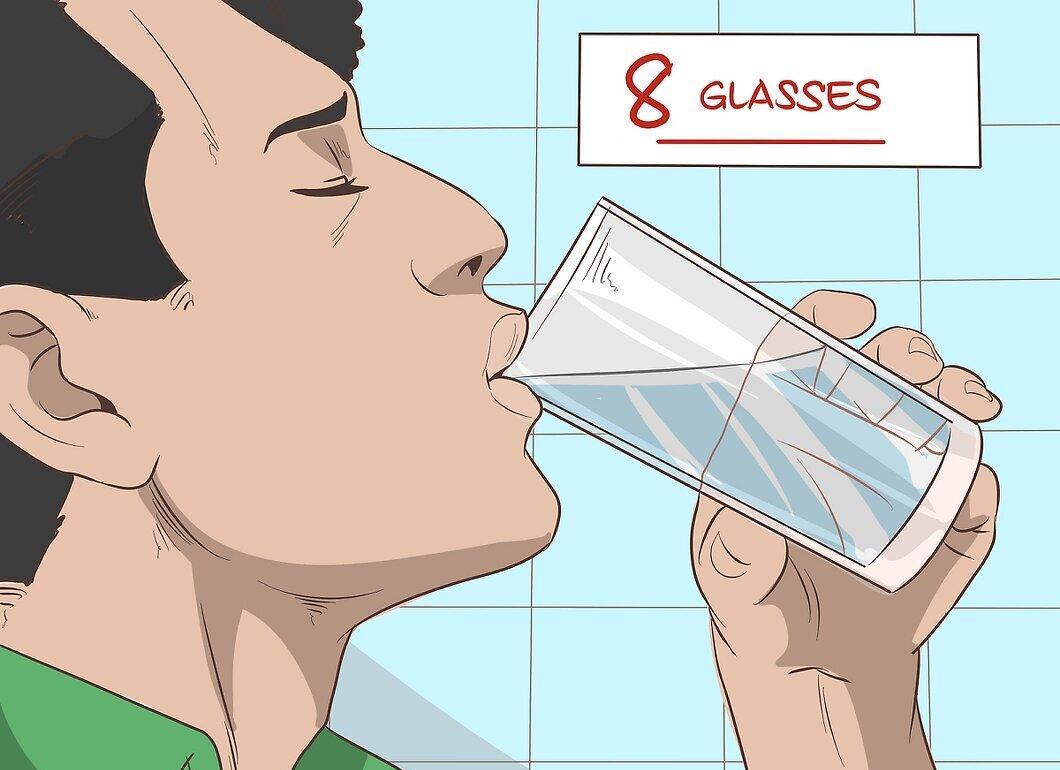
One cause of fainting can be dehydration. Drink plenty of water after fainting and throughout the day, avoiding alcohol that can worsen dehydration.
Step 5. Eat Small Meals.
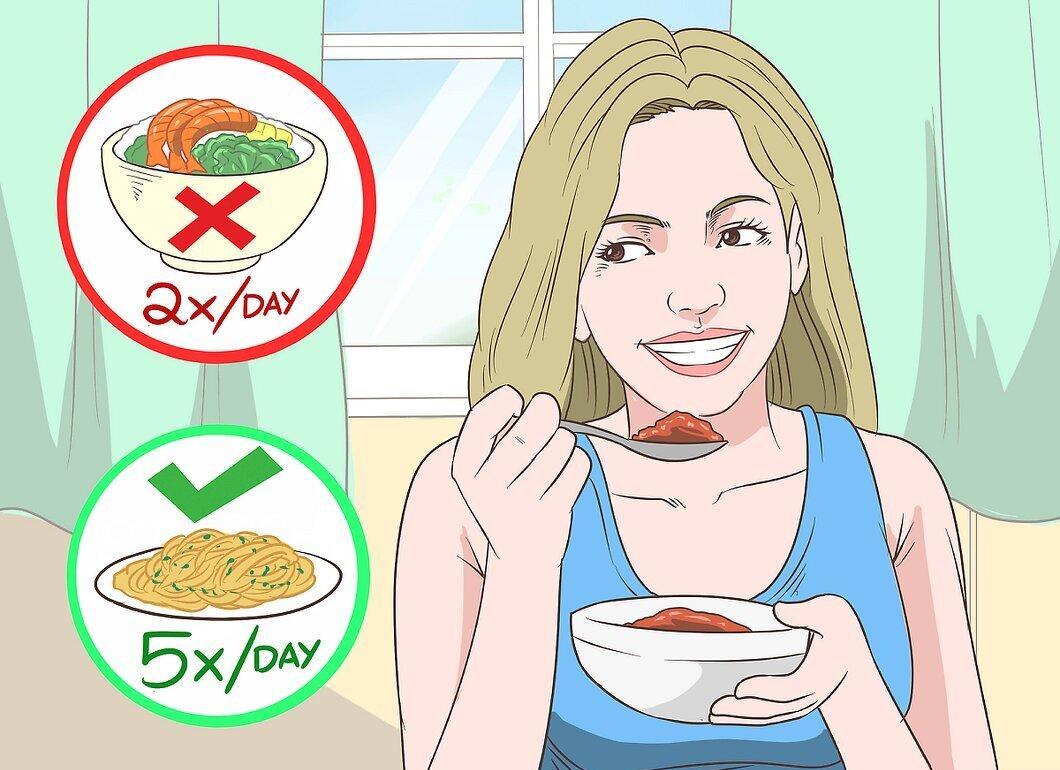
Eat frequently in small portions to avoid fainting again. It is recommended to eat 5-6 times a day instead of 2-3.
Step 6. Avoid Alcohol.
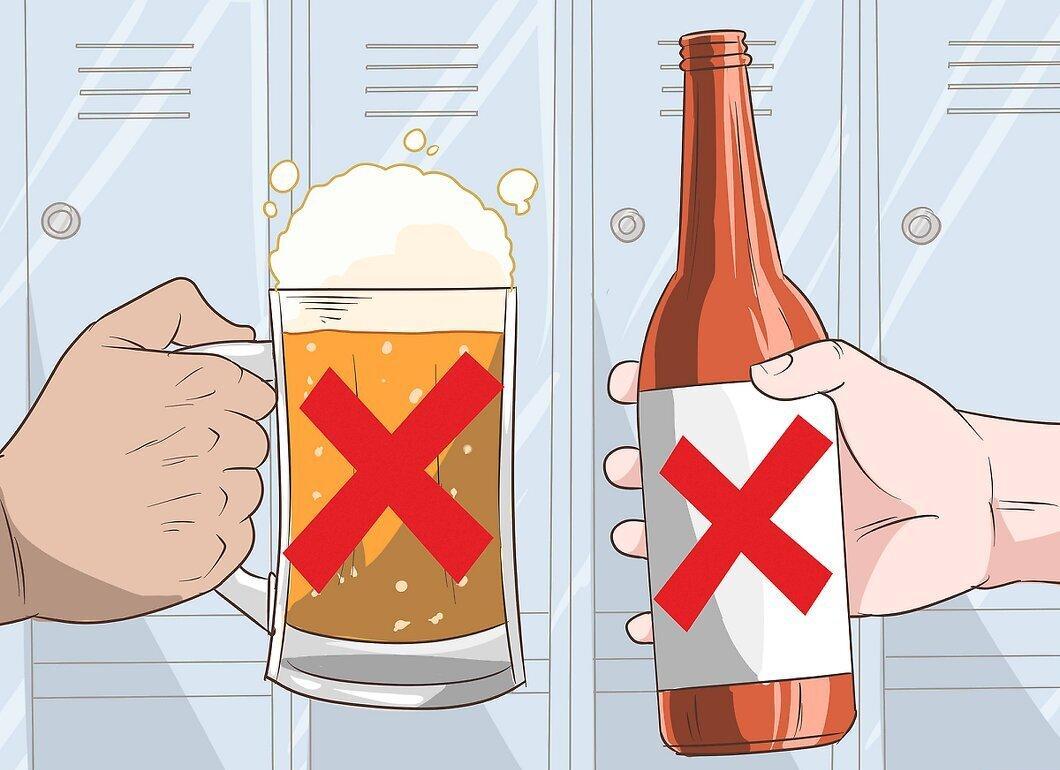
Alcohol can increase the risk of fainting, so it’s best to avoid it. If you drink, limit it to one drink for women and two for men per day.
Step 7. Be Mindful of Medications.
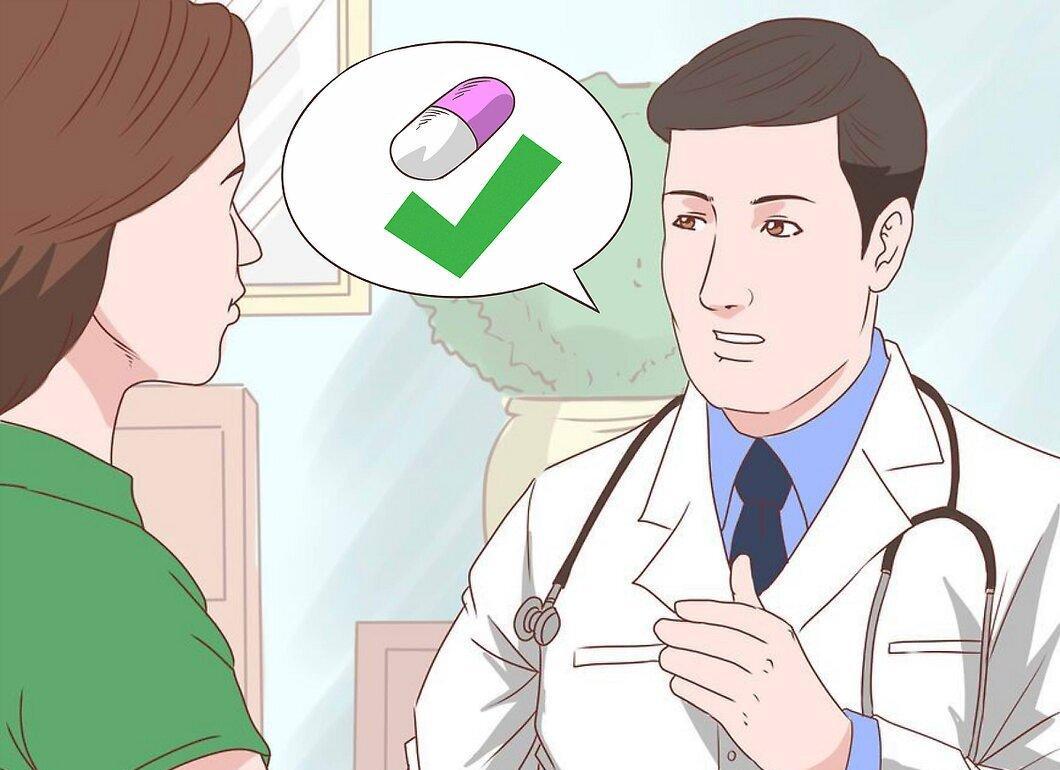
Some medications can cause dizziness and fainting. Discuss with your doctor which medications may be triggering your symptoms.
Step 8. Take Care Throughout the Day.
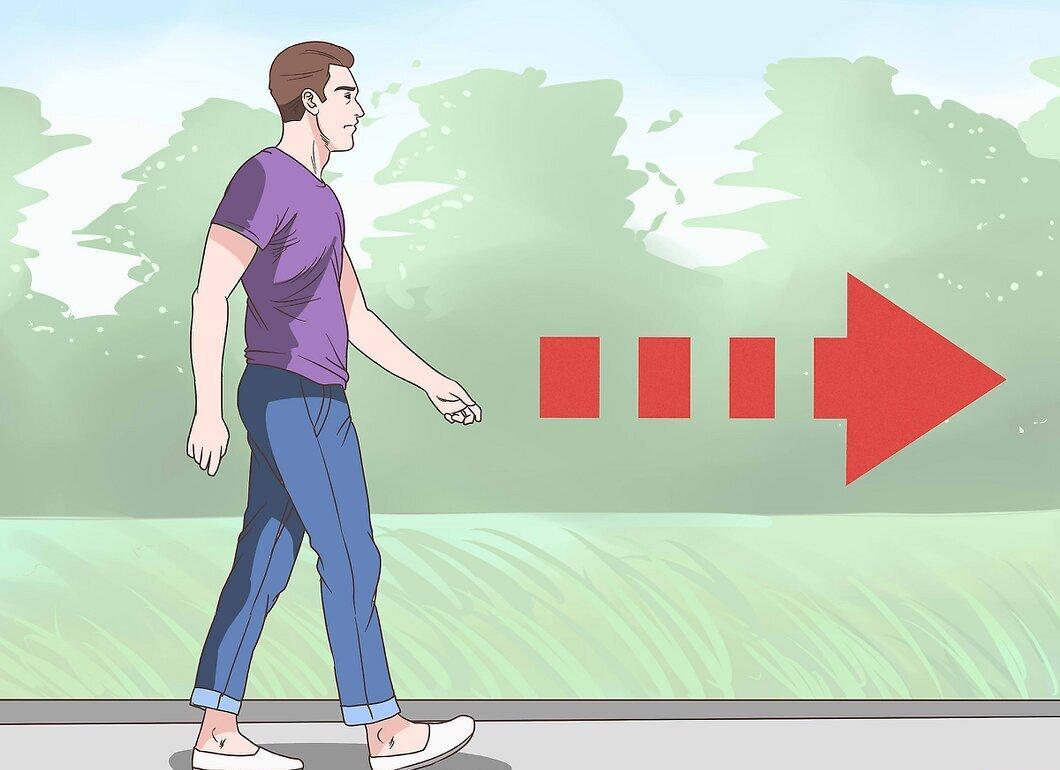
Your body needs time to recover. Move slowly and avoid physical exertion for the next 24 hours. Engage in relaxing activities such as taking a bath or watching your favorite movie.
Step 9. Call for Emergency Help if Needed.
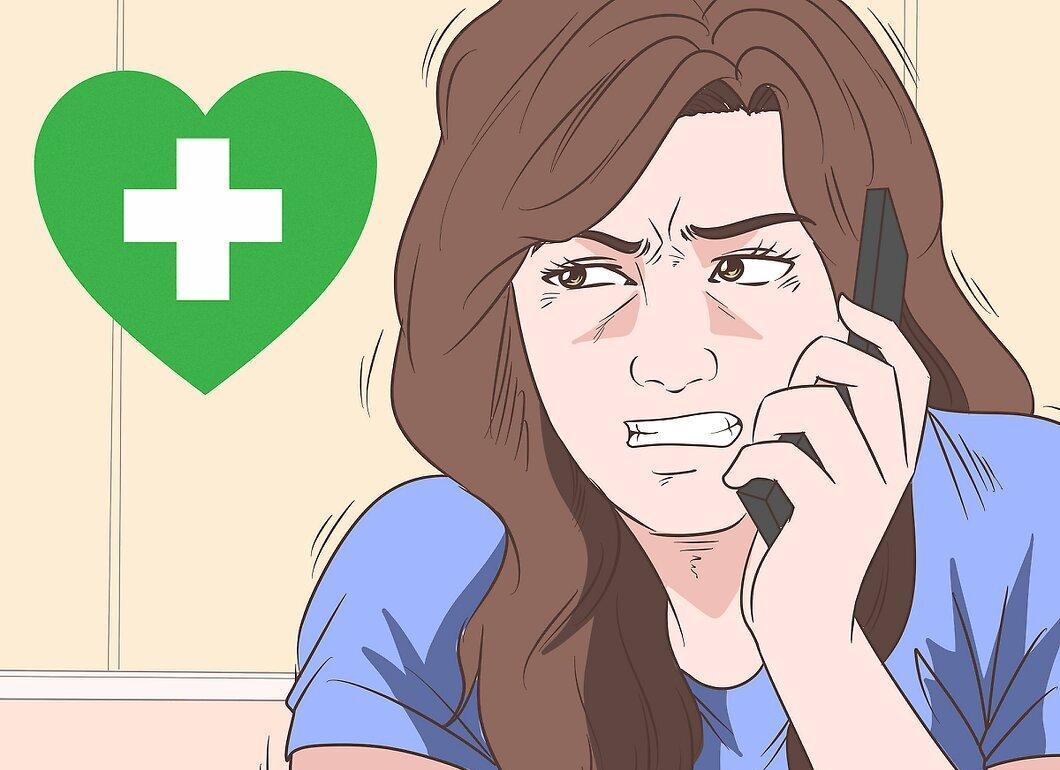
If you experience difficulty breathing or chest pain after fainting, call for emergency help immediately. These symptoms can indicate serious health issues.
Preventing Future Fainting
Step 1. Consult a Doctor.
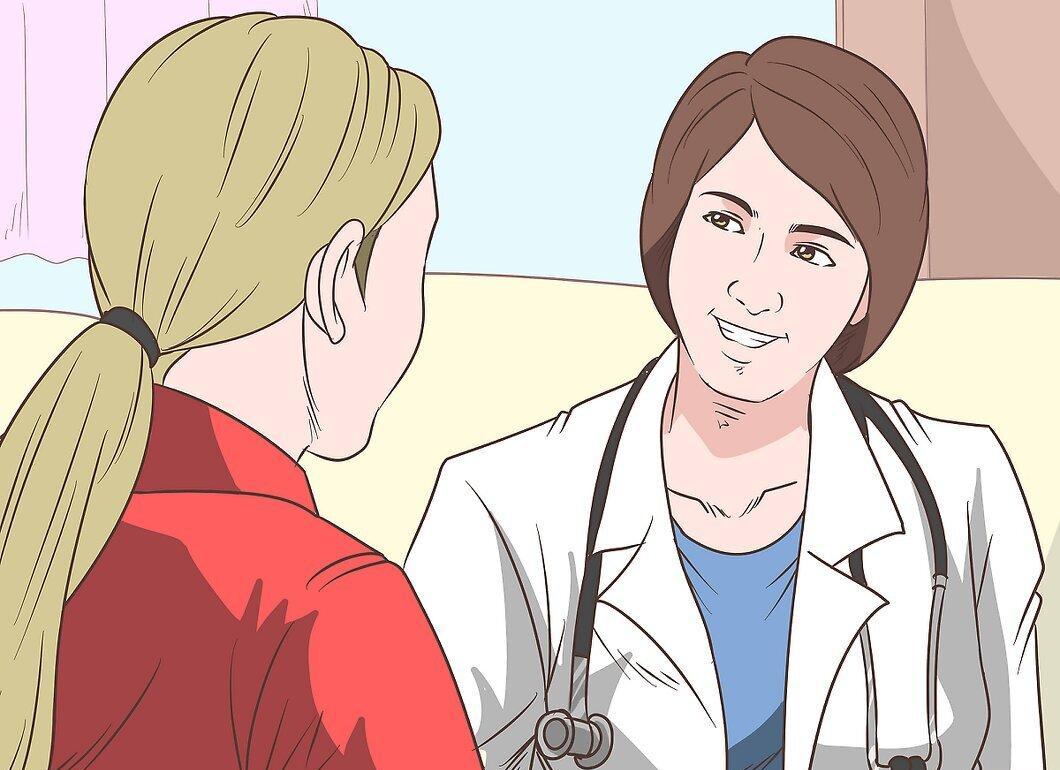
If fainting occurs for the first time or is recurrent, it’s best to see a doctor. They can help rule out serious conditions and suggest additional precautions.
Step 2. Take Preventive Measures.
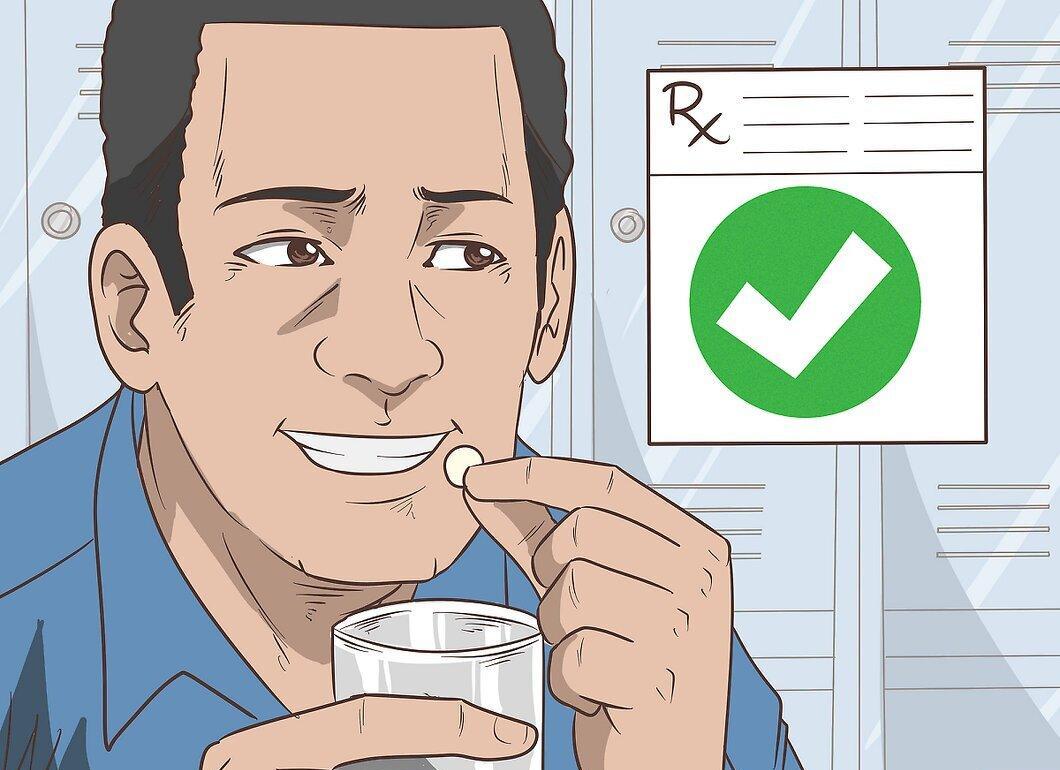
A doctor may prescribe medications to prevent fainting. Follow their instructions to avoid worsening your condition.
Step 3. Monitor Your Fluid and Nutrition Balance.
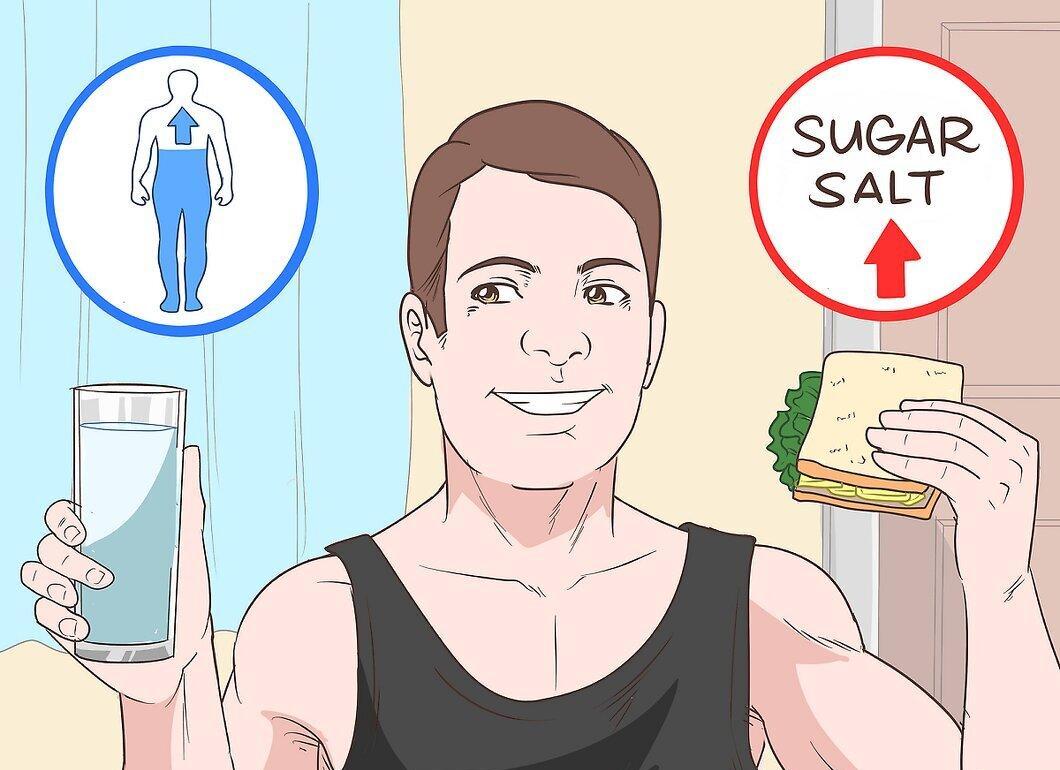
These measures are particularly important if you have already experienced fainting. Always keep snacks rich in sugar and salt, such as sweet juice or nuts, on hand.
Step 4. Use Supplements and Herbal Remedies.
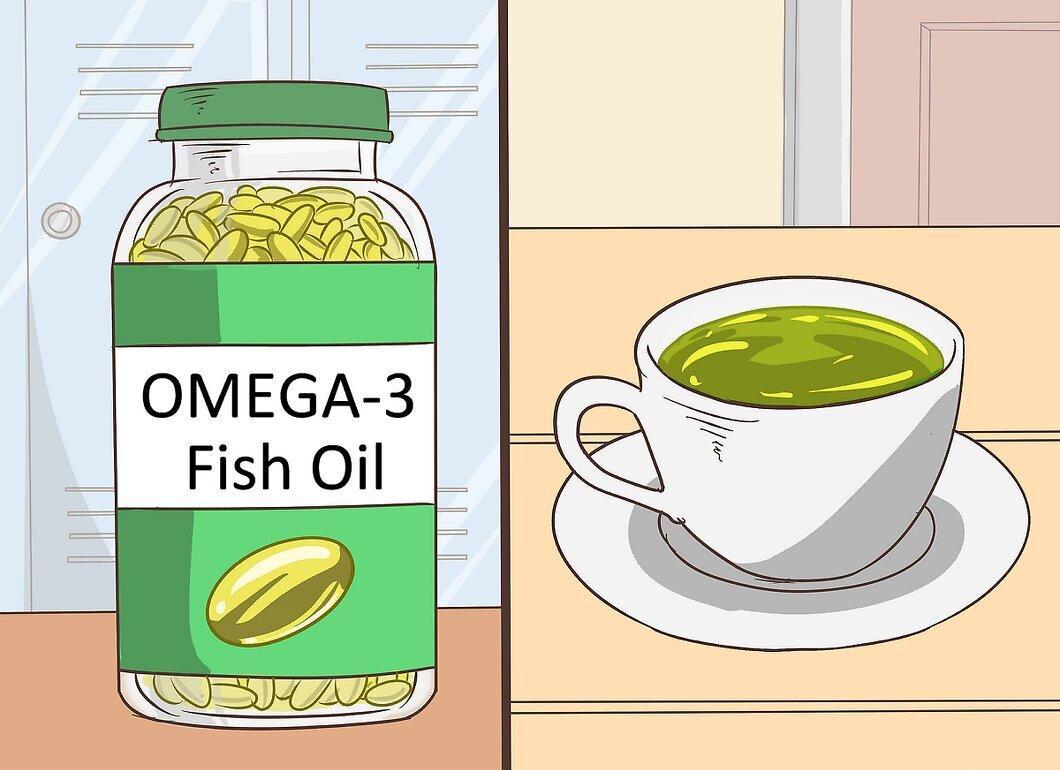
Consider supplements that improve circulation, such as omega-3s. Consult your doctor before starting any supplements.
Step 5. Wear a Medical Bracelet.
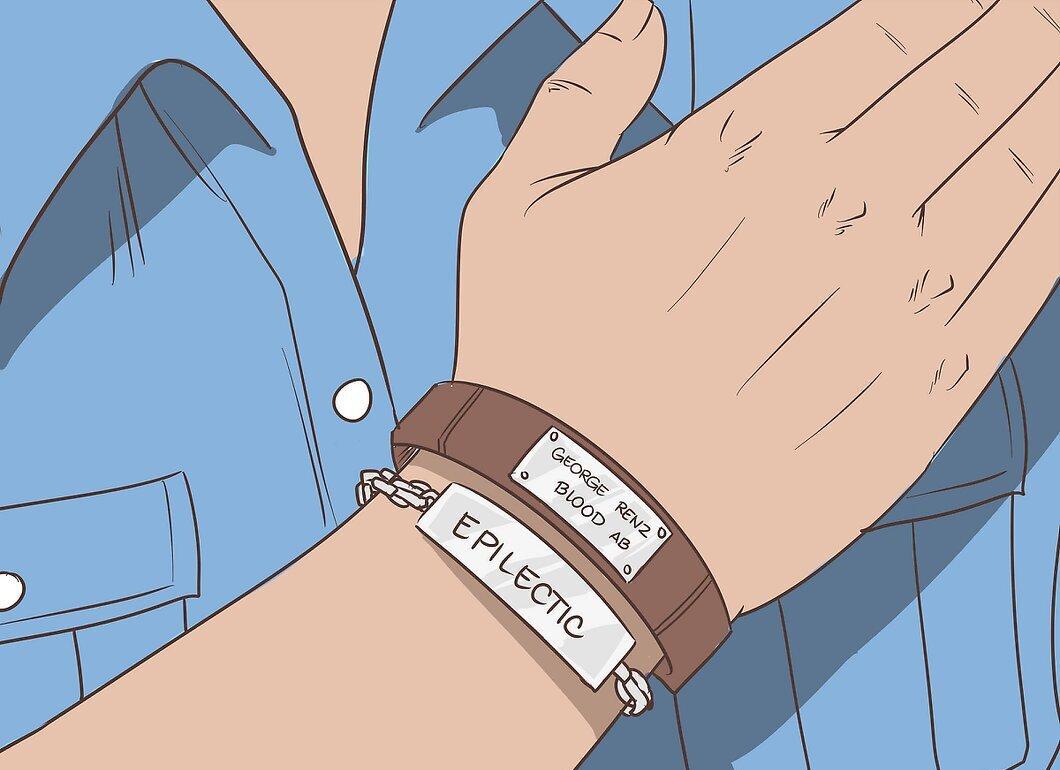
A medical bracelet contains important health information and can be helpful in an emergency, especially if you frequently faint.
Step 6. Learn Relaxation Techniques.
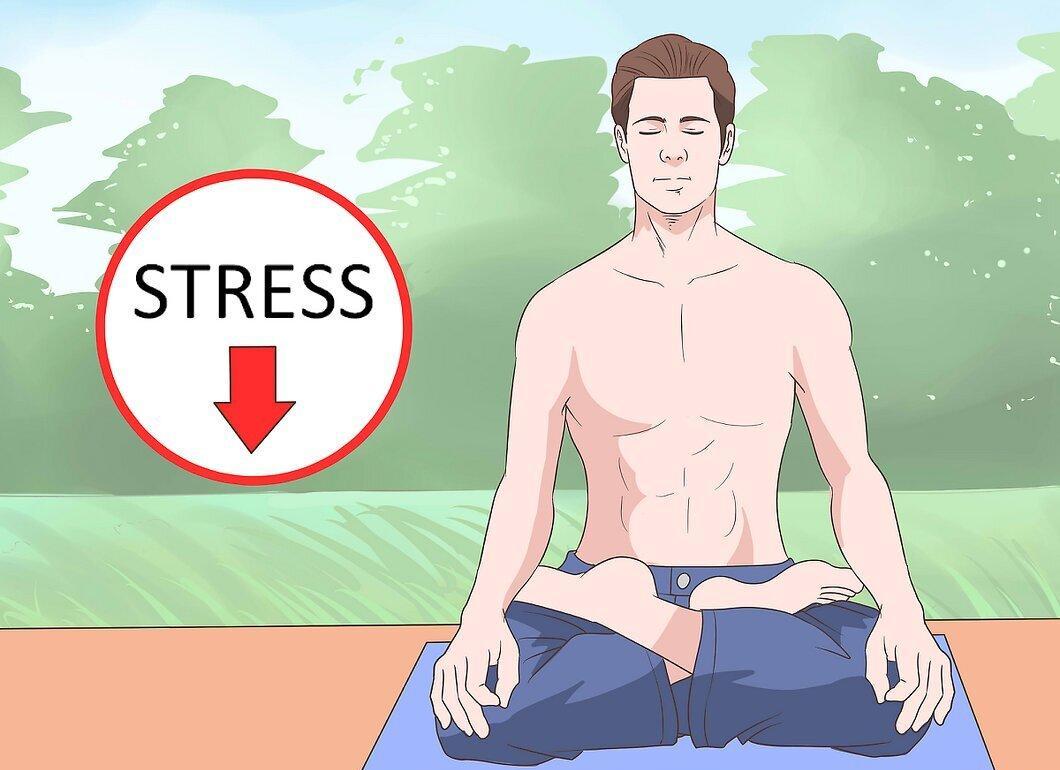
Stress can trigger fainting, so learn to control your reactions through deep breathing techniques or meditation.
Step 7. Wear Compression Stockings.
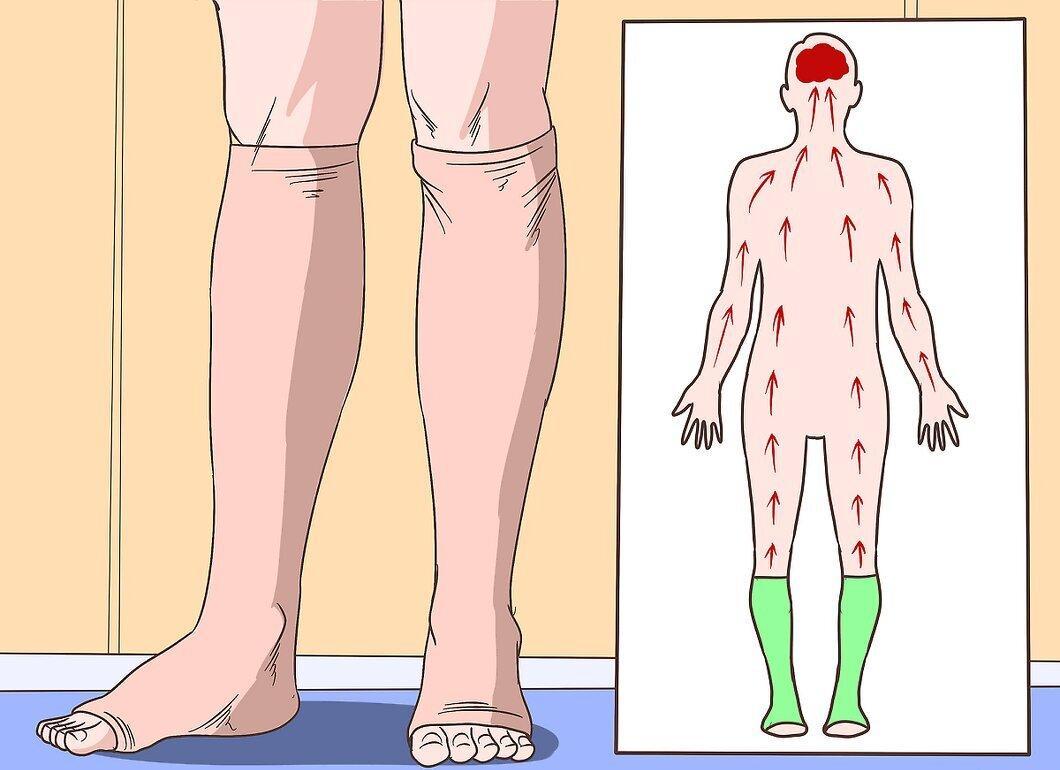
They help improve circulation by returning blood from the legs to the heart and brain. Avoid tight clothing that may restrict blood flow.
Step 8. Change Positions Slowly.
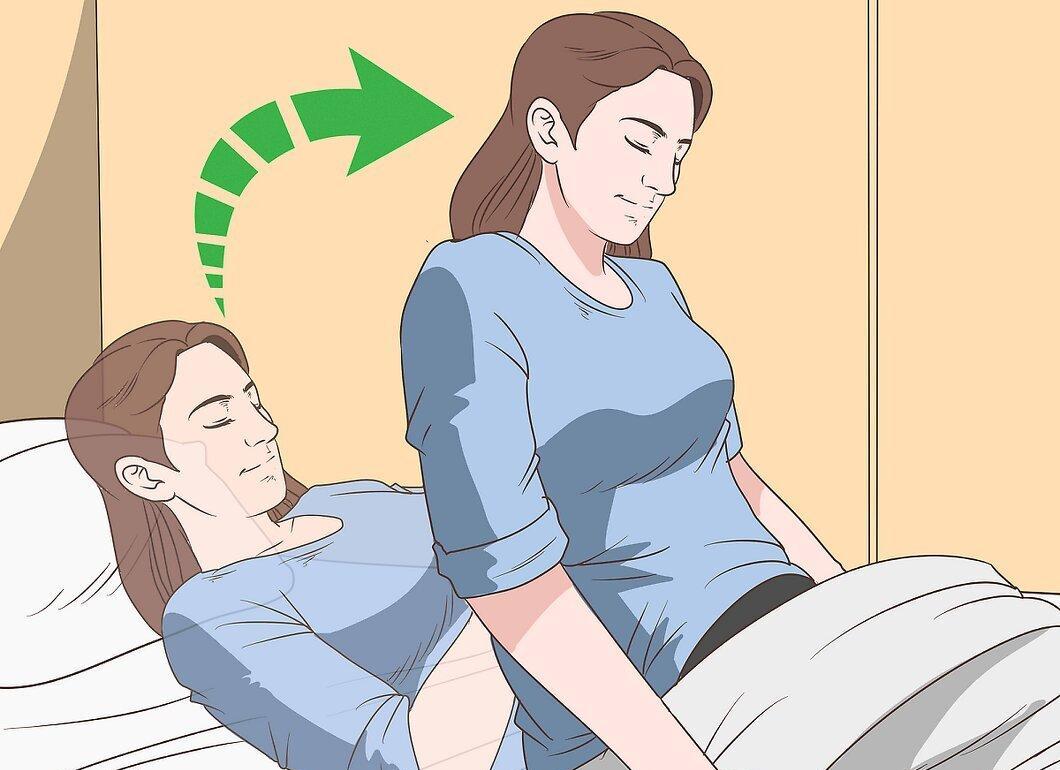
Quick movements can lead to fainting. Change your body position gradually, for example, first sit up, then stand.
Step 9. Maintain Good Circulation.
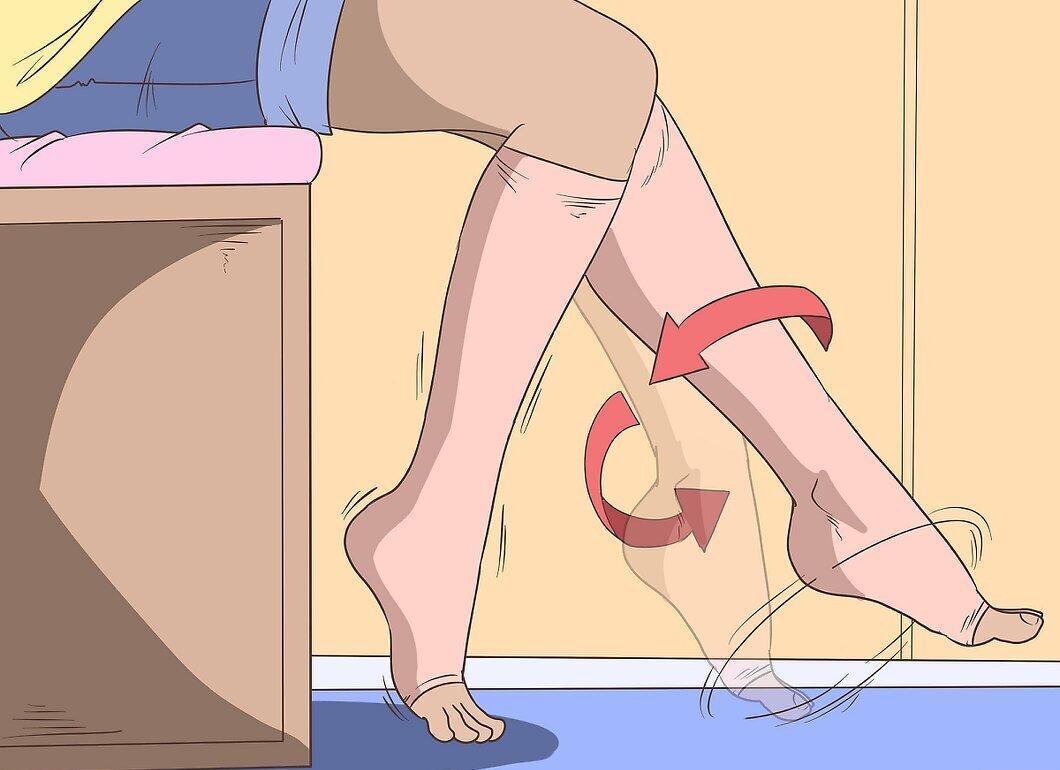
Regularly stretch your legs and move your toes when sitting or standing for long periods to improve circulation and reduce strain on the heart.
Step 10. Avoid Situations That Trigger Fainting.
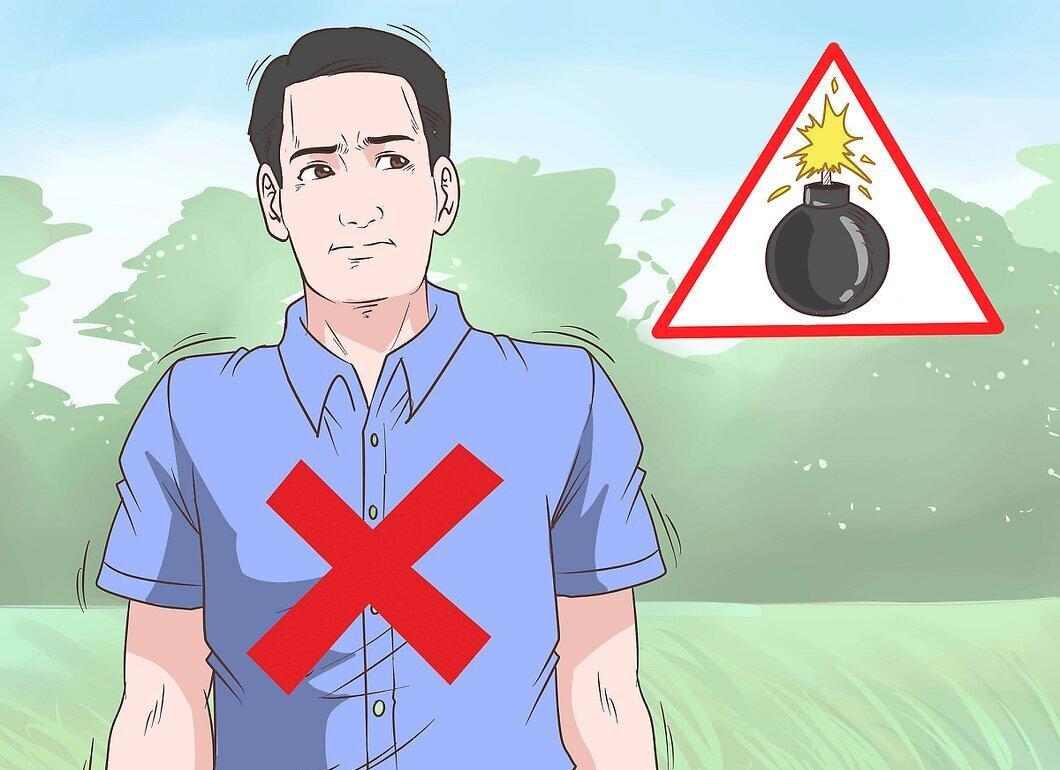
After fainting, discuss possible causes with your doctor. Avoid situations that may lead to fainting again, such as overheating or prolonged standing.