Shopping at health food stores can make healthy eating feel like a luxury rather than a choice. However, maintaining a nutritious diet doesn’t mean you have to buy the latest diet products or exotic fruits. If you want to reassess your culinary preferences and unleash your creativity in the kitchen, you can enjoy healthy and delicious meals for far less than most people do. Read this article to learn how to create a meal plan that fits your personal needs.
Budgeting for Healthy Eating
Step 1: Find a Healthy Diet That Works for You.

Find a healthy diet that works for you. Healthy means different things to different people, but you should aim to consume vitamins and nutrients that energize you, protect you from illness, and enhance your quality of life. Make a list of what you consider to be healthy foods, but keep the following factors in mind:
- Consider your physical needs. Are there certain foods that make you feel energetic or sluggish? You should align your diet with how food affects your body.
- Do you have food allergies or conditions exacerbated by certain foods? Keep this in mind when making your list.
- What do you enjoy eating? You should like your diet. Add your favorite dishes to the list and avoid foods you dislike. Healthy eating shouldn’t feel like a chore.
Step 2: Reassess Your Portion Sizes.
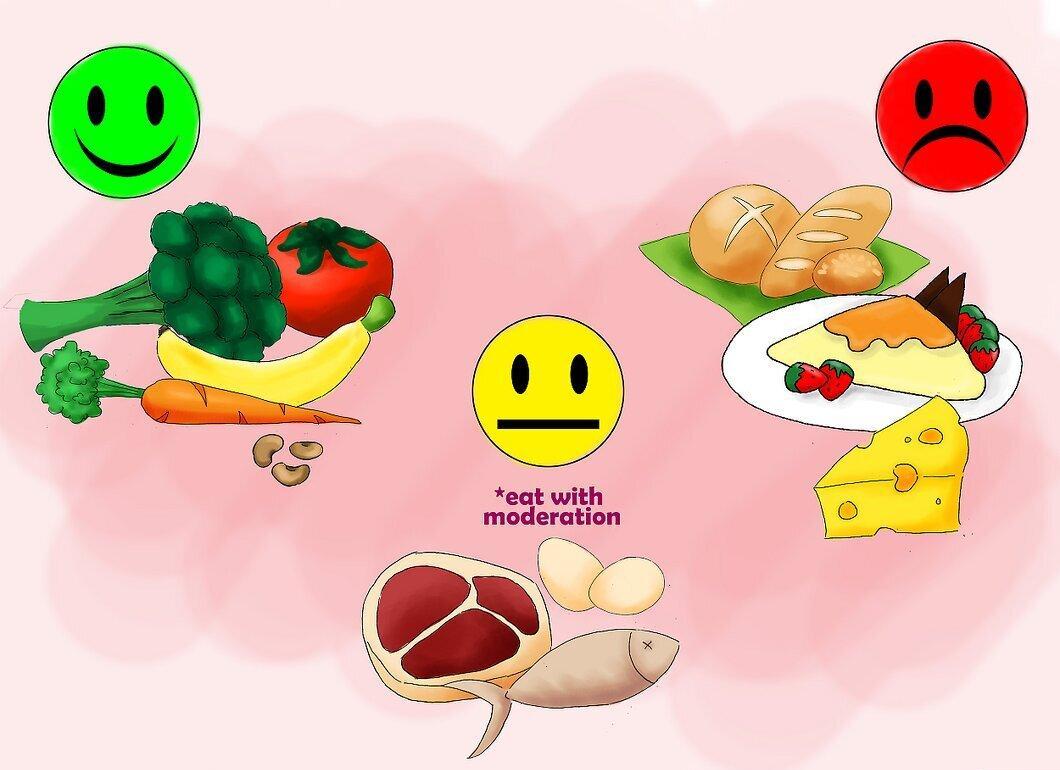
Reassess your portion sizes. The most expensive foods are often those that you don’t need to consume at every meal or every day.
- Fruits, vegetables, legumes, and grains are highly nutritious, inexpensive, and should form the bulk of your diet.
- Meat, eggs, fish, and dairy are most nutritious when sourced from free-range, organic, or grass-fed options. Treat these foods as side dishes and consume them every other day rather than at every meal to save money.
- Cheese, bread, desserts, and other food items are generally expensive and not essential from a nutritional standpoint. If you’re trying to eat healthy on a budget, try to limit these products as much as possible.
Step 3: Create a Budget.
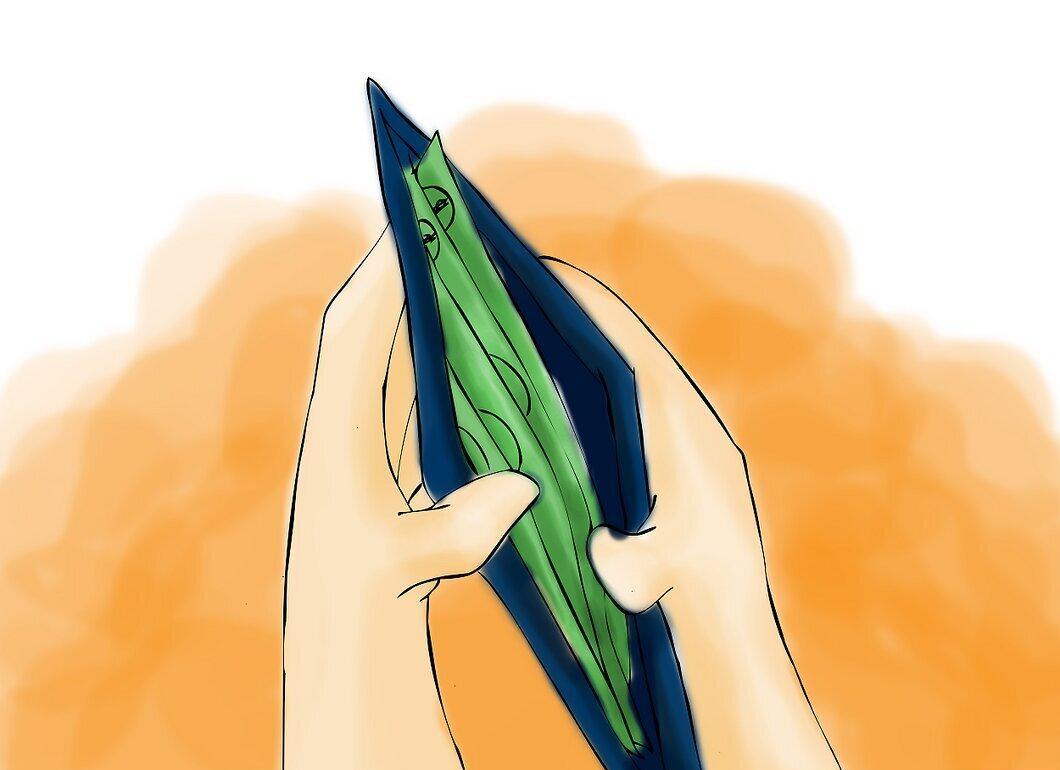
Create a budget. Now that you have your list of foods for your personal diet, you can organize it by nutritional value and cost to create a detailed budget that will help you shop. Starting from your total food budget, calculate how much you can afford to spend each time you go shopping. Divide your budget for grocery trips into categories and decide how much you want to spend on specific items. Once you finalize your budget, you can head out to find food sources.
- How much do you spend on food each month? If you eat out, don’t forget to include those expenses in your food budget. Account for morning coffee, afternoon snacks, and other food-related costs. These purchases will reduce the overall amount you plan to spend in the store.
Shopping for Healthy Food on a Budget
Step 1: Food Sources.

Food sources. Keep an eye on sales and discounts for the products you are interested in.
- Shop at multiple stores. Instead of buying everything in one place, watch for sales and promotions at other stores.
- Eat seasonally. When certain foods are in season, their prices drop significantly. Pay special attention to seasonal items on your list. Not only will you save money, but you’ll also enjoy very fresh food.
- Buy fresh, organic, and affordable foods at farmers’ markets. Don’t hesitate to bargain. Farmers are often happy to sell to you at a discount if you buy from them regularly and in bulk.
Step 2: Go Shopping.
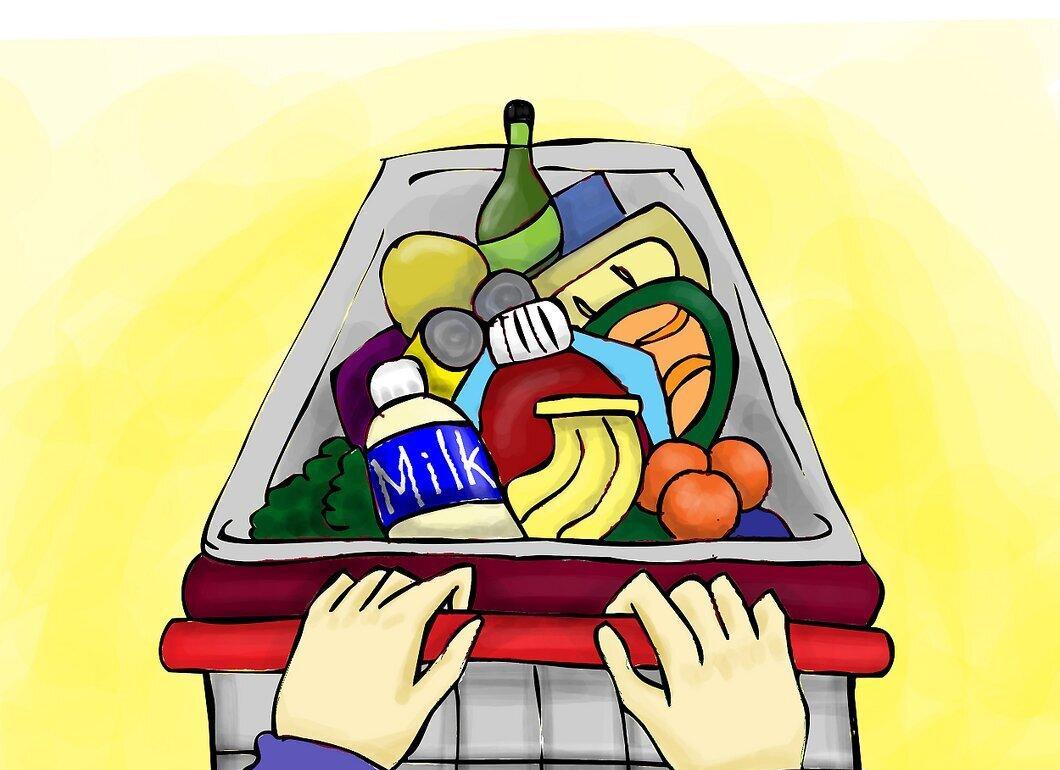
Go shopping. It’s time to put your budget to the test. While in the store, keep these money-saving tips in mind:
- Purchase the cheapest form of the product. Some items come frozen, canned, or dried. Identify the most economical option and buy that.
- Give yourself enough time to shop. If you’re rushed, you’re likely to grab the first thing you see instead of taking the time to find the best value.
Step 3: Try New Things.

Try new things. You might go to the market and find that strawberries have spiked in price, but blueberries are on sale. Remember that your list is just a guideline; you don’t have to stick to it rigidly.
Additional Tips for Saving on Healthy Eating
Step 1: Process Food Yourself.

Process food yourself. Processed foods are often more expensive than whole, fresh foods. Whenever possible, buy fresh ingredients and process them yourself. For example:
- If you love roasted nuts, buy raw nuts in bulk. Spread them on a baking sheet and roast them until golden brown. They’ll taste better than the pre-roasted ones from the store.
- Instead of buying ready-made granola or bars, buy raw ingredients and make them at home.
- Purchase whole, fresh ingredients and chop, peel, juice, and freeze them yourself.
- Make your own sauces, dressings, and seasonings instead of buying pre-made ones.
Step 2: Invest in Food Storage Items.
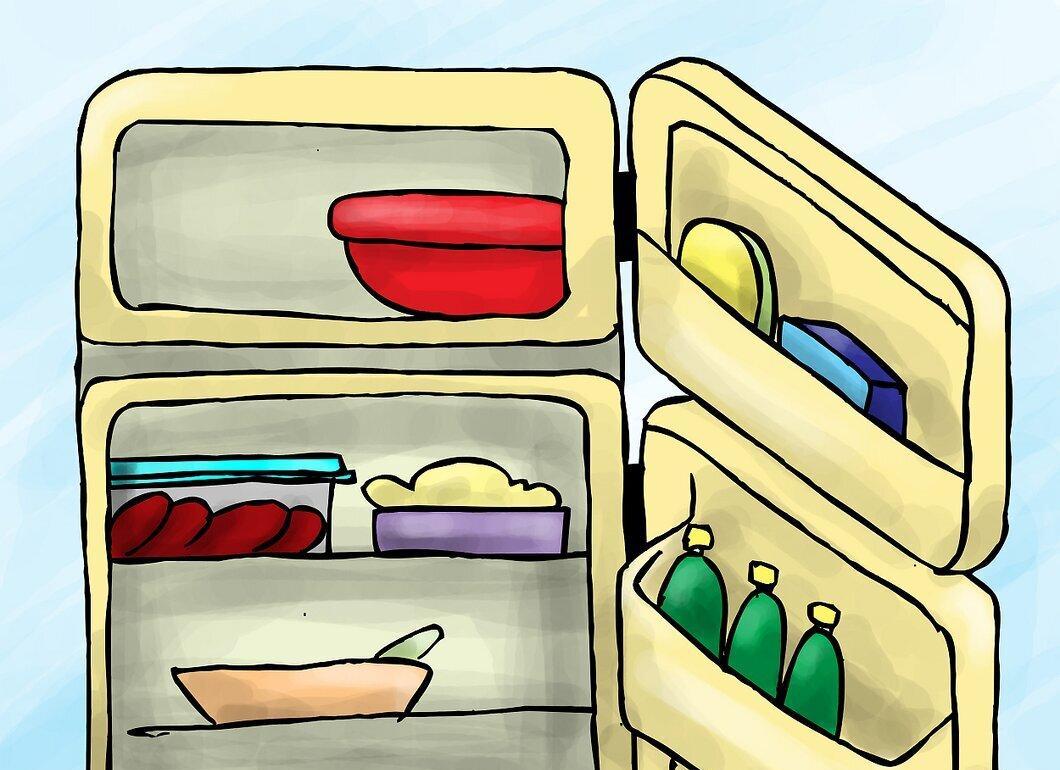
Invest in food storage items. If you have suitable containers and pantry space, you can buy fresh and dried foods in bulk and store them for extended periods.
- Store potatoes, apples, squash, onions, and other produce in a cool, dark basement.
- Get a large freezer to store meat and vegetables.
- Buy bins for storing dried beans, nuts, and grains.
Step 3: Try to Avoid Eating Out.
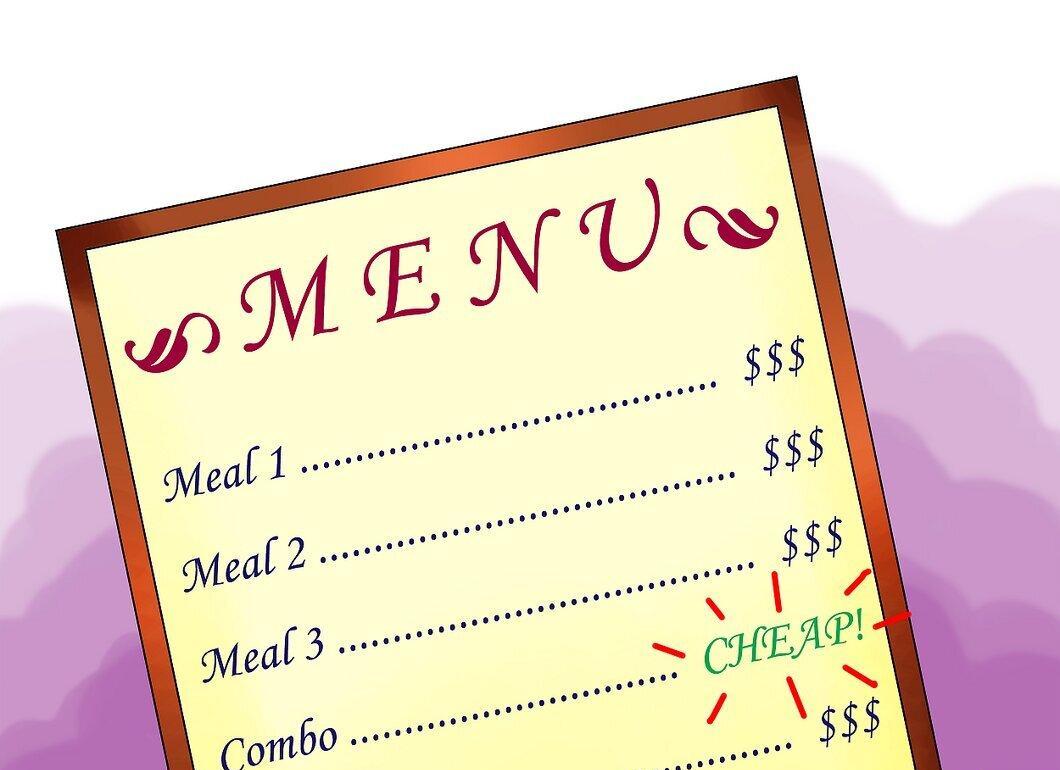
Try to avoid eating out. Restaurant meals are much more expensive, and you can’t be sure how healthy the food is. Only dine out on special occasions.
- If you eat out, choose the simplest dish on the menu, which is often the cheapest.
- Only eat part of the portion, as most restaurant servings are larger than necessary. Take leftovers home and enjoy them later with a healthy homemade side.
Step 4: Learn to Cook from Scratch.

Learn to cook from scratch. This is the cheapest way to eat and often the healthiest.
- Instead of buying canned soup, learn how to make a large pot from scratch. You can stretch it over several days.
- Make it a habit to use leftovers. Don’t let items in your fridge go to waste. Eat them, use them for sauces, or turn them into casseroles or soups. For example, old lettuce can be chopped and added to soup, leftover sauce can go into a curry, and sour milk can be transformed into a custard pie. (Of course, avoid using spoiled or rotten ingredients!)
Step 5: Use More Inexpensive Ingredients When Cooking.
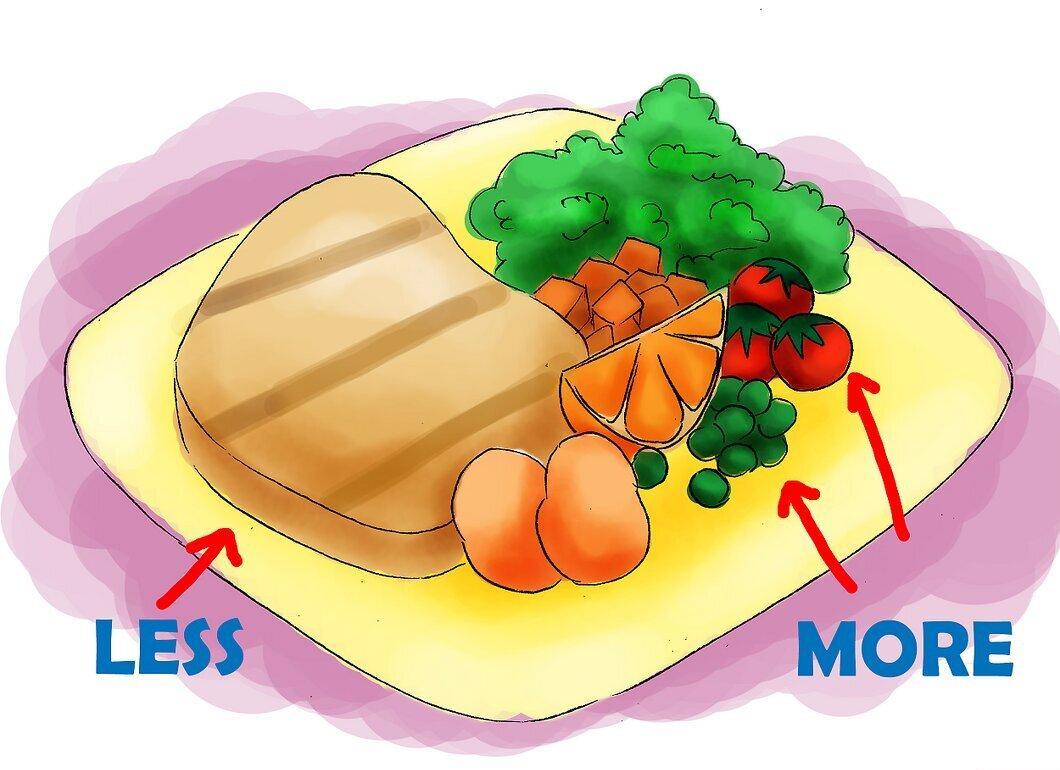
Use more inexpensive ingredients when cooking than expensive ones. Utilize whole grain rice, pasta, and bread, as well as rolled oats.
- Try using less beef by cutting the amount of meat in recipes in half and adding water and oats instead. Be creative and come up with your own dishes.
- Overall, reduce your meat consumption. Meat is one of the most expensive food items, so by going meatless one or two days a week, you can save a significant amount of money.