
Don’t let exams become a source of stress — they’re just a phase that you can easily overcome! There are many simple and effective techniques that will help you prepare and avoid feeling like a zombie.
How to Organize Your Preparation Process
Step 1. Choose a Comfortable Study Space.
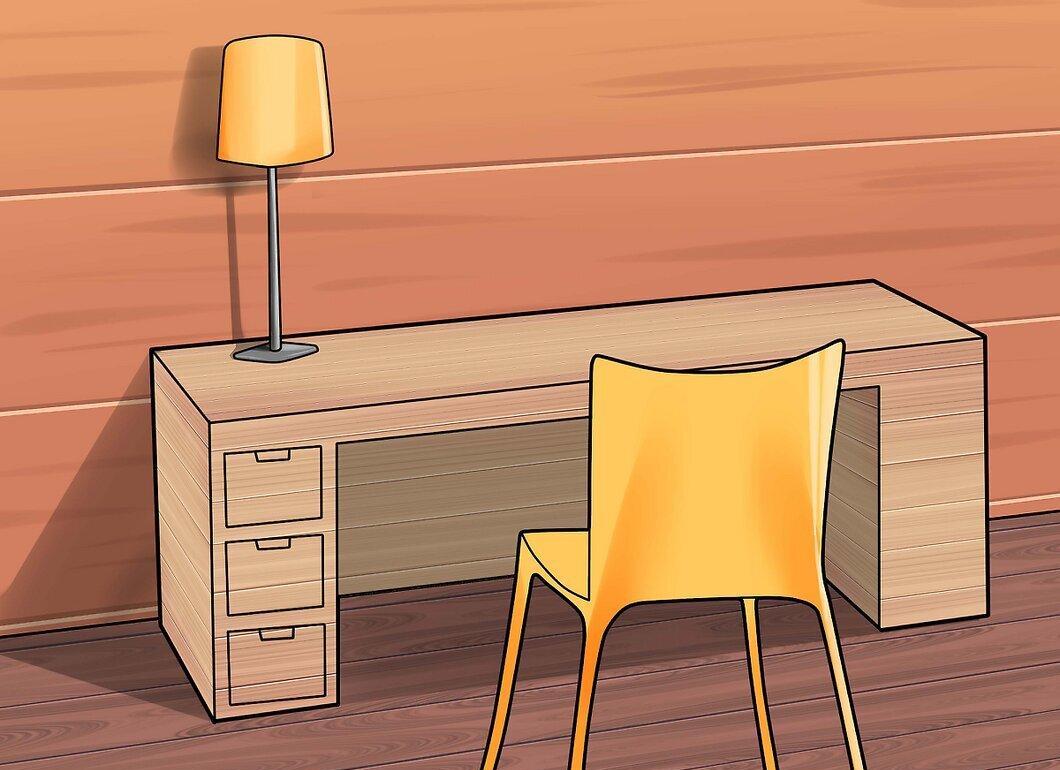
Find a quiet place with good lighting. This will create a comfortable environment for focused work without unnecessary distractions.
- It’s advisable to temporarily log out of social media like Facebook, Twitter, or Instagram. The need to input your login and password will make you less likely to get distracted, and within a day, you'll forget about those time-consuming diversions! Research shows that our brains function better when they’re a bit cooled down or sitting on a hard chair.
- Some students prefer public places for studying, as it’s easier to get distracted at home by the TV or other trivial matters. It’s important to be aware of your habits and avoid them.
Step 2. Develop a Study Schedule.
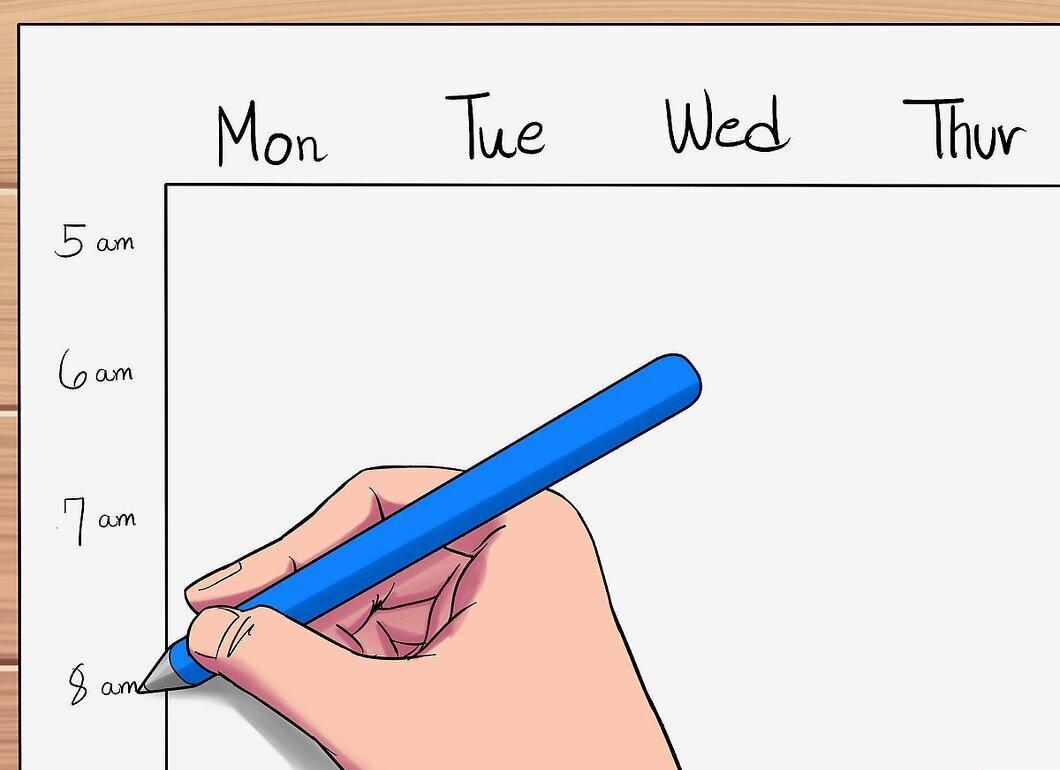
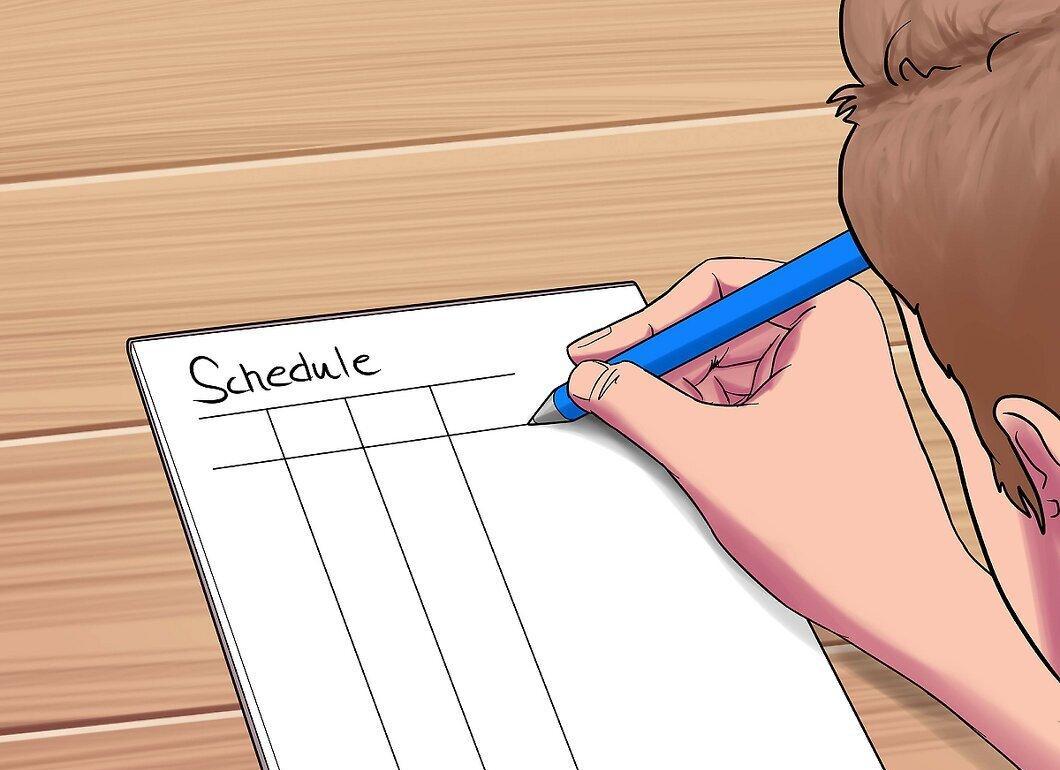
Create a preparation plan and stick to it. What do you need to accomplish by the end of the week or day? A schedule will help set specific goals for each study session and track completed tasks. It will help reduce anxiety and ensure you have time to review all the material.
- If you dislike rigid schedules, make a list of topics to study. Use different colors for different subjects to visually see what has been completed and what is left. This will allow you to learn the material in blocks or switch between topics throughout the day.
Step 3. Set Realistic Study Goals.
Try to establish achievable goals. For instance, attempting to learn multiple chapters on trigonometry the night before the exam can be harmful. Similarly, reading all of Shakespeare two weeks before the exam is ineffective. Proper organization of the study process will help you remember important information for the exam.
- Aim to learn material throughout the year, dedicating just 15 minutes a day to notes that will be useful later. Working with small chunks of information will make memorization easier without unnecessary stress. Complete your notes a month before the exam and set aside a few hours a day for review and practice tests.
- If there’s still plenty of time before the exam, write down new knowledge on flashcards in the form of questions after each lesson (this will only take a couple of minutes) and keep them in your notes. This will help reinforce the information and save time; if you have only a few days left before exams, don’t panic — find time to prepare and work calmly.
How to Actively Review Material
Step 1. Work Effectively with Texts.
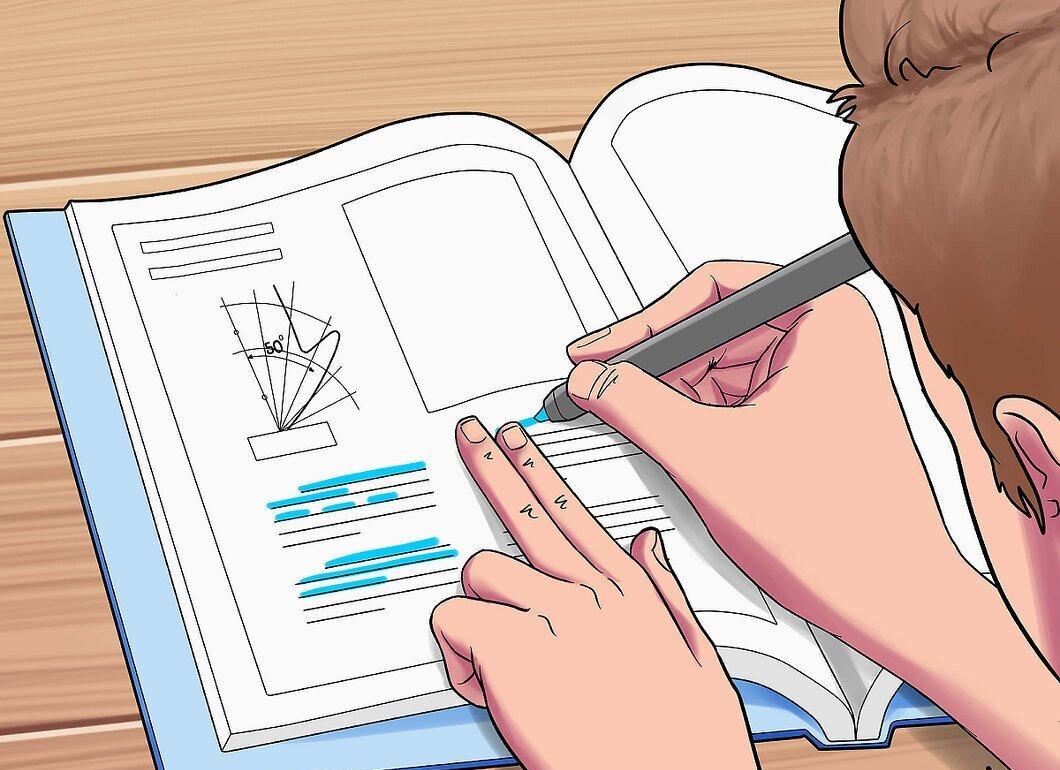
Don’t just skim through boring texts. Start creating flashcards with questions (about 5 questions can cover all key points of the text). These cards can be used for self-testing or studying together with friends, with the answers on the back!
- Alternative methods: highlight important passages in your notes or books, draw diagrams and summaries on pages, and explain the material to someone else. Explaining a topic to another person is the best way to test your knowledge. As Albert Einstein said, "If you can't explain it simply, you don't understand it well enough." Make the review process more active and engaging.
- Write open questions on the topic in the margins or on a separate sheet. Think about what would happen if certain conditions changed. Even small changes can significantly affect the outcome. Develop your analytical skills.
Step 2. Summarize What You Read.

Summarize and recap. Take breaks every few minutes and repeat what you’ve read. Write a brief summary in a few lines in your notebook. Try to summarize the material in your own words, then check yourself and fill in the gaps with a different color. This will help you identify what you forget.
- Periodically write down everything you know about the topic on a separate sheet without looking at the books. Compare what you’ve written with your previous summary and highlight areas where you need to work.
Step 3. Use Visualization.
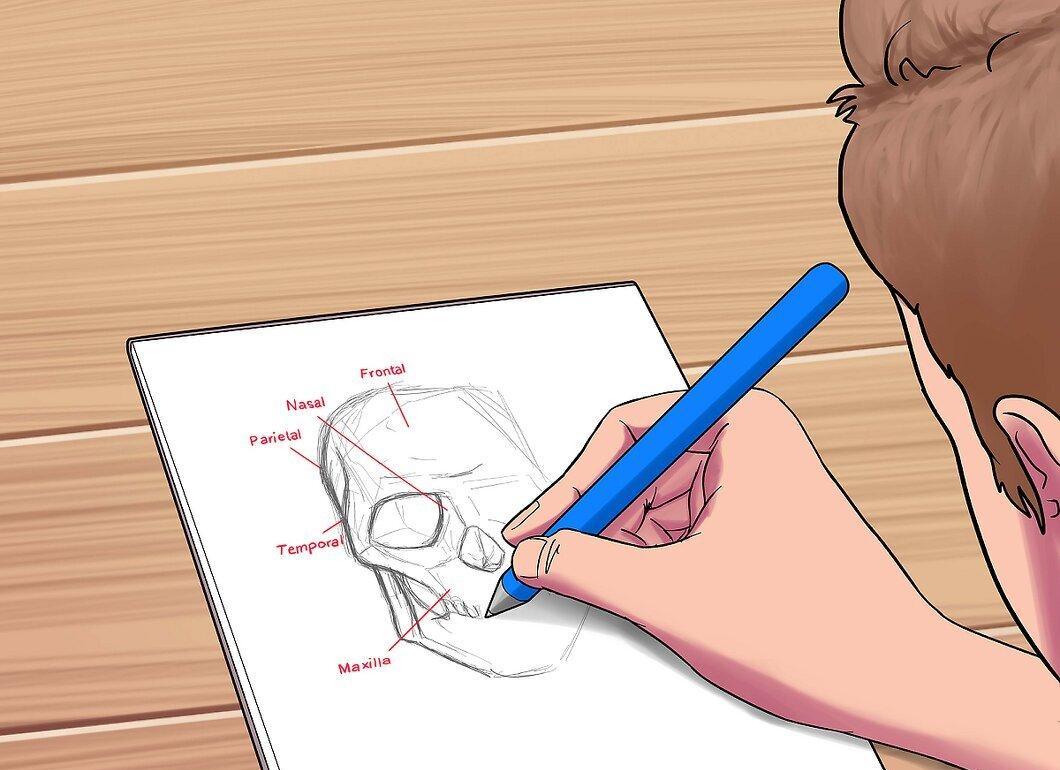
Create visual notes and diagrams during your study sessions. For visually oriented individuals, it’s important to transform information into drawings or diagrams to recall it more easily later. Sketches and diagrams help better absorb the material and can be a great supplement to text.
Step 4. Explain the Material to Others.

Explain the topic as if you are teaching someone who knows nothing about it. Practice on yourself, in front of a mirror, or even to your pet. This process will help you articulate your thoughts in simple and understandable terms.
- If there’s no one around, imagine you’re being interviewed on the topic. Ask yourself questions and try to give concise and meaningful answers to explain the material to your imaginary listener.
Step 5. Use Old Exam Questions.
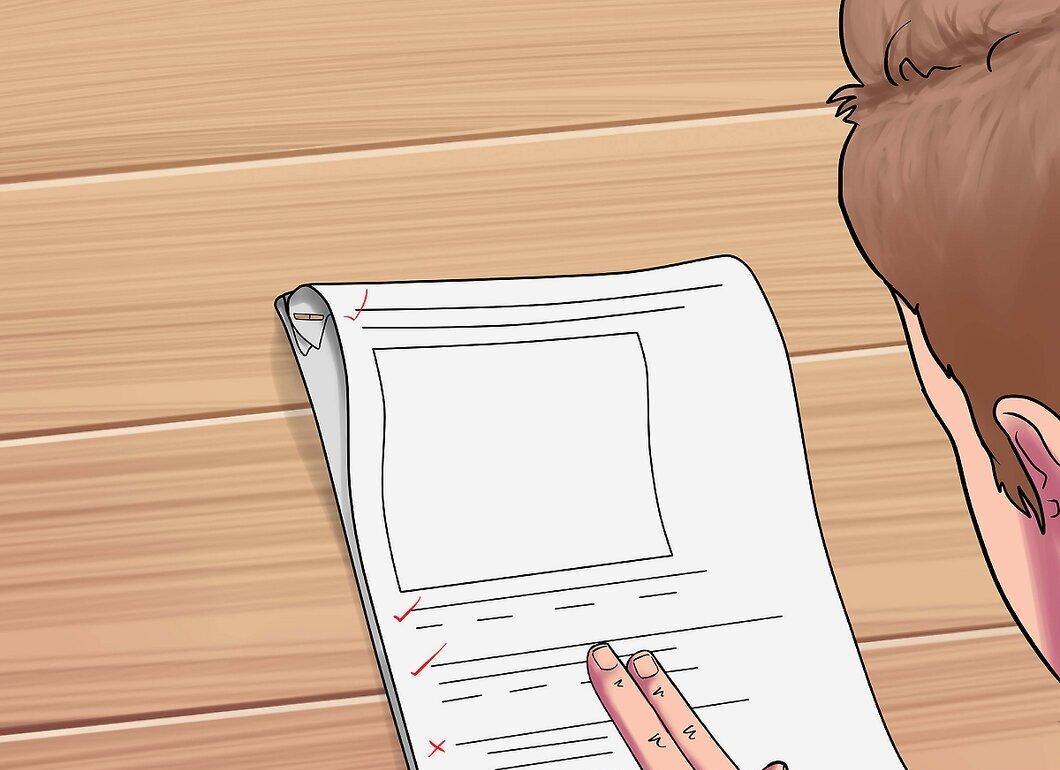
Try to answer questions from past exams within a set time to test your knowledge in conditions that mimic the real exam. This will help identify gaps and understand how well you can manage your time.
Step 6. Take Breaks to Improve Concentration.
Regular breaks will help you maintain concentration. They will allow you to retain more information than continuous study. Don’t spend time studying if you feel fatigued.
- Stick to your schedule, marking the topics you’ve covered. Reward yourself for accomplishments to maintain motivation and avoid giving up.
How to Find Support
Step 1. Communicate with Your Instructors.

Don’t hesitate to reach out to your instructors. View them as people ready to help you and answer your questions. It’s better to seek advice in advance to have time to apply their recommendations.
Step 2. Study with Classmates.

Gather a team of proactive students and organize group study sessions. Discuss topics, help each other with tasks, and quiz each other. Studying in a group reduces tension and makes learning more enjoyable.
- Use various methods of review, including games. Apply flashcards or organize quizzes. If meeting in person isn’t possible, communicate online.
- Make sure you focus on studying during your meetings; it’s better to work with those who aren’t your close friends.
Step 3. Seek Help from Family.

Family members can provide support even in areas they don’t understand. Ask them to help you review knowledge, explain topics, or keep you accountable in your preparation. They can also offer you moral support and confidence.
- Emotional support is very important. If you have someone who’s willing to listen to your concerns, it will help lower your stress levels. Even a phone call can be a better option than staying alone.
Step 4. Don’t Forget to Take Time to Rest.

Each day, allocate time for relaxation. Listen to your favorite music, go for walks, exercise, or spend time with loved ones. These activities will help you unwind and stay connected with the outside world during your preparation. Also, consider meditating or simply resting, and keep flashcards with questions handy.