Garlic is an essential ingredient in both the kitchen and traditional medicine. You can buy it from the store, at a market, or even grow it yourself. If you know how to store garlic properly, it can delight you with its flavor and aroma for a long time. In this article, we will share useful tips on how to store garlic.
How to Keep Garlic Fresh
Step 1. Start by Purchasing or Growing Garlic.
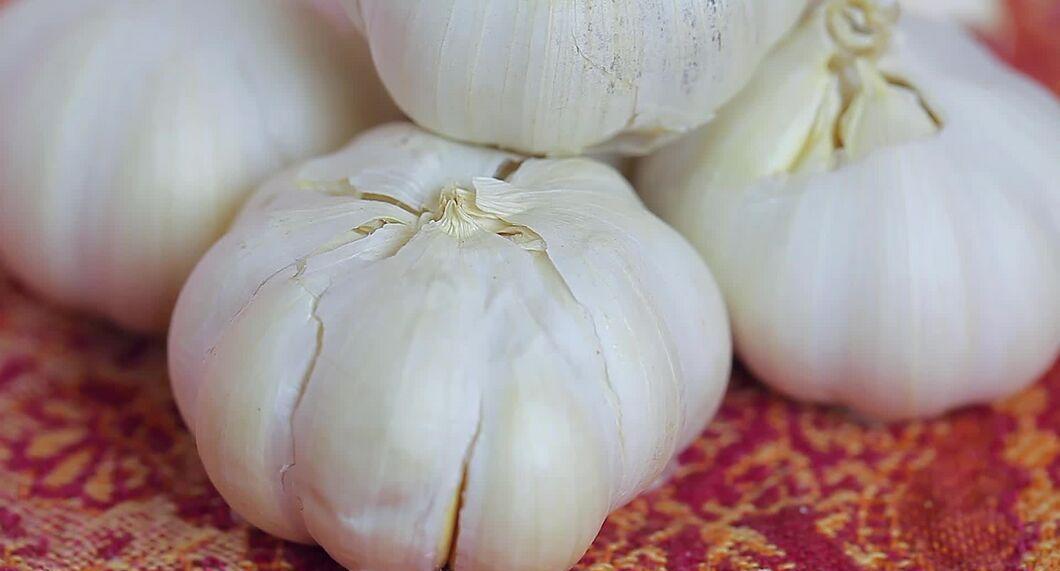
First, you need to either grow or buy garlic. It should be fresh and firm to last longer.
- The garlic bulb should be tight and free from sprouting. The skin should be dry, like paper. If the bulb is soft, it indicates that the garlic has dried out and will not store well.
- Avoid purchasing dried-out bulbs or garlic that has been stored in the refrigerator.
Step 2. Dry the Bulbs Before Storing.
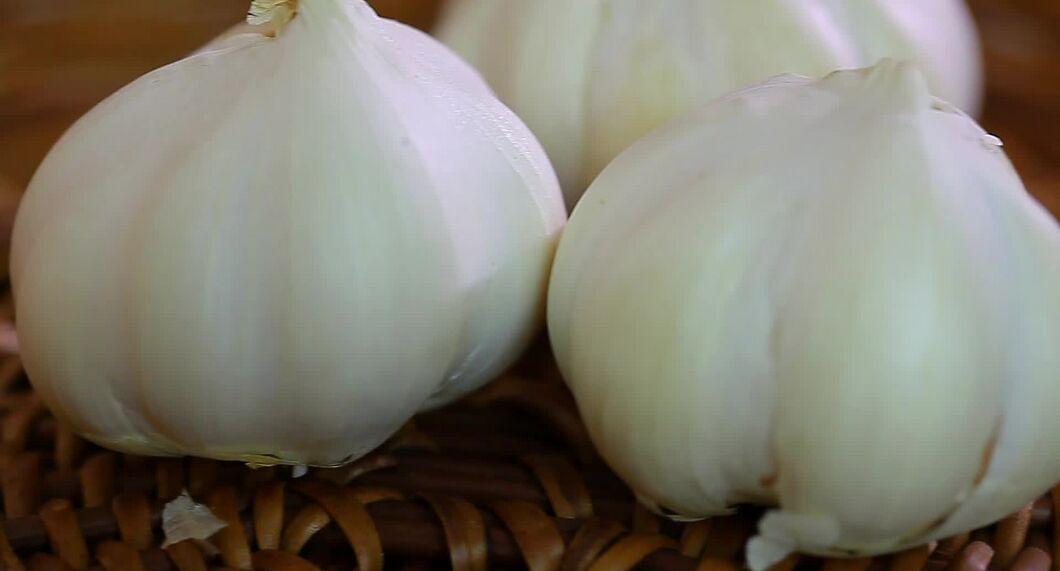
Before storing garlic, make sure to dry the bulbs. This will help unlock their flavor and aroma.
- Wash the garlic bulb and leave it to dry in a dark place for a week.
- You can also hang the garlic to dry.
Step 3. Store Garlic at Room Temperature.
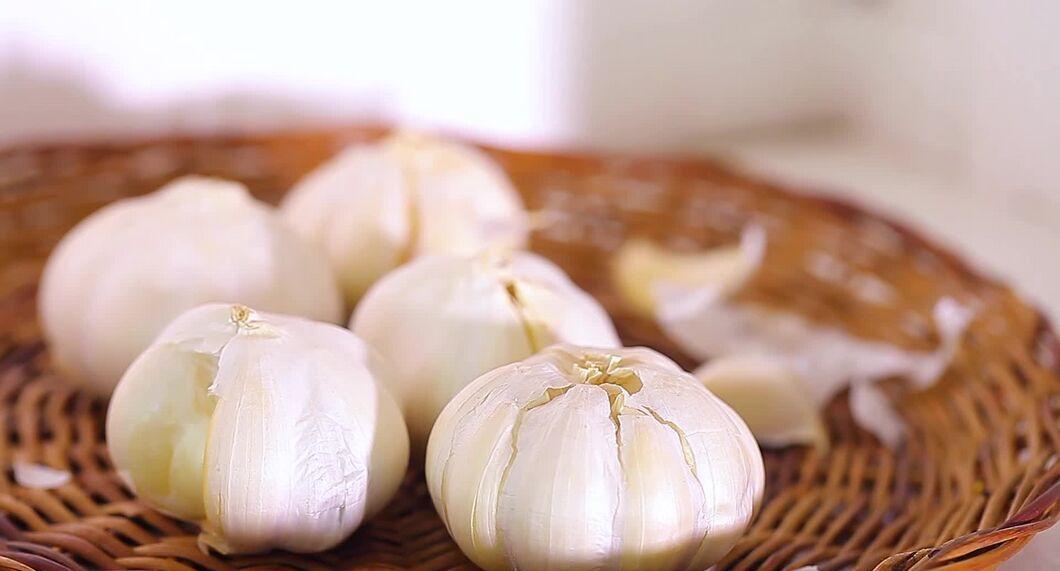
The best way to store garlic is at room temperature. Many people make the mistake of putting it in the refrigerator, even though the ideal storage temperature is around 16 °C.
- If garlic ends up in the refrigerator, it may spoil. Cold causes moisture buildup, which can lead to mold.
- Chopped or grated garlic can be stored in an airtight container, but it should be used as soon as possible.
- Freezing garlic is not recommended as it changes its texture and flavor.
Step 4. Ensure Good Ventilation.
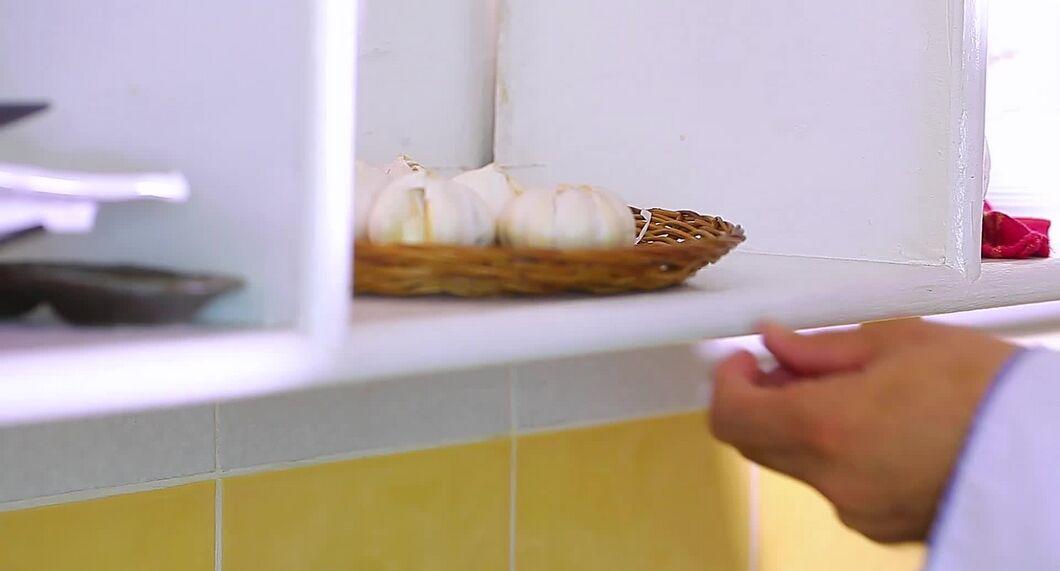
Good ventilation is key to garlic longevity. It allows garlic to 'breathe' and extends its shelf life.
- Store garlic bulbs in a mesh bag, wire basket, small container with holes, or a paper bag.
- Avoid storing fresh garlic in plastic bags or airtight containers, as this can cause moisture buildup and sprouting.
Step 5. Choose a Dark and Dry Place.
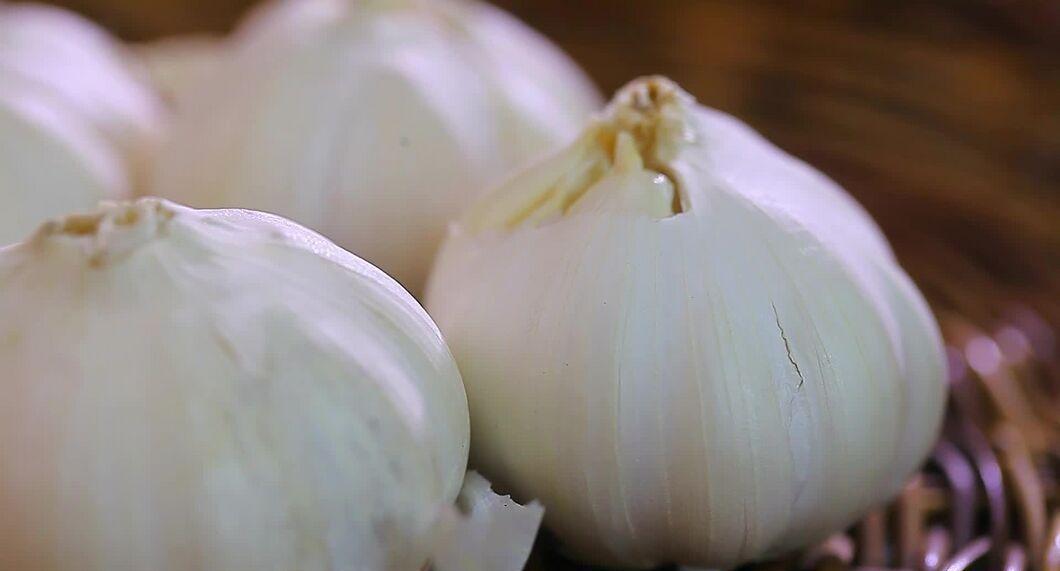
The ideal place to store fresh garlic is a dark and dry corner, like a kitchen cupboard.
- Keep garlic away from sunlight and damp areas to prevent sprouting.
Step 6. Use Damaged Garlic Immediately.
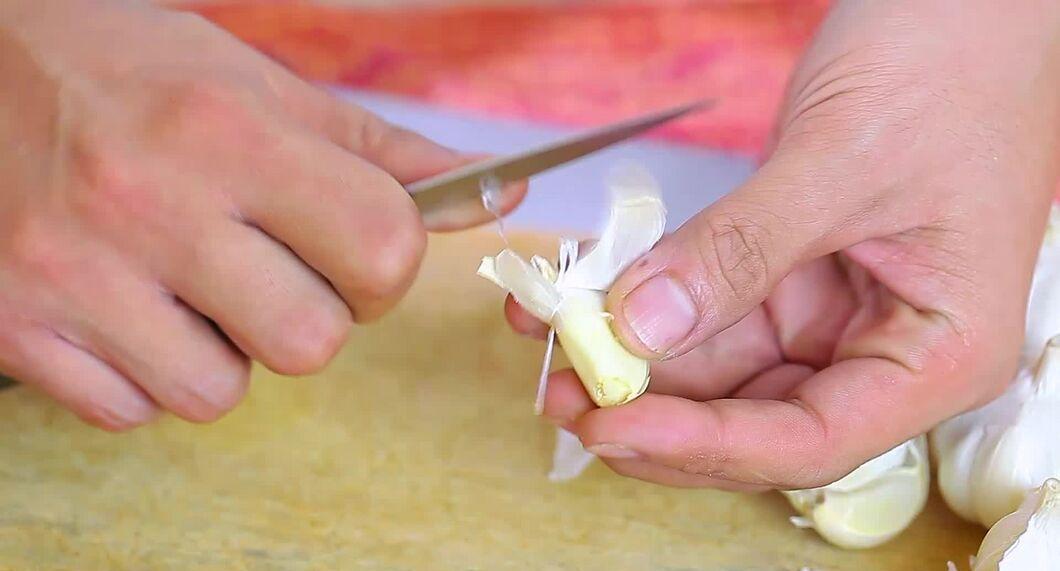
As soon as you damage a garlic bulb, use it immediately. Its shelf life significantly shortens after cutting.
- If the garlic becomes soft or sprouted, discard it.
- Whole garlic bulbs can last up to 8 weeks with proper storage, while cloves from a cut bulb last from 3 to 10 days.
Step 7. Young Garlic Requires Special Care.
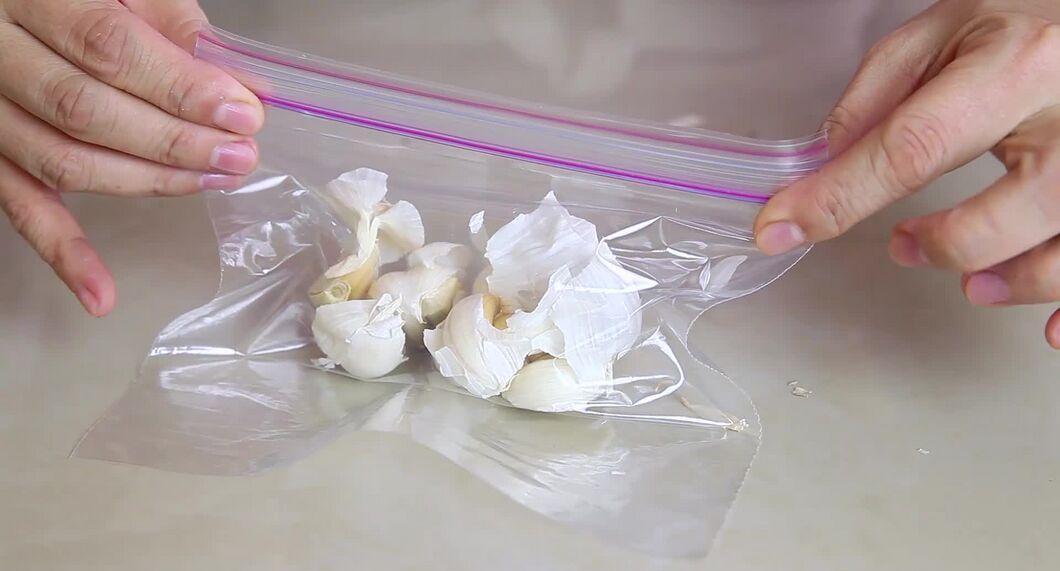
Remember that young garlic requires a different storage approach: after purchasing, it's best to put it in the refrigerator right away.
- Young garlic matures in early summer and has a milder flavor. It doesn't need drying and can be stored in the fridge for up to a week.
- Young garlic is not as pungent as mature garlic and can replace onions or leeks in various dishes.
Freezing, Preserving, and Drying Garlic
Step 1. Frozen Garlic.
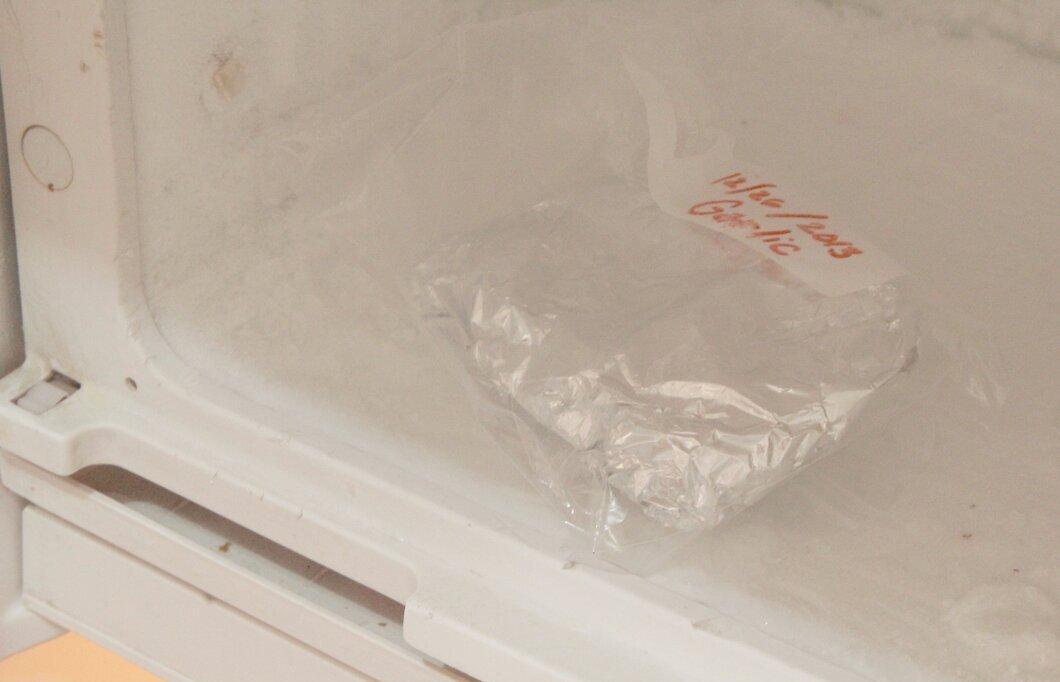
Freezing garlic is a common storage method, although many claim it diminishes its texture and flavor. However, it's a great option for those who use garlic infrequently or have surplus cloves. Garlic can be frozen in the following ways:
- Freeze whole unpeeled cloves by wrapping them in plastic wrap or foil, or placing them in a freezer bag and putting them in the freezer. This way, you can extract the needed cloves as required.
- Another method is to peel the cloves, crush or chop them, and then place them in a freezer bag. If they stick together, you can grate the desired amount.
Step 2. Storing in Oil.
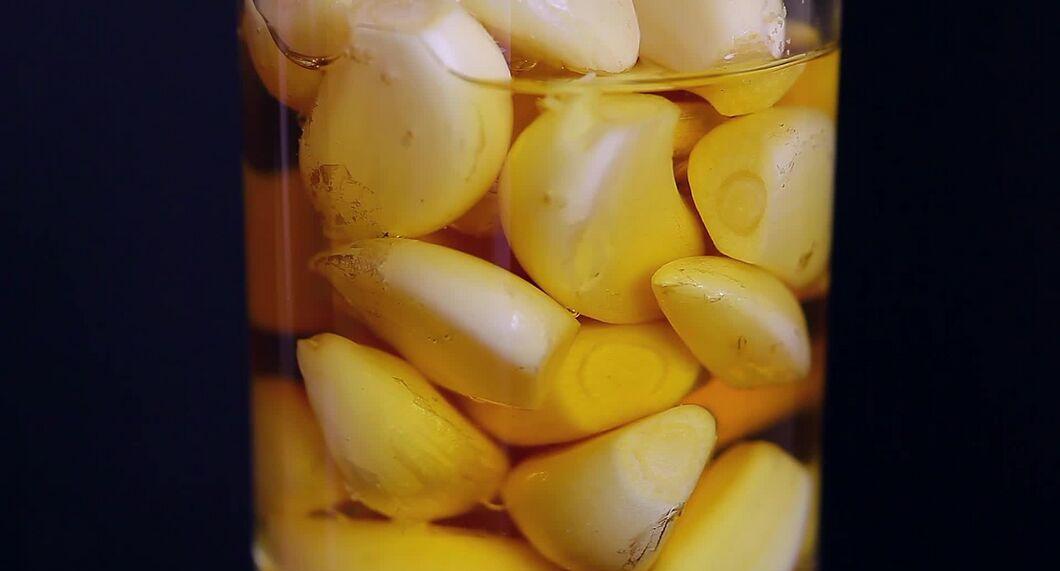
Storing garlic in oil has been criticized due to the risk of clostridium botulinum bacteria development. However, keeping such a container in the freezer minimizes the risk.
- Peel the garlic cloves, place them in a glass jar or plastic container, completely cover them with sunflower oil, and seal. Then store it in the freezer. In the future, you can extract cloves with a spoon.
- You can also make garlic puree by blending peeled cloves with olive oil in a 1:2 ratio. Place the puree in a freezing container and store it in the freezer. This method is convenient for frequent cooks, as the puree does not freeze solid and is easy to use.
Step 3. Canning in Wine or Vinegar.
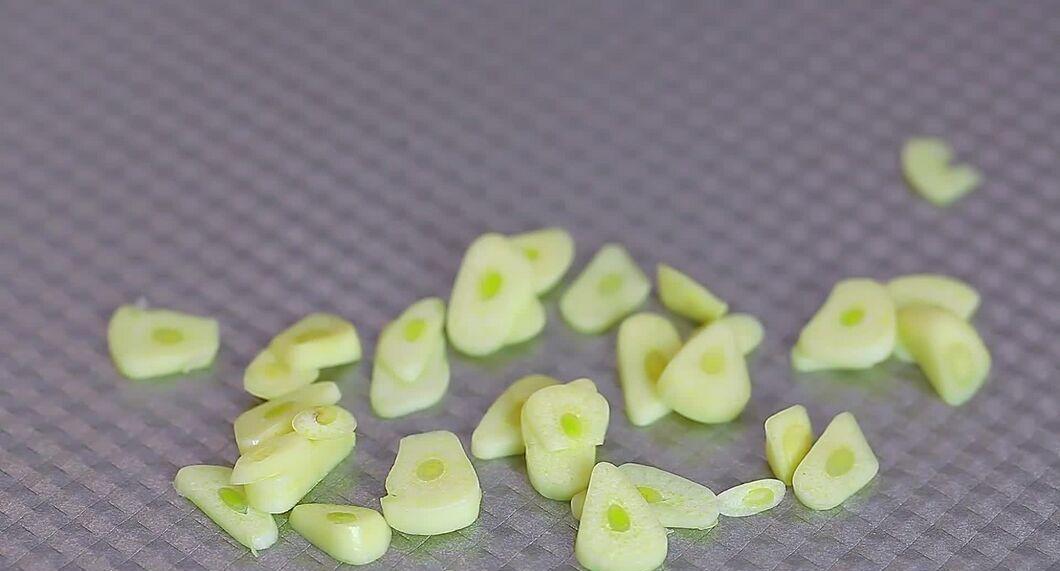
Peeled garlic cloves can be canned in wine or vinegar and stored in the refrigerator for up to four months. Use dry red or white wine, or distilled white vinegar. Place the peeled cloves in a glass jar and completely cover them with wine or vinegar, then seal.
- To enhance the flavor of the canned garlic, add salt (1 tablespoon per cup of liquid) and dried herbs such as pepper, oregano, rosemary, or bay leaves. Shake the jar to mix.
- Although canned garlic can be stored in the refrigerator for up to 4 months, it should be discarded immediately if mold appears. Never store canned garlic at room temperature, as this will lead to rapid spoilage.
Step 4. Dried Garlic.
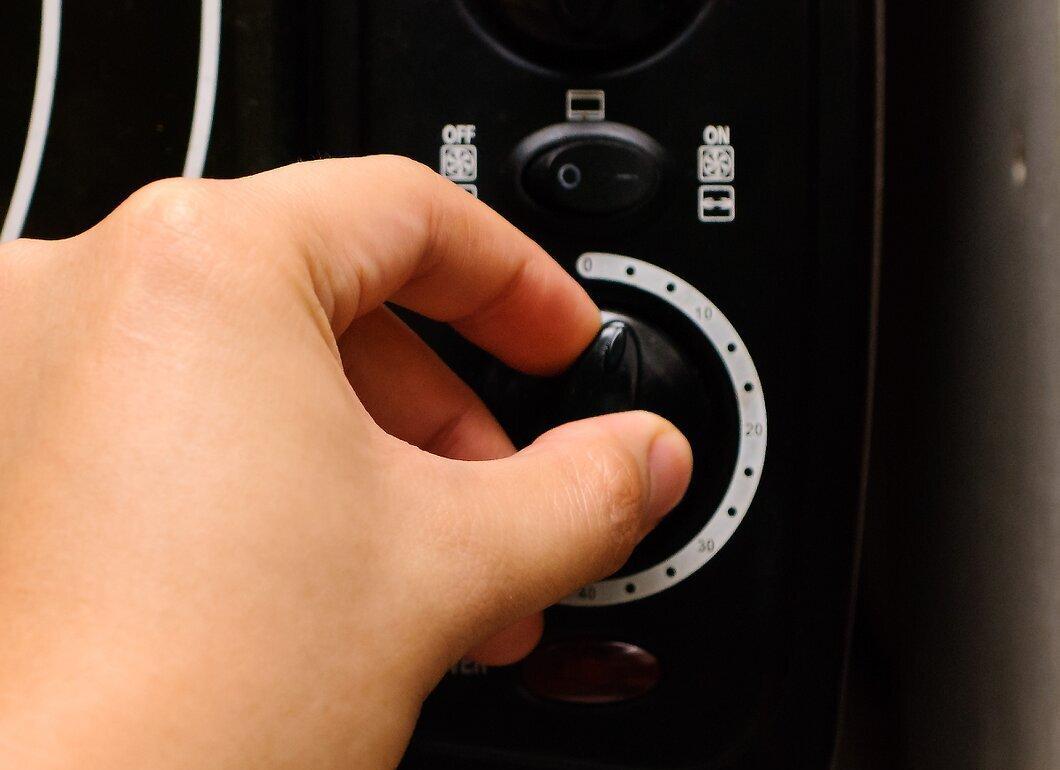
Drying garlic is another simple way to store it. Dried garlic takes up little space and absorbs moisture when used, adding great flavor to your dish. Garlic can be dried in two ways: with a dehydrator and without it.
- For dehydrator drying, peel the cloves and cut them in half. Use only large and firm cloves. Spread them on a tray and follow the drying instructions.
- If you don't have a dehydrator, you can dry garlic in the oven. Spread the halved cloves on a baking sheet and dry for 2 hours at 60 °C, then reduce the temperature to 55 °C and continue until fully dried.
Step 5. Make Garlic Salt.
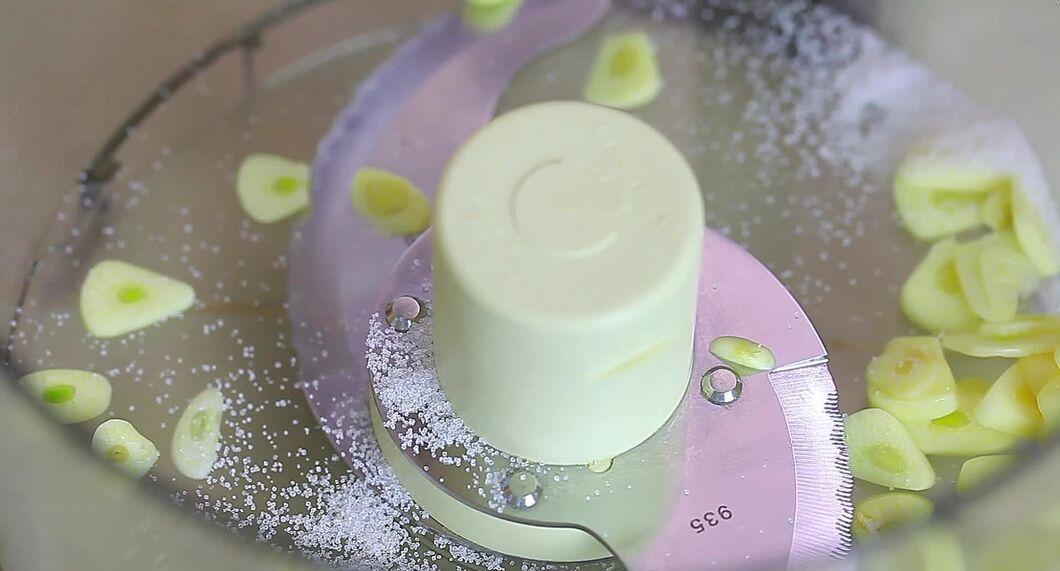
To make garlic salt, you'll need dried garlic. This salt will add an amazing and subtle flavor to your dish. Grind the dried garlic in a blender to a powder and mix it with sea salt in a 1:4 ratio.
- Do not blend for too long to avoid clumping.
- Store garlic salt in a glass jar, tightly closed with a lid, in a dark, cool place.