
Students today often hear from their parents that homework was a real challenge in their days. However, the volume of assignments has significantly increased. This shouldn't turn into stress! Learn to manage your time, organize your study process, determine if you need help, and it will become much easier for you. Don't procrastinate — start taking action right now!
Steps for Completing Homework
Step 1. Prepare Everything You Need Before Starting.

Before diving into your assignments, make sure you have all the necessary materials. If you start searching for a ruler or protractor during your work, it will distract you, and returning to your studies after half an hour of searching will be difficult. By making a checklist in advance, you can be well-prepared for your study sessions.
- Once you start working, try not to get up from your desk until your scheduled break. If you want a coffee, do it beforehand. Also, visit the restroom in advance to avoid distractions from your textbooks until your next break.
Step 2. Eliminate All Distractions.
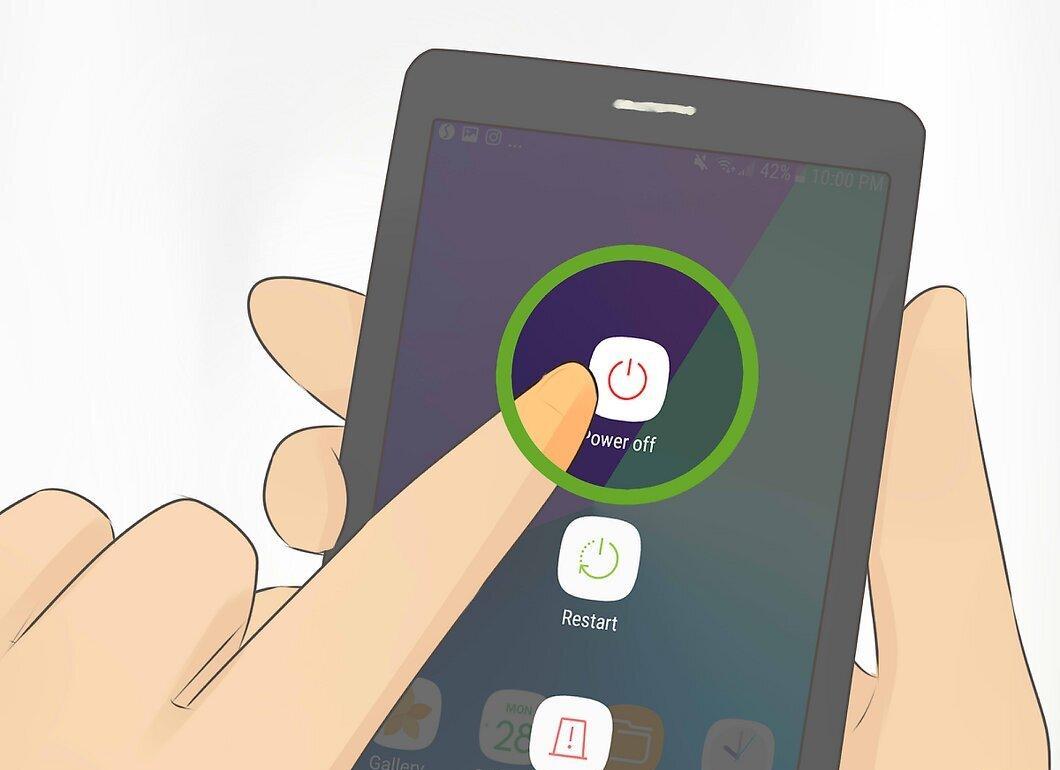
Remove anything that might divert your attention. Put your phone away, turn off your computer, and create a quiet atmosphere. When you focus solely on your homework, it becomes easier to complete the tasks, as your brain doesn't have to switch between different activities.
- Students often try to do their homework alongside other activities: watching TV, listening to music, or chatting online. It's best to postpone these activities until after homework is done to reduce the time spent on assignments.
- Check social media only during breaks — not before or after. Use distractions as a reward, not a way to relax.
Step 3. Focus on One Task at a Time.

Concentrate on completing one task at a time. Finish all assignments for one subject before moving on to the next. This approach will help you complete one task and then switch to the next. Finishing assignments for one subject allows you to maintain your focus. Keep all tasks in mind, but tackle them one at a time. You might find it helpful to ask a friend or family member for assistance.
- If a certain assignment proves too difficult and takes too long, take a break and switch to something else, but remember to return to it later.
Step 4. Take Breaks Every Hour.

Don't forget to take breaks every hour. Set aside time for rest and stick to your plan. During your break, do whatever you like, but keep an eye on the clock. It's easy to get caught up in something interesting and forget to return to studying!
- Consider what schedule works best for you. Some find it comfortable to do homework right after school to finish quickly, while others need a little downtime to recharge after a long day.
- Completing homework right away might seem like a good idea, but if you skip breaks, the quality of your work may suffer. It's very hard to focus on one task for more than 45 minutes at a stretch. Take a break and return to work with renewed energy.
Step 5. Don’t Delay Returning to Work After Breaks.

Return to your work on time. Don’t let breaks drag on. Getting back to studying after a break can be tough, so set a time to end your work session and try to use the remaining time effectively.
- The first 15 minutes after a break will be the most productive, as your mind will be fresh and ready for new tasks.
Step 6. Set Rewards for Completing Homework.

Come up with rewards for finishing your work. For example, promise yourself to watch your favorite series or play video games. It should be something you didn't do during breaks to motivate you to work harder and faster.
- If you struggle to concentrate, ask one of your parents, siblings, or a friend to help you. Give them your phone for the duration of your study session to avoid the temptation of checking social media, or the TV remote. Later, return these items and reward yourself for completing your assignments. It's important to eliminate distractions.
Step 7. Spend as Much Time as Needed on Homework.

Don't rush through your homework. You may want to finish math quickly so you can play video games, but it's better to do everything thoroughly. There's no point in rushing through an assignment if it won't be done correctly. Spend as much time as you need on your homework and aim to get everything done right.
- Ask someone to review your work after you're done. If that person has the TV remote or your phone, you'll have more incentive to do the assignments well. Don’t rush.
Step 8. Review Your Completed Assignments.

Don’t be quick to close your notebook as soon as you finish all the equations. Take a short break and return to the assignments with fresh eyes. Review everything you've done, correct mistakes, typos, and minor errors to improve your grades. If you've spent so much time on your work, spend a few more minutes checking it.
Organizing Your Study Process
Step 1. Write Down Your Homework in a List.
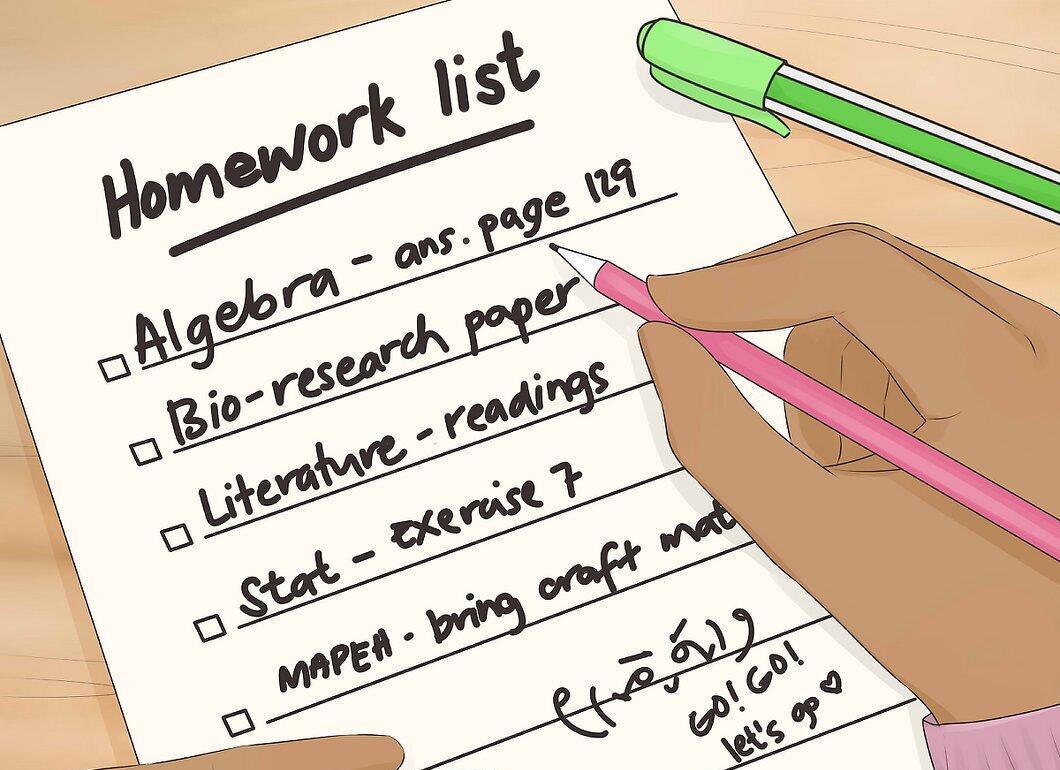
Keep a list of your homework assignments. You can use a regular notebook or a special planner to have everything in one place. Some students prefer calendars or apps. Use what feels most convenient for you.
- Often, students write assignments in their notebooks or make notes in textbooks. If you have this habit, still rewrite the assignments in your planner to avoid forgetting them.
- Record as much information as possible about each assignment, including textbook pages and teacher instructions. This will help you plan your studies more effectively.
Step 2. Make Sure You Understand Each Assignment.

Carefully read each assignment to understand if you have enough knowledge to complete it. If you have math equations assigned, look at them first and highlight the most challenging ones. If you need to read a text, estimate how long it will take and consider whether you can answer the questions about it.
- Don’t put off doing the assignment until you get home. Check it out right after class so you have the opportunity to ask questions if something is unclear.
Step 3. Create a Comfortable Study Space.

Organize a comfortable workspace. It's best to study in a quiet place where you won't be distracted. This can be either at home or outside, just make sure to choose a calm environment. Don't forget to stock up on snacks and drinks in case you need them.
- At home. The best place to do homework is at a desk in your room. Close the door to avoid distractions. However, if there are too many distracting items in your room, it might be worth trying to study in the kitchen or living room, where it's easier to concentrate.
- In a public space. A library is a great place to study as silence is required there, and you won't be distracted by things at home. School libraries are often open all day, and some schools have special rooms for doing homework.
- Change Locations. If you always study in the same place, it can become tiresome over time. Research shows that changing your environment stimulates brain activity as it has to process new information. This can help you retain material better.
Step 4. Identify the Most Difficult Assignments.
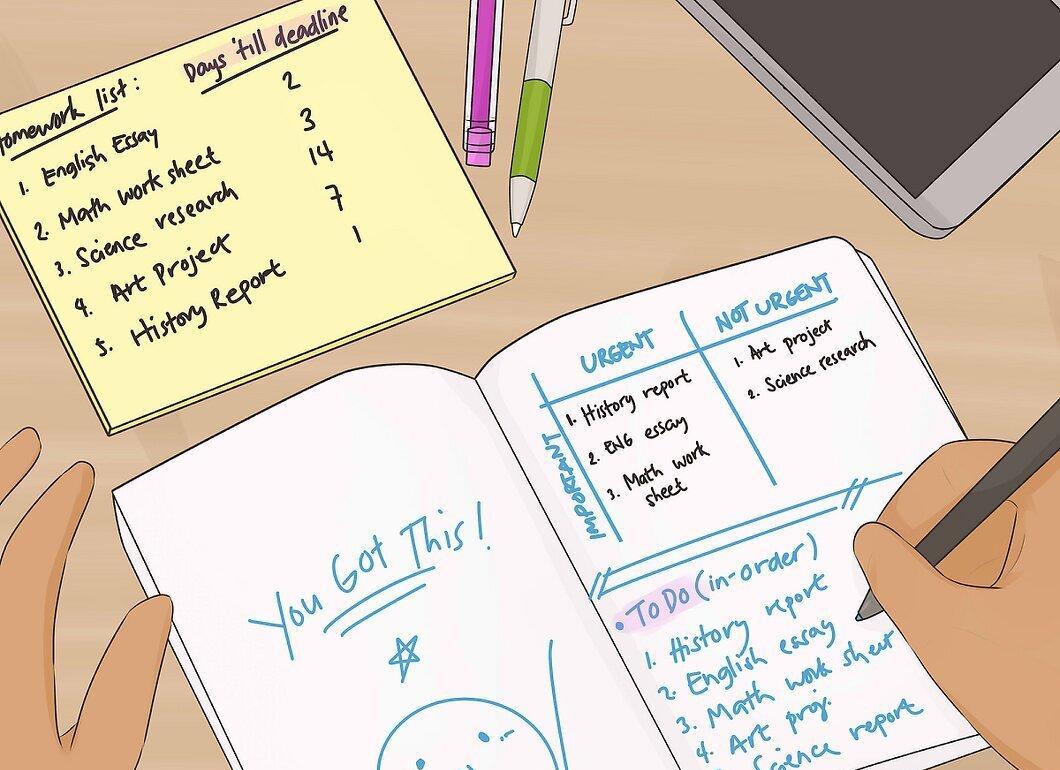
Start with the hardest assignments. When preparing for homework, think about which assignments are the most challenging, and rank them in order of difficulty to know how much time you will need to complete each. This is especially important if you have a lot of assignments or some require more than one day to finish.
- Begin with the toughest tasks. Don't like algebra? Is reading time-consuming? Start with the most labor-intensive assignments so you can dedicate the most time to them, and then move on to simpler tasks that can be completed quickly.
- Start with the most urgent assignments. If you need to solve 20 equations by tomorrow and read 20 pages of a book by Friday, start with math to make sure you complete everything on time.
- Start with the most important assignments. If the math homework is tough, but the test is not for a while, and the astronomy project is due the day after tomorrow, it's better to dedicate more time to the project.
Step 5. Create a Schedule for Completing Assignments.
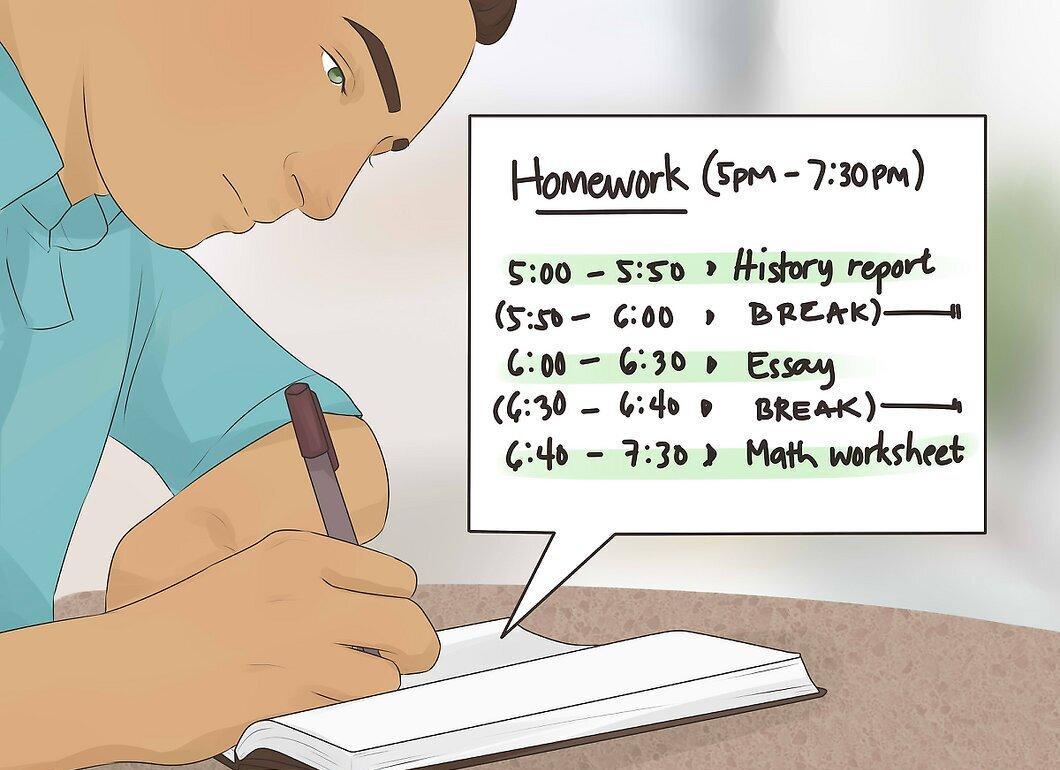
Make a schedule. There never seems to be enough time in the day, so you need to allocate time for each assignment, estimating how many hours or minutes you will need. Calculate the time for doing homework and other tasks.
- Set a timer to keep track of your time. The less you procrastinate and get distracted by social media, the faster you'll finish your work. If you think you can complete an assignment in half an hour, set a timer and try to stick to it. If you don't finish, give yourself a little more time.
- Keep track of how long each assignment takes. If math typically takes 45 minutes, allocate that much time every time. If you need an hour, take a break and switch to another subject to avoid fatigue.
- Take 10-minute breaks every 50 minutes. Breaks are essential since without them, your efficiency decreases. You're not a robot!
Find Extra Time for Studying
Step 1. Start Working Right Now.

Start working right now. You may have many reasons for procrastinating your homework, but if you find it hard to finish tasks, it indicates that you tend to put things off. How can you find time for studying? Start now!
- Do you really need an hour of gaming on the computer after school to unwind? It might be wiser to dive into your work right away while the new information is still fresh in your mind. If you put it off for a few hours, you'll have to reread your notes and try to remember where you left off. Study while it's still fresh in your head.
- If you have three days to read a text, don’t wait until the last day. Break the text into parts and allocate time for reading each of the three days. Even if the deadline is not approaching, it's better to get everything done early. Try waking up earlier or going to bed later to find a little time. Just be careful not to overdo it!
Step 2. Use Travel Time for Studying.

Do homework on the way home. You’ll be surprised at how much time is often wasted. If you have a long bus ride, try completing a simple assignment or at least start reviewing it so that home work is easier.
- If you need to read a lot of text, read on the bus. Put on headphones to drown out noise and immerse yourself in the book.
- If you're traveling with a classmate, suggest discussing homework together. Two people working on the same assignment is not against the rules.
Step 3. Study During Breaks.

Use breaks to do homework. If you have 10 minutes, you can accomplish something throughout the school day—just avoid getting sidetracked by chatting with classmates. Imagine how great it would be to finish math homework on the day it was assigned without bringing it home.
- Don’t rely on breaks if you didn’t finish something at home. If you try to complete something in front of the teacher, they probably won’t appreciate it. You won’t have time to double-check your work, and rushing leads to mistakes, so always try to review tricky assignments.
Step 4. Study While Waiting.
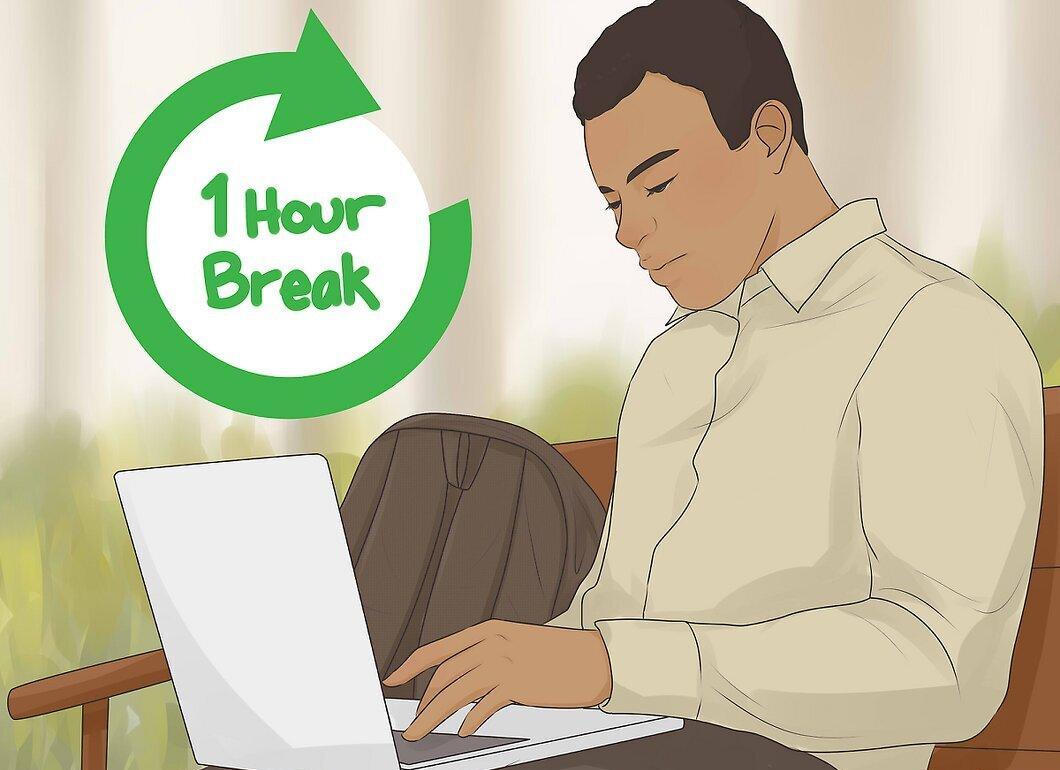
Do homework while you wait. If you have an hour before sports practice or music class after school, work on your studies. Value your time and don’t let it go to waste. Proper time management will help you finish assignments quickly.
- Complete tasks while you wait for someone to pick you up or when someone is coming over. Use any free time for studying.
Getting Help with Homework
Step 1. Discuss Difficult Assignments with Your Teacher.

Talk about challenging assignments with your teacher. They know about the homework since they assigned it. If something isn’t working despite your efforts, don’t bang your head against the wall. Don’t hesitate to ask your teacher for help if something is unclear.
- Asking for help doesn’t make you stupid. Every teacher respects students who take their assignments seriously and ask for help. Don’t be afraid to reach out for assistance, especially if you’ve missed classes.
- Asking for help is not a complaint about the assignment’s difficulty or an excuse. If you've spent only 10 minutes on an assignment and haven’t finished half of it because it seemed difficult, and then you ask for help, it won’t look good in the teacher's eyes. If something seems hard, ask for help early.
Step 2. Ask Your Parents for Help.
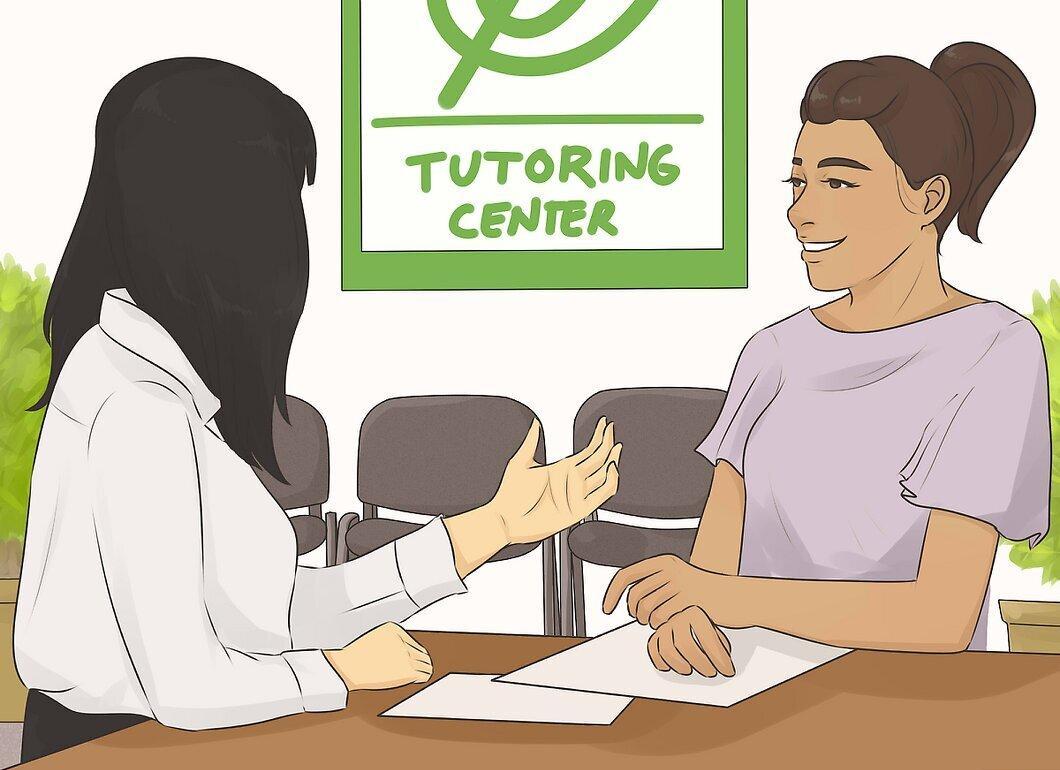
Discuss with your parents the possibility of hiring a tutor. If a particular subject is challenging, ask them to help you find a tutor.
- A tutor can not only help you understand the subject but also assist with homework.
- Needing help with homework doesn’t mean you don’t know anything. Many parents hire tutors to help their children learn, as ease of learning boosts motivation. Learning can be tough, and there’s nothing shameful about extra lessons. If you always feared asking for help, you wouldn’t even be able to go to the store!
Step 3. Study Together with Classmates.

Get together with classmates for group studying. Find peers who are interested in studying together and tackle assignments collaboratively, helping each other and sharing insights.
- Make sure everyone contributes. If someone does the work for everyone and you just copy it, that’s considered cheating. You need to discuss the assignments and propose solutions. If you all can manage the tasks individually, there won’t be any issues.
Step 4. Share Your Difficulties with Parents.

Ask your parents or older siblings for help. They all went to school, even if it was a long time ago. If someone can listen to your complaints about difficult assignments, it may ease your burden.
- Sometimes parents simply don’t know what you need help with, so they might end up doing the entire job for you. Be honest with yourself. Asking for help doesn’t mean you want them to do everything for you.
- Many adults might approach assignments in an outdated way or say that what you’re being taught in school is incorrect. In any case, consider the teacher's approach as the correct one, and discuss problem-solving options with them as needed.