
Learning any subject is always a challenge, and natural sciences are no exception. However, there is no one-size-fits-all method that works for everyone. Each of us is unique, so it's essential to find your own way of learning. If one approach doesn't work, simply try another. Don't get discouraged. Once you discover the best method for you, focus on refining it.
Preparing for Class
Step 1. Review Material in Advance.

Before class, make sure to familiarize yourself with the assigned material. Each subject has its textbook, and your teacher will likely indicate which chapters need to be read for the next lesson. Take the time to go through the material beforehand. This will help you absorb the information more easily during the lesson.
- Highlight key terms and concepts.
- Write down any questions that arise. If they remain unanswered during class, don't hesitate to ask them afterward.
Step 2. Take Notes During Class.

Record information during the lesson. Some teachers stick strictly to the textbook, while others may provide deeper insights into the topic. If the teacher is reiterating material from the book, it's better to focus on their explanations rather than writing everything down. If additional information is provided, make sure to take detailed notes.
- Teachers sometimes share printouts of their presentations, which is great. In that case, just add any missing information.
- It's important to note if the teacher highlights topics that might appear on the exam. This is your chance!
- Share notes with classmates. You might catch something your friend missed and vice versa. If you miss a class, be sure to copy notes from a peer.
Step 3. Review Material After Class.

Make sure to revisit the material and your notes after class. Make corrections or additions if necessary. Highlight paragraphs in the textbook that your teacher emphasized. Create a list of questions you want answers to and discuss them with your teacher.
- Rewrite your notes, summarizing the information.
- Create flashcards with key terms and definitions.
- Try to draw important diagrams by hand. This will help you better remember their significance, not just their appearance.
Preparing for Laboratory Work
Step 1. Understand the Lab Report Format.
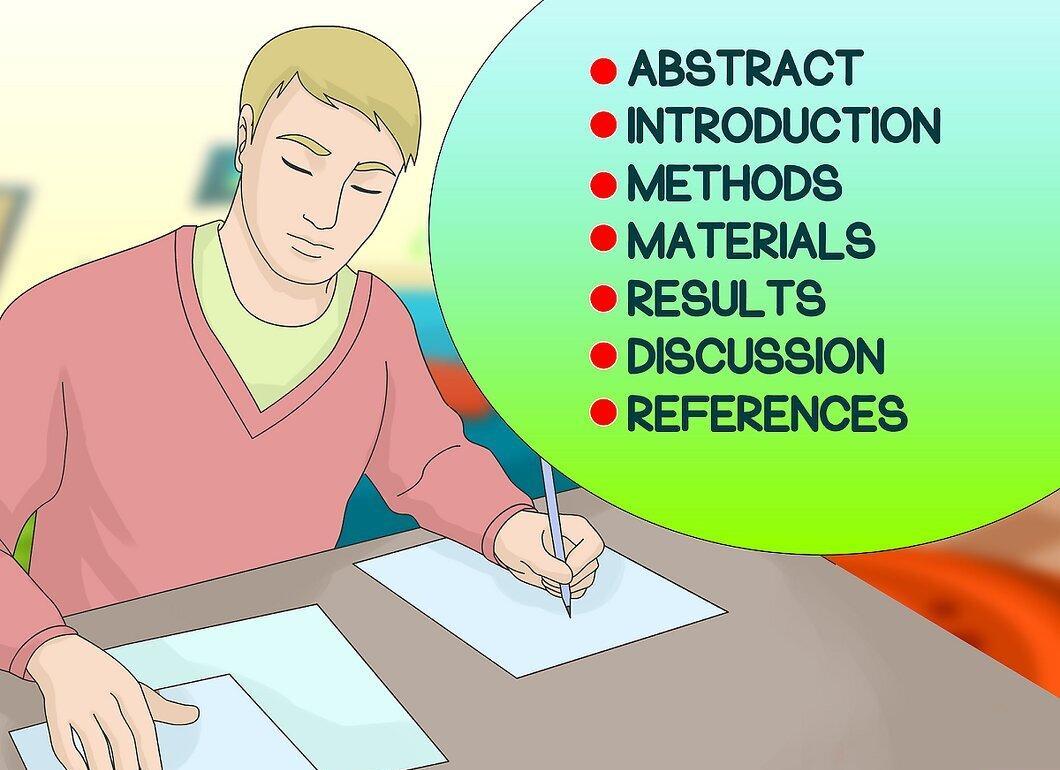
Familiarize yourself with the structure of the lab report. It usually consists of six sections: abstract, introduction, methods and materials, results, discussion, and references. If you review these sections in advance, it will be easier to follow them during the experiment.
Step 2. Study Experiment Details Beforehand.
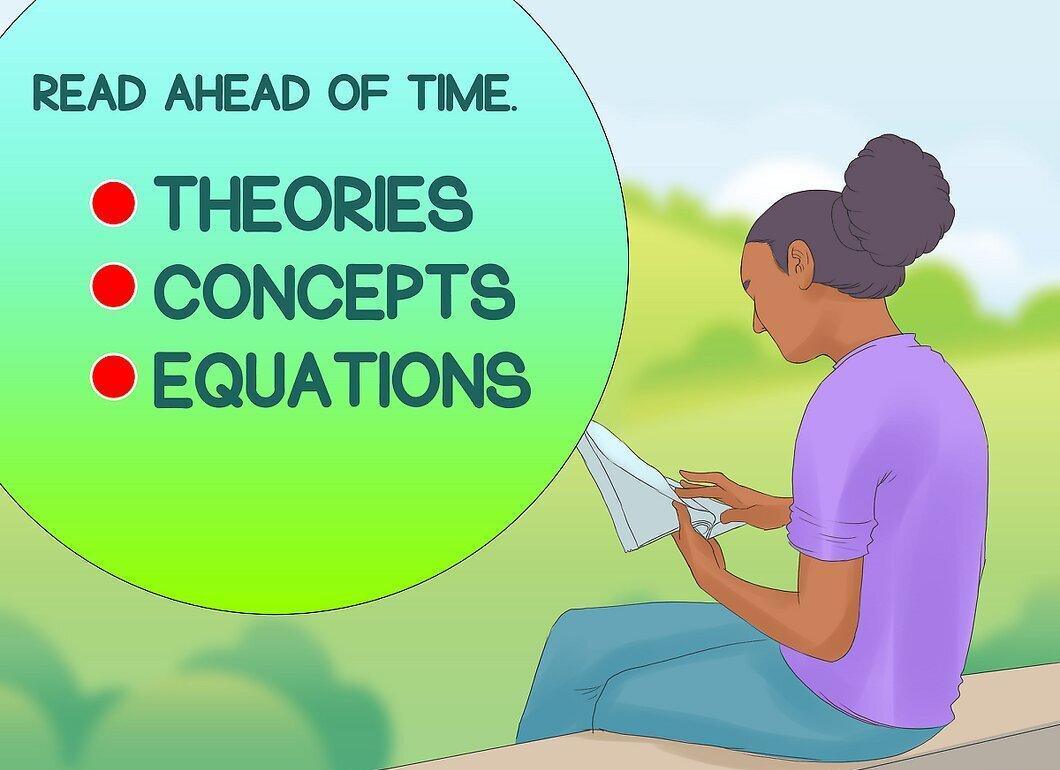
Before starting the work, familiarize yourself with the experiment details. You need to know what materials and knowledge (theoretical aspects, formulas) you will need. Review the necessary pages in the textbook or the lab instructions and make brief notes.
Step 3. Prepare Schemes and Tables for Recording Results.

Prepare diagrams and tables for recording results. Determine what you will need during the lab session and gather the necessary materials.
- Your teacher may provide tables that you will need to use during the work.
Step 4. Follow Safety Rules.

Don't forget about safety. Familiarize yourself with laboratory behavior rules and safety techniques. Follow all instructions during the experiment and dispose of materials properly. If someone gets injured, report it to the teacher immediately.
Step 5. Conduct the Experiment and Record Results.

Conduct the experiment and document the results. Follow the order of operations. Be able to identify variables and how to control them. Know what results to expect, and if they differ, try to determine the reasons why.
Step 6. Write and Submit Your Lab Report.

Draft and submit your lab report. Follow formatting rules. Connect the concepts learned in class with the lab work and results. Be sure to include diagrams, graphs, and tables, as well as a list of references.
Independent Study
Step 1. Find a Comfortable Study Space.

Choose a suitable place to study. Everyone needs their own conditions for productive learning, so pick what works best for you. It can be a classroom, library, bedroom, home office, or even a cozy spot in your backyard.
- Before settling on one option, try studying in different locations.
- If several locations suit you, alternate them based on your mood.
- Avoid places that are hard to get to, so they don't become an excuse for laziness!
Step 2. Create a Study Schedule.
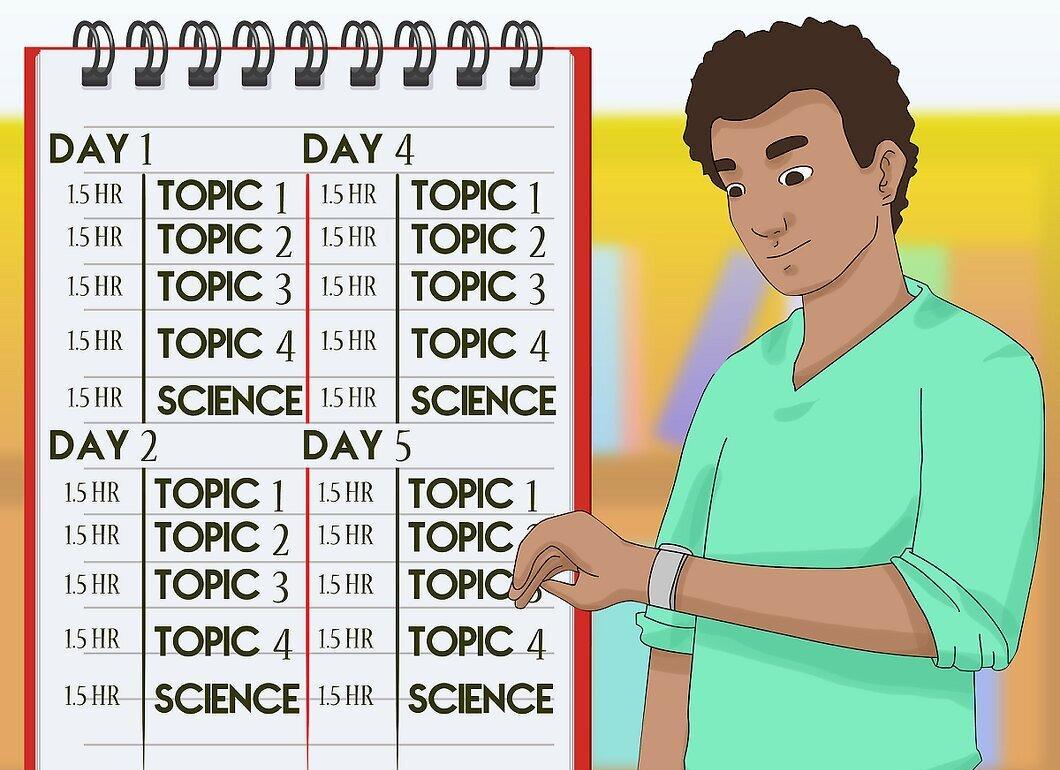
Establish a study schedule. Stick to a set routine and try not to deviate from it. Your schedule should account for school classes and additional work on the subject. Plan in advance what needs to be done for each lesson based on the school curriculum.
- When creating your schedule, avoid long study sessions of one subject in a single day. Instead, try to study different subjects each day, spreading out physics lessons throughout the week. This spaced learning method will help your brain process the information better.
- Consider potential changes in your schedule that might affect your study time, such as part-time work, time with friends, or helping parents. All of this is important, but studying also needs attention. Remember the importance of breaks, but not at the expense of your education.
Step 3. Establish Personal Study Rules.
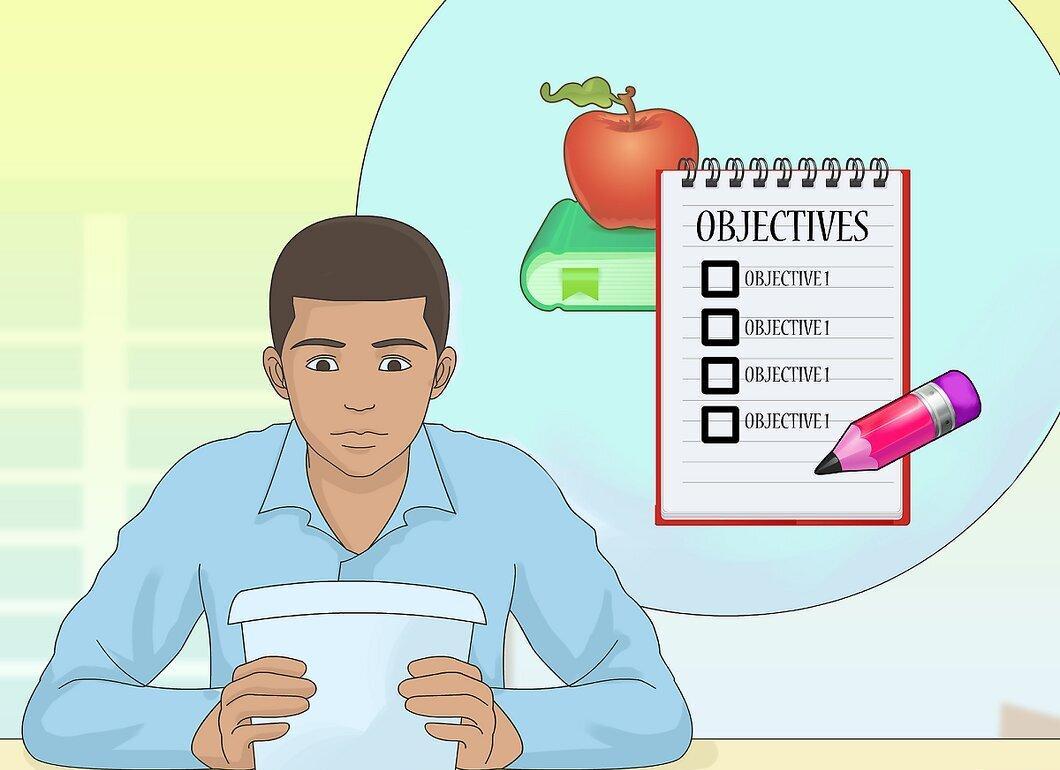
Develop your own study rules. Motivation for learning can only come from you, so create a set of rules to follow. Here are some ideas:
- Reward yourself (not necessarily with food) for each hour of study completed.
- Start each study session by reviewing previously covered material.
- Make a task list for each session.
- Ask a friend to check your progress every few hours of work.
- Turn off your phone and avoid checking emails during study time.
Step 4. Remember to Take Breaks.

Organize short breaks. You need a little rest at least every hour. After each break, switch to a different subject.
- During breaks, get up, walk around, or use the restroom if necessary.
Step 5. Take Care of Your Health.

Pay attention to your health. Maintain a balanced diet. Make time for physical exercise. Try to go to bed and wake up at the same time, even on weekends. The ideal sleep duration is between 6 to 8 hours. Keep a positive mindset, and if you start feeling tired or anxious, don't hesitate to seek support.
Step 6. Review Previously Covered Material.

Start by reviewing the material you studied in the previous session. Look over your notes and solved problems. This will help refresh your memory.
Step 7. Create a Task List.
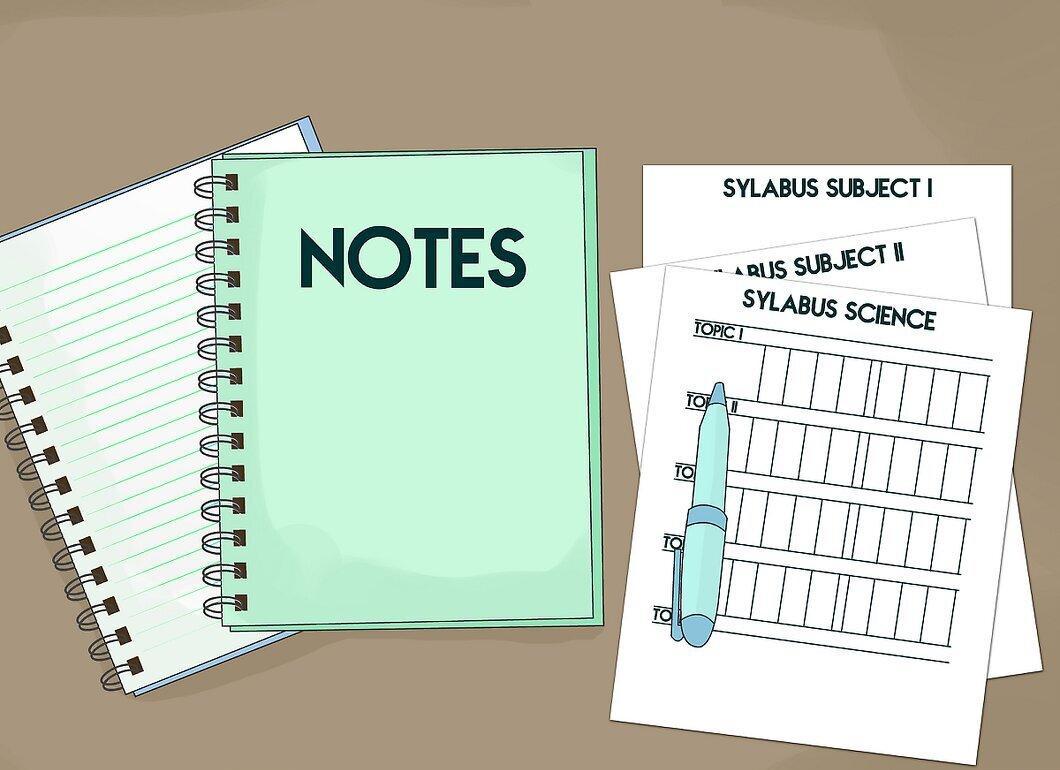
Make a task list for each session, based on the school curriculum. Prioritize tasks based on their importance and deadlines.
Step 8. Don’t Try to Memorize Everything.
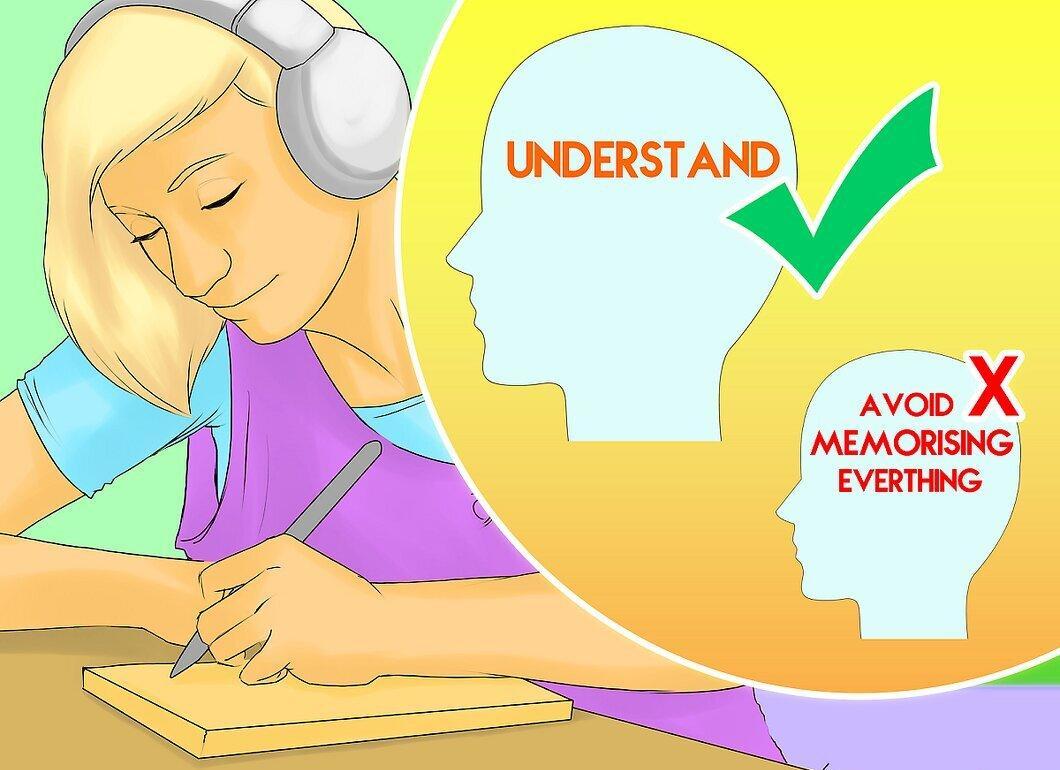
Avoid cramming. This only works if you have a phenomenal memory. It's important to know scientific concepts, but understanding them is even more crucial. It's easy to forget what you've memorized, but not what you truly comprehend.
- If you need to memorize some data (like the date of the invention of the telephone), use mnemonic techniques and repetition.
Step 9. Understand Each Concept and Formula.

Strive to understand each concept and formula in depth. The best way to grasp scientific concepts is to understand their essence, break them down into components, and see how they interact with each other. For new concepts and formulas, it's essential to know technical definitions, sequences of actions, and examples.
- Try to explain in your own words how to use a concept, formula, or problem, and why they lead to certain results.
- Write down why a particular concept or solution is correct.
- Connect new terms and formulas with what you have already learned. Recent knowledge will help expand your understanding of previously studied material.
Step 10. Work on Questions and Problems.

Don't forget to work through review questions and problems usually found at the end of each textbook chapter. Practice is more effective than just reading. Provide detailed answers to questions and solve problems thoroughly, documenting the entire process, not just the answer.
- Look at questions and problems from other textbooks. This will help you better understand your approach to solving them.
- If you encounter difficulty, don't panic. Take a break and return to the problem later. Start with a clean slate, take your time, and double-check your logic.
- Remember to congratulate yourself on your achievements if you arrive at the correct answer!
- Work through several questions on one topic each day for a few consecutive days, rather than cramming everything in one day.
Step 11. Complete Homework Assignments.
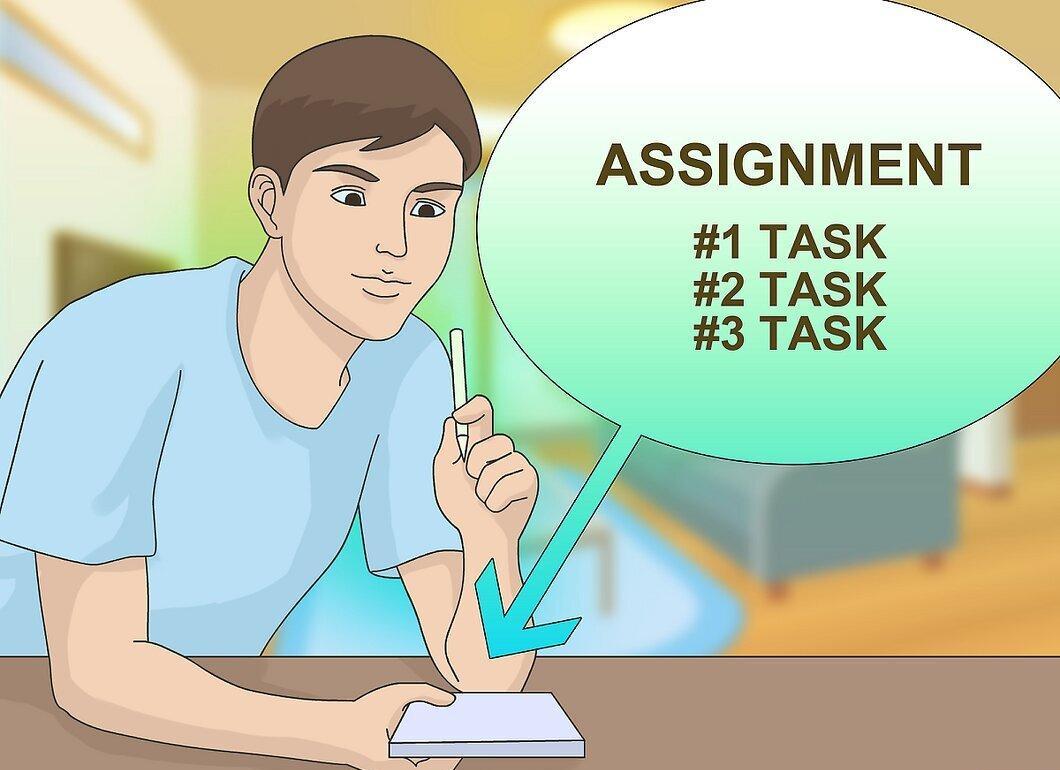
Don't forget about homework. It can be challenging, but it's crucial. Teachers assign tasks for a reason, and you should complete them regardless of whether they will be graded. If you receive assignments back with grades, be sure to review all incorrect solutions.
- If you struggle and keep making mistakes, don't hesitate to seek help from your teacher.
Step 12. Use Flashcards for Memorization.
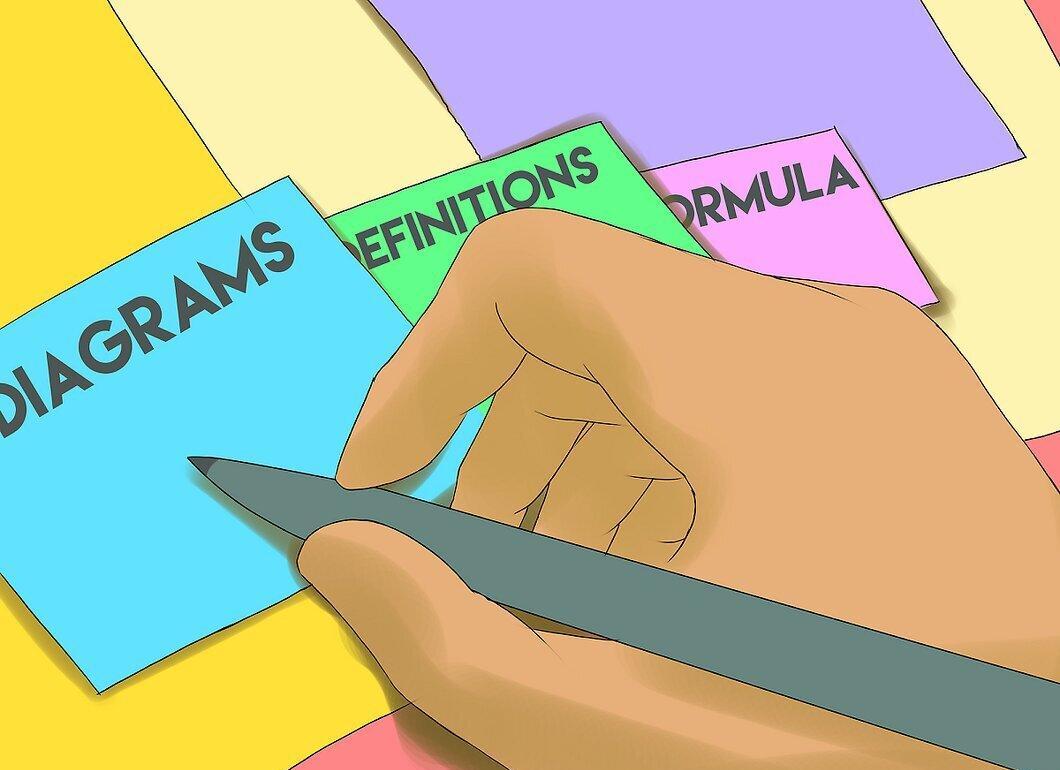
Flashcards are an excellent tool for memorization. They are suitable for terms, concepts, graphs, and formulas. You can use them in various ways: for self-testing (question on one side, answer on the other) or for review (working with one side).
- Flashcards don't have to be small. Some topics require larger formats, so don't hesitate to use large sheets of paper.
Step 13. Solve Examples and Tests.

Regularly solve examples and test problems. Don't postpone preparation until the final exam; it's better to study throughout the semester. Ideally, the assignments should resemble those you tackle in class, but any examples will help deepen your understanding.
Group Study
Step 1. Form a Group with Like-Minded Peers.

Gather a group of people with similar goals. Study groups should be focused on learning, not socializing. Choose members not among friends but among those who are committed to achieving good grades.
- The ideal number of participants is between three to five individuals.
Step 2. Meet Regularly.
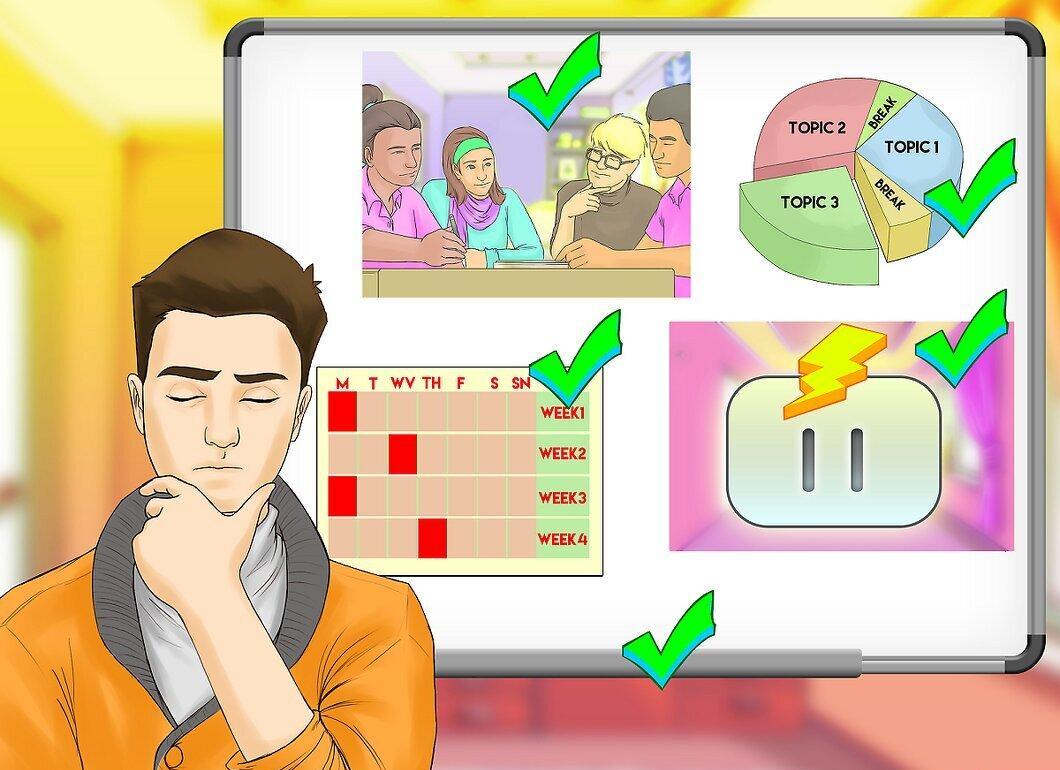
Meet as a group at least once a week throughout the semester. Choose a convenient location for everyone with enough chairs and power outlets. Having a whiteboard will be a bonus. Each session should last 2-3 hours, including breaks.
Step 3. Designate an Organizer (Optional).

Select an organizer if necessary. This person will keep track of the time and meeting place, as well as ensure the agenda is followed.
- Having an organizer is not mandatory but is desirable. This person understands their responsibility and can ensure the group operates smoothly.
Step 4. Set Clear Goals and Objectives (Optional).
Define goals and objectives for the group if necessary. They can pertain to the overall work or a specific session. If they cover one session, specify the topics and paragraphs to be discussed, as well as preparation methods.
- Clear goals will help the group focus on studying the necessary material.
Step 5. Take Turns Explaining Concepts.

Take turns explaining scientific concepts and formulas to one another. This will help you better understand the topic, and your peers will notice if you miss something. Discuss not only new topics but also review previously covered material.
Step 6. Support Each Other.

Support each other. Study groups are created not only for academic assistance but also for moral support. Celebrate each other's successes. Frame feedback positively and find fun and engaging ways to learn new material during group sessions.