Is an annoying guy bothering you? There are several ways to stop his actions. You can simply ignore him or ask why he is behaving this way. He might not even realize that his behavior is making you uncomfortable. If he starts harassing or hurting you, report it immediately to an adult—like a teacher or your parents. Aggressive actions should never go unaddressed.
Analyzing His Behavior
Step 1. Write down what specifically irritates you.
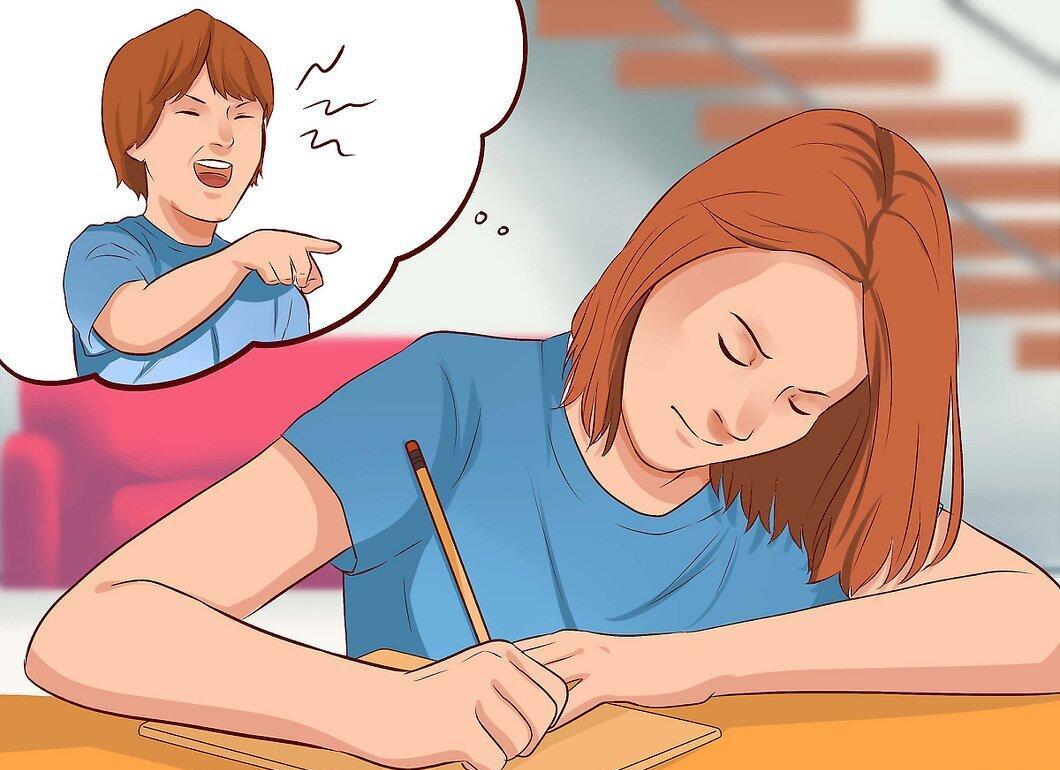
Make a list of his actions that drive you crazy. Some of them might hurt your feelings. Is he calling you names? Or are his words just unpleasant but not crossing the line? For instance, does he constantly ask you to do his tasks? There’s a different approach for each behavior.
Step 2. Ensure his behavior isn't harassment.
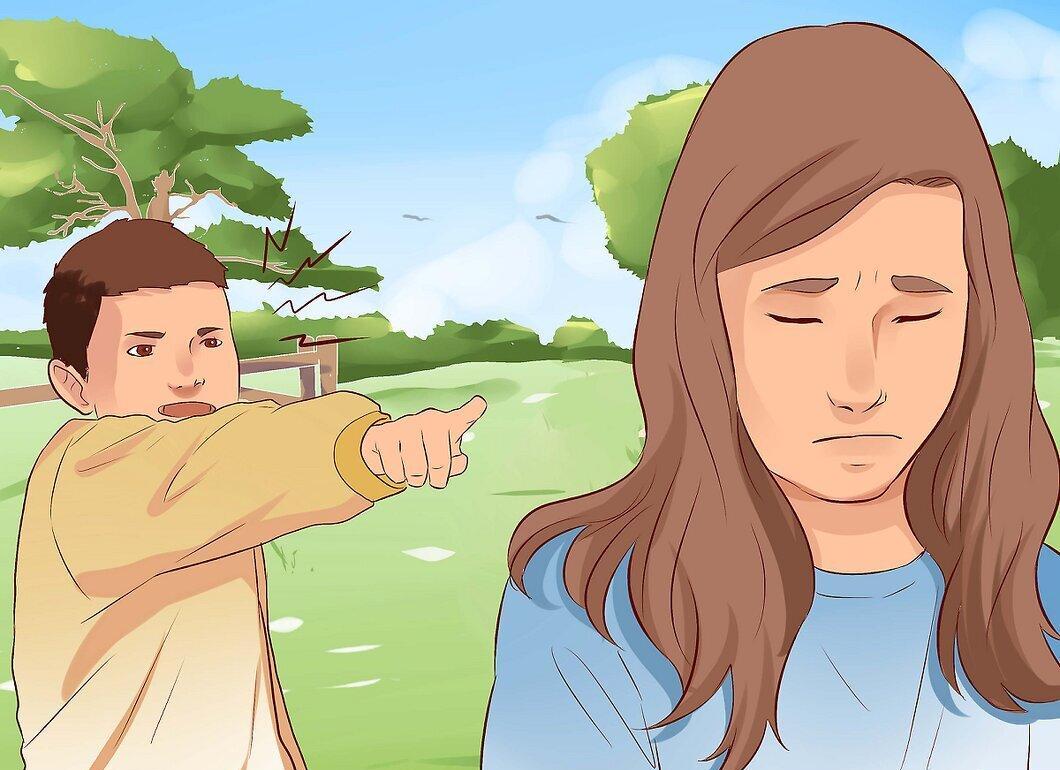
Make sure his actions don’t constitute harassment. This includes behavior that causes you distress, humiliation, or anxiety. Harassment can include unwanted calls, messages, emails, or persistent visits. It also encompasses stalking, insults, threats, and the use of animals for intimidation.
- If he causes you physical pain (like pulling your hair or throwing things at you), report it immediately to a trusted adult. If there are no adults around and you feel threatened, call the police.
- Insults based on race or physical traits are illegal, as is sexual harassment. Make sure to report such incidents to a teacher.
Step 3. Determine how long he has been bothering you.
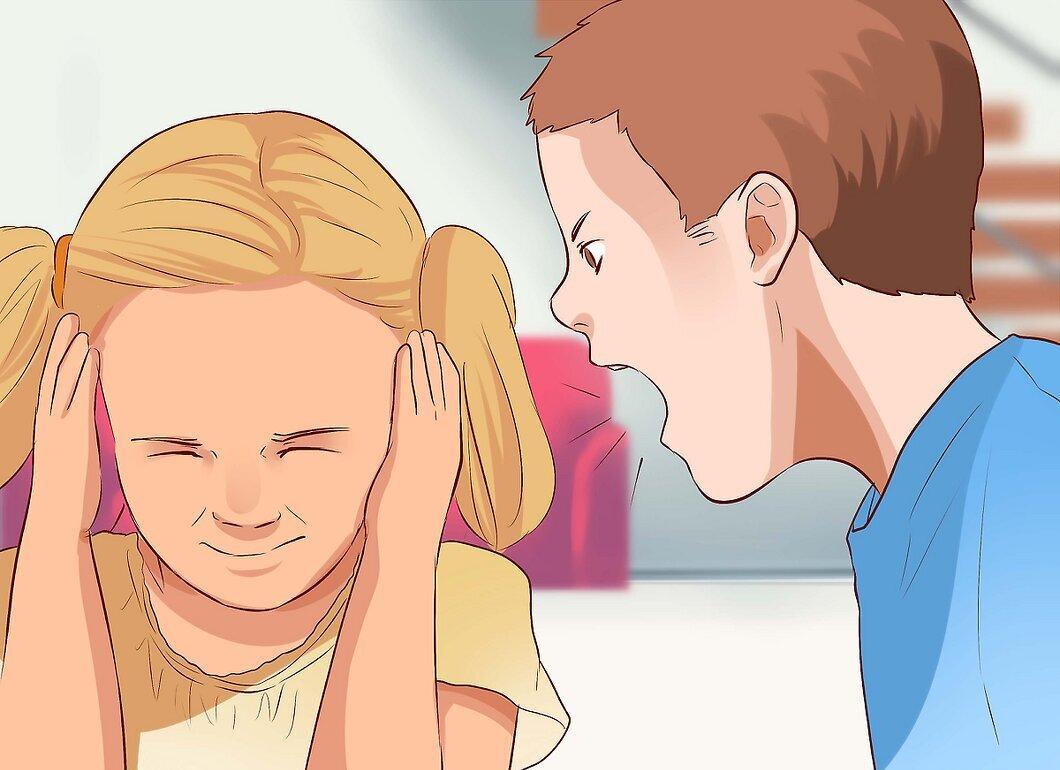
Think about how long he has been annoying you. Has it happened just once? Or has his teasing become a regular occurrence? If his behavior is repetitive and causing you worry, seek support from adults. Continuous harassment can lead to depression, anxiety, sleep problems, and a drop in academic performance.
Step 4. Reflect on possible motives.
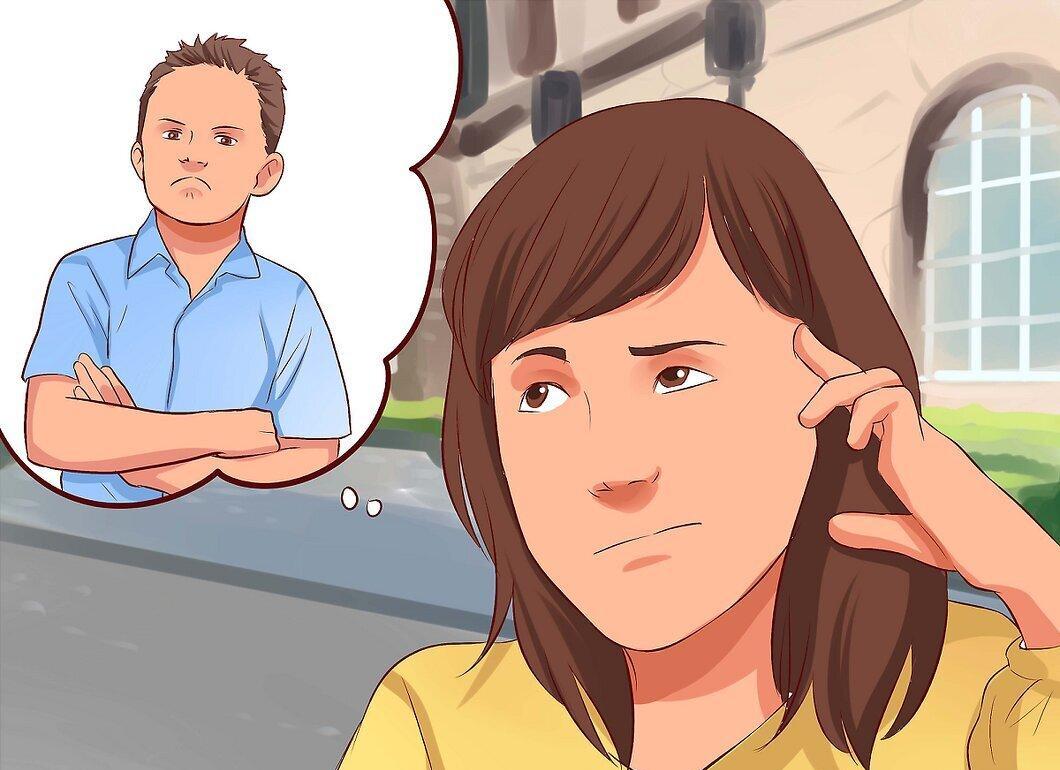
Consider the motives behind his behavior. Perhaps this guy is trying to get a rise out of you, is jealous of you, or simply wants to be friends. Yes, it sounds strange that he might be acting out because he wants friendship, but he may just not know how to interact with you. If he’s your brother, he might be feeling a lack of time spent with you. Some boys think teasing is fun and expect you to take it as a joke. Ask yourself the following questions:
- Do I want to be friends with him? If so, think about how to make your interactions more positive.
- Is he rude to others as well? If he shows aggression to those around him, he may just be a bully. In that case, you should talk to a teacher.
- Have your relationships changed? This often happens with younger brothers. Did you used to spend time together but have now stopped? Maybe he feels lonely?
Step 5. Talk to him.
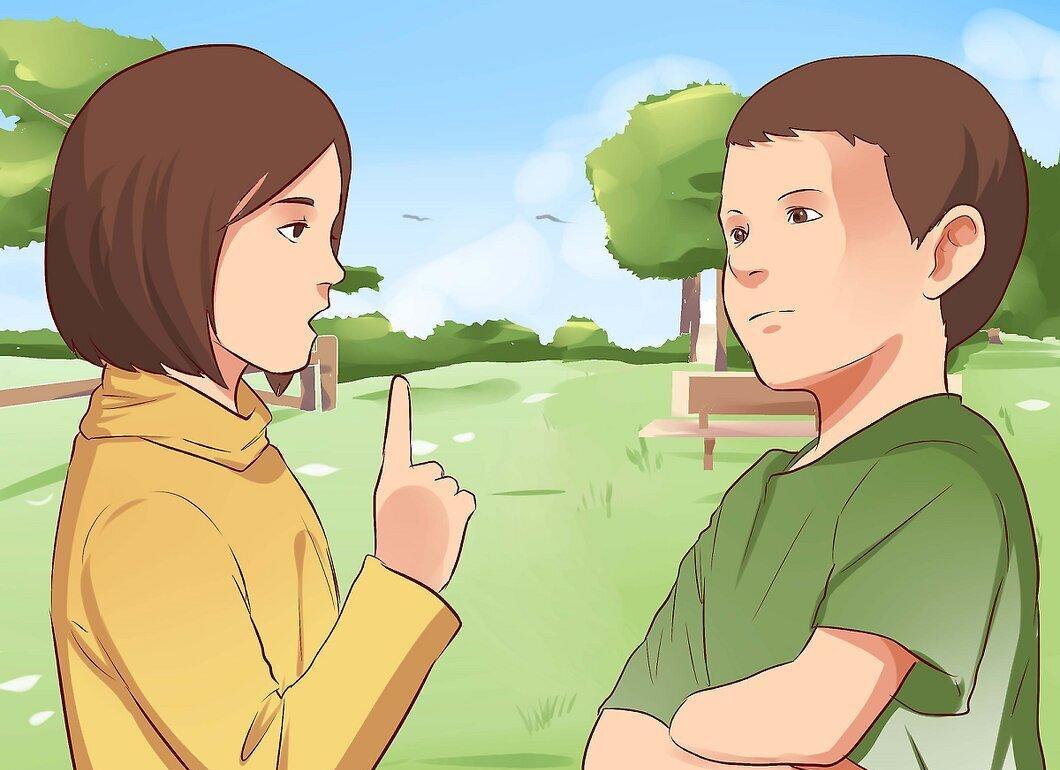
If you don’t feel threatened, ask him why he is bothering you. He may not realize his behavior is annoying. Then politely ask him to change his behavior. If he wants to be around you all the time, gently explain that you need some personal space. Be kind but firm. If he doesn’t want to talk, discuss his behavior with a teacher or an adult.
- For example, you could say: "Hey, Dima. Why do you keep throwing paper balls at me in class? It's distracting me from my work. Please stop. If you need something from me, just ask politely."
- If he wants to be friends but you're not interested, you could say: "Hey, Vasya. I appreciate that you want to spend time with me, but our interests don’t align. Please stop coming to me every day."
- If he’s your brother, he’s likely looking up to you. You will be in each other’s lives forever. Make some time in your schedule to spend with him. However, ask him to respect your need for alone time or time with friends. If you give him some attention, he’s likely to stop bothering you at other times. Say something like: "Listen, Lesha. I really love you, but sometimes I need some time alone. Let’s go for a bike ride on Saturday."
- You are not obligated to be friends with anyone. You choose your friends, and others should respect your decision.
How to Stop His Behavior
Step 1. Ignore him.
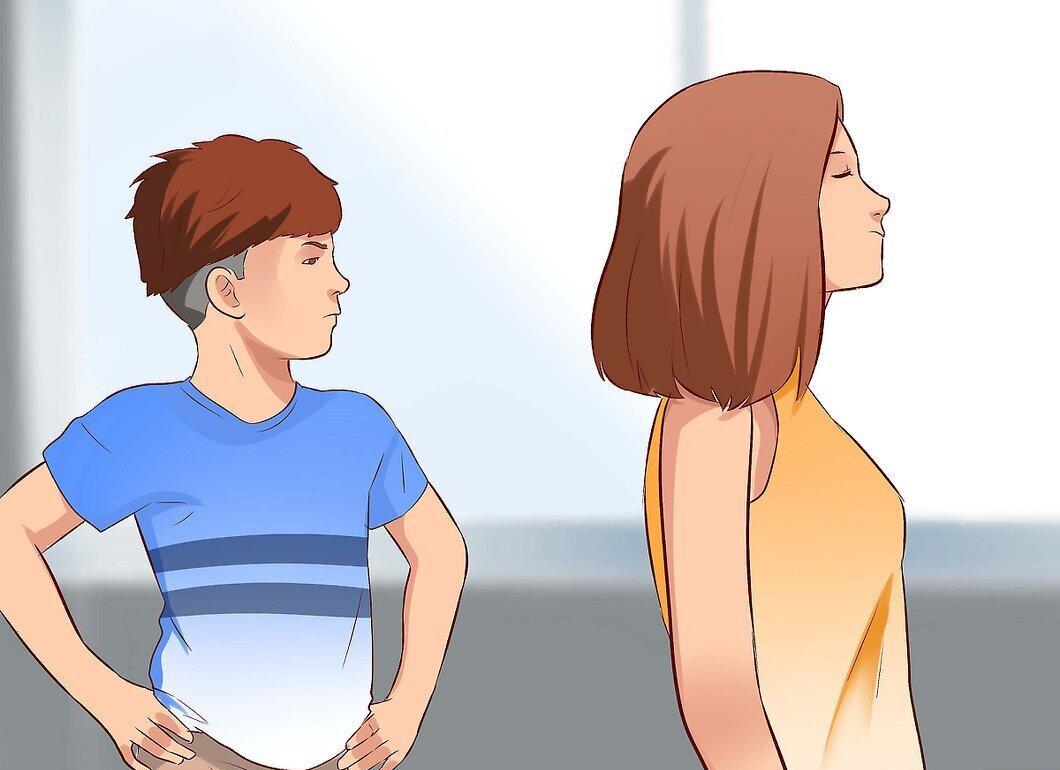
Ignore him. If you’re tired of engaging with him and he continues his behavior, just ignore him. This can be a good option if his actions are not harming you. If you stop reacting to his behavior, he may stop.
Step 2. Discuss the situation with friends.
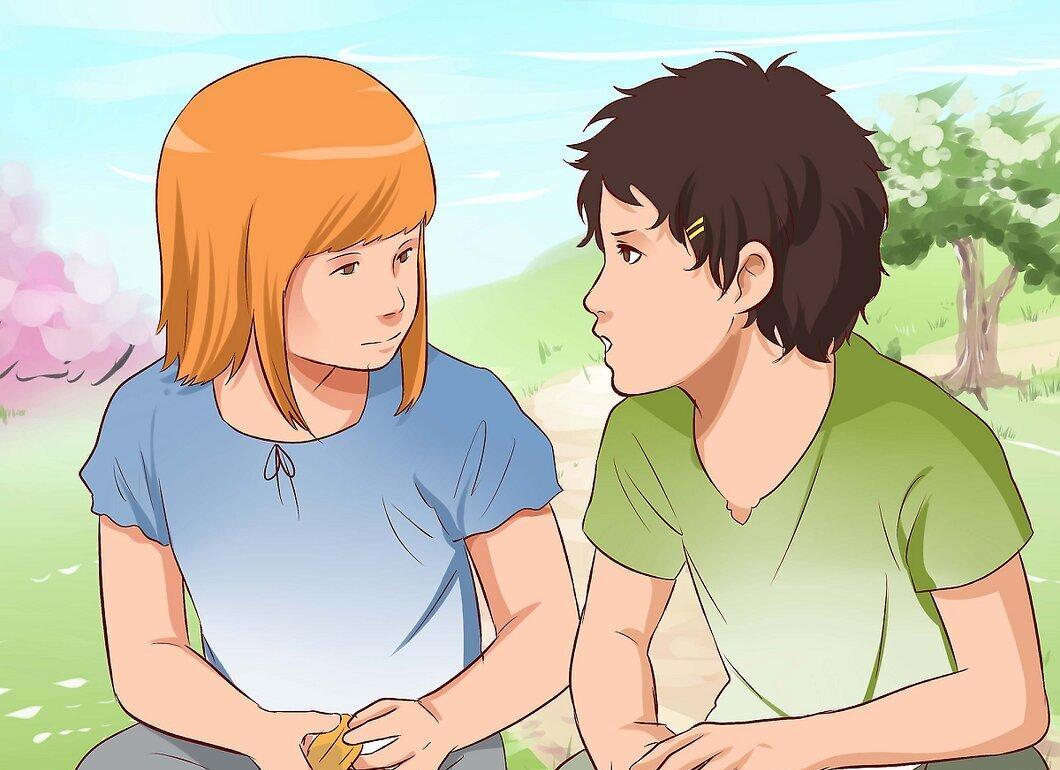
Talk to your friends. They might have ideas about why this guy is teasing you. One of them might talk to him on your behalf. Additionally, your friends can support you. If he realizes that others have noticed his behavior, he may want to stop. Peer pressure can be quite effective.
Step 3. Reach out to adults.
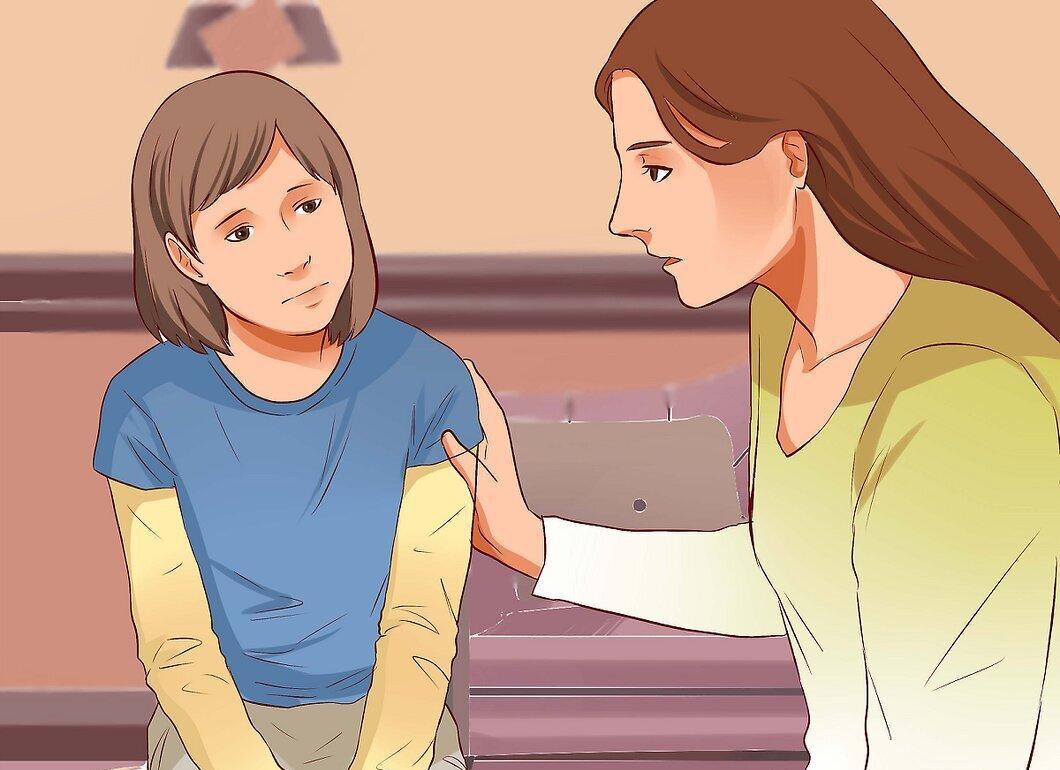
Talk to an adult. If you’re worried about this guy's behavior, tell a trusted adult. Your teacher or parents can help you deal with the situation. Explain that you feel uncomfortable at school, at home, or in your neighborhood.
Moving Forward
Step 1. Accept that it’s not your fault.
Understand that it’s not your fault. Many children who are bullied or harassed blame themselves. They think there’s something wrong with them that causes others to tease them. They might feel shy or unable to stand up for themselves. But that doesn’t justify mockery. You are unique and deserve respect. No one has the right to be rude to you.
Step 2. Remember that you are not alone.
Remember that you are not alone. You have friends, family, and teachers who are ready to help you. In the U.S., for instance, 40 to 80% of students experience bullying at least once. School psychologists are trained to help children cope with these challenges.
Step 3. Surround yourself with positive people.
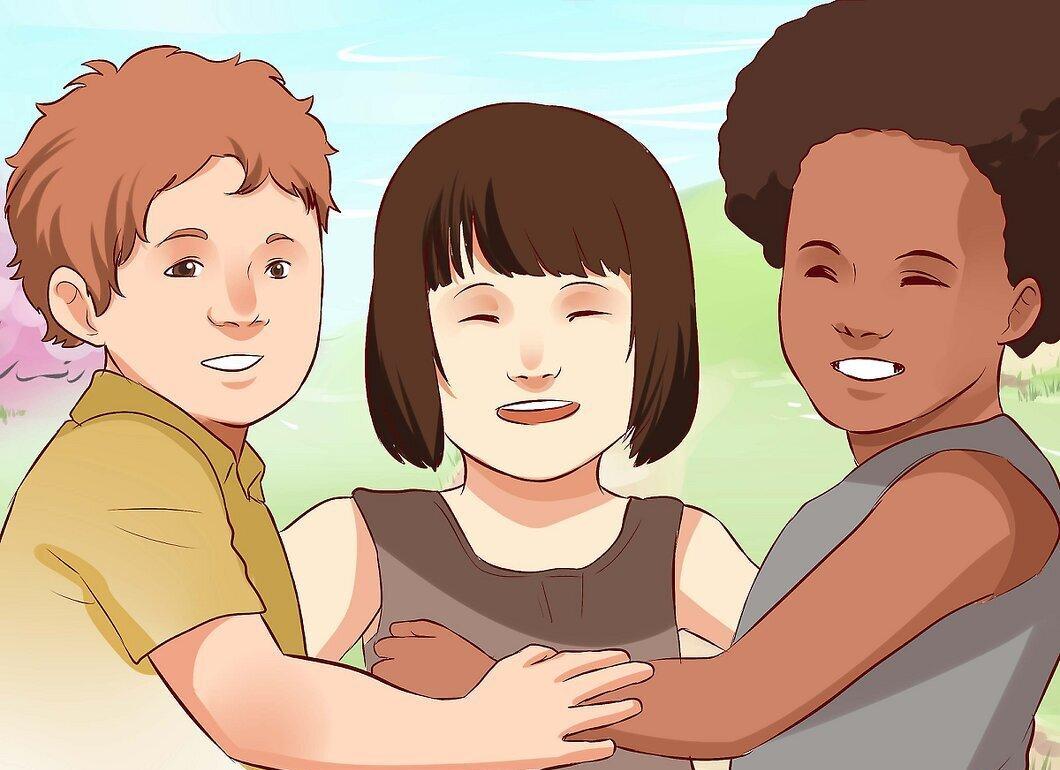
Surround yourself with positive people. If you’re dealing with an annoying guy, spending time with friends can be a great distraction. They can help you take your mind off this guy and may even serve as a buffer between you.